NEWS
858
of 1225
News
13.06.2016

USA - July 15 deadlines approaching for Annual Forage Insurance

Annual Forage Insurance coverage is available in Nebraska for annual forage plants seeded for use as livestock feed or fodder. This includes but is not limited to plants seeded for grazing, haying, grazing/haying, grain/grazing, green chop, grazing/green chop or silage. The signup/sales deadline is July 15 for coverage on fall planted forage (planted between July 15 and Nov. 15) with coverage available for a growing season from Sept. 1 to March 31. The acreage reporting deadline is Nov. 15. Annual Forage Insurance is also available for a spring growing season from March 1 to Sept. 30 for forage planted between Dec. 15 and July 15. If you purchased an Annual Forage insurance plan last December, the acreage reporting deadline is July 15. The Annual Forage Insurance Plan is based off of rainfall index data provided by the National Oceanic and Atmospheric Administration Climate Prediction Center. Producers can insure up to 90 percent of the Expected Grid Index across a series of two month intervals. The Expected Grid Index represents the average precipitation data for the Grid ID in each interval. The grids are 0.25 degrees in latitude by 0.25 degrees in longitude. This translates to roughly 17 miles by 17 miles at the equator. Due to curvature of the earth, actual size will vary based on location. Each grid has an historic precipitation index calculated for it for each of the two month intervals dating back to 1948. Both irrigated and non-irrigated acres are insurable. Each county in Nebraska has a County Base Value determined for it by the Risk Management Agency that represents its annual forage productive value regardless of production method. For example, the 2016 County Base Value for Cedar County, Nebraska, is $157.56 per acre. A producer can attach liability coverage between 60 percent ($94.54 per acre) and 150 percent ($236.34 per acre) of the County Base Value depending upon their coverage needs. Annual Forage Insurance Plan premium costs will vary depending upon the coverage selected. Producers interested in using the plan are encouraged to access the decision support tool on the RMA website to explore various coverage options, premium costs and performance data based on historical rainfall indices. Premium costs are subsidized from 51 percent to 59 percent depending upon coverage level selection. Catastrophic coverage is also available. Source - http://www.hpj.com

10.06.2016

USA - Cotton farmers headed for a hard landing as subsidies phase out

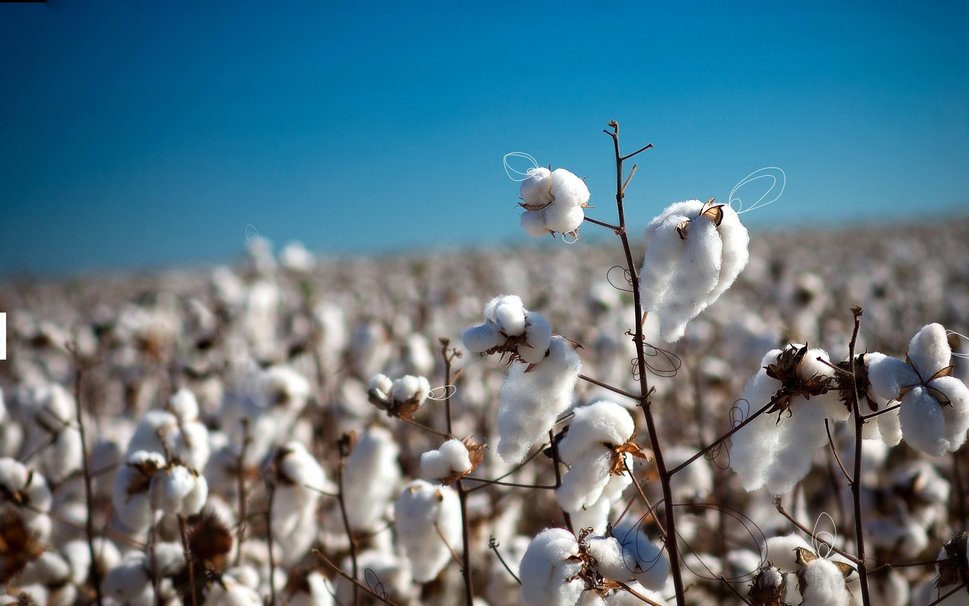
Growing cotton didn't used to be a stressful pursuit for Dan Smith, a lifelong farmer who now plants some 5,800 acres near the North Texas town of Lockney. Equipment could always break and prices could drop. Drought could hit - often did - and insects could eat away at the crops. But for years, if that happened, he had a safety net: The government would step in with either direct payments or subsidized insurance programs to keep him in the black. "I have lost everything that I had in a year because of bad weather," Smith says. "But it was always something you could get out of. You just have a good crop the next year and get back on your feet." This year, that won't happen, as Congress' 2014 agricultural subsidy reforms come into full effect. The five-year farm bill retained the insurance subsidies, but ended direct payments, leaving farmers exposed to volatile conditions after transition assistance runs out. With commodity prices at historic lows, cotton producers in Texas - who account for about half of the U.S.' $28.4 billion industry - could be headed for a hard landing. "There are whole towns and communities that are totally dependent on cotton," says Gene Hall, spokesman for the Texas Farm Bureau. "We're worried that we're looking at a train wreck here." A historic shift Most economists have long hated farm subsidies. Governments support farmers for multiple reasons: To help them compete against foreign imports, to preserve pastoral landscapes, and to maintain a domestic food supply. But research has found that they also distort production decisions, can suppress the agricultural economies of developing countries, and inflate land prices - all at the expense of the taxpayer. "This isn't transferring food stamps to people who are hungry," says Dan Sumner, director of the Agricultural Issues Center at the University of California-Davis. "These are relatively wealthy families, the typical small business in America. And the subsidies propped up and kept that business going probably where it didn't belong." But year after year, powerful farm-state interests kept them in place, arguing that it was only fair that the U.S. support its farmers when other big producer countries do the same for theirs. When it comes to subsidies in the cotton industry, nobody benefited more than Texas. Across the state, farmers took in $12.1 billion in agricultural subsidies between 1995 and 2014, or 33.7 percent of the total, according to calculations by the Environmental Working Group, a Washington D.C.-based advocacy nonprofit. Then there's another $11.3 billion in crop insurance assistance on top of that. During that time, cotton production surged in the U.S., partly due to advances in farm technology, growth in global demand and the fact that subsidies made the crop essentially risk-free. Smith got a total of $3,919,435 between 1995 and 2014 - an average of about $196,000 per year, with more in the bad years and less in good ones. He knows it looks like a handout, but says the money has kept the farm afloat. "A lot of this money has gone to buy tractors, farm equipment," he says. "I just worry the general public will think I went and bought a Cadillac." Smith says the program is necessary to keep cotton farms competitive when other countries, like China and Brazil, still subsidize their farmers. "People can say, 'I don't like subsidies.' But do you want to keep the cotton industry in the United States?" Smith asks. "I don't like taking subsidies, but I've had to stay in business." This season begins an experiment in what happens when most of the support systems that had propped up an industry for decades are yanked away. Well, not entirely yanked away. The 2014 farm bill ended the practice of handing out direct payments based on acreage, but it didn't go as far as many reformers wanted. It maintained some crop insurance guarantees that turned out to be just as expensive as the old system. But cotton lost access to those more generous insurance programs to lay to rest a long-running legal case that Brazil had brought against the U.S. at the World Trade Organization, alleging that America's subsidies were illegal under free trade agreements. In the end, the Obama administration persuaded its southern neighbor to drop the charges in exchange for $300 million dollars in aid for Brazilian farmers and a scaled-back insurance program for U.S. cotton farmers that would only cover deep losses rather than the price-based payouts that other crops enjoy. U.S. cotton producers accepted the deal, thinking that prices then hovering between 90 and 100 cents per pound - higher than the historical average, but far lower than they had been during a commodity price bubble in 2011 - would keep them out of trouble. "The reason that was done like it was, was in order to solve the Brazil case," says Jody Campiche, vice president for economics and policy analysis at the National Cotton Council. "It ended up that if cotton did not comply, it was going to affect a whole lot more than cotton. Cotton was the one that was thrown under the bus." The bottom falls out But even as the deal was headed towards passage, the price of cotton began to decline to around 65 cents as a bubble in commodity demand fully deflated. Much the same as oil and gas producers, cotton farmers are now in the position of trying to maintain enough infrastructure to rebuild when the price comes back up - if it does. Although demand has outstripped supply after a long period of global surplus, the price remains a good dime per pound below what farmers would need to break even. Already, there are signs of distress among farmers weakened by the drought of a couple years ago. The federal Farm Service Agency reports that in April, applications for emergency loans were up over 185 percent over the previous year. Applications for all loans - which farmers often apply for if they can't qualify for private financing - are up 21 percent. Mediation, which happens when a farmer has trouble staying current and might need to work out a payment plan, is up 75 percent. As a result, the government body is burning through its available cash ahead of schedule and may run out before the season's over. If Congress doesn't refill the FSA's coffers, farmers could be out of luck. For another metric, the Food and Agriculture Policy Center at Texas A&M has been taking the pulse of farm health for decades, and this spring found farmers are in a more precarious financial position than they've seen since the 1990s. Commercial lenders are starting to decline applications for operating loans, and advising their former clients to retire while they have something left. "Insurance works really good against protecting against crop failures and price drops within a year, but it doesn't do any good for a sustained price drop," says Joe Outlaw, the Center's co-director, estimating that the price of cotton would need to rise to about 75 cents for farmers to break even. "The cotton industry has no safety net right now. This is a make-or-break year for the industry." Trying to hang on Some cotton farmers may try to switch to other crops that still have more generous subsidy programs or better prices. But many don't have the soil conditions or weather to grow rice or corn. And once one stops paying the note on a cotton harvester, if the bank takes it away, it can be hard to get one back. "We're digging into equity to pay the bills," Smith says. "You can't just shut the farm down for two to three years, wait this out, and then just start it back up." Earlier this spring, the cotton lobby and its allies on Capitol Hill tried to get part of the crop reclassified as an oilseed, which would qualify it for more assistance. The U.S. Department of Agriculture rejected that bid, but did just this week decide to hand out $300 million in aid to help with cotton processing expenses, which will average $36.97 per acre for Texas farmers. "The USDA continues to stand with America's cotton producers and our rural communities," said Agriculture Secretary Tom Vilsack in a press release about the announcement, which noted the economic stress that cotton farmers have been under. That's just a one-time fix. In the longer term, some farmers favor trying to amend the farm bill to put subsidies back in before the whole thing comes up for renewal in 2018. But Smith - and the Texas Farm Bureau, with which he is very active - worries that could do more harm than good. Not everyone is buying the cotton industry's distress calls. The Environmental Working Group, a longtime critic of farm subsidies, argues that the debt-to-asset ratio of the entire farm sector is still below that of the population overall. Farmers aren't doing that badly financially, mostly because of off-farm income, and haven't started defaulting on loans en masse. "It's hard to feel sorry for farmers who have the most generous crop insurance subsidies on the planet and who enjoyed a period of above-average prices that contributed to significant equity in their operations," said Scott Faber, EWG's vice president of government affairs. "Farmers aren't going to lose their shirts when prices return to normal if they are good stewards." Eventually, EWG thinks that production and land costs will adjust to a world in which unsubsidized farmers can't pay inflated rates, helping them to stay afloat. Even if the cotton industry did disappear, it's unclear how much of an economic impact that would have. Farms are so automated and so productive now that they don't employ many people. Smith, for instance, only has three helpers on his payroll. The U.S. Department of Agriculture estimates that 200,000 people work in the entire U.S. cotton production chain, from farm to gin to mill; the majority of the crop is exported, since textile manufacturing began drifting overseas long ago. But about 50,000 of those jobs are in Texas, concentrated around the town where Dan Smith lives. And if nothing changes, it could mean that many people will have to find livelihoods off the land. "I've spent my adult life buying land. And I always thought when I retire, I'll rent that land out to a younger farmer. But if there are no younger farmers ... Used to be, the more land you have, the more you make. Now, it could be the more you farm, the more you lose." Source - http://www.houstonchronicle.com/

10.06.2016

Africa - WFP Insurance Initiative Triggers Payouts to Farmers Affected by El Niño

"We sow, and if the rains don’t come, the insurance allows us to still feed our children" – Aissata, a farmer in Medina Diakha, Senegal. The current El Niño phenomena, which began in early 2015, is one of the strongest on record and is affecting the food security of a vast number of food-insecure people around the world. The World Food Programme and Oxfam America’s R4 Rural Resilience Initiative (R4) is helping farmers build their resilience to increasing risks by enabling them to access crop insurance in exchange for their labour. In total R4 is helping almost 200,000 people to manage the effects of El Niño. As a result of El Niño-related droughts in 2015 and 2016, weather insurance payouts were triggered in Ethiopia, Senegal and Malawi. Almost 30,000 farmers and their families – 180,000 people – received over US$ 445,000 in payouts. Aissata was one of the 3,334 farmers who received a payout in early 2016 in Senegal’s Tambacounda region, as compensation for the impact of the dry conditions experienced during the 2015 agricultural season. Aissata accessed insurance through the Insurance for Assets scheme which allowed her to work on risk reduction interventions, such as water and soil conservation assets, and receive insurance cover in exchange. By improving natural resources management, these assets help reduce the risk of disasters over time. Ester Saizi knew she had a fallback through insurance, if her crops failed. Photo © WFP/Phillip Pemba Ester Saizi is one of the vulnerable small-scale farmers in Malawi participating in the R4 programme. This year, Ester received insurance payouts together with 499 farmers who insured their crops against drought under R4. She joined the insurance scheme after suffering several years of losses in her crop production due to drought over the past years, including the 2014/15 growing season when 2.8 million people fell into food insecurity due to the adverse climate conditions. Apart from insuring her crops, Ester also learned about and applied compost manure in her maize garden. As a result, despite El Niño drought effects, she still harvested some maize thanks to the moisture kept by compost manure. The insurance payout will enable her to buy additional food to supplement her harvest. Food and Income Security R4 is a comprehensive risk-management approach, launched by WFP and Oxfam Americain 2011 to enable vulnerable rural households to increase their food and income security in the face of increasing climate risks. R4 combines improved resource management through asset creation (risk reduction); insurance (risk transfer); livelihoods diversification and microcredit (prudent risk taking); and savings (risk reserves). R4 currently involves 32,000 households, benefiting over 192,000 people in Ethiopia, Senegal, Malawi and Zambia. Payouts typically enable farmers to buy food covering the lean season, and to pay existing loans without having to sell productive assets such as oxen and agricultural tools. Some farmers also use the payout to invest in alternative livelihoods such as petty trade. According to the insurance satisfaction survey conducted in Senegal at the end of the season, they value the “protection” that insurance provides to their investments. Farmers also understand the catastrophic nature of the insurance coverage, as they see agricultural insurance as the “spare wheel of a car on which to rely during difficult times”. In Ethiopia, 2015 was a major drought year across most of Tigray, with substantial yield losses caused by a late start of the rainfall season and significant dry spells along the whole season. In Senegal, a later than usual onset of the rains was also registered, but the season then progressed with average or higher than average rainfall towards the end. Malawi was also significantly affected by El Niño, resulting in dry conditions in the region of Balaka, where R4 is being piloted. Meeting Farmers' Expectations In Ethiopia, early window indexes triggered in 10 of the 12 Woredas in R4 intervention areas. The payout did not entirely meet farmers’ expectations. After several consultations the R4 country team agreed to activate the Basis Risk Fund. This complemented the insurance payouts of US$ 129,899 with US$ 234,195, which were distributed to 25,773 insured farmers in Tigray – out of the 27,668 farmers insured in Tigray and Ahmara – with an average payout sum of US$ 14 per household. The development and implementation of a basis risk strategy represents an important step in overcoming some of the challenges faced in the past in scaling up weather index insurance. In Senegal, the early window triggered payouts in all villages except one in Tambacounda, one of the three regions where R4 is present. A field assessment confirmed that the rainy season in Woundoudou Amirou was however comparable to that in the other villages in the area. Therefore it was included in the payout group with a Basis Risk payment of 10 percent. In total, 3,334 out of 3,621 farmers received a total of US$ 80,969 in payouts, US$ 24 per household on average. In Malawi, the R4 insurance product includes two windows: one covering the planting phase and the other covering the flowering phase. Due to the adverse conditions brought by El Niño, the first window triggered, resulting in payouts for all 500 insured farmers, for a total of US$ 3,195, US$ 6.3 per household on average. Source - http://reliefweb.int

10.06.2016

USA - Strawberry grower insurance meetings set

Western Growers and the U.S. Department of Agriculture will host informational meetings about federal strawberry crop insurance. A meeting for Oxnard, Calif., strawberry growers is set for June 13 at the Courtyard by Marriott in Oxnard, and a meeting for Santa Maria, Calif., growers will follow on June 14 at the Agricultural Commissioner’s office in Santa Maria, according to a news release. Since the Strawberry Crop Insurance Program was established in 2012, Irvine, Calif.-based Western Growers has worked closely with the USDA’s Risk Management Agency on enhancing and improving it. A review of the program was conducted in 2015. Insurance is granted through the program based on a grower’s revenue history and is subsidized to lower its costs. “For years, the California Strawberry Commission and Western Growers have collaborated with and facilitated the conversation between USDA and strawberry growers to help develop a product that meets the needs of farmers not only in California but throughout the nation,” Matt McInerney, Western Growers’ senior executive vice president, said in the release. Source - http://www.thepacker.com

10.06.2016

Ghana - Lack of insurance making agric risky

It is more risky engaging in agriculture in Ghana today than it was three decades ago because the country is recording 30 percent less rainfall than was recorded some 30 years back.The Central region for instance had 40% less rainfall than it had in the last decade. The average rainfall in Ghana reduced from 1,237 mm in 2008 to 937mm in 2015.This rainfall pattern has been largely blamed on climate change thus increasing the risk involved in the sector. This has caused insurance companies to shy away from providing covers for activities in the sector which has witnessed declined growth in the past couple of years.A deputy minister for Food and Agriculture, Dr. Ahmed Yakubu, Thursday, told parliament, that the absence of insurance for the sector is making it less attractive. According to Dr. Yakubu, “the risk associated with agriculture is increasing and there’s the need for us to have a lot of insurance absorbing the risks”.The Deputy Minister added that insurance should not only be sought for cash crops but for livestock as well, “because of disease outbreaks that we’ve witnessed in recent times.”In 2011, government through the National Insurance Company and the German International Cooperation in 2011 set up the first agricultural insurance product to protect farmers against financial risks resulting from negative impact of climate change.But the Ghana Agricultural Insurance Pool as it is called has since stalled due to lack of funds. “Discussions are taking place between the Ministries of Agric and Finance as well as donor partners to see how best the pool can be resourced to assist farmers,” he assured the lawmakers Thursday. Source - http://www.starrfmonline.com

10.06.2016

India - Farmers urged to make use of crop insurance scheme

A discussion on Pradhan Mantri Fasal Bima Yojana (PMFBY), presided over by the Vice Chancellor of Assam Agricultural University , Dr K M Buzarboruah, was recently organized here at  the Krishi Vigyan Kendra (KVK). The VC, while addressing the meeting, stressed the merits and demerits of the PMFBY scheme and urged upon the farmers to make use of the crop insurance scheme. Speaking on the event, after inaugurating the exhibition and technology demonstration being held at the venue, Dibrugarh MP, Rameshwar Teli,  by giving value on the agricultural model of organic farming, called for adopting the same by farmers for improving the health of  soil and people in  general.  The MLA of Lahowal, Rituparna Baruah, also attended the programme. Attending the programme, Deputy Commissioner, MS Manivannan, invited the scientists of KVK to extend their expertise in educating the farmers with technological understanding. A technical session was also held, with Joint Director, EZ – 2, Tinsukia, KJ Gogoi as the chairperson. The DDM of NABARD, Lipy Gogoi; LDM , Dibrugarh, M. Kachari  and Agro- Scientist of KVK, Dibrugarh, H. Saikia, deliberating on the occasion, described the operational guidelines of the crop insurance scheme. Nearly 10 participating agencies, like KVK, crop health companies, self-help groups (SHGs), plant nurseries, organic tea growers, showcased their technology and products at the awareness camp.  About 500 soil cards were distributed among the farmers, who later, had an interactive discussion with the scientists. Source - http://www.sentinelassam.com

10.06.2016

Tanzania - Farmers Need Insurance Cover to Be 'Safer'

Agriiculture experts have suggested that since small-scale farmers are dependent on rain-fed farming they should have their crops insured against calamities brought on by unfriendly weather which include droughts and destructive floods. The experts say that since rains have been largely unreliable in the last few years mainly due to global warming and climate change small-scale farmers have often see their efforts go to waste and a life-threatening famine zoom in. Insurance cover can cushion off looming hunger when subsistence farmers lose their crops. Unfriendly weather phenomena, however, are not the only enemies that worry farmers. Unscrupulous local and foreign investors have of late caused farmers to shed tears of grief. Some farmers in this country get a raw deal when their tracts of farmland are passed to so-called investors with little or no compensation at all. This is land grabbing which is, indeed, an abominable felony; no wonder investors are not taken kindly in some localities. It is worthwhile to point out here that this is an undesirable practice that is knocking small-scale farmers off their feet not only in Tanzania but also in other African countries and farther afield. Perhaps the decision to limit land allocations will lessen the problem. The State has announced that from now on foreign investors who intend to invest in agricultural ventures will be allocated a maximum of 10,000 hectares. The idea is to slam the brakes on haphazard allocations that often leave land unattended for years. The move will also curtail what land grabbers call "land banking." Land bankers are greedy investors who purchase huge chunks of land, often corruptly, and leave them unattended for years so they can re-sell them for a higher price. The 10,000 hectares will be parceled out mainly to investors in sugarcane plantations and the minimum 5,000 hectares will go to rice growers. This decision has been arrived at after an exhaustive research. Well and good, so long as the move reduces the now rampant conflicts over village land. Conflicts over land are so numerous. Some pit local or foreign investors against villagers. Others pit farmers against livestock keepers. It is high time such conflicts were shot down. Many kind-hearted activists around the world have raised concerns that poor villagers, including those in Tanzania, will be forced off their land and agribusinesses in the near future, a sorry spectacle that will marginalize subsistence farming. So, some of the poorest wananchi in this country are losing their land, water and natural resources that have supported their livelihoods for generations. It is these poor farmers who have provided the backbone of the economy for long. They should be protected. Source - http://allafrica.com/

09.06.2016

China - Sudden hail damages new kiwi crop

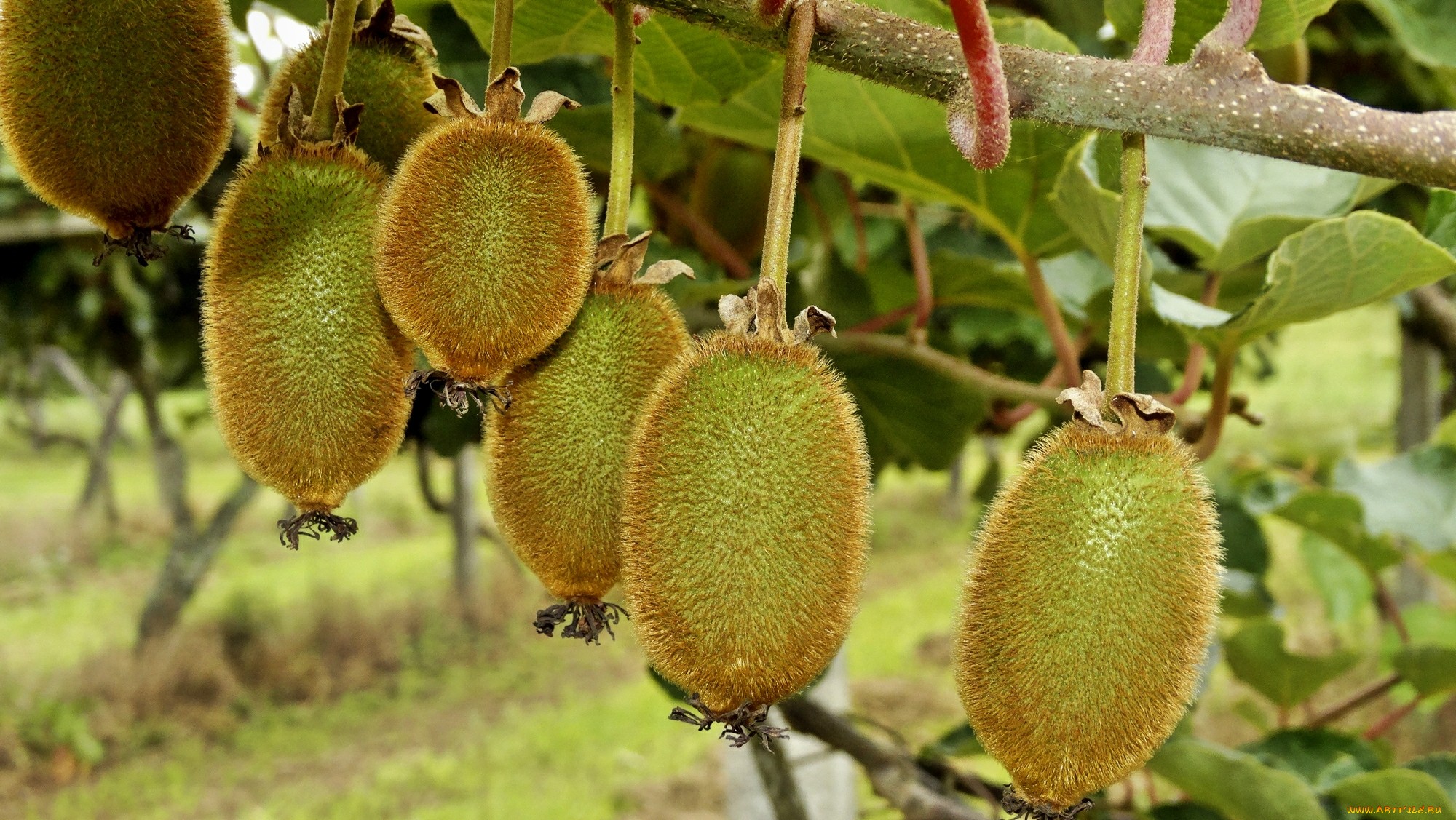
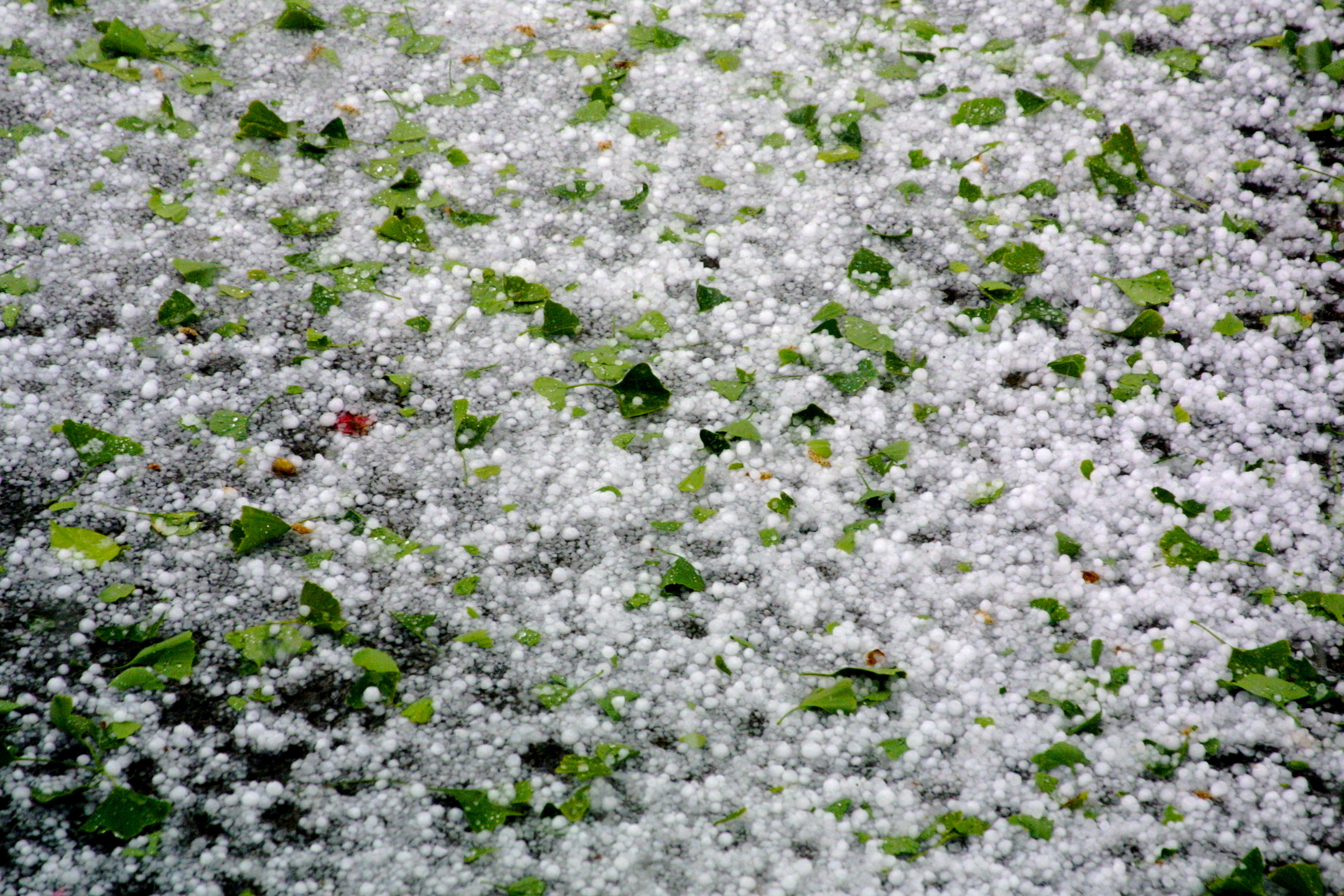
Hailstorms hit several regions in Shaanxi and Sichuan yesterday, with hail stones as big as chicken's eggs at some places. The storm raged a few hours and several crops, such as kiwis and pears, suffered severe damage. A kiwi grower from Sichuan province explained that the hail struck Cangxi and Shifang, two counties that are famous for kiwi and pear cultivation. Shifang especially is known for its snow pears and red-hearted kiwis and is called 'the capital of pears' in every day speech. The kiwi trees already bear fruit at this time of year. The harvest is planned for August, and the hailstorms yesterday have damaged a considerably part of the new crop. Losses are estimated at 20%. The one good think according to the grower is that the hail storm did not last too long. The area and degree of damage are still manageable. At the same time, other kiwi production regions in Sichuan, like Pujiang, did not suffer any hailstorms so far. The kiwis grow very well and harvest should start after two months. Source - http://www.freshplaza.com

09.06.2016

India - Awareness created on crop insurance

A day-long awareness programme on the Pradhan Mantri Fasal Bima Yojana was organized at Krishi Vigyan Kendra (KVK), Dibrugarh on Tuesday. The programme was presided over by Assam Agricultural University Vice Chancellor Dr KM Buzarbaruah. The Vice Chancellor highlighted the merits of the scheme and asked the farmers to come forward for crop insurance. The exhibition and technology demonstration showcased in the campus was inaugurated by Dibrugarh MP Rameshwar Teli. He laid stress on organic farming and said that it was the need of the hour for better health of soil and people as well. Deputy Commissioner MS Manivannan emphasized on bridging the technological gap in farmers and asked the KVK scientists to play a vital role in it. A technical session was also held with KJ Gogoi, Joint Director, EZ-II, Tinsukia as the chairperson. Lipy Deori, DDM, NABARD; M Kachari, LDM, Dibrugarh and H Saikia, agro-economist of KVK Dibrugarh described the operational guidelines of the crop insurance scheme. About 500 soil health cards were also distributed among the farmers on the occasion. The event concluded with a farmer-scientist interaction. Altogether ten input agencies, including KVK, crop health companies, SHGs, plant nursery, organic tea growers showcased their products and technology. MLA Rituparna Baruah also attended the programme as a guest. The inaugural session was anchored by Dr HK Bhattacharyya, programme coordinator of KVK, Dibrugarh. Source - http://www.assamtribune.com

09.06.2016

France - Bad cauliflower situation

A lot of rain at the end of May, and hot weather right after this affected the cauliflower production in the North of France. “Within 3-4 days we expect a terrible market. We had between 80 to 110 mm in less than 48 hours in the Bethune area, which is 40 minutes from South-West of Lille,” explains Jean-Pierre Dalle from Ribambelle. Growers lost 30% of the crops for cauliflowers, red and white cabbage in the Bethune area. In other areas it is a bit less, because they have better ground and field. “The prices are really low as well, at the moment the price is €3.90 per box of 6 heads for the grower. This includes packaging and cooperative cost. Prices are expected to go up within a couple of days, but not in relation to the loss of the growers.” In general the market is always very quiet in summer and good in winter. However today the auction counted 7,000 boxes of harvest and tomorrow the expectation is 4,000 boxes. A year ago the auction had on the same day 20,000 boxes. Growers have to wait a couple of days to continue to plant the new crop. Most regional growers planted just a small part of their crop until May 30. “If weather stays good, to the end of the week they will continue planting and we expect the market to recover by the middle of July.” Source - http://www.freshplaza.com

09.06.2016

Spain - Rainfall damages early cherries in Jerte Valley

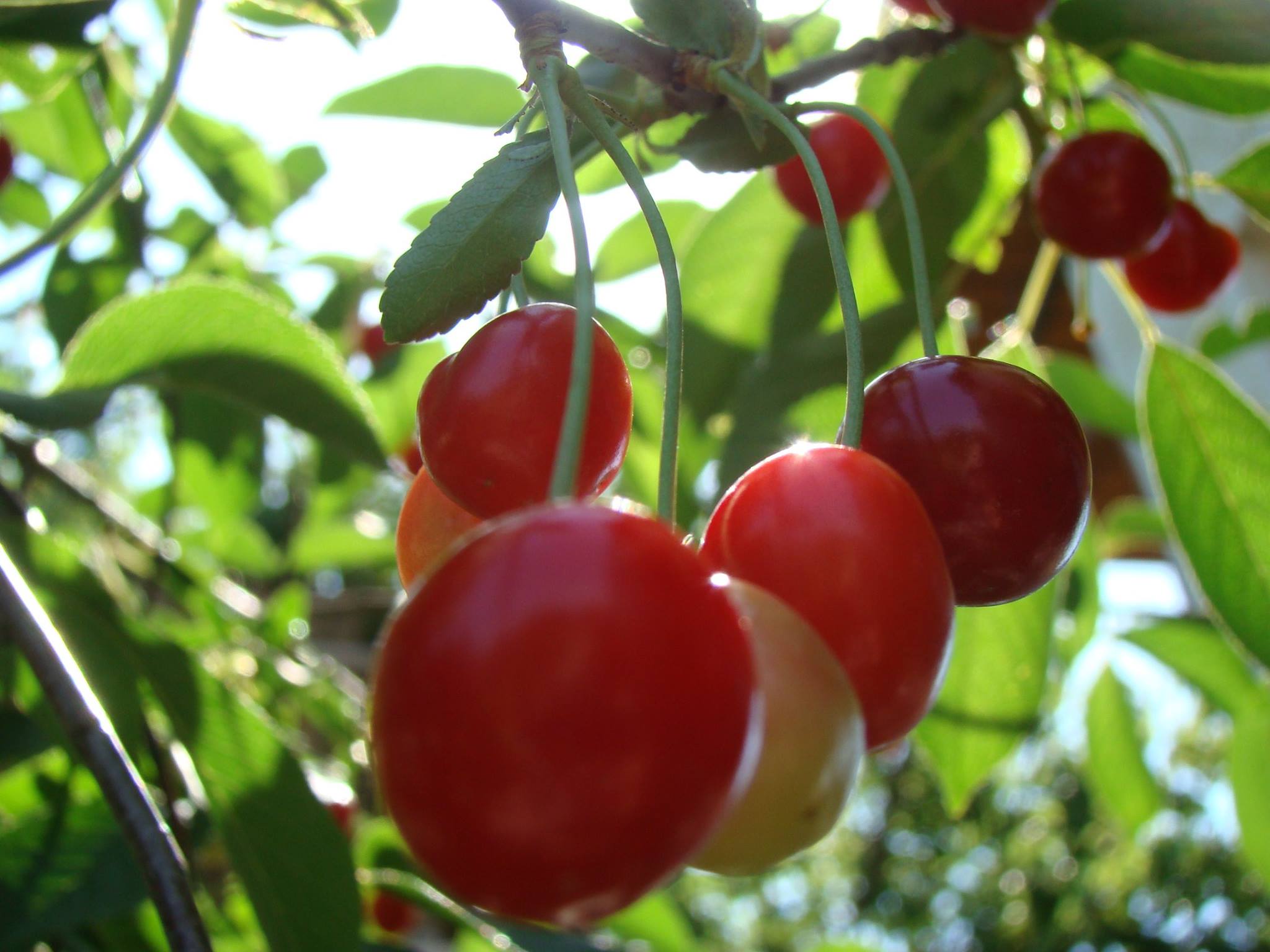
The heavy rains recorded in the Jerte Valley have caused some damage to early cherry varieties, such as the Burlat, resulting in 'cracked' skin. Apparently, the damage has concentrated in specific areas, so, while some producers have suffered important damage, "in global terms they will not be very serious and won't take as much of a toll as last season, when we were harvesting the Lapin variety and were about to start with the Picota," pointed out Miguel Perera, director of the Association of Cooperatives of the Jerte Valley. The Jerte Valley cherry campaign kicked off on 20 May, about three weeks late compared to the usual dates. In any case, Miguel Perera affirms that the quality of the cherries is good. "The rainfall in May did not affect us because the harvest had been delayed," he explains. "Right now, we are starting with the harvest of the Navalinda variety, native of the Jerte Valley." The Spanish cherry campaign started with very high prices due to the lower production in early areas, like Tarragona and south of Aragon, as a result of frost and rains in May. "We also started with high prices, although with the development of the harvest in other producing areas, prices have fallen; but they remain at interesting levels," states Miguel Perera. According to the representative, demand is high in the export markets, while in the domestic market, consumption is fairly stagnant. "While taking into account that early cherries tend to perform in a less consistent manner than mid-season and late varieties, we are managing to export cherries to several European countries. This campaign we also hope to further strengthen our position in the Brazilian market and will enter the Colombian one. Also, we will increase our shipments to the Scandinavian countries and Hong Kong. The strategy is to diversify our markets to prevent having to rely on Western Europe." Prospects point to a drop in the Jerte Valley's production this year. The acreage planted with cherries continues to grow gradually each year, despite the orographic limitations. While the Picota production will remain stable, that of La Vera and northern Extremadura will grow on an annual basis," concluded Miguel Perera. Source - http://www.freshplaza.com

09.06.2016

USA - Members of Congress Collect At Least $9.5 Million in Farm Subsidies

Members of Congress collected at least $9.5 million in farm subsidies between 1995 and 2014, according to new data from EWG’s Farm Subsidy Database – including more than $1.1 million in subsidies over the last five years. The 36 legislators and their spouses received millions in traditional farm subsidies since 1995. It’s likely that many also received crop insurance subsidies – but those are hidden from the public. Key findings: The farm owned in part by Rep. Doug LaMalfa (R-Calif.) received at least $5.3 million between 1995 and 2014. The farm owned by Rep. Stephen Fincher (R-Tenn.) received at least $3.6 million in farm subsidies between 1995 and 2014. Both LaMalfa and Fincher have invoked the Bible to attack anti-hunger programs. Rep. Marlin Stutzman (R-Ind.) received at least $220,000 in farm subsidies between 1995 and 2012. Stutzman has frequently railed against government spending, warning “there are too many hands in the cookie jar.” Several Tea Party leaders – including the current and former leaders of the fiscally conservative Republican Study Committee – received farm subsidies. Some current or former chairs of committees overseeing the U.S. Department of Agriculture have received subsidies, including Rep. Robert Aderholt (R-Ala.), Rep. Frank Lucas (R-Okla.). The most senior Democrat on the House Agriculture Committee, Collin Peterson of Minnesota, has also received subsidies. Overall, ten members of the House Agriculture Committee received at least $3.5 million in farm subsidies from 1995 to 2014. See the full list of members collecting farm subsidies by clicking the graphic.  Of the 36 current lawmakers and spouses that received farm subsidies, 16 cumulatively received more than $1.1 million between 2011 and 2015. EWG focused our analysis on members of Congress and their spouses. Some legislators’ extended families also receive farm subsidies, such as the family of Sen. Joni Ernst (R-Iowa). Of 36 legislators collecting farm subsidies, 34 grow corn, soybeans, sorghum, cotton, rice, barley and tobacco – crops that are eligible for both traditional farm subsidies and crop insurance subsidies. Traditional commodity subsidies are subject to a modest means test that was tightened under the 2014 Farm Bill. Unlike traditional commodity subsidies, crop insurance subsidies can benefit any farmer – regardless of income – and the USDA doesn’t have to make the names of crop insurance beneficiaries public. Efforts to require greater disclosure of crop insurance subsidies, including which legislators receive subsidies, were defeated in 2014, when Congress last considered the farm bill. Source - http://www.ewg.org

09.06.2016

Vietnam lost 30,000 ha of fruit to drought

The drought which has been plaguing Vietnam is said to have cost the country's economy more than $670 million in lost rice and fruit output. Late rain, which has fallen in central Vietnam, is unlikely to provide any relief for the parched country and its neighbors. According to the Ministry of Planning and Investment, some 250,000 hectares of rice production have been lost to the drought, seriously affecting 288,000 households and more than a million people. Rice isn’t the only crop affected by the loss, as 30,000 hectares of fruit production were also lost and aquaculture losses were 6,800 hectares. The Mekong River has fallen to record lows, with the Vietnamese government reporting that it is at its lowest level since 1926. With the water level this low, seawater from the South China Sea moves inland, causing soil to become salty. Many scientists think that a strong El Nino, coupled with the effects of global warming, is contributing to what is the worst drought Southeast Asia has seen in nearly a century. A dam-building spree on the Mekong by many of Vietnam’s neighboring countries is also contributing by reducing water flows. With the El Nino now dying, the lack of water is still being felt, said Duong Van Ni, a Can Tho University professor and expert on the Mekong Delta. “Because of the long drought period, the water level in many areas, especially that of Tonle Sap, has decreased by 50 percent compared to the same period in the previous year,” he told RFA. Source - http://www.freshplaza.com

09.06.2016

Spain - Another 1,200 hectares of fruit affected by hail

The province of Lleida recorded a new hailstorm on the afternoon of Saturday 4 June, the third in just three weeks. This time, damage has been caused to some 1,200 hectares of fruit (mostly nectarines and peaches) in the counties of Segrià and Les Garrigues. As reported by the Department of Agriculture, the storm initially affected the municipalities of Seròs, Massalcoreig and La Granja d'Escarp, where there was hail mixed with water, and then became stronger in the municipality of Aitona, finally reaching Torres de Segre, Sarroca de Lleida and Torrebesses. The storm took place between 19.00 and 21.00, with hailstones measuring between 0.5 and 1 cm. Specifically, 1,070 hectares of stonefruit and 175 of pome fruit were damaged. The municipalities where the most damage was recorded were Aitona, Torres de Segre and Sarroca de Lleida. In Aitona, which was the most severely hit, so far 300 hectares of stonefruit have been estimated to have suffered damage with an extent of between 70 and 100% and 400 hectares with an extent of between 30 and 50%. This municipality also recorded damage to 110 hectares of pome fruit 110, with extents ranging between 30 and 100%. In Torres de Segre, 170 hectares of stonefruit and 15 of pome fruit have suffered damages, although not as severe as in Aitona (between 10 and 40%). Lastly, in Sarroca de Lleida there are 200 hectares of stonefruit and 50 of pome fruit affected, with extents of between 10 and 50%. This is the third hailstorm that has hit Lleida over the last three weeks. The first one took place on 22 May and damaged 3,200 hectares of crops (sweet fruit, almonds and cereals) in the Segrià and Les Garrigues, while the second, the heaviest one, was registered on 28 May and caused damage to 5,500 hectares of sweet fruit and cereal in southern Segrià, les Garrigues, El Urgell and La Segarra. Source - http://www.freshplaza.com

08.06.2016

USA - Some Texas farmers reporting crop damage after storms, others say 'wait and see'

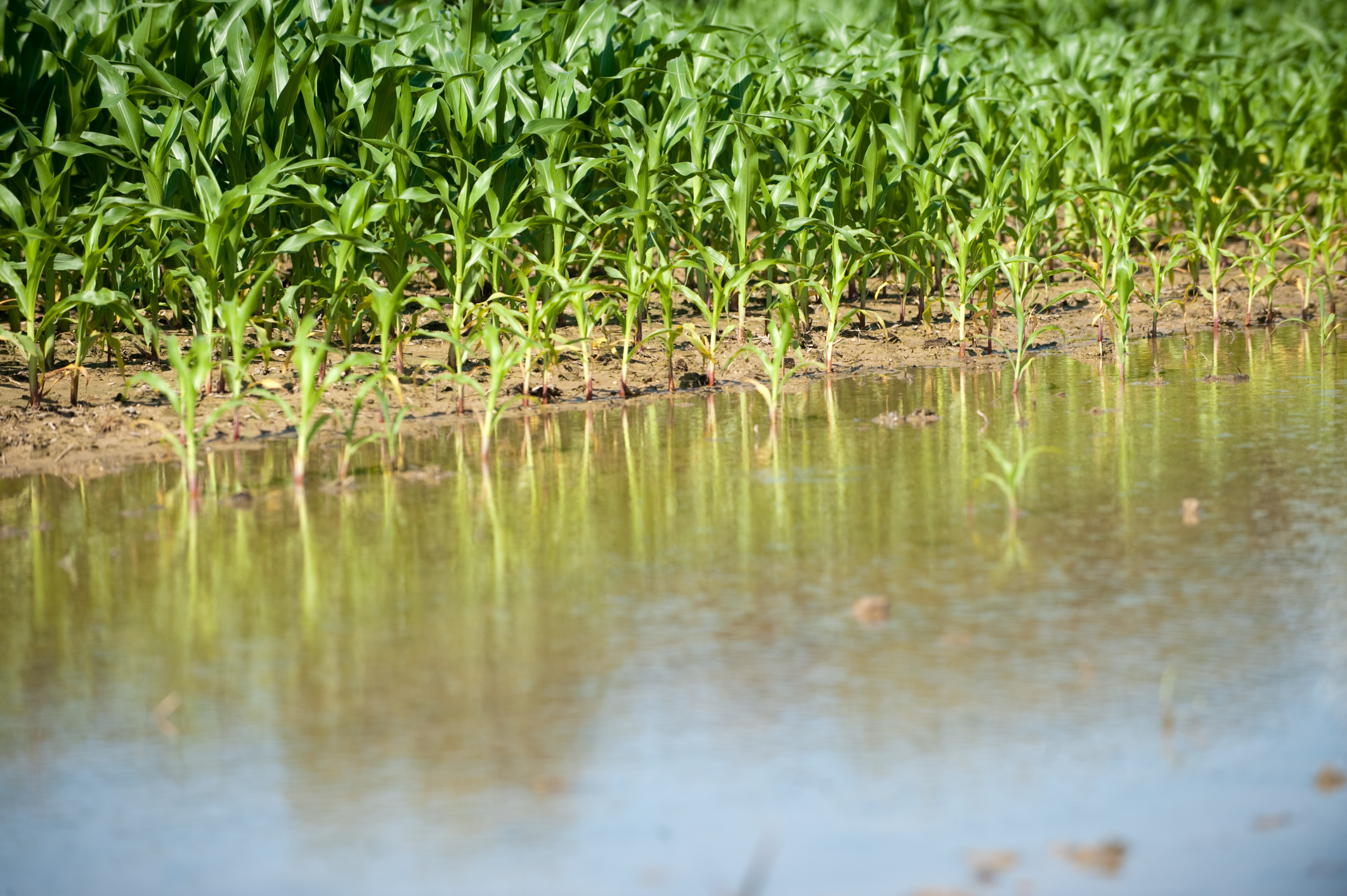
Farmers and Extension service officials are reporting a mixed bag when it comes to crop damage across Texas after last week's heavy barrage of storms roared across wide areas of the state. Thunderstorms continued to plague parts of the state as a slow moving low pressure system inched its way eastward over the weekend, bringing additional rain to parts of the Upper Texas coast where fields were already troubled by floodwaters from mid week storms that pummeled fields since June 1. Hit hardest overall were farms in Southeast Texas where many producers are reporting damages including lost or stunted crops. While some producers in hard hit Brazoria County report fields are draining well now that there has been a three-day break in the weather with only occasional showers, many others report yellowing on corn crops. Many recently-emerged cotton crops are said to be all but lost in some areas. Texas AgriLife Extension teams who have been surveying weather damages across Texas including hard hit areas in the southeast part of the state say there have been reports of corn crops submerged by flood waters, but grain sorghum seemed to fair slightly better. Most farmers in a six-county region along the Brazos reported over the weekend that fields are still too wet to access, and they need several sunny days and good winds to help dry fields before they can apply fertilizer and herbicides or even load cattle. Those that have lost early cotton say dry fields will be needed if they hope to replant before insurance deadlines pass. According to one AgriLife report, cattle sale volumes at the Navasota Livestock Auction Co. were well below average over the weekend due to more than 15 inches of rain that fell across the county. An F-2 tornado also touched down in the county with minor damage reported. The auction house reports less than 300 cattle were moved through the weekend auction compared to the normal 800-1,200 head that usually are offered on an early June weekend. Sporadic minor flooding and some wind and hail damage was reported in parts of the High Plains, Rolling Plains and Southern Plains last week, causing mostly minor damage. Plains Cotton Growers Incorporated's Shawn Wade, director of policy analysis and research, reports planting progress in the High Plains last week was brisk as producers worked overtime to get cotton seed in the ground before the rains started to fall. “Their progress hasn't always been easy, and many have found themselves switching from initial planting activity to replanting operations depending on moisture conditions and crop conditions,” he said. “Industry officials still expect the region to plant approximately 3.5 million acres of cotton this year, up from 2015's 3.1 million. For now, producers with unplanted acres are working hard to get into their remaining fields as they get dry enough to plant.” Wade says with favorable weather over the weekend and through the region's last crop insurance mandated final planting date of June 10, it appears that much of the area will manage to get crops planted into favorable to excellent moisture conditions. “Federal crop insurance provisions provide producers multiple ways to deal with the issues they face due to the recent weather pattern. Growers who want to plant cotton and fully insure it have until the Final Planting Dates mentioned above to get seed planted,” he added. “Should they be delayed due to weather, but still want to stick with insured cotton in 2016, growers do have an opportunity to continue to plant cotton during a seven-day Late Planting Period as well.” Wade says cotton acres planted during the “Late Planting Period” will still be insured, but will have the insurance coverage amount reduced by 1 percent for each day of the Late Planting Period that passes before planting occurs. Also, wheat harvest was delayed in large areas of the Rolling Plains due to wet conditions, and sorghum planting was reported almost complete with good emergence before the storms arrived. Extension service officials reported very little weather-related damage in most areas of the surrounding plains. Across the Texas Hill Country heavy rainfall resulted in flooding that closed low-water crossings and some roads. Heavy flooding was reported along the Guadalupe from its headwaters to as far south as New Braunsfels. A number of motorists were washed off low water bridges and at least two deaths were attributed to flash floods in Central Texas. Damage to crops across the region is still largely undetermined but losses were expected in newly planted cotton fields. Vegetable producers in the Hill Country and across the Texas Winter Garden region also reported a number of weather-related issues including flooded fields and sporadic damage to crops by hail storms over a three-day period. The full extent of damage is still be assessed. Heavy rains fell across the Lower Rio Grande Valley last week and caused some damage to crops because of high winds and spotty hail. From 2 to 6 inches of rain fell in some areas west and south of McAllen according to Danielle Ortiz, Texas AgriLife IPM Extension agent in Weslaco. Another round of storms hit the Valley region over the weekend as well adding to problems associated with fields too wet to access. A few corn fields suffered serious damages as hail completely shredded corn stalks causing 100 percent loss. Some grain sorghum as well as corn was lodging as a result of high wind damages in parts of Hidalgo County. Some Valley farmers had started grain sorghum harvesting operations just before the storms arrived. Harvesting has been delayed now for several days as sporadic showers continued to fall into the weekend. But by Monday afternoon a few fields were dry enough that some producers could get harvesting equipment back into their fields. In the lower Coastal Bend near Kingsville, high winds, hail and a tornado that touched ground briefly caused some damage to recently planted cotton. King Ranch officials reported they received 5 to 8 inches of rain and baseball size hail on Tuesday. Heavy rains spread up the coast and across Nueces County and into Aransas, San Patricio and Refugio counties. Minor crop damage was reported and wet fields have prevented some farmers from continuing cotton planting operations. Subsequent rain showers over the last few days have slowed drying in fields and county Extension officials say they are hoping for sun and wind in the days ahead. Forecasters, however, are calling for a good chance of rain continuing through the coming weekend. Source - http://southwestfarmpress.com

08.06.2016

Australia - Bananas destroyed by storm winds

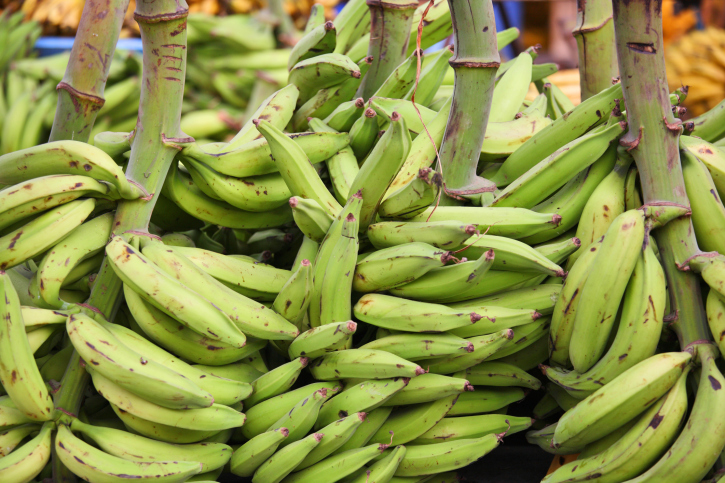
Coffs Harbour, Australia has been hit by the worst storm damage in more than 40 years. Banana growers there are already suffering as they face tough competition from Queensland. Damaging winds and more than 450 millimetres of rain combined to rip mature trees laden with fruit out of the ground just weeks from harvest. In cases where the entire stool has come out it could take three years to return to production. Local growers’ association president Wally Gately said losses up to 20 per cent had made many growers rethink their future, as margins creep closer to the cost of production. As the storm was confined to the coastal strip, falls in the hinterland were just perfect with 150mm on the Upper Clarence and Upper Richmond giving parched soil a good drink, setting the region up for spring. Source - http://www.freshplaza.com

858
of 1225