NEWS
857
of 1225
News
15.06.2016

Honduras - Rains cause millions in losses for banana sector

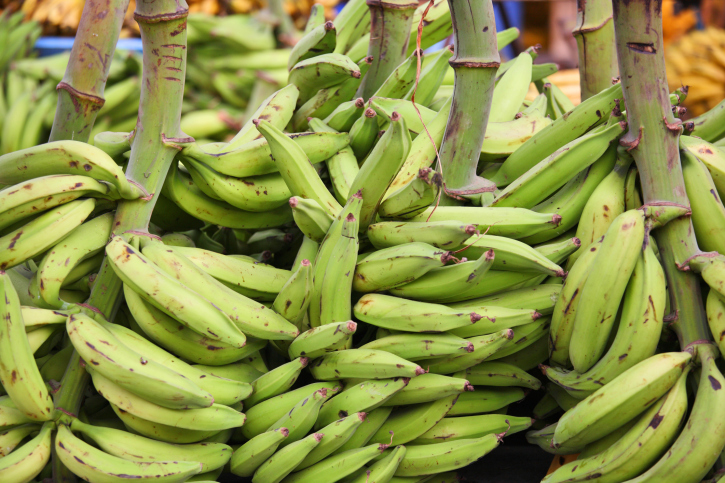
The strong winds caused by the rains last week caused millions in losses for the banana production of La Lima. Among the 19 members of the National Association of Banana Producers (Aprobana), the Agricultural Cooperative Farm, El Triunfo Limitada, was the most affected. There were damages in 14,689 plants, enough to fill 15 containers worth $89,235 dollars or more than two million lempiras. El Triunfo, which is 45 years old and has 20 partners, has been covered by an insurance policy that will pay them $2 per plant, which will allow them to have money to invest in the renovation of the property, taking into account that the yield per hectare is 1,730 plants. The cooperative sells export quality bananas to the Chiquita Honduras Limited Company and forecasts, before the rains, that they would produce 3,200 boxes per hectare. "El Triunfo estimated 3,200 boxes per hectare, but now they will only produce 2,816 boxes per hectare," said Maynor Velasquez, the manager of Aprobana. This farm and its partners indirectly employs nearly 80 people, which exemplifies how the banana is one of the biggest job creators. "The banana sector employs 1.3 people per hectare, while the palm sector only employs one person per 10 hectares," Velasquez said. The second category fruit is marketed in Honduras because it doesn't comply with some export specifications. A box of bananas sold can be sold for 40 lempiras in the domestic market, which is insufficient to cover production costs. Gumercindo Chavez, president of the Agricultural Cooperative El Triunfo Limitada, said the crops would recover slowly, as it would take the saplings of the fallen plants nine months to grow. The cleaning work, which started on Sunday 5, will last 15 days and will be performed while part of the workers replant the crops and other people work in their usual assignments, such as harvesting the fruit, selecting it, washing it, and packing it. Even though the members of El Triunfo have faced few events that could cause losses, Chavez is of the opinion that agricultural insurance is a good investment. "We've been paying insurance for almost nine years and it's been a very good investment because, now that we've lost part of our production, we'll get money from the insurance and we'll be able to manage the plantation, buy supplies, and pay our workers," he said. Certifications The agricultural activity took an important step in promoting certifications that guarantee producers are treated responsibly and that there is a better use of natural resources, among other benefits. Independent banana producers in the Atlantic Coast began the process to achieve Rainforest Alliance certifications and Global GAP in 1998. The first seal assures buyers that the product they are purchasing has been grown and harvested using environmentally and socially responsible practices. The second seal certifies that producers comply with hygiene standards in food handling and staff. "These certifications facilitate the process of exporting bananas, both to the United States and Europe," said Arnold Antunez, the coordinator of certifications in El Triunfo, one of the 13 cooperatives in Aprobana that has both certifications. The challenge is that more independent producers obtain their certifications so that they can continue exporting their products. Source - http://www.freshplaza.com

15.06.2016

Colombia - Hail causes serious damage in the fields

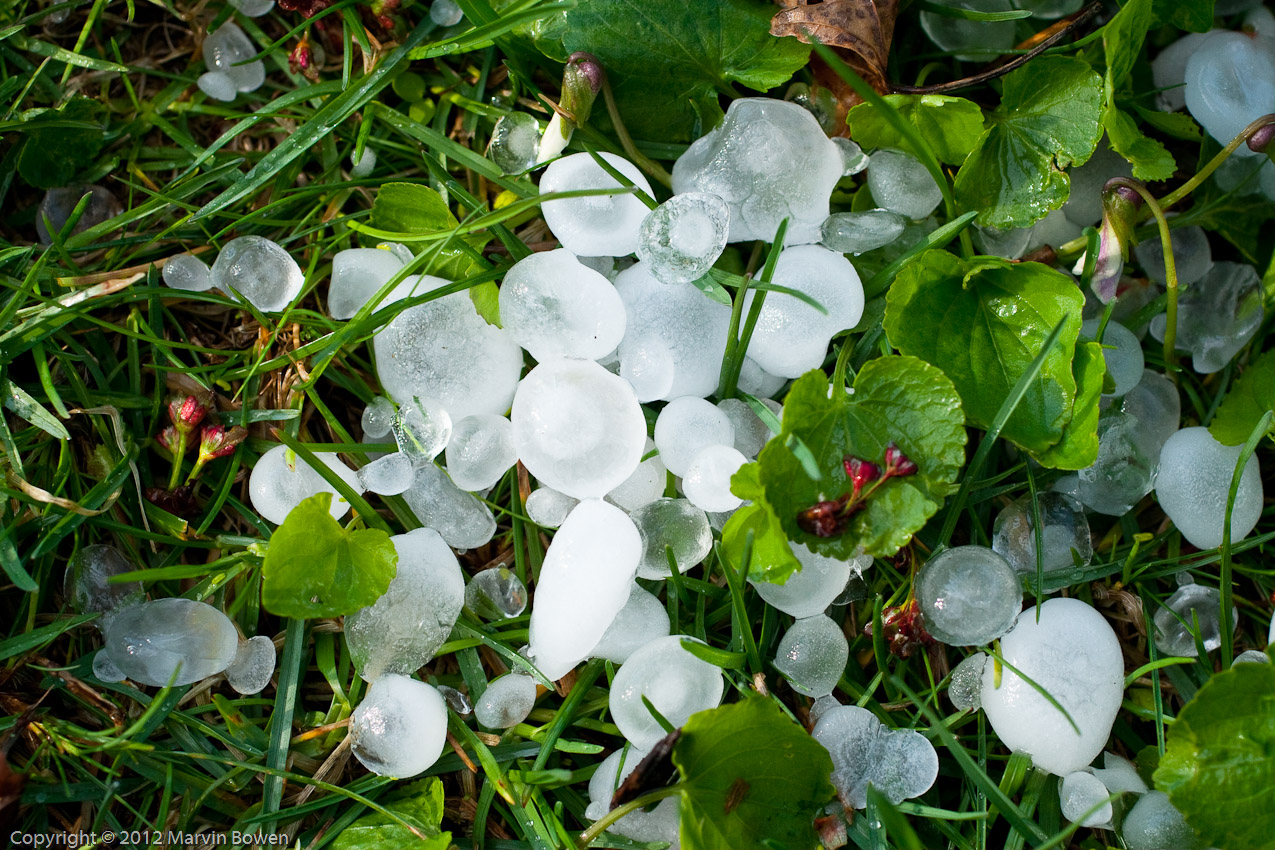
Friday June 10 is a day to remember. The weather played a dirty trick on hundreds of farmers from the villages that are part of the township of Capitanlargo. Producers had high hopes for this season as their fields were full with crops of beans, corn, peas, paprika, passion fruit, avocado, onion, tomato, and bananas. However, the crops were affected by the strongest weather phenomena producers have experienced in many years. A hailstorm struck this region of the province of Ocaña very hard. The storm lasted over an hour and crushed the crops. After the storm, producers confirmed the degree of their misfortunes: the crops were completely lost, many animals died, and some houses and corrals collapsed. Eduardo Paez, a producer from the area, lost his pea, paprika, and corn crops. His son, John, could not hide his grief and said that he had been contemplating the crops a couple of days ago and had thought that it would be one of their most promising harvests. "We were very happy, we had even hired workers to harvest the paprika," he said. One farm alone lost 3,000 plants of paprika. According to Luis Eduardo Torrado, the legal representative of  the mini watering district in Capitanlargo, hundreds of farmers from the villages of El Rosario, Paloquemao, El Potrero, La Rojas, Llanitos, Bellavista, and Gallinetas lost it all. Given the situation, the farmers have asked the municipal, departmental, and national governments for aid as they, not only lost their crops, but also have many debts with the Agricultural Bank and other financial institutions. Source - http://www.freshplaza.com

15.06.2016

India - Arecanut, pepper under weather-based crop insurance scheme

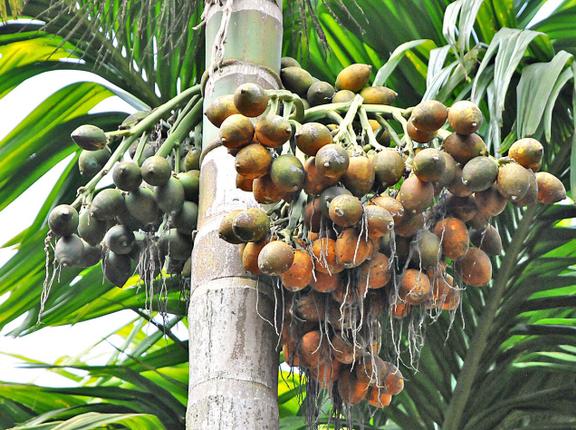
Arecanut and pepper have now been covered under weather-based crop insurance scheme (WBCIS), among other crops. The State government issued a notification to this effect on June 13 covering the two crops for the 2016 kharif season. The scheme automatically covers farmers who availed themselves of crop loans from banks as it was mandatory. Hence they need not apply. As it was voluntary for other farmers, they will have to apply through banks in which they have accounts. The last date for applying to be part of the scheme is June 30. According to the notification, the insured amount and premium for the two crops though were same for Dakshina Kannada and Udupi, they were different in other districts. Hence arecanut and pepper growers in Shivamogga and Uttara Kannada will not be paying the same premium amount like that of their counterparts in Dakshina Kannada and Udupi as the insured amount also is different. The government has appointed Tata AIG Insurance Company Ltd. for Dakshina Kannada and Udupi as the insurance agent. The insured amount for arecanut will be Rs. 1.25 lakh per hectare. The annual premium fixed was Rs. 12,500. In that, the applicant will have to pay his or her share of Rs. 6,250, which is half of the premium amount. The balance amount of Rs. 6,250 would be borne by the government on equal sharing basis between the Union government and the State government. The farmer’s share was decided on the basis of total insured amount as it was five per cent of the same. For any crop, the farmer’s share would be 5 per cent of the insured amount of the respective crop. The premium amount fixed was 10 per cent of the insured amount. For pepper The government has fixed Rs. 37,500 as the insured amount per hectare of pepper. The annual premium will be Rs. 3,750. In that the applicant will have to contribute his or her share of half, Rs. 1,875. The balance amount will be borne by the two governments on equal-sharing basis. Source - http://www.thehindu.com

15.06.2016

Kenya plan to roll out subsided insurance for small scale farmers

Kenya plans to roll out an insurance subsidy program targeting small scale farmers to tackle the negative effects of climate change. John Mwaniki, Director of Agribusiness with agriculture ministry, told Xinhua in Nairobi that currently a pilot project is underway in three of the country’s 47 counties. "We are going to roll out the subsidy in phases so that eventually all small scale farmers are covered," Mwaniki said during a media briefing on the upcoming seminar on Commodity Price Risk Management. The ministry of agriculture said that most of Kenya’s food is produced by small scale farmers. "So we need to cushion the small farmers as the country’s food security depends on them," Mwaniki said. He added that climate change has resulted in unpredictable rainfall patterns. "As a result farmers plant crops but rains fail to come leading to crop failure," the director said. Under the subsidy program, the government will pay 50 percent of the premium while the farmers will pay the rest. Mwaniki said that the insurance cover will compensate farmers who fail to harvest as a result of drought or floods. In the order to make the subsidy sustainable, the program aims to assist Kenya to make a transition from subsistence farming to commercial farming. Farmers will be encouraged to commercialize their operations so that they are able to afford the insurance on their own. Source - http://www.coastweek.com

14.06.2016

Canada - Federal investment will help Manitoba farmers predict the effects of flood and drought on farmland

Agriculture and Agri-Food Canada (AAFC) has announced an investment of more than $1.1 million to develop a hydrology model of Manitoba’s Assiniboine River Basin that will help predict the effects of flooding, excess moisture and extreme drought on agriculture lands. Agriculture and Agri-Food Minister Lawrence MacAulay made the announcement of the investment for the Manitoba Forage and Grassland Association (MFGA) on Monday. A press release from the MFGA said that recent flood events in the Assiniboine River Basin have resulted in significant crop losses, property and infrastructure damage, leading to unprecedented agri-recovery claims “above and beyond crop insurance.” The MFGA reported that the project, which runs until March 31, 2018, will construct a hydrology model of the basin to model the effects of flood and drought on soils and topography, as well as simulating various mitigation measures to lessen flood and drought event impacts on agricultural lands. The model will encompass the Assiniboine, Qu’Appelle and Souris sub-basins, as well as a more detailed drill down on the Birdtail watershed located in the upper reaches of the Assiniboine sub-basin. “The project seeks to develop new risk management tools to reduce the impact of extreme flood or drought events for the agricultural industry within the basin by identifying preventative measures, implementing risk prevention and mitigation activities, all with the intention of lessening the need for government disaster programming in response to such events,” the release said. The model will be multi-faceted, in that it will have the utility for assessing flood, drought and excess moisture risks to agricultural producers; flood risks to urban centers; as well as both flood and drought risk mitigation strategies within the basin. It will also serve as a tool to test the hydrologic sensitivity of the Assiniboine River Basin to projected future climate conditions and different synthetic flood inducing snow melt and precipitation scenarios, MFGA said in the release. “It is anticipated that the model could become a standardized platform for a number of different stakeholders, including multiple levels of government, research institutes, and NGOs who want to perform targeted hydrologic analyses and research across a wide range of temporal and spatial scales within the [Assiniboine River Basin],” the release said. “Individuals such as primary agricultural producers and/or the business sector, such as the oil and gas sector, may utilize the model on a much smaller scale, right down to individual fields or properties.” According to a statement from AAFC, based on the new model, a web-based tool will be developed that farmers can use to gather information on their farmland to help effectively manage moistures levels and mitigate risk associated with drought and flooding. Information collected will contribute to better risk management strategies for farmers and the agricultural sector and could potentially lead to the development of new and improved insurance products, the federal government suggested in the statement. “Extreme weather events have created many challenges for Prairie farmers in recent years,” MacAulay said in the statement. “We’re committed to working together with the agriculture sector to equip farmers with the tools they need to proactively manage business risks such as these.” Source - canadianunderwriter.ca

14.06.2016

USA - Central Virginia Vineyard Recovering from Varying Temperatures

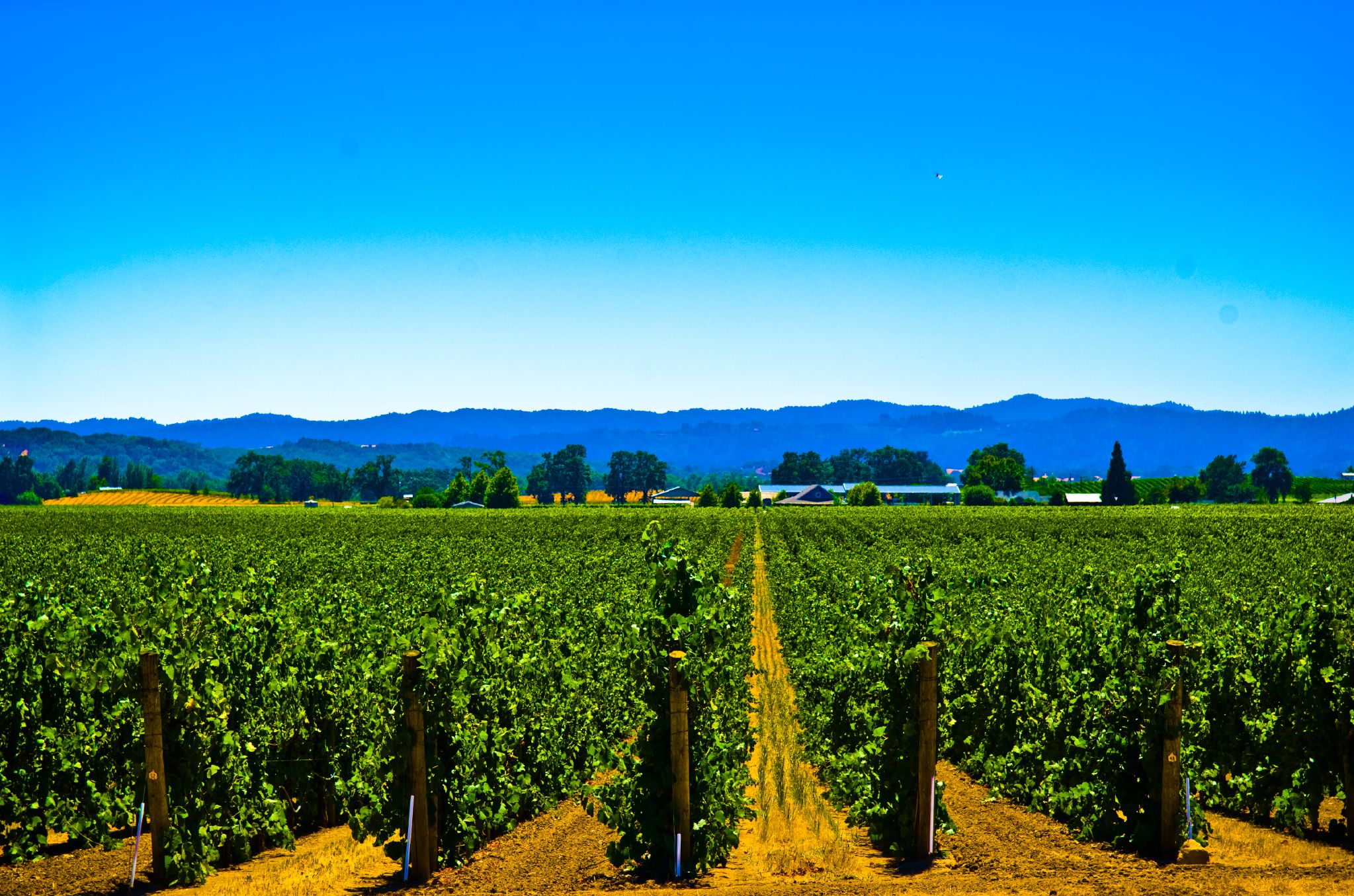
Some central Virginia vineyards were concerned about losing grapes to April frosts after the area experienced an unusually warm March. The warmer temperatures encouraged the vines to bloom early, which left them vulnerable to damage when it turned cold again. NBC29 visited King Family Vineyard back in April, just as staff were preparing to use helicopters to push warm air down to keep the grapes warm through some cold nights. Managers at the vineyard say they did lose a significant amount of white grapes to the April frosts, particularly viognier, chardonnay and a bit of merlot. They estimate a total of about 5-10 percent of crop loss. That may mean they make a few less cases of wine this year, or that they buy or trade grapes with other vineyards. "Every year is a challenge, and that's why we love growing grapes and making wine in Virginia. Every year is different, and so you have to give what nature gives you," said Carrington King with King Family Vineyards. Right now, the vines are covered with a leafy canopy, and some grape clusters are beginning to form, while others are still in their flowering stage and will bud soon. The vineyard managers have many methods they'll use to tend the grapes for the rest of the summer before beginning to sample them to determine a date for harvest. Source - http://www.nbc29.com/

14.06.2016

USA - North Dakota Fines Crop Insurance Agency, Orders Credits to Farmers

North Dakota Insurance Commissioner Adam Hamm has fined an insurance firm that sold crop insurance in that state and ordered restitution to farmers. The North Dakota Insurance Department announced the multi-layered disciplinary action against The Climate Corporation a/k/a The Climate Insurance Agency (formerly known as Weatherbill), a licensed business insurance entity that sold crop insurance products in the state from 2011 to 2014. The commissioner’s consent order requires a total of $738,106 be credited to approximately 150 farmer customers in the form of premium return and premium waivers. Farmers will receive $485,948 to return previously paid premiums and any that still owe premium will be given waivers totaling $252,158. Additionally, the company must pay a $150,000 fine. According to the commissioner’s order, the company misrepresented their producers as agents for the insureds and misrepresented the products they were selling as well. The order also states that at least 100 farmers who purchased coverage from the company “had historically low yields and profits during the 2012 growing season” but received no money from the insurance product they had purchased. The Climate Insurance Agency also offered to reduce premiums for insureds who complained about the “unsatisfactory performance” of the insurance product. Such offers are generally not permitted North Dakota, with certain exceptions. “I am satisfied we were able to come to an agreement with the company on our numerous concerns with this product and the manner in which it was sold,” said Hamm. “The payments I have ordered in combination with the premium waivers and the fine are an appropriate response to the confusion and frustration caused by the actions of the company.” Source - insurancejournal.com

14.06.2016

UK - Use of commercial drones opens up new opportunities for insurers

Reynolds Porter Chamberlain (RCP) reported that in 2015 there were 1,971 commercial operators approved by the Civil Aviation Authority (CAA) to use drones, compared to just one in 2014. Between January and April this year alone, an additional 551 operators were approved. “Drone insurance may quickly move from being a niche product if current growth can be sustained,” the firm said. Traditional public liability policies are “not best equipped” to deal with specific risks associated with commercial drone usage and many insurers are excluding the technology from their general policies, according to the law firm. It added the sectors which may require cover could be media, photographers, property surveyors and engineers, energy and rail companies for power line maintenance, farmers for crop surveys and construction support companies. However, RPC said insurance companies were treating the market ‘carefully’ due to limited experience in claims and a number of risks involved. The law firm warned there could be physical property risks, as users would seek coverage for accidental damage claims. RPC said: “Although many commercial drones are small and light, the potential danger of an out of control drone is not yet known.” Another risk involves personal injury, which the firm said “could be extensive”. It confirmed that the CAA had strict rules for the drone use in public areas to reduce injuries, but if the rules were breached insurers might not cover resulting accidents. The law firm also outlined breaches of privacy and regulatory investigations as risks, because any misuse of drones could result in an investigation by the CAA, the Health and Safety Executive or the police. RPC’s legal director Philip Tansley said: “Major issues do remain to be resolved for insurers – such as the extent of the risk that drones have to commercial aircraft and the liabilities arising from drone use. “However, with traditional insurance policies now specifically looking to reduce or completely exclude drone coverage there is a clear marketing opportunity for specialist cover.” Earlier this year the Chartered Institute of Insurance outlined recommendations for the safer use of drones after one collided with a British Airways plane. Source - http://www.theactuary.com/

14.06.2016

USA - Costs of Farm Subsidy Programs Skyrocket

The costs of two farm subsidy programs are spiraling out of control, belying Congressional assurances in 2014 that they would save taxpayers’ money, according to two recent estimates. Congress created the Agriculture Risk Coverage-County and Price Loss Coverage programs in the 2014 farm bill as a supposedly “cheaper alternative” to replace the previous system of “direct payment” subsidies to growers. But the new analyses show that in 2014 the two programs cost the government more than direct payments did in any year between 2005 and 2013. In 2014, these programs cost more than $5.2 billion, while the largest year of direct payments between 2005 and 2013 was $5.196 billion in 2005. An analysis released last week by the “farmdoc daily” website of the University of Illinois said the higher payments under the Agriculture Risk Coverage program will continue in 2015 and this year. Because of the way the programs work, payments are not made until the end of the year after the crop was grown. Consequently, Risk Coverage payments for 2015 will not be made until the end of 2016. Although corn growers are expected to receive subsidy payments in fewer counties in 2015 than in 2014, many of these counties are projected to garner significantly more in total payments. Corn growers in much of Indiana and Illinois did not collect any Risk Coverage payments in 2014, but the analysts predicted they will receive $60-to-$80 per acre for 2015. The authors of the article do not say if 2015 national costs will be larger than 2014’s overall. Their forecasts for this year are even worse. The authors predict that for corn, “most counties in the U.S. would receive ARC payments.” Corn growers in almost every county in Ohio, Indiana, Illinois and Iowa are expected to collect payments of $40-to-$80 per acre. Corn growers in many western states are projected to receive $80-to-$105 per acre (Figure 1). Figure 1. Most corn-growing counties are estimated to get Risk Coverage payments in 2016. Source: Gary Schnitkey et al. "Estimated 2016 ARC-CO Payments." farmdoc daily (6):103, Department of Agricultural and Consumer Economics, University of Illinois at Urbana-Champaign, June 1, 2016. The new estimates reinforce the Congressional Budget Office’s January 2016 prediction that the Agriculture Risk Coverage and Price Loss Coverage programs will cost 70 percent more than originally projected. Replacing the problematic direct payment program with new, expensive farm subsidy programs was not reform. Taxpayers need real reform in the next farm bill to get them out from under the costly burden of these programs. Source - http://www.ewg.org

14.06.2016

India - Loss Harvest For K’Taka Farmers

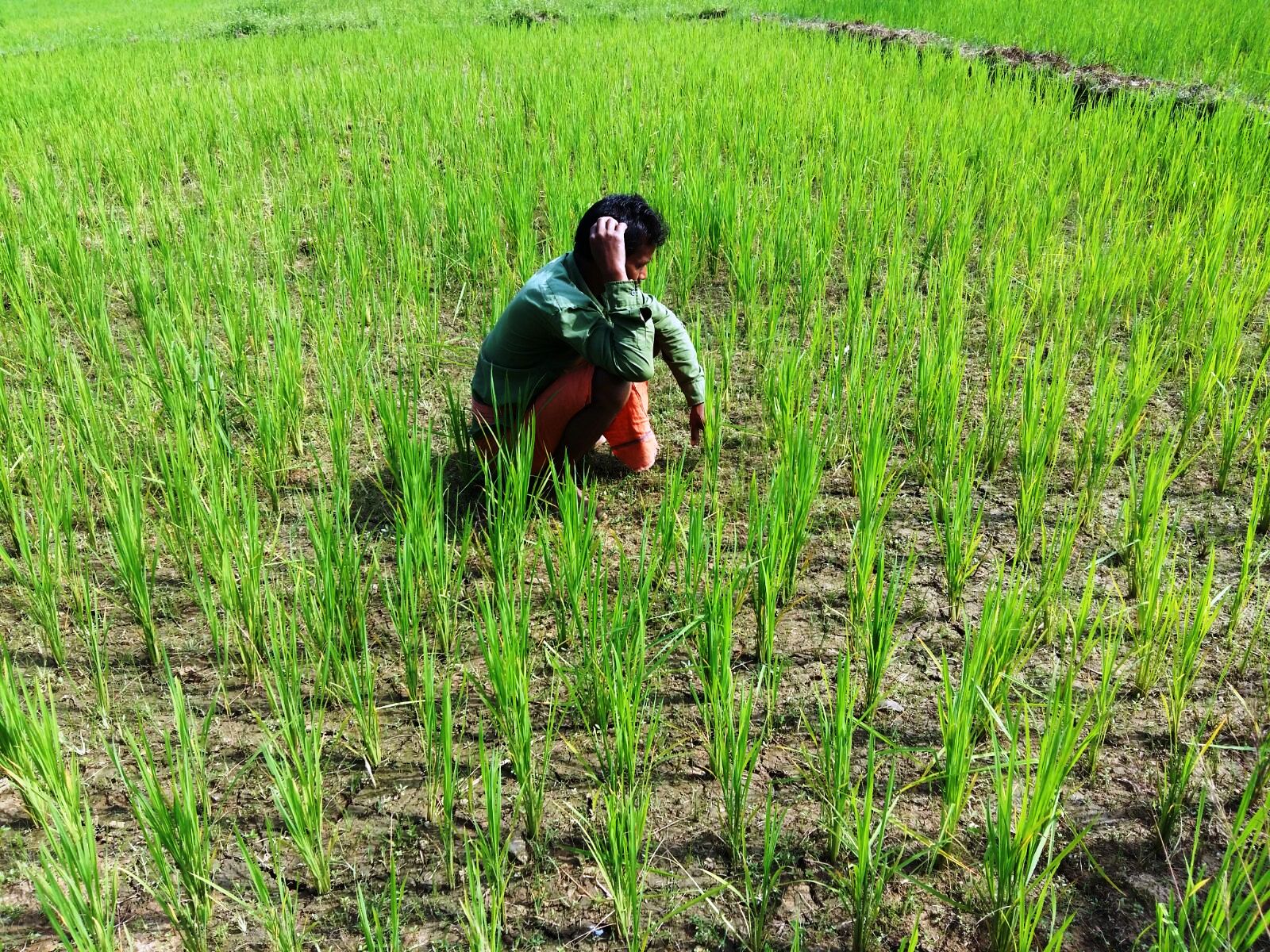
The agrarian community is yet to recover from the series of farmers' suicides last year and it may not be adequately prepared for another crisis. The NDA government in the Centre has declared only a marginal increase in minimum support price (MSP) for various crops despite rising costs of agricultural inputs. As per the new norms, while it takes Rs 2,150 to produce a quintal of ragi (the staple crop of Karnataka), the union government has offered an MSP of Rs 1,725, causing farmers a loss of up to Rs 500 per quintal. Paddy farmers are likely to incur a loss of about 36 per cent; toor dal farmers may lose about 19 per cent in revenue while groundnut cultivators can expect a 47 per cent loss. The steep decrease in the MSP, when compared to the UPA regime, has left farmers worried. They are traversing the state to create awareness about the Centre's alleged anti-farmer policies. Speaking to Bangalore Mirror, Sachin Meega, chairman, Karnataka Pradesh Congress Committee (Kisan Cell), said, "The latest MSP for the kharif season is just a 4.8 per cent increase from what had been announced last year. However, the percentage of increase was over 15 per cent during the UPA regime. At a time when cost of agricultural inputs and production is skyrocketing by 10-15 per cent, the Union has no concern about the plight of farmers." The developments have left the state government worried since it may have to shell out supplementary MSP to support the distressed farming community. Sources revealed to BM that currently, the state is paying an additional Rs 450 per quintal under the Annabhagya scheme to overcome the deficit. "Southern India has been reeling under severe drought for two consecutive years. The reduction in MSP has only further aggravated the problem and this will affect the food production severely. Who would like to invest in crops when there is no guaranteed return of investment?" asked a farmer from north Karnataka. The state government, meanwhile, is banking on a bounteous monsoon, and stocked up with seeds and fertilizers. Similarly, the union government has also cut down annual Rs 300 Cr funds under National Horticulture Mission affecting lakhs of farmers who have taken to cultivation of horticulture crops. "Of the 175 taluks, as many as 48 per cent area is under the cultivation of horticulture crops. We will go to every district and explain to the farmers about NDA government's dual stand," Meega said Source - http://www.bangaloremirror.com

13.06.2016

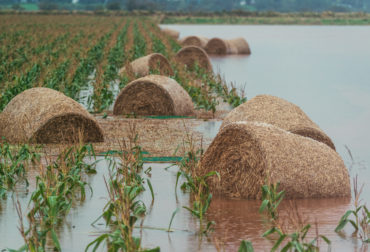
USA - Excess moisture causing crop losses across Texas

In any situation, too much of a good thing can be a bad thing, and such is the case with the deluge of rain on crops across much of the state, according to Texas A&M AgriLife Extension Service specialists. Some regions will fair with limited losses once sunshine and drier conditions return, but others will see producers eyeing alternative crops where extreme losses are experienced. The problem for the corn crop is flooding came in several waves at critical periods of growth, said Dr. Ronnie Schnell, AgriLife Extension state cropping systems specialist in College Station. "The Upper Gulf Coast region had corn in good shape up until the most recent round of rain, but it is probably far enough along it won't hurt it," Schnell said. "There were, however, some bottomlands that were flooded out back in March and had to be replanted." He said if the growing point on seedling corn is submerged, it can result in stand loss. And even if the growing point isn't covered with water, the saturated soils can still stunt the crop or cause nutrient issues. "But where we have had more trouble this year is in the Blacklands region from Austin north toward Dallas. There was some replanted in March following that period of rains, but even the replanted corn looked rough because of the extended wet period. The early water really set that corn back, and the most recent round of rains didn't help." Schnell said not all the corn in that region looks bad; there are some fields that are in good shape. However, for those with apparent damage, it is too late to do any replanting of corn, so at this point producers will ride it out and see what they can harvest or some might shred it. Dr. Clark B. Neely, AgriLife Extension small grains specialist in College Station, said the wet conditions are complicating wheat harvest for many producers in the state, much like in 2015. Last year the problems were in South Texas and the Blacklands. While sprouting and crop failure in these regions are still a possibility this year, the biggest area of concern now appears to be in the Rolling Plains and portions of the southern High Plains, which are already harvesting ahead of schedule due to the mild winter. "Wheat yields in these regions are above average, which may help some producers offset low wheat prices this year, but only if grain quality is not compromised or the crop is not lost from heavy rains, lodging or hail," Neely said. "Some portions of the Concho Valley were harvesting the last week of May, but were forced out of their fields with constant rainfall. When harvesting resumed this week, there were reports indicating sprouting has occurred in some fields." He said sprouting becomes an issue once wheat reaches physiological maturity, so this critical threshold has been reached in many fields. "As conditions dry out this week and more fields are harvested, producers will have a better handle on the amount, if any, of damage to the crop," Neely said. "Producers may also be looking at dockage at elevators from overall poor quality grain, low test weights and fungal head diseases such as sooty mold, which often occur with wet conditions during harvest." Dr. Gaylon Morgan, AgriLife Extension state cotton specialist in College Station, said the wet spring and early summer in the Coastal Bend, Upper Gulf Coast and Blacklands regions are starting to cause a yellowing of cotton. The heavy clay soils in these regions drain slower and the excessive rain has led to prolonged saturated conditions, with little oxygen remaining in the soil, he said. Without oxygen, the plant root respiration and nutrient and water uptake from the soil is substantially reduced, leading to nutrient deficiency. "During the last week of May and early June, yellow cotton was widespread across the Coastal Bend as the crop was loaded with squares and approaching the early bloom stage," Morgan said. The yellowing symptoms are more prevalent in the poorly drained fields where the soil has remained saturated for five to 10 days, he said. "Also, at the current growth stage, the cotton plants have a tremendous nutrient uptake demand, and simultaneously poor conditions for nutrient uptake into the roots," Morgan said. "In the majority of the fields, the upper cotton canopy is yellow while the lower canopy is green." Nitrogen, phosphorous, potassium and magnesium are plant mobile nutrients and will move from older leaves to newer leaves when insufficient nutrients are available, he said. As a result, deficiency symptoms occur on the older leaves of the plant first. Calcium, sulfur, iron, zinc, boron and some other elements are immobile in the plant, so these nutrient deficiencies symptoms occur first in the upper leaves, which is the current situation in the Coastal Bend. Specific nutrient deficiencies in cotton can be viewed on the International Plant Nutrition Institute Web page at http://www.ipni.net/article/IPNI-3327. "Based on previous experience and conversations with people familiar with the Coastal Bend, I would expect the nutrient deficiency symptoms to disappear as the soils dry, oxygen re-enters the soil and nutrient uptake resumes," Morgan said. He said the level of yield loss due to the insufficient supply of nutrients is hard to predict and will be more affected by growing conditions during the remainder of the season. Morgan said producers can collect some upper leaves in yellow areas of the field and submit them to a laboratory to identify the nutrient levels, following up with a foliar applications of the limited nutrients if necessary. He suggested leaving an untreated strip to assess whether the foliar nutrient application worked. Dr. Thomas Isakeit, AgriLife Extension plant pathologist in College Station, said several fields in the Blacklands experienced leaf diseases due to the wet weather. While symptoms resemble Ascochyta blight, also known as "wet weather blight," he said it was primarily a fungus, Phoma leaf spot, with other fungi associated with petiole and stem lesions. "The appearance of these cotton diseases has been associated with frequent, rainy weather," Isakeit said. "It appears that with warm, dry weather, the cotton plant outgrows the fungus. In one field, I did a fungicide application on some rows and after seven days, I did not see any difference between the treated and untreated rows. "In this time, there were some clear, warm days and new and upper leaves of all plants looked good. There may be a problem with the stand in some fields where stem lesions are present, but the Phoma leaf spot should not be a long-term problem." Another concern expressed by Dr. Larry Redmon, AgriLife Extension state forage specialist in College Station, is there will be a lot of hay produced in the wake of this abundance of moisture, but the quality is likely to be low because it can't be cut in a timely fashion. "Producers will need to get any forage they receive later this summer tested before feeding it to their livestock," Redmon said. "If the nutrient quality is below that of the animal's needs, they will need to supplement the feed." Across the state, where crop stands are washed away or the crop is beyond saving, producers will have to look at alternative crops to plant in place of the failed one. Dr. Calvin Trostle, AgriLife Extension agronomist in Lubbock, said though some hailstorms, wind damage and poor stands have occurred in the South Plains, the main concern is unplanted ground that was intended for cotton. Some producers now are looking at replant situations or delayed planting, but cotton or a full-season crop is no longer viable. The 14th annual Alternative Crop Options after Failed Cotton and Late-Season Crop Planting guide for the Texas South Plains, http://lubbock.tamu.edu, is oriented to the South Plains, but producers in the Concho Valley, the Rolling Plains and the Panhandle can find useful options, especially on crops they might be less familiar with, Trostle said. Features of the guide include: Links for assessing current crop damage, leaf area, growing point, etc., and viable plant populations for cotton, corn, grain sorghum and sunflower. Information on crop termination, applied herbicides and replant options. "First things" information for over a dozen possible replant/late plant crop. This includes agronomic planting dates, suggested seeding rates and contractor information for applicable crops. Source - http://www.reporternews.com

13.06.2016

Ghana - Time for agric insurance

Deputy Minister of Agriculture, Dr Ahmed Yakubu Alhassan has admitted that an institutionalised insurance agriculture scheme will go a long way to improve the agric sector and make it attractive to investors. Dr. Alhassan said it was about time insurance companies designed policies for the agric sector as the country is experiencing less than 30percent of rainfall than it did a decade ago, which according to him was due to the effects of climate change. He added that the risks associated with agriculture were high for farmers hence the need for insurers to seriously consider insurance packages for the agric sector. His comments followed an earlier statement by the Member of Parliament for Nsawam-Adoagyiri constituency, Frank Annoh-Dompreh, who proposed an amendment to the Insurance Act, 2006 to include insurance for agriculture, especially for farmers and their farm produce. Mr. Annoh Dompreh argued: “Without agriculture, roads wouldn’t have been built, without agriculture hospitals, schools, good drinking water wouldn’t have been there”. “Mr Speaker, how do you sustain agriculture moving or going forward? One area is agricultural insurance or farmers’ insurance.” The agricultural sector, which employs a very large proportion of Ghanaians, has performed poorly in the last six years. Last year, the sector grew by 0.04 percent. This is in spite of the fact that over the past decade, government has implemented a number of important interventions in the agricultural sector to make it attractive to investors. These include buffer stock management, fertiliser subsidies, livestock and fisheries development, irrigation and mechanised systems and the Youth in Agriculture programme. However, players in the financial sector think these interventions are not enough to woo creditors for which reason they have asked for governments’ intervention to make agricultural financing attractive to lenders. This, they said, is the way to go to reduce the risk associated with agriculture and get the attention of insurance and finance institutions. And according to the Deputy Agric Minister agricultural insurance is important and that there is the need to institutionalise a scheme like that. He said such an insurance scheme should not only be for cash crops but also livestock and poultry because of disease outbreaks that the country has witnessed in recent times with the most recent being the dreaded bird flu. He continued: “In many cases when these diseases take place, the public purse will have to underwrite most of the losses that are recorded and I believe if we have an institutionalized agriculture scheme all these things will be absorbed by the companies and the public purse will be saved.” According to Dr. Alhassan, insurance companies were in the past reluctant to provide cover for agricultural activities because of the enormous risks associated with it and that it was against that background that the sector Ministry and GIZ instituted the Ghana Agriculture Insurance Pool (GAIP) four years ago to ensure that agricultural insurance was instituted within the country’s agricultural space. He indicated: “The Ghana Agricultural Insurance Pool currently exists but there are challenges with funding and discussions are currently taking place between the company and the ministries of Agric, Finance and other donor agencies to see the extent to which these insurance policy could be solved and provided to farmers.” Dr Alhassan said his ministry is currently collaborating with GIZ on a climate change project risk management: “It started in 2015 and agriculture insurance is an important component of it. “Last year the Ministry in collaboration with the World Bank profiled all the risk associated in the sectorto packaging the agricultural risk in Ghana so that the insurance scheme could be well institutionalized” “Any move by this House (parliament) to support any legislation that will enhance agricultural insurance in the country will definitely be a move in the right direction. But I do believe the Ministry is working with all these bodies and agencies so that the appropriate policy and legislative approaches could be made to government for approval.” Source - http://www.ghanaweb.com

13.06.2016

South Africa -Drought disaster declared in 8 provinces

In South Africa, a state of disaster has now been declared in eight provinces, due to the drought which is continuing throughout the country. Previously five provinces were declared to be in a disaster state. In a statement, Minister for Co-operative Governance and Traditional Affairs Des van Rooyen, said the drought conditions experienced in most parts of the country were a result of natural phenomenon that were characterised by below normal rainfalls and increased maximum temperatures and heatwaves. “These conditions have resulted in eight provinces being declared states of disaster, with the exception being Gauteng. However, we have intervened in many parts of the country, with the assistance of state-owned entities, private sector and non-governmental organisations. “This assistance included the drilling of boreholes and distribution of millions of litres of drinking water,” said Minister van Rooyen. Source - http://www.freshplaza.com

13.06.2016

India - Agriculture department on toes after whitefly found in Fazilka

After widespread damage of cotton crop due to whitefly menace last season, the agriculture department is taking no chances this time. The pest that was recently spotted in a few pockets of Fazilka district was found to be above economic threshold level (ETL) following which farmers were directed to use pesticide sprays on 10-15 acres of land in which they had sown cotton. Whitefly has also been noticed in Haryana’s Sirsa that borders Punjab’s Bathinda, Mansa and Muktsar districts. Punjab officials have already alerted their Haryana counterparts to take necessary steps to check its spread. Dr Jasbir Singh Bains, Director, Agriculture said: “Whitefly is still below ETL. The problem is not yet alarming but we have taken necessary steps to check its spread. Significantly, agriculture officials have been touring the fields since the start of sowing season. The Director further informed that the area that under cotton crop this time has slipped to 2.51 lakh hectares as compared to 3.39 lakh hectares last season. Elaborating on the reasons behind this, Bains said: “Apart from previous year’s crop loss, farmers have this year shifted to paddy because of release of tubewell connections. In addition to this, many canals like Bhagsar minor, Lambi minor were under repair due to which there was water shortage in a few areas and sowing could not be done.” He said field officers were keeping a vigil so as not to allow late sowing of cotton crop as it leads to fast growth of whitefly. He added a monitoring committee comprising Director Agriculture, Director Horticulture, experts from Punjab Agricultural University, and Haryana as its members has been formed to oversee the cotton crop and check spread of whitefly. Source - http://indianexpress.com

13.06.2016

USA - Update lets farmers and ranchers report common acreage information once

U.S. Department of Agriculture has announced that farmers and ranchers filing crop acreage reports with the Farm Service Agency and participating insurance providers approved by the Risk Management Agency now can provide the common information from their acreage reports at one office and the information will be electronically shared with the other location. This new process is part of the USDA Acreage Crop Reporting Streamlining Initiative. This interagency collaboration also includes participating private crop insurance agents and insurance companies, all working to streamline the information collected from farmers and ranchers who participate in USDA programs. “If you file your report at one location, the data that’s important to both FSA and RMA will be securely and electronically shared with the other location,” said FSA Administrator Val Dolcini. “This will avoid redundant and duplicative reporting, and we expect this to save farmers and ranchers time.” “Accuracy in crop reporting is a key component for crop insurance, because an error in this information can affect premiums or claims. This is going to greatly improve efficiencies and reduce mistakes,” said RMA Administrator Brandon Willis. Since 2009, USDA has been working to streamline the crop reporting process for agricultural producers, who have expressed concerns with providing the same basic common information for multiple locations. In 2013, USDA consolidated the deadlines to 15 dates for submitting these reports, down from the previous 54 dates at RMA and 17 dates for FSA. USDA representatives believe farmers and ranchers will experience a notable improvement in the coming weeks as they approach the peak season for crop reporting later this summer. More than 93 percent of all annual reported acres to FSA and RMA now are eligible for the common data reporting, and USDA is exploring adding more crops. Producers must still visit both locations to validate and sign acreage reports, complete maps or provide program-specific information. The common data from the first-filed acreage report will now be available to pre-populate and accelerate completion of the second report. Plans are underway at USDA to continue building upon the framework with additional efficiencies at a future date. Dolcini also reminded farmers and ranchers that they can now access their FSA farm information from the convenience of their home computer. “You can see your field boundaries, images of your farm, conservation status, operator and owner information and much more,” said Dolcini. The new customer self-service portal, known as FSAFarm+, gives farmers and ranchers online access to securely view, print or export their personal farm data. To enroll in the online service, producers are encouraged to contact their local FSA office for details. Source - http://www.starherald.com

13.06.2016

Kenya - Farmers urged to take up insurance cover against drought

Kenya has in the last four years lost Sh1.2 trillion in crop and livestock farming to drought. Vincent Ngari and Richard Githaiga of the Departments of Livestock and Agriculture, while making presentations during the Technical Workshop on Agriculture Index Insurance at the College of Insurance, Nairobi, on Friday, advised farmers to take up the new Kenya Livestock Insurance Programme (KLIP). KLIP was rolled out last year by the Ministry of Agriculture, the World Bank and the International Livestock Research Institute (ILRI) to compensate farmers who buy insurance cover against the effects of drought. It aims to reduce the impact of risk to farmers, increase farmers' access to inputs through credit, improve agricultural productivity, provide social protection to the poor and reduce the economy's vulnerability to the effects of natural hazards. The programme targets 14 pastoral counties of Northern Kenya: Mandera, Wajir, Marsabit, Turkana, West Pokot, Baringo, Laikipia, Isiolo, Samburu, Garissa, Tana River, Lamu, Kajiado and Narok. Githaiga called on the Government to promote the development of a viable agricultural insurance market through a private public partnership framework. "For the programme to succeed, key stakeholders like Ministry of Agriculture, farmers, insurers, Insurance Regulatory Authority (IRA), financial institutions, and agro-dealers should work together," Githaiga said. Joseph Owuor from IRA noted that the firm has from August 2014, embarked on setting a legal and regulatory framework for index based insurance (IBI) in the Kenyan market. "An IBI steering committee was formed bringing on board stakeholders from within and beyond the insurance market and together with a World Bank consultant, the committee developed a draft policy paper in January 2015," Owuor said. He called on insurance companies to abide by the laws for better implementation of the programme. From October 1st, insurance companies are expected to abide by the rules. The new laws include New Insurance Law (Bill 2015)– currently before National Assembly," he said. Source - http://www.standardmedia.co.ke

857
of 1225