NEWS
864
of 1225
News
20.05.2016

USA - Rains affecting CA cherry crop

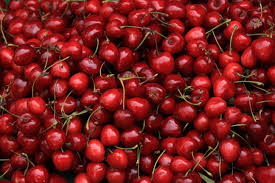
Hard luck has fallen on the California cherry industry once again. The 2016 season, which at one point was thought to have the potential for as much as 8m cartons (8.2kg), is now expected to total no more than 5m cartons — possibly lower — as repeated rain events has wreaked havoc on fruit quality. "It rained eight times during the course of the season," lamented Dave Martin of Stemilt Growers. "The southern districts [the San Joaquin Valley] got hit several times and then a storm on 6 May damaged the late crop in the north. There's heavy splitting in the fruit everywhere and growers are already preparing their insurance claims. Everyone's losing [money] this year. It's a real shame." According to California Cherry Board, shipments had reached the 3.97m carton mark as of 18 May. Just under 6m cartons were shipped during the 2015 season. The leading variety packed so far has been the Coral Champagne at 1.39m cartons, followed by Brooks at just under 850,000. The Bing variety — the traditional backbone of the California industry — had accounted for a mere 374,236 cartons to date, although that figure is expected to climb over the next several days. "The [California] deal is coming to a rapid end," said Martin. "Most of the Bings should be done by Sunday (22 May), although there will be some odds and ends shipped through next week." Supply channels in key Asian markets are evidently devoid of cherries as Washington state marketers report being hounded by importers wanting to know when Pacific Northwest season would get under way. That has actually happened as the warmest March and April in history brought Northwest industry to a record early start with organic fruit picked in southern Washington on 18 May; the first conventional cherries are expected to be available in limited quantities next week. However, the last few days has seen cool and unsettled weather descend on the region with rain expected to fall sporadically through this weekend. The industry association Northwest Cherry Growers currently estimates 2016 production at 19.8m cartons (9.1kg) or about 2.5 per centabove last year's level. If that forecast holds, it will be the second season in row where pack-outs failed to reach the 20m carton mark. Most industry experts feel the Pacific Northwest has the potential to reach 25m cartons in any given season as cherry acreage continues to increase annually. The Northwest's largest season on record occurred in 2014 when 23.2m cartons were shipped.The 2016 crop is all but certain fall far below that level and might not even match last year's production. "This Bing crop is shorter than everyone thinks," said Martin. "My personal opinion is that we'll ship no more 17m cartons as an industry this year." Whatever the 2016 volume turns out to be, the Northwest Cherry Growers are predicting that more than 50 per cent of the cherry crop will be harvested during the month of June, leaving far less product during July compared to recent seasons. Only minimal quantities of Northwest cherries should be available by August. Source - http://www.fruitnet.com/

20.05.2016

Canada - Uncertain times prompt growers to take out more insurance

It’s an uncertain world out there, especially in farming — and that has more Alberta producers taking out crop insurance. “We’re seeing more acres being insured by Alberta producers on crops — last year we were close to about 78 per cent of acres insured,” said Merle Jacobson, acting president of the Agricultural Financial Services Corporation (AFSC). Insured acres have grown steadily over the last five years. Even a couple of years ago, only about 72 per cent of the province’s total acres were insured. “This year, for 2016, we saw the largest increase (in crop insurance) we’ve seen for a couple of years, across the province,” said Jacobson. More producers have elected to insure all of their eligible acres, and more producers are purchasing the maximum level of coverage — 57 per cent this year, which is well above the usual level of about 50 per cent. “Last year, at the start of the year, it was quite dry and there was a lot of uncertainty,” said Jacobson. “It turned out OK — much better than people expected. “People are just looking around and saying, ‘We’re not taking as much risk this year. They’re just looking around and taking as much insurance as they can in case something should happen.” This year, AFSC has offered several enhancements to its programs, including coverage specifically for malt barley, which used to be covered under feed barley. About 1,077 producers have taken malt barley coverage. As well, organic acres are now covered separately, and 28 producers have taken advantage of this offer. However, producers still aren’t insuring pasture and hay at the same rates as crops. Even though the number of insured acres of pasture increased by a million acres last year, only about 30 per cent of pastures are insured. Still, this is up from 25 per cent a few years ago. Commodity producer groups have also played a role in boosting insurance uptake, and many have been talking to their members about insurance-related topics, ranging from program design, and loss-adjusting procedures to premiums and coverage. This year, there have been 908 new applications for insurance, and 711 cancellations. Most of the latter are from producers who are exiting farming or merging with another producer. Given that farm numbers continue to decline, that’s another sign that producers are worried about risk. “This is one of the few years where we’ve seen new applications exceed cancellations,” said Jacobson. Cost sharing Producers pay about 40 per cent of their coverage, the standard across Canada, with Ottawa picking up 36 per cent of the tab and the province 24 per cent. The outgoing chair of the Manitoba Agricultural Services Corporation recently slammed that arrangement, saying it encourages farmers to engage in poor practices. “Why should taxpayers be expected to pay insurance for those who have really incorrect farming practices? I don’t think that’s right,” said Frieda Krpan. “And I think now with climate change those things are going to come back to bite us in a big way. “Clubroot is an example and there are others. I think farmers who farm properly, who rotate well, who do all the things that have to be done — drainage and other farm practices — they are the people who should have the lowest rates.” Farmers should pay a minimum of half the costs, said Krpan. But Jacobson said the current arrangement is fair. “When you compare the risk of what it takes to grow a crop compared to any other kind of risk, it’s probably one of the highest risks that there is,” he said. “This is why the government has chosen, across Canada, to provide that affordable premium that allows producers to offset their risk.” Source - albertafarmexpress.ca

19.05.2016

Canada - Compare and consider income replacement insurance

Most farmers insure their buildings, vehicles, equipment and other farm assets. Many insure their crops and livestock. Increasingly, farmers also use risk management strategies to insure a price they will receive for the commodities they sell. However, few farmers insure what may be the biggest risk to the farm; the inability for the farmer to work or manage the farm as a result of an accident, sickness, or disability. While loss-of-income insurance is often included in part of a wage earner’s benefit package, it is something many self-employed farmers ignore. Mark Hardy, senior manager with RBC Insurance, says farmers should carry some form of disability insurance, particularly since farmers are the lifeblood of their businesses, both in their roles as managers of the farm business and in many cases as primary workers. Disability insurance not only covers salary and the withdrawals an injured or disabled farmer had been earning from the business, but it can even cover a business’s overhead costs including repayment of business loans and a loss of business income as a result of an accident or disability. But Hardy also emphasizes an important point: “Disability insurance is a complicated topic. You need to speak with a professional insurance adviser to get a policy which will protect your income and your business. There are a lot of factors to consider, and it will take time to review.” When it comes to disability insurance, there really is no “one-size-fits all” policy. Income replacement by insurance can start the day after a disability or not come into effect for months or even years. The benefits can range from a few hundred dollars a month to an amount equivalent to the net income you were earning from the business before the accident. Similarly, the benefits an injured party receives rarely last a lifetime and could even end after just a few months. Disability payments might continue until you can do everything you had been doing before the accident or may end (or decrease) if you are able to work in any job, even non-farm work. It all depends on the policy and the premium you are willing to pay. As always, the more comprehensive the policy, the higher the premiums you’ll pay. Comparing disability plans When seeking disability insurance, the first question to ask is what constitutes a disability. Is coverage only for accident or injury, or does it include illness that prevents you from working? Are there any exclusions? Is coverage 24 hours per day or only if the injury happens at work? The second question should be what the benefit is if you become disabled. Is it a fixed dollar amount per month or a percentage of your income/wage when you became disabled? Most policies provide a maximum benefit of two-thirds of gross employment income, although this is not a fixed rule. When the policyholder is self-employed, this calculation of benefit is even more critical. The question to ask yourself is, could you live on that benefit amount without any other source of income and without dipping into savings? Furthermore, you need to ask if the benefit has a cost-of-living option which adjusts payments in step with the inflation rate. This could be very important if you are faced with long-term disability. Third, what is the elimination period? Policies with benefits that start the day after an injury are much more expensive than those which do not pay for the first 30, 60, or 90 days after an injury. If you can live off savings for the first couple of months when disabled, you can significantly reduce the premiums. The other way of reducing the cost of disability insurance is to limit the duration of benefits. Lifetime disability coverage is very rare. Most policies pay for a set term of years (often just two or five years) and after that time, you are on your own. Some plans pay until age 65, but as you might expect, these are much more expensive. Be very aware of how long an income replacement policy will provide a source of income after a disability occurs. Besides these main points, there can be many differences in the fine print that also need careful review. If you are unable to farm, but are employable in another job or industry, do you still qualify for disability benefits? Does the policy insure you until you can return to your own occupation or only until you are employable? If you can work part time, will it pay a partial benefit to top up the wage to the full benefit amount? What happens if you return to work but then the disability flares up and you are forced to stop working after a short time back at work? Is this a continuation of the initial claim or will this be considered a new claim and you are subject to another elimination period? Does the disability policy cover any costs of health care or rehabilitation services, or will you have to pay these new costs out of the benefit you receive? What is the claims procedure? Too often it is very easy to enrol in disability insurance, but collecting the benefit can be quite another story. Finally, and unfortunately, the place where many farmers start their comparison of disability insurance policies is with what the plan will cost rather than what insurance it provides. Disability insurance is not cheap and the lowest price is not necessarily the best. To compare plans just on the cost of the premium would be equivalent to a farmer deciding to only plant the cheapest crops to grow, without looking at what the market would pay for those crops. In any case, it’s a good idea to stop putting it off. This insurance can be vitally important. Statistics reveal one in three Canadians will be disabled by injury for 90 days or more at some point in their lives. What about WCB? The furor over Bill 6 in Alberta had lots of farmers claiming the disability insurance they currently carry is much better and cheaper than WCB. In some cases, this might be true. But you need to compare both the premiums and benefits of WCB and private plans. One Alberta farmer sent me a copy of his premium statement to back up his claim that the private disability insurance he has for himself and his employees was superior to WCB. He pointed out that cost of the short-term, long-term, and life insurance he carried cost $2.85/$100 of earnings through private insurance. WCB coverage would have cost him $2.97/$100 of earnings. Unfortunately, he did not elaborate on the elimination period for his private insurance. (WCB begins paying the day after the disability occurs.) He did not compare the duration of benefits between WCB and private insurance. He did not say if his private policy provides rehabilitation and/or retraining that WCB provides. He said that he tops up the disability plan with medical and dental coverage. Based on the premium statement and estimating the wages based on the amount of disability coverage he carries, the total cost of the benefit package he provides jumps to over $10/$100 of earnings when the additional insurance is included, not nearly the deal he described. And he ignores the fact that he could top up WCB coverage with medical and dental coverage just as he is doing now with private insurance. His biggest complaint seems to be his private coverage is in effect 24 hours per day whereas WCB coverage only covers work injuries and accidents. Again, he could use private insurance to top up disability coverage outside of work hours. He also ignores the fact that WCB is a no-fault insurance and protects the farm against lawsuits from a party injured while working on the farm. This protection is not offered in private disability policies. What is the value of having this no-fault lawsuit protection? So is his private insurance better and cheaper? We simply do not know without knowing a lot more about the benefits his private insurance offers. You simply cannot tell which is better by only looking at premiums paid! I tried to get a better comparison by asking an insurance broker if he could tell me how WCB coverage and private insurance compare in price and value. He based a comparison on coverage for a 55-year-old Alberta farmer withdrawing $80,000/year from his farm business for personal use. At a WCB rate of $2.80/$100 of earnings (2016 WCB Alberta farm assessment), this farmer would pay a premium of $2,240 per year for WCB workplace disability coverage that pays a benefit of $6,000/month, no elimination period, and offers comprehensive medical and rehabilitation services until he could return to work. By contrast, the bare-bones private policy the insurance broker found provided a maximum benefit of $4,250 per month, two-month elimination period, and a maximum payment duration period of two years with medical and rehabilitation services provided during those two years. The cost of this policy was $3,488.60 for 24-hour coverage. Is it worth paying $1,248 more for the 24-hour private insurance but that only provides two years of benefits? The broker also priced the same policy for a 55-year-old farm employee instead of the farm owner. The employee could only be insured for $4,000/month, two months elimination, two-year duration, and the premium jumped to $5,753/year, roughly $3,500/year more than WCB coverage. And the private insurance did not protect the farm owner from the employee suing the farm for his accident. The broker stressed the quoted rates were for individual coverage. He noted group rates (if your farm is eligible) can be significantly less. When seeking disability insurance, ask any groups or associations which you are a member of if they offer a group disability insurance policy that you and your employees would qualify to be insured under. I also asked WCB Alberta how WCB compares to private disability insurance plans. Ben Dille, corporate communications team lead, WCB Alberta, acknowledged it is very difficult to compare WCB and private insurance. He said: “Private plans vary widely in the types of coverage they provide and the cost associated to those policies. Private insurers do have the flexibility of offering a variety of different packages to policyholders, but for an individual worker, this can mean the protection they have may vary from one workplace to another. WCB coverage applies equally to all workers.” He added: “WCB also provides no-fault insurance to all parties who are covered, which means protection from liability extends beyond the policyholder. “Many employers choose to supplement WCB coverage — which provides protection for injuries which arise out of or occur in the course of work — with private coverage for other things such as life insurance and extended health benefits. This type of coverage, which complements and supports workers’ compensation coverage, is standard in the private insurance industry.” Regardless of whether you prefer WCB, private insurance, a combination of both, or if you are able to self-insure against accidents and injury, it is important you have an income replacement plan in case you or your employees become disabled. After all, there is a very real risk it will happen. What is WCB? Workers’ Compensation dates back to 1884 Germany when Chancellor Otto Von Bismarck introduced a compulsory state-run insurance plan for workers. It was introduced in Canada in 1910 when Ontario created a Royal Commission to study workers’ compensation. That resulted in a recommendation for a no-fault insurance that would operate on the principle of collective liability, would have independent administration, and have exclusive jurisdiction. It would operate at arm’s length from the government. According to the Association of Workers’ Compensation Boards of Canada (AWCBC) website, there were five basic cornerstones to the original workers’ compensation laws. These cornerstones which have survived, to a greater or lesser extent, are as follows: 1. No-fault compensation: Workplace injuries are compensated regardless of fault. The worker and employer waive the right to sue. There is no argument over responsibility or liability for an injury. Fault becomes irrelevant, and providing compensation becomes the focus. 2. Collective liability: The total cost of the compensation system is shared by all employers. All employers contribute to a common fund. Financial liability becomes their collective responsibility. 3. Security of payment: A fund is established to guarantee that compensation monies will be available. Injured workers are assured of prompt compensation and future benefits. 4. Exclusive jurisdiction: All compensation claims are directed solely to the compensation board. The board is the decision maker and final authority for all claims. The board is not bound by legal precedent. Instead, it has the power and authority to judge each case on its individual merits. 5. Independent board: The governing board is both autonomous and non-political. The board is financially independent of government or any special interest group. The administration of the system is focused on the needs of its employer and worker clients, providing service with efficiency and impartiality. While each province has its own Workers’ Compensation Board, they all operate similarly. All boards are funded by premiums assessed to employers. Assessments vary by industry and province based on the risk of disability in each occupation. An employer may also pay more or less than the average assessment based on injury history in his workplace. All premiums paid by employers go into the Accident Fund which covers wage loss benefits, medical aid, and rehabilitation arising from work injuries. The Accident Fund also funds permanent disability benefits and survivor benefits for dependants of workers killed on the job. Premiums also cover the administrative costs of WCB. Source - http://www.country-guide.ca

19.05.2016

UK - Farmer Insurance – Don’t Bet the Farm, Shield Yourself

Farming is a massive operation. Having farmer insurance is most necessary when you consider all the risk involved in owning and running a farm. Farm insurance can help protect you from the loss of a bad crop or the unforeseen disaster of the loss of a heard. Tragedy strikes at inconvenient times, but thankfully there is protection available. Regardless of whether you inherited your farming business through your family, or decided to take the plunge and start a farm, the costs involved are enormous and the loss of a crop due to frost or hail can be devastating. Farmer insurance acts as protection against complete financial ruin if the unforeseen happens. Not only are crops and animals at risk, but the equipment needed for operation is also very costly. The term ‘farming’ encompasses many types of farm operation; thankfully there is farmer insurance available for each source of revenue. Farmer insurance covers many potential incidents. Not only does it cover many accidents that may occur on the farm, but it guards against possible litigation. For instance, a consumer could purchase a jar of your jam, get ill and then decide to sue your business. Farmer insurance not only helps cover you in this instance, but will represent you in court if need be. A common policy coverage also involves accidents while operating your farm equipment or performing farming duties. When you stop to think about it, there truly are many ways that a farm is endangered to liability. Available Farmer Insurance Before choosing farmer insurance there are factors that must be considered. The most important issue is the type of farm that you operate. Also, how is business commenced? It may be best to write a list and include how many people you employ, the amount and types of equipment that need to be insured and possible liabilities that worry you. The following is a general list of items that need to be insured when operating a farmer. Crop Insurance: Crop-yield and crop revenue are big concerns to farmers. Since the outcome of the crop determines the livelihood of the entire farm, coverage for the crop is paramount. Farmer insurance generally covers loss due to natural causes. This may include bugs, pests and hazardous weather. Farm Contents: Most farm equipment is quite costly and can run into the hundreds of thousands. You will want insurance that lists specific equipment individually and provides comprehensive coverage for your equipment. Some policies also cover loss of livestock because of electrocution. Theft: Theft coverage is not limited to stolen machinery. Often time’s theft on a farm involves livestock including cows, sheep, goats and hogs. Employers Liability Insurance: If a farmer has one employee, he or she will need liability insurance. The employee needs not to be full-time, they can be an occasional work-hand, but accidents happen and this insurance will cover many potential liabilities. Fatal Injury of Livestock: Many companies offer farmer insurance that covers the loss of an animal either while on the farm or even while in transit. If an animal dies coverage generally is available for a maximum amount per animal and a maximum per accident. Even working dogs, such as herding dogs, may be covered if fatally injured. Sheep Coverage: This item helps to cover veterinary bills and loss of sheep due to injury or death. Business Disruption: Farmer insurance will help protect a farmer when business costs either increase dramatically or profits are suddenly down due to unforeseen incidents. Shipment of Goods: Your strawberries are safely on their way to market and boom, they’re gone. A loss of income due to crop damage while in transit is protected with this coverage. Loss of livestock is not covered under this coverage since animals are covered separately. Personal Accident Coverage: If an accident that leads to injury occurs on a farm, this coverage protects against this. As a farmer you are entitled to a settlement if an injury occurs that effects your ability to run the farm as needed. Personal House and Contents: The farmer’s residence and any additional buildings are covered. If specifically stated, the contents of the home may also be covered. Source - newsinsurances.co.uk

19.05.2016

USA - Avocado disease will spread

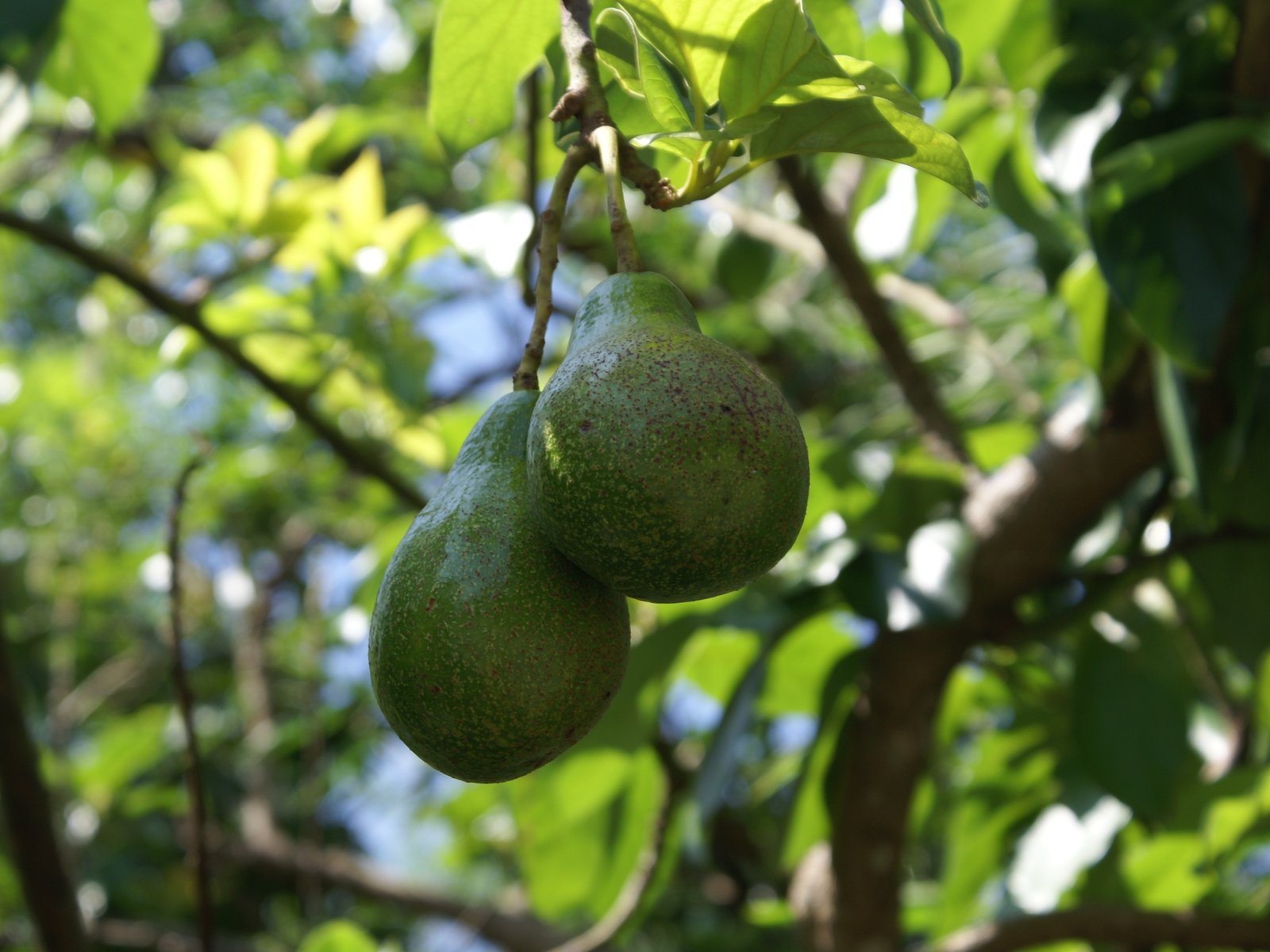
Across the state of Florida, a disease called Laurel wilt has destroyed thousands of avocado trees in most counties. Although, presently six counties have not yet reported the deadly disease, (Escambia, Santa Rosa, Okaloosa, Gulf, Franklin, and Wakulla) experts say it is only a matter of time before the disease spreads. Laurel wilt is caused by a fungus carried by ambrosia beetles, a non-native insect to Florida. “It’s not a matter of if, it’s just a matter of when they’ll report that they have laurel wilt, and that’s because these native trees throughout the state different species in the laurel family and are susceptible to the pathogen these beetles are carrying,” said Jonathan Crane, a tropical food crop specialist with the University of Florida. While he says there’s not much that can be done to prevent further spread of laurel wilt, Crane says if the diseases is suspected, the state Agriculture department’s Division of Plant Industry should be contacted. “And, they may come out and take a sample,” he added. “But, the main thing is you don’t want to remove the affected tree from the property because if you move it, then you’re just spreading the beetles and the disease to a new area.” Rapid wilting and insect boring are signs of laurel wilt. Source - freshplaza.com

19.05.2016

USA - Cold snap damages wine grape crops

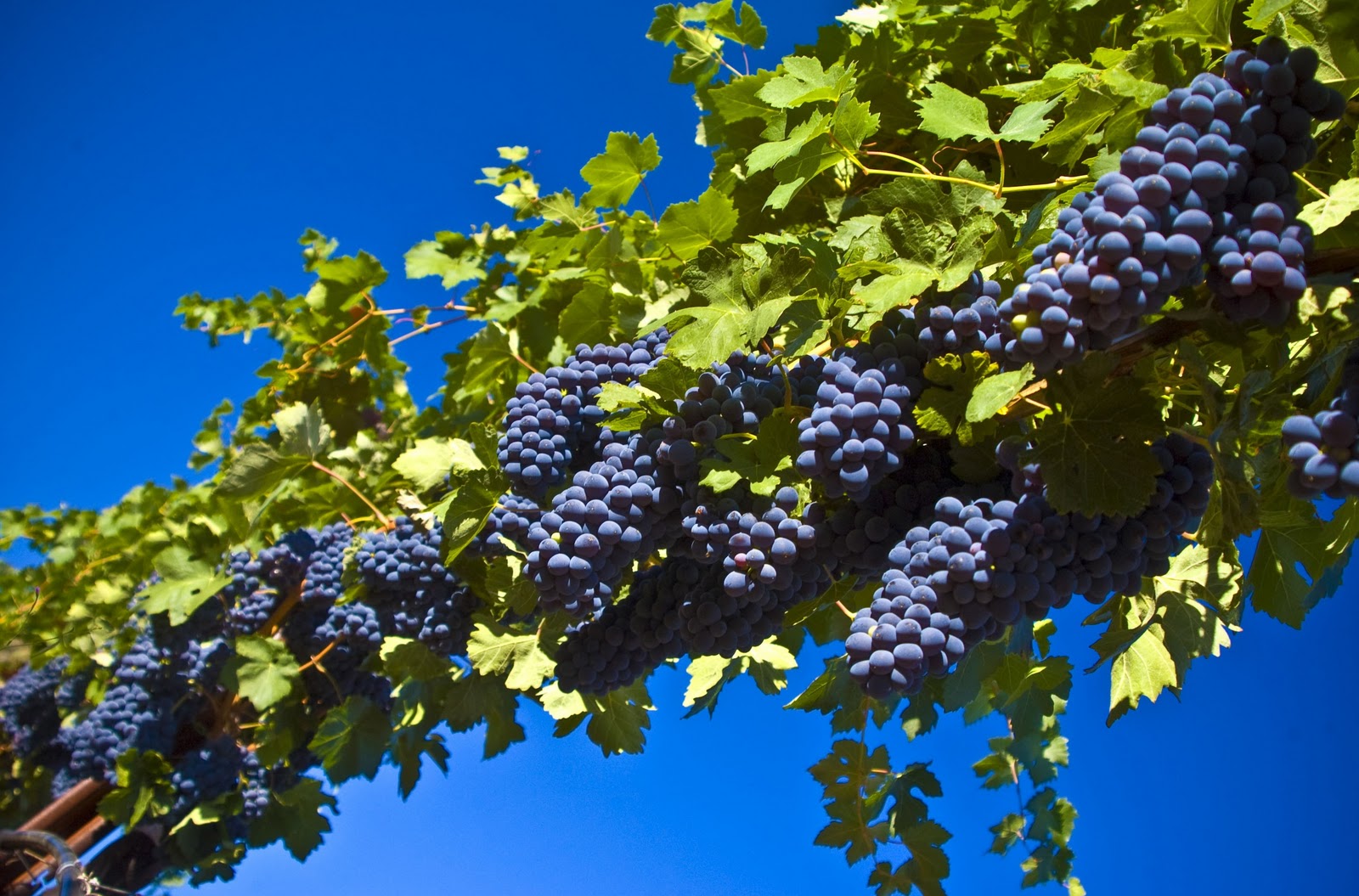
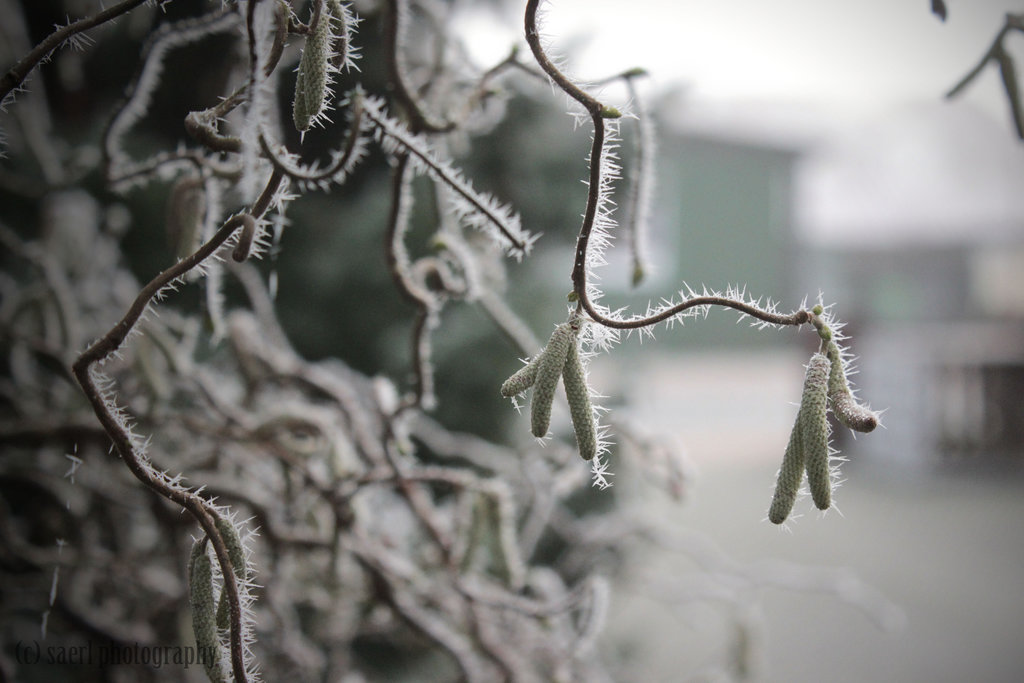
Vintners in southern Wisconsin and southeastern Minnesota are reeling from a weekend cold snap that ruined huge swaths of their grapes. Temperatures dipped below freezing in much of those areas late Saturday and early Sunday, wiping out grape shoots that had emerged early due to a warm spring. The cold turned the water in the shoots cells to ice, killing the tissue, said Amaya Atucha, a University of Wisconsin-Madison assistant horticulture professor. Steve Johnson, head of the Wisconsin Grape Growers Association, said Tuesday that vineyards west of Madison suffered the worst. An informal survey of growers shows at least 30 vineyards in that area lost more than 50 percent of their crops, he said. John Falconer, who owns the 12-acre Falconer's Vineyards in Red Wing, said he lost his entire crop after the mercury dropped below 30 degrees for four hours. "It looks so terrible," Falconer said. "(The cold) took everything. Mother Nature slapped us this year." Wollersheim Winery in Prairie du Sac, Wis., lost 75 percent of its red grapes and 25 percent of its white, said co-owner Julie Coquard. She said workers dragged a "frost dragon," a propane-fueled heater, across the winery's 30 acres of vineyards, but to no avail. "The year was looking so good," Coquard said. "That's what's so frustrating. It's so sad to see the grape vines get gray and black at the ends." Johnson didn't have any loss estimates. Some wineries might yet see secondary grape buds on their vines, though it's unclear how much fruit they might bear as the plants recover from the freeze, he said. Generally, though, each lost acre of grapes amounts to a loss of about $7,000 to $8,000 and 3,000 bottles of wine, he said. The Minnesota Grape Growers Association didn't immediately respond to voicemails and emails seeking comment. The freeze shouldn't lead to any immediate, large-scale wine shortages for consumers. The freeze-out was extremely localized, UW-Madison's Atucha noted. What's more, Wisconsin and Minnesota produce just a small fraction of U.S. wine; Wisconsin has only about 110 wineries and Minnesota has only about 50, Johnson said. By comparison, California, by far the nation's top wine-producing state, has about 4,000 wineries. Wineries already have their 2016 products on the shelves, but Wisconsin and Minnesota vintners will start to feel the pinch going into next year when the September harvests roll around. Growers also could hope the secondary buds produce fruit, but those shoots likely won't flower for another month, pushing harvest back into October. That increases the chances cold temperatures could prevent the grapes from ripening or kill them outright, however, forcing growers to decide whether to invest the time and money in raising that crop, Atucha said. Many vintners with damaged crops like Falconer and Coquard likely will have to purchase grapes from elsewhere to generate 2017 inventory, Johnson said. "I don't know what our expenses will look like," Falconer said. "If you don't have your own crop, you're always paying more if you have to bring it in from outside. People will be scrambling for what fruit there is. It is frustrating, and nothing can be done about it." Source - postbulletin.com

19.05.2016

Austria - Massive frost damage hits businesses hard

Rapid, unbureaucratic help important - measures for the prevention of potential future damage should be considered. The damage of the cold snap at the end of April is massive. Especially for the agriculture, many farms have to consider a complete loss of the harvest. Bio Austria-chairwoman Gertraud Grabmann and Bio Ernte chairman Herbert Kain and Harvest-GF Josef Renner visited affected farmers in Styria and promised the support of the associations to cope with the difficult situation. Bio Austria-chairwoman Gertraud Grabmann emphasizes: “Bio Austria is a community and we look out for each other. This is an extraordinary and dramatic situation for those affected, occupies everybody in the association. It is important for us to convey to the members that they can always contact Bio Austria, on country or federal level. The financial support - from the Disaster Fund - is very important, but only a part of what is needed in such situations. Because it is also very important to show to the affected farmers that they are not alone." “The payment of financial support from the Disaster Fund is a priority; it should be approved quickly and without the red tape. There must be a clear political will and consensus with all parties to take the necessary measures on federal level and as soon as possible,” continues Grabmann. Furthermore, it is necessary to consider countrywide solutions that mitigate the consequences of the disaster, adds Grabmann. An example is the frost protection of irrigation water. “In many cases these installations could have decreased or prevented the damage,” explains Bio Ernte chairman Herbert Kain. Investing in these installations is without adequate funding not feasible for farmers. And a countrywide solution should be found. "And some procedures often take too long and if the result is negative, the farms can’t find an alternative. So another year’s harvest runs the risk of potential frost damage and the farmer is exposed to the risk of a total loss of the crops," says Harvest-GF CEO Josef Renner. “Bio Austria will try, as a large family of organic farmers, to the exchange the necessary products from less affected areas. Solidarity is key for organic farmers, so we are confident that we can find individual solutions,” concludes Gertraud Grabmann. Source - http://www.freshplaza.com

19.05.2016

India - Koppal admn. told to get crop loss re-surveyed

Home Minister G. Parmeshwara, while making it clear that there was no dearth of funds for tackling drought in the State, directed the district administration to initiate all necessary steps to get crop loss in the district re-surveyed and give compensation at the earliest. Presiding over a meeting to review drought in the district here on Wednesday, Dr. Parmeshwara said that around Rs. 10 crore was available with the district administration and the government was ready to release additional funds if necessary. On being told that for want of reassessment of crop loss, and also that most farmers were not providing their bank account details, there had been some delay in disbursing compensation, he instructed that steps be taken immediately to set the anomalies right. Shivaraj Tangadagi, Minister of State for Minor Irrigation and district in-charge, who was present, directed Deputy Commissioner M. Kanagavalli to issue a deadline to 6,589 farmers to submit their bank account details and then, arrange for release of compensation. Referring to a demand from Karadi Sanganna, MP, for a probe by the Central Bereau of Investigation into the Rs. 34-crore scam the in Kushtagi division of the Minor Irrigation Department, Dr. Parmeshwara said that investigation had been entrusted to the Criminal Investigation Department which was capable of unearthing the truth. “Those involved in the scam would not be spared,” he added. With regard to curbing rampant illegal sand mining, he directed Tyagarajan, Superintendent of Police, to initiate appropriate action. Basavaraj Rayareddy, Raghavendra Hitnal, Basavaraj Patil Itagi, all legislators, S.B. Nagaralli, ZP president, were present. Source - http://www.thehindu.com

19.05.2016

USA - Poll finds solid support for crop insurance

Federal crop insurance often gets a bad rap in the press and on Capitol Hill, especially when substantial payouts are made to help offset some of the losses farmers suffer when commodity prices tank. But a new poll of U.S. voters shows overwhelming support for farmers and a federal farm policy that helps protect them and the nation’s food supply. The poll showed 86 percent of voters have a favorable opinion of farmers, and 92 percent think federal spending on programs to support farmers is important. Some 57 percent say it’s “very important.” The majority was also in favor of the way federal crop insurance operates. “Crop insurance has proven its worth to the rural economy, and new farm bill policies have kicked in to help growers cope with falling commodity prices. Yet agriculture’s political opponents have been unrelenting in their misguided attacks,” Tom Zacharias, president of National Crop Insurance Services, stated in a written response to Capital Press. “Luckily for farmers, it looks like they have a pretty powerful ally in their corner: the American public,” he said. The positive responses also cut across party lines, representing Republicans, Democrats and independent voters, according to North Star Opinion Research, which was commissioned by National Crop Insurance Services to conduct the poll. “Americans overwhelmingly like farmers and support the programs that protect them,” John McHenry, vice president of the research firm, said in a press release. “This response is not surprising when you consider that eight in 10 voters believe a vibrant agricultural industry was critical to the country’s national security,” he said. Support for farm policy and crop insurance even remained high when voters were read a critical argument often used by farm policy opponents, he said. That statement countered federal financial assistance to protect farmers from financial ruin and protect the nation’s food supply from risks with the argument that “most of the nation’s food is grown by farming corporations that can easily afford to pay for their own crop insurance premiums without taxpayer money … and farmers should not get special treatment that the federal government simply cannot afford.” Sixty percent of the voters sided with government assistance, and 79 percent supported discounted crop insurance. In addition, 42 percent thought the farmer’s share of the premium — at 40 percent — was “about right,” while 26 percent thought it was too high. Similarly, 59 percent thought the amount of loss sustained before indemnity payments are made — on average, the first 25 percent — is about right, while 20 percent thought it was too high. “The bottom line is that America’s appreciation for farmers and farm policy continues,” Zacharias said. The phone survey of 1,000 registered voters was representative of state, gender, race and age of past voter turnout. It was conducted in early April and has a margin of error of 3.1 percent, according to the research firm. Source - http://www.capitalpress.com

18.05.2016

Uganda - Can Climate-Smart Agriculture Improve Our Smallholder Farming?

We are increasingly finding ourselves facing converging food and climate challenges at an alarming rate, and globally, the Intergovernmental Panel on Climate Change (IPCC) predicts that food insecurity will rise by 15-40 per cent by the year 2050. Agriculture is immensely vulnerable to the impacts of climate change. Hence, it is important that smallholder farmers are enabled to build farming practices that make them more resilient to such changes. It is therefore imperative that our agriculture and food system is reformed in a number of ways. One, to be more resilient to impacts of climate change and other shocks and crises. The latter include escalating food prices, deforestation and depletion of other natural resources. Two, to be able to contribute less to global climate change. Three, ensure the right to food of people through appropriate levels of production. This includes distribution and equitable access. This new unique role of agriculture brings up a paradigm shift and unleashes an array of bottlenecks. These rotate around technical, environmental, social and economic key issues. Many stakeholders, that is, researchers, civil society, private sector, government and policy makers are grappling with ensuring food security in a climate-constrained environment. This a complete nexus of events. Smallholder farmers are usually more vulnerable to climate shocks. But all hope is not lost as there are some small management and appropriate changes than can be adopted which could in turn have significant growth in income and livelihood benefits. A policy brief by World Agroforestry Centre (Icraf) - Making climate-smart agriculture work for the poor - highlights interesting recommendations. These could help in overcoming challenges in having smallholder farmers adapt to climate-smart agriculture. The first is to hold the stakeholders in the agricultural sector accountable. This is so that they can gear towards providing an enabling legal and political environment. The relevant institutions should spearhead this. There should be improved market accessibility for the smallholder farmer's produce. This can be fostered through improving infrastructure such as roads, market, et cetera. Collective marketing initiatives through producer marketing groups can play a key role. The argument is that once a farmer's income is enhanced, it reduces their vulnerability to climate change. Another mitigation strategy would be helping improve access to knowledge and training opportunities. Agricultural market information can play a key role. Price information can make the smallholder farmers make informed decisions on when to sell or store their produce. This reduces their vulnerability. Significant effect Farming tips and weather updates can guide the farmers on when to plant or harvest. The trainings can also enhance good management practices, which would in turn increase adoption rates. Streamlining land ownership can also play a critical role in fostering smallholder farmers adapt climate-smart agriculture best practices. This tends to have a significant effect on the farmers' willingness to invest in their land hence improving productivity. When the farmers have proper ownership of the land, there is a tendency to have increased investments in crop diversity, improved livestock, soil conservation and even have the confidence to engage in agroforestry. It is common knowledge that when you have outright ownership of an asset, you tend to make long-term investments. Adapting to improved management practices by the smallholder farmers will provide enormous benefits aimed at achieving climate-smart agriculture. These can help in overcoming the barriers of high opportunity costs to land. Another key strategy for overcoming the challenges to introducing climate-smart agriculture is helping to improve access to farm inputs and financial products. Agribusiness support agencies should design projects focusing on such interventions. The financial and insurance institutions should also design tailor-made products for the farmers to enhance access to capital and agricultural insurance products. Such interventions would go a long way in helping minimise associated risks hence overcoming the investment gaps that have previously hindered best practices for the adoption of climate-smart agriculture. In conclusion, efforts by agricultural support agencies and other key players in the sector should aim at adaptation, mitigation and ultimately ensure the fundamental right to food of all people through appropriate levels of production, including proper and efficient distribution and equitable access of resources. Once this is achieved, then we can confidently say that climate-smart agriculture is the real deal. Source - http://allafrica.com

18.05.2016

Turkey suffers 30% cherry crop loss

In Afyonkarahisar, an important cherry production area in Turkey, frost has struck the cherry crop, preventing the formation of fruit. Although the freeze lasted only a few hours, it was enough to undermine the production of cherries, which was ahead by about fifteen days. The region has around 120,000 hectares devoted to orchards with a total cultivable area of some 160,000 hectares. The average production of cherries is about 30,000 tonnes. In 2015, the frost had halved production. This season, the forecasts were 25,000 tonnes. Apart from the production of cherries, around 10,000 tonnes of sour cherries, 10,000 tonnes of apples and about 2,000 tonnes of apricots are also produced. And first estimates also speak of a loss of about 30 percent on these products. Turkish exporters put high hopes this year on the opening of the Chinese market, especially for cherries. Source - www.sabah.com.tr/fructidor.com

18.05.2016

India - Gujarat makes Rs.469 cr provision for crop insurance scheme

The Gujarat Chief Minister Anandiben Patel informed that the state government has started preparations for implementation of the crop insurance scheme under the Pradhan Mantri Fasal Bima Yojana. A provision of Rs.469.32 crore has been made for the same, according to a daily newspaper. Despite two successive years of drought, the State administration estimates crop production in the State to be around 95 per cent of the normal. At a high-level meeting chaired by Prime Minister on the drought and water scarcity affected parts of Gujarat, the chief minister said that the state government has made a total payment of Rs.105 crore for 18.14 lakh mandays from April 1, 2016, till date under MGNREGA as scarcity-hit regions grappled with unemployment and poverty. Source - http://www.indiainfoline.com

18.05.2016

USA - Frost Damage at local orchard

With the recent frost warnings, many people might be worried about their plants. However,  one local apple grower says for them, it's just mother nature running its course. Because of last weekend's frost, The Sacia Echo Lodge Orchard near Trempealeau lost about 80-percent its fruit on trees in the lower part of the orchard. However, with more than 100 years of experience on its side, the orchard isn't concerned about the damage. The orchard's operation manager said that loss won't affect their final crop and actually did the orchard a favor. “We had a really great bloom this season and the crop looked really, really good. We actually had a higher crop load on our trees. This is typical,  so we're going to eliminate about 90 percent of the fruit on the tress to start with. That helps increase the size of the fruit and quality of the fruit,” said John Brandsoy. Each year the orchard produces around 80,000 bushels of fruit. Source - news8000.com

18.05.2016

USA - Hail damage leaves Midwest farmers with tough replant decisions

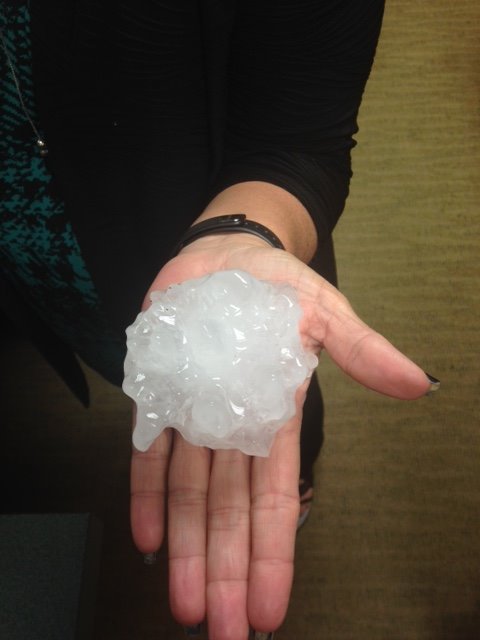
Hail damage can lead to tough decisions for farmers. On May 11, massive hail in pockets of the Midwest led to severe damage that could lead to replant or crop insurance claims. Hail fell from Oklahoma to parts of Illinois and ranged from dime- to baseball-sized hail. In Oklahoma, corn is far enough along in the growing process that replant might not be an option, no matter how severe the damage. John Stotts, master agronomy adviser with Winfield, advises farmers wait and see before making any decisions.“This storm happened less than eight hours before the picture (below) was taken,” Stotts says. “It generally takes three to five days before we can really assess the extent of the damage.” Farmers in Missouri might see less severe yield loss since their plants are smaller. “My corn was between V3 and V4,” says Kyle Allen, Channel seedsman in eastern Missouri, which received hail that ranged from 1/2" to 3/4" diameter. “It damaged the leaves, but the worst damage I saw was 15% to 20% potential yield loss," Allen says. "Since the growing point is still below the ground, we’re optimistic.” Many in hail-stricken areas took to Twitter to share what they were seeing. Many universities have guides to help determine the percentage of potential yield loss. It’s also important to talk with your crop insurance adjusters before taking action such as replanting. Without consulting with your adjuster, you might not receive reimbursement. Source - http://www.agprofessional.com

18.05.2016

USA - The “Farm Crisis” Myth: Subsidies Should Help Those Most In Need

The farm subsidy lobby has been proclaiming that growers are suffering through a “farm crisis” as a result of falling commodity prices. A new EWG analysis released today, however, shows that the large farm businesses that receive the most subsidies are not doing as poorly as the industry claims, especially compared to other American families. It’s true that commodity prices for grains like corn, soybeans and wheat are dropping, but they are simply declining from the historic highs that prevailed from 2008 to 2014. Today’s prices are still mostly higher than they were in the mid-2000s. Although net farm income is expected to decline in 2016 in response to the drop in prices, annual farm household income is actually projected to rise to a record $83,255, largely because most farm households depend on off-farm income to make ends meet. In fact, 90 percent of farms are small, making less than $350,000 a year in farm income, and depend almost entirely on income from off-farm sources. The fact is, farm households are doing considerably better than most American families. In 2014, median household income was $53,657, while median farm household income was almost $28,000 higher at $81,637. Farms’ loan delinquencies have also been well below those for other loans; in 2015, farm real estate and non-real estate loan delinquency rates were 1.5 percent and less than 1 percent respectively, while the delinquency rate for all loans was above 2 percent. The farm sector’s debt-to-asset ratio, another widely used measure of financial health, is also low. The ratio compares the amount of debt a business is carrying to the value of its assets. A good debt-to-asset ratio is 40 percent or less, and the debt-to-asset ratio of the farm sector is expected to be just 13.2 percent this year. Grain farms are not the only ones still doing well. Cash receipts for other agriculture products such as fruits, nuts, vegetables, broilers and cattle are all expected to be above 2012 levels. It’s true that some small-farm families are hurting, and lawmakers should make sure they get the help they need as crop prices recede to more typical levels. But federal farm subsidy programs continue to send most of the money to large farm businesses, which are still financially secure. Policymakers should ignore the subsidy lobby as it grabs for more taxpayer dollars and focus instead on fundamental reform of these programs so as to help those farm families that are in greatest need. Source - http://www.ewg.org

17.05.2016

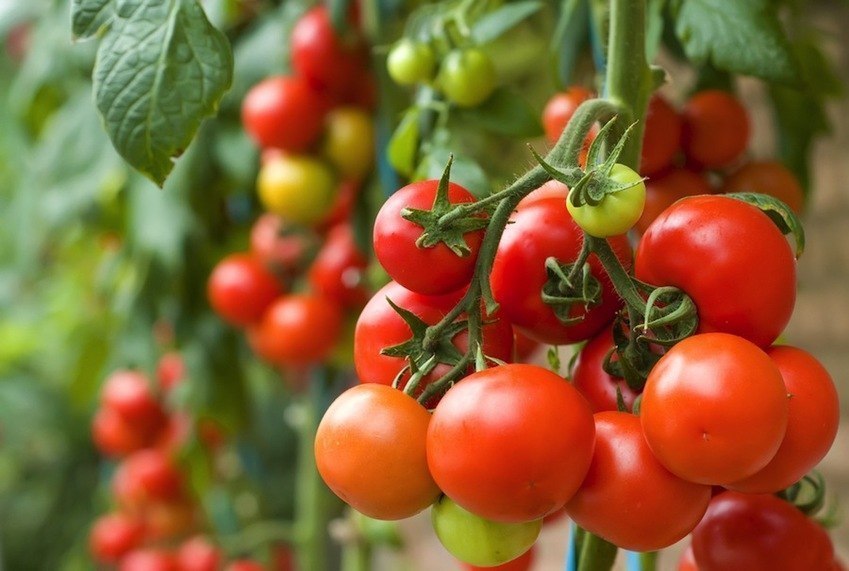
Bulgaria - Bad weather delays arrival of domestic tomatoes and peppers

Bulgarian open ground tomatoes and peppers won't reach the market until at least mid-July, instead of late June, when they usually arrive. The main reasons for this are the cold and rainy spring and hailstorms in recent days. Many producers in southeast Bulgaria, in Pazardzhik, Sliven and Haskovo, actually complained that they had to replant their seedlings, which will increase their costs. "At the moment, the red vegetables available in the market are mainly Macedonian, Italian, Turkish, Spanish, Polish and even Albanian. The situation is similar with cucumbers," stated Kostadin Lambev, chairman of the Fruit and Vegetables Union. He also reported that, unlike open ground crops, Bulgarian greenhouse vegetables currently sold in the domestic market have not been affected and the volumes available are similar to last year's; however, these cover only a minor segment of the market of no more than 20%. "Heavy rains will adversely affect some crops," says Nikolay Nedialkov, president of the Association of vegetable growers in Burgas. He added that because of the rainfall, the quality of some fruits and vegetables may have been affected. With strawberries, for instance, wet and rainy weather can be a cause for the development of fungal diseases," said Nikolai Nedialkov. The cherry harvest will also be at risk if there is rain during the harvest. "Whether the harvest is good or not, market prices are higher because of other factors," said Nedialkov. Apricots and plums have also been struck by the unusual cold weather and morning frosts this spring. In this sense, the Kyustendil region is the most affected. In Pazardzhik, problems have been recorded with early cherries and plums. Source - plovdiv24.bg

864
of 1225