NEWS
866
of 1225
News
13.05.2016

Uruguay - ALASA Congress stressed importance of data and new technologies for index insurance[:ru]Uruguay: ALASA Congress stressed importance of data and new technologies for index insurance

With ever more agricultural-risk-related data becoming available, supply and demand for agricultural index insurance in Latin America seems to be experiencing a renewed wave of interest. This is the takeaway from the XIV ALASA (Latin-American Association for the Development of Crop Insurance) Congress, held in Punta del Este, Uruguay, in March 2016. As in the past, index products are attractive owing to their perceived objectivity and lean administration. Additional sources of data (remote sensing, increasing number of weather stations and yield statistics) now allow more complex and more sensitive parametric (i.e. index) covers to be designed. On a similarly positive note, more resources are being invested into analytics and methods to make these data useful for agricultural risk management. Unlike in the past, however, the considerable disadvantages of index products, namely basis risk and costs, were given greater consideration during the discussion. On two different panels, Munich Re has contributed its experience and shared its expectations: ”Parametric insurance products – lessons learned” and ”Use of satellite technology in agricultural insurance”, encouraging the employment of modern technology whilst keeping an eye on the expected benefit for agricultural producers in emerging and developed markets. Source - Munich Re

13.05.2016

Spain - Rains cause damage to cherries and stonefruit

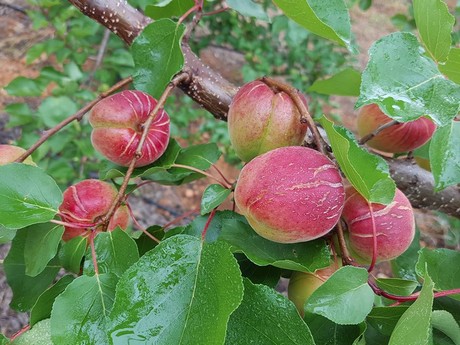
Rains continue in Spain and the stonefruit production areas, where the harvest is currently in full swing or are about to start, such as Tarragona, Valencia, Alicante, Murcia, Seville and Extremadura, are reporting damage to the fruit, especially in the case of apricots, cherries and nectarines. "The damage caused to early apricot varieties in Valencia is very severe, and this, together with the lower production because of the lack of cold during the blooming period, should result in considerable losses. For now, apricots reach retail prices of around 3.80 Euro per kilo," explains Carlos Arenes Alcover, a Valencian stonefruit and citrus grower. "The damage suffered by nectarines is not as severe," he adds. The producer explains that rainfall is not abundant, but it has been raining for 4 days in a row, with short intervals of sunshine, just at the time when the fruit is gaining colour, which accelerates the fruit's growth and causes the skin to appear torn. In Extremadura, according to AFRUEX, rainfall has been more abundant, with between 70 and 80 litres per square metre recorded. This has caused delays in the start of the harvest of stonefruit and some cracking in cherries, whose harvest kicked off in early May. Murcia has also reported some cracking in early apricots and nectarines, although to a lesser extent and depending on the area, according to APOEXPA. In Tarragona, the leading producer of cherries, CERIMA, has reported that the harvest of the earliest varieties has been almost fully lost, as due to the constant rains, most of the production has been affected by cracking after a significant drop in volumes, which already reached 80%. "The start of this year's campaign has been very difficult. We have suffered a big blow, although we still have much of the season ahead and we hope the conditions will improve. At the moment, cherry prices are skyrocketing due to the product's shortage," explains CERIMA partner David Manero. Meanwhile, in Seville, one of the earliest production areas, numerous cases of cracking have been reported to affect apricots, and to a lesser extent, nectarines. "Significant losses have been recorded in Seville affecting certain early apricot varieties. Fortunately for us, we do not have this kind of variety and damage is minimal," affirms Sebástien Adnot, of Primor Fruit. According to exporters, the demand for fruit in the European markets is on the rise due to the good weather conditions, with moderate prices of around 1.50 Euro per kilo for nectarines and peaches. Source - freshplaza.com/

13.05.2016

Australia - Multi-Peril Crop Insurance can work in Australia with the support of new technology

Climatic variability in Australia is high and presents a major challenge to farmers. Despite this, Australia has developed an efficient agricultural industry with a high degree of innovation and adaptability. This has occurred without Multi-Peril Crop Insurance (MPCI). There have been several attempts at introducing MPCI. To date, all of these have failed due to high levels of adverse selection. Several feasibility studies into MPCI have concluded that, to overcome adverse selection, a meaningful premium subsidy is required. No such subsidy has been forthcoming, and there is no indication that this will change. The federal government has decided to partly finance the one-time risk assessment costs for MPCI to the extent of AUD 2,500 per farmer, i.e. a total of AUD 20 million over four years. There has been a recent increase in MPCI activity in Australia, with five offerings available. Despite the growing number of offerings, take-up is limited. Premium rates are generally above 7%, adverse selection is high and take-up is low. It is most likely that the funding which has been announced will be spent in one go, with no ongoing benefit. This support will not reduce adverse selection. Satellite imagery, precision agriculture and crop models have the potential to play a critical role in reducing the cost of managing an MPCI and assisting in risk assessment. Development of MPCI without a premium subsidy will be difficult, and no path forward offers a guaranteed result. However, if a small portion of the current AUD 20 million commitment was made available for research and development with a focus on enabling technologies, the probability of developing a sustainable product would be enhanced. Source - Munich Re

12.05.2016

Farming with robots

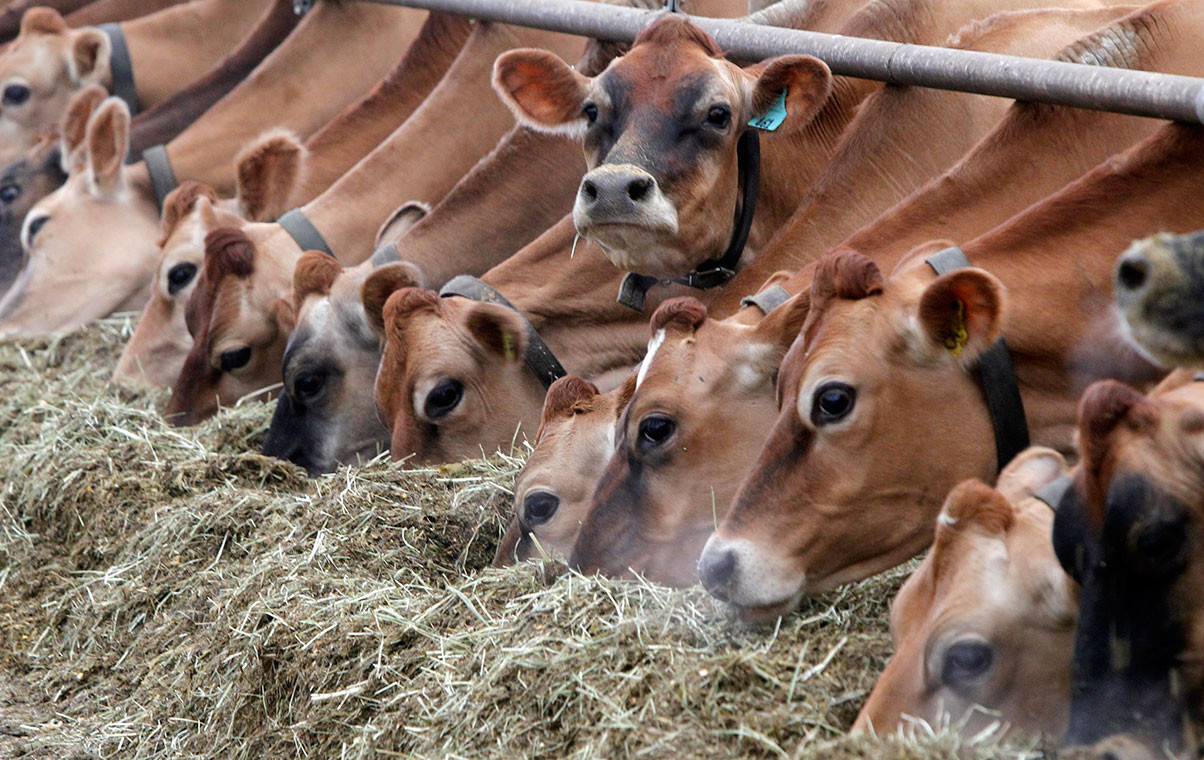
Farmers are increasingly under pressure to feed more people. The UN predicts that the world population will rise from 7.3 billion today to 9.7 billion in 2050. This growing population has become pickier about the food they eat. In the EU alone, the organic market grew by 7.4% in 2014 with sales valued at €24 billion. Beyond organic food, there is an overall push to make farming greener by using less water and pesticides. “Agriculture is most vulnerable to the impacts of climate change, but it’s also one of its causes”, says Birgit Schulz from Deepfield Robotics. “Making cultivation sustainable is essential”. These factors mean farmers need to produce more, at a higher quality, and in a sustainable manner. With youth turning away from the profession, there is also less labour available to drive the vision forward. Enter the robots — set to improve production yield, while reducing resources required, and making farming an exciting high-tech profession. “Few people want to get up at 5am, farming is a heavy and dirty job.”, says Eldert van Henten, head of the the Farm Technology Group at Wageningen University in the Netherlands. He adds that, “the high-tech nature of future farming might attract new people into the profession, but also bring back those who left”. Robots are just part of an overall push towards precision agriculture. Given the potential, Europe has funded at least 6 projects around robotic farming. And there is plenty to do given the large number of tasks on a farm that are ripe for automation. For crop farming, robots need to autonomously navigate their environment and perform actions at set locations, for example, picking a fruit, spraying a pesticide, planting a seed, imaging a plant, or making a measurement. Glasshouses are slightly simpler to move around since the environment is more carefully engineered, and is often fit with tracks which robots follow to reach desired locations. In the case of outdoor farming, the robots work by receiving a plan with a set of locations to visit on the field. When the robot trajectories are known, the robot can use GPS positioning and a closed-loop control to make sure it remains on track. When the task is to follow an unknown trajectory, for example a crop row, vision is often used to allow the robot to find its way. Robots are wirelessly connected to a central operator to both receive updated instructions regarding the mission, and report status and data. Put together, making an autonomous farm robot requires clever controllers, localisation and communication systems. To a certain extent, the technology is similar to that of autonomous cars applied to agtech. Where it differs is that farming robots often need to manipulate their environment, picking vegetables or fruits, applying pesticides in a localised manner, or planting seeds. All these tasks require sensing, manipulation, and processing of their own. The recently finished project RHEA developed a fleet of tractors and aerial robots with sensor systems to discriminate weeds from crops and apply herbicides where needed. Pablo Gonzalez de Santos, the lead on the project, explains what is achievable today: “Autonomous robots have already been demonstrated in many agricultural activities. Conventional tasks such as tilling, sowing, harvesting of grains, can be performed using autonomous robots with the accuracy provided by the vehicle itself (currently about ±2 cm when using GNSS technology). For other tasks that demand the use of vision to follow trajectories, the current accuracy is approximately ±7 cm.” When it comes to using robots with intelligent tools, the achievements are promising. “Autonomous tractors carrying herbicide sprayers coordinating with drones equipped with weed-detection systems have proven to save up to 75% of the herbicide. Autonomous tractors equipped with on-board weed detection systems are able to kill 90% of weeds on a field.” Bosch startup ‘Deepfield Robotics’ also develops technologies for sustainable farming. “Our products are sensor networks and robots”, says Birgit Schulz. Their robots navigate plant rows, sense the plants, and send the data to the farmers to help optimise seed breeding. If equipped with a “weed puncher”, the robot can literally drive weeds into the ground. Deepfield Robotics also provides smart sensors that can be positioned in the fields. Resulting networks are already deployed in farms to monitor soil conditions for asparagus. There are however many challenges ahead. Pablo Gonzalez de Santos says “Technical developments are required to identify fruits and analyse their degree of ripeness in harsh conditions (changing light conditions, presence of dust, extreme temperatures, wind variations), as well as to detect weeds. Robot position accuracy also has to be enhanced to help optimise pesticide applications and the precision of manipulation. Although industrial manipulators exhibit very good accuracy and speed in factories, their application in farming is more difficult due to the objects moving, being soft and delicate, and obstacle-rich environments.” Just imagine what it takes to pick a sweet pepper from a plant, compared to grabbing a bolt on an assembly line. As it turns out, sweet pepper harvesting is the subject of the recent Horizon2020 Sweeper project, which follows a previous EU project called Crops. Eldert van Henten says, “It’s not just vision, tactile sensing would also be helpful to pick peppers out of a busy scene. Farmers definitely use touch. ” And as is often the case in robotics, the lack of clear regulation is causing a headache for companies entering the field. “Safety is an issue – robots have to be capable of detecting what is going on in their surroundings and act accordingly to protect humans, wildlife, and themselves from crashes and accidents”, says Pablo Gonzalez de Santos. He adds that, “it is completely unclear who carries responsibilities for injuries caused by autonomous ground robots. The legislation for drones is also restrictive, requiring special authorisations, even for research purposes. “ Birgit Schulz agrees that safety and regulation considerations are paramount and raises questions regarding how to “define and implement the right degree of autonomy for the robot” as well as a number of logistical considerations including “How does the robot get to the field? How can we make it easy to use the robot? What happens if a robot gets stuck?” The good news is that farms are already open to new technologies being deployed and the investments that are required. You just need to look at some of their equipment to see the high-tech machinery in place. A little known fact: farms are already amongst the most prominent adopters of robotic technology. Lely, which is based in the Netherlands, has a fleet of over 20,000 milking robots installed throughout the world. The Lely Astronaut A4 box allows cows to be milked when they choose so, instead of when the farmer needs it to be done. The robot attaches incoming cows to the teat cups, reattaches them if required, and detaches them after milking. As an added bonus, data about the cows is collected, which can help the farmer monitor the herd and take action should a problem arrive, or simply to improve yield. The company also makes autonomous mobile robots that clean the barn, and automatically feed the cows with Juno and Vector. And the farm of tomorrow will include many robots working together. The MARS project, which stands for Mobile Agricultural Robot Swarms, demonstrated a cloud-based approach to farming at Hannover Messe last week. By deploying many simpler and smaller robots, they hope to make their farm-solutions safer, more reliable, and productive, while avoiding soil compaction that comes with larger robots navigating the fields. A swarm could also provide continuous operation, by having robots take turns charging or undergoing maintenance. It’s an all around exciting time to deploy robots on farms, and there is a clear need to do so given the drive for increased food production, and sustainability. Steps are currently being made to develop the technology that will enable the automation of individual tasks before integration in a “digital farm” that will empower farmers to run operations in a fulfilling and efficient way. But there is still a lot of work to do. Eldert van Henten says robots will need to be “quick, precise, 100% successful, and cost-effective” before we can hope to see them on our farms. But, he adds, there is a “trend towards human-robot co-working. With one or more robots doing (part of) the job while being supervised, instructed by a human, or jointly working with a human. This might improve acceptance and feasibility of robotics technology for the more challenging tasks in agriculture”. Source - http://robohub.org

12.05.2016

USA - Changing crop insurance program pushes taxpayer bill

The way farmers use crop insurance has fundamentally changed — and that’s been costly for taxpayers. Instead of buying insurance policies that exclusively protect their crop’s yields from disastrous weather, federal data shows that the majority of farmers are purchasing revenue-based plans that also guard incomes when crops are hit by dismal market prices. The change has helped push the crop insurance program’s price tag from about $3 billion per year to more than $8 billion. “The story used to be that this was a program to manage weather risk farmers could not control,” said Ohio State University professor Carl Zulauf. “It was a very short, a very concise, a very simple story, but over the years crop insurance has moved away from that.” The U.S. Department of Agriculture’s Risk Management Agency now administers more than a dozen different types of government-subsidized insurance policies, and farmers can pick plans based on individual or county production history. Overall, insurance policies exist for more than 100 crops. Revenue-protection policies that jointly insure yields and revenue have rapidly grown in popularity, according to data. In 2011, about half of all crop insurance policies sold were for revenue-protection plans. By 2015, more than two-thirds of the 2.24 million policies sold were for revenue-protection. “The program has become increasingly complex over time,” Zulauf said. “It’s clear that it’s not just yield anymore that you’re insuring.” Low prices hurting farm income In the United States, corn and soybeans are the top commodities and the most heavily insured crops. Consecutive growing seasons with record harvests have created a huge grain surplus and slashed the price of both. After peaking at more than $8 per bushel in drought-stricken 2012, the price of corn has fallen to less than $4 per bushel. Soybeans have experienced similar but not as dramatic price declines, as well. Although production has thrived, farmers’ incomes have plummeted and triggered major crop insurance payouts. “When production is fine, it leads to lower prices,” said Doug Yoder, crop agency manager for Country Financial. “And that’s what we’re seeing right now.” Revenue-protection crop insurance policies paid out $14.5 billion the past two years combined. That accounted for the bulk of all insurance payouts. Agriculture officials say that revenue-based insurance policies are essential to modern agriculture because farmers have little control over what their product ultimately sells for, and that leaves them uniquely vulnerable to price drops compared to other jobs. Farmers can just as easily go out of business from bad prices as bad weather, but revenue-protection plans provide stability, they say. “For taxpayers, if you want to have a readily available and affordable food supply, if you want to preserve rural economies, then I think it’s important to protect these revenue-based insurance policies,” said Sam Willett, a senior director of public policy for the National Corn Growers Association. Recent USDA estimates predict that 2016 will likely see the lowest farm income since 2002, which could mean another year of large insurance payouts. “We’re probably going to have average to above average yields this year,” Yoder said. “But we still anticipate farmers having significant losses.” Critics call for cuts amid rising costs Despite its established role as a key risk management tool for farmers, critics continue to argue that the multibillion dollar crop insurance program has grown far too costly. “The cost of the program has expanded for a number of reasons,” Zulauf said. “You have increased participation, the number of acres in the program has increased, coverage levels have increased and the number of crops being covered has increased.” “Crop insurance is now a large expenditure item,” he said. While farmers pay expensive out-of-pocket premiums, more than 60 percent of that cost is subsidized by the federal government, though crop-insurance supporters point out that farmers do not directly receive any funds. Subsidies did not consistently exceed $1 billion until after 2000. In 2015, they totaled $6.1 billion, according to data. Government subsidies going to pay for revenue-protection policies accounted for more than three-quarters of that amount. “Does the public really want to insure something other than yield?” Zulauf asked. “That’s the underlying question here, and I think that we really haven’t discussed it in a full-blown sense.” The federal government also covers administrative expenses for the group of companies authorized to sell crop insurance. A White House budget proposal released in February recommended slashing subsidies by $18 billion over the next 10 years, but so far policymakers have rejected proposed cuts. “The price tag of crop insurance is now probably the largest single expenditure related to agriculture, even though funding for other ag programs has dissipated and gone away,” Yoder said. “Crop insurance is the largest remaining pot of money that goes to agriculture.” Source - http://cu-citizenaccess.org

12.05.2016

South Africa - This year’s drought calls for solutions from the crop insurance industry

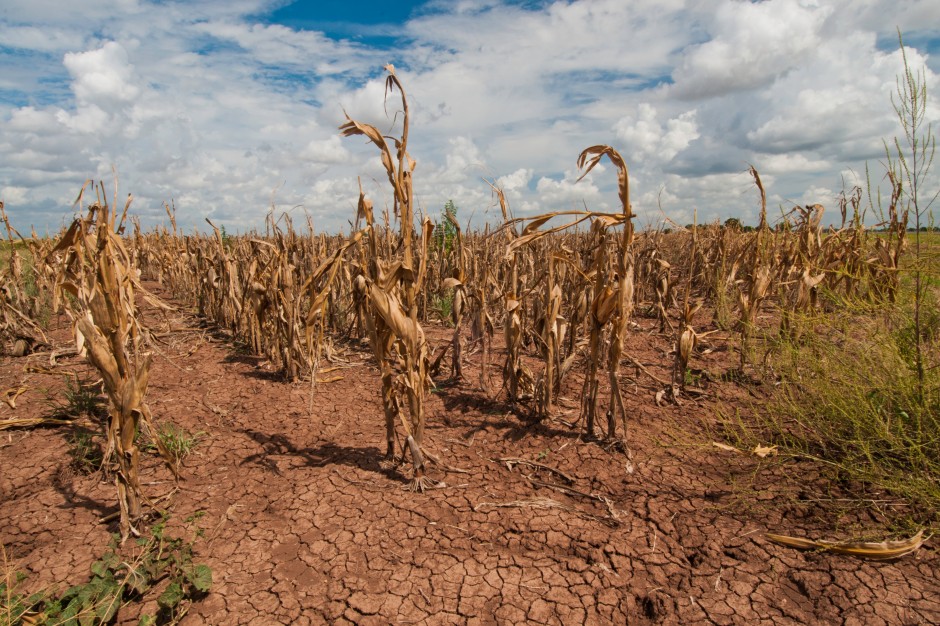
A number of experts indicated that South Africa was currently experiencing its worst drought since 1982. Rainfall was below normal from November to February, the peak planting period. Hence there were low plantings in most grain-growing regions. Hectares planted with summer crops decreased by 20% from 4 million ha in 2015, and the grain harvest is expected to decline by 26% from 12 million tonnes in 2015. The loss of income in the agricultural sector is estimated at ZAR 10 billion. The worst affected are smallholder farmers, who are more vulnerable to extreme weather events, and have no insurance or alternative income safety nets. Livestock farmers are losing large herds as a result of a lack of grazing, fodder and drinking water. Although the government is providing the farmers with drought relief, the process is rather slow. These weather events almost annually result in significant losses for the farmers and for the insurance industry, such as those suffered in the 2006/07 crop season, and extreme flooding and excessive rainfall in 2009/10 and 2010/11. The exact financial impact for the farmers and insurance industry in the 2015/16 season still needs to be quantified. As the South African crop insurance industry is strongly impacted by the extreme volatility of the frequency and severity of weather events – arguably linked to climate change – initiatives to develop solutions are currently underway. Together with all stakeholders – government, the banking and crop insurance industries, and farmers’ associations – Munich Re supports a public-private partnership approach to providing all farmers with crop insurance that mitigates catastrophic weather losses through a fast and efficient mechanism of paying losses. Source - http://www.daff.gov.za

12.05.2016

USA - SLO County crops suffer effects of drought

In California's San Luis Obispo County drought and a chilly spring has caused a significant decline in the wine grape industry. Yet for the county's top crop of 2015, strawberries, growing conditions were favorable and the crop remains the leading crop in terms of value, for the second year in a row. Wine grapes’ overall value fell from $203 million in 2014 to $146 million in 2015. Strawberries remained the county’s top crop in 2015, racking up a value of more than $222 million. Total crop value in 2015 was $828.8 million, down 8 percent from 2014. San Luis Obispo County ranks 15th in the state in terms of the value of its crops. More than 100 different crops are produced in the county, and that diversity provides stability when drought and other conditions become challenging. The drought continues to take a toll on other crops in the county, as well. Dry conditions affected avocados, dryland-farmed walnuts and the cattle industry. The avocado crop dropped by 10 percent in 2015, and the value of the walnut crop went down by 25 percent. Avocado farmers continued to stump or severely prune back their trees to reduce their demand for water. However, vegetable crops did well, increasing by 10 percent in value from 2014. Leaf lettuce jumped from 15th place to No. 8, going from $6.8 million to $16.8 million in value. Celery and bok choy made the top-20 list in 2015 after missing it in 2014. Two crops fell off the top 20 list this year — Valencia oranges and Napa cabbage. Napa cabbage took a big hit after ranking No. 10 with a $14 million value in 2014. Source - freshplaza.com

12.05.2016

Dominican Republic - Rains did not cause serious damage to the fields

The Ministry of Agriculture stated yesterday that the rains in recent weeks had not caused serious damage to the country's agricultural production. In a press release, the Ministry stated that technicians had visited its eight regional headquarters and found no significant damage to agriculture and livestock. "In general, the recent rains have not caused major damage to  national agriculture," they stated. According to the inspection, conducted by the technicians of the Department of Agricultural Production, only some roads have been affected by the excess water so far, mainly in the provinces of Azua and San Jose de Ocoa. The report also states that the rains would actually benefit the agricultural sector more than it would hurt it. This means that the drought has subsided and that the dams have reached appropriate levels, after having been below operating levels for a year and a half. The Minister of Agriculture, Angel Estevez, said that most of the country's dams were stocked, "which means that these rains have benefited the production system at the national level because it has been raining throughout the whole territory." He added that the technicians of the eight regional Ministries of Agriculture were in permanent contact with producers in the production areas to make a report and provide them with the assistance they may require, in case they had any losses in their productions. According to the report, the only damage reported so far has been the damaged caused by the hailstorm last weekend to 1,500 acres planted with potatoes in Tireo, Constanza. Moreover, producers from different parts of the country, such as Baní, Azua, San Cristobal, Monte Plata, Las Matas de Farfan, San Juan, and other parts of the country have reported damages in their plantain, banana, curler, mango, and avocado plantations. Producers in those communities lost some production to the strong winds that accompanied the rains. Source - http://www.freshplaza.com

12.05.2016

Argentina - Weather hits the Soya harvest

A couple of weeks can make a big difference to global commodity markets and the predictions of a record soya crop in South America reported in this column last month have been shot down in flames. The run of record large soybean crops in this region has now come to a screeching halt as weather has played havoc with the harvest and with the movement of the crop to the ports. The Brazilian soybean crop had problems from the beginning of the growing season, so it was no surprise that the early estimates have been trimmed as the harvest progressed. The crop is now ending on a poor note due to dryness in North Eastern Brazil and wetness in far southern Brazil. The big surprise has been the terrible end to the growing season in Argentina. Up until a few weeks ago Argentinean farmers had been expecting a record soybean harvest. The weather during the entire 2015/16 growing season was nearly ideal but as the crop was approaching maturity the rain started to fall and continued falling for several weeks. As a result, widespread areas in eastern and northern Argentina experienced extensive flooding with as much as 60% of the farmland under water. This region of Argentina is very flat with almost no slope to the land, so flood waters recede very slowly and the concern is that some soybean fields will be a complete loss due to beans sprouting and moulds developing in the crop. Even if the field is not flooded continuous wet weather can have a devastating impact on the crop resulting in shrunken, lightweight beans. The crop is now forecast to be down around 8% on the 2105 harvest with the hardest hit areas down by up to 30%. The harvest in Argentina has basically been paralysed for three weeks due to the wet weather. In a recent estimate, the Buenos Aires Grain Exchange estimates the soybean harvest at 16% complete compared to 46% harvested at the same point last year. This marks the slowest soybean harvest in Argentina in at least a decade. This has played havoc with shipping programs as vessels queue in the River Plate awaiting the arrival of the crop at the ports as lorries struggle through a flooded and damaged road system. The impact of these delays has been to drive up prices in the consuming countries with soya meal on the local spot market up by £40 to £50 per tonne in the last three weeks or so. Hopefully this is a reaction to concerns about supplies in the short term and there will be some correction as weather improves and shipments catch up with demand. However with global production forecasts now trimmed by 5M tonnes the expected reduction in stocks is bound to bring some firmness to a market which has been in a steady decline for the last year or so. Source -  farminglife.com

12.05.2016

USA - May frost hasn't hit blueberries too hard

Blueberry farmers in Baldwinsville, N.Y. were awake on the night of May 9, after a frost warning meant they needed to keep a close eye on their crops. Temperatures dipped below 30 degrees in some low lying areas, putting delicate buds at risk. At Abbott Farms in Baldwinsville, the work day began just after midnight in an effort to protect blueberry bushes in the lowest lying area of the farm. A large fan helped circulate air to keep frost from forming on the plants and small fires created a blanket of smoke over the field, almost like cloud cover, to trap radiant heat. The efforts raised the temperature from 26 to 28 degrees, enough to keep that layer of frost from forming. Like many fruit crops in Central New York, this particular batch of berries already took a hard hit in March when temperatures dipped into the single digits following a record warm winter. Blair estimates only 80 percent of this first variety of blueberries will survive, despite their efforts. There are six other varieties of blueberries that should be in better shape. "The plants are just fine, but we won't have fruit off them and that affects our crop," he said, adding that some of the apple trees were similarly affected. Over the next two weeks, the blossoms will open up. Blair said that will give them a better sense of what the overall yield will look like for the season. Source - freshplaza.com

12.05.2016

Bolivia - El Niño reduces production by 35%

According to estimates from the Agricultural Chamber of Cochabamba (CAC), the gross value of this year's production can decrease by 30 to 35% because of the drought, hailstorms, and frost that occurred in recent months in the department of Cochabamba. The peasant sector estimated there would be a 40% decrease in production. The eight productive sectors of the department generate approximately 723.47 million dollars per year and, according to Fernando Quiroga, the General Counsel of the CAC, agricultural losses could amount to more than 253 million dollars this year. According to Quiroga, the drought had afflicted the agricultural sector the most. Ruben Herbas, who, until recently, was the Secretary of Education of the Federation of Peasant Workers of Cochabamba (FSUTCC), said the situation in the field was very complicated. He said the lack of rain and the frost had strongly  affected the Southern Cone and Andean region, especially the potato crops. "The frost kills the crop in one night, as it did with potato crops. Meanwhile, the drought slowly kills the crops. It's something that has affected vegetable producers," he said. Herbas said that President Evo Morales was determined to support producers of potato by delivering the seeds in a timely manner. Each provincial executive must present a list of the early potato producing areas, so the producers can receive their seeds in a timely manner so as to alleviate the shortage. Source - freshplaza.com

11.05.2016

Poland - PwC opens global drone centre

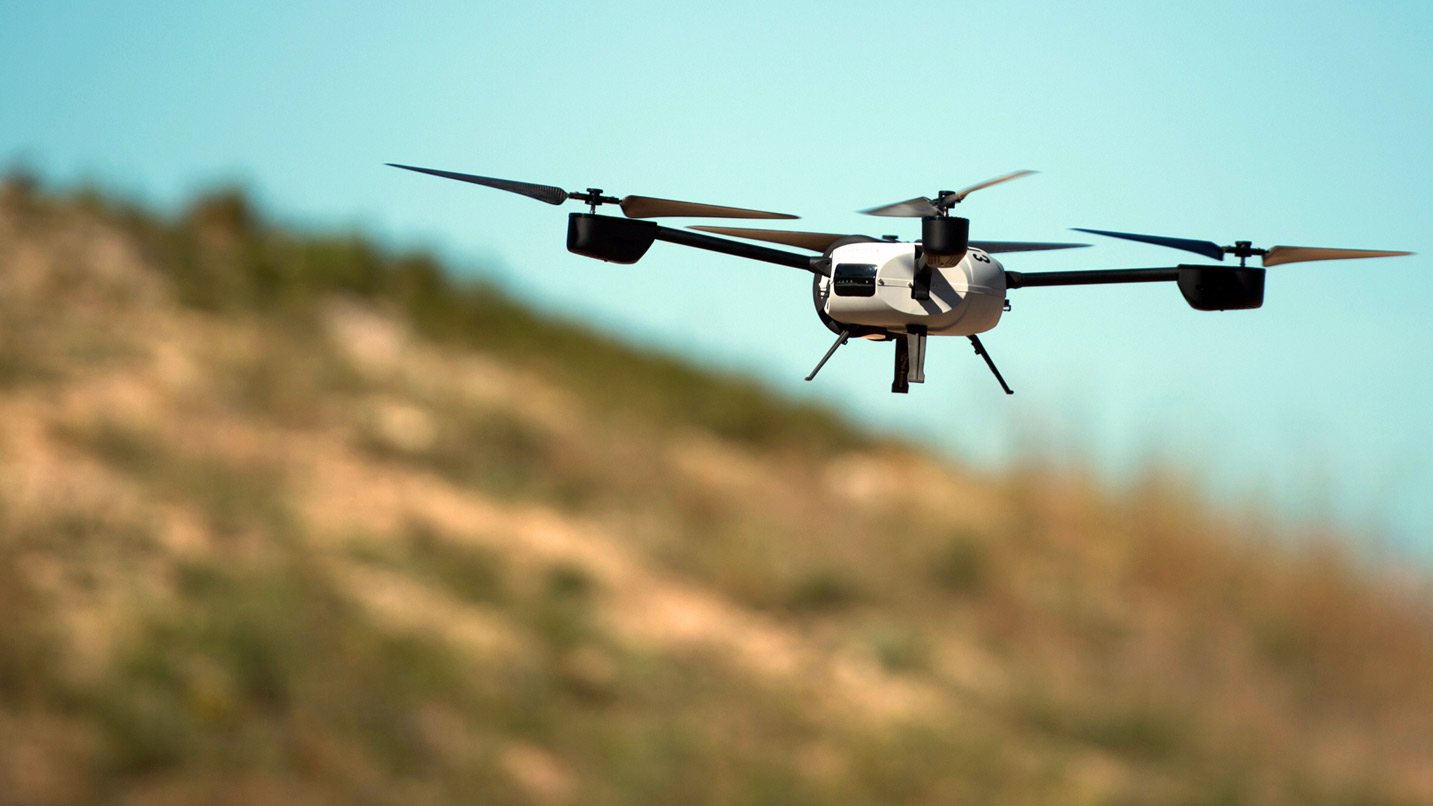
PwC has established a global drone centre in Poland to help clients solve their business challenges PwC established the global centre of excellence, named Drone Powered Solutions, to focus on the use of drone technology and data analytics in business. According to a study by the firm, the emerging global market for business services using drones is valued at over $127bn. This is the value of current business services and labour that are likely to be replaced in the very near future by drone-powered solutions, according to PwC predictions. With drones set to have an impact on the business operations of companies in a broad range of industry sectors, from infrastructure and agriculture to insurance, the Big Four firm says it is harnessing the opportunities drones can offer its clients. The team at PwC’s drone HQ has already carried out a number of commercial projects for clients in Poland, which in 2013 became the first country in the world to introduce a complete legal framework and institutions regulating the commercial use of drones, according to the firm. While the team sub-contracts the actual piloting of the drones, all the other drone powered technologies have been developed within PwC, such as a geospatial data imaging app that allows the team to present clients with data gathered by drones in a simple and intuitive way on mobile devices, the firm said in a statement. Michal Mazur, partner and head of Drone Powered Solutions at PwC for Central and Eastern Europe, said, “We are currently in discussion with several major companies from a wide range of industries about how they can use drones to improve their business processes. This got us thinking about the potential value of the global drone-powered solutions market. With an estimated market value of over $127bn in commercial applications, drones are making the transition from novelty item to indispensable business tool.” According to PwC, the application of drone technologies in existing business processes is allowing companies from those industries to create new business and operating models. Worldwide, drones equipped with cameras and sensors provide companies with more comprehensive data. They are also involved in transport and precise operational activities, exerting an increasing influence on business strategies of enterprises, the firm said. Each industry has different and diverse needs, and therefore requires different types of drone-powered solutions and various drone functionalities, the firm added. According to the study, drone-powered solutions are best suited to sectors that require both mobility and a high quality of data. Specifically, businesses that manage assets dispersed over large areas have a long history of issues that new drone powered solutions can address. Large-scale capital projects, infrastructure maintenance and agriculture can all benefit greatly from the integration of drones into day-to-day business, PwC said. One of the primary uses of drones is supervising the ongoing investments and maintenance of existing infrastructure, according to PwC’s report. The firm predicts insurance and mining will find potential process improvements as they gain new levels of data quality and accessibility through the use of drone technology. The firm also expects that the transport industry will change its concept of last-mile delivery. Piotr Romanowski, business advisory leader at PwC in Central and Eastern Europe, said, “At PwC, we are expanding our business advisory capabilities to help clients across the full life cycle of their business projects, from strategy through execution. The implementation of business projects now involves a strong technology component. "That is why we are investing in becoming more technology enabled, through acquisitions of specialised technology companies such as Outbox and through the development of our own technology services, such as our Drone Powered Solutions team.” Olga Grygier-Siddons, chief executive of PwC in Central and Eastern Europe, added, “I am very proud that we have developed a global centre of excellence right here in Central and Eastern Europe that uses drones and geospatial data analytics to help clients. This is the first PwC team of its kind anywhere in the world. “For a long time, business success in our region has been based on cost competitiveness, but now there is a real desire on the part of our clients and colleagues to compete instead on value, created through innovation.” Source - http://economia.icaew.com

11.05.2016

India - Elephant herd strays into farm, destroys crops

A herd of elephants, which strayed into farms in Thathengalam, caused massive damage to the crops, leading to heavy loss to the farmers.   The elephants, which enter the village during night have been straying into banana farms, paddy fields and homesteads, destroying crops. Yashoda Narayanan of Thazhatheveettil House at Thathengalam lost more than half of her 500 banana plants that were ready for harvest. Edakkudy Pushpan and Vazhipparamban Muhammed lost all their banana crop too. The villagers spotted a female elephant and her calf and tried driving them away. The villagers sought the help of the emergency task force of the Forest Department who tried in vain on Monday to drive away the herd. The villagers are living in constant fear that the animals may descend once the dark falls. Similar incidents had happened last year when the elephants descended on the village and caused massive damage to agriculture. A joint protest by the villagers had resulted in the erection of solar power lines along the border of the forest. Now that the lines have become inoperative, the animals are back to invade the crops, they said. Source - english.mathrubhumi.com

11.05.2016

Canada - Livestock Price Insurance Works

In the spring of 2015, 1,018 calf price insurance policies were purchased in Saskatchewan through the Western Livestock Price Insurance Program (WLPIP). This resulted in approximately 120,000 calves or 15 per cent of the provincial marketable calf crop being covered through the program. At the time the market was at record high levels and producers were able to purchase strong price insurance coverage. In the fall the market declined from its highs and producers who purchased price insurance were in a benefit position. Last year 64 per cent of calf price insurance policies provided benefits as market prices in the fall were lower than the insured prices producers had purchased coverage on. WLPIP provided over $4.4 million in benefits to Saskatchewan producers. This spring the cattle market has been volatile. The current volatility on the Chicago Mercantile Exchange (CME) is a strong indicator of the uncertainty for calf prices this fall. Driven by industry, WLPIP was developed from producers’ desire to have access to a risk management tool that would work similar to the CME’s livestock futures options (Live Cattle, Feeder Cattle and Lean Hog) but with additional protection against risks unique to the Canadian livestock market (currency and basis).  The result is an insurance-based product designed to reflect real-market risks which serves as a one-stop hedging tool for producers. May 31, 2016, is the last day price protection can be purchased for spring born calves that are traditionally marketed in the fall.  Price insurance for the feeder cattle, finished cattle and hogs can be purchased year-round. Source - saskcropinsurance.com

11.05.2016

USA - Hail wipes out portion of Kansas wheat crop

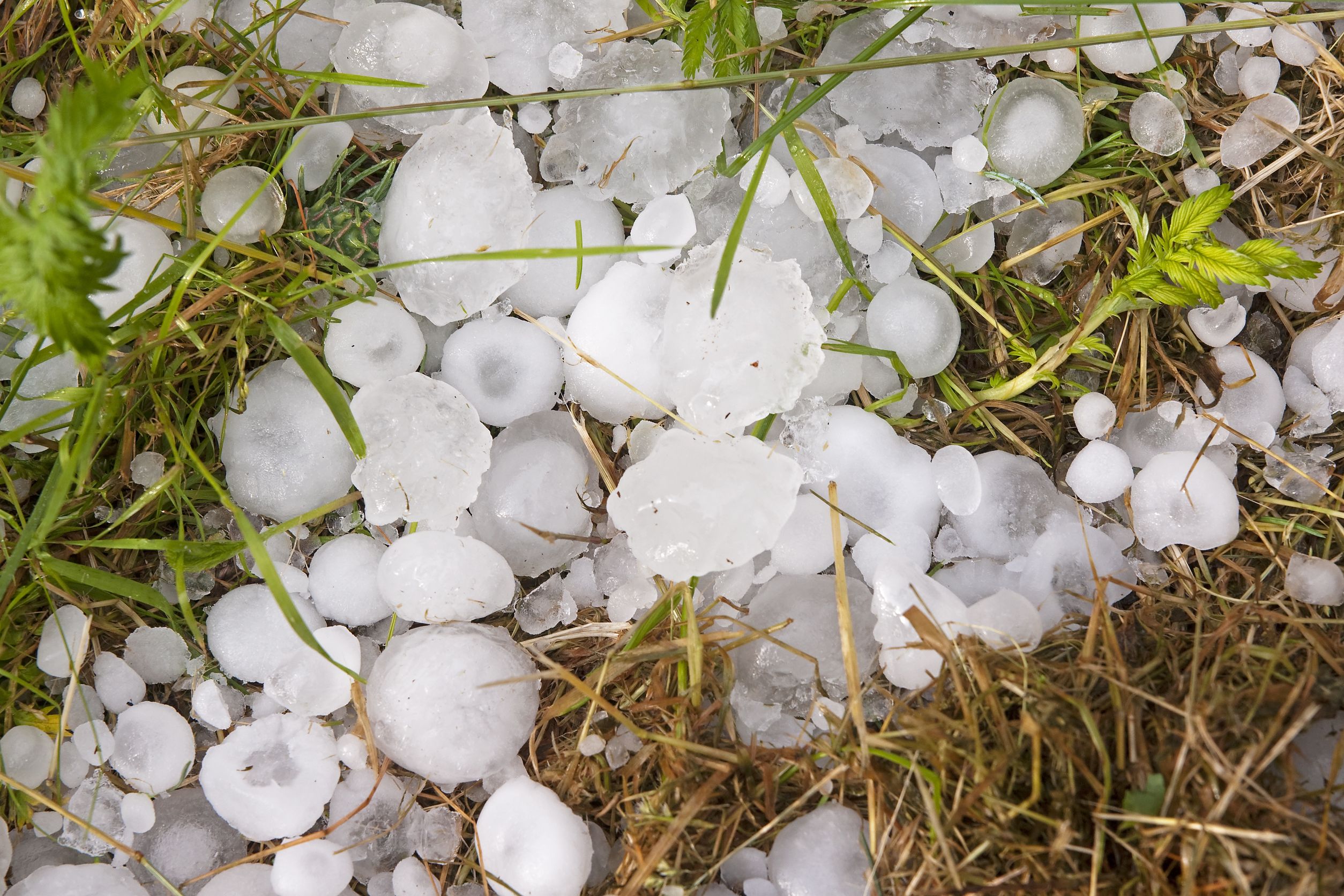
Hail damaged some Kansas farmer’s wheat crop on Sunday night. “Well, this is the worst case scenario for wheat farmers,” said Farmer Josh Patterson. It was supposed to be one of the best Kansas wheat crops in decades. On Thursday, the state Wheat Tour of 2016 called this year’s crop ‘uplifting’ and it looked that way too. That all changed for Patterson on Sunday evening. “I heard it hitting the tin on the shed, and I thought oh man, that is big hail,” Patterson said. The hail was big enough to wipe out about 100 acres of the fifth-generation farmer’s crop near Valley Center. “Even on the ones that are standing, you can see that it’s shattered, all of the filling seed out of here too,” he said. Patterson’s wheat was in good shape in late April after experts say a saving grace type of rain-swept through the state. On Monday, a majority of Patterson’s wheat was bent or broken. “Here we have got two good ones and you know three, four destroyed ones. That’s not a very good ration,” Patterson said. Patterson said he’s disappointed, however his hopes are high. “That’s all we can do as farmers is look forward, no need in focusing on the past just keep on going,” he said. “It’s still better than a drought.” Source - ksn.com

11.05.2016

USA - Roller coaster weather may cause delay in local crop growth

A possible hard freeze Monday night could mean more bad news for crops in the Capital Region. Mother Nature took the Capital Region on a roller coaster ride with a warmer and not so snowy winter. But then there were multiple cold snaps, which has been rough on local farmers. With another frost possible on Monday night, apple orchards are preparing for even more of a loss. At Goold Orchards, it’s easy to see the damage already done by a warmer winter and a sudden late season frost. “They’re dead; they’re gone,” Ed Miller of Goold Orchards said. Close to 75 percent of Goold apple crop is dead due to a late season snowfall at the start of April. What is supposed to look like an endless sea of white and pink apple blossoms is instead patches of green and brown. “That right there used to be a flower bud, and if you touch it, it falls off,” Miller said. There’s really very little they can do to compete with the weather. “All farmers have a silent partner – and we don’t talk about it too much – but her name is Mother Nature, and every so often, she comes along and lets us know who is in charge, and that’s what happens here,” Miller said. Farmers said the possible overnight frost could impact their busy tourist season over the summer and those who work for them. A McIntosh apple tree that would normally produce six to eight bushels of apples may only produce once bushel. As a result, the frost could result in less apples for tourists to pick. “People were very upset with us that we ruined their weekends,” Miller said. It could also mean fewer jobs. Goold will only hire one-third the normal amount of help in the summer and fall. “I will probably have less workers because there’s not going to be a big crop,” Miller said. Some orchards will run fans or hire a helicopter to stir the air and prevent freezing, but at Goold, the orchard is hoping their rolling hills will help keep the air flowing. Source -  news10.com

866
of 1225