NEWS
870
of 1225
News
27.04.2016

Tajikistan - Rain damages cherry orchards

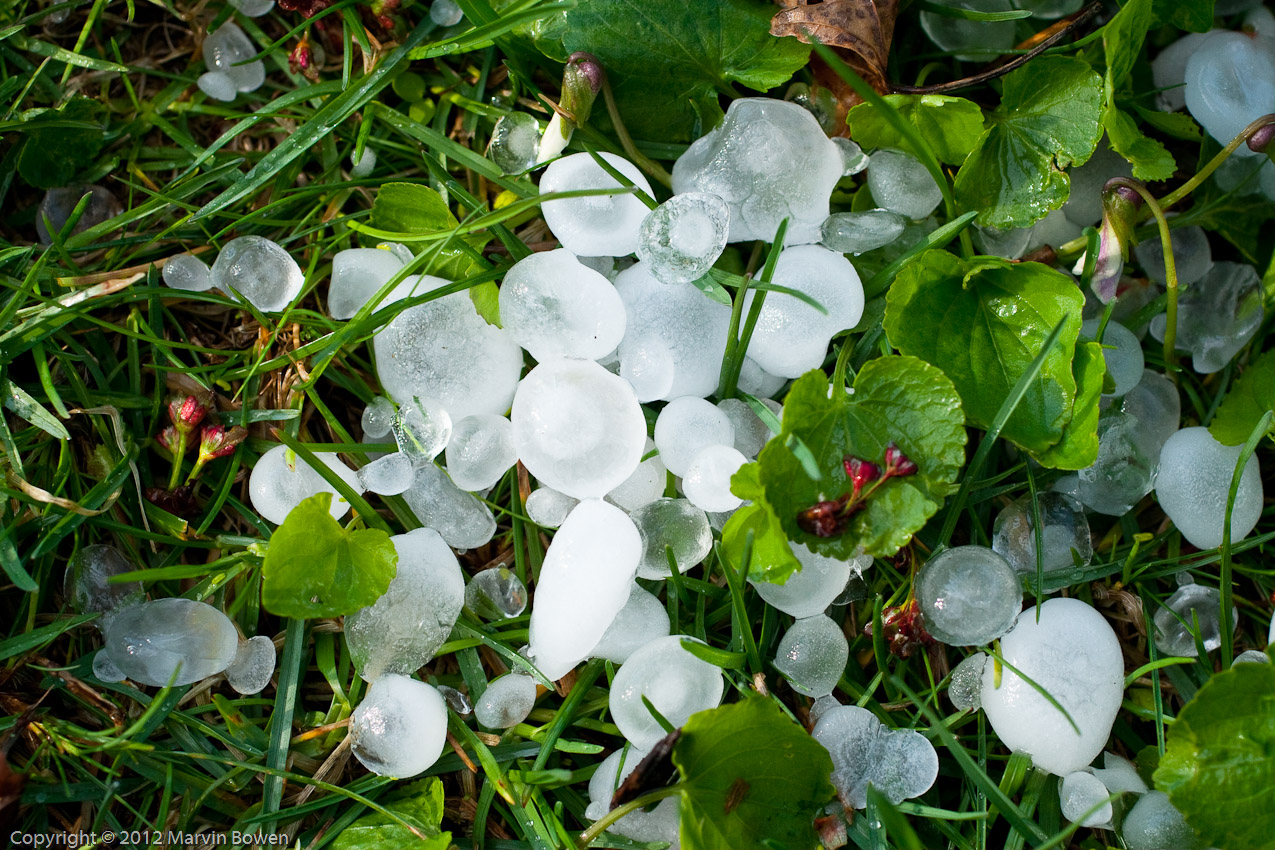
Berry and fruit crops in Tajikistan have been seriously affected by adverse weather conditions. Growers in Shahrinav and Tursunzoda are concerned that intermittent rains and hail have caused great damage to fruit trees. "This has a negative impact on productivity,’’ said one of the farmers, ‘’Bad weather severely damaged trees in some orchards." According to growers, the cherries were the most affected, and this year a good harvest of these berries should not be expected. In addition, the quality of the crop protection has been significantly reduced. The emergence of infectious diseases and harmful organisms through damage to trunks, branches and the leaves of the trees is possible. Besides cherries, apricots and peaches were hard hit, as well as the early grape varieties in the fields of Tursunzoda, Shahrinav and Hissar. Many plantations and gardens are not insured in Tajikistan, therefore, farmers and farmholders will try to reduce the damage on their own. It will take a long time to treat the areas damaged by heavy rain, otherwise there may not even be fruit in the next year. Residents of these areas predict that the new season prices for stonefruits and berries will be high in the domestic market due to the small crop. Source - freshplaza.com

27.04.2016

India - Siddaramaiah puts crop loss during rabi season at 7K cr

The state government has sought Rs 1,416 crore from the Centre to compensate the farmers of Karnataka for the loss of crop during the rabi season, chief minister Siddaramaiah told reporters here on Tuesday. Though Siddaramaiah said he is not sure when the fund will be released, it is learnt that the Centre has agreed in principle to release Rs 723 crore. Siddaramaiah said that farmers of the state suffered crop loss to the extent of Rs 7,000 crore during Rabi. He said that the crop loss in Kharif season was Rs 16,000 crore and the state had asked the Centre to provide Rs 3,800 crore as assistance to pay compensation to farmers. However, the Centre after much delay sanctioned Rs 1,460 crore, the CM said. He informed that the funds sanctioned by the Centre have been fully utilized judiciously. The state government has released funds for supply of drinking water, prevention of migration of people and opening fodder banks, the CM said. Expressing satisfaction over the drought relief work taken up by officials, he said the district administration, zilla panchayat and other departments have been instructed to work round-the-clock to ensure proper supply of drinking water and other relief measures. Source - http://timesofindia.indiatimes.com

27.04.2016

How climate change is causing a bumper crop

Climate change is ruining our planet, increasing the rates of extreme weather events, helping spread dangerous diseases, killing off endangered wildlife and bringing ruin to local farmers — with exceptions. In fact, a new study in Nature Climate Changesuggests that some local farmers are actually seeing higher crop yields because of the carbon that we're pumping into the atmosphere. Now this does not mean climate change and carbon emissions are good for the planet, but it does suggest that the impacts of global warming are far more complex than we once thought. "Most of the discussion around climate impact focuses only on changes in temperature and precipitation," said lead author Delphine Deryng of NASA's Goddard Institute in a press statement. "To adapt adequately, we need to understand all the factors involved." Let's get one thing out of the way — carbon emissions are not good. While it is technically true that plants require carbon dioxide to survive, studies have shown that many crops suffer when fed too much CO2. Besides, climate change causes heat waves, droughts, and flooding, none of which are exactly healthy for our crops. Of course, anti-climate change politicians are invariably baffled by scientific nuance, and have nonetheless taken every opportunity to argue that plants need carbon, so we shouldn't try to stop climate change. But in this new study, scientists claim that too much carbon isn't always bad news for crops — and that, indeed, some crops may flourish even as our seas rise and our planet careens toward utter destruction. Comforting, right? The key, the authors write, is water storage. Plants usually take in carbon dioxide through tiny holes in their leaves known as stomata. When these holes open, water inevitably leaks out. If there is a high concentration of carbon in the air, plants seldom need to open their stomata and so conserve moisture. Scientists call this phenomenon carbon fertilization. But until now, there was scant evidence that carbon fertilization could occur outside of a laboratory setting. So 16 top climate and plant scientists from around the world scoured the latest crop models and data from ongoing field experiments, and calculated how much more efficiently crops will use water if climate change continues unimpeded. Their results suggest that wheat crops will begin to use water 27 percent more efficiently, soybeans will increase their efficiency by 18 percent, and that corn and rice would both become roughly 10 percent more water efficient. Then, the scientists calculated the expected crop losses due to rising temperatures, including extreme weather conditions. They conclude that we'll probably see a net gain in wheat crops despite rising temperatures, but that corn is in trouble and expected to take a net loss. Meanwhile, the losses and gains for soybeans and rice are still too close to call. Still, greater crop yield is not necessarily a win. Since prior studies have shown that high levels of carbon increase biomass but not nutrition in crops (because nitrogen and other mineral levels cannot keep up with the carbon boost) it is possible that even wheat may suffer under climate change — albeit not in crop quantity, but in crop quality. Worse, Bruce Kimball of the U.S. Department of Agriculture reviewed the paper, and noted that other studies have shown that the benefits of higher carbon concentrations eventually bottom out, but that the damage caused by rising temperatures continue to multiply with every degree. "Thus, for greater warming and higher CO2 the results would likely be more pessimistic than shown in this paper," he says. Source - theweek.com

27.04.2016

India - Onus on banks, insurers to deliver on crop insurance, says Agri Ministry official

Banks can no more afford to be laid-back on crop insurance front with the Centre now fixing more responsibility on them for the effective implementation of the Pradhan Mantri Fasal Bima Yojana (PMFBY), a top Agriculture Ministry official has said. Not deducting the PMFBY premium while disbursing crop loans could lead to the banks themselves making good the crop losses, if any, suffered by a farmer, Ashish Kumar Bhutani, Joint Secretary in this Ministry said at a PHD Chamber of Commerce and Industry event on crop insurance in the capital. Banks cannot also henceforth delay forwarding the premiums to the insurance companies. “We have put a stop to all this by bringing penal provisions. Banks will be squarely responsible. In case there is crop loss to a loanee farmer who is not insured, the bank will have to make good the losses. The onus is now on banks and insurance companies to deliver”, Bhutani, who is seen a key architect in designing of the PMFBY PMFBY-launched in February 2016 and seen as a game changer for farmers-- is the biggest intervention till date by the Government in the field of crop insurance. Through the PMFBY, the Modi-led Government has sought to provide a complete package of risk mitigation to farming community. Bhutani said that PMFBY was not comparable with earlier crop insurance schemes. He highlighted that crop insurance has been extended to only farm loans worth ₹ 60,000 crore out of the total farm credit of nearly ₹ 6.5 lakh crore Although crop insurance is compulsory, only 12 per cent of loanees were being covered under insurance. Part of the problem was that the banks were not insuring the farmers who were coming within the insurance cycle for the notified crops, Bhutani said. He also said that Centre was trying to bring non-loanee farmers (such as sharecroppers) too within the PMFBY fold. There is a separate committee of the Government looking into the land leasing policy. “We should be able to address the aspect of sharecropper also getting the benefit of crop insurance” INSURER’S TAKE Yogesh Lohiya, Chairman of PHDCCI’s Insurance Committee, rued that ‘L1’ story (L1 is a practice where Government awards contract to the bidder who quotes the lowest price) has started to play in PMFBY and insurance companies are killing themselves quoting unviable prices. “It is unthinkable at all how insurance companies will pay the claim. I feel frustrated as to how insurance companies can make claim payments under this circumstance. PMFBY scheme is a wonderful scheme. But implementation is key”, Lohiya, who is CEO & MD IFFCO Tokio General Insurance said at the event. Source - thehindubusinessline.com

27.04.2016

USA - Crop Insurance is a ‘Well-Run’ Public-Private Partnership

The role of federal crop insurance has grown significantly through the years and it is now the key risk management tool for farmers all across the country. With this greater role comes a greater responsibility to ensure the program is working as efficiently and effectively as possible. Part of this responsibility includes making certain that when a farmer does suffer a verifiable loss and files a claim, the indemnity payment is processed quickly and sent to the right recipient with the correct amount. In other words, making certain that there are no improper payments. This is important for the farmer who is counting on timely assistance after a catastrophic event and it’s important for taxpayers who demand program integrity. And, new data from the U.S. Department of Agriculture’s (USDA) Risk Management Agency (RMA) reveals that crop insurance stands as an example of a successful, properly-managed public-private partnership. During the recent annual meeting of crop insurers, RMA administrator Brandon Willis announced that the error payment rate has improved by more than 50 percent from 5.5 percent in 2014 to 2.2 percent in 2015. By way of comparison, the average error rate government-wide was 4 percent. “This demonstrates that the crop insurance program can withstand the scrutiny,” Willis said. “It’s a good story. It tells the story that crop insurance is a well-run program with an error rate far below the government average.” An improper payment occurs when funds go to the wrong recipient, the right recipient receives the incorrect amount of funds, including being paid too much or too little, or the recipient uses funds in an improper manner. And, as Willis noted, many errors are simply rooted in data entry and reporting mistakes. Perennial critics of farm policy have often cast crop insurance in a negative light pointing to any error payment rate as an excuse to cut, or even, gut the program. As a result, RMA, crop insurers, and even Congress have worked together to improve the error payment rate through the years. In fact, as former RMA administrator, Kenneth D. Ackerman recently wrote in a blog post, “RMA’s eye-catching new 2.2 percent ‘improper payment’ rate for 2015 was no fluke. Rather, it was the product of a long-term commitment and years of work by a wide range of people who deserve credit for sticking to it.” Going forward, the crop insurance industry will continue to work with stakeholders to ensure the accountability and integrity of this critical risk management tool that farmers and consumers rely upon to maintain a steady and affordable food and fiber supply. Source - http://www.cropinsuranceinamerica.org

26.04.2016

USA - Crop insurance guarantees may fall below total costs unless prices rise

Crop insurance guarantees for Revenue Protection will be well below total costs for corn and soybeans across the Midwest in 2016 unless harvest prices are dramatically above projected prices. Guarantees have decreased from 2012 through 2016, causing the difference between total costs and guarantee levels to increase over time. The difference between costs and guarantees will not shrink until a combination of higher prices or lower costs occurs. Revenue Protection (RP) is the most popular crop insurance product, being used to insure 76 percent of the acres planted to corn in 2015. RP is a revenue insurance whose guarantee will increase if the harvest price is above the projected price. The mathematical form of the guarantee is: max (projected price, harvest price) x guarantee yield x coverage level. The projected prices for corn and soybeans grown in the Midwest are set based on the average of settlement prices on the Chicago Mercantile Exchange during the month of February (December contract for corn, November contract for soybeans). Harvest price is again based on settlement prices of futures contracts. For corn and soybeans in the Midwest, averages during the month of October are used. In the above calculation, the price used in the calculation is capped at two times the projected price. Guarantee yield usually is the Trend Adjusted Actual Production History (TA-APH). When complete data exists, the TA-APH yield equals the previous 10 years of yields on that insurance unit, adjusted upward to account for trend. Coverage level is selected by the farmer. It ranges from 50 percent to 85 percent. In the following discussion, focus is given to the minimum revenue guarantee, without considering potential increases caused by a higher harvest price. The minimum revenue guarantee provides the farmer the crop insurance safety net for a year. As an example of calculating the minimum revenue guarantee, take the 2016 projected price of $3.86. For a 196 bushel per acre TA-APH yield and an 85% coverage level, the minimum revenue guarantee is $643 (196 guarantee yield x $3.86 projected price x .85 coverage level). The minimum revenue guarantee will depend on the level of the projected price. The projected price for corn averaged $2.48 per bushel between 2000 and 2006. Projected prices then increased, with the highest projected price of $6.01 occurring in 2011. Since 2011, the projected price has decreased each year. Projected prices were $5.68 in 2012, $5.65 in 2013, $4.62 in 2014, $4.15 in 2015, and $3.86 in 2016. Revenue guarantees over time In an example from Logan County, Ill., the guarantee yield increased from one year to the next in most years. For the 85 percent coverage level, the guarantee yield was 161 bushels per acre in 2001, increasing to 196 bushels per acre in 2015. The example also included total costs for producing corn on farmland that is cash rented. Total costs increased until 2013, and then have remained relatively stable. Revenue guarantees for 85 percent coverage levels exceed total costs in three years: 2007, 2009 and 2011. These years were unusual: Prices had risen while costs had not reached their highest levels, leaving guarantees above total costs. On an 85 percent coverage level product, the guarantee was $929 per acre in 2012. From this 2012 high, the guarantee decreased each year. If guarantees do not increase because of higher harvest prices, farmers will incur significant losses before crop insurance payments bring total revenue up to the guarantee level. In 2016, total costs on cash rent farmland are projected at $830 per acre. Average guarantees in Logan County are $452 per acre on a 65 percent coverage level and $642 per acre at an 85 percent coverage level. Before payments occur, the farmer would incur a loss of $188 at an 85 percent coverage level. Higher harvest prices could increase guarantees to the level of total costs. At an 85 percent coverage level, a harvest price above $4.98 per bushel would result in a guarantee equal to $830 per acre, the estimate of total costs in 2016. A $4.98 price is 29 percent higher than the $3.86 projected price. Since 1972, October settlement prices were more than 29 percent higher than projected prices in only two years: 1988 and 2012. In both years, severe droughts occurred in the Midwest. While a drought of that size is possible, chances are that a drought that size will not happen. A similar situation exists for soybeans. The 2016 projected price is $8.85 and the average guarantee yield in Logan County is 57 bushels per acre. Guarantees are $307 on a 65 percent coverage level revenue product and $431 per acre on an 85 percent coverage level product. Total costs for soybean production on cash rent farmland are projected at $629 per acre. Total costs exceed the 85 percent guarantee by $198 per acre. Source - iowafarmertoday.com

26.04.2016

India - 15 minute hailstorm devastates Kashmir's crops

On Friday 22 April, a devastating hailstorm, which lasted for at least 15 minutes, destroyed standing crops and apple and almond flowers in South Kashmir’s Pulwama and Kulgam districts. “Hailstorm destroyed over 90% crops of wheat, mustard, almond and apple fruits,” lamented 65-year-old farmer Muhammad Akbar Dar of Qamrazipora village. Another farmer from Frasipora village said that they were expecting bumper crops and fruits this year, but in a jiffy everything was destroyed. “We are helpless and now the government is the only hope for us,” he said. When contacted a top official from District administration said, “Our teams will survey every affected village. Damage has been done to crops but its extent is still not clear. It will take at least a week to assess the situation,” he said. Source - freshplaza.com

26.04.2016

Turkey - Cold weather damages kiwifruit

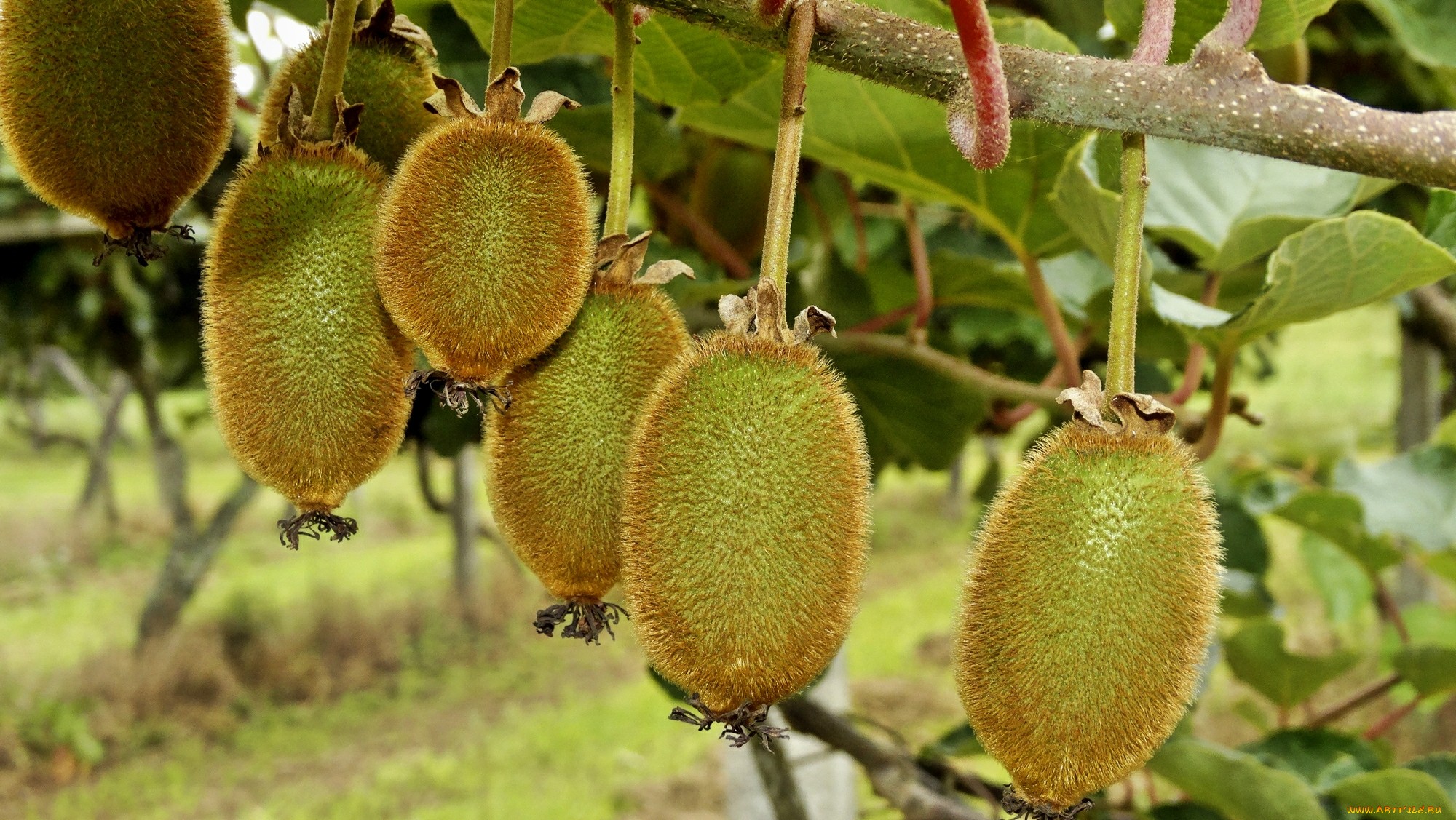
Kiwi orchards were planted in the eastern Black Sea region of Turkey as an alternative to hazelnuts; Ordu Kiwifruit Growers Association president Yusuf Uzunlar reports that snowfall and cold weather in March has had an adverse effect on the local kiwifruit. Uzunlar explains that in the last week of March especially, cold weather damaged the fruits, ‘’We are aiming to determine the extent of the damage, which we will be able to do after conducting a study.’’ Kiwifruit are very sensitive, emphasises Uzunlar, ‘’We can say that sudden changes in weather perhaps affect kiwifruit the most. Due to this we are anticipating major damages. This is very disappointing because we had high expectations for this season.’’ Uzunlar notes that areas around an altitude of 600 metres were badly damaged, ''Leaves and blooming kiwifruit flowers were damaged by frost in areas of 600 metres altitude and above. Most growers experienced damages in their orchards.’’ Source - trthaber.com

26.04.2016

USA - Californian spring rains increase grape disease pressure

University of California Cooperative Extension Viticulture Farm Advisor for Tulare and Kings counties, Allison Ferry-Abee, warns that phomopsis and botrytis are two diseases to look out for, as El Nino brings rain to California.   While these diseases are typically more prevalent farther north, the San Joaquin Valley could be hit this year, too.   “Late spring rains this year may mean that some growers who have never had phomopsis before may see it this year,” she says. Phomopsis Symptoms Phomopsis viticola causes phomopsis cane and leaf spot, which appears as small, dark spots with yellow margins on leaves, veins, and shoots. The leaves will eventually become distorted and stop developing. Shoot infections sometimes crack, creating scabs. Infection can eventually lead to reduced cluster counts and weight. Symptoms usually begin to appear about a week after warm spring rains, according to Ferry-Abee. Varieties most susceptible to the disease include ‘DOVine,’ ‘Fiesta,’ and ‘Thompson Seedless’ raisin grapes; ‘Flame Seedless’ and ‘Red Globe’ table grapes; and ‘Grenache’ wine grapes. Phomopsis Control For vineyards north of Visalia (or those growing susceptible varieties), the recommendation is to apply a dormant application of lime sulfur (10 gallons per acre in 100 gallons of water). If significant rainfall is anticipated after shoots emerge, a fungicide with systemic activity should be applied. Botrytis Symptoms Botrytis cinerea causes botrytis, which commonly leads to fruit rot. However, in particularly wet springs, it can also cause shoot and flower cluster infections.   “Botrytis shoot infections are very rare,” Ferry-Abee notes. “But they are something people should be on the lookout for as part of their normal scouting for other pests.”   The pathogen overwinters on clusters from the previous year. Infection begins first on leaves, stems, and bud axils. Flagging shoot tips are one of the signs of botrytis, which can be spotted early in the season. Botrytis Control “If botrytis infections are observed, fungicides should be applied to prevent further infection,” Ferry-Abee says. “Growers should also consider more aggressive botrytis controls later in the season (after veraison) if they see spring infections.”   A fungicide with systemic activity should also be applied before predicted rain events.   Sanitation is the best defense against botrytis infection. Ferry-Abee recommends placing culled clusters in the center of rows during harvest and incorporating them into the soil. This should help them decompose faster and remove the sources of inoculum.   Source - freshplaza.com

26.04.2016

Canada - Farmers report dissatisfaction with current program

A survey of 268 Saskatchewan farmers has found dissatisfaction with AgriStability. The Agricultural Producers Association of Saskatchewan polled members to confirm what it had been hearing, said president Norm Hall. “The survey was to get factual information, instead of just anecdotal,” he said. There have been many complaints about the program since changes were made in 2013. The responses show that while AgriInvest is rated highly, and AgriInsurance is rated moderately, AgriStability scores consistently lower, he said. That program scored lowest for adequacy and design. Just 18 percent of the respondents said the program does or would benefit their operations. Thirty-five percent of respondents said they had withdrawn from the program and 55 percent said they couldn’t predict coverage levels at the start of each year. AgriInvest fared best in the survey; 73 percent strongly agreed they would recommend the program to others. Crop insurance is perceived to provide predictable and timely support but only 30 percent said coverage was adequate. The survey also showed that 64 percent believe governments could better support beginning farmers. For Growing Forward 3, they said the highest priority should be innovation and science, followed by trade and market development. Hall said APAS will send copies of the survey results to the agriculture minister and officials, the Canadian Federation of Agriculture, and to other agricultural organizations. “We’re going to talk to other groups in the province now to see if they’re hearing anything different, if they want to talk about this going forward,” he said. Source - producer.com

26.04.2016

Chile - 5% of grapes lost to the floods

The heavy rains in Chile have wreaked havoc and have had negative effects along the coast. The province of Santiago suffered the most damage, as the excess water led the Mapocho River to overflow causing a strong flood in the area. Santiago has many areas dedicated to growing table grapes and, fortunately, approximately 95% of the crop had already been completed before the flood. "Indeed, the rain was very strong, many millimeters fell and the grape harvest was stopped. Fortunately for most of the producers, there wasn't a lot of unharvested grape, there was only less than 5% of the total production  remaining. This, however, can't be used anymore and will have to be discarded," said industry sources. In a normal production year the harvest of late grape varieties would come to an end by mid-April. However, Chile's harvest was delayed by 10 to 15 days this season because the varying temperatures did not favor the ripening of the fruit and the harvest was postponed. As a result of the rains, farmers were forced to conclude the harvest ahead of schedule.   "Fortunately, the fields have not been damaged so far, but we still have to check their status once the weather improves. At the moment, we are waiting for the excessive water in the farmlands to disappear so we can clean the orchards and discard the ruined fruit. After that, we'll be able to start preparing the land for the next planting. We hope that there's not much damage," stated producers in the area. Source - freshplaza.com

25.04.2016

India - A look at recurrent drought problem

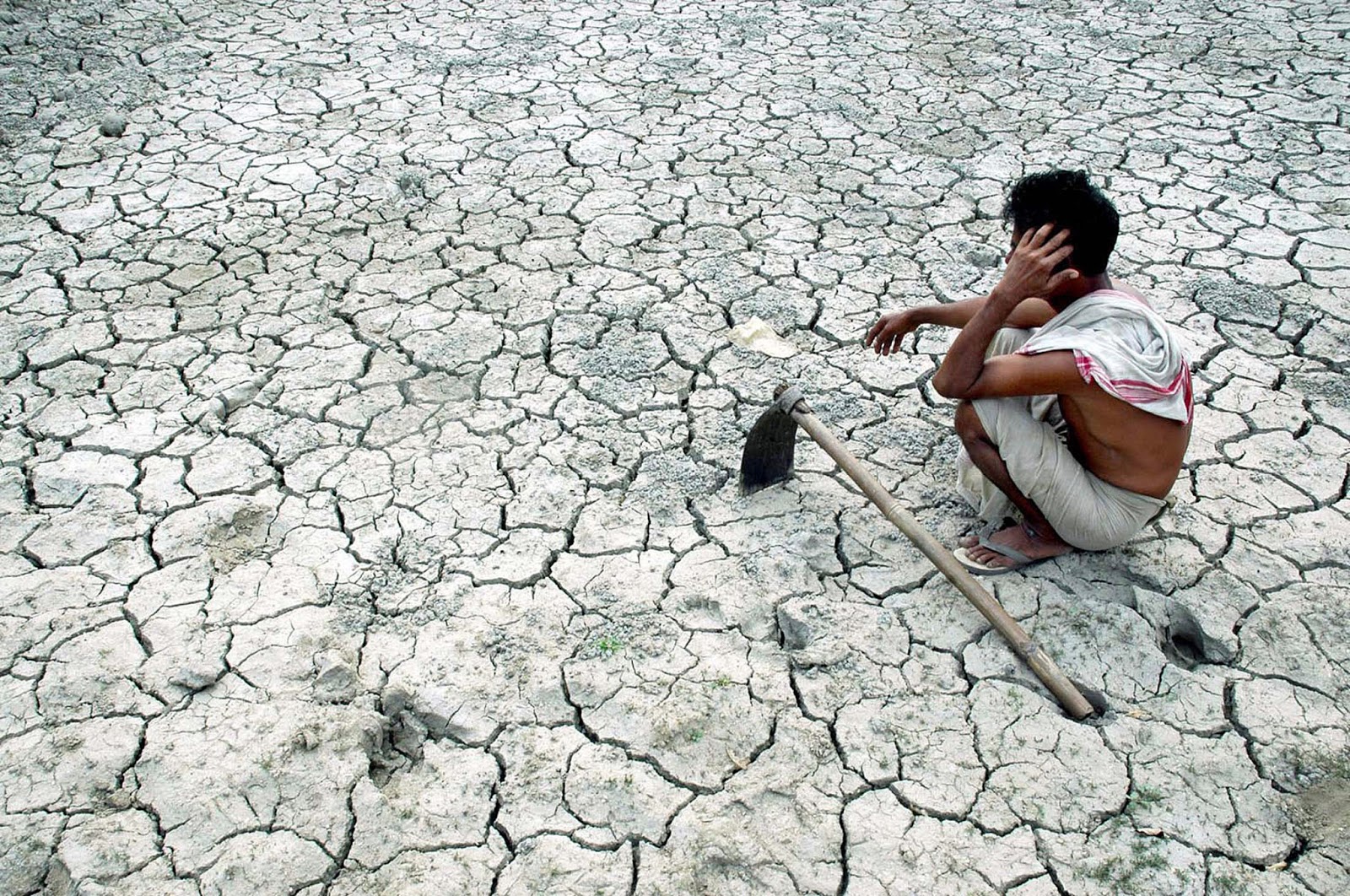
Over a quarter of India's population is affected by the ongoing drought conditions prevailing in large parts of the country. DW examines the reasons behind the problem and the steps needed to alleviate it. The ongoing spell of drought and severe water shortages are affecting more than 300 million people in the country, the Indian government said recently, turning the spotlight on a problem that has frequently plagued the South Asian nation in recent years. There are various ways in which a drought can be defined. A meteorological drought is when there is a shortfall of rains. A hydrological drought occurs when deficient rainfall leads to plummeting water reserves. And agricultural drought is declared when the lack of water affects crops and harvests. India relies heavily on seasonal monsoon rains for rainfall and water. And as a result of poor monsoons over the past two years as well as weak rainfall in the early months of this year, reservoirs, ponds and wells have dried up in many parts of the vast nation, causing acute water shortages. The situation has forced authorities in some Indian states to ration drinking water and use trains to transport fresh water to certain drought-ravaged areas. Water woes Inadequate rainfall, however, is not the only reason behind India's severe water woes, with experts pointing to other contributing factors such as rapid population growth, depletion of groundwater resources, poor water management and chronic lack of investment in storage systems. "Although India is historically drought-prone, over the past decades, faster population growth, greater urbanization, and consequent large-scale deforestation and leveling of water bodies like large ponds and lakes for legal or illegal constructions have added to the water problems," said N. Sathiya Moorthy, director of the Chennai Chapter of India-based Observer Research Foundation. This view is shared by Michael Kugelman, South Asia expert at the Washington-based Woodrow Wilson Center, who noted that increasing amounts of water have been required to quench the thirst of a population of over a billion people, and to sustain a growing economy, thus naturally leading to severe shortages. Furthermore, he told DW, water is also used wastefully in India, with sprinklers often running non-stop, water trucks driving around often leaking water out of their containers, and so on. The analyst also blamed government policies such as subsidies for particularly water-intensive crops as well as heavy irrigation methods for having contributed to the problem. "These policies exacerbate the damage wrought by climate change, which clearly plays a role not only in the droughts, but also in how such high temperatures have been registered across India this year much earlier than is typically the case," Kugelman said. Indeed, soaring temperatures in the southern and eastern parts of the country over the past several weeks have so far claimed over 150 lives. Farmer suicides Poor rainfall and drought conditions also have an adverse economic and social impact, particularly on India's rural communities, which account for around 60 percent of the nation's population. "The impact of drought is felt directly by farmers, due to poor crop yields or crop failures, which results in reduced farm incomes, and this has wider transmission effects throughout rural communities due to lower consumer spending by agricultural households," said Rajiv Biswas, Asia-Pacific Chief Economist at the analytics firm IHS. Since a large share of Indian rural households is still living in poverty, they are extremely vulnerable to loss of income as they have limited savings to draw upon. Many farmers in India are also deeply indebted and need good harvests to allow them to recoup financial losses and repay loans. And as drought ruins their harvests, many desperate farmers kill themselves, noted Kugelman. "Drought is a major factor in the thousands of farmer suicides afflicting India over the last few decades." Furthermore, the problems have accelerated migration of rural communities to urban centers, putting more pressure on cities already stretched in terms of resources. Countermeasures needed Despite the tragic consequences, successive Indian governments have for many decades failed to invest in rural infrastructure, particularly water storage and irrigation infrastructure, which has been a major contributor to the drought problems of India, say analysts. In this year's budget, the present government - led by Prime Minister Narendra Modi - announced an increase in spending on rural agricultural infrastructure. It also approved a new crop insurance scheme in January that should help provide income support to farmers to cope with extreme weather events. Nevertheless, the scale of the problem remains vast. To tackle India's water crisis, economist Biswas told DW, what is required is a large-scale national water infrastructure development program that will not only use Indian public funds but also leverage international aid assistance and other forms of development finance to rapidly build up national water storage capacity. "A key part of the solution is to build a much larger network of big water reservoirs as well as regional and local water storage systems. In parallel, advanced agricultural irrigation systems should be integrated into low rainfall areas of India, utilizing advanced technology that is used in arid areas of countries such as the US, Australia and Israel," he said, adding that modernization of urban waterworks is also very important in order to prevent large-scale loss of water through leaking and damaged pipes. In the short term, however, the Indian government can take certain preemptive and proactive steps to lessen the vulnerability of people to drought. This should entail providing more financial support to farmers; staging awareness raising campaigns that teach people how to conserve water and use it more judiciously; and essentially giving people incentives to use water cautiously, as should be the case with any nonrenewable resource, explained Kugelman. "If they take these modest steps, they can help insulate their people from droughts that will inevitably continue to hit India hard, again and again." Source - www.dw.com

25.04.2016

USA - Flooding in South costing farmers millions

Just weeks after excessive rains in parts of east Texas and Louisiana brought historic floods, farmers and families across much of north, central and southeast Texas are also experiencing flooding. The flooding will cost farmers millions in lost revenues and damage to their crops and livestock, according to Louisiana State University (LSU) AgCenter economist Kurt Guidry. In Louisiana alone, he estimated that losses now exceed $10 million and could continue to rise. The impact includes the costs of replanting flooded fields, potential crop yield losses and having to relocate livestock herds, according to Guidry, who has been surveying the damage around Louisiana. At least 6 in. of rain fell between March 7 and 11 in much of Louisiana, with some areas receiving more than 20 in. of rain. Although floodwaters have mostly receded from the heaviest-hit parishes in northern Louisiana, that water is now creating issues farther south in places that didn’t flood when the rain first hit, including Franklin and Catahoula parishes, Guidry said. President Barack Obama has declared 36 parishes — mostly in northern and central Louisiana — as disaster areas eligible for federal assistance. Guidry’s preliminary estimate of flood damage to the agriculture industry is $10-15 million, but that number is likely to grow. “This estimate is still evolving as more information is collected and decisions are made on the amount of acreage that will need to be replanted,” he said. Corn fields in northern Louisiana saw some of the greatest damage: As many as 55,000 acres of corn were flooded and will have to be replanted. “Fortunately, for most of the major row crops in Louisiana, planting hadn’t begun to any significant measure,” Guidry said. “The impact for these crops to this point has been disruption of field preparations, which could result in planting delays that could ultimately impact yields.” The U.S. Department of Agriculture has reported that several Louisiana commodities are behind the five-year average pace for planting and harvesting. Only about half of Louisiana’s corn acres were planted as of April 3, while the average of the past five years is for 82% of acres to be planted by that time. Rice and grain sorghum planting, as well as wheat harvest, are behind the five-year average too. Planting delays may force some farmers to switch acreage — especially corn acres — to other commodities, Guidry said. At least 400 head of beef cattle died in the flooding, and livestock operations are facing increased costs associated with relocating their herds and losing available land for grazing, Guidry said. At least 1,500 bales of stored hay and 2,000 acres of fencing were also lost in floodwaters. LSU AgCenter personnel have been assisting in damage assessments and other recovery efforts, he said. Fayette County, Texas, farmer Gerard Hajovsky measured more than a foot of rain on April 18. He lives “downriver” from the Colorado River south of La Grange and ended up using a boat to check his land and pecan orchard this week. “We’ve got a lot of corn underwater. It goes anywhere from a couple of inches to several feet. It’s slowly draining off, but the river’s not going down fast enough. It needs to get off the corn crop pretty quick here,” Hajovsky said in an interview on the Texas Farm Bureau Radio Network. He doesn't yet know the effect of the flooding on his pecan trees. “They were just starting to pollinate,” Hajovsky said. "The rain might have hampered some of the pollination, but that’s our biggest problem right now." Hajovsky said as the water recedes off the corn, there is silt left on the plant. “We could use a little rain to wash it off, and maybe that will help it grow and get started again,” he added. Texas Gov. Greg Abbott has declared a state of emergency in nine counties due to the deadly flooding but said there are "probably more counties that will be declared.” Abbott said parts of Harris County, Texas, received well more than a foot of rain. “In those areas, as well as the waterways around them, there is and will continue to be rising water for a while,” he said. Rain remains in the forecast for the areas. Source - feedstuffs.com

25.04.2016

Coffee crops die in Vietnam, Thai rice yield shrinks

Across much of central and north-eastern Thailand, Laos, Cambodia and Vietnam’s Mekong Delta rice bowl, temperatures are soaring into the 40s, and are likely to stay there until around the middle of next month. A second year of summer drought has been exacerbated by the El Nino effect. On Friday, Thailand’s meteorological office said a heatwave late this month or early next month would push temperatures to 43 deg C or 44 deg C. Vietnam’s coffee growers have suffered, as have Thailand’s rice farmers. But while a supply dip could raise coffee prices, rice prices might not be affected, analysts say. Scientists say the good news is the El Nino effect will start fading towards the end of next month and annual monsoon rains will begin. Meanwhile, in village after village, water tanks are dry, grass has withered and the ground is baked and cracked underfoot. In some villages in north-eastern Thailand, there has been no running water for weeks, and local fire brigades have been pressed into service to bring water from kilometers away. In many places here, for the second year running, there has been no second rice crop. How bad the impact of the drought will be on agricultural output – not just of rice in Vietnam and Thailand but of commodities such as coffee in Vietnam – is still uncertain. “This is not stopping here. It’s going to get worse and worse,” says Rolan Colieng, 28, as she looks at her coffee farm in Vietnam’s Central Highlands, where the family has had to cut down swathes of dried-out coffee trees. Her family is part of the K’Ho ethnic minority group, which has grown coffee for four generations, and has culled 500 trees. The community’s 50ha of coffee usually yield 100 tonnes per season but might provide only half of that this year, she estimates. Blackouts happen twice a week on average because nearby dams that produce the hydro-power have seen reservoirs dry up. Down south in the delta, rice output was down by 200,000 tons in the winter-spring season compared with the same period last year, for a total of 11 million tons, says Bui Chi Buu, a senior researcher at the Institute of Agricultural Science for Southern Vietnam. Losses from the drought rose to nearly US$250 million after coffee, fruit and vegetable and cash crops, as well as 4,500ha of aquaculture farms, were destroyed, Vietnam’s Central Steering Committee on Natural Disasters Prevention said this month. This is the worst drought in a century, Buu tells The Straits Times. Some 167,000ha of rice and tens of thousands of hectares of coffee have been affected by drought and salinity, with the Central Highlands – home to many of Vietnam’s ethnic minorities – being the worst hit. “Vietnamese people have a proverb: ‘Have a crop failure for one year, be poor for three years’,” says Buu. “So this will not affect us immediately, but in the longer term.” With the drought having killed off coffee trees, and low yields from older trees, which account for 35 per cent of the total, Vietnam’s coffee exports could shrink by 25 per cent this year to one million tonnes, Luong Van Tu, the chairman of the Vietnam Coffee and Cocoa Association, told Reuters this month. Tighter supply from Vietnam could see global coffee prices going up. In Thailand, Vichai Sriprasert, the president and chief executive of exporter Riceland International, estimates that the second rice crop could suffer a 30 per cent fall in output. It is a close estimate, says Dr. Nipon Poapongsakorn, a distinguished fellow of the Thailand Development Research Institute Foundation, a local think-tank. But the second rice crop is only part of Thailand’s output, he emphasises. Even though there is not yet enough data to conclusively establish the impact of the drought, the main crop yield last year came to 23.5 million tons, while the dry season or second crop yield was 5.4 million tons. This year, the main crop yield is forecast to be up to 25.2 million tons – and the second crop should go down to around 3.9 million tons, says Dr Nipon. Thailand is not in danger of experiencing a rice supply shortage, given that it still has some 13 million tons of old rice in warehouses, Vichai notes. The second crop yield has never been this low, he says. Yet, world rice prices, which have been low, will remain low, he predicts – because demand is also down, amid an uncertain global economic environment. Source - globalnation.inquirer.net

25.04.2016

India - Odisha farmers will now get crop insurance at 2 percent premium

Under the Pradhan Mantri Fasal Bima Yojana (PMFBY), farmers in Odisha will now get a benefit of crop insurance in premium of 2 per cent. The rest of the premium burden will be shared by the State and the Central government. Previously, farmers were paying a premium of 4 to 15 per cent to insure crops. The new crop scheme is pro-farmer and prepared after consultations with various stakeholders including Ministries/Department, NITI Aayog, State Governments, Insurance regulatory and Development Authority, insurance companies etc. Odisha government will consult with private insurance companies. Insurance will cover the losses on account of natural calamities. Source - www.odishanewsinsight.com

25.04.2016

Chile - Heavy rains affect nut crops

According to Chilenut's first estimates, the rains have affected about 30,000 tons of nuts, 33% of which were severely damaged. The heavy rainfall during the past weekend negatively impacted the harvest of nuts. The Chandler variety, which is a late variety, suffered severe damage from all the water it received for almost three days and that, depending on the area, exceeded 100 mm. According to the first polls conducted by the Association of Producers and Exporters of Nuts (Chilenut), 30,000 tons of the Chandler variety were affected by the rains, 10,000 of which would present severe damage and the remaining tons have a mild to medium damage. Regarding the Serr variety, Chilenut estimates that the rains seriously harmed 2,000 tons of this variety, while another 4,000 tons would have been affected less. According to the president of the trade association and advisor for Fedefruta, Juan Luis Vial, "the first consequence will be that some exporters won't be able to comply with the shipments they had agreed on for the first months of the year, mainly in those varieties in halves or light-colored butterflies." Vial said the entity he represented was conducting a census to the producers to better measure how the rains affected the production volume. He also stated that he was hopeful that the new bad weather front announced for next weekend would have a lower intensity so that they could start collecting and drying the nuts that were still unharvested. In turn, the president of Fedefruta, Juan Carolus Brown Bauza, said that the "(nuts) that were on the ground will be lost and we must properly dry the ones in the trees so that they don't lose their commercial value ". Source - www.freshplaza.com

870
of 1225