NEWS
872
of 1225
News
20.04.2016

Nicaragua bananas affected by drought

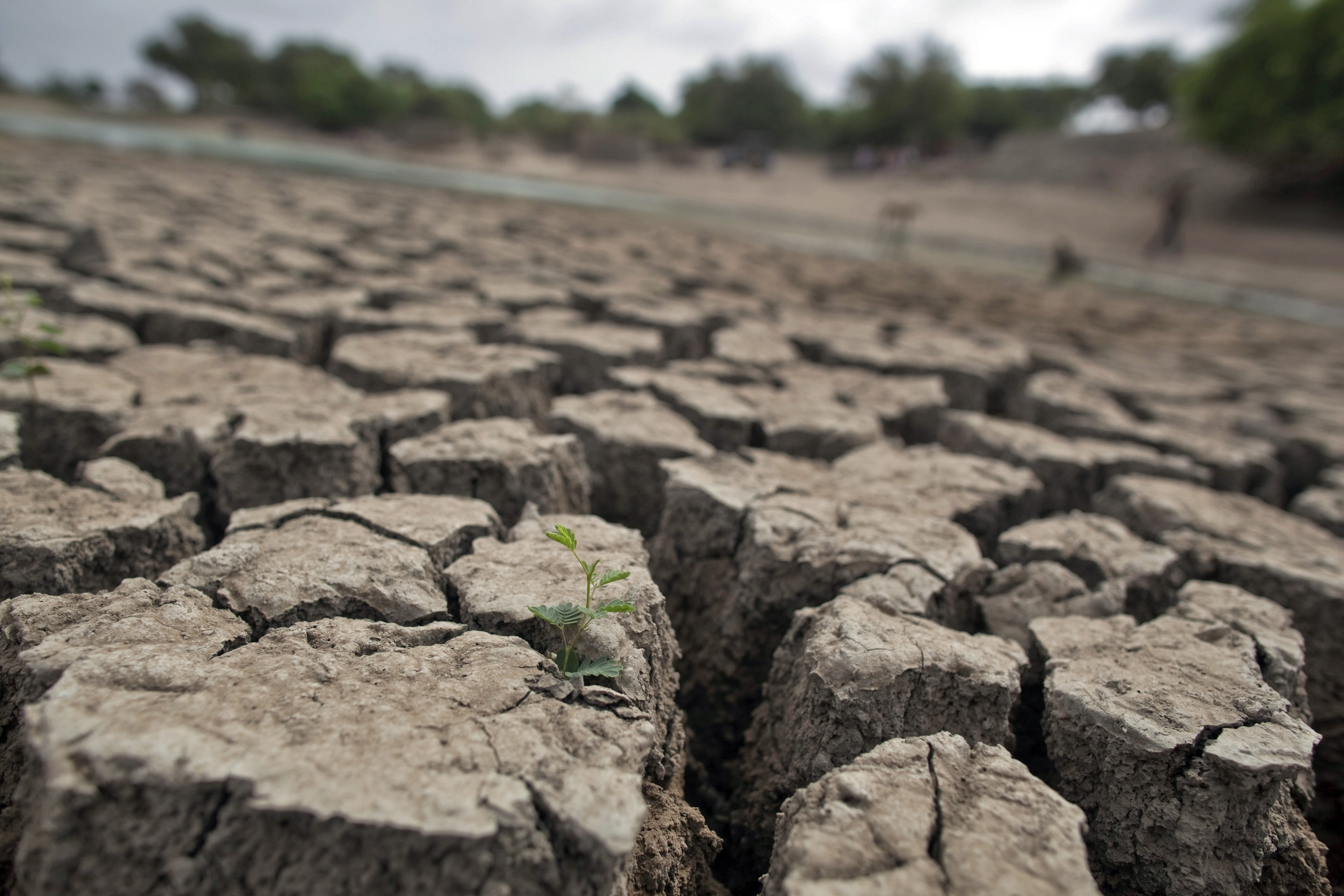
Nicaragua has reportedly lost around 70 per cent of its banana crop in the area around Rivas this year, after a severe drought struck the south-west of the country. According to press reports in the country, the Rivas banana producers association Aplari and producers in Tolesmayda near Buenos Aires have called on the government to offer support to those growers affected. Around 10,000 banana blocks are understood to have been planted this year in the area, with only those close to a nearby lake able to irrigate their crops sufficiently. Aplari treasurer Roger Portobanco told La Prensa: “In other countries, producers can insure their production and when there are problems due to infestation, drought, flooding or other problems, the insurance supports them and pays your investment. We don't have that here.” Jorge Masis, president of local producer co-operative Cooplari, said the drought had also had an impact on commercial operators. "This has affected banana exports and the projects to process the product, such as the installation of a banana processing plant," he explained. Nicaragua has been attempting to increase its banana export volumes in recent years, targeting shipments of around 8m boxes compared with 2m in 2013. Source - fruitnet.com

20.04.2016

India - Hailstorm damages apple crop in Chopal

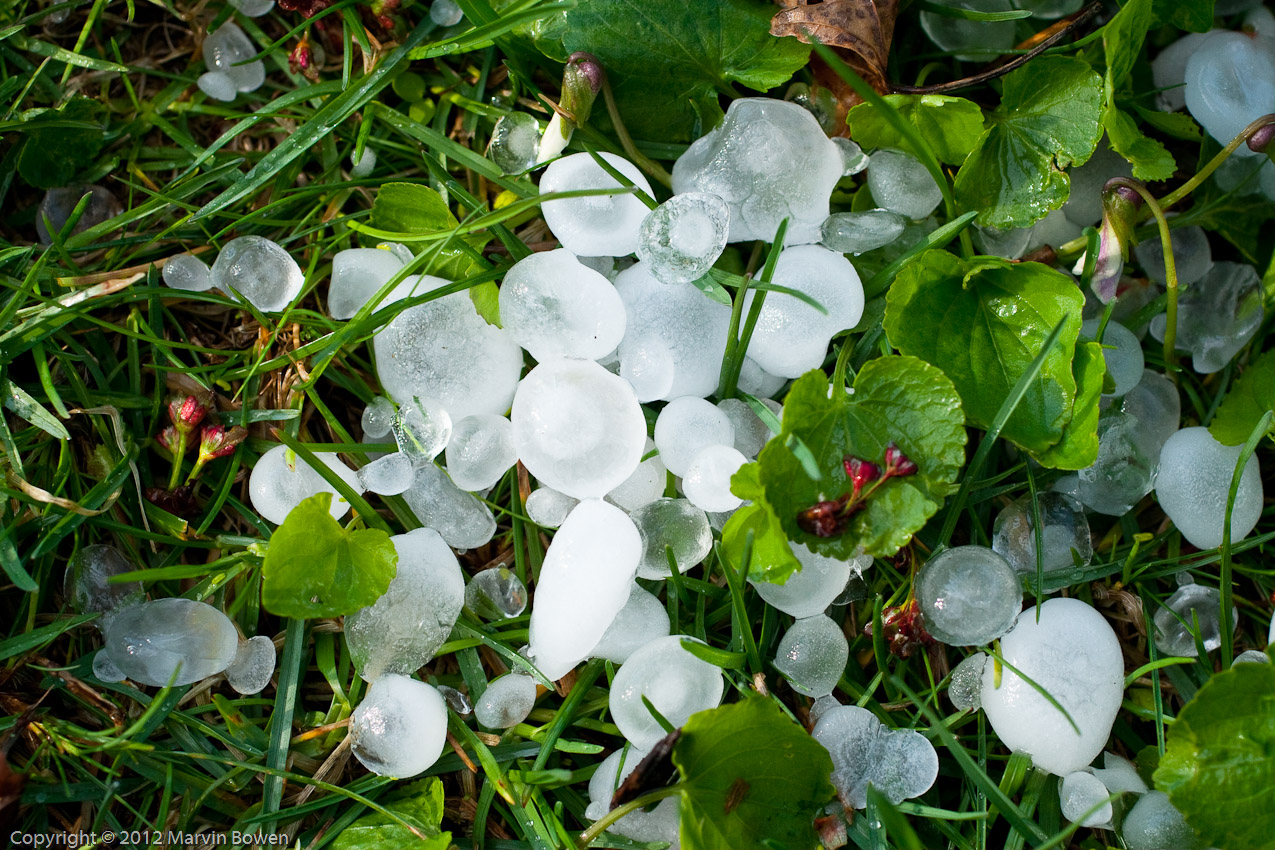
Monday’s hailstorm damaged 60 per cent apple crop in Maroag-Kharheen, Tilu-Garshala, Shilguri, Balson in Chopal and Khani-Khanag in Anni. “The storm hit the area twice. The chances of a good apple crop are bleak now,” said Sachin Chauhan and Akshay Bragta, orchardists from Maroag, a major apple belt in Chopal. About 60 per cent to 20 per cent crop has been damaged in Maroag, Gorli, Ghareen, Khichna and other villages. The apple orchards in upper Maroag, where the Forest Department has launched an eviction drive, were in full bloom and the hailstorm has shattered the farmers. Dewat-Shantha-Shilikian panchayats also witnessed a storm. “The damaged fruit is considered a second grade fruit and does not fetch even half the price,” the farmers said. The farmers in the Khani-Khanag apple belt had also suffered huge losses, said Onkar Shad, leader, Himachal Kisan Sabha. Some of the farmers, who have put anti-hail nets, managed to save the crop. The farmers in Pandli, Prem Nagar, Garoag, Kotkhai, Jubbal, Narkanda, Theog, Nankari, Chopal, Basantpur and Mashrobra blocks have suffered huge losses between April 1 and April 7. The Horticulture Department has pegged the damage at Rs 2.83 crore. The deputy director, Horticulture, said they had not ascertained the loss. “We have sought reports from the hailstorm affected areas,” he added. Source - tribuneindia.com

20.04.2016

Chile - Rain causes some damage to grapes, but good for water deficit

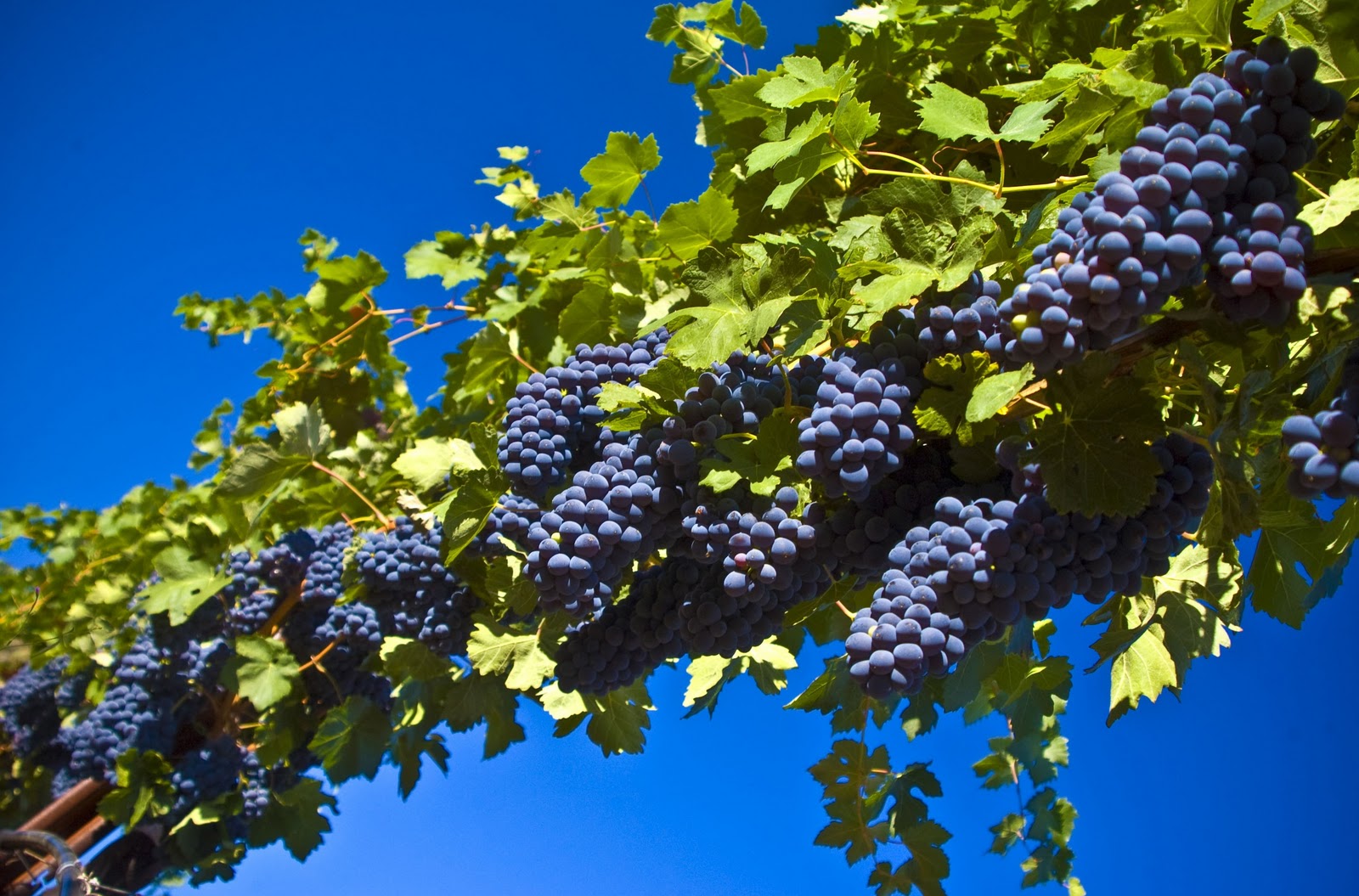
Last weekend, heavy rains caused the overflow of the Mapocho River in the Chilean capital, causing landslides and severe damage to infrastructure, leaving more than 4 million people in the South American country without drinking water. There were two fatalities and hundreds more were affected. This situation has caused uncertainty amongst Chileans and the international media. The Chilean Fruit Exporters Association (ASOEX) reported that here are not a great deal of damage to the grapes in the Coquimbo region as the growers had time to take pre-cautionary measures and the season was coming to a close. They are checking the actual damage done, but it is not yet possible to give any figures.  The Minister of Agriculture in Chile has stated that the agricultural sector has not suffered a big impact, since most of the fruit in the central regions had already been harvested. "The first assessments carried out by the authorities reveal that, in general, no major damage has been caused to the agricultural sector. Some sectors may encounter some issues with irrigation channels, but we believe that this damage will be minimal."  "The bottom line is that this natural disaster will actually benefit the agricultural sector. These rains have helped put an end to the water deficit, refilling groundwater reservoirs and tackling the drought recorded in recent times. Let's not forget that the irrigation season has not yet started, so we have enough time to repair any damaged infrastructures." The concerns about possible price increases for agricultural products as a result of potential crop damage led to the sector quickly sounding the alarm, but the Ministry spokesperson clarified and denied these speculations. "We expect no fruit and vegetable shortages because of the bad weather, so there is no reason for this adverse climatic event to have an impact on the prices of these agricultural products. We will soon have a more detailed report," he concludes. Source - freshplaza.com

20.04.2016

USA - Strawberry crop hit hard by rain in Modesto, Merced

Heavy rain more than a week ago resulted in a strawberry shortage throughout the state. Strawberries tolerate some moisture from light spring rains but soakings such as that from the storms the weekend of April 9 rotted nearly all of the strawberries that were ripe for the picking. The Modesto area got more than 2 inches of rain. “Even green strawberries were affected by that rain,” said John Bos, owner of Dutch Hollow Farms on Oakdale Road. “The field was flowering beautifully and that rain came in and you just see green strawberries that have turned brown. It affected not only that crop, but the crop that was going to ripen three weeks from then.” Bos suspects the shortage to last another three weeks, possibly longer depending on rain from a storm forecast Friday. After a storm, it takes a few days for mold to show up, and it was a few more days before local stands ran out of good strawberries. Bee Yang, owner of Monte Vista Strawberries in Turlock, has been out of strawberries since Saturday. He said in the 24 years his family has been in the business, he has never seen rot this extensive. His 6 acres produce 37,000 pounds of strawberries during a three-day period. A contractor for Dole Food Co., Yang said he salvaged half of them to be juiced, but the rest were spoiled. “Sugar and rain don’t mix,” said Modesto farmer Bill Loretelli. He said he lost about 80 percent of his 1.5-acre crop and stopped selling strawberries at his fruit stand on Claratina Avenue on Friday. By Monday, the demand was so great he sold some he “was not too proud of, that were not quite ripe.” The rains only impacted the ripe berries at Loretelli Farms, but brown rot developed in green strawberries at many farms and some even lost plants. Yang’s Farm and Produce Stand in Merced had to dig up some of the plants, according to employee Leng Vang. He said some strawberries were salvaged here and there but the stand lost about 95 percent of the 2-acre patch, while many farmers in the area lost everything. He said some stands in the area closed down altogether. “The average farm is probably losing $500 a day in sales right now,” Bos said. That loss is trickling down to the pickers. The farmer still has to pay them to clear the fields of the rotten berries, but pickers earn only about $10 an hour rather than the higher per-bucket rate when the fruit is edible. Right now, “it is taking the average picker a half-hour to make a bucket they usually fill in 5 to 10 minutes,” Bos said. “If they fill 10 buckets an hour they get $30 an hour, but if they are only picking five buckets it’s a whole other story.” The cost to consumers at the stands locally, however, hasn’t increased. “It would instantaneously turn away customers,” Bos said. All the farmers acknowledge that the state as a whole needs water, but hope the storm predicted for Friday isn’t another soaker. If the prediction holds, it should bring only about one-tenth-inch to a quarter-inch of rain. Source - mercedsunstar.com

20.04.2016

India - 256 districts hit by drought, government tells SC

The government on Tuesday conceded in the Supreme Court that 256 districts with a population of about 33 crore spread over 12 states were affected by drought, even as NGO Swaraj Abhiyan argued that the budget allocation of Rs.38,500 crore to the rural job guarantee scheme for 2016-2017 was far short of the actual requirement. As the government it has released Rs.19,000 crores under the Mahatma Gandhi National Rural Employment Guarantee Scheme as a relief measure, the bench of Justice Madan B. Lokur and Justice N.V. Ramana said that the affected population was about 25 percent of the country's population. At this, Additional Solicitor General P.S.Narasimha told the court that it was not that everyone living in these drought-affected district was hit by the calamity. However, thrashing the government telling the court that it was taking steps for ameliorating the plight of the people including farmers in drought-affected areas, the NGO took the bench through government's own statistics to show that for 217 crores person days under the MGNREGA, the central government has allocated Rs.38,500 crore whereas it should have been Rs.71,820 crore. Telling the court the government has reduced, by a third, the labour demand of 314 crore person days projected by the state governments, counsel Prashant Bhushan, appearing for Swaraj Abhiyan which has sought relief for people in drought-hit states, said that of Rs.38,500 crore allocated under MGNREGA for 2016-17, Rs.19,000 crore has been released of which Rs.12,483 crore would be required to service the last fiscal's unpaid dues. Thus, the actual allocation, as of now, was Rs.7,000 crore, he said. For 217 crore person days as fixed by the central government coupled with requirement of additional 50 days work per household in the drought-hit states, Bhushan said that actual amount that would be required to be paid would be Rs.71,820 crore. Besides the allocation of Rs.38,000 crore which was well short of actual requirement, Bhushan said that minimum wages being paid under the MGNREGA was not at par with the prevailing rate of minimum wages in the states. Similarly, he told the court that compensation being paid to the farmers for crop loss on account of drought too was far short of the actual cost that a farmer bears, and sought the compensation cover the cost of cultivation of different crops. Claiming that what was being paid for crop loss was without taking into consideration the cost of seeds, fertilisers, pesticides, water and labour, Bhushan said that what was coming to farmer's family was not even the minimum wages paid to worker. Pointing out that both farmers and farming sector were in deep distress, he said that the last 15 to 20 years have witnessed more than three lakh suicides by farmers. Meanwhile, the government told the court that farmers in drought-hit areas were entitled to restructuring or rescheduling of their loans from the bank. Source - timesofindia.indiatimes.com

20.04.2016

USA - 3,100 pigs perish in barn fire on Milford Colony

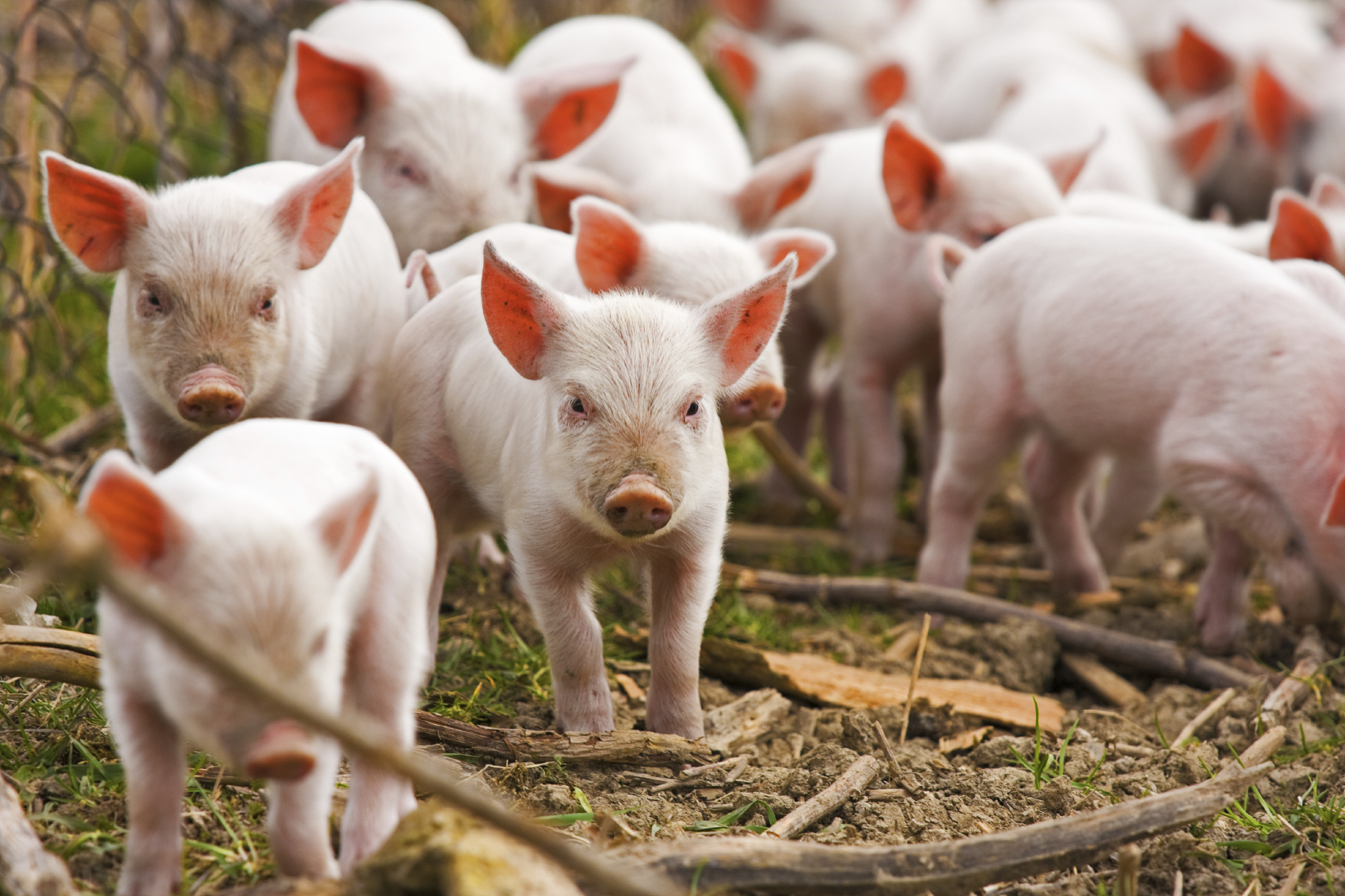
A fire in a barn at the Milford Hutterite Colony south of Augusta on Monday evening killed 3,100 pigs being raised for market, a loss in the hundreds of thousands of dollars. “We’re pretty shook up,” Ben Wipf, secretary of the colony, said Tuesday. The fire in the 300-by-90-foot barn was reported at 5:45 p.m. Monday, said Brad McBratney, a member of the Augusta Volunteer Fire Department, which dispatched eight trucks. “When we got there, there were flames showing and the whole building was involved,” McBratney said. An estimated 3,100 feeder pigs were lost in the fire, Wipf said. A feeder pig is growing to maturity for slaughter with the meat turned into pork chops and bacon, said John Rauser of Totson, president of the Montana Pork Producers Council. The weight of feeder-to-finisher pigs ranges from 50 to 280 pounds, and the value of those close to slaughter can range from $120 to $155 a head, depending on the contract, Rauser said. Using those figures, the colony’s loss would range from $372,000 to $480,000. “That’s just the livestock itself,” Rauser said. “That’s not counting the building.” Wipf said Tuesday the colony was waiting to hear from its insurance company on an estimate of the loss. By the time colony members and firefighters arrived, it was too late to save most of the pigs, Wipf said. “It was a very hot fire,” said Leo Dutton, sheriff of Lewis and Clark County. About a half dozen pigs survived the fire and were wandering around outside, McBratney said. “Someone said they were in a loading shoot and they were able to get those out,” he said. “But everything else perished inside.” Once firefighters arrived, they went to work to save a similar-sized barn that was right next door and connected to the barn that was burning and were successful, McBratney said. It was his understanding that pigs also were in the barn that was saved. “They did a wonderful job,” Wipf said. Augusta volunteer firefighters battle a fire at the Milford Hutterite Colony on Monday. (Photo: Courtesy photo by Kurt Geise) Firefighters remained on the scene until 11 p.m. Monday. They were called back Tuesday morning when the fire flared again. The Lewis and Clark County Sheriff’s Office and state fire marshal are investigating the cause. “The investigation revealed there is nothing suspicious,” Dutton said. Colony members did report that power to the colony had fluctuated in the past couple of days, Dutton said. The Milford Colony is located off of U.S. Highway 287. “Now the cleanup operations begin,” Dutton said. Source - greatfallstribune.com

19.04.2016

India - Rain damages banana crops

Heavy rainfall damaged hundreds of banana trees that were ready for harvest in Nidaghatta and Hottegowdana Doddi, in Maddur taluk, of the district, on Saturday night. Several parts of Maddur experienced heavy showers late on Saturday that left many banana trees damaged, sources at the Department of Horticulture said. The rain damaged 800 trees belonging to K.V. Shivaram of Nidaghatta and completely destroyed 2,200 trees belonging to Narayan of the same village. The rain also caused severe damage to hundreds of trees owned by H. Nagaraju, grown in an area of nine acres in Hottegowdana Doddi, 1,200 trees of Bojaiah at Nidaghatta and 1,500 trees of Raju at the same village. The cultivators urged the Department of Horticulture and other agencies concerned to initiate steps to compensate their loss. Source - freshplaza.com

19.04.2016

India - Mah Govt releases Rs 2,000 cr as 1st instalment of new Crop Insurance Scheme

The Maharashtra Cabinet today sanctioned Rs 2,000 crore as first instalment of premium of new Crop Insurance Scheme for the benefit of farmers in the state. Making an announcement to this effect in Mantralaya here, Agriculture and Revenue Minister Eknath Khadse said the new Crop Insurance Scheme gives protection to all crops and pointed out that there is no restriction on acreage. He said earlier the crop insurance was only applicable to the farmers who took loans but now any farmer wishing to get cover will be offered. The Union Government has empaneled 10 insurers for this purpose and the state government will select companies through tender process, he said. Mr Khadse also announced that in last two years, more and more farmers were coming forward to get insurance cover. This year the government is hoping that 70 per cent farmers will benefit out of 190 lakh hectares of land, he added. Source - news.webindia123.com

19.04.2016

India - New crop pattern for drought-hit districts

The state government is promoting crop patterns suitable to drought-hit Marathwada and Vidarbha regions, and is roping in agriculture research council and universities to provide crops with shorter life-cycle to sustain agriculture in the dry belt. According to Chief Minister Devendra Fadnavis, “Along with soil health card, we are emphasising on district-wise crop pattern to ensure higher yields and better renumeration for farmers. New experiments had become inevitable in the wake of growing financial investments with no assured returns making agriculture a risky venture.” Apart from corrective steps, the agriculture department, along with research centres are working with groups of farmers to take up short-cycle crops suitable to the soil, and regulate water usage, he said. Adopting scientific methods would help minimise financial risks in the agro-sector. Horticulture crops account for 17.63 per cent of national production. The eight diverse agro-climate conditions, like make in Maharashtra a suitable destination for horticulture mission. It includes fruits, flowers, tuber crops, aromatic crops, spices, and medicinal plants. According to a report from the agriculture ministry, “Total area under horticulture approximately works out to 2.5 million hectares with production of 17.5 million metric tonnes. State has highest grape production (60%); guava (13%); sweet orange (49%); strawberry (87%), banana (14 %) and mangoes 21 % among others. Vegetables can cover 600,000 hectares with estimated production up to 8.5 to 9 million metric tonnes. Floriculture, making inroads under protected ambience, has covered 260 hectares. Source - freshplaza.com

19.04.2016

USA - House Appropriators Press For New $10 Billion Cotton Subsidy

The cotton industry and its supporters in Congress have not been coy about asking for what they want: a new $10 billion farm subsidy. In December, 100 members of Congress wrote to Secretary of Agriculture Tom Vilsack on the cotton industry’s behalf, urging the Department of Agriculture to add cottonseed to the list of crops eligible for subsidy payments under the two crop insurance programs – Agriculture Risk Coverage and Price Loss Coverage. After a lengthy back-and-forth, Secretary Vilsack ultimately denied the cotton industry’s request saying, “[t]he Farm Bill expressly removed eligibility of cotton for such payments, as cotton is no longer listed as a ‘covered commodity.’” Not taking no for an answer, House Agriculture Appropriations Subcommittee Chairman Robert Aderholt (R-Ala.) tacked a provision onto the report accompanying the FY2017 agriculture spending bill to pressure Secretary Vilsack to reconsider. Cottonseed as an Oilseed. – Section 8702(10) of Title 7 of the U.S. Code states the Secretary of Agriculture may choose to define ‘‘any oilseed as designated by the Secretary.’’ The Committee notes that this law is explicit in its intent. The Secretary has publicly chosen not to exercise such authority regarding cottonseed, even given significant demand from Congress and its constituencies. The Committee recognizes the significant obstacles facing cotton producers who are in need of financial assistance and encourages the Secretary to use the authority he has in law, and has used recently, to provide such assistance. Should the Obama Administration acquiesce to the House’s demands, the price tag for subsidizing cottonseed will be a whopping $10 billion over the next 10 years. Such a hefty price tag would likely trigger major cuts to conservation expenditures or other farm programs. According to EWG’s analysis, farm subsidy spending over the next three years is expected to dwarf previous expectations. In fact, this year farmers will likely receive the largest federal subsidy payout since 2006. The reason for this new subsidy? If you ask cotton growers, their reasons would be: low prices as a result of increased foreign competition, sluggish global markets and a strong U.S. dollar. But a closer look at cotton prices reveals that prices for upland cotton are actually just leveling off to historic averages. What’s more, cotton acreage is expected to increase by 11 percent this year and sales of cotton are expected to increase by over 6 percent from last year. [caption id="" align="alignnone" width="567"] Source: USDA Cotton and Wood Yearbook; USDA Long-term Projections, February 2016.[/caption] Thankfully, critics of expanding farm subsidies are not standing by idly. Last week Sens. Jeff Flake (R-Ariz.) and Jeanne Shaheen (D-N.H.) sent a letter to House Speaker Paul Ryan (R-Ohio) and Senate Majority Leader Mitch McConnell (R-Ky.) opposing the use of the appropriations process to create a new subsidy for cotton growers. They wrote: Certainly, past being prologue, cotton subsidies are not without controversy. Their expansion deserves a full debate on topics of appropriateness, equity, trade compliance, implemented cost, and realistic offsets. It is unlikely that an appropriations strategy will yield the attention to this topic that taxpayers deserve. Source - ewg.org

19.04.2016

Nepal - IB to allow weather index-based crop insurance schemes

The Insurance Board (IB), the insurance sector regulator, will soon allow insurers to introduce weather index-based crop insurance policies to provide protection to cultivators against losses inflicted by adverse weather conditions, such as deficit or excess rainfall. The IB is currently laying the groundwork to introduce the scheme in pilot phase in Jumla for apple farming. “If insurance firms intend to introduce similar insurance schemes for other crops, they will be encouraged to do so,” a senior IB official told The Himalayan Times on condition of anonymity. Initially, the IB is planning to allow insurers to sell the policies upon collecting seven per cent of the sum insured as premium per year. This means cultivators will have to pay a fee of seven rupees per year, if the insurance scheme provides protection for losses of up to Rs 100. “However, if policyholders want protection against hailstorm as well, they might be charged one percentage point extra in premium,” said the official. This means annual premium on policy that also covers damage inflicted by hailstorm will stand at eight per cent of the sum insured. Weather index-based crop insurance policy is being introduced for the first time in Nepal considering the vulnerability of Nepali farmers to scant or excess rainfall, as only around 55 per cent of the land suitable for irrigation purpose has so far been irrigated. Also, cultivators encounter other weather-related problems that directly hit agricultural yields. Such shocks often squeeze incomes of many households and even hit the gross domestic product of the country where around 70 per cent of the population still depends on the agriculture sector for livelihood. Considering these risks, the IB had previously allowed insures to sell crop insurance product to all types of farmers, including commercial. But this scheme only covers input cost. This means if crops die early, farmers will get compensation for money that they had spent in purchasing seedlings, fertilisers and other inputs, including labour. “Weather index-based crop insurance schemes, on the other hand, extend compensation based on projected yield of crops,” said the IB official. This means if crops die early, policyholder will be paid based on income that they would generate upon selling the final product. This is one of the reasons why many countries have introduced weather index-based crop insurance schemes to covers losses that could be triggered by adverse weather conditions, such as lack of or excess rain, heat and frost, during cultivation period. These schemes generally provide coverage during the entire life cycle of crop or during fractions of crop life cycle, such as sowing and germination period, flowering period, and pod formation and maturity period. If adverse weather conditions during these periods inflict losses, policyholders can claim for compensation. Simply put, if any crop needs rainfall of, say, 30 mm during sowing and germination period, but actual rainfall exceeds or drops below that level, then policyholders can demand for compensation from insurance companies. In the similar manner, if temperature rises above or falls below certain level and induce losses, policyholders can claim for compensation. To check authenticity of claims filed by policyholders, insurers tap on to weather data of weather stations. “If data provided by farmers and weather stations correlate, policyholders will be paid for losses,” the IB official said, adding, “However, it may not be feasible to launch these schemes throughout the country, as weather stations have not been established everywhere.” Source - thehimalayantimes.com

19.04.2016

USA - Federal crop insurance is controversial

Carl Sagan, astronomer and science-for-the-masses popularizer, used to talk about “billions and billions of stars.” Though there aren’t quite that many federal farm programs, there are far too many for me to count, much less understand. But I’m sure of this: federal crop insurance is the most important and controversial one. To its supporters, it’s a common-sense cornerstone of U.S. farm policy. They say it helps to keep our food supply safe and affordable. To opponents, it’s the sacred cow of U.S. agriculture. They say it’s too often spared from the criticism and reform it needs. Federal crop insurance is the ag program that critics blast the most, and the one that aggies (the majority of them, anyway) are most determined to defend. When opponents tried to make massive last-minute cuts to the program in December, aggies fought back successfully with outraged howls and steely-eyed resolve. That win wasn’t a final or decisive victory, however. (I very much doubt there ever will be.) Critics continue to attack the program, most recently in a study by a Nebraska group that supports small and family farms. The study finds federal crop insurance inflates the value of farmland and helps big farms at the expense of small ones. Supporters of federal crop insurance countered with other studies that minimize the impact of federal crop insurance on land values. Just about everyone involved with ag understands the basics of federal crop insurance. But here’s a very short primer for folks who don’t: Federal crop insurance seeks to protect farmers from “unavoidable risk” associated with bad weather, crop disease and insects. Taxpayers pick up some of the cost, farmers the rest. Crop insurance policies are sold and serviced through private companies. The federal government subsidizes the program to keep it affordable. Though federal crop insurance has been around for decades, it’s been strengthened in recent years and now serves as the main component of the government’s “farm safety net.” There’s a lot of rhetoric and for-public-consumption posturing from both critics and supporters. Based on my conversations and experiences with both sides, I offer my take on what they really believe. Supporters: “We’re not saying federal crop insurance is perfect. But this is an imperfect world, and the program realistically addresses a huge need.” Critics: “We’re not saying federal crop insurance is pure evil. But it’s badly flawed, and needs major reforms.” What’s the truth? Who’s right? My decidedly non-expert assessment is the truth is somewhere in between — the program is more imperfect than its supporters say, less flawed than its detractors say. On balance, I think the program’s benefits outweigh its shortcomings, though not overwhelmingly so. That won’t make either side happy. Supporters will complain, “This Agweek guy is way too hard on federal crop insurance.” Critics will complain, “This Agweek guy is far too soft on it.” What I think really doesn’t matter, of course. Federal crop insurance is so important that neither side will ease up. The common sense cornerstone or sacred cow debate will continue as long as the program exists. Source - prairiebusinessmagazine.com

18.04.2016

India launches e-trading platform for farmers

India launched an electronic trading platform for farm goods on Thursday to improve transparency in wholesale markets and help farmers fetch better prices for their produce. Prime Minister Narendra Modi, inaugurating the platform, said it would trade products from 365 wholesale markets initially but aims to increase that to 585 by March 2018. "This initiative will usher in transparency which will greatly benefit the farmer," Modi said. "This scheme naturally benefits farmers, but it also benefits other stakeholders, and consumers." Analysts have welcomed the new platform, but say it has limitations. For example, India has 7,000 wholesale markets and only 8 percent of them will use the trading platform. A law, dating back more than 50 years, had stipulated that farmers must sell their produce at regulated wholesale markets, where an opaque system of auction by cartels of traders leaves farmers with little bargaining power. The Agriculture Produce Marketing Committee (APMC) Act was originally introduced to protect farmers from rich landlords. But it led to the creation of a layer of middlemen in these markets, who take a hefty cut, depriving farmers of a better price and also inflating the cost of farm goods. Even big retailers like Reliance Industries, Wal-Mart Stores Inc, Shoppers' Stop and Britain's Tesco Plc are required to procure products from such regulated markets. Since taking office in May 2014, Modi has urged Indian states to amend the APMC Act to facilitate the online trading of crops. However, eight of India's 29 states have not agreed to adopt electronic trading, which means that farmers in those states will lose out. Initially 25 commodities including rice, corn, wheat, oilseeds and a few other vegetables and spices will be traded on the platform. The 21 states that have agreed to connect their wholesale markets to the e-platform include key agricultural states Uttar Pradesh, Madhya Pradesh, Haryana and Gujarat. Source - freshplaza.com

18.04.2016

Nicaragua - 70% of bananas lost to the drought

Roger Portobanco, the treasurer of the Association of Banana Producers from Rivas (Aplari) and producer of bananas from Tolesmayda, in the municipality of Buenos Aires, asked the government to support producers from this department that are affected by drought. 70 percent of the 10,000 banana blocks planted annually in Rivas have been lost and only 30 percent of the producers are cultivating at a very high cost, because of the investment they have been making in irrigation systems since November last year. Portobanco stressed that the drought and water shortages for irrigation had caused Rivas to lose 70 percent of their banana plantations. He added that only "30 percent of the producers are harvesting bananas, as their lands and crops are near the lake. The rest of the producers are hoping there's a good winter so they can have a good 2017 harvest because there is no water for irrigation anywhere." "In other countries, producers can insure their production and when there are problems due to some pest, a drought, or a flood, among others, the insurance backs them up and pays them their investment. We don't have that here," said Portobanco. Jorge Masis, president of the Cooperative of Banana Producers from Rivas (Cooplari) said the drought was also affecting the commercial area of the banana sector. "This has affected banana exports and the projects to industrialize the product, such as the installation of a banana processing plant," he said. Source - freshplaza.com

18.04.2016

USA - April frost may have affected fruit crop

The month of April has had its ups and downs with weather. Fruit growers across the state have seen losses due to two hard freezes the first week of the month, a Virginia Farm Bureau release said. Apple, cherry, nectarine, peach, strawberry and wine grape crops were hit by freezing temperatures in Nelson County, according an April 11 crop weather report from the Virginia office of the National Agricultural Statistics Service. "Weather conditions turned wintry with freezing temperatures and snow in parts of the state, damaging crops," the crop report said. "Farming activities for the week included planting corn and trying to protect crops from frost by using various methods; now producers are assessing the damage to crops including fruit, barley, corn, potatoes and wheat." According to the report, tree fruit producers in the central part of the state are preparing for crop thinning, if needed. Vineyard owners are assessing damage to expanded buds and emerging shoots, the report said. The cold weather delayed corn planting for growers across the state and winter grain farmers in Eastern Virginia may have lost some yields, the farm bureau said. “We had row covers on all our strawberries and a few blueberry bushes Tuesday night, and we irrigated on April 9,” said Jay Yankey, owner of Yankey Farms, a pick-your-own operation in Prince William County, in a release. “We lost about 30 percent of our strawberry blooms. We had them covered, but it got down to 22 degrees, and the row covers only offer about 4 degrees of protection. So anything below 28 degrees means you start losing blossoms.” “April 9 we ran irrigation over the row covers from 11 p.m. to 9 a.m., and by doing so we were able to keep the temperature under the covers at about 33 degrees and we didn’t suffer any additional losses,” Yankey added. To combat the freeze, Yankey said he uses fabric row covers or sets up his sprinkler system, a release said. “It’s probably more unusual to have a year where there’s no need to protect from freezes,” he said in a release. “Some of the larger fruit growers have wind machines. Elevation and just a little bit of a breeze can make a big difference on how much frost damage you get.” One problem farmers are facing the timing of crops in regards to the freeze. “The barley crop was about two weeks ahead of wheat, and the timing was all wrong," said David Moore, a Virginia Cooperative Extension agent in Essex County, in a release. “We’ll see some buggy-whipping and burnt ends, and now that the barley is starting to head out we’re seeing some empty heads. “I expect wheat may have some white heads too when it starts to head out, but not nearly as bad as the barley crop. There’s not a whole lot you can do about it except tell your crop insurance agent.” Source - newsleader.com

18.04.2016

USA - Study shows crop insurance subsidies impact land costs

The Center for Rural Affairs (CRA), along with Mike Duffy, professor emeritus of economics at Iowa State University, released a report last week that explores the impact subsidized crop insurance places on land values. “Farmers have told us the program was helping megafarmers outbid beginning, and small and mid-sized farms on farmland, putting upward pressure on land values,” said Traci Bruckner, senior policy associate with the CRA. “We decided to investigate. And to explore the impact subsidized crop insurance places on land values, we worked with Mike Duffy.” Duffy’s research shows subsidized crop insurance indeed has an impact on land values. He further identified ways that impact occurs. The first is subsidization of the insurance premium. Duffy points out that the premium farmers pay is not the actuarially sound premium. Rather, it is the premium minus a subsidy from the government. That premium subsidy is a benefit the farmer receives. Secondly, crop insurance reduces the income risk associated with crop production, either through loss of revenue or crop failure. This risk reduction adds value because future returns are not as uncertain as they would be without crop insurance. Duffy used data available from the USDA Risk Management Agency (RMA) to examine whether federal crop insurance programs influence land values by the amount of the subsidy and the reduction of the risk. The RMA provides detailed summaries of their business for the nation, by crop, by state, and by year going back to 1989. For this study, he used Iowa as an example. The included table displays the impact. The first two columns show the value of risk reduction per acre. The last three columns show the percentage impact to land values in three ways: 1) with only the premium subsidy and no risk reduction factored in; 2) with a low factor of risk reduction; and 3) with a higher factor of risk reduction. “These findings demonstrate that subsidies have value to producers, and some of those subsidies get bid into land costs,” said Bruckner. “When those subsidies also serve to reduce risk, they have an even greater value than the subsidy alone. “While we agree that federal crop insurance is an important tool in the risk management toolbox, we can recognize it drives up production costs by increasing the cost of land. The net effect is to prop up the nation’s largest and wealthiest farms, often at the expense of smaller farms.” Brucker says the CRA intends to use the analysis to further its efforts to produce policy reforms that will ensure federal crop insurance programs work in the best interest of small and mid-sized family farms. “These are the people that those who oppose reform often suggest the program is designed to benefit,” Bruckner said. “We beg to differ. And we know that the nation needs reform that targets the root of the problems created by unlimited crop insurance premium subsidies.” Source - artesianews.com

872
of 1225