

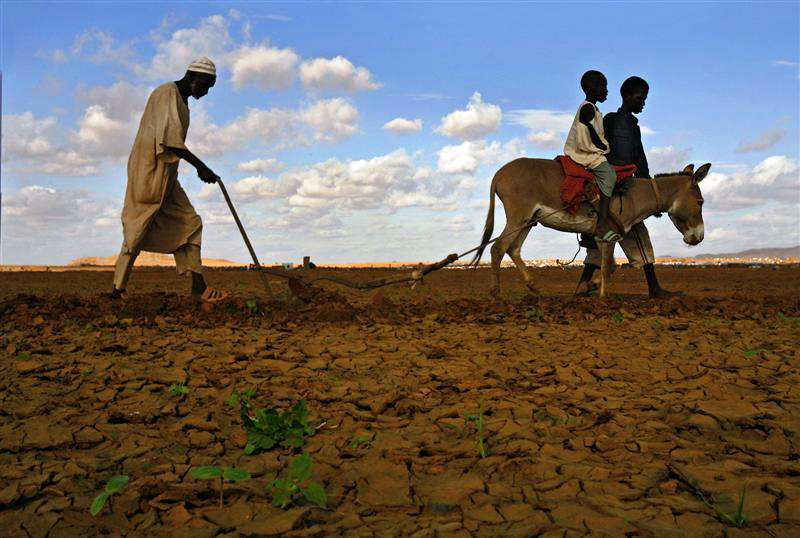
Africa - Poor awareness limits insurance coverage
26.01.2016 318 views
The ideal situation is that growth in insurance coverage should not lag too far behind economic growth. Commissioner of Insurance and Chief Executive Officer of the Tanzania Insurance Regulatory Authority (TIRA), Mr Israel Kamuzora, said low level of penetration and awareness of insurance is attributed to both cultural and historical factors.
Despite the fact that insurance industry has been growing at a healthy rate of over 20 per cent annually for over a decade, its penetration level is just 1 per cent of the country’s GDP against the world average of 2.3 per cent.
In 2014, GDP registered seven per cent growth implying that incomes are rising therefore individuals and corporate will increasingly seek insurance to protect their expanding income base. The growth and penetration of the insurance sector should have subsequently mirrored the expansion of the GDP.
The wide lag between our GDP growth and insurance reach subsequently means that there are vast opportunities for growth of exposures and income in the insurance sector in Tanzania.
The majority of insurance products in the country are focused on traditional markets, serving the needs of large corporates and high income individuals, with limited product development at the lower income end of the population.
While corporate are an important business segment in growing revenues, the rising population requiring life, health and other general insurance products provides additional opportunities for growth in the industry.
“Most of our societies understand the need to transfer cost from an individual to the whole community but they accept to do this only after the catastrophic event has already occurred, not earlier and certainly not for a fee; it is entirely voluntary,” he said. Making contributions is the panacea for every tragedy, every socio-economic challenge. Medical bills are a classic example.
People raise money for medical bills after the person dies in hospital, not before. The system is inherently expensive, very inefficient and leaves those involved traumatized.
The notion that people can contribute before the tragic event happens is alien to most of the societies but the insurance industry needs to invest heavily to that form of civic education. Societies, on the other hand, are created from cultural framework because culture is man-made creation which informs the coming together of individuals in order to make a society.
Many individuals in Tanzania and indeed in the African continent have suffered from damage to the environment or loss of resources caused by natural and man-made disasters. Catastrophes around the continent including drought, increases vulnerability of many countries and their population. Risk occurrence is a phenomenon that affects human lives.
Risk avoidance helps individuals to cope with the tragedies of life. For example, farming in developing countries is exposed to a variety of income uncertainties ranging from fluctuation of prices and unpredictable weather patterns, thus holding back efforts to lift people out of poverty. It is well known that such uncertainties induce substantial income risks, and these can be detrimental to small or poor producers in developing countries.
Such uncertainties have been blocking about 80 per cent of the population depending on farming from accessing lending houses. But agriculture sector will register notable progress when the proposed agriculture insurance that will provide solution to number of uncertainties becomes a reality.
The absence of crop production credit is a bottleneck to access and adoption of improved farming technology, certified seeds, fertilizers and plant protection chemicals.
Agriculture insurance has shown to be a way of increasing small farmers’ access to seasonal loans in many countries and may have similar role to play in the country. “Crop and agriculture insurance is fundamental to the national economies as adverse weather events like drought, floods and storms that cause heavy losses to farmers pose major threat to production and reduced farmers’ incomes,” he said.
The insurance industry needs to take a long hard look at new technologies to see how they could help change cultural mindsets, raise the fear of risks, and facilitate transfer of risks, institute insurance contracts, premium payment and claims settlement. The protection component, the risk taking business, may be hard sell Tanzanians.
However, beyond these innovations more needs to be done. The insurance industry has no excuse either for not securing significant funds from those who are keen on savings accounts.
Source - dailynews.co.tz
EVENTS

ScaleAgData Stakeholder Engagement Event
22.10.2024The ScaleAgData project is pleased to invite you to our second stakeholder event. Building on the discussions and connections formed during our first webinar, this event will focus on fostering collaboration among stakeholders, providing updates on our project’s progress, and outlining future opportunities for engagement.
RISK EVENTS

Moldova - May frosts caused heavy damage to fruit orchards
10.05.2026The first frosty nights of May have significantly worsened estimates of damage to Moldova's fruit sector from spring frosts. According to initial assessments by fruit market operators, between a quarter and a third of the country's total orchard area was seriously affected.
26.05.2026
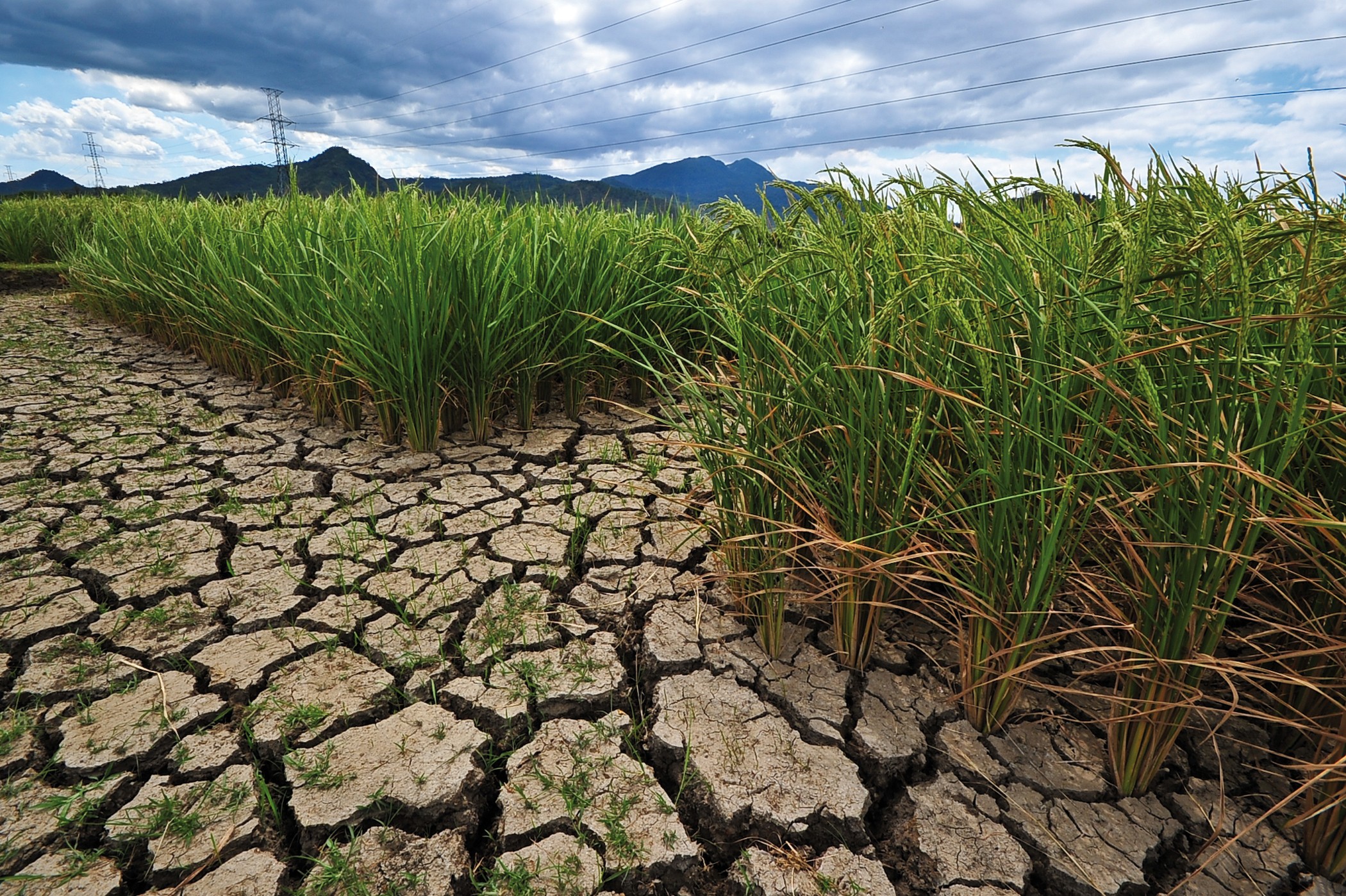
“Timac Agro Ukraine” launches crop insurance against drought
Timac Agro Ukraine, in collaboration with the insurance company PZU, has launched a crop insurance program against drought for farmers in five regions of Ukraine.
26.05.2026

Hansen announces "dialogue with the EIB on new agricultural insurance models"
Integrated European framework for climate resilience 'is on the way'.
26.05.2026
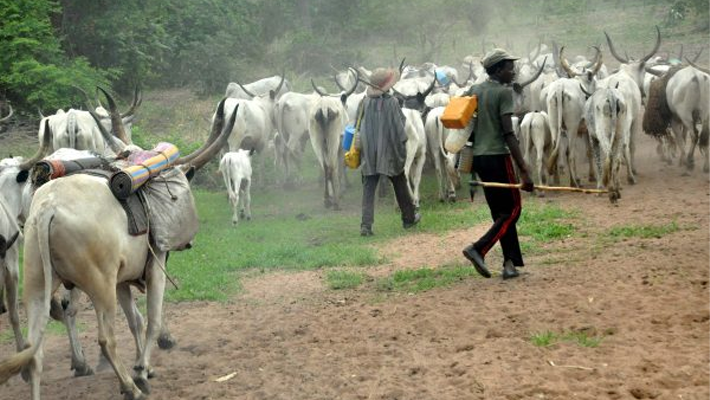
Nigeria - Oyo Steps up Enforcement Against Illegal Livestock Trading, Open Grazing
The Oyo State Government has stepped up enforcement against illegal livestock trading and open grazing, arresting offenders and impounding animals in parts of Ibadan during a fresh compliance operation.
26.05.2026
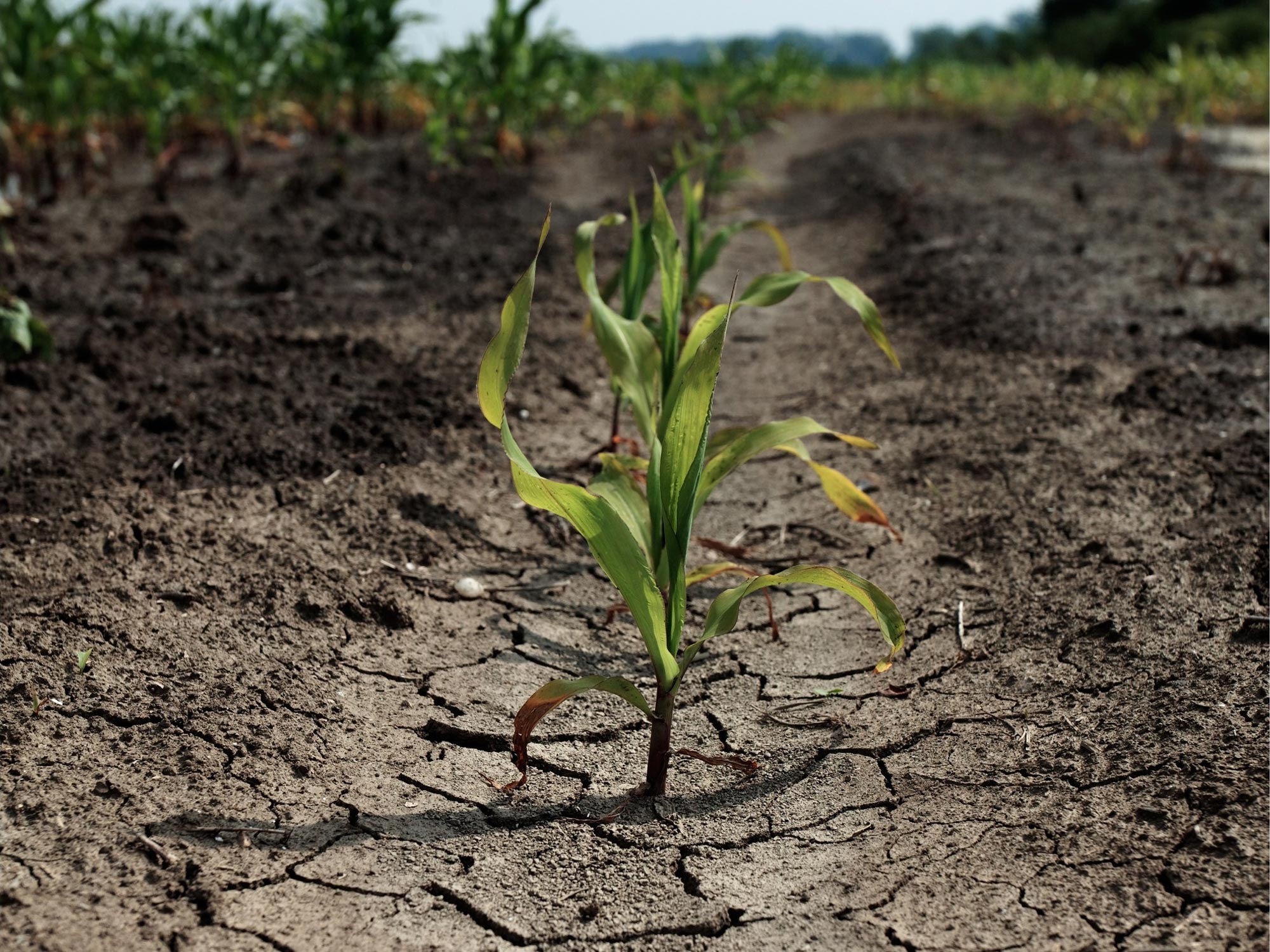
Philippines - Tacloban braces agri, health mitigation measures amid looming super El Niǹo
The City Government of Tacloban has intensified its preparations and mitigation measures as the threat of a possible Super El Niño continues to loom over several parts of the country, bringing concerns over prolonged dry spells, water shortages, and impacts on agriculture and public health.
26.05.2026

India - Punjab Govt Deploys 500 Teams for Special Girdawari as Rains Damage Wheat
In Punjab, to calculate the damage done to the standing crops in the fields due to the inclement weather for the last many days, the state government has formed teams of 500 officials from the agriculture department to assess losses.
26.05.2026
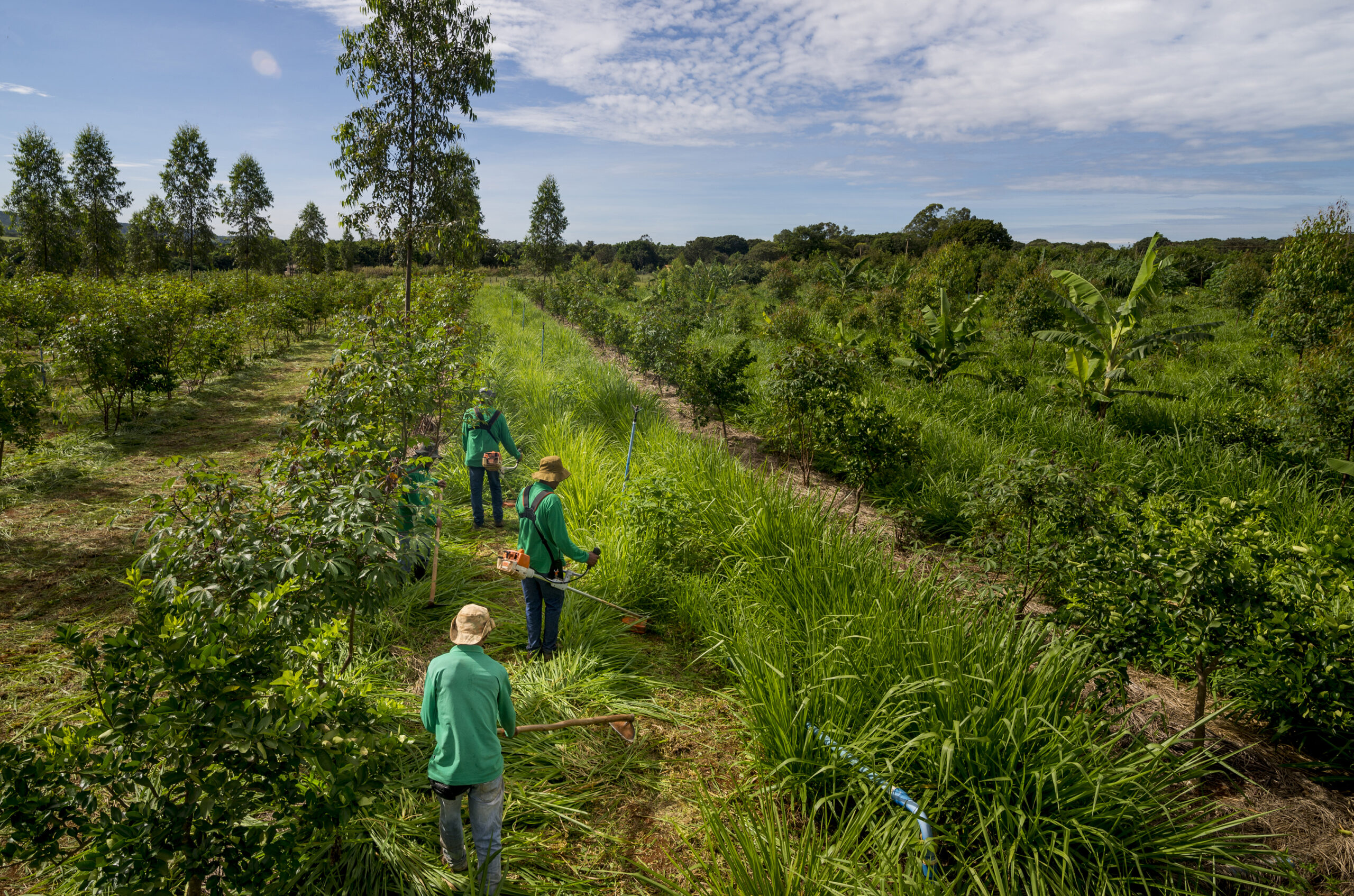
Brazil - Agricultural insurance plummets in Paraná, putting the sector at risk.
Cevio Alberto Mengarda, a soybean and corn producer in Marechal Cândido Rondon, in the western region of Paraná, followed in his father's footsteps in agriculture and today manages the family property.
25.05.2026

Algeria - CASH Assurances to diversify into agriculture insurance
CASH Assurances will launch agriculture insurance plans in June 2026, as part of its diversification strategy.
25.05.2026

U.S. specialty crop growers push for stronger Farm Bill support
Specialty crop growers in the U.S. are calling for stronger support measures in the 2026 Farm Bill, particularly around risk management, market access, and crop insurance.
