Insurance against Mother Nature: the idea has been dangled in front of Australian farmers for years, without much response.
But, after a second horror season in the Wimmera Mallee grain belt, the subject is the talk of the farming community.
Warracknabeal producer Phil Koschitze became the poster boy for multi-peril crop insurance in Victoria last year, after paying the $33,000 premium and receiving a pay-out.
This year the list of walking advertisements is much longer — as is the list of providers and products on offer.
One Birchip provider said about 25 per cent of producers in the region had opted for the cheaper 'input insurance', offered by Pro Crop Insurance, meaning a smaller pay-out but also, lower premiums.
Watchem's Chris Colbert was one of those who took that option.
A Pro Crop claim is triggered if the farmer receives less than 50 per cent of average annual rainfall during the growing period, and financial returns after harvest are lower than input costs.
Mr Colbert paid an $8,5000 premium, based on the modest estimate that he spent $160 per hectare getting the crops in.
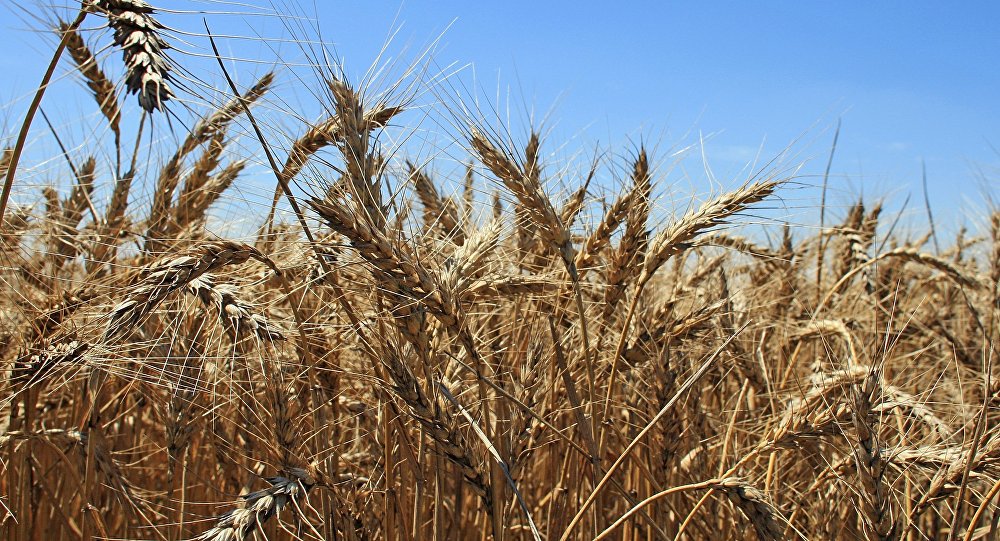
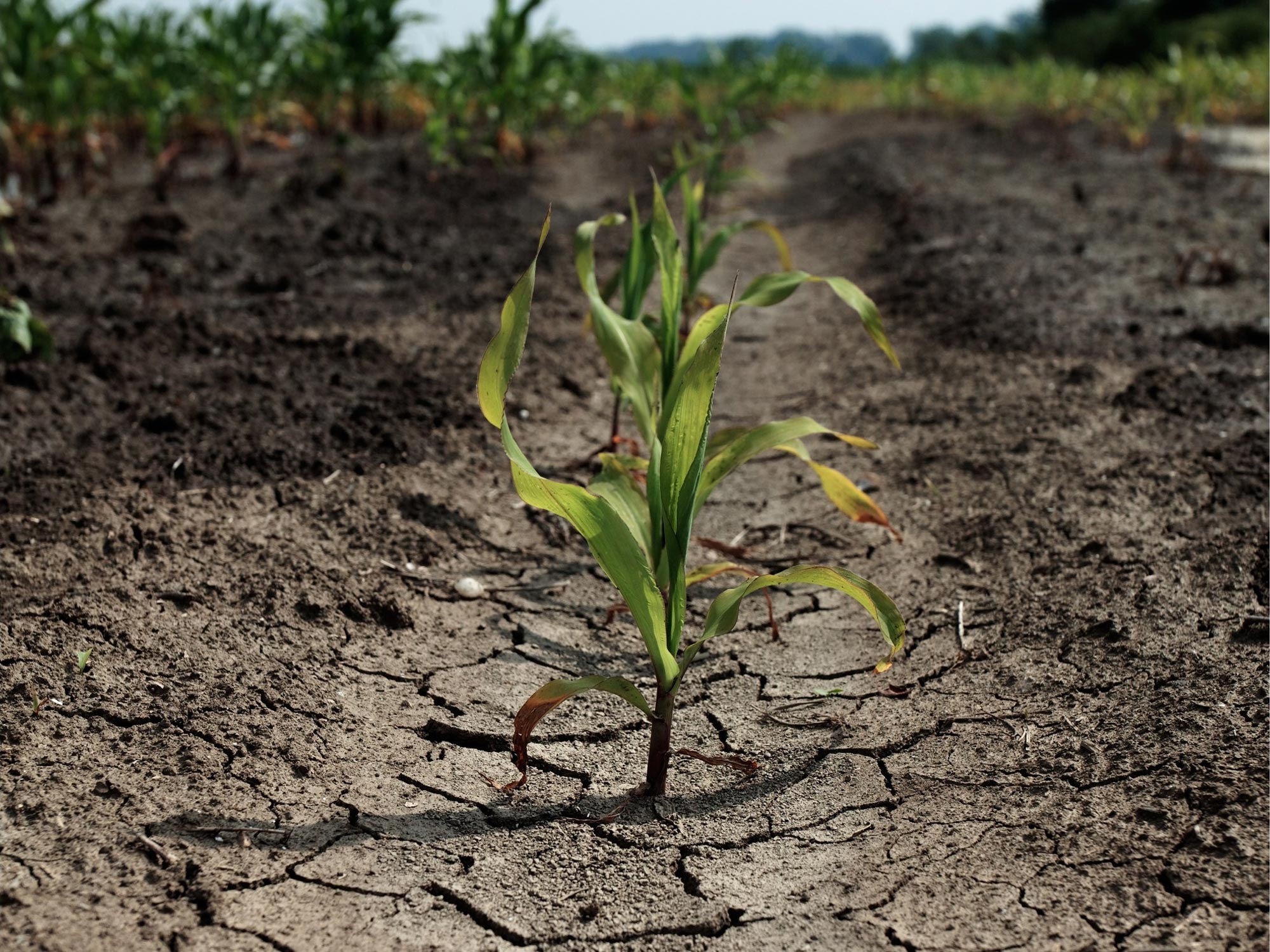
He would usually reap about 20 bags of wheat an acre; this year he is pulling off one quarter of a bag per acre.
So it was no surprise when Pro Crop Insurance said he was looking at a 92 per cent claim.
"I look to get out of my insurance about $130,000. That's $130,000 I don't have to look for next year," Mr Colbert said.
"I don't think I'll put another crop in without it."
Widespread crop failure raises questions about insurer survival
Widespread drought raises questions about the future of companies like Pro Crop Insurance, which only picked up clients in Victoria and South Australia this year.
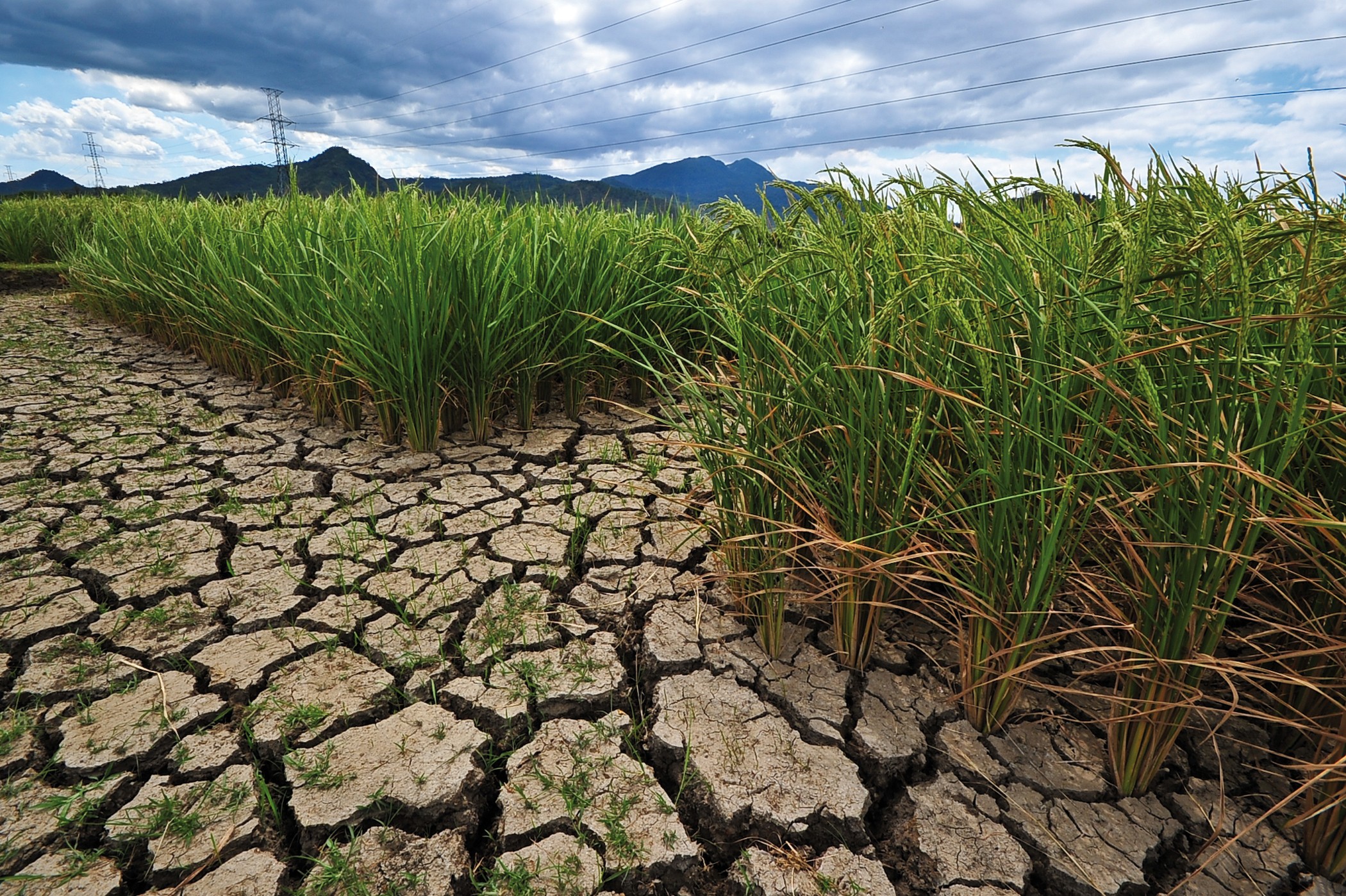
Bureau of Meteorology maps shows that a huge area of Victoria is experiencing a 1-in-20-year rainfall deficiency event, particularly in grain growing regions of the state.
South-east South Australia is in the same situation but overall, the state is looking at higher than average grain yields.
Pro Crop director Bob Smith would not reveal details around uptake but confirmed there was "limited" interest in areas where farmers were reaping good yields.
"I can't talk about likely claim numbers at this point in time, it's far too early, but it's fair to say the season has been very dry and therefore poor for grain growers in Victoria," he said.
"There's no doubt there will be claims paid by the insurers.
"We did have some farmers take it up, on Eyre Peninsula particularly, but it was a fairly limited area.
"It looks as though their season has been a very good one, so they won't need to rely on their insurance cover."
Mr Smith said he did not expect premiums to increase dramatically next year, but did not rule it out.
"The insurer will naturally undertake their own deliberations after this season .. and they'll determine what they believe is appropriate for the risk involved," he said.
"But I believe our insurer is in it for the long haul."
Mr Smith said the company's aim was to become a national insurance provider and he flagged the possibility of long-term commitments from farmers, to reduce risk.
"We would certainly talk to farmers about a five year commitment," he said.
"But our desire is to see a farmer build Pro Crop cover as a part of their overall risk management strategy and input expenditure.
"Rather than see it as an insurance policy year-by-year, it would just be inbuilt into their risk management thought process."
Is there a better way to spend $20,000 on risk management?
Birchip Cropping Group chief executive Chris Souness said the hype around insurance could blindside farmers into believing it was the best approach to risk management.
He stressed there were many ways $10,000, $20,000 or $30,000-plus could be used to reduce risk and lift profits.
"How farmers spend those dollars, to make sure they minimise their risk but maximise their return, is going to be key," Mr Sousness said.
"Is multi-peril crop insurance a good fit for you? Or actually is investing in livestock a potential option, or buying some commercial property in Bendigo or Melbourne?
"We can't buy everything we want and insurance is one of those choices, just like extra fertiliser or a weed spray or the new ute."
Victorian Premier Daniel Andrews agreed to explore ways the Government could assist in building a reliable insurance landscape for farmers.
He agreed with farmers who said the cost of existing multi-peril schemes was excessive.
"The premium for a policy would be about 10 per cent of what your output was, to get your crop into the ground," Mr Andrews said.
"If you haven't got [for example] $30,000, insurance isn't much good to you.
"I think there is an opportunity for us to work together and I think the national government would have an important place in this, to sit down and see whether we can't develop a better insurance product."
Farmers, like Mr Colbert, want State and Federal Governments to subsidise premiums.
"In the scheme of things, if we have a drought and farmers put their hand out for exceptional circumstances ... paying $10,000 or $20,000 [per farm] up front is a little bit less than what they'd have to pay in a full scale drought," he said.
Source - http://www.abc.net.au/