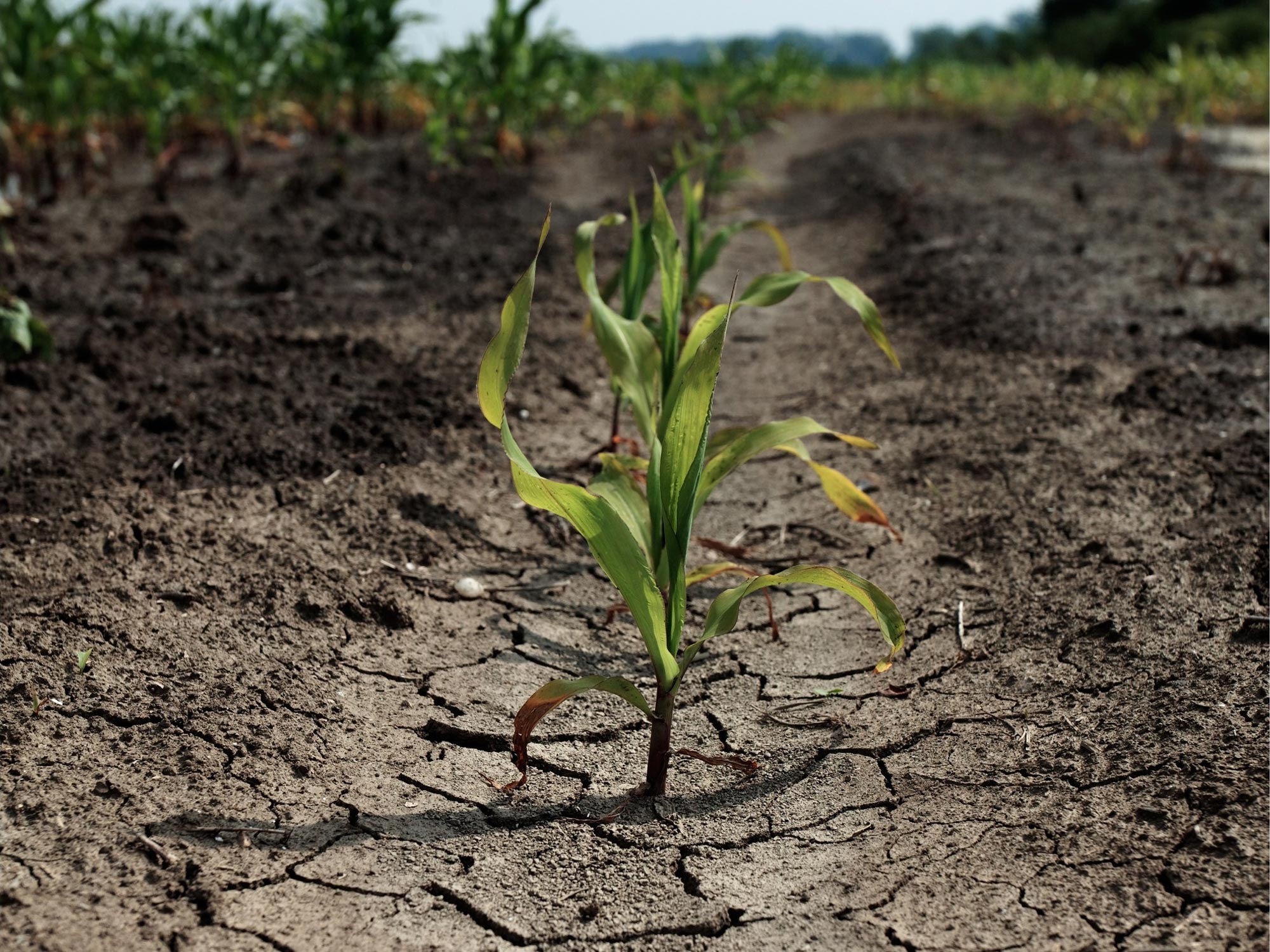
“There’s precious little moisture in the soil,” said Mansfield’s Johnny Adams in October; he began feeding livestock in March.
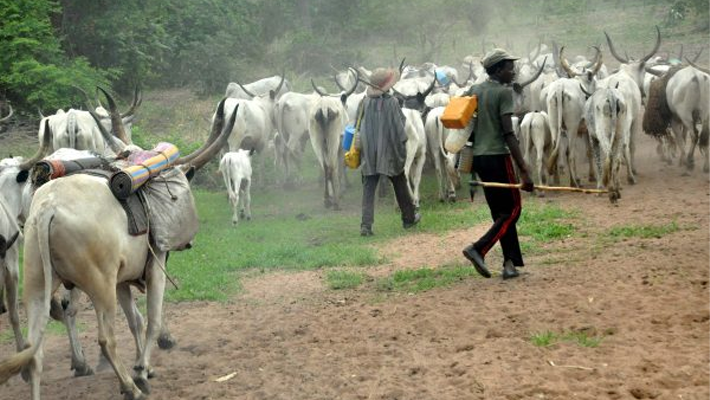
Facing feed shortages, some livestock breeders brought forward their expected dates to sell weaner cattle and lambs, rather than carry them through into late 2015 or 2016.
Agronomists advised dairy farmers to plant more forage crops to offset a decreased Victorian grain yield and increased prices transporting interstate supplies.
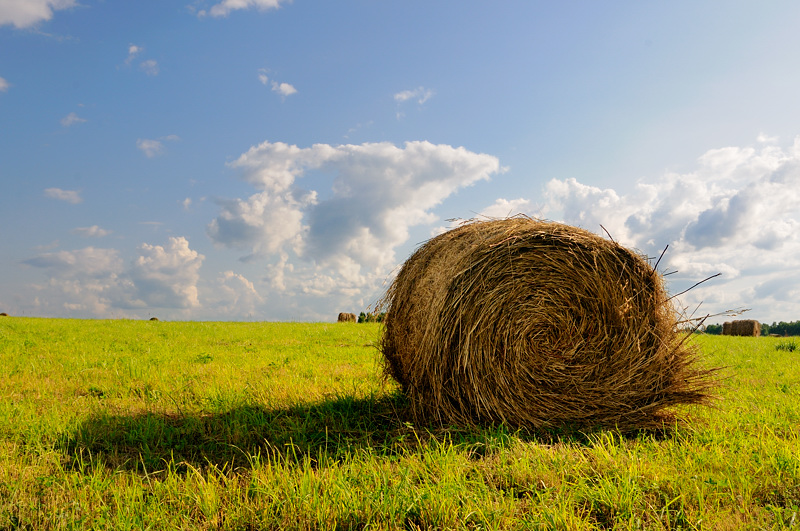
Grain yield fell as low as 0 tonnes/hectare and some growers made the strategic decision to harvest hay or graze livestock on their cereal crops.
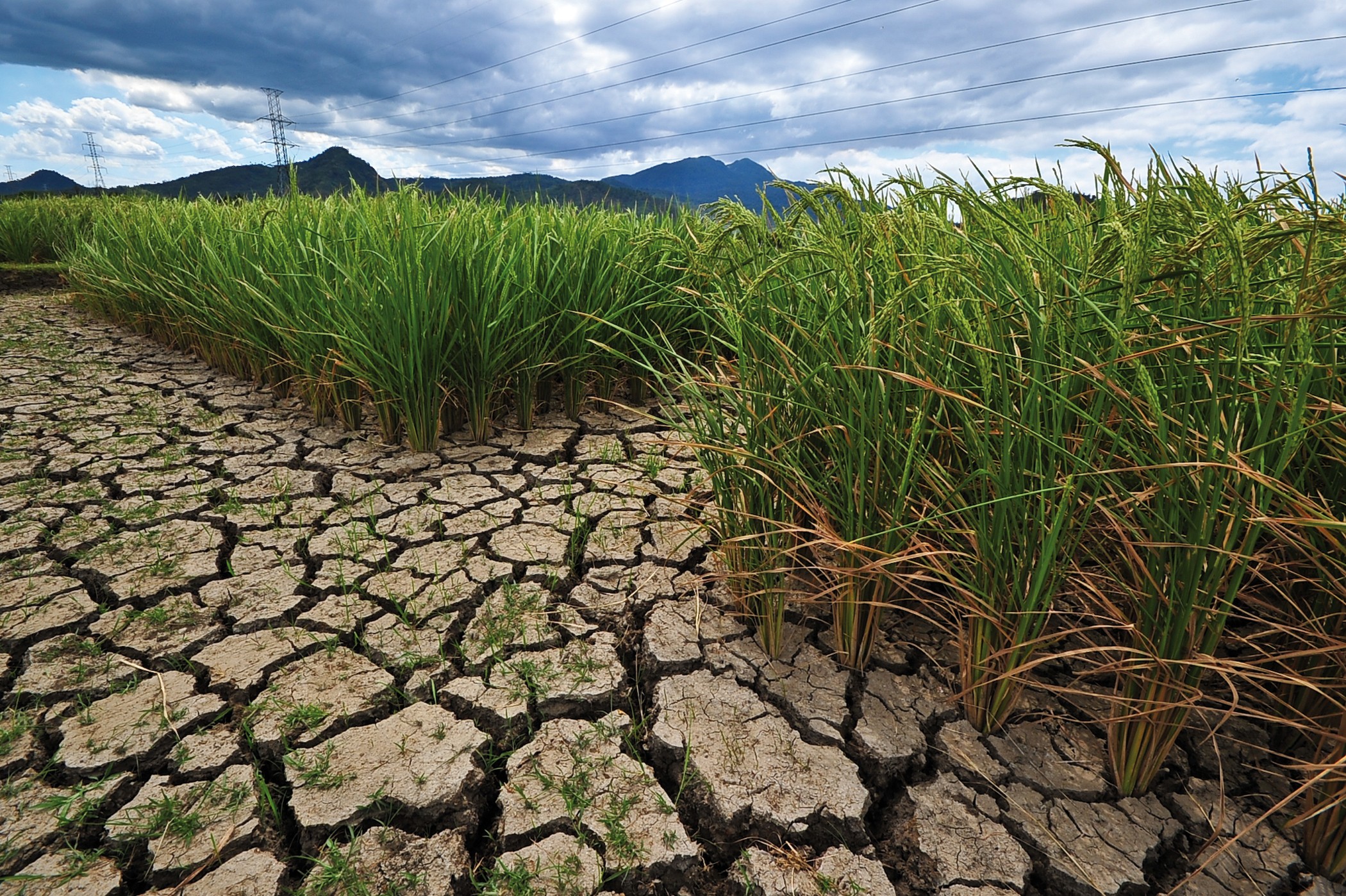
“We’ve had a catastrophic season, the weather at the beginning of October was unprecedented and I hope I never see that again in my lifetime,” said Victorian Farmers Federation Grains Group President, Brett Hosking.
“The season has put a sizeable proportion of grain growers under immense pressure and a significant number – 30-40pc – made a trading loss.”
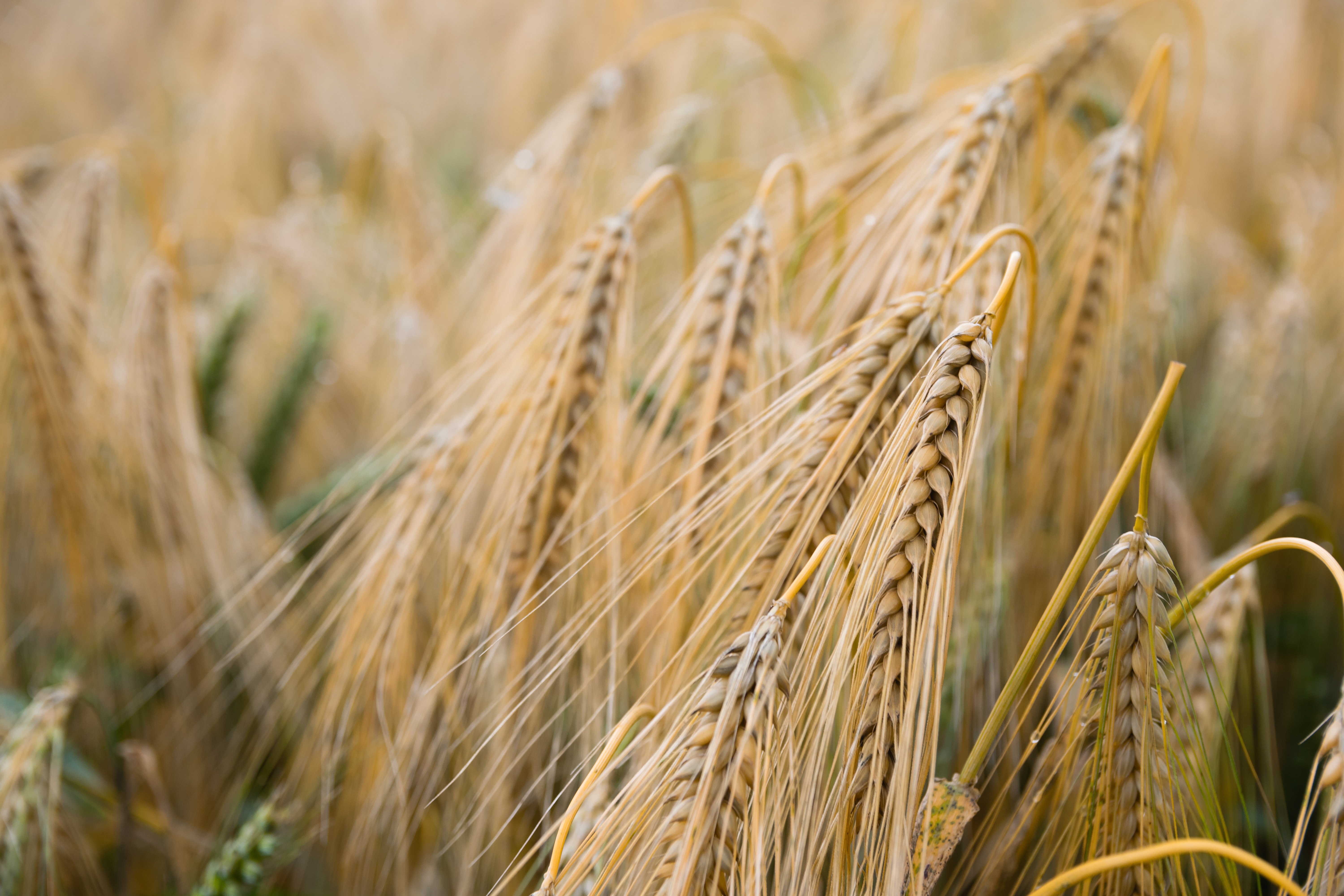
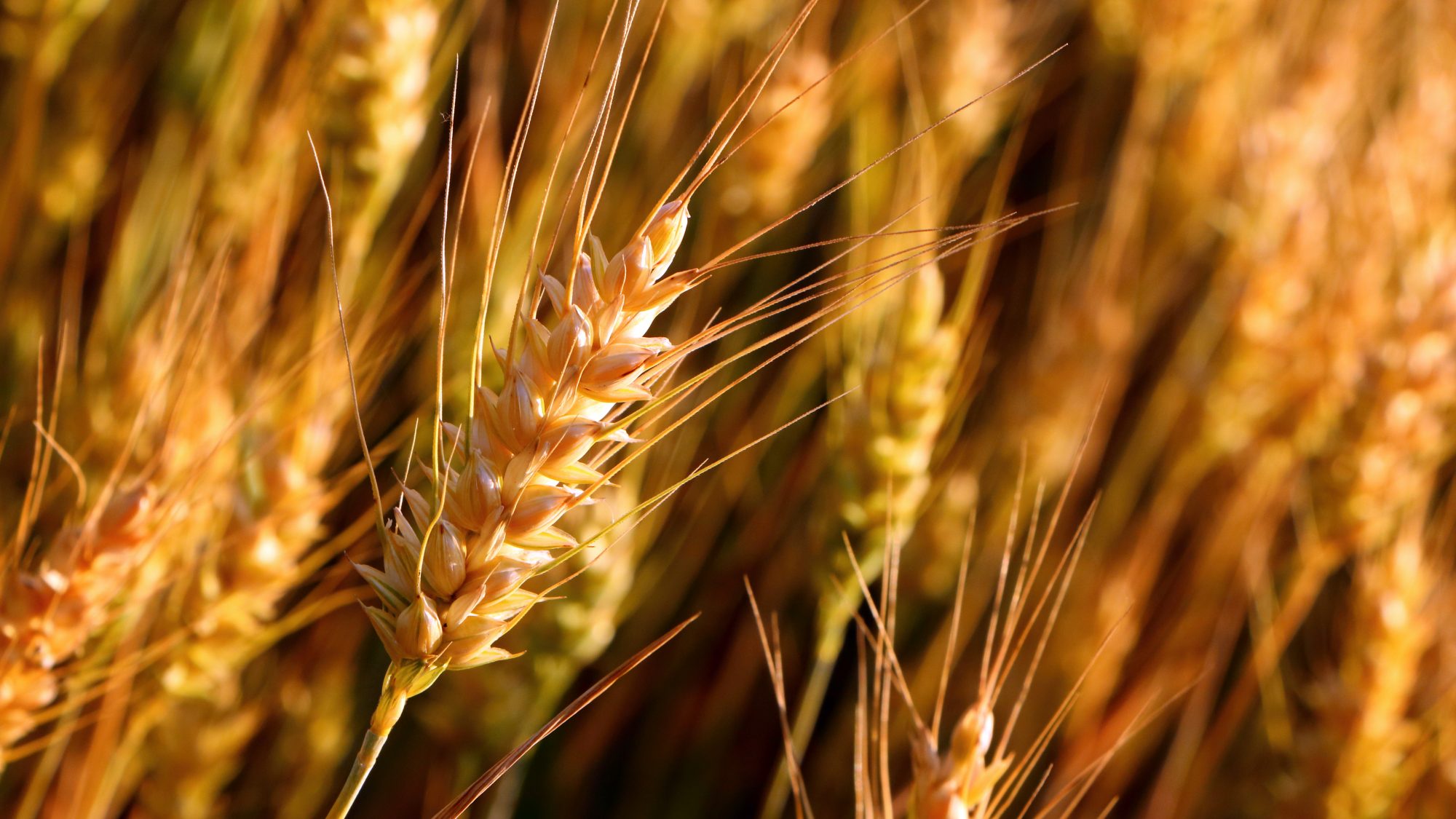
While wheat harvest varied between 0.7-6t/ha, the fast and hot finish to growing season yielded high quality grain.
The lower Victorian dryland wheat harvest yielded a significant quantity of H1 and H2 grade grain, said Marcus Dingle, Reid Stockfeeds commodity manager.
Fortunately, domestic demand for grain meant prices remained buoyant and Victorian growers with capacity stored grain.
“They have the option of chasing alternate markets, hedging for better prices,” Mr Dingle said.
There was more variation in the barley harvest, F1 to F4; Profarmer Australia market analyst Scott Niewand recommended the Saudi Arabian market for competitive returns on feed barley.
While the Victorian canola harvest was down, yield losses were offset by good quality and increased price, $50/t more, said Pierre Colinet, Cargill Australia’s overseas trading manager.
Cargill exported 57,000 tonnes of the Victorian harvest two weeks ago, into the high-value global market; but still expected to fill domestic demand.
“We had a lot of concerns early in the year, but the Victorian harvest is only 400,000 tonnes lower and less people are holding canola in storage,” Mr Colinet said.
There were other highlights out of the past year.
Grain buyers, under intense lobbying by the VFF, came forward with some trade based solutions for farmers – many implemented payment periods as short as seven days.
ProFarmer Australia offered payment terms of one day to 30 days, with production return better value for higher graded crops.
Serpentine’s Luke and Prue Milgate were glad their irrigated barley crop was graded malt, after testing prior to harvest.
Their 650 hectares of dryland crops yielded 0.3-2.0t/ha and irrigated barley yielded 9t/ha.
“Fortunately, our irrigated crops and sheep will carry us through,” Ms Milgate said.
The Victorian government announced the Murray Basin rail upgrade to begin mid-2016, which, by standardising gauge, should increase industry competition.
The Port of Portland became a viable infrastructure partner. This meant the three ports, Geelong, Portland and Melbourne, should now provide competition efficiencies for growers.
The Victorian grain harvest – notwithstanding the weather vagaries – stands at 2.5 million tonnes annually, an increase of 0.5 million since 2008; and should continue to increase as growers adopt new technologies, diversify crops and the cropping industry expands across the State.
No-Till was the leading form of cultivation.
“Because of stubble retention and no-till farming, we were still able to get a harvest, even though the quantity was small,” said Kaniva farmer, Wal Meyer, who wrote ‘F*** the drought’ in his wheat crop.
“No-Till has become accepted best practice for 80-90pc of Victorian growers,” Mr Hosking said.
“Cultivation is still necessary for weed control and as a management tool for some farmers.”
Growers continued to adopt new technology and management, particularly around precision agriculture; and new varieties – poppies, sorghum, cotton, corn, pulses and legumes – into their cropping rotations.
“Many growers sold their legumes at harvest, providing them with cash flow and allowing them to hold onto cereal crops,” said Profarmer Australia’s market analyst Scott Niewand.
Yarrawonga hosted the southern-most cotton crop this year, while increased interest in growing poppy crops should see more competition in the market, with licences issued to more growers and processors.
Farmers, through a Victorian government initiative, installed soil moisture probes to monitor crops and better gauge fertiliser applications and weather conditions.
Managing El Nino – without a doubt, talking with farmers across Victoria, there was a solid awareness of its impact and many had risk management strategies to cope.
“The knowledge base of Victorian grain growers – about contracts, climates, cropping and technology – is outstanding and I’m very proud of them,” Mr Hosking said.
Source - stockandland.com.au