

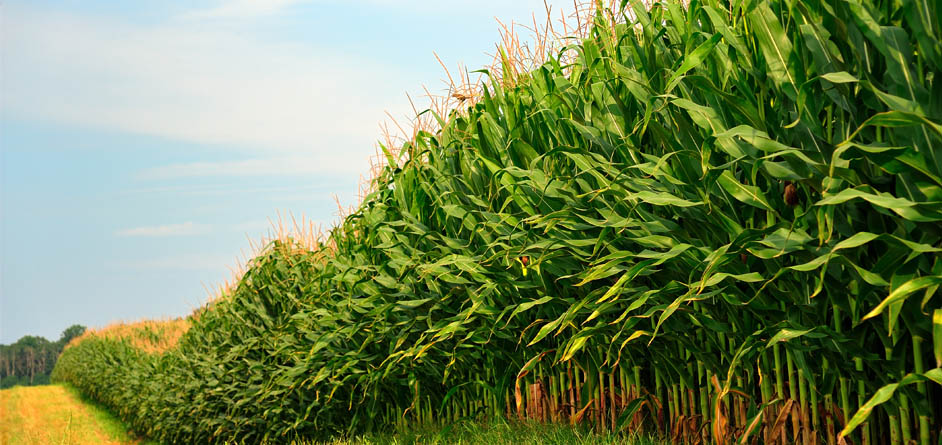
Australia - Volatile weather expected to hit farmers hard next year
10.12.2015 226 views
With adverse weather conditions across Australia predicted to continue well into 2016 by the Bureau of Meteorology (BOM), a weather and commodities expert predicts poor crop harvests and poor incomes for farming communities as a result, including impacts on Gympie's rural industries.
Nationally recognised commodities expert and media commentator Jonathan Barratt says, "Record-breaking heatwaves in South Australia through to torrential rains in north-west NSW have paid a toll on grower incomes - and will continue to do so next year. The major complaint by growers this year was there was simply not enough rain throughout the growing and 'filling' period. When it did come, it came at the wrong time. Losses on the farm affects the whole rural economy and flows on to consumers buying groceries in supermarkets."
BOM predicts this year's El Nino - expected to continue into autumn next year - is likely to bring lower rainfall across northern Queensland, drier conditions across Australia's southeast, and above-average rainfall in Western Australia's inland. The strength of this El Nino could rank it as a 'top three' event in 50 years*.
"If the forecast is correct, soil moisture profiles leading into next year's season will be low. The reliance on in-crop rain is more critical than ever should summer rains fall short of providing substantial moisture. Now more than ever, it is critical for growers to hedge adverse weather risk," says Jonathan who is CEO of CelsiusPro, an award-winning provider of weather certificates and Australia's first provider of parametric weather cover.
"As Federal and State Government policy is looking to shift the risk growers have on production and income from them towards the insurance market, it is important for growers to keep abreast of their options to hedge that risk."
Unlike weather insurance, weather certificates pay out immediately without the need to make claims. In 2015 alone, there has been a 170 per cent increase in issued weather certificates by CelsiusPro, and 45 per cent of growers with weather certificates have had pay outs as a result of adverse weather.
"Weather certificates help transfer risks associated with adverse weather away from the farmer and local community and onto financial organisations that can absorb it. The weather forecasted by the Bureau of Meteorology will have an effect on subsoil moisture profiles for the next season."
CelsiusPro's weather certificates are determined with growers, who provide grid references for their property, and are then provided - by CelsiusPro - 25 years of five-by-five kilometer gridded data - from its partner, the Bureau of Meteorology - which shows the rain events over the area. From this data, CelsiusPro works with the grower to arrive at a structure that works for them.
"One of the most popular hedges I use to combat dry periods is a Dry Season Certificate that pays per mm below a trigger. For example, in Skipton NW Victoria, the average rainfall during the growing period is 151mm. On a total sum insured of $100,000 CelsiusPro have designed weather certificates that start from $3000 upwards."
Weather certificates allow farmers whose businesses are vulnerable to volatile weather conditions to price up a policy at their farm gate. The data explores weather patterns, extreme heat, rain deficiencies or periods of heavy rain and correlations between them. CelsiusPro, awarded the ANZIF Insurance Award for Innovation in 2014, also uses parametric products to analyse trends around hurricanes, floods, cyclones and earthquakes.
"Farmers can have all this information at their fingertips to see the triggers in conditions which will determine how much insurance they will need to purchase for the season, and can change their policy depending on their needs. We're not just about providing the data, we're about making sure the right insurance policy is behind the predictions so that our customers are in the best position should they become exposed to vulnerability," Jonathan says.
Source - http://www.gympietimes.com.au
EVENTS

ScaleAgData Stakeholder Engagement Event
22.10.2024The ScaleAgData project is pleased to invite you to our second stakeholder event. Building on the discussions and connections formed during our first webinar, this event will focus on fostering collaboration among stakeholders, providing updates on our project’s progress, and outlining future opportunities for engagement.
RISK EVENTS

Moldova - May frosts caused heavy damage to fruit orchards
10.05.2026The first frosty nights of May have significantly worsened estimates of damage to Moldova's fruit sector from spring frosts. According to initial assessments by fruit market operators, between a quarter and a third of the country's total orchard area was seriously affected.
26.05.2026
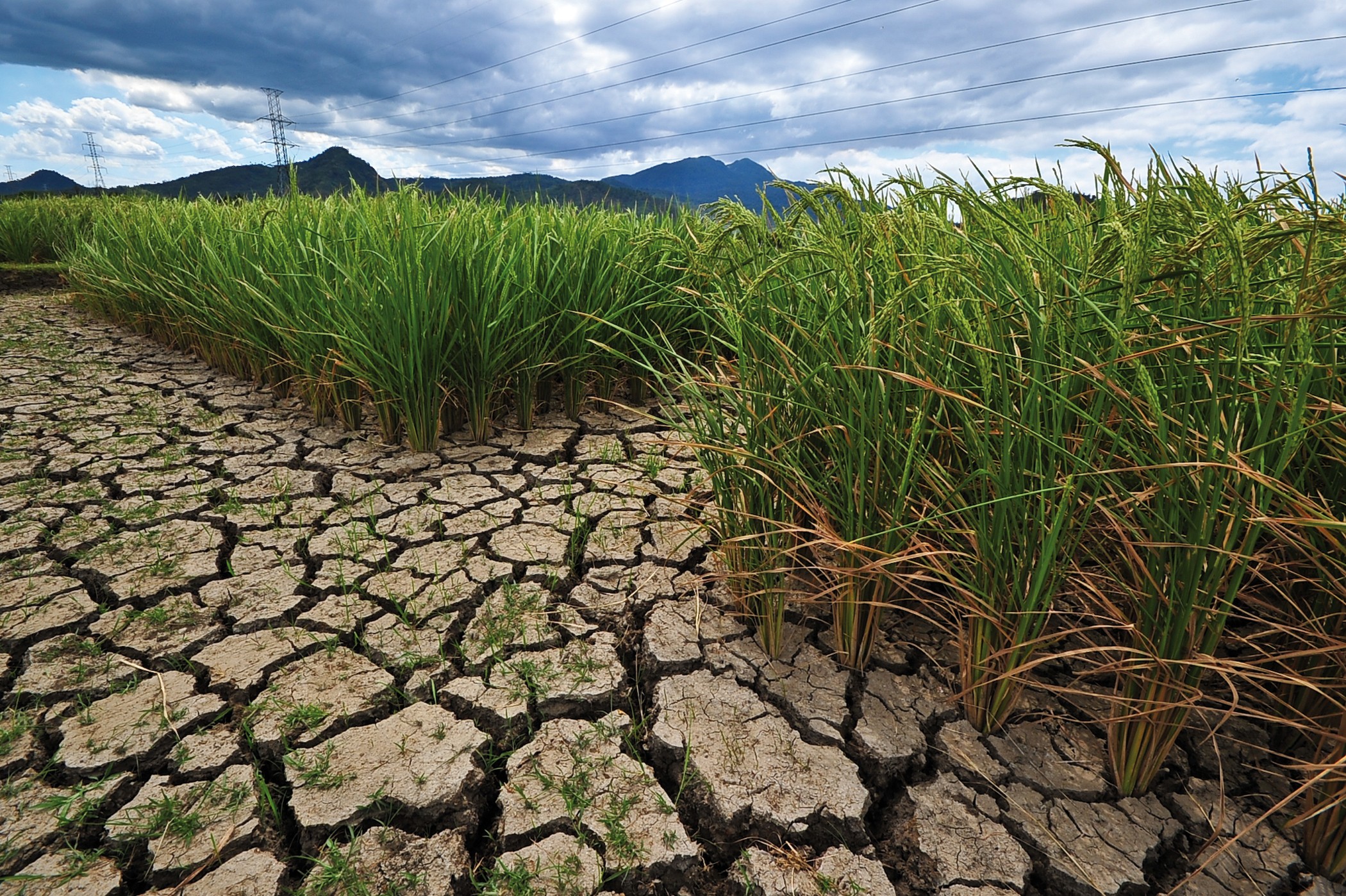
“Timac Agro Ukraine” launches crop insurance against drought
Timac Agro Ukraine, in collaboration with the insurance company PZU, has launched a crop insurance program against drought for farmers in five regions of Ukraine.
26.05.2026
Hansen announces "dialogue with the EIB on new agricultural insurance models"
Integrated European framework for climate resilience 'is on the way'.
26.05.2026
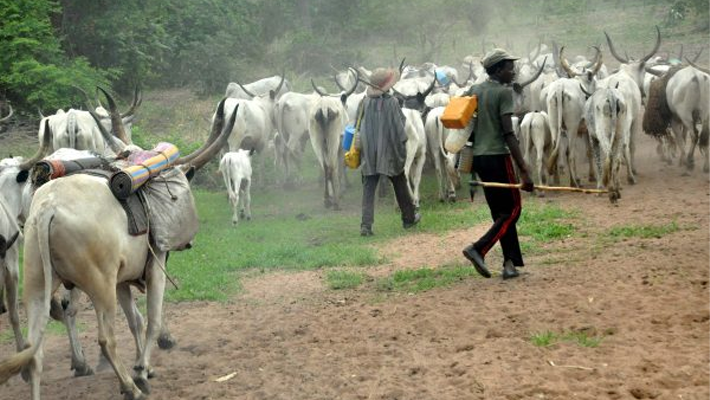
Nigeria - Oyo Steps up Enforcement Against Illegal Livestock Trading, Open Grazing
The Oyo State Government has stepped up enforcement against illegal livestock trading and open grazing, arresting offenders and impounding animals in parts of Ibadan during a fresh compliance operation.
26.05.2026
Philippines - Tacloban braces agri, health mitigation measures amid looming super El Niǹo
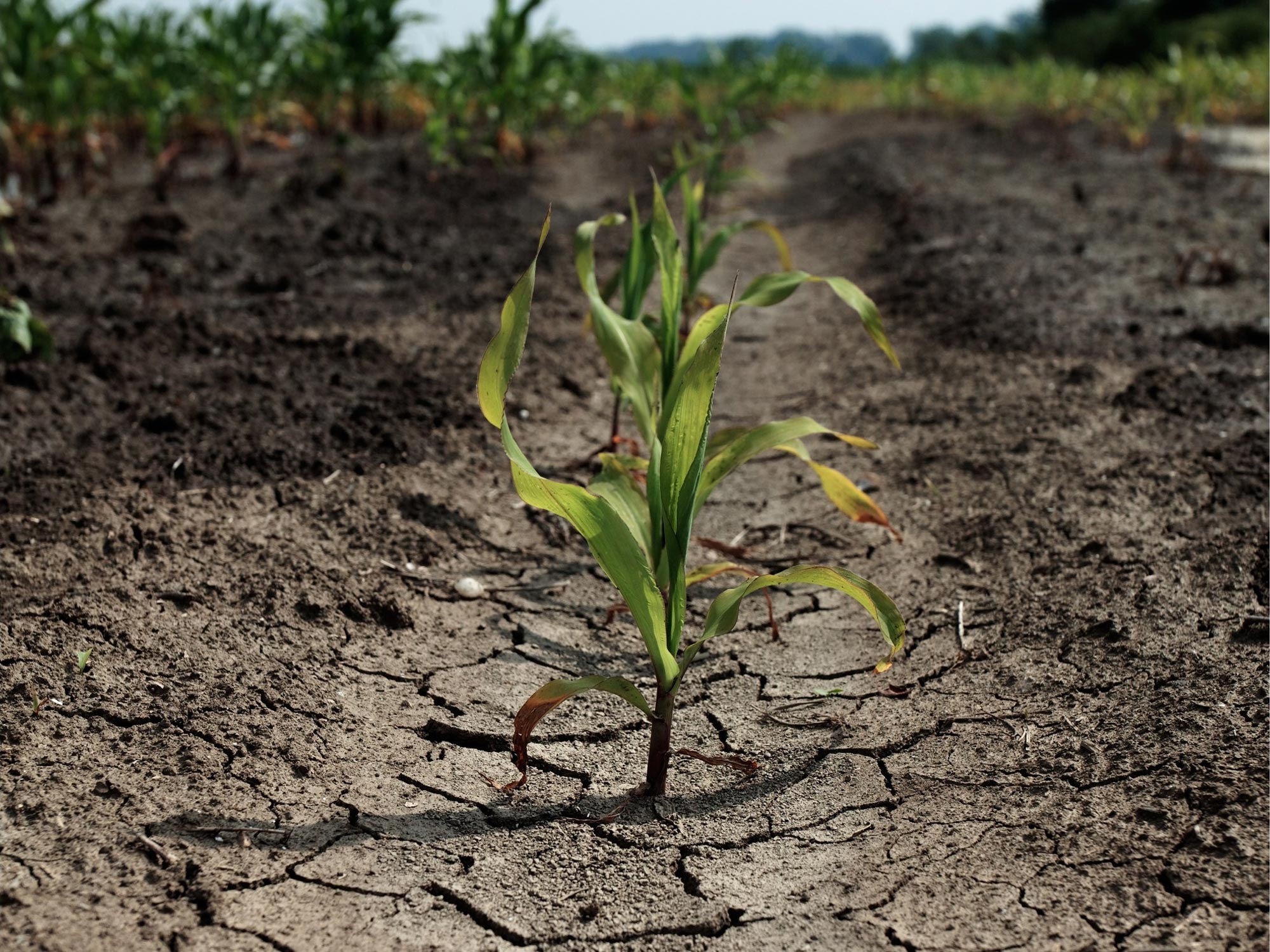
The City Government of Tacloban has intensified its preparations and mitigation measures as the threat of a possible Super El Niño continues to loom over several parts of the country, bringing concerns over prolonged dry spells, water shortages, and impacts on agriculture and public health.
26.05.2026
India - Punjab Govt Deploys 500 Teams for Special Girdawari as Rains Damage Wheat
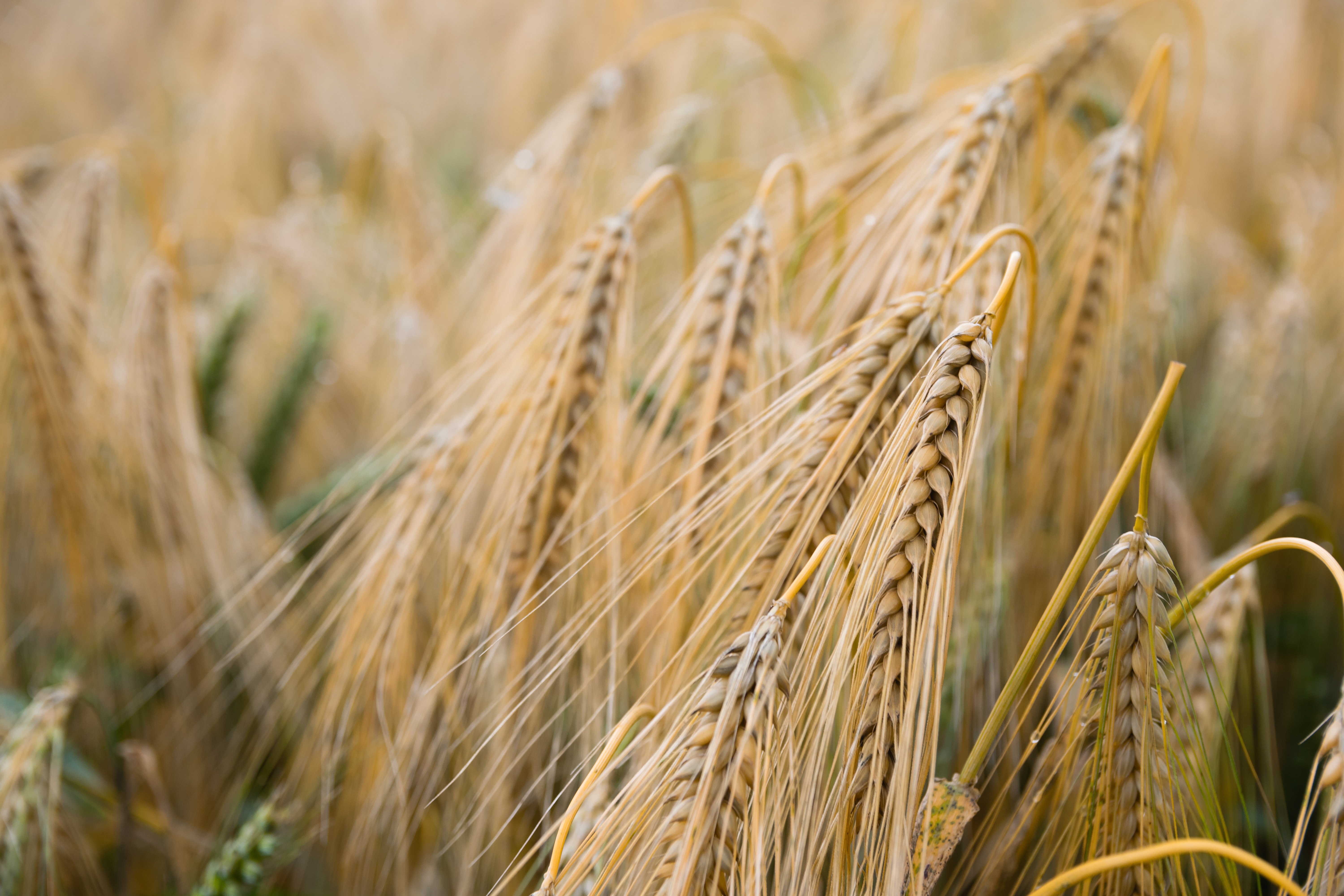
In Punjab, to calculate the damage done to the standing crops in the fields due to the inclement weather for the last many days, the state government has formed teams of 500 officials from the agriculture department to assess losses.
26.05.2026
Brazil - Agricultural insurance plummets in Paraná, putting the sector at risk.
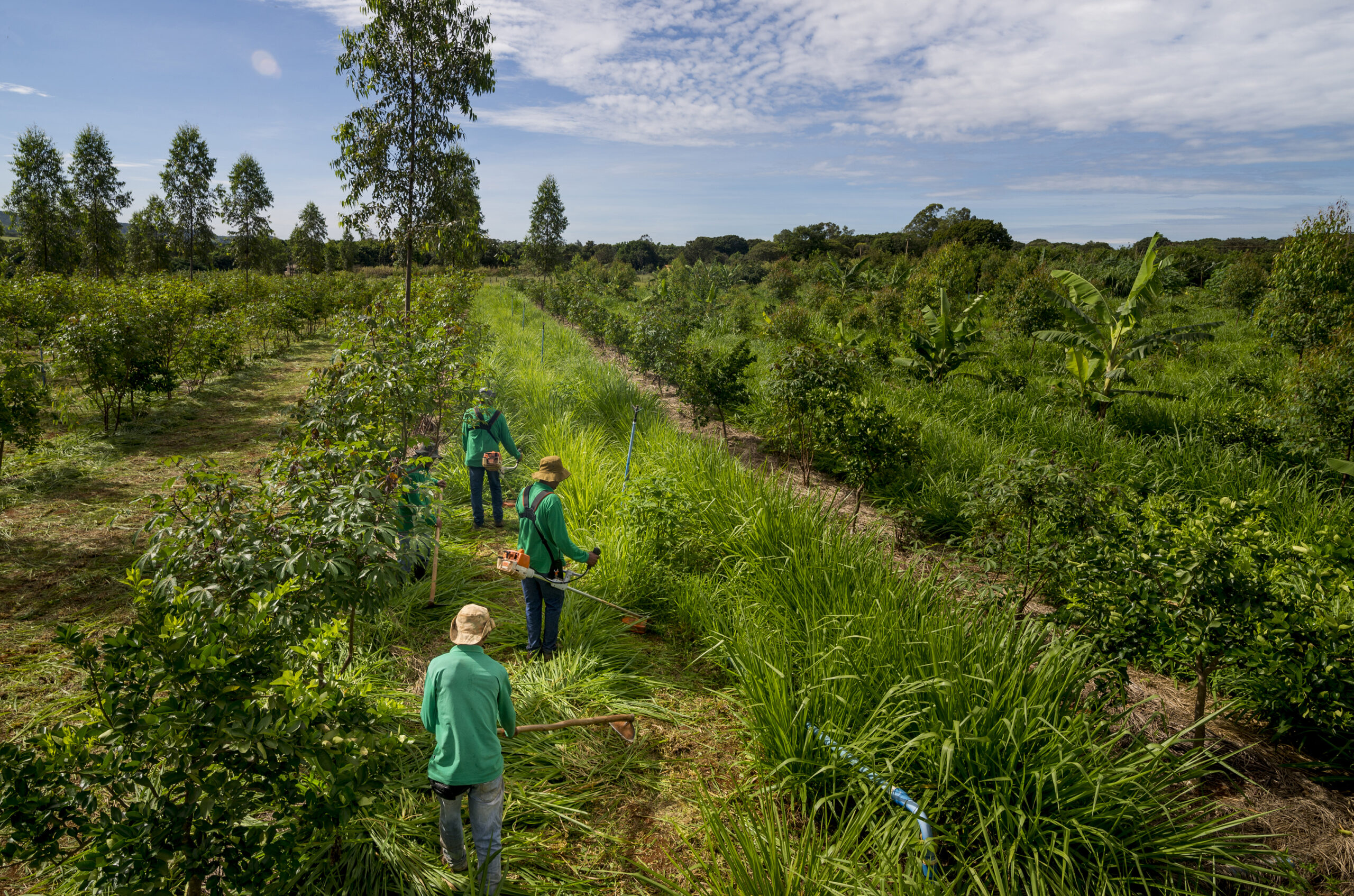
Cevio Alberto Mengarda, a soybean and corn producer in Marechal Cândido Rondon, in the western region of Paraná, followed in his father's footsteps in agriculture and today manages the family property.
25.05.2026
Algeria - CASH Assurances to diversify into agriculture insurance
CASH Assurances will launch agriculture insurance plans in June 2026, as part of its diversification strategy.
25.05.2026
U.S. specialty crop growers push for stronger Farm Bill support
Specialty crop growers in the U.S. are calling for stronger support measures in the 2026 Farm Bill, particularly around risk management, market access, and crop insurance.
