

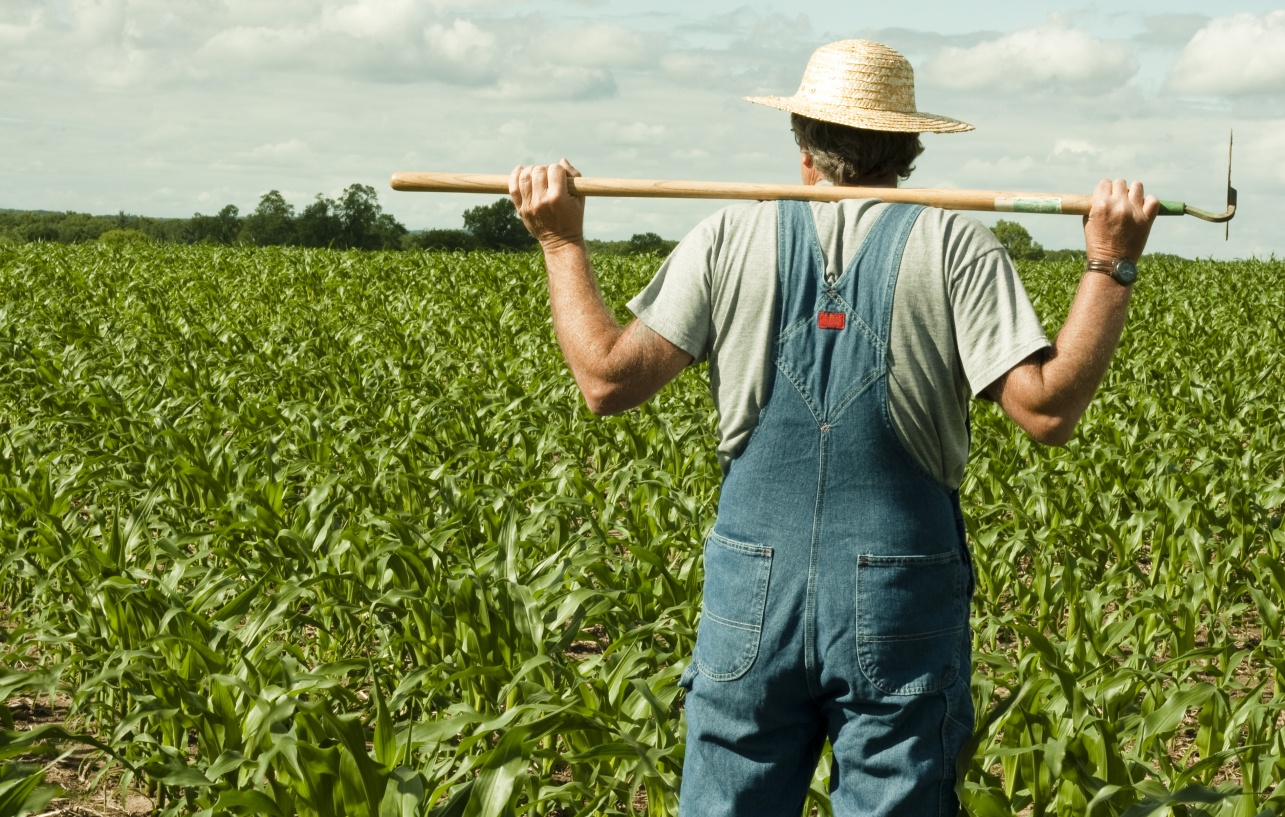
Canada - Sask. farmers stressed about poor crop yields[:ru]Canad
28.07.2021 794 views
Farmers across Saskatchewan say they are feeling the overwhelming mental and financial stress of crop contracts and poor harvests as dry conditions bake their fields.
Only about half of the crops across the province are at their normal stages of development for this time of year, according to the latest provincial crop report.
The report attributes the problems to lack of moisture, noting about eight per cent of cropland topsoil in the province has what it needs. And farmers can see the effects.
"You can very visibly see a lot of crops turning colour, and we're barely into the third week of July," said Jeremy Welter, a fourth-generation farmer who lives near Kerrobert, Sask., about 185 kilometres west of Saskatoon.
"These crops should still be grass green," he said. "They should be lush. They should be thick."
Welter said his crop insurance company looked over his barley and a large portion of his cereal crops, and said they are complete write-offs for him.
Welter said the financial stress is a burden that keeps him up at night. From machinery payments, to groceries, to paying back the credit that helps seed the soil, he is under pressure.
"I feel like I did everything I could and, you know, you can't help but feel like a failure, even though you couldn't have done anything different," he said. "You can't make it rain, right?
"Nothing can grow in a desert, six weeks of no rain."
Stress on farmers
Welter isn't the only farmer feeling the heat's toll.
Adelle Stewart is the executive director of Do More Agriculture, a Saskatchewan organization that advocates for mental health in the farming industry and works to provide resources to farmers.
When asked what she was hearing from farmers, Stewart summarized it in four words.
"Extreme stress, desperation, crisis," she said.
"What we're seeing right now is unprecedented and only seems to be getting worse with no rain in the forecast."
Stewart said her organization often hears from farmers and producers look for mental health resources around fall or late August, during the stressful harvest season. This year, they've already been hearing a lot from farmers, she said, including one who had to use bath water for their plants.
"We know producers [whose] crops this year aren't any higher than the stubble they left in the field last year," Stewart said. "There is no yield. Farmers are in contracts for their seed and grain that they're not going to be able to fulfil."
Stigma in the industry
While some farmers, like Welter, have spoken about the stress from this year's harvest, Lesley Kelly said it's very common in the industry for people to try to deal with it alone.
"You hear that farmers have to tough it out and boys don't cry, or men don't cry, and that does have a detriment to our mental health," Kelly, a Do More Agriculture co-founder, told Leisha Grebinski on CBC's Saskatoon Morning.
She said the proper next steps are connecting rural communities with the proper health services when they need it.
Do More Agriculture is working on a national phone line that would provide farmers with mental health professionals knowledgeable about agriculture, Stewart said.
Levi Hull farms near Yorkton, Sask., in the southeastern part of the province and is a director of the Saskatchewan Cattleman's Association. He agreed farmers often keep their emotions close to their chest and that the stigma surrounding mental health needs to change.
"You have family and friends and stuff like that you can rely on, but not a lot of people really do that and I don't know why that is in this industry where we're all tough," he said. "Maybe it's that we seem weak if we talk about it."
Federal response to farmers, province
In mid-July, the Saskatchewan government announced the Saskatchewan Crop Insurance Corporation would look at alternative options for farmers with damaged crops, such as silage, baling or grazing.
The insurance corporation will also be doubling low yield appraisal thresholds for farmers who salvage their crops as feed, it said.
Saskatchewan Agriculture Minister David Marit called on the federal government for help, including designating all Saskatchewan farmers eligible for the Livestock Tax Deferral program.
Ottawa responded with support for producers, including agreements for crop insurance programs which would open drought-damaged crops to be used as feed.
Source - https://www.cbc.ca
EVENTS

ScaleAgData Stakeholder Engagement Event
22.10.2024The ScaleAgData project is pleased to invite you to our second stakeholder event. Building on the discussions and connections formed during our first webinar, this event will focus on fostering collaboration among stakeholders, providing updates on our project’s progress, and outlining future opportunities for engagement.
RISK EVENTS

Moldova - May frosts caused heavy damage to fruit orchards
10.05.2026The first frosty nights of May have significantly worsened estimates of damage to Moldova's fruit sector from spring frosts. According to initial assessments by fruit market operators, between a quarter and a third of the country's total orchard area was seriously affected.
22.10.2026
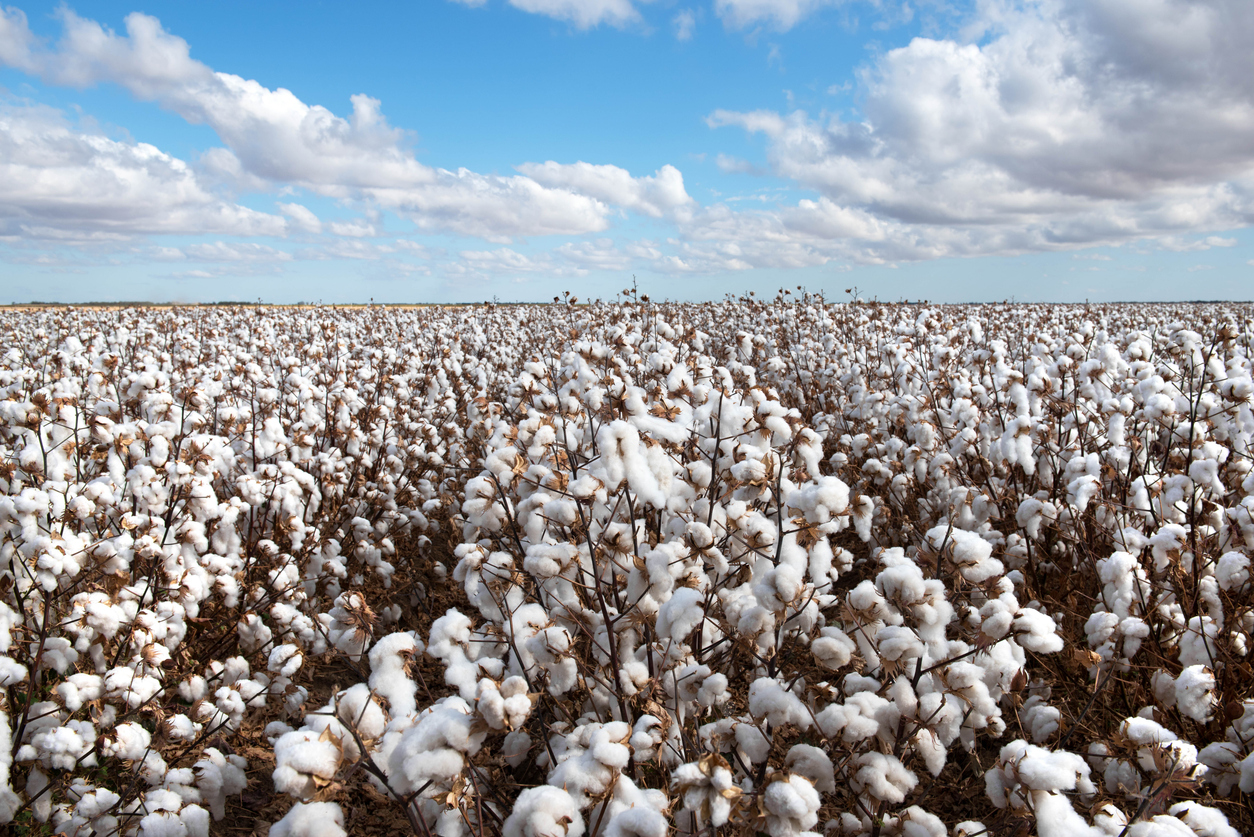
USA - Cotton Producers Face New ARC PLC Decision Deadline
The special provision giving producers the higher of ARC or PLC for 2025 will not continue next year.
22.10.2026
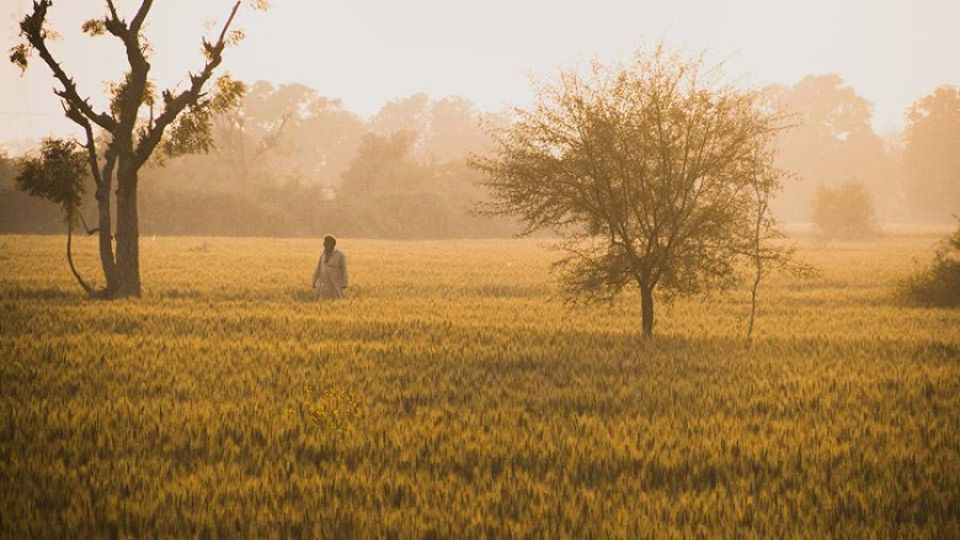
Pakistan - Punjab unveils £300,000 climate-resilient agriculture project for Cholistan and Thal
The Government of Punjab announced a 300,000-pound pilot project to establish climate-resilient agriculture across arid desert regions. The 12-month targeted initiative specifically focuses on farming communities operating within the vulnerable Cholistan and Thal desert ecosystems.
22.10.2026
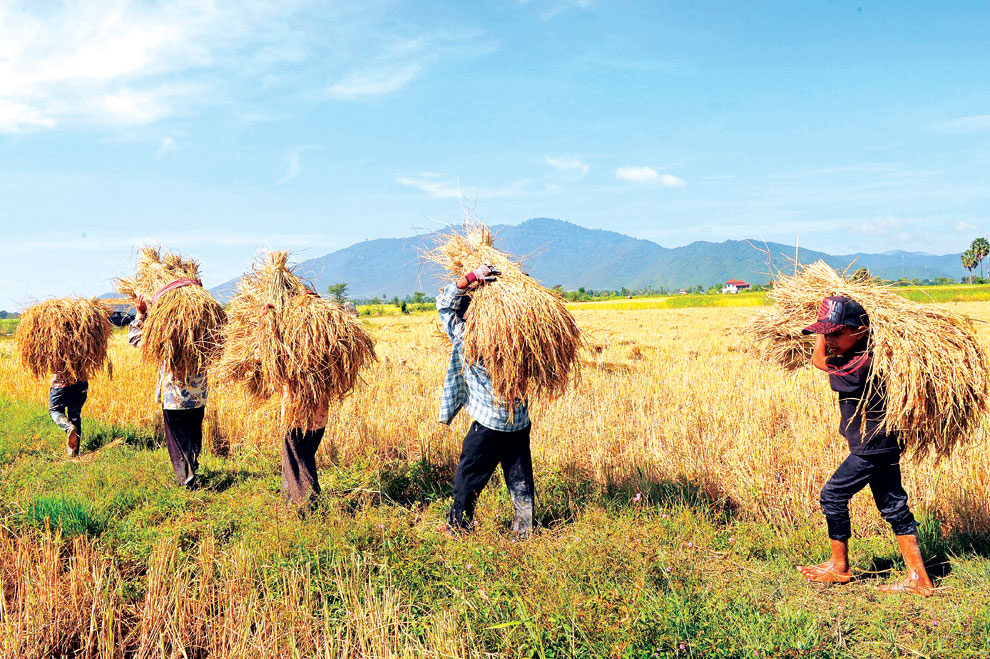
Cambodia looks into insurance scheme for agricultural cooperatives
Cambodia's Ministry of Agriculture, Forestry and Fisheries (MAFF) is looking into a disaster-related insurance scheme designed for modern agricultural cooperatives.
22.10.2026

USA - Dec. 1 deadline set for 2027 pasture and forage insurance
Northeast farmers have until Dec. 1 to secure Pasture, Rangeland and Forage insurance coverage for the 2027 crop year, according to Crop Growers.
22.10.2026
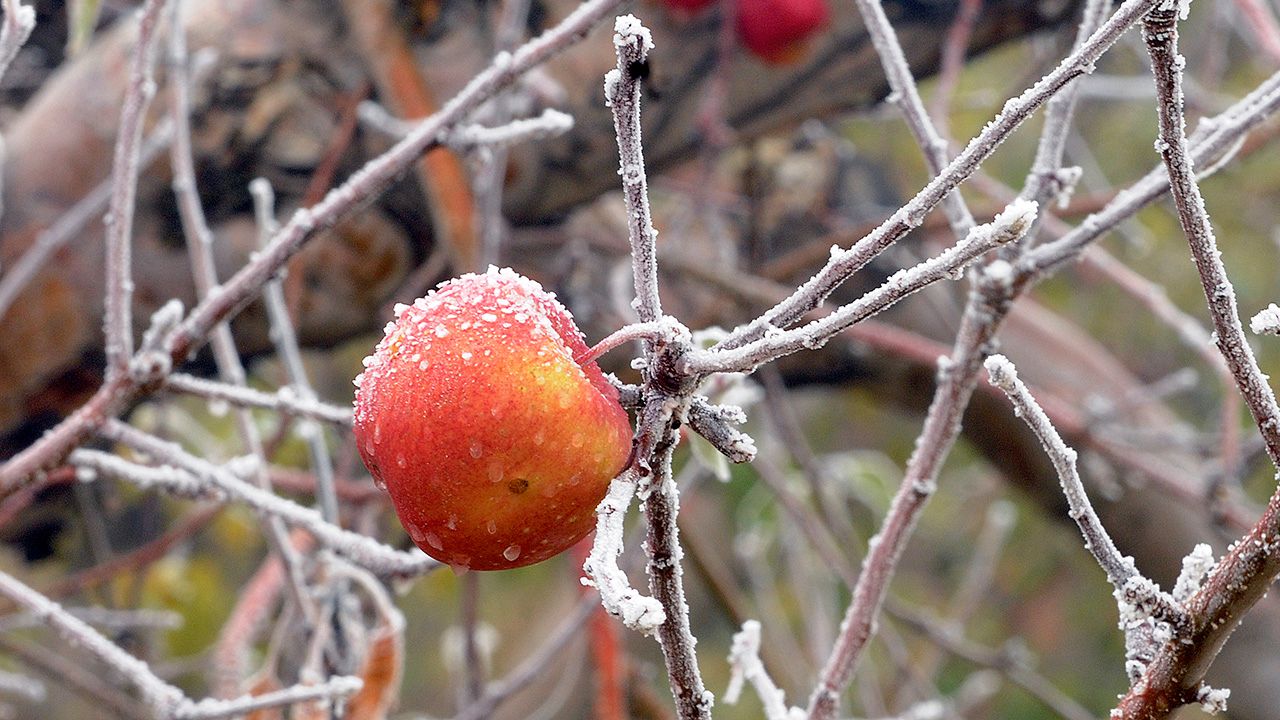
Spring frost hits Polish apple varieties unevenly
Spring frosts have affected Polish apple varieties differently this season, with some performing better than initially expected and others facing substantial losses.
22.10.2026
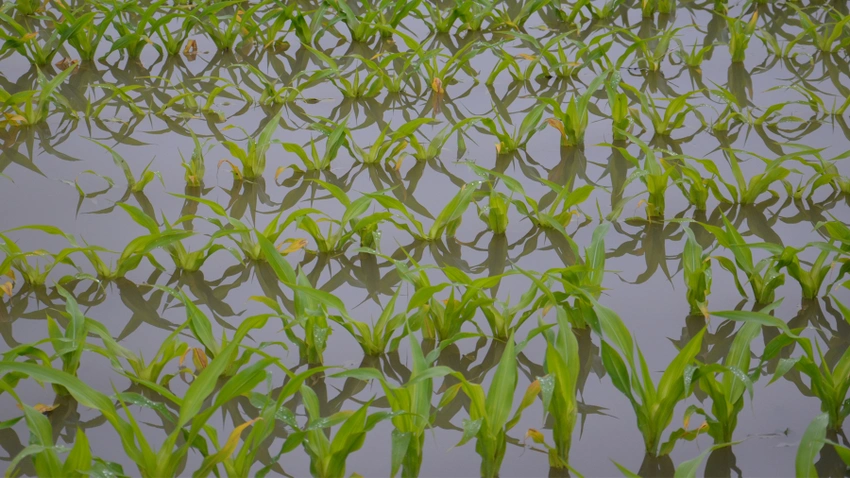
Spain - Flooded fields in Valencia and Alicante and 130 hectares of greenhouses affected in Almería
The arrival of storm Adam on the Mediterranean coast has brought heavy rainfall that has hit the Valencia region hardest, particularly the coastlines of the provinces of Valencia and Alicante, though the inclement weather has also hit other regions including Andalusia, Catalonia, and the Balearic Islands.
21.10.2026
India - Government launches Pashudhan Bima Portal to streamline livestock insurance, claims and monitoring
The Government today launched Pashudhan Bima Portal in New Delhi. The Portal will provide a single, integrated digital platform for livestock insurance, enabling streamlined policy issuance, claim processing, monitoring and reporting in case of animals insured under the Livestock Insurance Scheme of the Department of Animal Husbandry and Dairying.
21.10.2026

Malaysia - Perak Perhilitan monitoring elephant herd after crop destruction complaints
The Perak Department of Wildlife and National Parks (Perhilitan) has received six official complaints this year from oil palm smallholders in Kampung Perlop 1, Sungai Siput, over wild elephants destroying crops and plantation infrastructure.
