

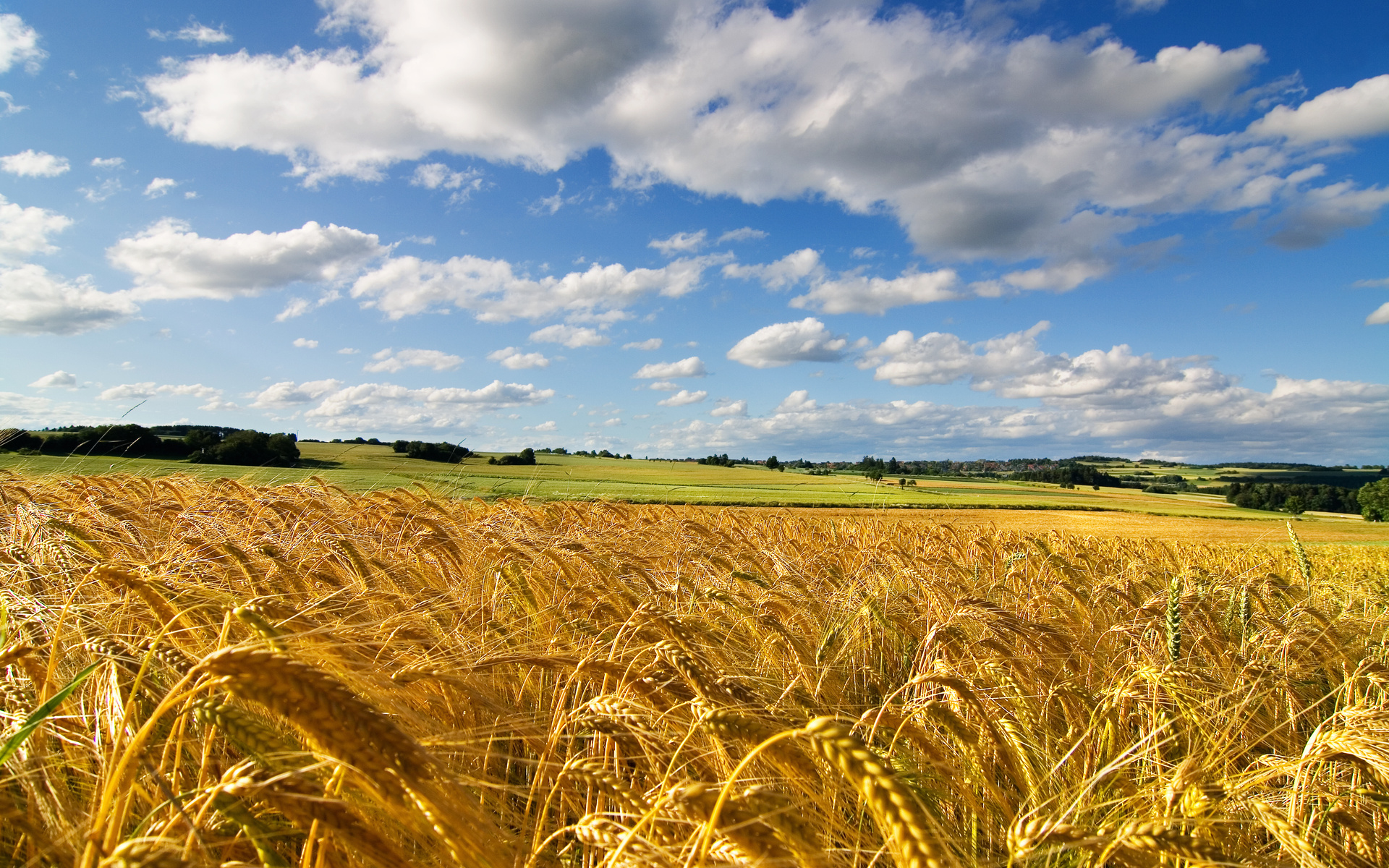
Canada - A whole-farm approach
19.01.2016 318 views
If you think the future of government support for agriculture lies in doing more of the same but only better, you’ll get little comfort from Manitoba’s Agriculture Risk Management Review Task Force report released last week.
The 25 recommendations and the supporting appendix report should also make you a little uncomfortable if you think the way we farm in this province is just fine the way it is.
That’s not to say there aren’t some encouraging recommendations, starting with an acknowledgment that governments have a role in helping farmers insure against increased weather risks from climate change. There is also recognition of the need for publicly supported research and extension.
But there is no solace to be found in the findings of two independent studies on how climate change may affect the actuarial soundness of current government programs. Those reviews of the AgriInsurance program were conducted by Agriculture and Agri-Food Canada (AAFC) and the Organization for Economic Cooperation and Development (OECD).
They found “… that the average annual deficit for the program (extent to which payouts exceeded premiums paid by both producers and government) remained similar when the results for the historic period were compared to the future climate change scenarios,” says the appendix report prepared by Darren Swanson of the International Institute for Sustainable Development (IISD). “In fact, the deficit declined slightly with climate change, in part owing to lower average yields and therefore slightly lower exposure.”
That’s right, lower average yields.
We all know the danger of using averages as a guide. Some farmers in 2011 suffered “weather whiplash” — too much moisture in the spring and drought later in the year. Overall precipitation may have averaged out, but the effects on farmers’ bottom lines were pretty extreme.
Not surprisingly, this report places the front-line responsibility for adapting to climate change squarely onto farmers and points out that government’s role through insurance is to share risk, not compensate, and that programs should inspire innovation by encouraging best management practices.
We see references to “empowering” farmers to take ownership of their own business risk management. And there is this statement in the appendix report in reference to the 2011 study by the OECD: “Reducing the role of the government in risk management is a first step in allowing proactive approaches to risk management to emerge.”
It points to the New Zealand crop insurance experience: “production intensity, development of new/marginal lands, fertilizer use and cropping of high-risk land all decreased when subsidies were eliminated.” That was considered a good thing.
The supporting documents suggest the biggest risk to governments is to offer programs that mask incentives for farmers to change how they operate in order to reduce their own exposure.
“There is a need to develop and expand alternate cropping options that could counteract adverse climatic conditions. It was noted that uptake has been painfully slow, but there are existing options and existing models for alternate production practices that can mitigate the impact of severe climatic shifts,” the task force reports. “Examples include intercropping, crop rotations that include nitrogen fixation plant species, perennial cereal varieties, and organic production.”
As well, these options are poorly supported within current business risk management programs. “As these options become further advanced and available, business risk management (BRM) programming needs to evolve and support these options; certainly the BRM options must not discourage these new and different production modalities.”
The 2011 OECD study concluded: “The major policy challenge in Canada is to maintain farmers’ incentives to proactively develop risk management strategies and improve the targeting policies to income risk… In most cases, this means that the government should do less rather than more, and do it more simply.”
Hence, the task force recommendation that the province explore the introduction of whole-farm revenue insurance as a replacement for AgriStability. It is seen as a means of reducing program exposure and keeping the premiums farmers pay within reason.
Insurance under a whole-farm approach would be based on the farm’s total revenue, not on a crop-by-crop basis. That is expected to foster diversification, a form of self-insurance.
Considered in their entirety, the recommendations imply that the production culture that has been fostered within agriculture — and heartily embraced by farmers — faces a fundamental shift. It also suggests that the best way for government to help farmers adapt to climate change — is to help a little less.
Source - manitobacooperator.ca
EVENTS

ScaleAgData Stakeholder Engagement Event
22.10.2024The ScaleAgData project is pleased to invite you to our second stakeholder event. Building on the discussions and connections formed during our first webinar, this event will focus on fostering collaboration among stakeholders, providing updates on our project’s progress, and outlining future opportunities for engagement.
RISK EVENTS

Moldova - May frosts caused heavy damage to fruit orchards
10.05.2026The first frosty nights of May have significantly worsened estimates of damage to Moldova's fruit sector from spring frosts. According to initial assessments by fruit market operators, between a quarter and a third of the country's total orchard area was seriously affected.
26.05.2026
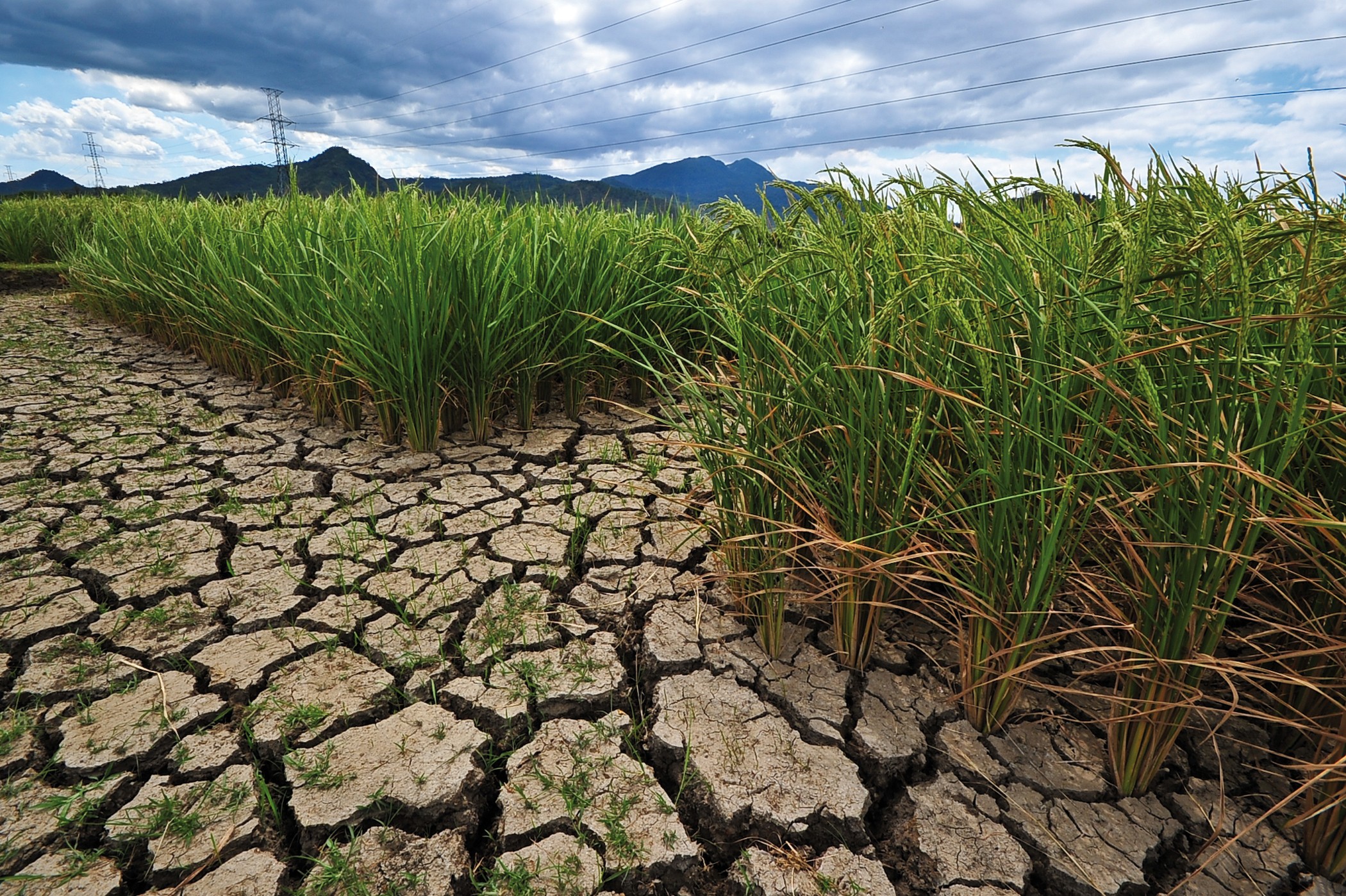
“Timac Agro Ukraine” launches crop insurance against drought
Timac Agro Ukraine, in collaboration with the insurance company PZU, has launched a crop insurance program against drought for farmers in five regions of Ukraine.
26.05.2026
Hansen announces "dialogue with the EIB on new agricultural insurance models"
Integrated European framework for climate resilience 'is on the way'.
26.05.2026
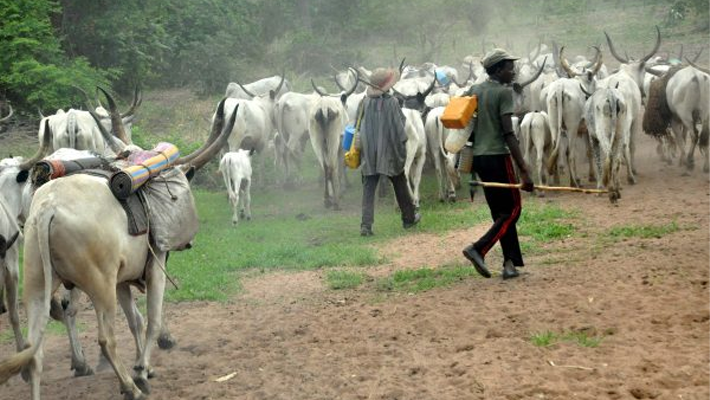
Nigeria - Oyo Steps up Enforcement Against Illegal Livestock Trading, Open Grazing
The Oyo State Government has stepped up enforcement against illegal livestock trading and open grazing, arresting offenders and impounding animals in parts of Ibadan during a fresh compliance operation.
26.05.2026
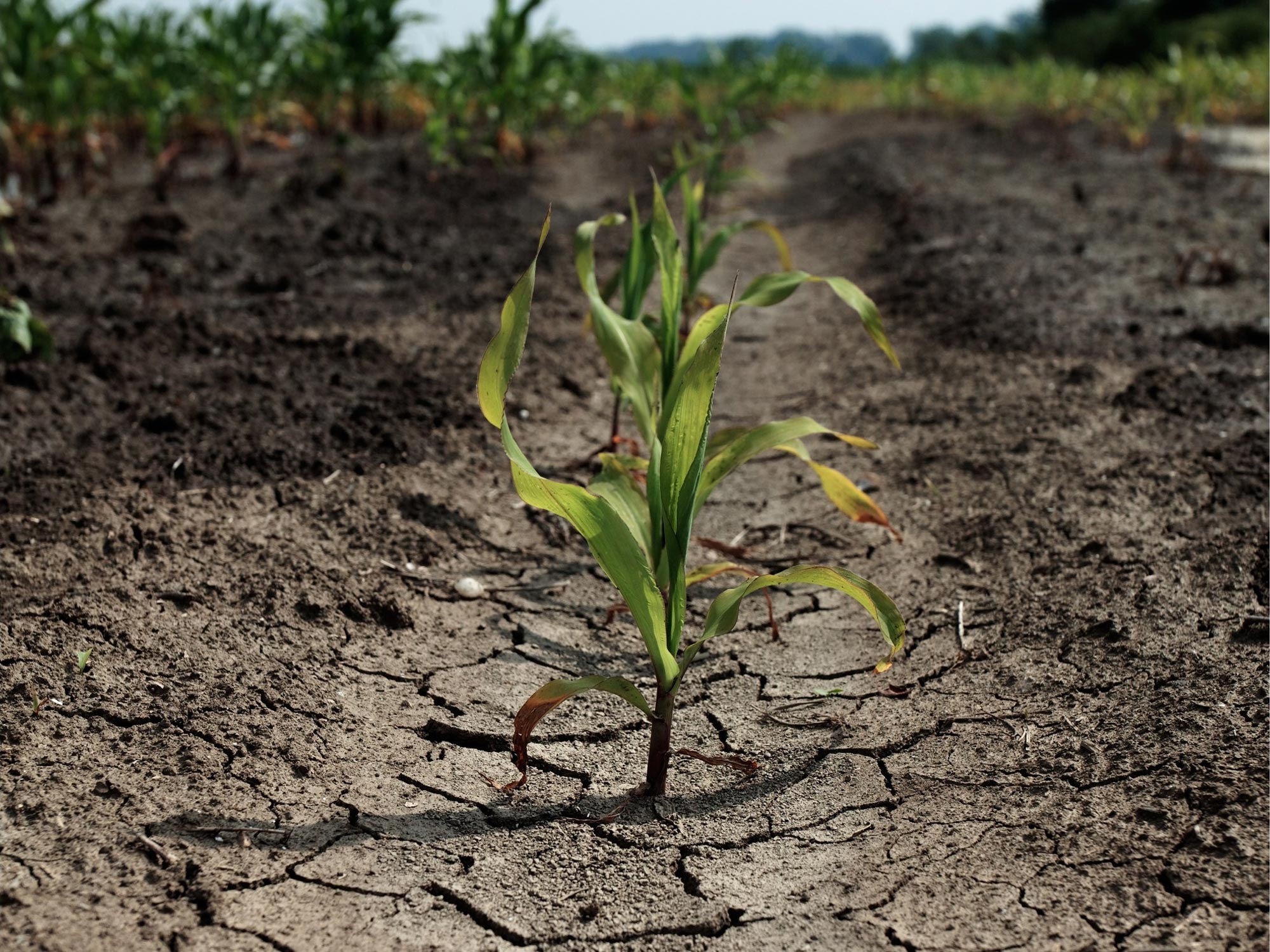
Philippines - Tacloban braces agri, health mitigation measures amid looming super El Niǹo
The City Government of Tacloban has intensified its preparations and mitigation measures as the threat of a possible Super El Niño continues to loom over several parts of the country, bringing concerns over prolonged dry spells, water shortages, and impacts on agriculture and public health.
26.05.2026
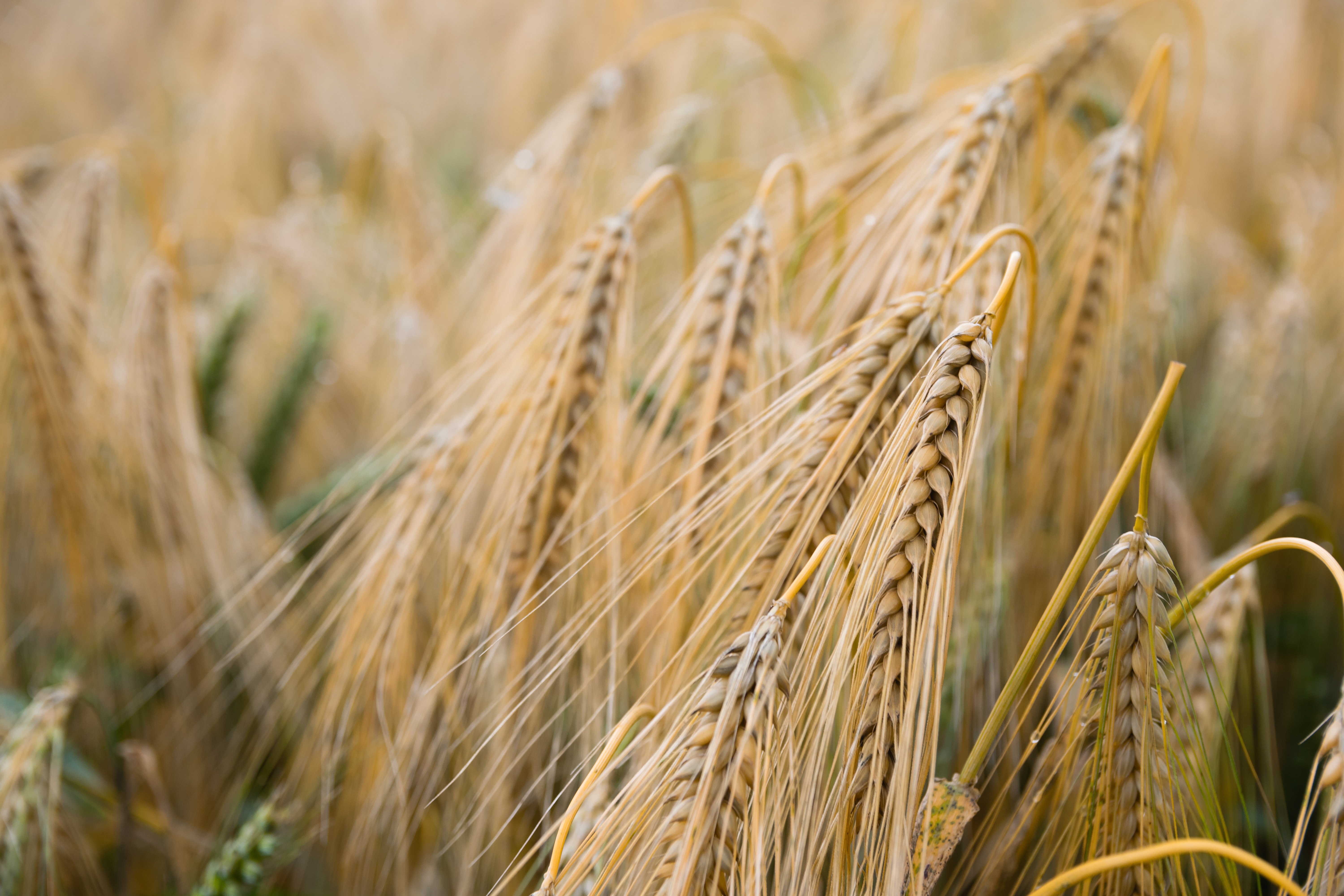
India - Punjab Govt Deploys 500 Teams for Special Girdawari as Rains Damage Wheat
In Punjab, to calculate the damage done to the standing crops in the fields due to the inclement weather for the last many days, the state government has formed teams of 500 officials from the agriculture department to assess losses.
26.05.2026
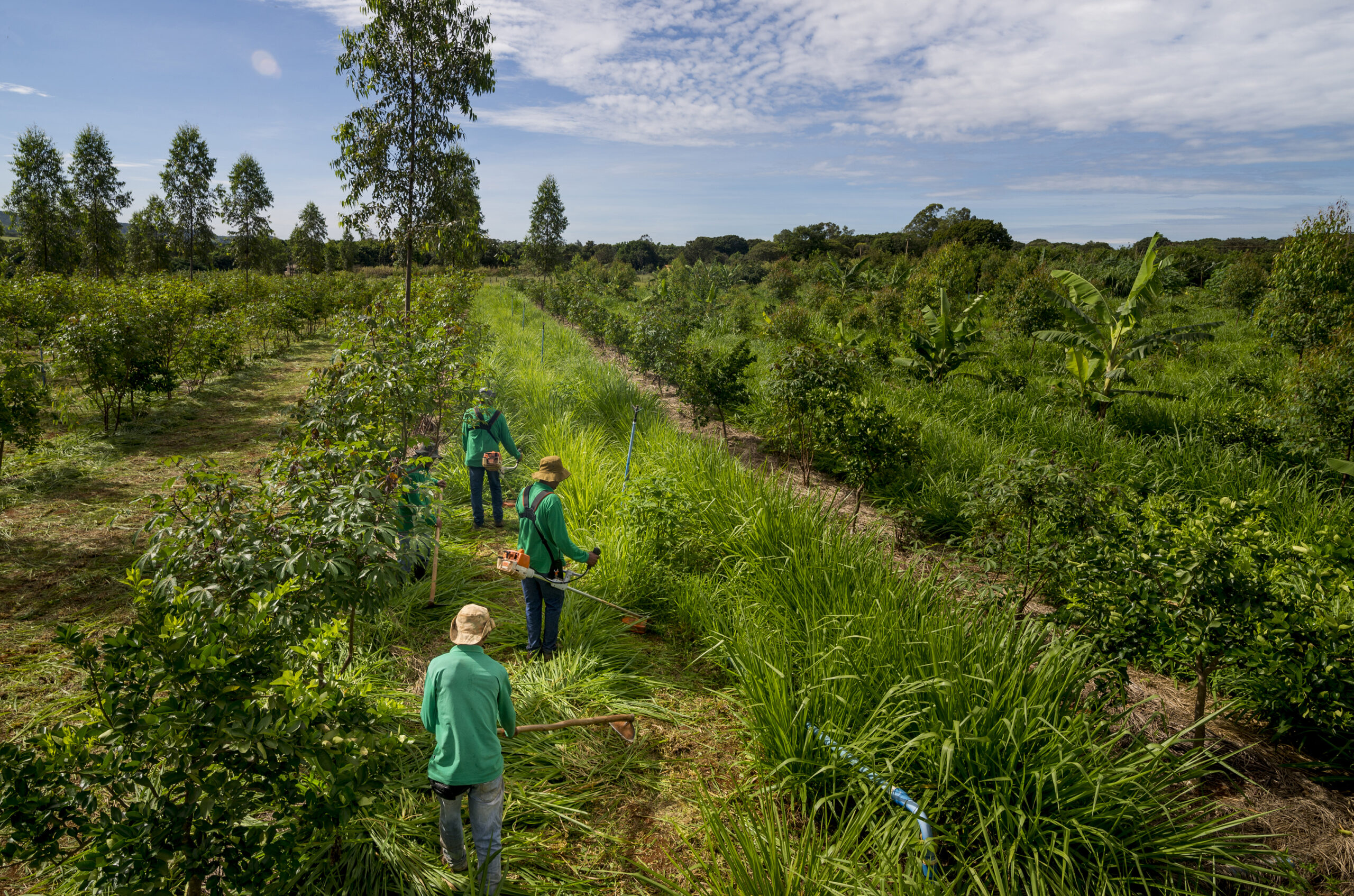
Brazil - Agricultural insurance plummets in Paraná, putting the sector at risk.
Cevio Alberto Mengarda, a soybean and corn producer in Marechal Cândido Rondon, in the western region of Paraná, followed in his father's footsteps in agriculture and today manages the family property.
25.05.2026
Algeria - CASH Assurances to diversify into agriculture insurance
CASH Assurances will launch agriculture insurance plans in June 2026, as part of its diversification strategy.
25.05.2026
U.S. specialty crop growers push for stronger Farm Bill support
Specialty crop growers in the U.S. are calling for stronger support measures in the 2026 Farm Bill, particularly around risk management, market access, and crop insurance.
