


Canada - Weather derivatives to mitigate weather risk to crops
24.11.2015 369 views
Agriculture may be the most weather-impacted industry on the planet — by far — but it isn’t the only industry that’s affected by the vagaries of temperature and rain. It’s estimated that a third of the United States’ GDP and 70 per cent of firms in the United Kingdom are also exposed to weather risk.
Recently, Canadian farmers have begun exploring the use of weather derivatives to mitigate weather risk, particularly for higher-value crops like seed. It’s a relatively new tool for farmers, but weather derivatives were first introduced as long ago as the 1990s as a way for the energy sector to hedge against temperature-based usage swings. Soon other industries began using them too, such as retail and tourism, for example ski resorts.
In the last few years, North American farmers have dabbled in weather derivatives (WD) to hedge against non-catastrophic but yield-impacting weather such as abnormal temperatures or precipitation. “The energy sector has used WD for quite some time, but agriculture is starting to show some interest,” says Sylvain Charlebois, University of Guelph professor and one of the authors of “Weather risk management by Saskatchewan agriculture producers.”
A couple of years ago Charlebois, Saqib Khan and Morina Rennie surveyed Saskatchewan farmers and found about 9.3 per cent of the respondents had used weather derivatives and not surprisingly, most had used crop insurance. Of the sample of 397 respondents, 307 used insurance products, 37 used weather derivatives and 32 had used both within the past three years. “Weather derivatives are not widely used,” concludes Charlebois.
One of the main reasons weather derivatives aren’t used often in agriculture is lack of awareness and understanding, says Charlebois. In their survey, about half of the respondents who did not use weather derivatives weren’t even aware of this tool and another third felt they didn’t have enough skill in derivatives to utilize them.
More on Country Guide: Marketing crops in weather extremes
Yet compared to most small businesses, North American farmers in general are more involved in using derivatives, mainly through commodity futures contracts for price-risk management. And there’s growing interest in weather protection.
More farmers are looking to mitigate weather risk as they grow higher-value crops and operate on a larger scale. Plus there’s the looming impact of climate change. In the Saskatchewan survey, 78 per cent of the respondents reported their farming business had suffered financial losses within the past three years due to weather-related events.
Basically, a WD treats temperature and precipitation as commodities. A derivative is a contract that derives its value from an underlying point, such as an asset, a set interest rate or an index. Although most derivatives are traded off the exchange, standardized weather derivative contracts are now listed on the Chicago Mercantile Exchange (CME), the Intercontinental Exchange (ICE), and the London International Financial Futures and Options Exchange (LIFFE). As trading volumes in these contracts increase, market liquidity and price discovery are improving.
“The Chicago Mercantile Exchange has WDs listed that you can buy yourself, or get them through your broker,” says Charlebois.
The range of products available today can be structured to cover almost any type of weather variable, including temperature, rainfall, snow, wind speed and humidity, and the terms can be as short as a week to as long as several years. Of the 37 respondents of the Saskatchewan survey who did use weather derivatives, about two-thirds used precipitation-related weather derivatives and half used temperature-related products. In general, temperature-related products are most widely traded.
The settlement value of these weather events is determined from a weather index, expressed as values of a weather variable measured at a stated location. For example, in Western Canada, these derivatives are based on the weather stations in Calgary, Edmonton or Winnipeg.
This means the weather index may be based on a monitoring station quite far away from the fields. So it brings into question the usefulness of derivatives based on information taken from hundreds of miles away.
“Canada has always been behind the U.S. when it comes to data mining. This is something we need to get better at,” says Charlebois. “And because of climate change, we need to get better at collecting data on climate patterns.”
As a result, weather derivatives can have greater exposure to basis risk than insurance. Although yields are highly correlated with weather conditions, it’s simply not possible to exactly link only adverse conditions to lower crop yields. Many variables in addition to rain and temperature are at play in growing a crop, with things like timing or soil structure greatly impacting yields.
Compared to crop insurance
Traditionally, farmers have relied on insurance products to hedge weather-related risks, mostly using government crop insurance programs.
Crop insurance claims are settled on the reduction in quantity and quality produced, with payouts calculated according to a base price set at the time the contract is initiated. Programs vary by province and by commodity, but in general coverage is based on the farm’s production averages with the farmer choosing a coverage level of 50, 60, 70, or 80 per cent of these average yields.
The crop insurance payouts are based on the difference between the actual yield and quality versus the expected production, weighted by the coverage level, but the link between the event and the loss of yield and quality has to be proven.
By contrast, weather derivatives are triggered by a specific weather index rather than whether a specific loss can be attributed to this weather.
There is another big difference too. Unlike crop insurance, WDs cover low-risk, high-probability events. They’re designed to hedge against low-severity but high-probability events, like a cooler- or hotter-than-normal summer, or higher- or lower-than-normal precipitation levels.
Whether it’s too hot or too cold may not be catastrophic but we’ve all seen the impact of such events on yields and the fallout on the income side of the balance sheet.
Although a majority of respondents of the Saskatchewan survey used insurance to hedge against weather-related events, they felt their insurance coverage was not sufficient as a tool to manage weather-related risk. Of the 37 users of WD, 43.2 per cent believed that weather derivatives reduce income volatility and 85 per cent said they were helpful in mitigating weather risk.
So what’s stopping the wider use of WD? Some economists have pointed to pricing issues as causing substantial uncertainty for both the farmers and the institution writing the contract. The Saskatchewan survey confirmed this with 35 per cent of WD users finding it too difficult to price these tools.
Charlebois says only a few years later after they did the survey the amount of information about WD available to farmers has increased substantially. “Brokers, banks, can provide information on WD,” he says
Besides, farmers are always looking for better solutions. It’s our nature. More than double the percentage of respondents of the survey said they’d consider using weather derivatives in the future.
“I do expect WD to become more popular in ag as farmers try to find new ways to mitigate risks,” says Charlebois.
Source - http://www.country-guide.ca
EVENTS

ScaleAgData Stakeholder Engagement Event
22.10.2024The ScaleAgData project is pleased to invite you to our second stakeholder event. Building on the discussions and connections formed during our first webinar, this event will focus on fostering collaboration among stakeholders, providing updates on our project’s progress, and outlining future opportunities for engagement.
RISK EVENTS

Moldova - May frosts caused heavy damage to fruit orchards
10.05.2026The first frosty nights of May have significantly worsened estimates of damage to Moldova's fruit sector from spring frosts. According to initial assessments by fruit market operators, between a quarter and a third of the country's total orchard area was seriously affected.
26.05.2026
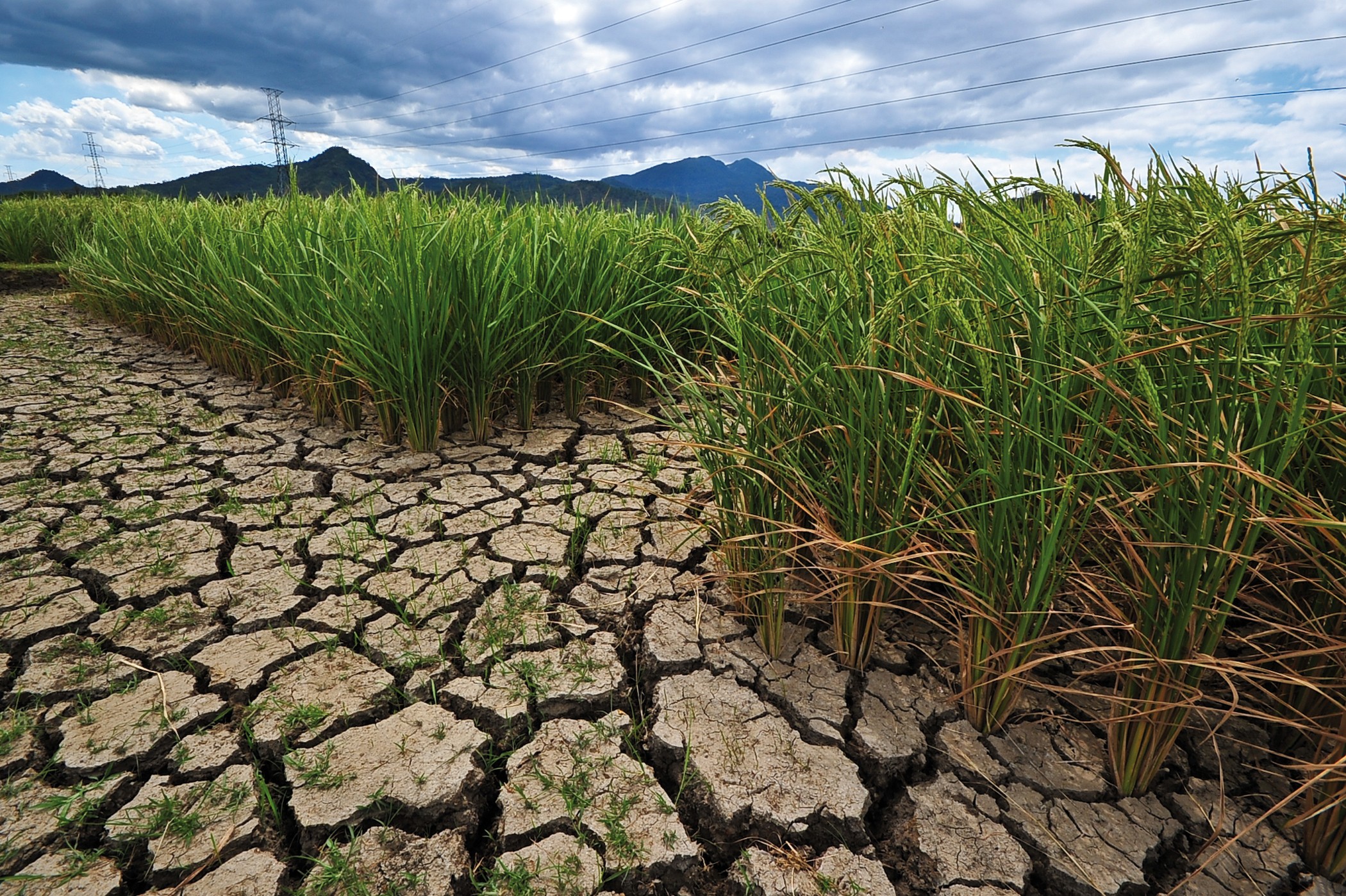
“Timac Agro Ukraine” launches crop insurance against drought
Timac Agro Ukraine, in collaboration with the insurance company PZU, has launched a crop insurance program against drought for farmers in five regions of Ukraine.
26.05.2026
Hansen announces "dialogue with the EIB on new agricultural insurance models"
Integrated European framework for climate resilience 'is on the way'.
26.05.2026
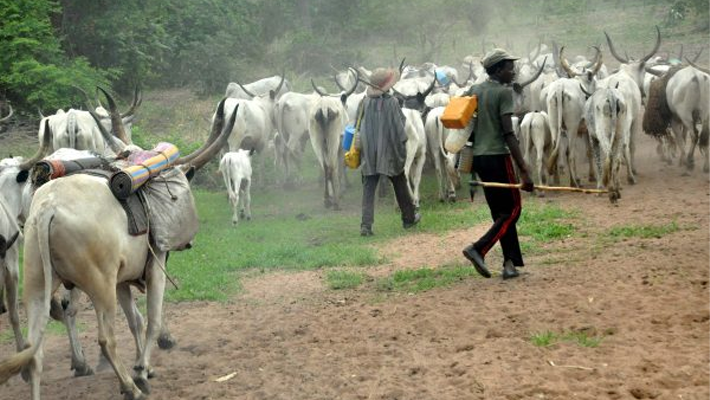
Nigeria - Oyo Steps up Enforcement Against Illegal Livestock Trading, Open Grazing
The Oyo State Government has stepped up enforcement against illegal livestock trading and open grazing, arresting offenders and impounding animals in parts of Ibadan during a fresh compliance operation.
26.05.2026
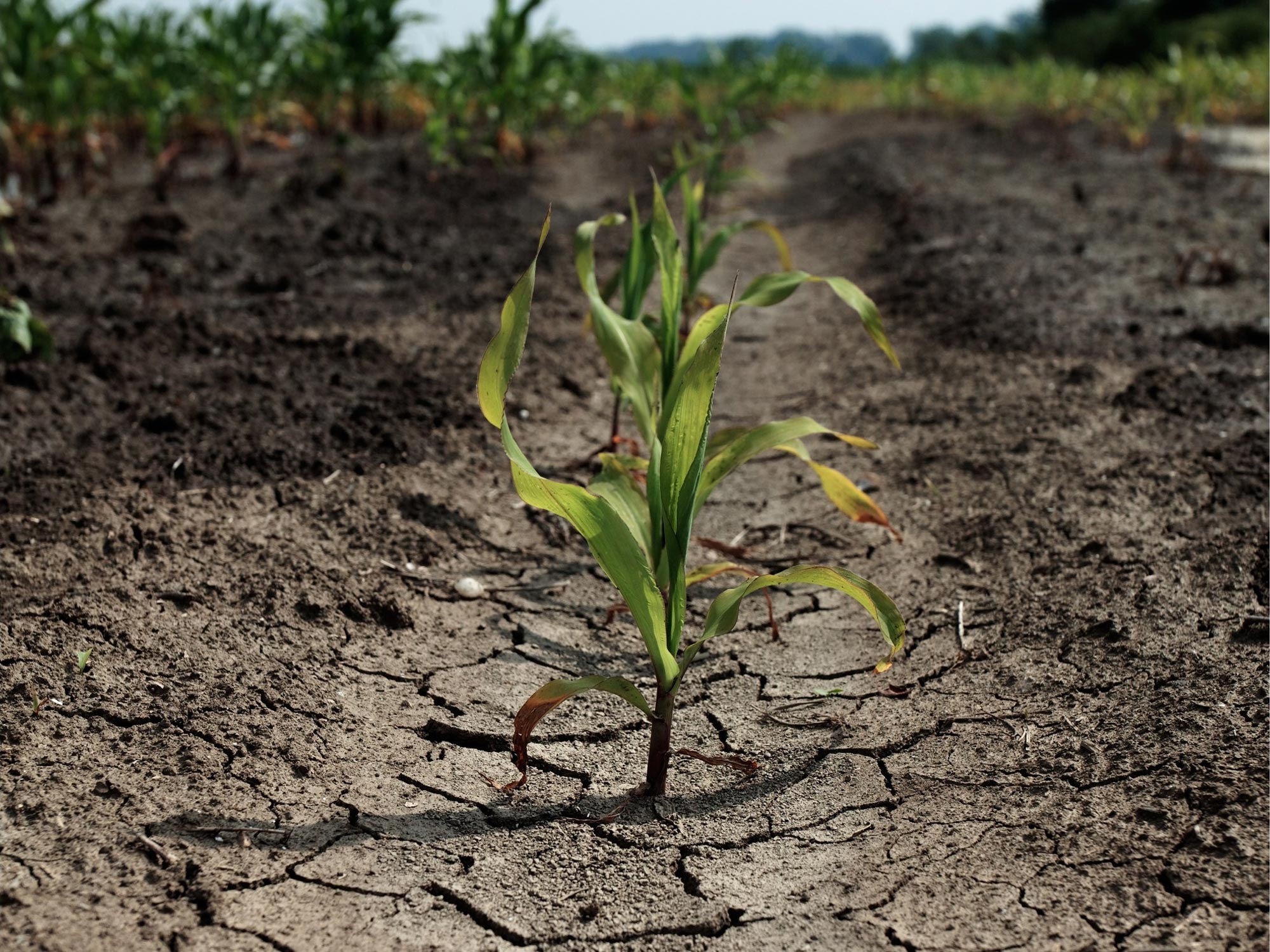
Philippines - Tacloban braces agri, health mitigation measures amid looming super El Niǹo
The City Government of Tacloban has intensified its preparations and mitigation measures as the threat of a possible Super El Niño continues to loom over several parts of the country, bringing concerns over prolonged dry spells, water shortages, and impacts on agriculture and public health.
26.05.2026
India - Punjab Govt Deploys 500 Teams for Special Girdawari as Rains Damage Wheat
In Punjab, to calculate the damage done to the standing crops in the fields due to the inclement weather for the last many days, the state government has formed teams of 500 officials from the agriculture department to assess losses.
26.05.2026
Brazil - Agricultural insurance plummets in Paraná, putting the sector at risk.
Cevio Alberto Mengarda, a soybean and corn producer in Marechal Cândido Rondon, in the western region of Paraná, followed in his father's footsteps in agriculture and today manages the family property.
25.05.2026
Algeria - CASH Assurances to diversify into agriculture insurance
CASH Assurances will launch agriculture insurance plans in June 2026, as part of its diversification strategy.
25.05.2026
U.S. specialty crop growers push for stronger Farm Bill support
Specialty crop growers in the U.S. are calling for stronger support measures in the 2026 Farm Bill, particularly around risk management, market access, and crop insurance.
