

Could Satellites Change Systems for Farming and Aquaculture?
21.10.2015 293 views
Developments in satellite, space and tracking technology are starting to have repercussions far beyond field mapping for crops and GPS guidance systems for farm machinery.
This new technology is now touching all aspects of food production from livestock and arable farming to aquaculture and along the food production chain through the processor to the consumer.
According to Dave Ross, senior researcher at the Scottish Rural College, SRUC, speaking at the Satellites for Agri-Food Consortia Building Workshop in London, satellite technology could play an important role in meeting “the perennial food problem of the increasing population”.
“One of the solutions to this is looking at technology that looks at sustainable crop, food and livestock production – sensing systems to accurately monitor all aspects of the food chain,” he said.
He said that satellite technology can help in improvements in the yield and sustainability of crop and livestock food products by producing data on the variation in production with sensing systems to accurately monitor aspects of the production system, the acquisition of data and the conversion of this data into information.
This will produce effective crop and livestock production management with production efficiency, better livestock health, sustainability and supply chain compliance, traceability and provenance.
While satellite technology has been an integral part of the cereal and crop sector for some time with precision farming a major element in the concept, other sectors of the food, farming and aquaculture sectors are now looking at the potential the technology offers.
In the cereal and crop sectors, satellites have been used to map fields, monitor and measure soils, help increase yields and cropping densities, understand nutrient imbalances and deficiencies, monitor suboptimal plants and understand and trace irrigation needs and flood risks.
The technology has also been used to monitor weeds and pest movements and crop losses.
Much of this information and these measurements have been gleaned using the European Space Agency’s Sentinel series of satellites orbiting the earth.
However, according to Mr Ross, the capabilities of this satellite system can also help in livestock farming.
The information from the satellites can be used in field monitoring of herd behaviour and livestock tracking and tracing.
It can become an essential part of traceability in the supply chain with both complete herd and flock monitoring and tracking of individual animals.
Through checking livestock movements, it can help in assessing herd health, numbers and feeding habits.
It can help in checking isolation behaviour and identify parturition.
The information received can also identify sub-herd activity and social hierarchies as well as pasture use.
The data received from the satellites can also help monitor grazed area biomass and indicate feed habits and pasture quality.
Mr Ross said that the systems could be used to remotely monitor losses of livestock.
A study on severe lamb losses, “black loss”, in parts of Scotland conducted by the Highlands and Islands Sheep Health Association had found that up to 18.5 per cent of the lambs had disappeared through predators and illness and remote monitoring could help to reduce these losses and the financial loss that accompanies them.
He added that the technology is now being used in Kenya to assist in insurance claims for livestock losses caused through drought.
He said that insurance had not been an option for herders in Northern Kenya, because the insurance companies refused to go to the expense to justify claims by traveling great distances to count dead animals in the cases of drought related deaths.
However, satellite imagery was deployed to assess pasture health and to pay out claims when the images confirmed severe drought conditions.
He said a report on the situation described this use as: “An inspiring application of remote sensing technology to aid in economic development and to deliver a practical solution that makes sound business sense.”
In other areas, data received from satellites has been used to monitor the spread of diseases and help prevent the spread by monitoring animal movements to prevent contact spread. The data can also be used to build models that would show the potential for the spread of diseases to enable precautionary measures to be put in place.
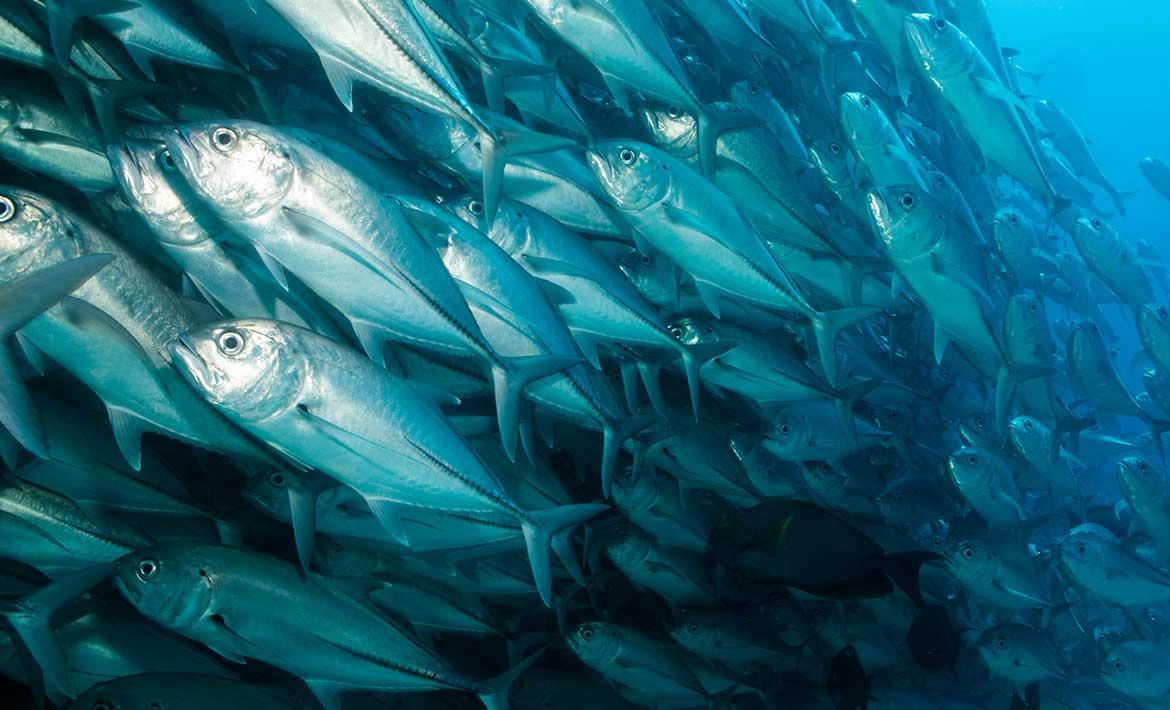
In the aquaculture sector, the ability of satellites, such as the Sentinel series, to map not only land but oceans can give fish farms the information necessary to monitor algae blooms and jellyfish blooms that cause gill damage, depletion of oxygen and taints.
The technology can also detect chlorophyll production, which is an indication of ecosystem productivity for shellfish farming.
It can also help in weather forecasting and monitoring of sea conditions.
Mr Ross said that satellite data can be used in the aquaculture industry for thermal and current imaging in assisting in site selection for fish farms and shell fish farms.
As fish farms are often in remote environments satellites can be used in communications, remote sensing and data networks as well as exploring aquaculture interaction with the environment and animal tracking.
It can give measurements of greenhouse gases in soil and oceans and give indications of ecosystems for the best shellfish production.
Mr Ross added that for the aquaculture sector in particular, the satellite systems that are already available could be used by integrating imaging tools into future regulatory and planning systems and provide “aspirational strategies for satellite based technology to deliver step changes to existing infrastructure”.
The workshop was the launch pad for a nationwide initiative and funding competition to find new concepts and uses for the data and technology available from existing and proposed satellites.
The aim of the competition is to stimulate the development and adoption of new technologies and business models based on the innovative use of satellite technology to improve the productivity of the UK food and farming industries, while addressing the environmental impacts of increased land use and intensification.
The projects have to be led by a business and have to be collaborative.
Small businesses could receive up to 45 per cent of their project costs, medium sized businesses 35 per cent and large businesses 25 per cent.
In all, £3.75 million is available from Innovate UK and the Natural Environment Research Council, with up to £750,000 in funds going to smaller-scale technical feasibility studies and the collaborative projects of up to £1 million sharing the remainder.
Source - http://www.thepigsite.com
EVENTS

ScaleAgData Stakeholder Engagement Event
22.10.2024The ScaleAgData project is pleased to invite you to our second stakeholder event. Building on the discussions and connections formed during our first webinar, this event will focus on fostering collaboration among stakeholders, providing updates on our project’s progress, and outlining future opportunities for engagement.
RISK EVENTS

Moldova - May frosts caused heavy damage to fruit orchards
10.05.2026The first frosty nights of May have significantly worsened estimates of damage to Moldova's fruit sector from spring frosts. According to initial assessments by fruit market operators, between a quarter and a third of the country's total orchard area was seriously affected.
26.05.2026
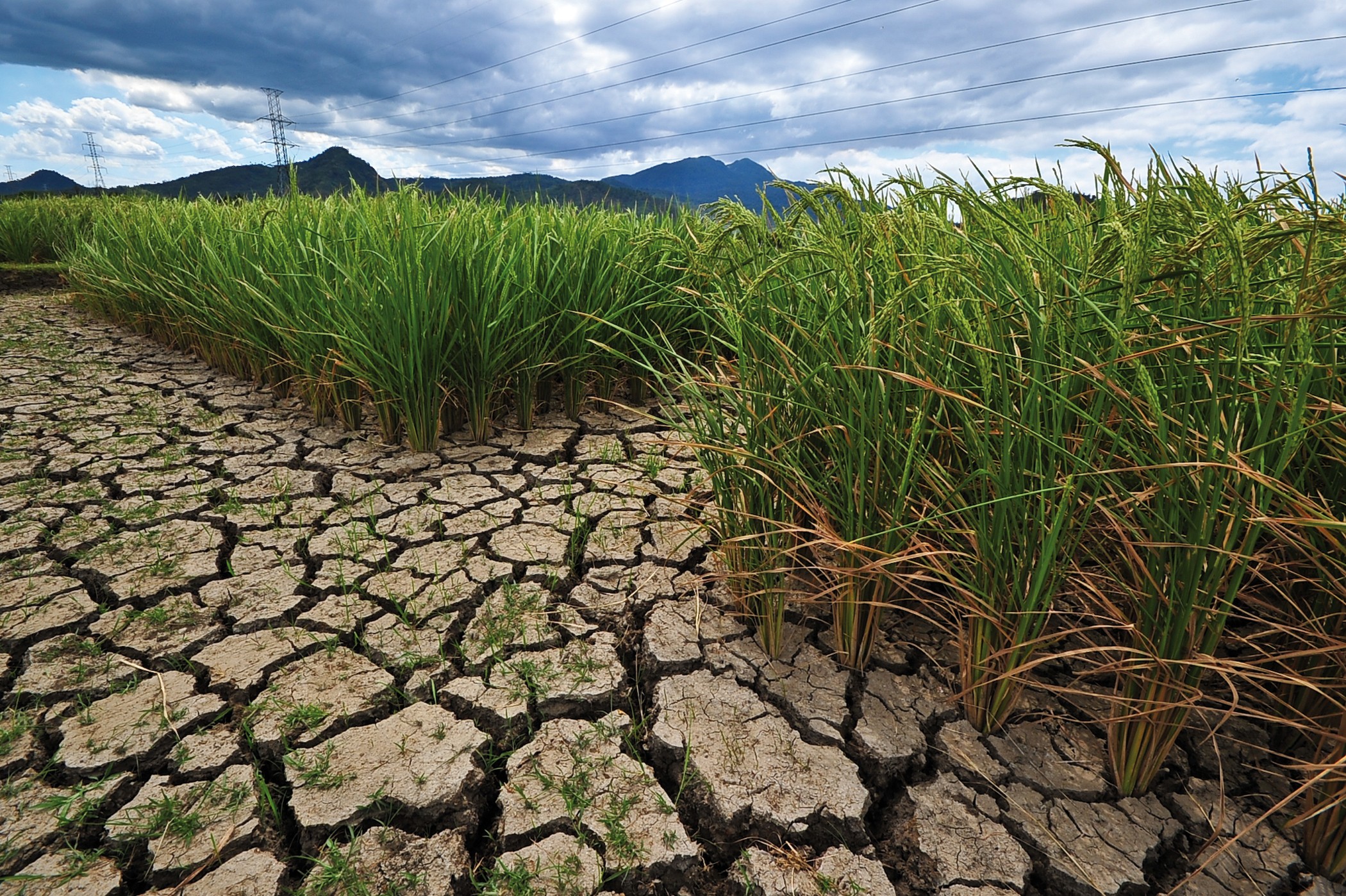
“Timac Agro Ukraine” launches crop insurance against drought
Timac Agro Ukraine, in collaboration with the insurance company PZU, has launched a crop insurance program against drought for farmers in five regions of Ukraine.
26.05.2026

Hansen announces "dialogue with the EIB on new agricultural insurance models"
Integrated European framework for climate resilience 'is on the way'.
26.05.2026
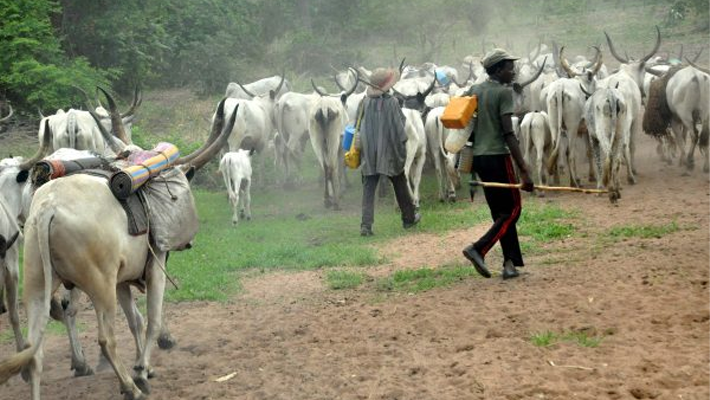
Nigeria - Oyo Steps up Enforcement Against Illegal Livestock Trading, Open Grazing
The Oyo State Government has stepped up enforcement against illegal livestock trading and open grazing, arresting offenders and impounding animals in parts of Ibadan during a fresh compliance operation.
26.05.2026
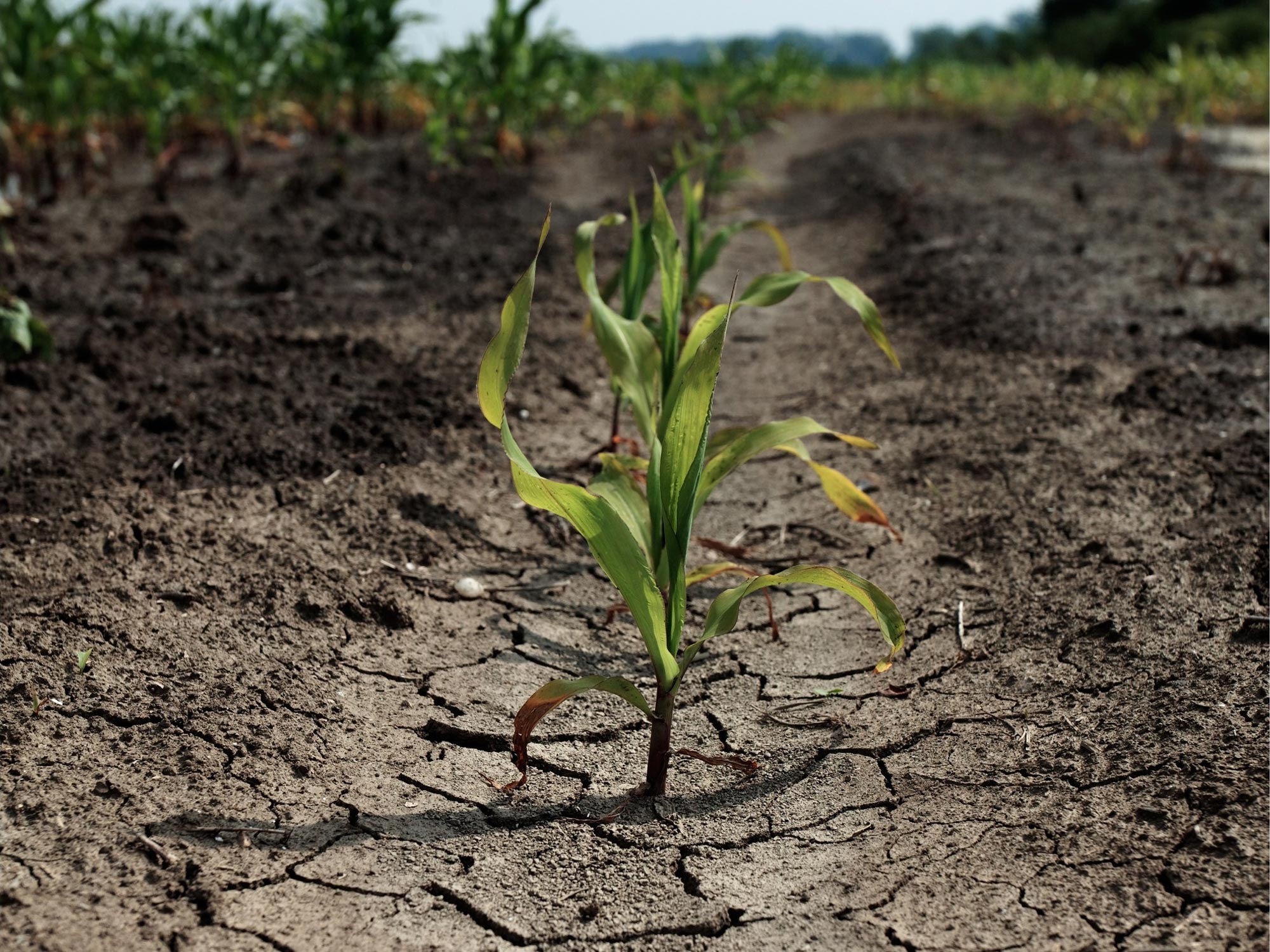
Philippines - Tacloban braces agri, health mitigation measures amid looming super El Niǹo
The City Government of Tacloban has intensified its preparations and mitigation measures as the threat of a possible Super El Niño continues to loom over several parts of the country, bringing concerns over prolonged dry spells, water shortages, and impacts on agriculture and public health.
26.05.2026
India - Punjab Govt Deploys 500 Teams for Special Girdawari as Rains Damage Wheat
In Punjab, to calculate the damage done to the standing crops in the fields due to the inclement weather for the last many days, the state government has formed teams of 500 officials from the agriculture department to assess losses.
26.05.2026
Brazil - Agricultural insurance plummets in Paraná, putting the sector at risk.
Cevio Alberto Mengarda, a soybean and corn producer in Marechal Cândido Rondon, in the western region of Paraná, followed in his father's footsteps in agriculture and today manages the family property.
25.05.2026
Algeria - CASH Assurances to diversify into agriculture insurance
CASH Assurances will launch agriculture insurance plans in June 2026, as part of its diversification strategy.
25.05.2026
U.S. specialty crop growers push for stronger Farm Bill support
Specialty crop growers in the U.S. are calling for stronger support measures in the 2026 Farm Bill, particularly around risk management, market access, and crop insurance.
