

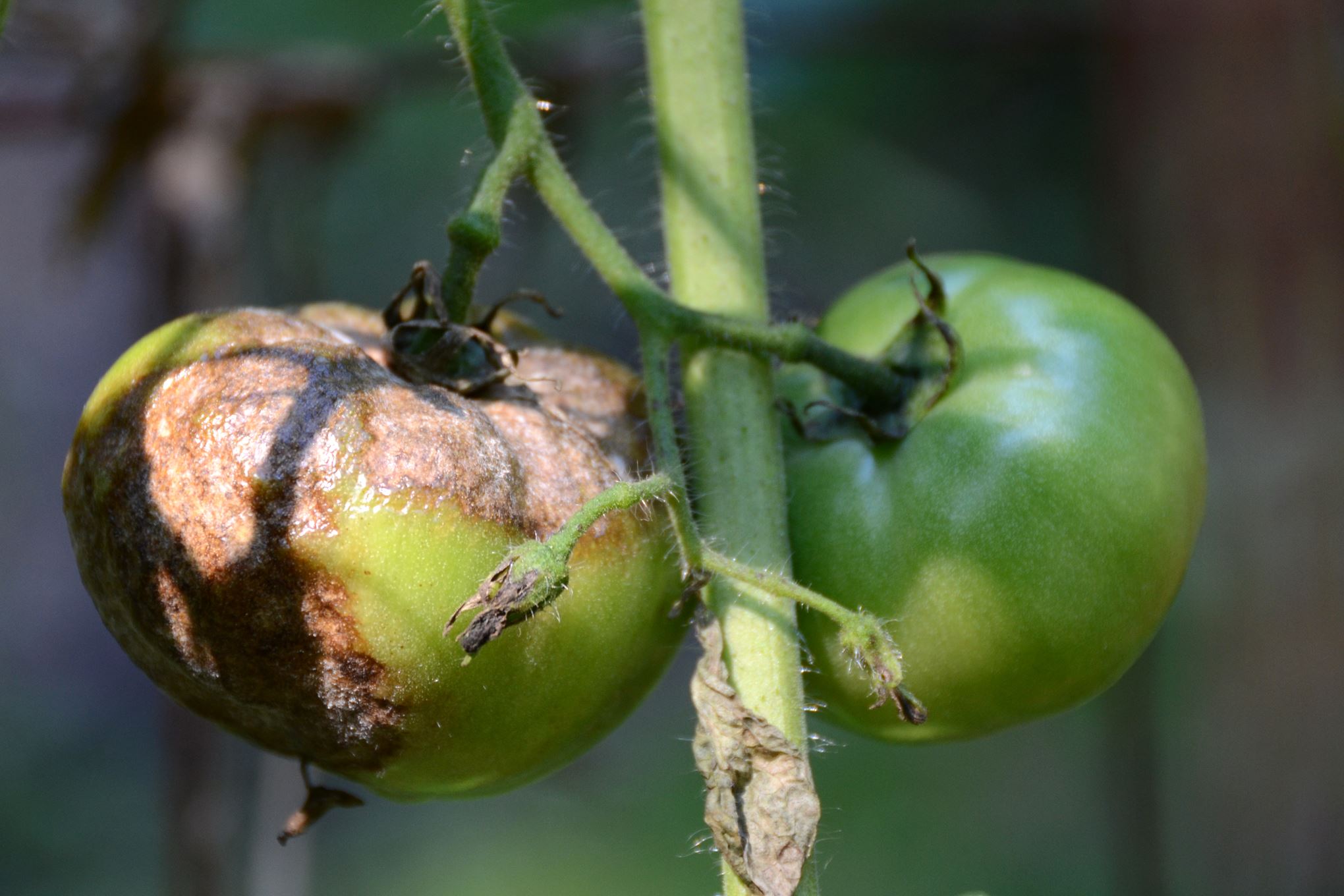
Denmark - Late blight wipes out area tomato crops
03.09.2015 347 views
Late blight, a plant disease that can devastate tomato and potato crops, will end up costing Kellner’s BackAcre Garden $20,000, one of the owners of the Denmark commercial growing operation said.
The disease made an appearance this week in two places on opposite ends of Brown County, causing UW-Extension horticulturist Vijai Pandian to sound the alarm.
“Gardeners need to check for symptoms,” Pandian said Wednesday. “This isn’t just a gardener’s problem, it’s a community problem.”
The disease started with two plants on Kellner’s BackAcre Garden in Denmark late last week and, in just a matter of days, wiped out most of Kellner’s 2,200 remaining tomato plants, said Nancy Kellner, co-owner of the organic garden. Late blight is a fast-moving plant disease spread by spores that can be carried in the air or transferred by contact.
Aside from the operation’s initial investment in the plants, which crews start from seed indoors in the spring, the garden will lose money from loss of income, Kellner said.
“My husband estimates an impact of about $10 a plant,” she said.
And the Kellners need help gathering up all the diseased plants. A crew of three people spent hours working Tuesday night, but the three large piles of dead plants and diseased fruit they gathered represent just a tiny percentage of the huge field of blighted plants the Kellners need to take care of before the next rainstorm spreads the late blight spores even further.
The strategy is to get the plants and fruit into piles, cover them with tarps and let the sun beat down on them, baking them and killing the spores. Only then is the stuff safe for burning or burying, Pandian said. Composting is not an option, because the spores will thrive and spread, he said.
At the extreme opposite corner of Brown County, in the town of Pittsfield, the same disease wiped out 18 tomato plants in a garden shared by property owner Jack Kraszewski and his brother-in-law, Dan Hoffman of Green Bay.
Hoffman had just thinned the lush, bountiful tomato crop days ago and returned this weekend to find all 18 plants dead and the tomatoes blackened, cracked and oozing.
“I salvaged none of them,” Hoffman said. “Everything was dead. Completely.”
Late blight is the same disease that caused the great potato famine in Ireland in the middle of the 19th century. It’s an aggressive airborne disease that can affect every plant related to the tomato, including potatoes, egg plants and peppers, Pandian said. Tomatoes and potatoes are especially susceptible, though no sign has shown up in area potatoes, he said.
Late blight first shows up as white spores on the underside of leaves. Soon after, the leaf will turn brown, then black, and with days the plant itself will collapse and turn black. The tomatoes turn chocolate brown, split open and turn black.
Once it is identified in an area, gardeners within a 25-mile radius need to be on high alert to protect their plants and prevent spreading the disease, Pandian said.
Hoffman’s potatoes did poorly this summer but seemed to be unaffected by the late blight. But the disease took out his tomato plants in a matter of a few days.
His and the Kellners' were the only two reports of the blight in Brown County this summer, but Pandian suspects there have been — and will be — many more plants affected by the disease.
“Many gardeners only notice it at the very late stage, when the plant is collapsing, turning black,” Pandian said. “By that time, it’s too late. Gardeners need to check their tomatoes every day to see if there’s any sign of infection.”
Spraying the plants regularly with copper-based fungicide or chlorothalonil can prevent the disease. Pandian also recommends avoiding overhead irrigation and watering the plants at the base, instead, to avoid infecting them to begin with.
When the disease shows up, preventing spread is crucial, Pandian said.
Don’t let the plants remain there, and don’t compost them. Put the plants and tomatoes in a black plastic garbage bag, seal it and leave it in the hot sun for at least a week, Pandian said. The spores that spread the disease will get cooked out. The plants and fruits can then be buried, burned or sent to a landfill, he said.
Anyone who suspects their plants are infected can bring a sample to the UW-Extension office, 1150 Bellevue St., during regular business hours for a free diagnosis.
Pandian recommended against eating the fruit if the plant shows any sign of the blight.
“Usually the infected fruit has broken skin, and that can harbor pathogens,” he said.
The first report of the blight this year was on June 23, in Adams County. Later reports came from Waushara, Wood, Marquette, Portage, Columbia, Fond du Lac, Polk, St. Croix , Marathon, Walworth and Kenosha counties.
Brown County has had reported outbreaks every year since 2010 except last year, although Pandian says it likely happened then, too, but wasn’t reported.
Source - http://www.greenbaypressgazette.com
EVENTS

ScaleAgData Stakeholder Engagement Event
22.10.2024The ScaleAgData project is pleased to invite you to our second stakeholder event. Building on the discussions and connections formed during our first webinar, this event will focus on fostering collaboration among stakeholders, providing updates on our project’s progress, and outlining future opportunities for engagement.
RISK EVENTS

Moldova - May frosts caused heavy damage to fruit orchards
10.05.2026The first frosty nights of May have significantly worsened estimates of damage to Moldova's fruit sector from spring frosts. According to initial assessments by fruit market operators, between a quarter and a third of the country's total orchard area was seriously affected.
26.05.2026
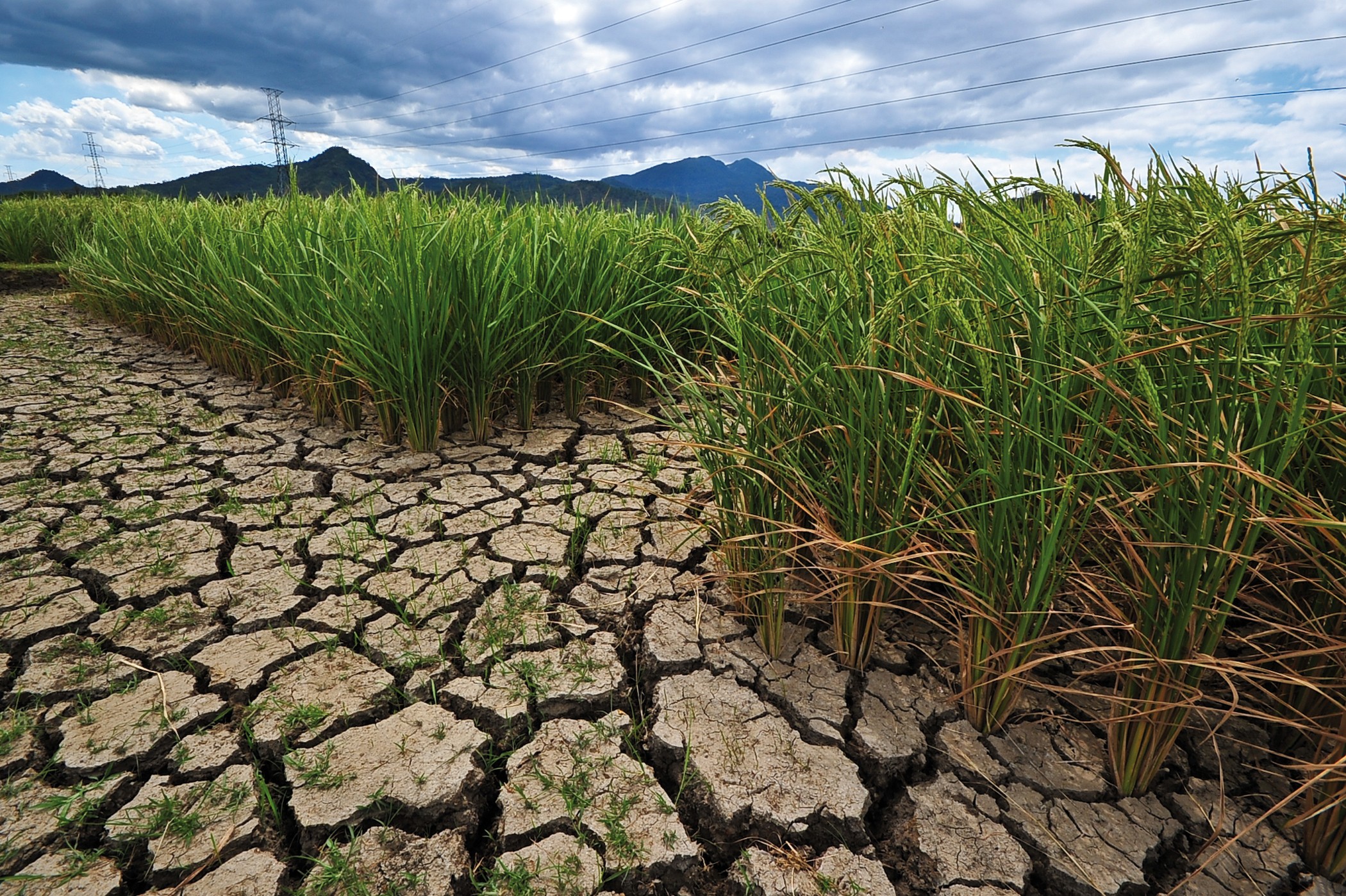
“Timac Agro Ukraine” launches crop insurance against drought
Timac Agro Ukraine, in collaboration with the insurance company PZU, has launched a crop insurance program against drought for farmers in five regions of Ukraine.
26.05.2026

Hansen announces "dialogue with the EIB on new agricultural insurance models"
Integrated European framework for climate resilience 'is on the way'.
26.05.2026
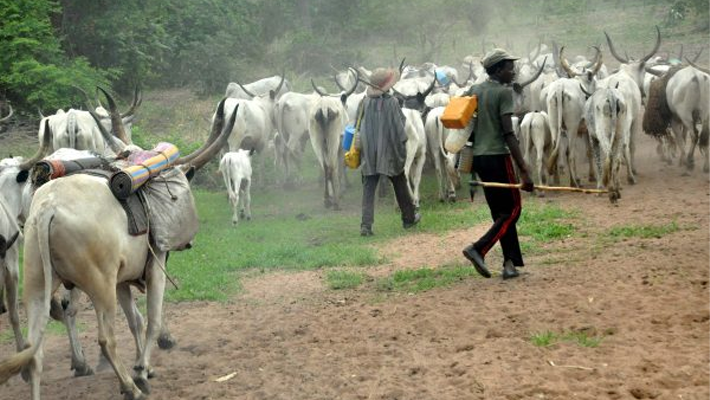
Nigeria - Oyo Steps up Enforcement Against Illegal Livestock Trading, Open Grazing
The Oyo State Government has stepped up enforcement against illegal livestock trading and open grazing, arresting offenders and impounding animals in parts of Ibadan during a fresh compliance operation.
26.05.2026
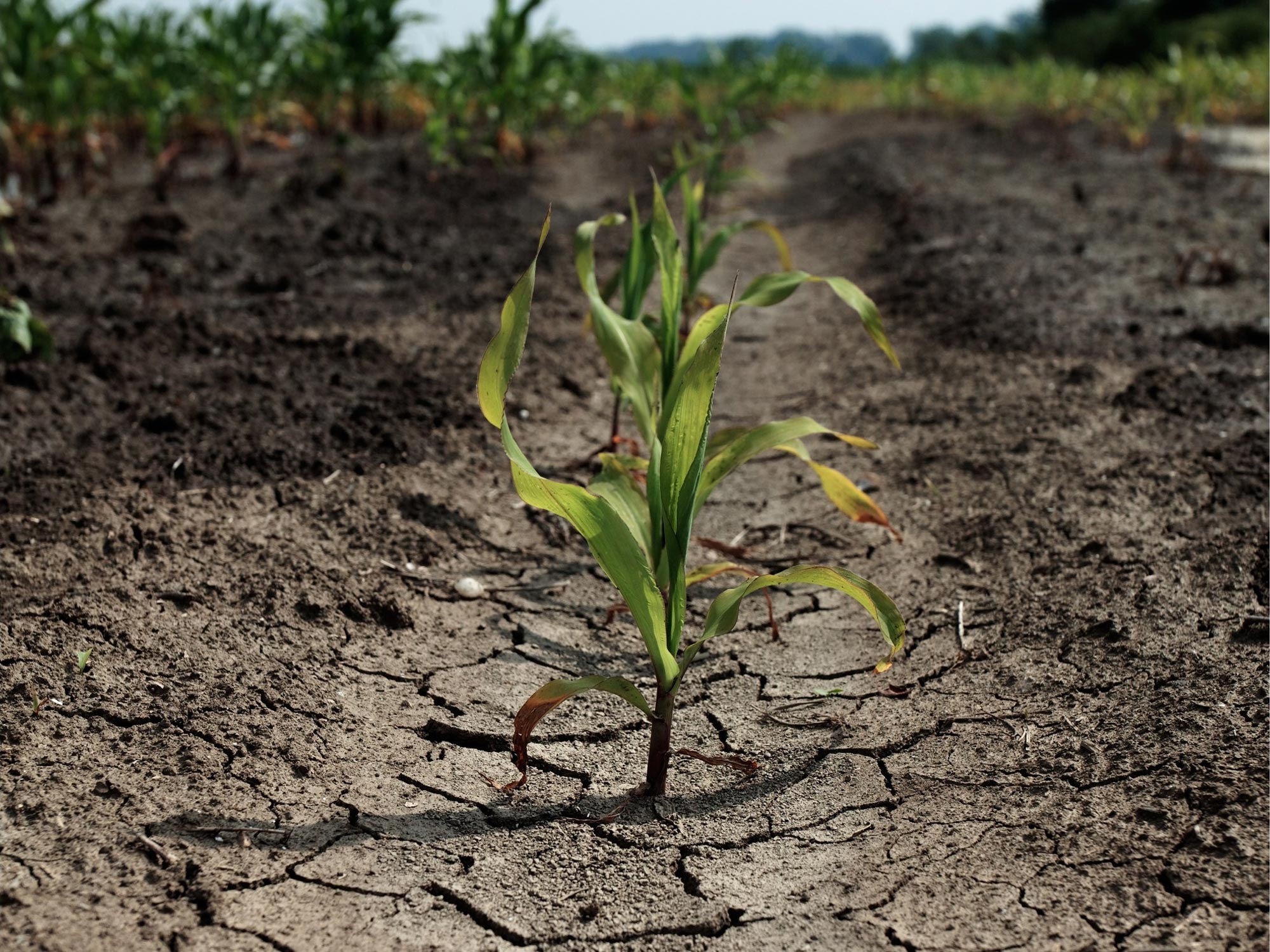
Philippines - Tacloban braces agri, health mitigation measures amid looming super El Niǹo
The City Government of Tacloban has intensified its preparations and mitigation measures as the threat of a possible Super El Niño continues to loom over several parts of the country, bringing concerns over prolonged dry spells, water shortages, and impacts on agriculture and public health.
26.05.2026
India - Punjab Govt Deploys 500 Teams for Special Girdawari as Rains Damage Wheat
In Punjab, to calculate the damage done to the standing crops in the fields due to the inclement weather for the last many days, the state government has formed teams of 500 officials from the agriculture department to assess losses.
26.05.2026
Brazil - Agricultural insurance plummets in Paraná, putting the sector at risk.
Cevio Alberto Mengarda, a soybean and corn producer in Marechal Cândido Rondon, in the western region of Paraná, followed in his father's footsteps in agriculture and today manages the family property.
25.05.2026
Algeria - CASH Assurances to diversify into agriculture insurance
CASH Assurances will launch agriculture insurance plans in June 2026, as part of its diversification strategy.
25.05.2026

U.S. specialty crop growers push for stronger Farm Bill support
Specialty crop growers in the U.S. are calling for stronger support measures in the 2026 Farm Bill, particularly around risk management, market access, and crop insurance.
