


Dominican Republic - HLB reduces citrus production by 40%
11.09.2015 327 views
The Huanglongbing (HLB), or citrus greening disease, which appeared in crops located in Luperon and Imbert, Puerto Plata, in 2008, has been spreading across the country in little more than five years, with dire results.
The disease's destructive power is such that Cuba, the world's sixth largest producer, has been forced to remove 80% of the crops. In the Dominican Republic it has damaged farms in the north, south, east, north-east and south-west. The percentage of the production affected varies somewhat between the official and private sectors, but all conclude that the damage is severe.
Rumour has it that around 40% of the crops may be affected, but other estimates suggest there could be more. Regardless of this, the truth is that there has been a sharp drop in the production of lemons, oranges and grapefruit, among others, since 2008, which has not only taken a toll on investments, but has also affected retail prices.
For example, a lemon unit in May 2014 cost between 15 and 20 pesos, and if the buyer was lucky it could be bought for as little as 12 pesos. 50% of the production of the Citrus Consortium was affected by HLB, according to Ricardo Barceló, practically forcing the group to replant the plantations affected by the disease and look for ways to combat its spread, mainly by switching to greenhouse or controlled environment production, a system that makes production costs five times higher. These plants were brought to the country as buds in partnership with the International Regional Organization for Agricultural Health (OIRSA) and are being grown in controlled environments to ensure they are free from all kinds of diseases.
In 2014, the Huanglongbing affected a total of 31,840.25 hectares of Persian lime, Valencia orange and other citrus fruits, like grapefruit, mandarins and Mexican lime, according to data from the Huanglongbing National Integrated Management Committee. Of the 31,840.25 hectares affected, 18,149 correspond to Valencia varieties, 11,781 to Persian lime and 1,910 to others, like grapefruit or mandarin. Of the country's 32 provinces, the HLB was found in 28.
When a given plantation is affected by a disease, the owner of the farm has several options: switching to a different crop, trying to find a remedy or abandoning it. In the case of citrus in 2013, producers abandoned approximately 1,182 hectares. In the north-west, specifically in Dajabón, almost 19 hectares of Mexican lime were abandoned. 6.3 hectares were abandoned in San Francisco de Macoris (north-east of the country), and another 62.88 hectares in the province of Sanchez Ramírez. In the south, 6.3 hectares of limes were abandoned in Barahona and 12.6 hectares in Bahoruco. In the south-west, 37.7 hectares of Persian limes were abandoned in San Juan and 6.3 hectares in Azua. In Peravia, specifically, Bani, 6.3 hectares were abandoned. 37.7 hectares of oranges in San Cristobal and another 6.3 hectares in Monte Plata were also abandoned. This data was provided by the Ministry of Agriculture.
It has spread from Asia to Honduras
The Huanglongbing is caused by the bacterium Candidatus Liberibacter, originally from Asia, which attacks oranges, grapefruit and all other citrus fruits. When infected, leaves turn yellow, the fruits are deformed and dry inside and although the plant does not die, production is useless. The visible symptoms can appear between three months and five years after the tree has become infected. So far, no cure has been found for this disease, which exists not only in the Dominican Republic, but in the entire world. The disease does not affect humans, according to scientific studies. The Candidatus Liberibacter can be found across south-west Asia (where it started) all the way to Honduras, among other countries.
Source - http://www.freshplaza.com
EVENTS

ScaleAgData Stakeholder Engagement Event
22.10.2024The ScaleAgData project is pleased to invite you to our second stakeholder event. Building on the discussions and connections formed during our first webinar, this event will focus on fostering collaboration among stakeholders, providing updates on our project’s progress, and outlining future opportunities for engagement.
RISK EVENTS

Moldova - May frosts caused heavy damage to fruit orchards
10.05.2026The first frosty nights of May have significantly worsened estimates of damage to Moldova's fruit sector from spring frosts. According to initial assessments by fruit market operators, between a quarter and a third of the country's total orchard area was seriously affected.
26.05.2026
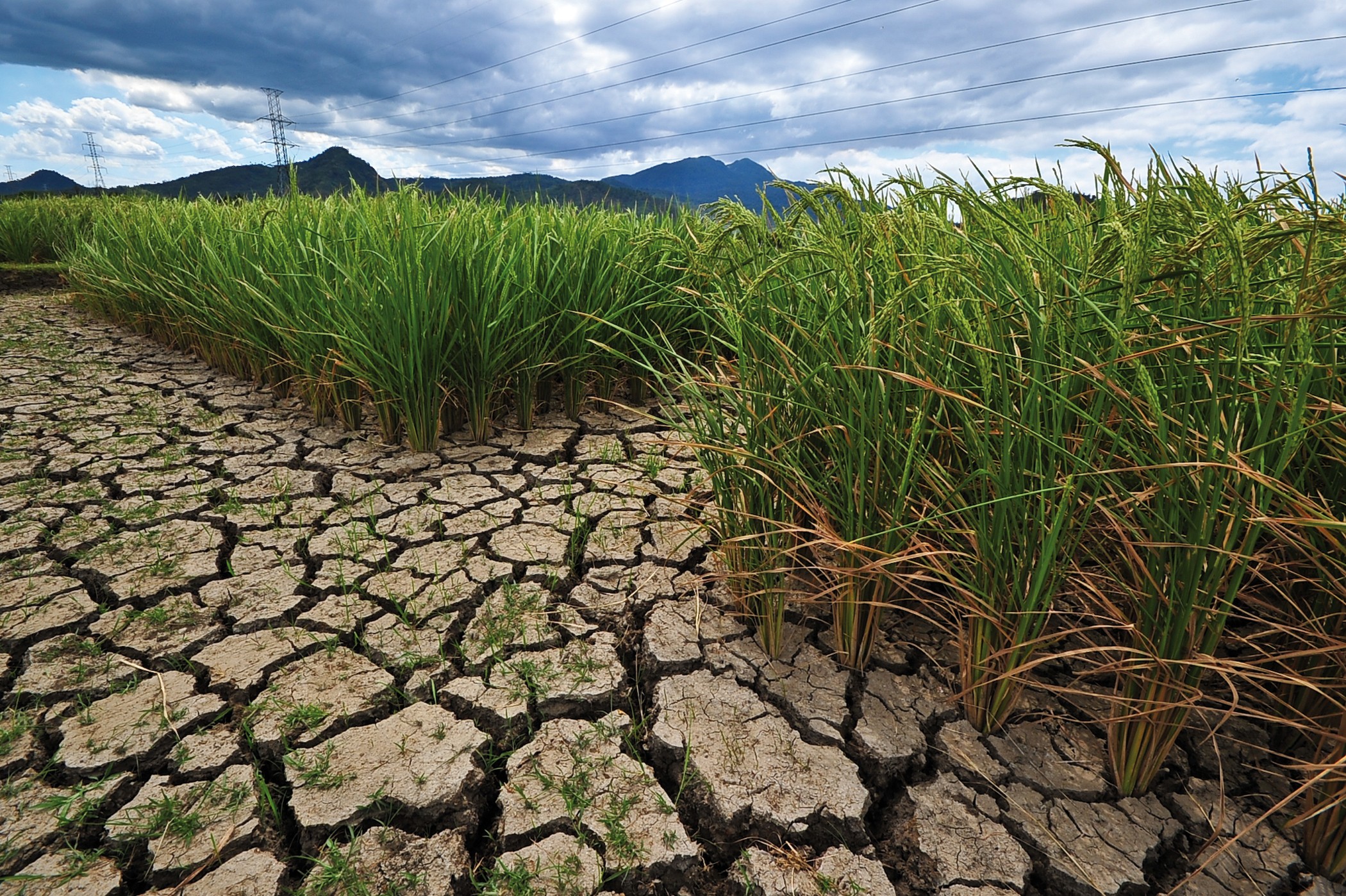
“Timac Agro Ukraine” launches crop insurance against drought
Timac Agro Ukraine, in collaboration with the insurance company PZU, has launched a crop insurance program against drought for farmers in five regions of Ukraine.
26.05.2026

Hansen announces "dialogue with the EIB on new agricultural insurance models"
Integrated European framework for climate resilience 'is on the way'.
26.05.2026
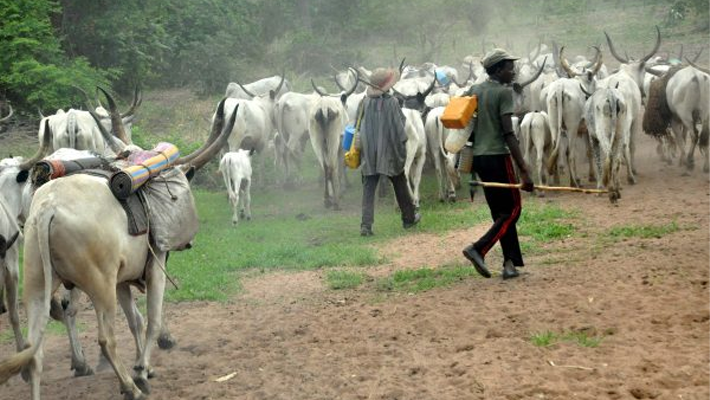
Nigeria - Oyo Steps up Enforcement Against Illegal Livestock Trading, Open Grazing
The Oyo State Government has stepped up enforcement against illegal livestock trading and open grazing, arresting offenders and impounding animals in parts of Ibadan during a fresh compliance operation.
26.05.2026
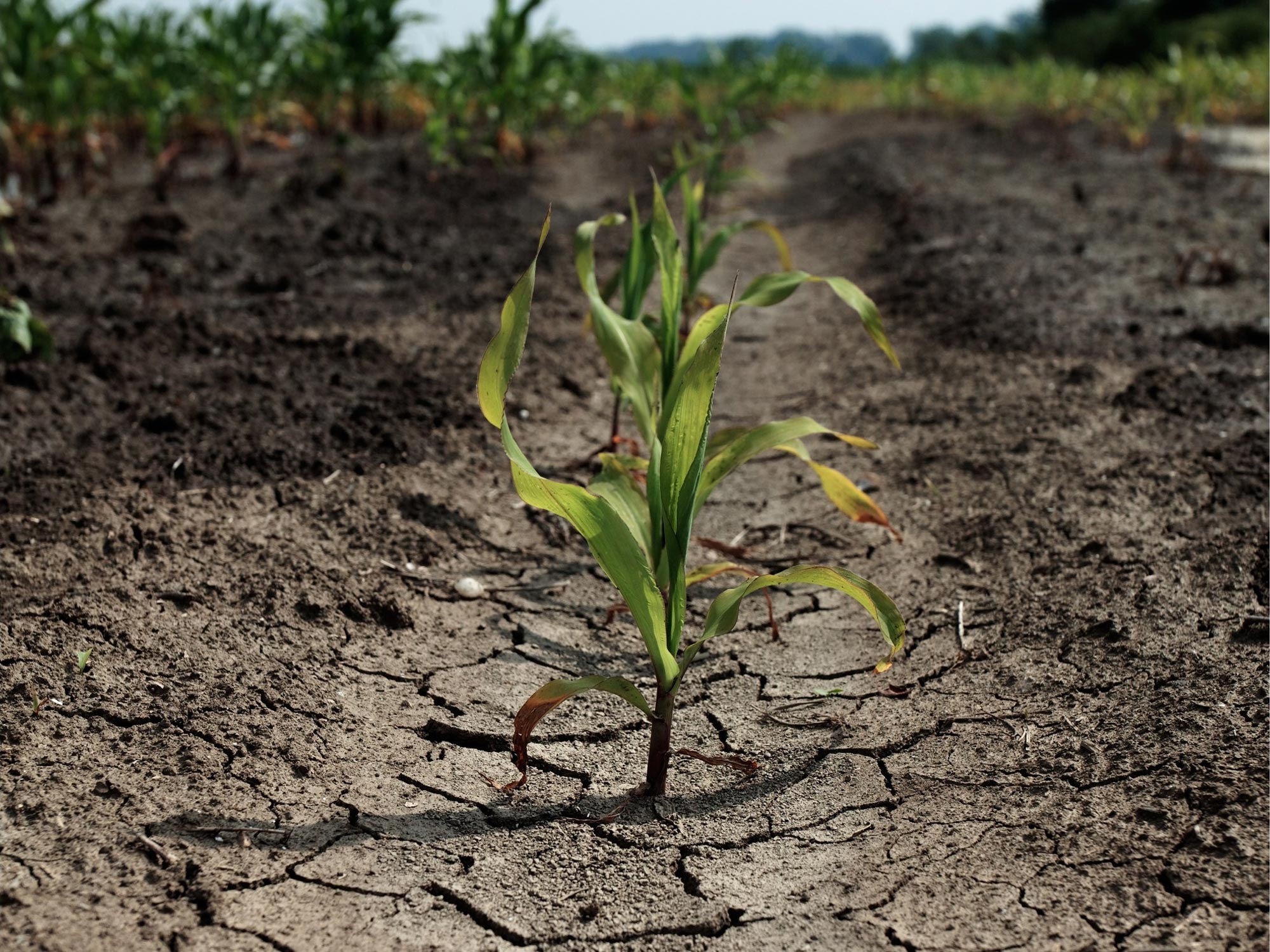
Philippines - Tacloban braces agri, health mitigation measures amid looming super El Niǹo
The City Government of Tacloban has intensified its preparations and mitigation measures as the threat of a possible Super El Niño continues to loom over several parts of the country, bringing concerns over prolonged dry spells, water shortages, and impacts on agriculture and public health.
26.05.2026
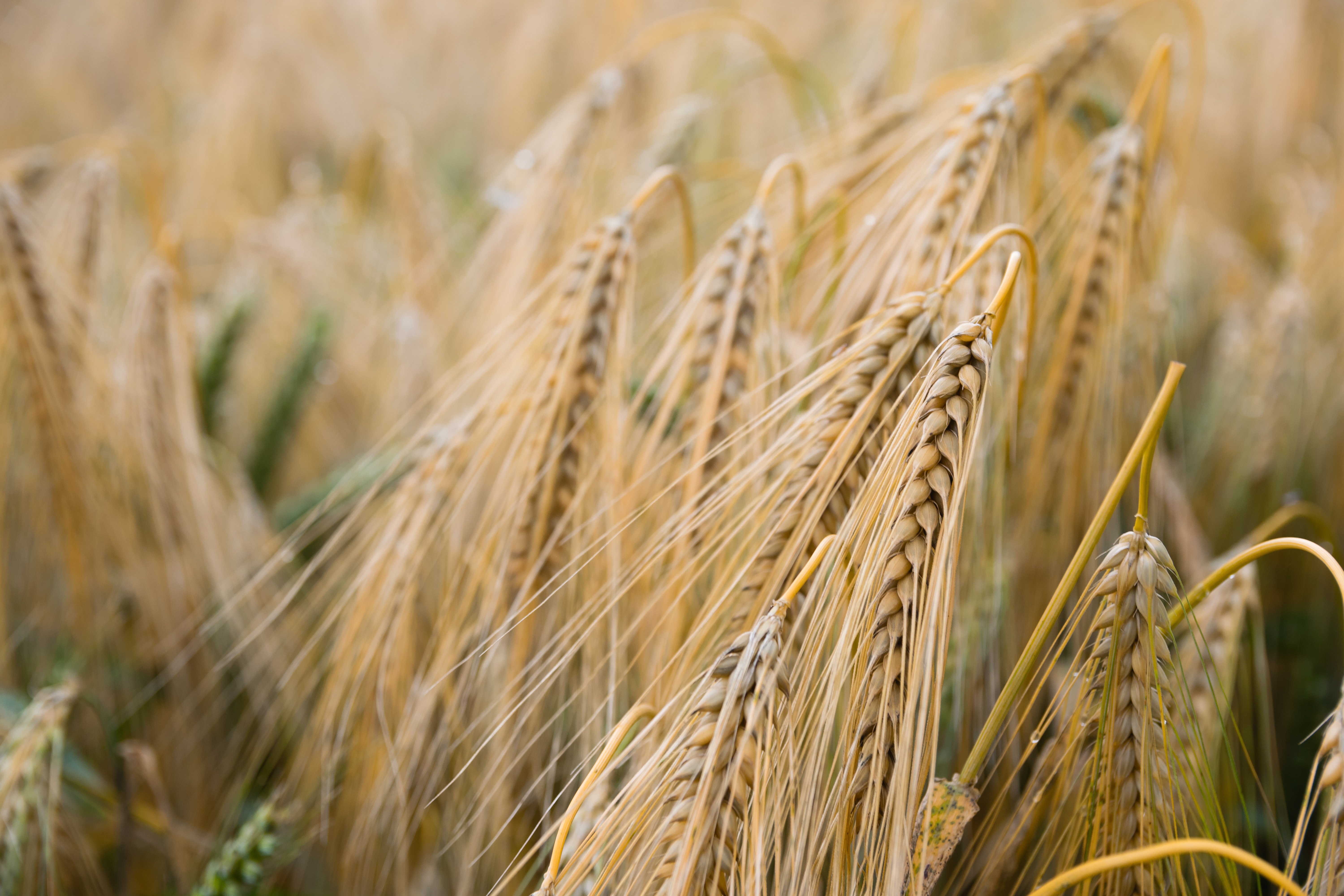
India - Punjab Govt Deploys 500 Teams for Special Girdawari as Rains Damage Wheat
In Punjab, to calculate the damage done to the standing crops in the fields due to the inclement weather for the last many days, the state government has formed teams of 500 officials from the agriculture department to assess losses.
26.05.2026
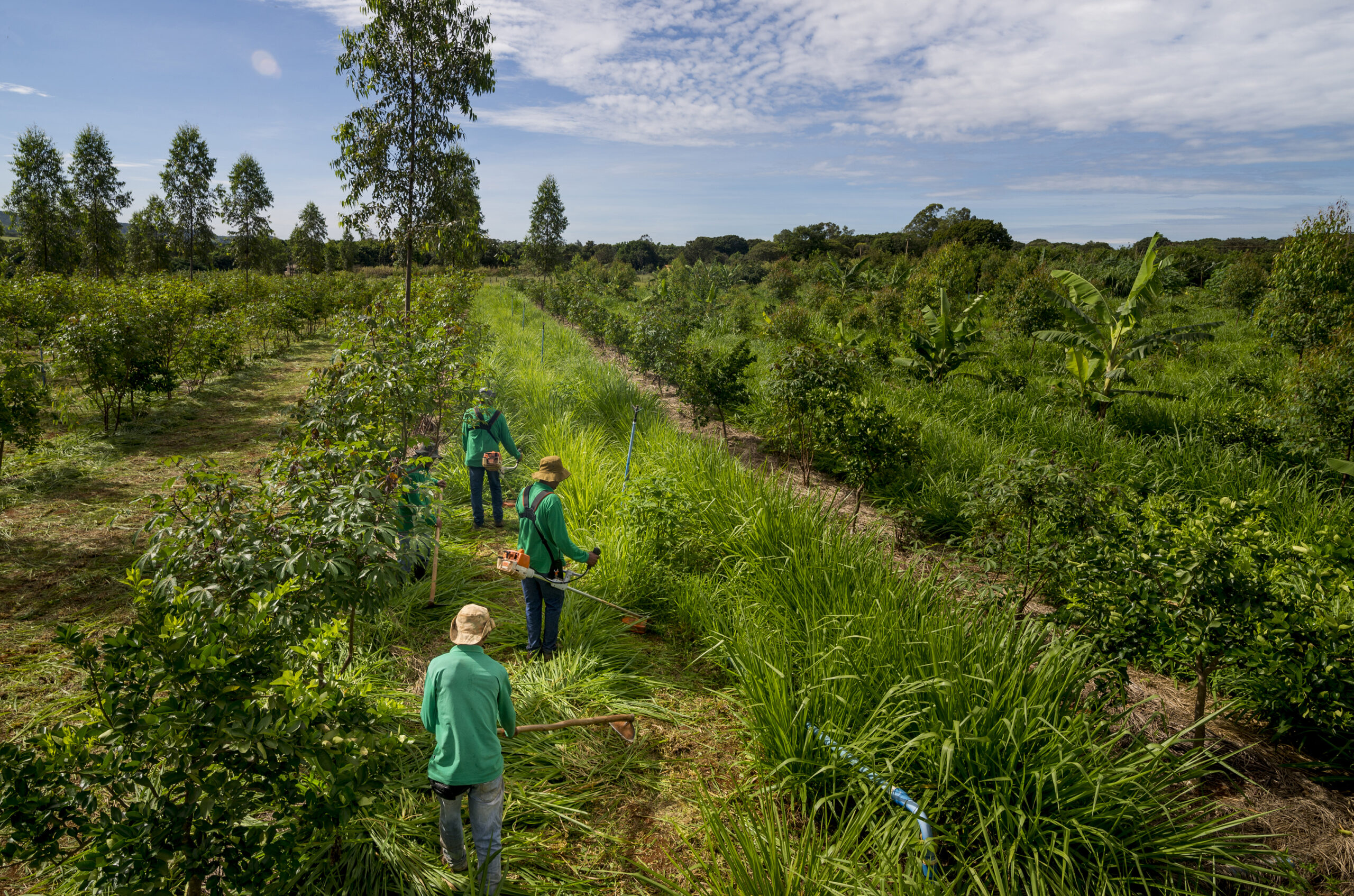
Brazil - Agricultural insurance plummets in Paraná, putting the sector at risk.
Cevio Alberto Mengarda, a soybean and corn producer in Marechal Cândido Rondon, in the western region of Paraná, followed in his father's footsteps in agriculture and today manages the family property.
25.05.2026
Algeria - CASH Assurances to diversify into agriculture insurance
CASH Assurances will launch agriculture insurance plans in June 2026, as part of its diversification strategy.
25.05.2026

U.S. specialty crop growers push for stronger Farm Bill support
Specialty crop growers in the U.S. are calling for stronger support measures in the 2026 Farm Bill, particularly around risk management, market access, and crop insurance.
