

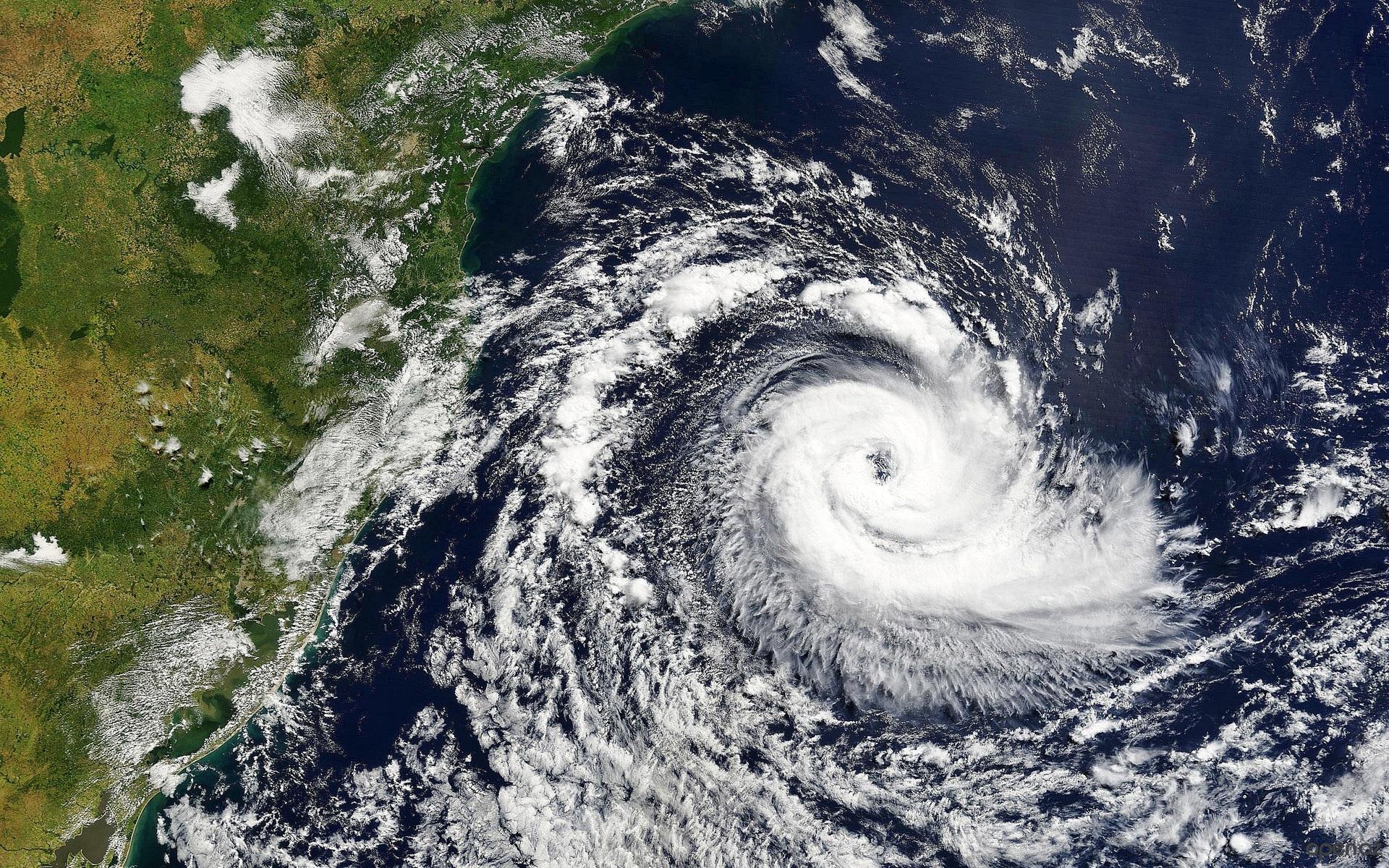
Drought and Heat Took a Heavy Toll on Crops, Study Finds
08.01.2016 377 views
Droughts and heat waves wiped out nearly a tenth of the rice, wheat, corn and other cereal crops in countries hit by extreme weather disasters between 1964 and 2007, according to a new study.
The paper, published Wednesday in Nature, examined data on the effects, over five decades, of extreme temperatures, floods and droughts on national crop harvests.
“People already knew that these extreme weather events had impacts on crop production,” said Navin Ramankutty, a geographer from the University of British Columbia and an author of the report. “But we didn’t know by how much, and we didn’t have a basis for how that might change in the future.”
Dr. Ramankutty and his team combined data from a disaster database with food production information from the United Nations Food and Agriculture Organization. They looked at about 2,800 weather disasters, such as the 1983-1984 drought in Ethiopia and the 2003 European heat wave, along with data on 16 different cereals, including oats, barley, rye and maize, grown in 177 countries.
They found that droughts cut a country’s crop production by 10 percent, and heat waves by 9 percent, but that floods and cold spells had no effects on agricultural production levels. His team estimated a loss of more than three billion tons of cereal production from 1964 to 2007 as a result of droughts and heat waves.
“We don’t think about it much, but rice, wheat and maize alone provide more than 50 percent of global calories,” Dr. Ramankutty said. “When these grain baskets are hit, it results in food price shocks, which leads to increasing hunger.”
As the global population soars, food production will need to increase to feed the extra mouths. But if the world is to meet those demands, it must do so efficiently and sustainably, said Pedram Rowhani, a land-change scientist from the University of Sussex in Brighton, England, who is another of the study’s authors.
“By losing 10 percent of our production, we’re emitting greenhouse gases and using water, oil, energy and land for nothing and not feeding anybody with it,” he said. “We need to reduce that so we can feed more people and become more sustainable.”
Source - http://www.nytimes.com
EVENTS

ScaleAgData Stakeholder Engagement Event
22.10.2024The ScaleAgData project is pleased to invite you to our second stakeholder event. Building on the discussions and connections formed during our first webinar, this event will focus on fostering collaboration among stakeholders, providing updates on our project’s progress, and outlining future opportunities for engagement.
RISK EVENTS

Moldova - May frosts caused heavy damage to fruit orchards
10.05.2026The first frosty nights of May have significantly worsened estimates of damage to Moldova's fruit sector from spring frosts. According to initial assessments by fruit market operators, between a quarter and a third of the country's total orchard area was seriously affected.
26.05.2026
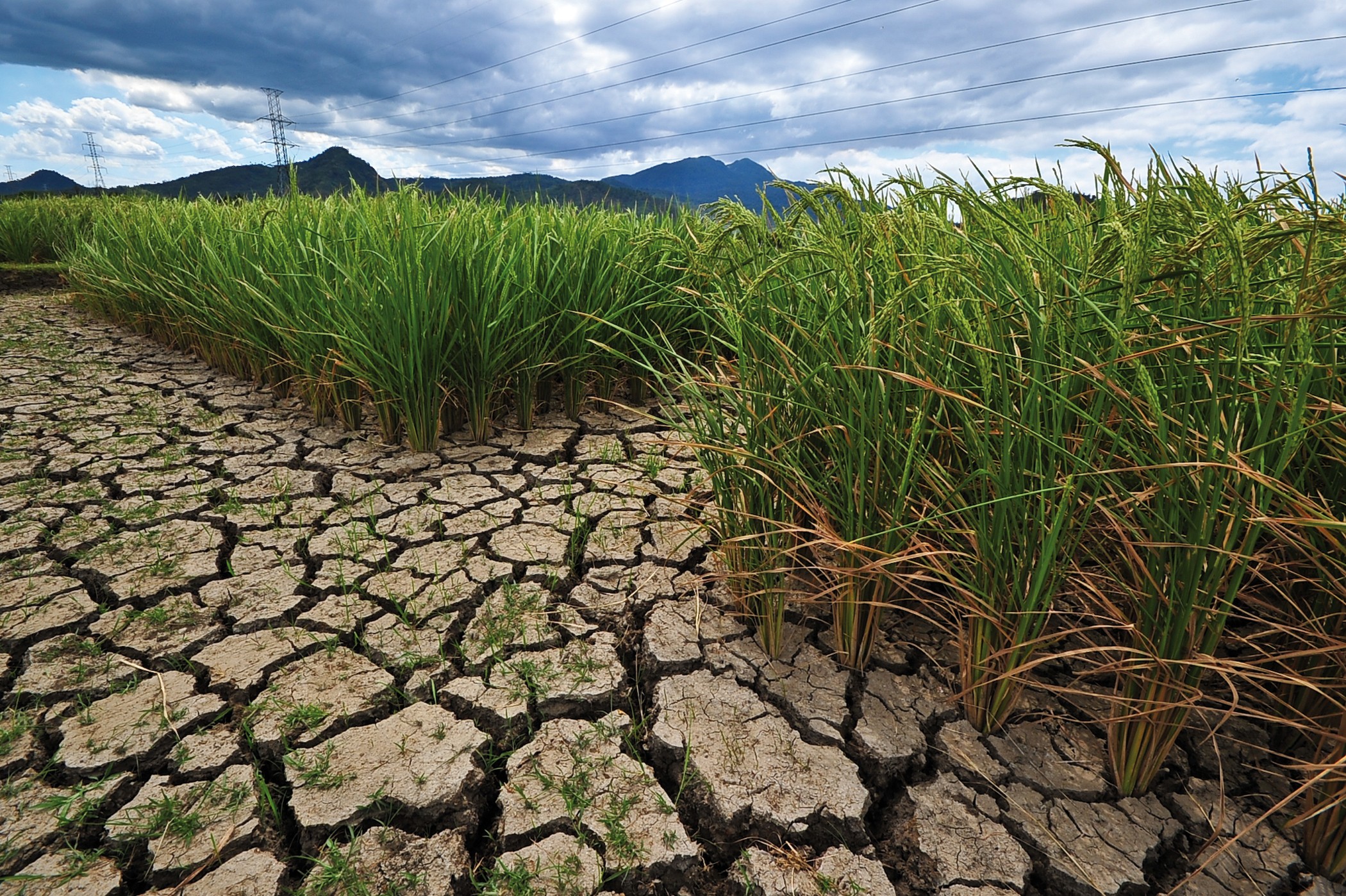
“Timac Agro Ukraine” launches crop insurance against drought
Timac Agro Ukraine, in collaboration with the insurance company PZU, has launched a crop insurance program against drought for farmers in five regions of Ukraine.
26.05.2026

Hansen announces "dialogue with the EIB on new agricultural insurance models"
Integrated European framework for climate resilience 'is on the way'.
26.05.2026
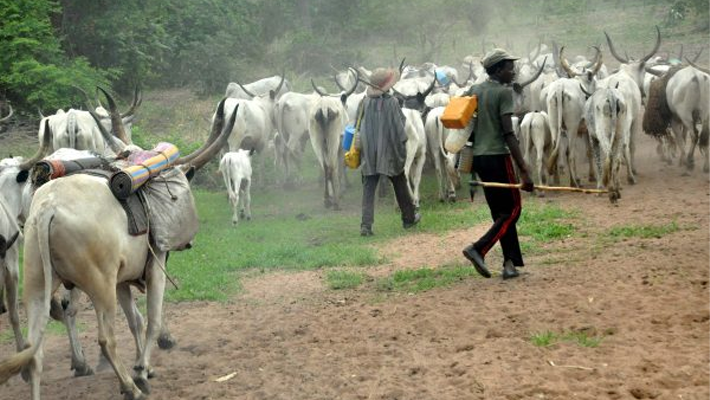
Nigeria - Oyo Steps up Enforcement Against Illegal Livestock Trading, Open Grazing
The Oyo State Government has stepped up enforcement against illegal livestock trading and open grazing, arresting offenders and impounding animals in parts of Ibadan during a fresh compliance operation.
26.05.2026
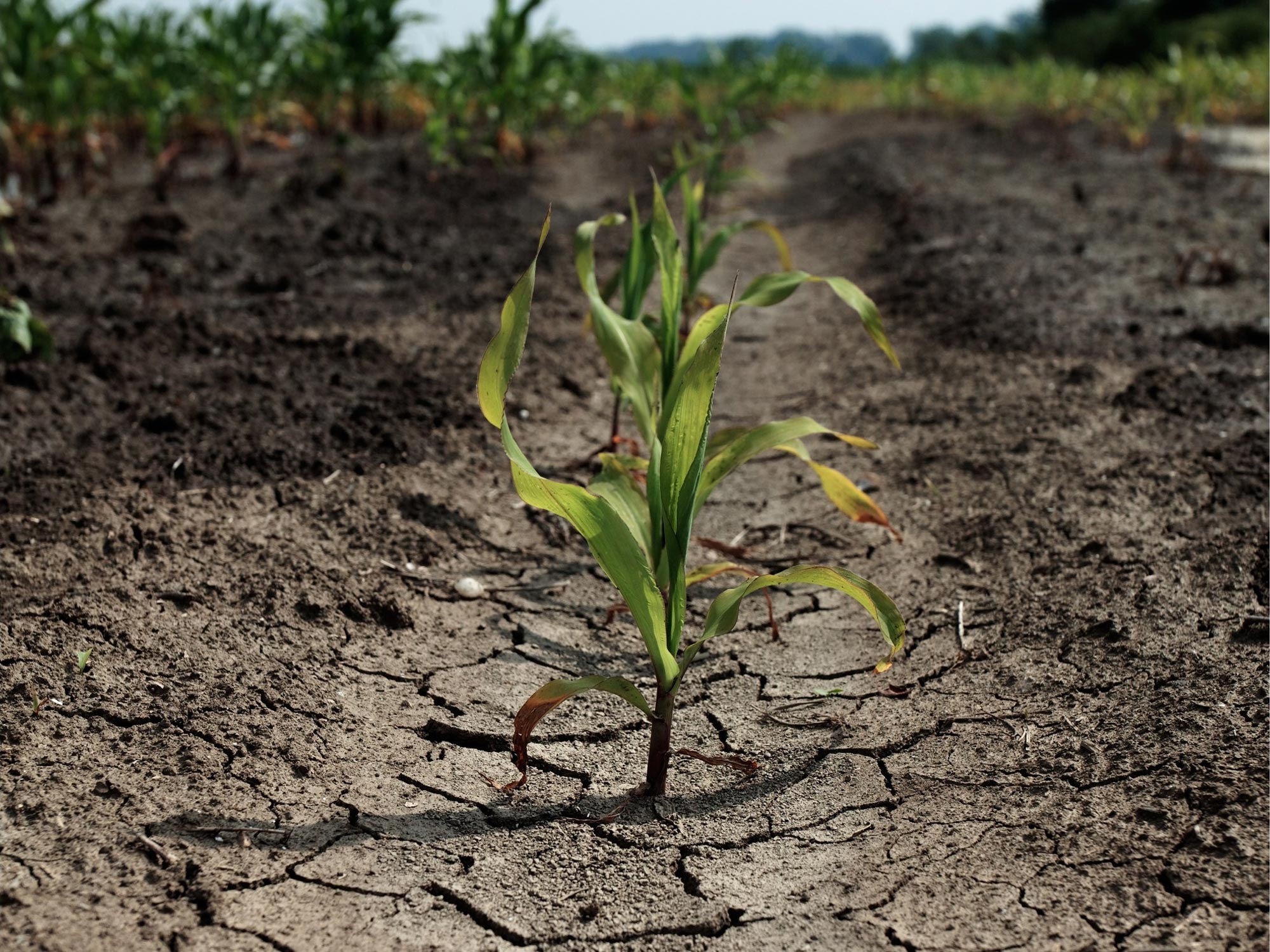
Philippines - Tacloban braces agri, health mitigation measures amid looming super El Niǹo
The City Government of Tacloban has intensified its preparations and mitigation measures as the threat of a possible Super El Niño continues to loom over several parts of the country, bringing concerns over prolonged dry spells, water shortages, and impacts on agriculture and public health.
26.05.2026
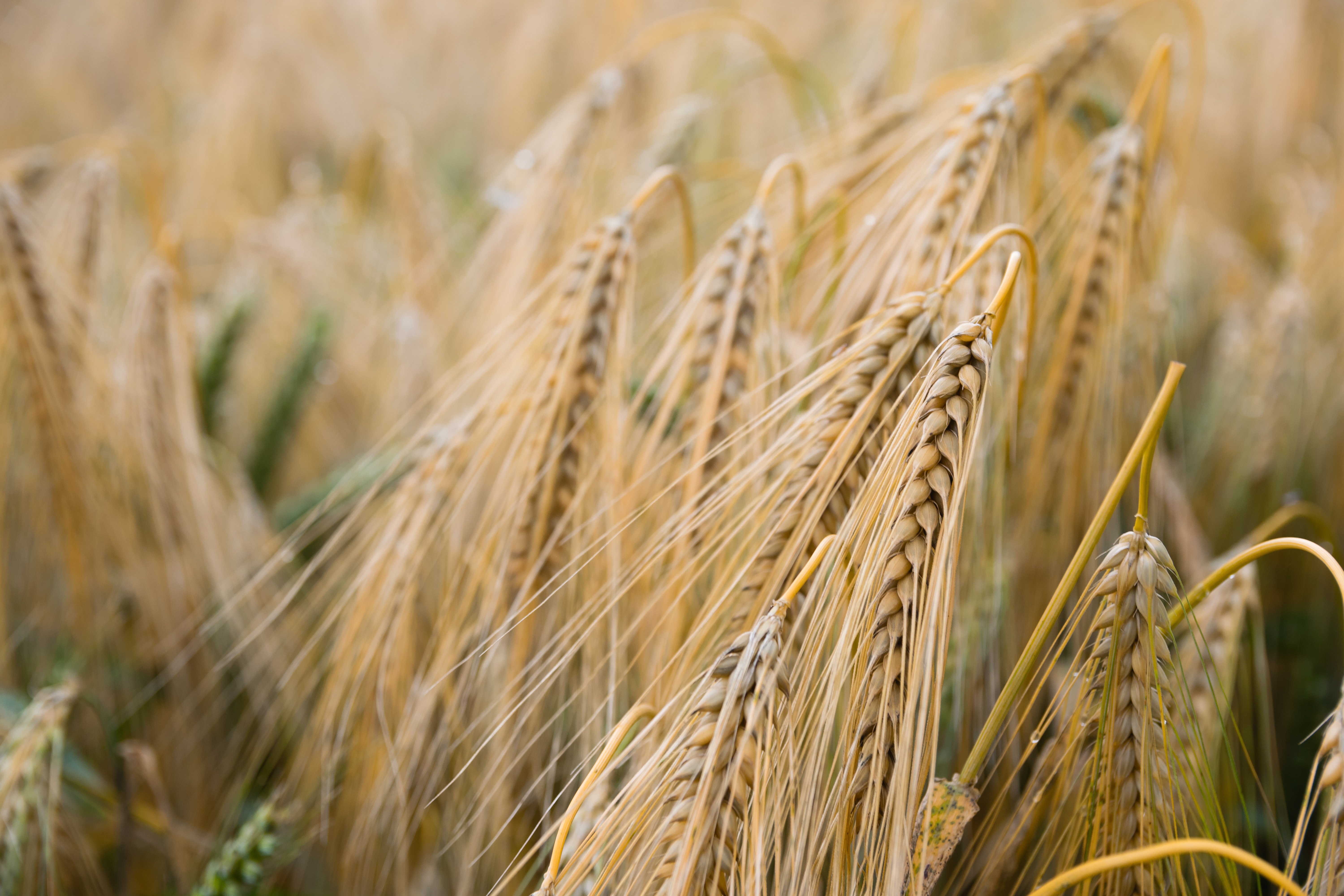
India - Punjab Govt Deploys 500 Teams for Special Girdawari as Rains Damage Wheat
In Punjab, to calculate the damage done to the standing crops in the fields due to the inclement weather for the last many days, the state government has formed teams of 500 officials from the agriculture department to assess losses.
26.05.2026
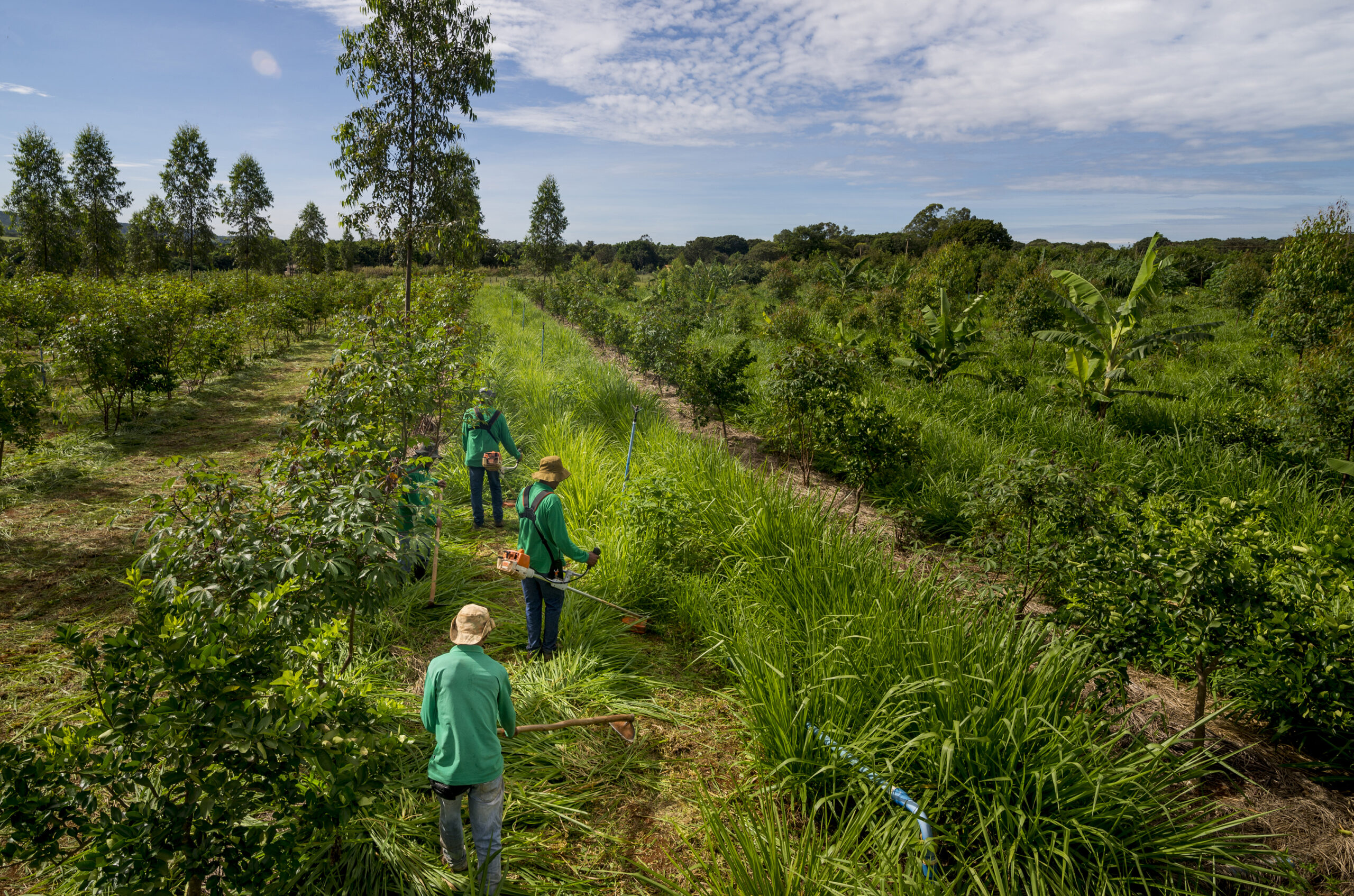
Brazil - Agricultural insurance plummets in Paraná, putting the sector at risk.
Cevio Alberto Mengarda, a soybean and corn producer in Marechal Cândido Rondon, in the western region of Paraná, followed in his father's footsteps in agriculture and today manages the family property.
25.05.2026
Algeria - CASH Assurances to diversify into agriculture insurance
CASH Assurances will launch agriculture insurance plans in June 2026, as part of its diversification strategy.
25.05.2026
U.S. specialty crop growers push for stronger Farm Bill support
Specialty crop growers in the U.S. are calling for stronger support measures in the 2026 Farm Bill, particularly around risk management, market access, and crop insurance.
