

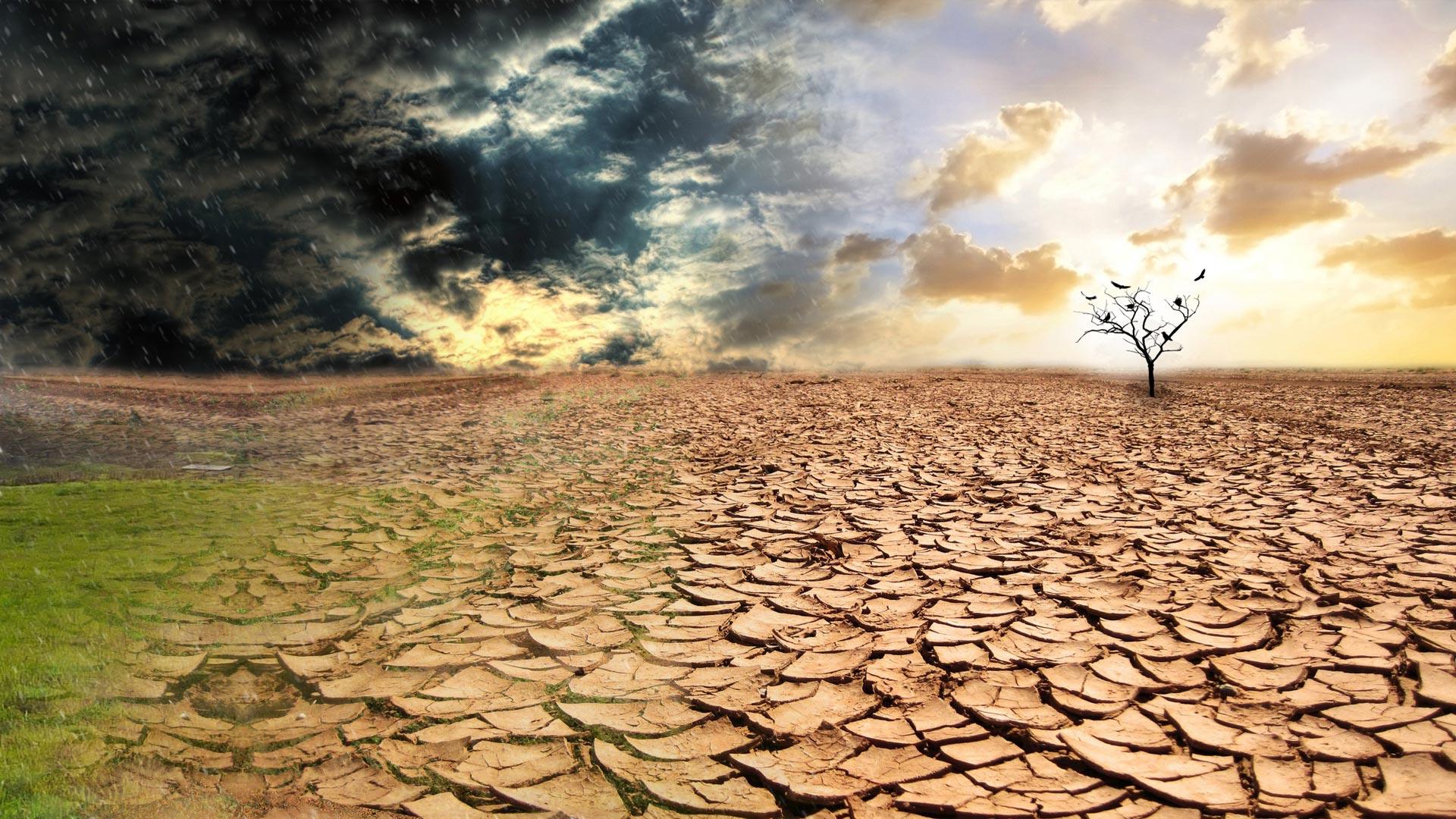
El Nino could help California’s drought — but it will make India’s much worse
13.10.2015 231 views
While Californians facing serious drought are hoping for storms and floods sent their way by El Niño, on the other side of the planet the infamous Pacific climate cycle is bringing severe dry spells, too. And for some of India’s poorest people, that’s a matter of life and death.
The Indian Meteorological Department has worrisome news for the country’s farmers — 2015 will be India’s second consecutive drought year for the first time in three decades, because of the effects of El Niño on this year’s monsoon season.
As warm currents in the Pacific Ocean cause pressure changes that suck the moisture out from over India, the June-September rainy season ended this year with a 14 percent deficit in rainfall. Parts of the country have had less than half their usual rain.
Meanwhile after unexpectedly abundant rains in June, north and northeastern regions are suffering from flood damage. Both situations can prove fatal to the crops of millions of Indian farmers.
According to a 2013 survey, roughly 500 million Indians, or 40 percent of the population, depend on agriculture for at least part of their livelihood. For 27 percent, it’s their main source of income. Yet the sector generated just under 14 percent of India’s GDP in 2013-14. The average farm household makes less than $100 a month.
For farmers already living hand to mouth, the second drought year in a row stands to have devastating effects. Only around a third of India’s agricultural land is reliably irrigated, and farmers who depend on rain-fed fields will suffer from serious economic losses and hardship.
The area with the highest rainfall deficit, Marathwada district of west-central Maharashtra state, has missed out on 52 percent of its rain this year. Crops of soya bean and sugarcane have been lost entirely, and over 70 percent of monsoon crops are expected to fail. In Karnataka state in the south, where rainfall deficit is up to 45 percent in the worst hit areas, some districts are seeing crop losses as high as 85 percent.
Changes in farming practices have made farmers even more vulnerable to drought.
Marathwada, for instance, is a “rain shadow” area which typically gets less precipitation — but, like most other regions in the country, it has moved toward “cash crops” like sugarcane and cotton which demand more water than pulses and grains.
“As a result, the same water deficiency is causing more impact than in the past,” says Dr. Bandi Venkateswarlu, vice chancellor of Vasantrao Naik Marathwada Agricultural University.
Losing crops means losing money, and not just for the people who own the fields they’re grown in.
“There will be a shortfall in the income of the farmer, and landless laborers who depend on them for daily wages will also lose work,” said Venkateswarlu.
“This forces them to migrate to the cities.”
Rural migrants in India’s metropolitan areas typically look for work as day laborers and domestic helpers, and are often forced to live in slums or on the roads until they find work.
Irrigated farmland is not immune to a bad monsoon, either.
“We have had to draw more ground water, and the water levels have gone down further,” says Bhupinder Singh Mann, the national president of the Indian Farmer’s Union. Even in the prosperous and well-irrigated farmlands of Punjab, Mann explains, a bad monsoon means expensive construction of deeper wells, and more borrowing to meet these costs.
With many farmers already compelled to take on debt to cover rising costs, crop price shocks and pest attacks, another loan can prove expensive. According to official data, more than half of all agricultural households in India are in debt. Once government and formalized bank loans are exhausted, money lenders become a last resort. They tend to be less forgiving about repayment.
Precarious income, hardship and debt are some of the reasons cited for a shocking statistic about India’s ailing farmers: in the last two decades, some 300,000 of them have committed suicide. In Marathwada, ominously dubbed the farmer suicide capital of the country, as many as 628 farmers killed themselves between January and September this year.
While no official statistics are available to show a correlation between drought and suicides, experts say that poor rains contribute to the burden of indebtedness, which is considered the leading cause of India’s farmer suicides.
In Marathwada, more suicides have already been reported this year than in the whole of 2014. With the figure triple the number of cases in the year before that, this drought may have already claimed more lives than the authorities acknowledge.
Source - http://www.dailynews.com
EVENTS

ScaleAgData Stakeholder Engagement Event
22.10.2024The ScaleAgData project is pleased to invite you to our second stakeholder event. Building on the discussions and connections formed during our first webinar, this event will focus on fostering collaboration among stakeholders, providing updates on our project’s progress, and outlining future opportunities for engagement.
RISK EVENTS

Moldova - May frosts caused heavy damage to fruit orchards
10.05.2026The first frosty nights of May have significantly worsened estimates of damage to Moldova's fruit sector from spring frosts. According to initial assessments by fruit market operators, between a quarter and a third of the country's total orchard area was seriously affected.
26.05.2026
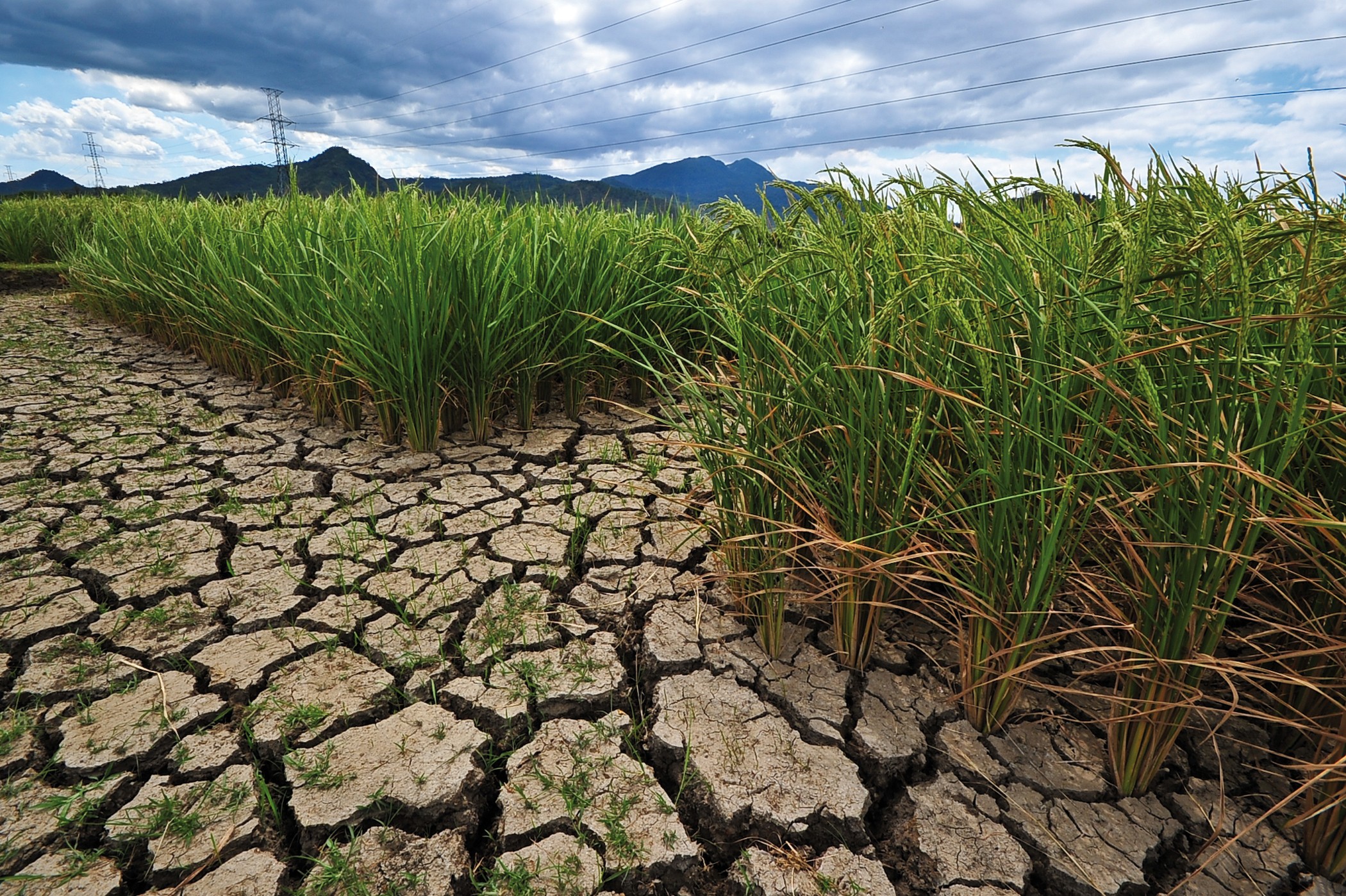
“Timac Agro Ukraine” launches crop insurance against drought
Timac Agro Ukraine, in collaboration with the insurance company PZU, has launched a crop insurance program against drought for farmers in five regions of Ukraine.
26.05.2026

Hansen announces "dialogue with the EIB on new agricultural insurance models"
Integrated European framework for climate resilience 'is on the way'.
26.05.2026
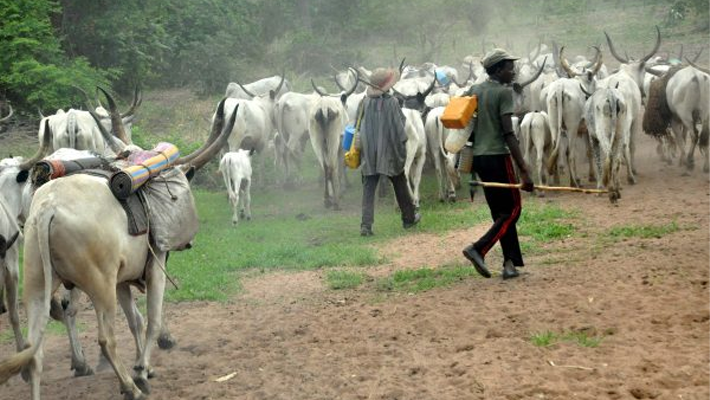
Nigeria - Oyo Steps up Enforcement Against Illegal Livestock Trading, Open Grazing
The Oyo State Government has stepped up enforcement against illegal livestock trading and open grazing, arresting offenders and impounding animals in parts of Ibadan during a fresh compliance operation.
26.05.2026
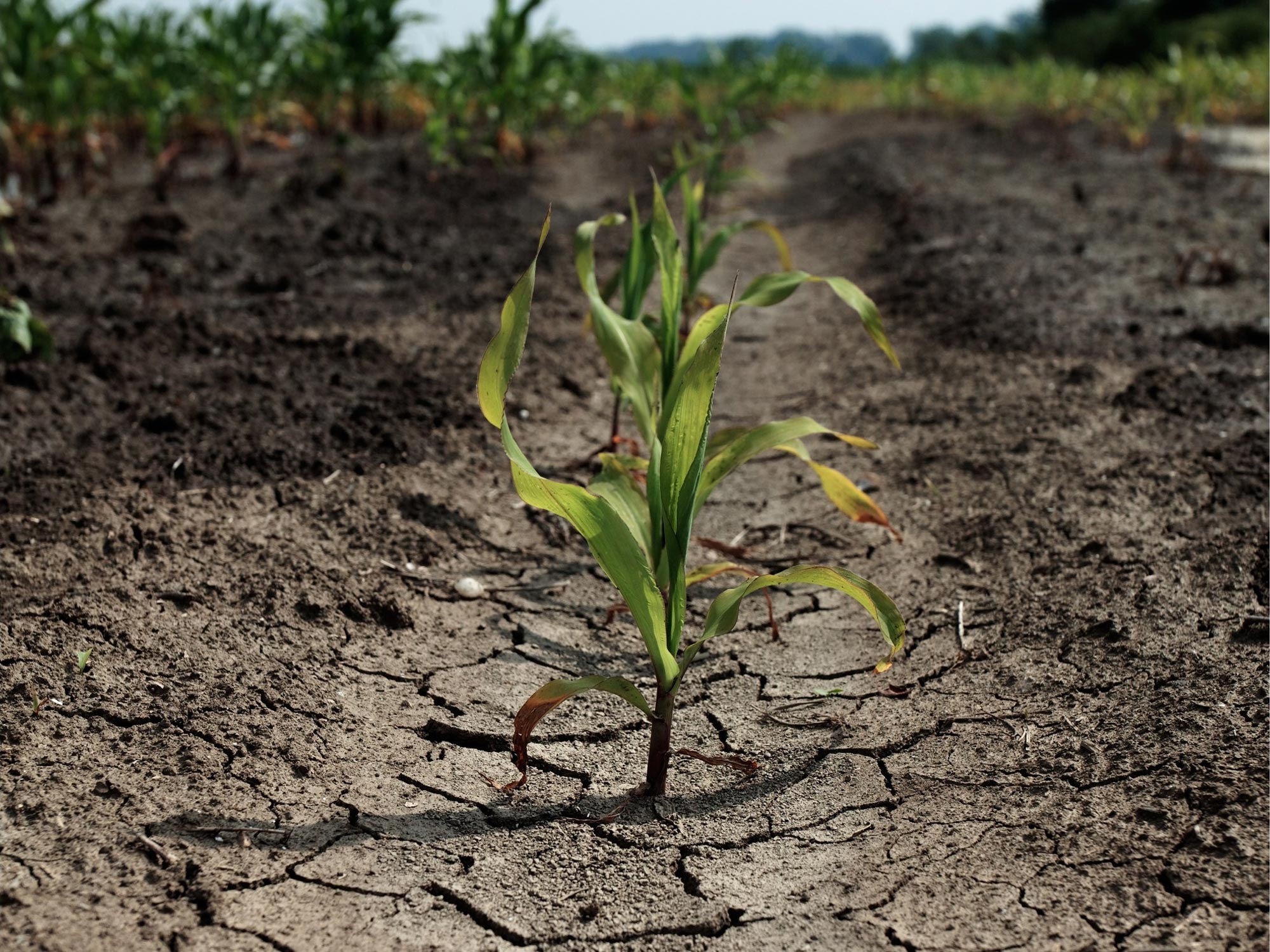
Philippines - Tacloban braces agri, health mitigation measures amid looming super El Niǹo
The City Government of Tacloban has intensified its preparations and mitigation measures as the threat of a possible Super El Niño continues to loom over several parts of the country, bringing concerns over prolonged dry spells, water shortages, and impacts on agriculture and public health.
26.05.2026
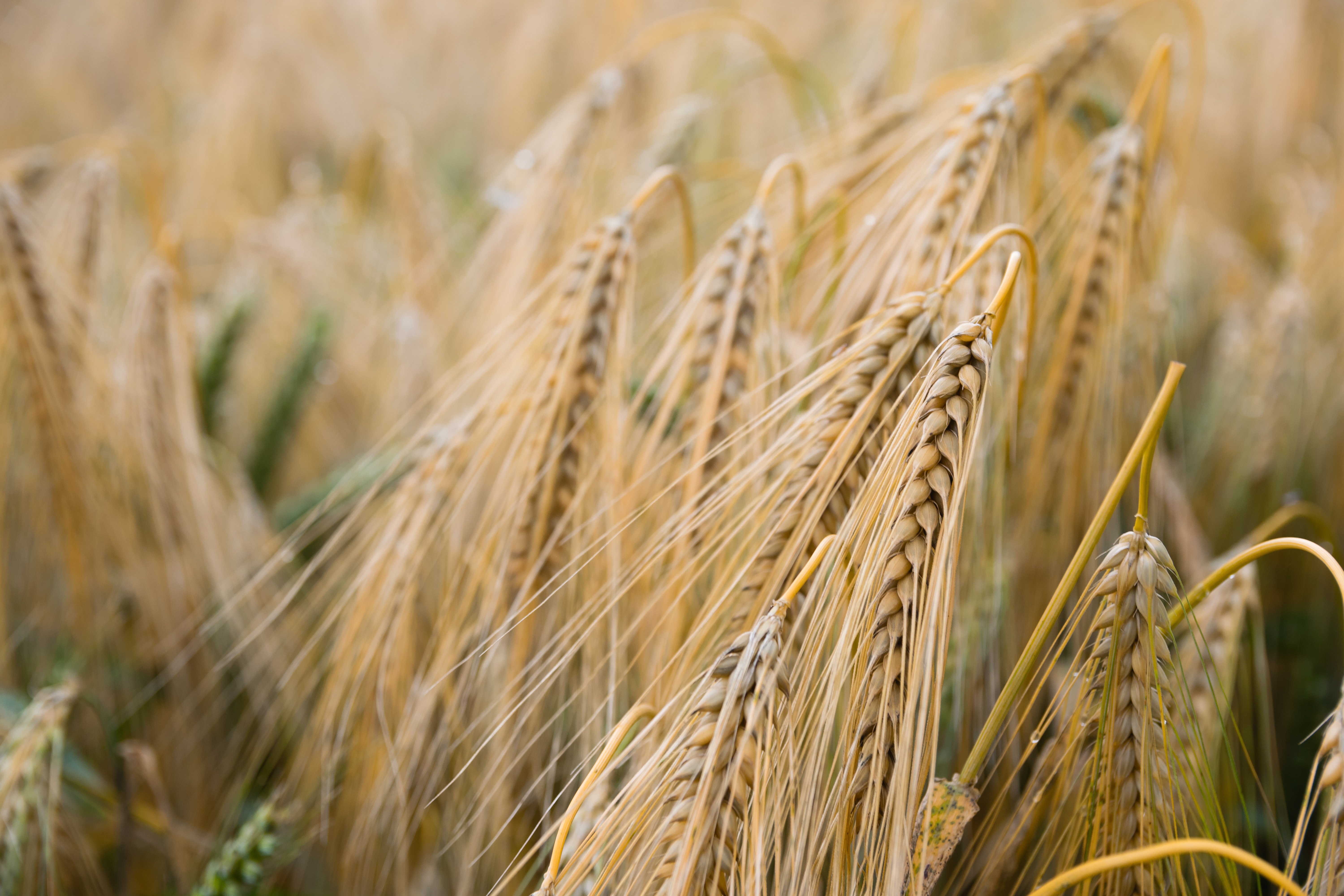
India - Punjab Govt Deploys 500 Teams for Special Girdawari as Rains Damage Wheat
In Punjab, to calculate the damage done to the standing crops in the fields due to the inclement weather for the last many days, the state government has formed teams of 500 officials from the agriculture department to assess losses.
26.05.2026
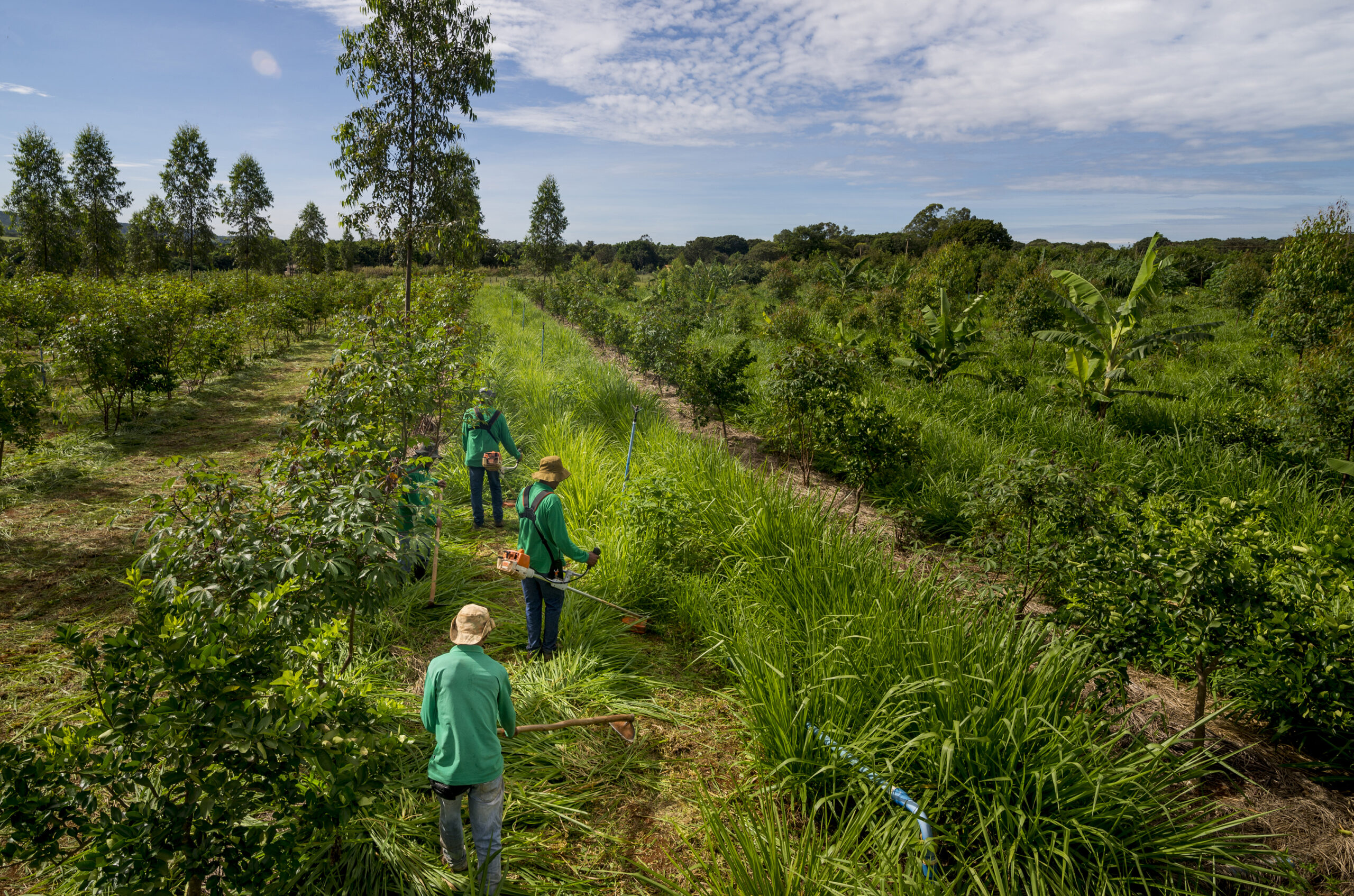
Brazil - Agricultural insurance plummets in Paraná, putting the sector at risk.
Cevio Alberto Mengarda, a soybean and corn producer in Marechal Cândido Rondon, in the western region of Paraná, followed in his father's footsteps in agriculture and today manages the family property.
25.05.2026
Algeria - CASH Assurances to diversify into agriculture insurance
CASH Assurances will launch agriculture insurance plans in June 2026, as part of its diversification strategy.
25.05.2026

U.S. specialty crop growers push for stronger Farm Bill support
Specialty crop growers in the U.S. are calling for stronger support measures in the 2026 Farm Bill, particularly around risk management, market access, and crop insurance.
