


England - Threat of crop disease blamed on mild and wet weather by Lincolnshire farmers
04.12.2015 252 views
Farmers are warning that a wet summer and warmer winter last year could have paved the way for more disease in crops.
A cold winter is needed to help Lincolnshire crops survive any sudden frosts and disease next year, according to some county growers.
They say it is impossible to tell if the recent milder weather is down to climate change.
However it comes as world leaders meet in Paris for the COP21 UN climate change summit.
Prime Minister David Cameron described failing crops and rising sea levels and said: "Instead of making excuses tomorrow to our children and grandchildren, we should be taking action against climate change today."
Chris Wray, 36, farms wheat, oilseed rape, vining peas and linseed crops in Donington, and is the National Farmers' Union vice chairman for South Holland.
He said that a warm and wet summer has increased the risk of disease in crops, and welcomed the talks in Paris.
"The biggest thing we are experiencing is the unpredictable and extreme nature of the weather," he said.
"Most people a generation above us will remember when a winter was a winter. It came cold and stayed cold, snowed at some point and that snow hung around.
"Today it is 15 degrees and I have seen people buying Christmas trees in T-shirts.
"What that means for us is the cold weather that usually kills a number of the pests and diseases doesn't happen, so we have to use chemicals to do the same job as best we can.
"We seem to get milder weather for a much greater length of time, but despite causing more disease, it does mean we can produce a great deal more veg for a bigger proportion of the year locally for the country."
He welcomed the talks, adding: "At the end of the day it is always good it is being spoken about, it is never a bad thing, but it is so far removed from here.
"It is a case of how long it takes to filter back to us."
David Armstrong, 54, who farms in Bardney, said: "It is a difficult one because the changes are miniscule.
"In my recent past, in the last 10 years we have seen two bad wet years that we probably haven't seen in the previous 10 years.
"We do require a normal hard winter, i.e cold.
"Potatoes left in the field, and on the surface of the field, a hard frost helps kill them off so they don't become a disease risk next season.
"What I would say affects us more is what decisions are made by politicians coming up with regards to climate change."
Tim Casey, of J and V Casey and Son in Coningsby, farms vegetables including leeks, and said: "In the last few years we have had warm autumns but also slightly wetter and cooler summers on the whole, even though we have had hot and dry spells at times.
"We do need a bit of a harder frost or some low temperatures to harden plants up.
"It really is too warm for crops as they will continue to grow and get over-mature.
"If it does get cold in January or February then that will be a problem as they will be susceptible to frost because they will have grown too much."
Source - http://www.lincolnshireecho.co.uk
EVENTS

ScaleAgData Stakeholder Engagement Event
22.10.2024The ScaleAgData project is pleased to invite you to our second stakeholder event. Building on the discussions and connections formed during our first webinar, this event will focus on fostering collaboration among stakeholders, providing updates on our project’s progress, and outlining future opportunities for engagement.
RISK EVENTS

Moldova - May frosts caused heavy damage to fruit orchards
10.05.2026The first frosty nights of May have significantly worsened estimates of damage to Moldova's fruit sector from spring frosts. According to initial assessments by fruit market operators, between a quarter and a third of the country's total orchard area was seriously affected.
26.05.2026
“Timac Agro Ukraine” launches crop insurance against drought
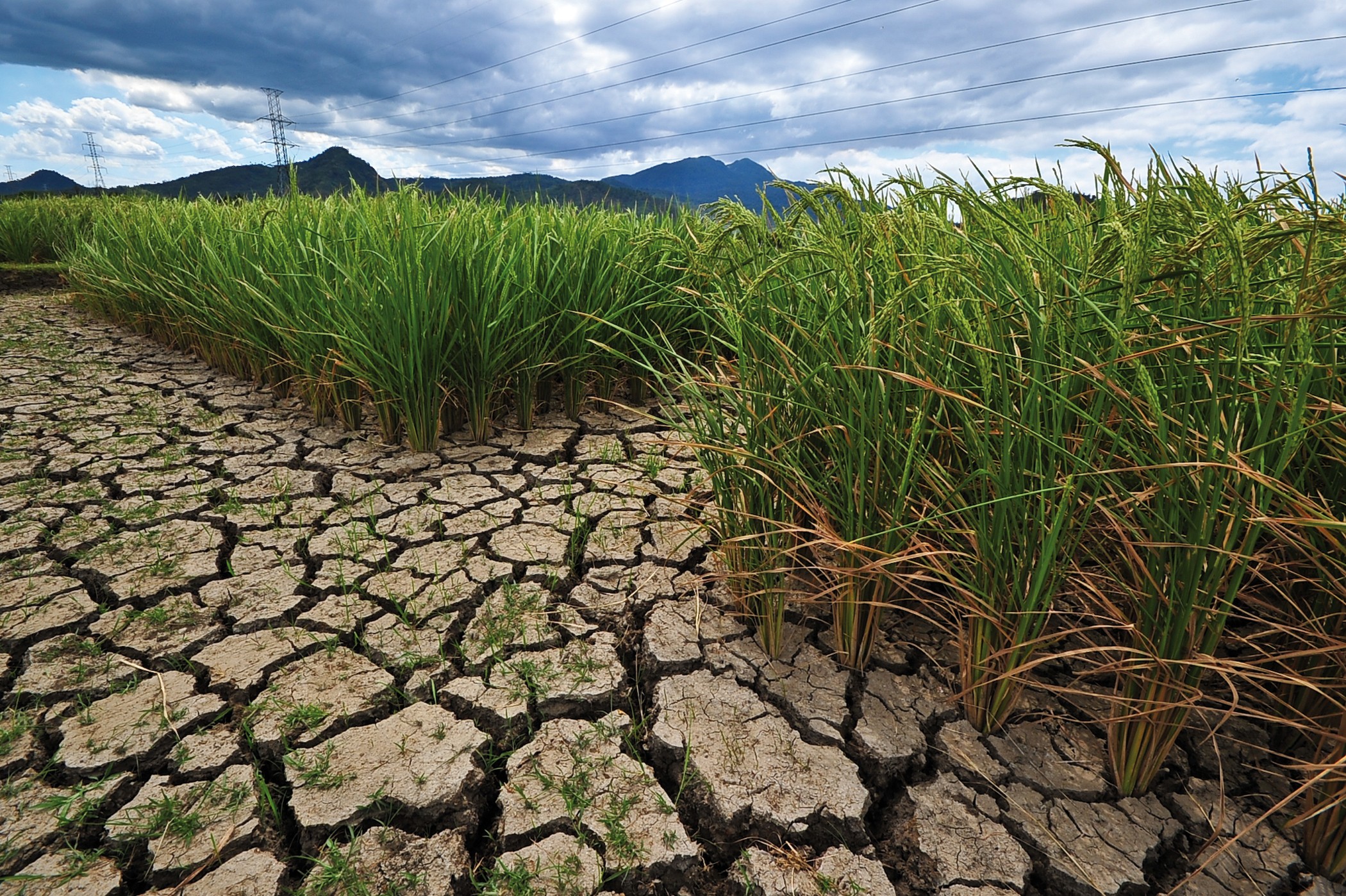
Timac Agro Ukraine, in collaboration with the insurance company PZU, has launched a crop insurance program against drought for farmers in five regions of Ukraine.
26.05.2026
Hansen announces "dialogue with the EIB on new agricultural insurance models"
Integrated European framework for climate resilience 'is on the way'.
26.05.2026
Nigeria - Oyo Steps up Enforcement Against Illegal Livestock Trading, Open Grazing
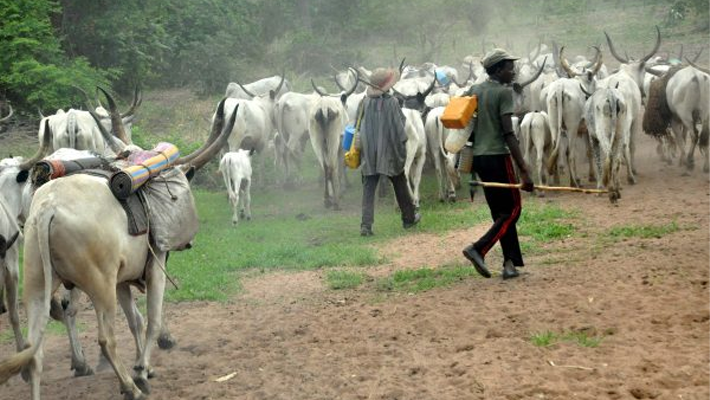
The Oyo State Government has stepped up enforcement against illegal livestock trading and open grazing, arresting offenders and impounding animals in parts of Ibadan during a fresh compliance operation.
26.05.2026
Philippines - Tacloban braces agri, health mitigation measures amid looming super El Niǹo
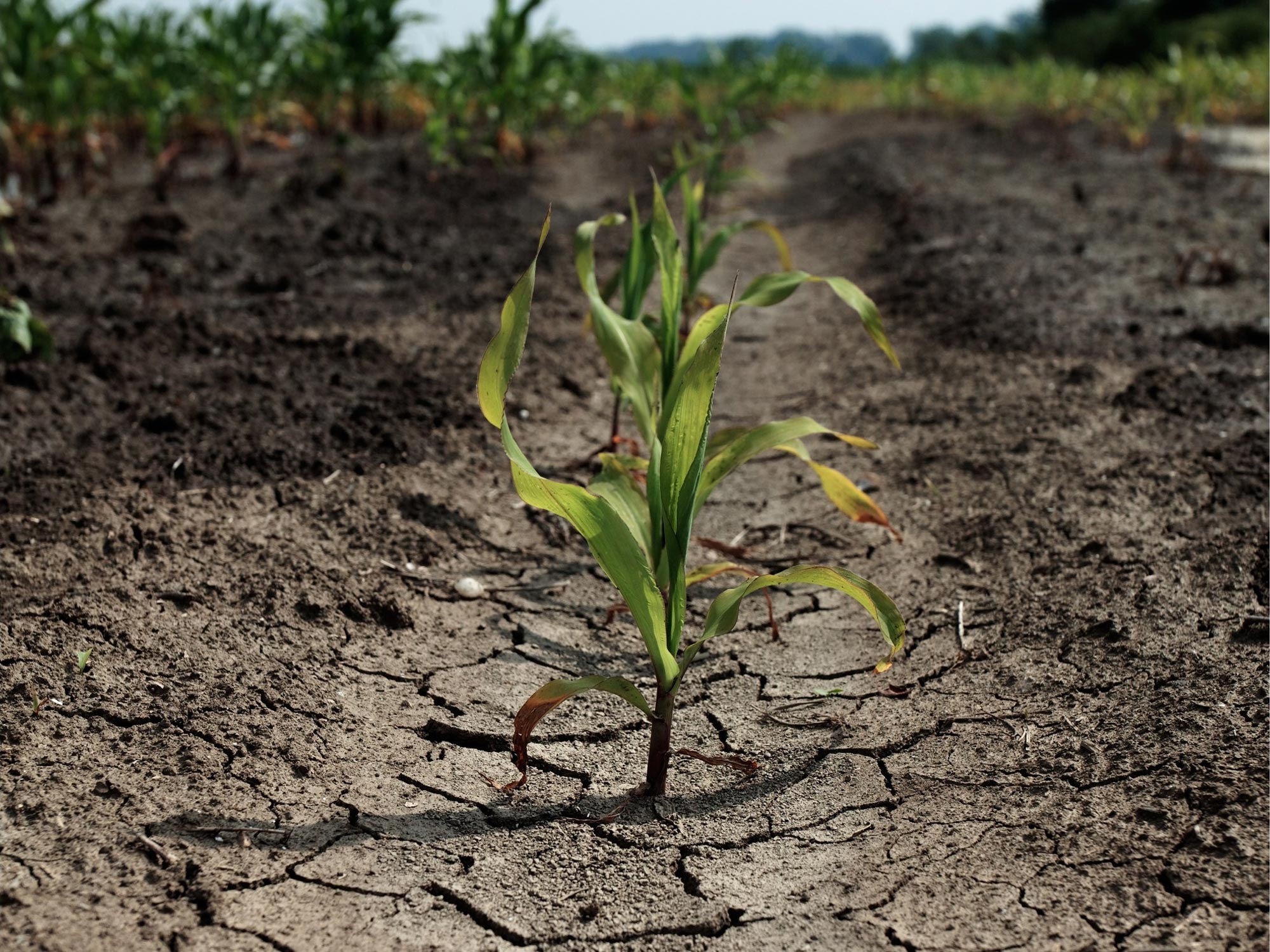
The City Government of Tacloban has intensified its preparations and mitigation measures as the threat of a possible Super El Niño continues to loom over several parts of the country, bringing concerns over prolonged dry spells, water shortages, and impacts on agriculture and public health.
26.05.2026
India - Punjab Govt Deploys 500 Teams for Special Girdawari as Rains Damage Wheat
In Punjab, to calculate the damage done to the standing crops in the fields due to the inclement weather for the last many days, the state government has formed teams of 500 officials from the agriculture department to assess losses.
26.05.2026
Brazil - Agricultural insurance plummets in Paraná, putting the sector at risk.
Cevio Alberto Mengarda, a soybean and corn producer in Marechal Cândido Rondon, in the western region of Paraná, followed in his father's footsteps in agriculture and today manages the family property.
25.05.2026
Algeria - CASH Assurances to diversify into agriculture insurance
CASH Assurances will launch agriculture insurance plans in June 2026, as part of its diversification strategy.
25.05.2026
U.S. specialty crop growers push for stronger Farm Bill support
Specialty crop growers in the U.S. are calling for stronger support measures in the 2026 Farm Bill, particularly around risk management, market access, and crop insurance.
