- Deals and near-deals.From Syngenta to RCIS, John Deere to DowDuPont, 2015 proved to be a year of consolidation in machinery, seed, crop insurance and more.
- Argentina reopens for business. President Maurcio Macri has slashed export taxes on corn, wheat, and soybeans and devalued the peso, all of which is making Argentine crops newly available—and affordable—on a global scale.
- Rain, rain and more rain in the Midwest. A wet spring and early summer turned parts of the eastern Corn Belt into federal disaster areas and brought some serious variability later in the growing season.As 2015 came to a close, Midwestern farmers found themselves fighting Mother Nature again, as flooding threatened grain, livestock, roads, and more.
- Interest rate uptick. After nearly a decade, the Federal Reserve finally raised interest rates in late 2015, boosting the dollar and unsettling farmers worried about the cost to borrow money.
- Avian influenza. An outbreak of deadly avian flu this year was devastating to poultry producers and their flocks, resulting in the deaths of more than 48 million birds, including chicken and poultry. Hardest hit? Minnesota and Iowa, where the economic losses hit $650 million and $1.2 billion, respectively.
- COOL. After years of political and international skirmishes, country-of-origin labeling (COOL) was determined to violate American trade agreements with Mexico and Canada. Thanks to Canadian and Mexican threats of $1 billion retaliatory tariffs on U.S. goods, Congress finally repealed the law in December.
- Farm bill elections. The rollout of the 2014 farm bill meant lots of decisions for producers this year as they evaluated which commodity programs would make the most sense for their operation for the next five years. The big winner in the Corn Belt? ARC-county, which promised the highest payments for corn and soybean farmers.
- Clean Water Rule. Previously known as Waters of the U.S., this controversial rule regulates what types of activities need a permit due to the impact on streams, wetlands, and other bodies of water. The law is currently stuck in legal and political limbo after a federal appeals court in October stopped the implementation of the rule and some in Congress attempted—unsuccessfully—to defund it.
- Renewable Fuel Standard. After months and months of delay, EPA finally released the Renewable Fuel Standard for 2014, 2015, and 2016, bringing some certainty to ethanol producers and corn growers. The big winner? Biodiesel.
- Water quality issues. Des Moines Water Works’ decision to sue a handful of rural Iowa counties over agricultural runoff brought new attention to water quality and nutrient management issues.
- Staggering losses in the cattle industry. In the last two months of the year, feedyards have lost more than $500 per head, which adds up to losses of $2 billion in equity in the industry in just two months.
- Falling milk prices. After record highs in 2014, milk prices this year have declined 30%. That means that milk prices are at, near, or below break-even levels, depending on the farm. Will prices rebound?Maybe. California dairy farmers now want to join the Federal Milk Marketing Order system, which could eventually translate into lower prices for everyone.
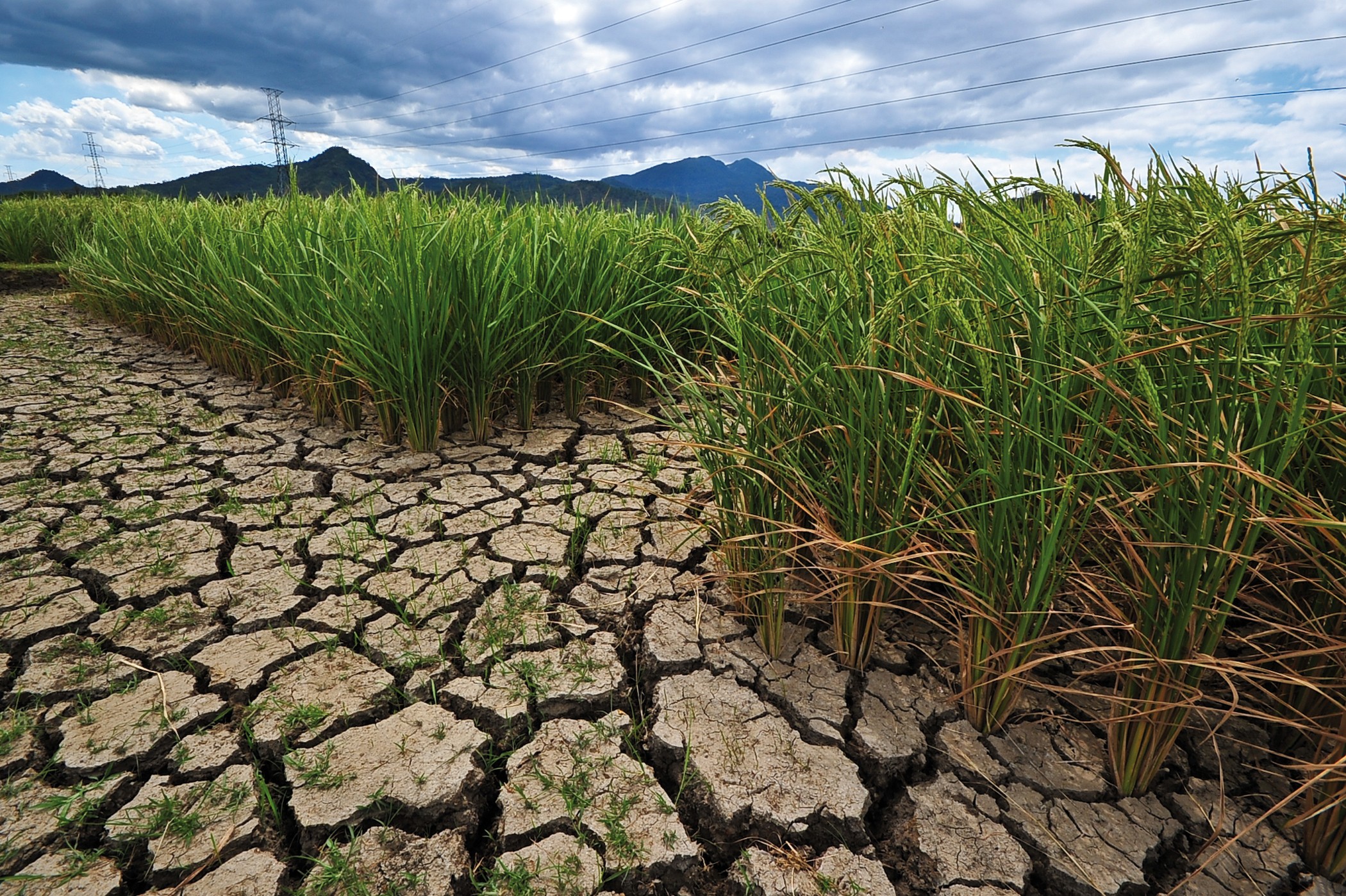
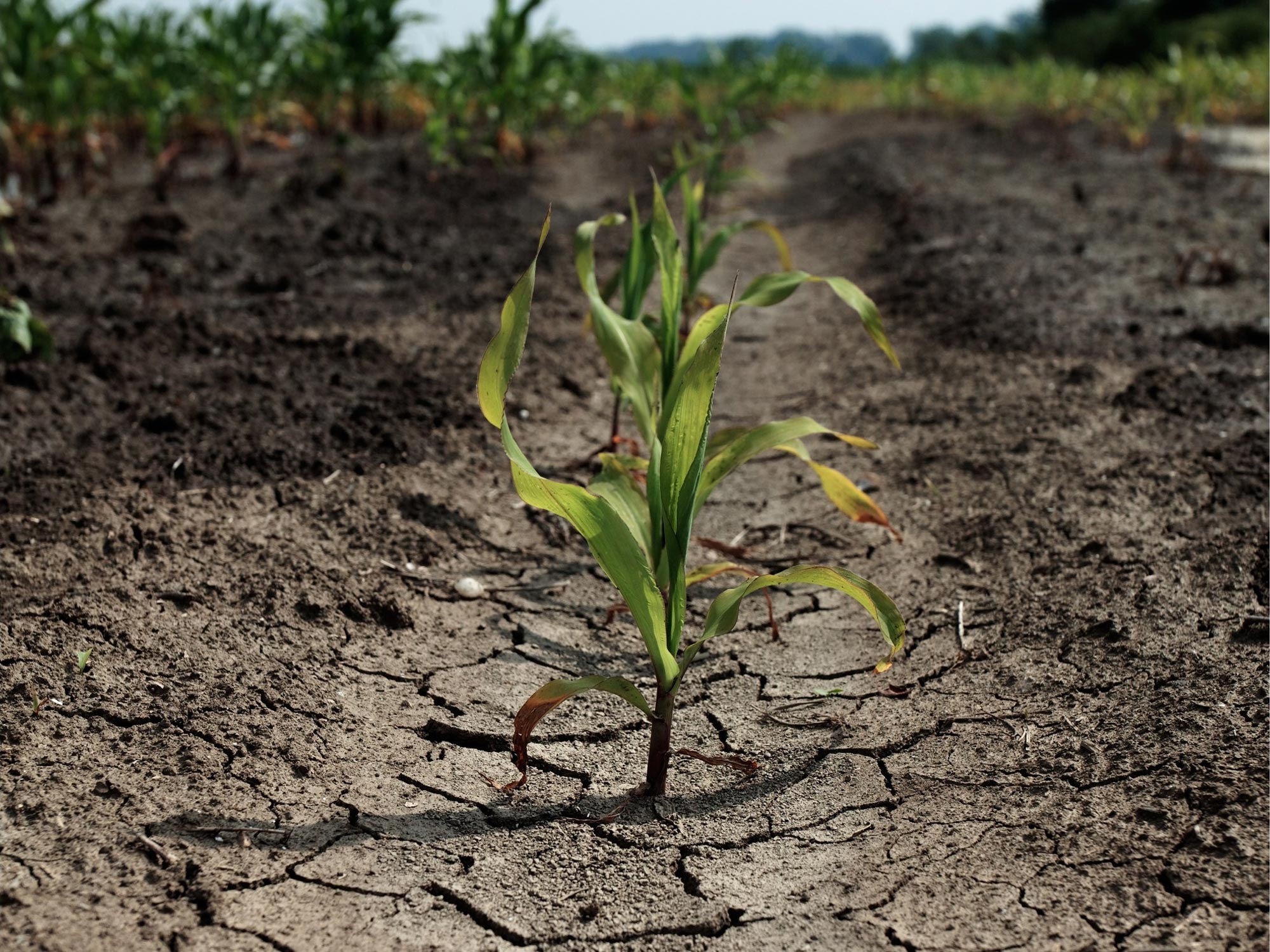
- Warm weather. According to NOAA, 2015 could prove to be the hottest year on record.
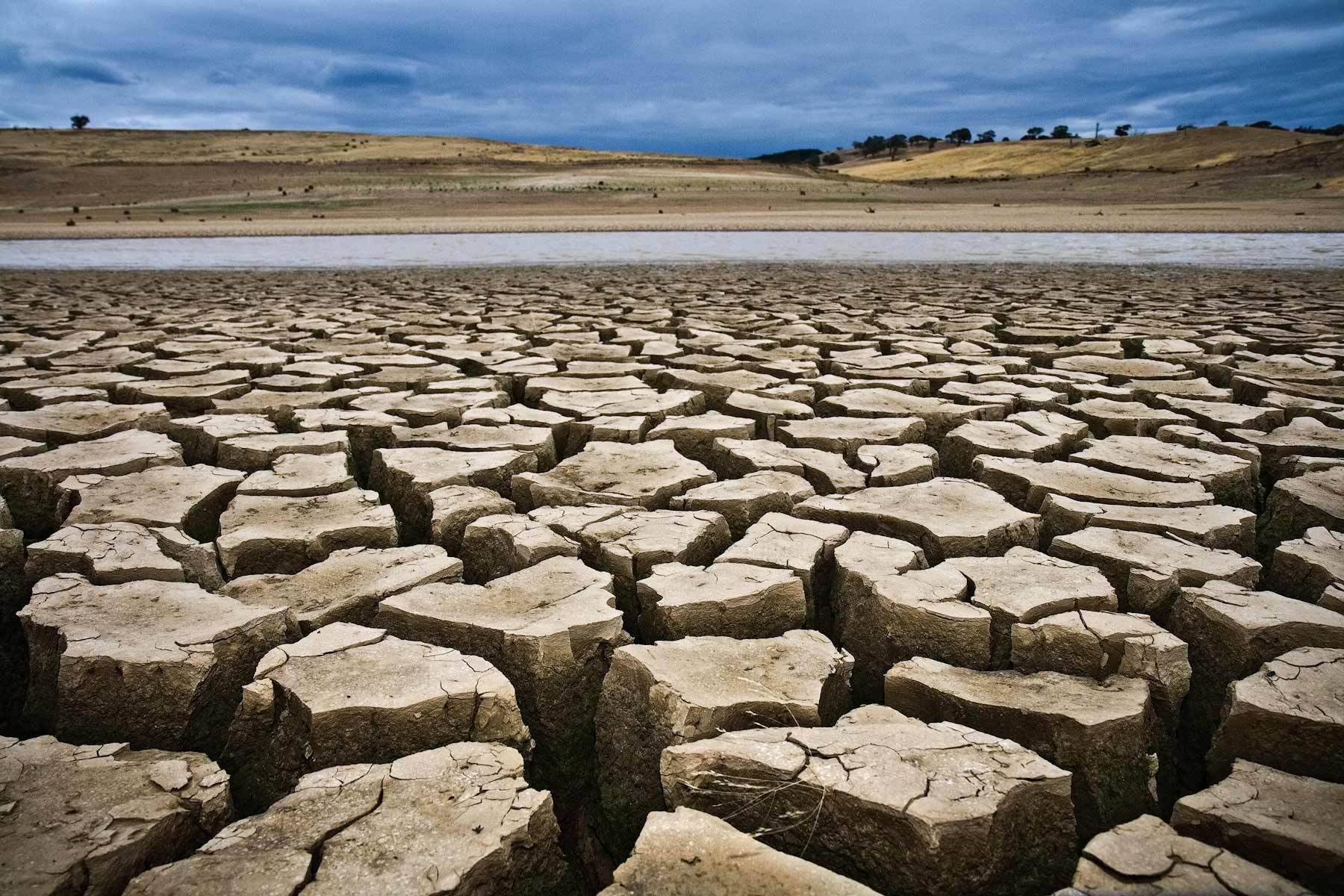
- Drought in California. Thanks to a historic drought, 2015 started with new scrutiny on water usage as Gov. Jerry Brown declared a state of emergency. From almond tree growers to cattle producers, many found themselves fighting for access to water for crops and more.
- Trans Pacific Partnership. The full text of this massive international trade deal was just released this fall, so months of debate in Congress are likely ahead. But agriculture does appear to be one of the winners in the proposed deal, with plenty of growth potential for American ag exports.
- Grain storage. Two years of big crops plus low prices for corn, soybeans and wheat means farmers are storing tremendous amounts of grain in the hope of getting better prices. Will their gamble pay off?
- Crop insurance. It’s now the cornerstone of agricultural risk management, thanks to changes in the farm bill. But with federal budgets tight, the program—and the various subsidies provided—got unexpectedly trimmed in Congress this week. While those $3 billion in proposed cuts were restored, the situation illustrates the challenges facing crop insurance in the world beyond ag.
- West Coast port labor deal. At this time last year, produce was rotting on West Coast ports, thanks to a months-long labor dispute. In February, federal mediators finally got dockworkers and shippers to reach an agreement, avoiding a port shutdown that would have drained the U.S. economy of $2 billion a day.
- Wildfires in the Pacific Northwest. While California growers dealt with drought, ranchers in the Pacific Northwest were fighting devastating wildfires that burned 1.6 million acres in Oregon, Idaho and Washington.
- El Nino. This weather pattern can bring everything from rain to South America to warm winters to the U.S., which obviously affect crop production, commodity prices, and more. The 2015 El Nino was expected to be one of the strongest in three decades.