

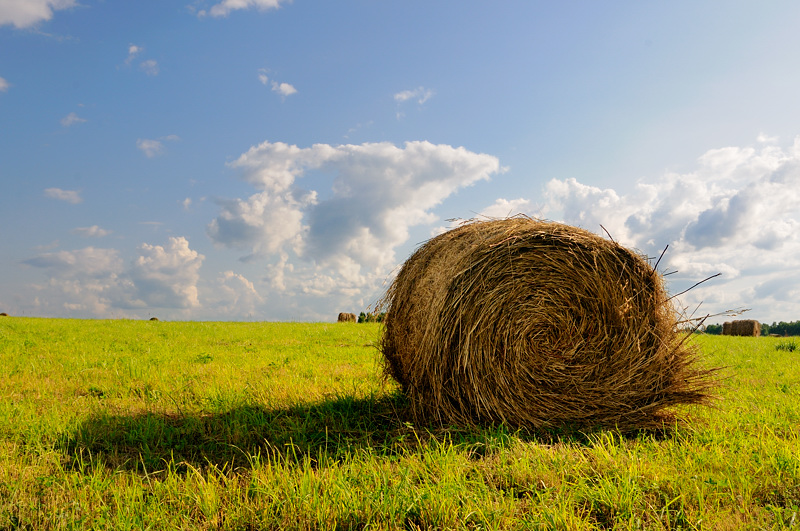
Canada - Forage Insurance Does Help During Dry Years
08.01.2016 335 views
2015 was a challenging year for many producers who rely on forage for seed, sale or feed. Dry conditions are an insurable cause of loss when it comes to the Forage Insurance Program offered through the Saskatchewan Crop Insurance Program. There are a number of crops insurable under this program including tame hay, dehydrated alfalfa, sweetclover and greenfeed. Additional choices such as Establishment Benefit and Forage Diversification options are also made available under this program.
In 2015, SCIC extended the seeding deadline for greenfeed from June 30 to July 15 to give producers another option for accessing additional feed supplies. Producers that chose to reseed a greenfeed crop paid a premium on the additional acres seeded and received full greenfeed yield-loss coverage. This was insurable under the multi-peril insurance program.
SCIC recognizes forage provides coverage choices to help build custom-fit insurance for any farm. Producers can customize their forage insurance to their operation by selecting low, base, variable or in-season price options. The variable and in-season price options can help producers manage price fluctuations that occur throughout and after the growing season, which was the case in 2015 when the hay shortage caused prices to spike. Producers can choose from a wide range of coverage level options available. These options include 50, 60, 70 and 80 per cent.
Regardless of your operation, SCIC has several options that meet your forage insurance needs. Alfalfa seed may be insured under a specific yield-loss option available through SCIC’s Multi-Peril Program. Red Clover, rye grass, millet and other forage seed crops are eligible for coverage through the Diversification Option.
The Forage Insurance Program is an extremely affordable way to manage the significant risks associated with forage production primarily because governments pay 60 per cent of the premium cost. Since 2000, the Forage Insurance Program has paid $2.32 for every dollar of customer premium collected. The program is designed to provide disaster relief when producers need it most. In 2015, forage claims are still being finalized but the average claim paid to date has been approximately $40 per acre with many customers receiving up to $100 per acre. The average premium paid by these customers is less than $3 per acre.
The Forage Establishment Benefit Option is available to protect newly seeded forage acres intended for hay, grazing or seed production against the risk of an establishment failure. This stand-alone option is not linked to any yield-loss insurance. This option can also be selected for forage acres seeded between October 15 and June 20, however acres grazed in the year of seeding are not eligible for coverage. The Forage Diversification Option is available for any forage feed crops that are not insurable under the basic forage insurance program. This is an area yield program. Your coverage and any claim calculations are based on insured barley acres in your risk zone.
Finally, the Forage Rainfall Insurance Program (FRIP) offers insurance on native and tame grazing acres. This program protects pastureland in the event that seasonal precipitation is below the long term average. This program is based on historical weather data pulled from 131 weather stations located across the province. Producers do not have to register a claim. Claims are triggered when the April to July seasonal precipitation falls below the long term normal for the selected station based on monthly weightings selected by the producer. Indemnities worth $5.4 million were paid to 94 per cent of customers who participated in FRIP in 2015 due to the extremely dry conditions throughout April and May.
Saskatchewan Crop Insurance continues to work with producer groups such as the Saskatchewan Cattlemen’s Association, the Saskatchewan Stock Growers Association and the Saskatchewan Forage Council to further improve programming so it remains on target with producer needs.
Source - saskcropinsurance.com
EVENTS

ScaleAgData Stakeholder Engagement Event
22.10.2024The ScaleAgData project is pleased to invite you to our second stakeholder event. Building on the discussions and connections formed during our first webinar, this event will focus on fostering collaboration among stakeholders, providing updates on our project’s progress, and outlining future opportunities for engagement.
RISK EVENTS

Moldova - May frosts caused heavy damage to fruit orchards
10.05.2026The first frosty nights of May have significantly worsened estimates of damage to Moldova's fruit sector from spring frosts. According to initial assessments by fruit market operators, between a quarter and a third of the country's total orchard area was seriously affected.
26.05.2026
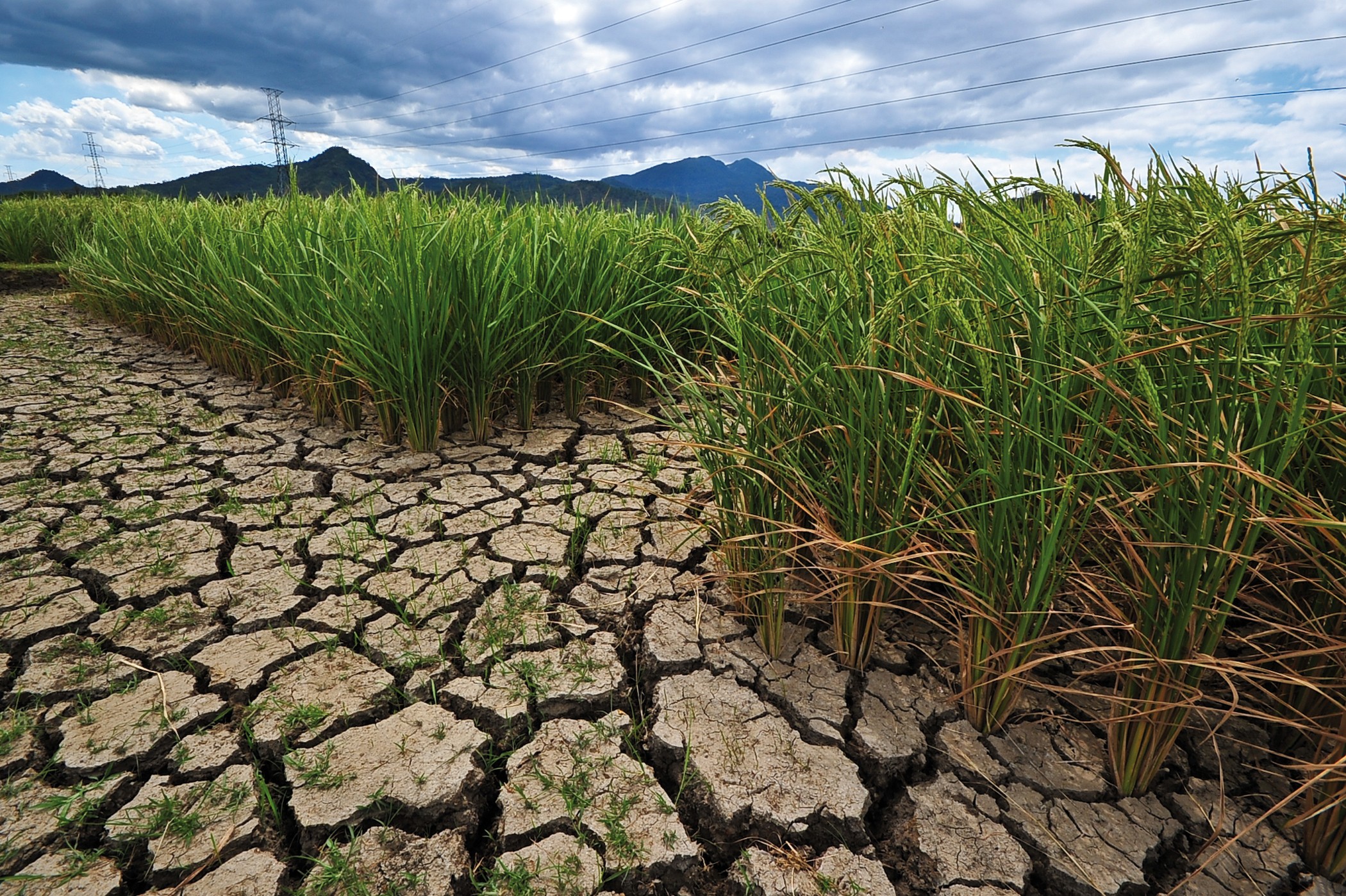
“Timac Agro Ukraine” launches crop insurance against drought
Timac Agro Ukraine, in collaboration with the insurance company PZU, has launched a crop insurance program against drought for farmers in five regions of Ukraine.
26.05.2026
Hansen announces "dialogue with the EIB on new agricultural insurance models"
Integrated European framework for climate resilience 'is on the way'.
26.05.2026
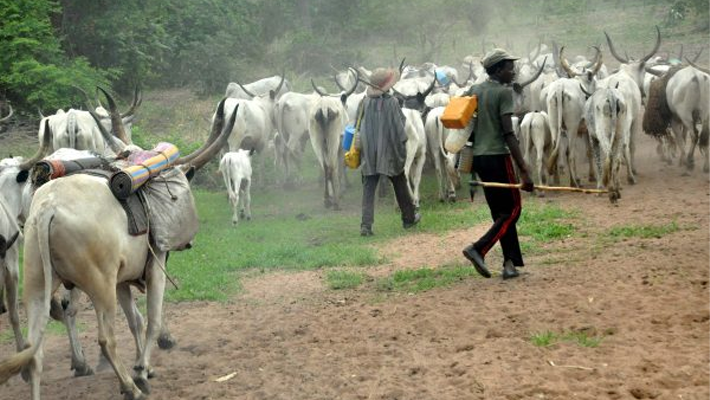
Nigeria - Oyo Steps up Enforcement Against Illegal Livestock Trading, Open Grazing
The Oyo State Government has stepped up enforcement against illegal livestock trading and open grazing, arresting offenders and impounding animals in parts of Ibadan during a fresh compliance operation.
26.05.2026
Philippines - Tacloban braces agri, health mitigation measures amid looming super El Niǹo
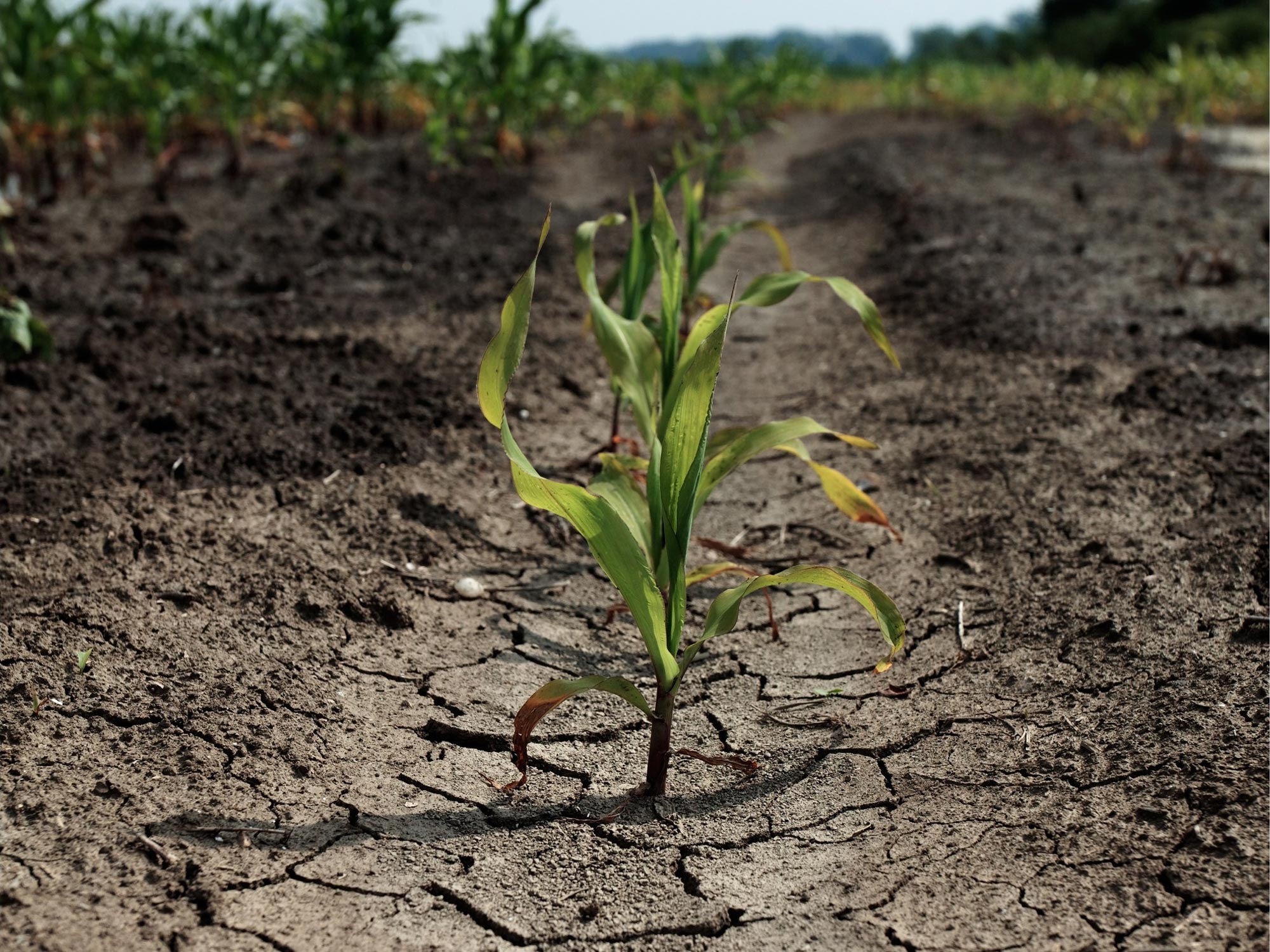
The City Government of Tacloban has intensified its preparations and mitigation measures as the threat of a possible Super El Niño continues to loom over several parts of the country, bringing concerns over prolonged dry spells, water shortages, and impacts on agriculture and public health.
26.05.2026
India - Punjab Govt Deploys 500 Teams for Special Girdawari as Rains Damage Wheat
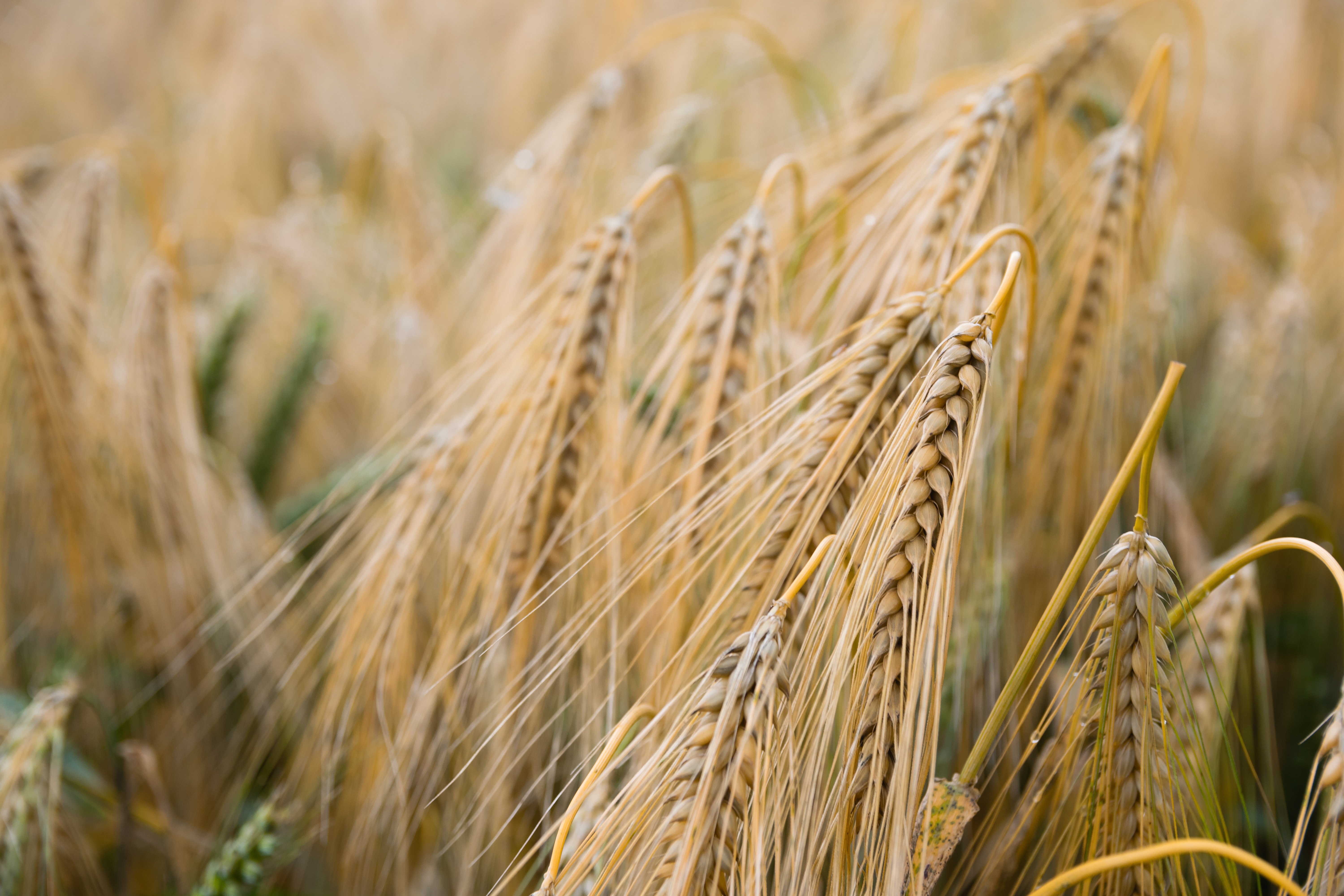
In Punjab, to calculate the damage done to the standing crops in the fields due to the inclement weather for the last many days, the state government has formed teams of 500 officials from the agriculture department to assess losses.
26.05.2026
Brazil - Agricultural insurance plummets in Paraná, putting the sector at risk.
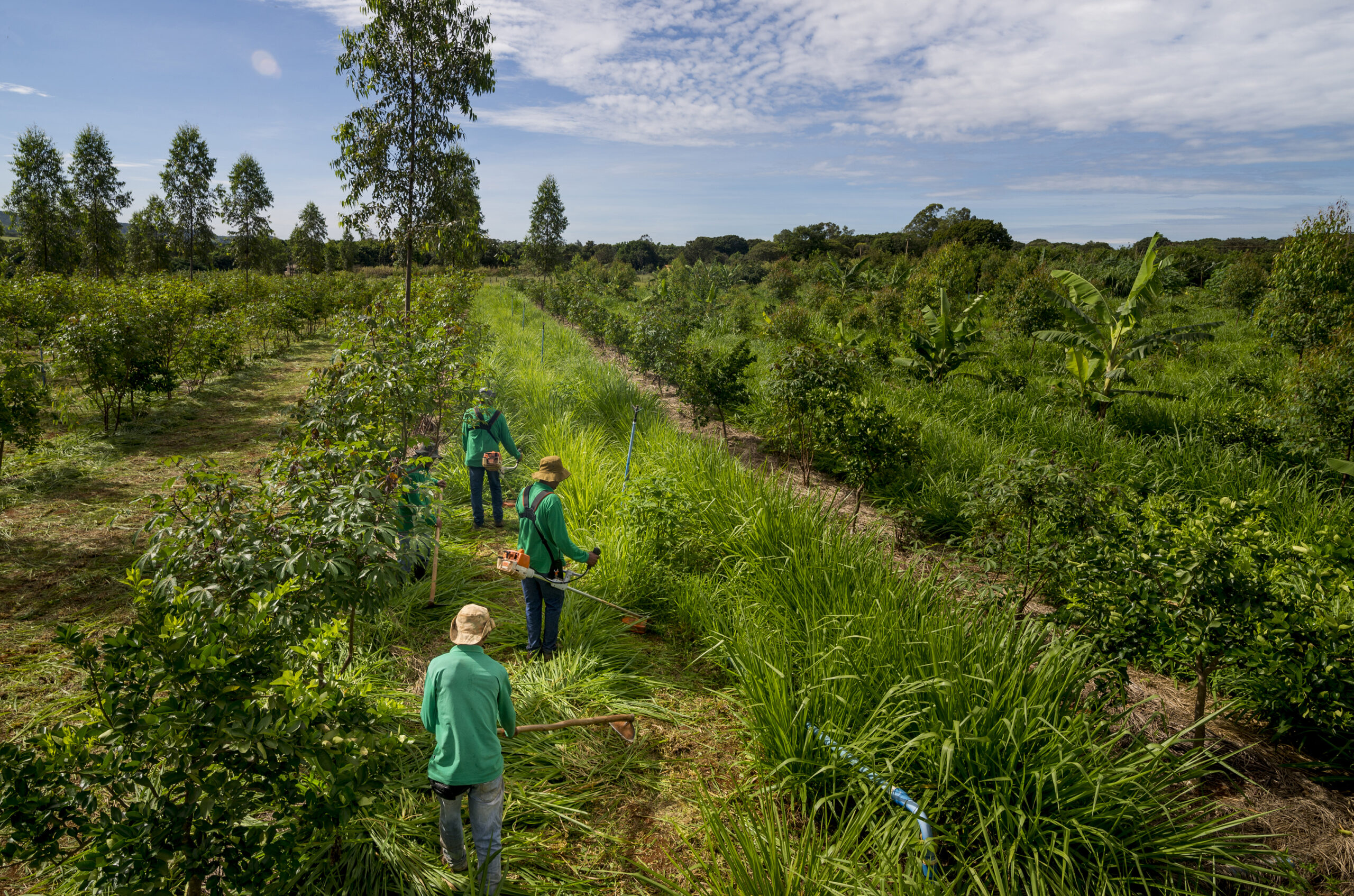
Cevio Alberto Mengarda, a soybean and corn producer in Marechal Cândido Rondon, in the western region of Paraná, followed in his father's footsteps in agriculture and today manages the family property.
25.05.2026
Algeria - CASH Assurances to diversify into agriculture insurance
CASH Assurances will launch agriculture insurance plans in June 2026, as part of its diversification strategy.
25.05.2026
U.S. specialty crop growers push for stronger Farm Bill support
Specialty crop growers in the U.S. are calling for stronger support measures in the 2026 Farm Bill, particularly around risk management, market access, and crop insurance.
