Ghana recently celebrated her ‘professionals’ who put food on her table. I am sure most of us, especially in urban and peri-urban Ghana, have no idea where the maize we consume comes from.
In fact we consume chicken almost on a daily basis but have no idea what the poultry farmer goes through to get the delicacy on our tables. Indeed we are not bothered with the source of food so long as it is healthy and we can afford it.
However, there is the need to worry our heads over the weather change especially and its effect on the farmer. How the farmer is able to finance crop cultivation, animal rearing and ultimately how he pays back the loans in the face of recurring climate change should be at the fore of our thoughts.
It is needless to say agriculture remains the mainstay of many economies, including Ghana. Thus, the sector remains a dominant force in the country’s economic development, as it employs over 50 per cent of the population.
Sadly its contribution to the country’s Gross Domestic Product (GDP) has dwindled to 19 per cent this year against 21.5 per cent in 2014.
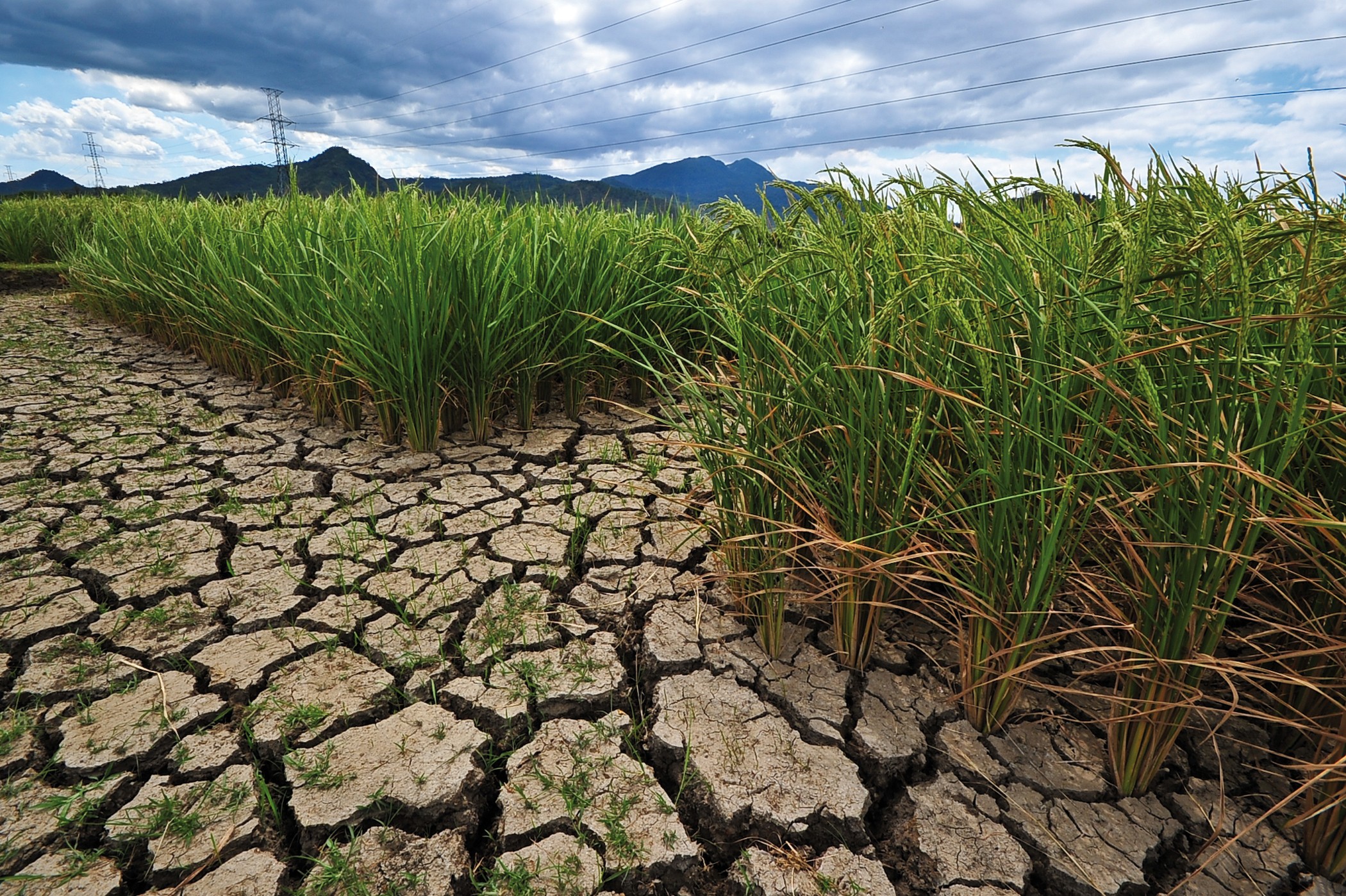
The many challenges the sector is fraught with such as unreliable rainfall patterns, poor climatic conditions, continuous reliance on outmoded technologies, and poor storage and processing infrastructure among others have become a source of worry to the farmers themselves and policy-makers by extension.
This, therefore, endangers the source of livelihood of both large-scale commercial farmers and small-scale peasant farmers in particular, as they tend to record poor yields and often are unable to repay contracted loans.
In recognition of the enormity of these challenges, therefore, the Ghana Insurers Association (GIA) established the Ghana Agricultural Insurance Pool (GAIP) to address the myriad of issues threatening the Agric sector, but the sustainability of this project still requires continuous efforts on the part of farmers themselves.
The IIPACC project
To mitigate the risks associated with the agricultural sector, the German Development Cooperation (GIZ) in concert with other relevant stakeholders, established a project, dubbed “Innovative Insurance Products for the Adaptation to Climate Change” (IIPACC).
The project, which started in December 2009, sought to facilitate the development and introduction of agricultural insurance for farmers in the form of an innovative, demand-oriented and economically sustainable agricultural insurance product.
It is also expected to facilitate the development of other innovative agricultural risk mitigation products, particularly, through investments in meteorological infrastructure to improve data collection and analysis, under the joint supervision of the National Insurance Commission (NIC) and the GIZ-IIPACC, in collaboration with the GIA.
The project is targeted at farmers, agro-processors, rural and financial institutions and input dealers, among others, so that compensation is paid them in the event of crop failure due to extreme weather conditions such as drought, excess rainfall and floods.
Drought index insurance product
Similar to the IIPACC Project, the GAIP in collaboration with relevant stakeholders, also introduced the Crop Drought Index Insurance (CDII), as a risk-mitigating mechanism, which works on the basis of rainfall measured at weather stations operated by the Ghana Meteorological Agency (GMet).
Thus, it provides protection to beneficiaries against the negative effects of extreme weather events; thereby helping farmers and their financiers to manage drought risks.
It also provides a comprehensive insurance cover for all the growth stages of crops. With a focus on the local farmer, the product employs simple language terminologies to interface with beneficiaries to ensure message clarity and thus, avoid ambiguities with claims expectations.
Expected gains from GAIP
The current membership of the GAIP comprising 19 non-life insurance companies in Ghana and operating under the guidance of the GIA remains unchanged.
While making access to loans from the banks a lot easier for farmers, the pool also ensures that crop revenue, particularly during adverse weather, is not lost and thus, the farmer will remain in business in spite of the disaster.
Invariably, in the event of losses owing to adverse weather, the farmers will not directly be liable as the banks will fall on the insurers to recoup the credits advanced.
Moreover, the pool offers protection for the investment of agricultural-input suppliers in relation to inputs such as seeds and fertilisers. Thus, in the event of crop failure owing to bad weather conditions, these input suppliers would be paid claims by GAIP, based on their contract.
Claims under GAIP
In October 2012, about 140 farmers mainly in the Northern and Upper regions of Ghana were the first to receive claims under the Drought Index Insurance product, offered by the GAIP.
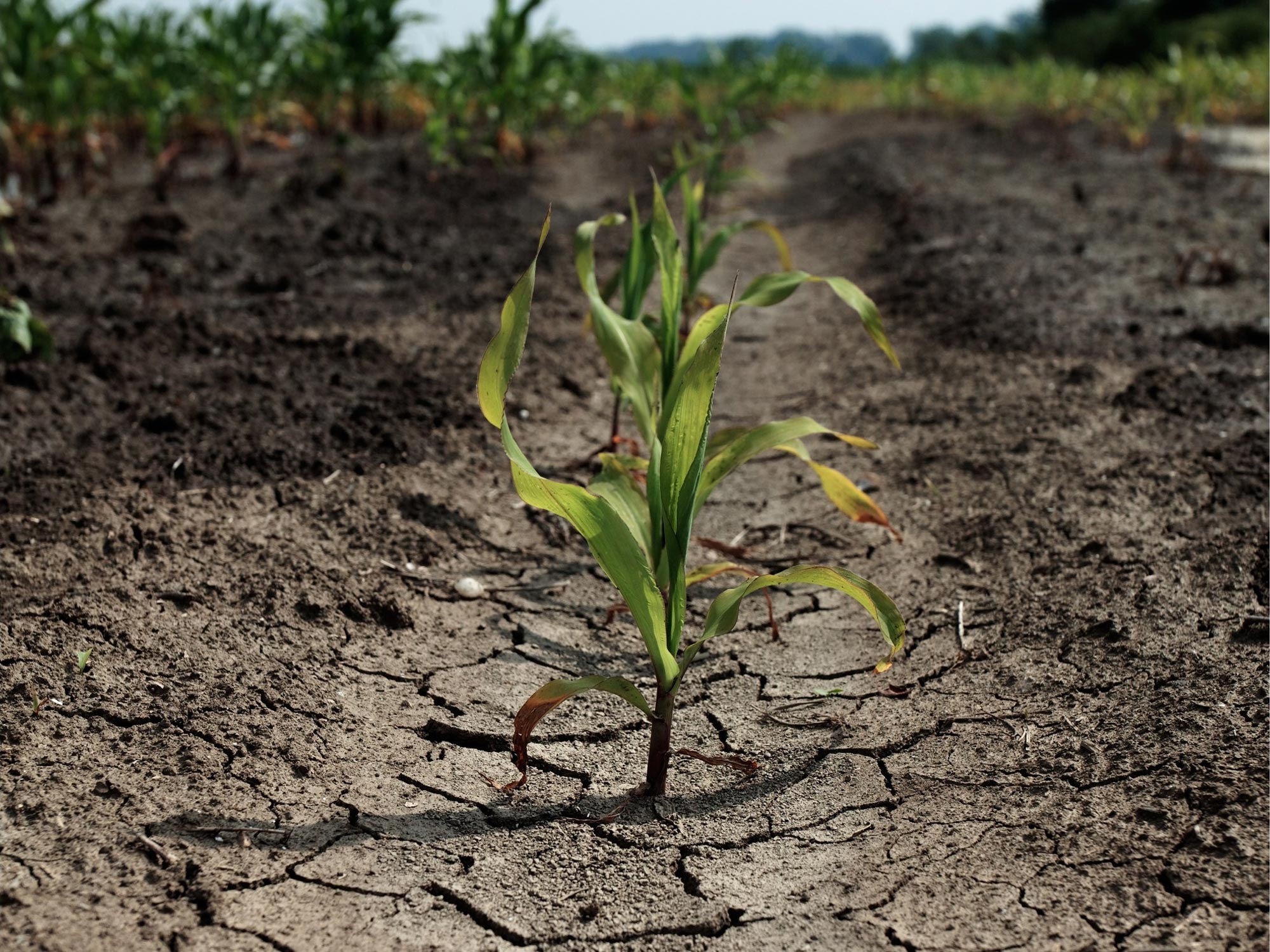
The farmers received compensation for losses due to inadequate rainfall within their areas. For instance, farmers around Pong Tamale did not have adequate rainfall during the growth stage of their maize.
The weather station, thus, measured 17 consecutive dry days during which the farmers hardly received any rainfall, which consequently affected the maize harvest.
Unlike conventional crop insurance that requires many physical inspections and risk assessments of every individual farmer’s field, the Drought Index Insurance uses rainfall measured at a weather station as a proxy for determining the basis for claims.
Instructively, the GAIP kept faith with its obligation to the farmers by paying their claims promptly in order to demonstrate to all stakeholders about GAIP’s preparedness to be a trustworthy partner in the agric sector.
Source - http://graphic.com.gh