

Ghanaian student honored for innovative approach to cut agriculture losses
24.12.2015 261 views
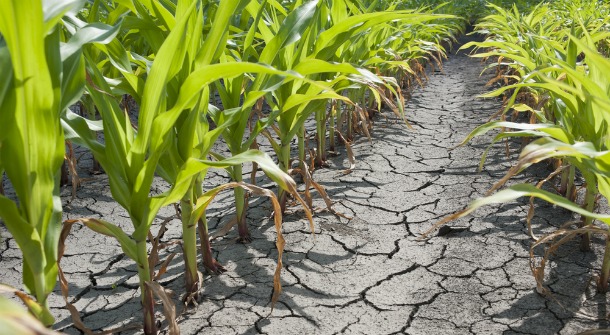
Adolph Okine, a first-year Ph.D. student studying actuarial science at the Wisconsin School of Business, took an innovative statistical approach to predicting the negative effects of climate change on agriculture, and it paid off.
He and his co-authors recently won the Best Paper Award from the Journal of Insurance Issues (JII) and The Center for the Study of Insurance Regulation (CSIR) at St. John’s University’s School of Risk Management, Insurance, and Actuarial Science in New York, New York.
The paper, “Drought Triggered Index Insurance Using Cluster Analysis of Rainfall Affected by Climate Change,” introduces a formula for developing an index-based insurance product that could help mitigate risk for farmers in developing countries that are impacted by weather patterns, such as Okine’s home country of Ghana.
“Farmers in developing countries need a safety net, as government and foreign aid is not reliable or sustainable,” says Okine. “Agricultural insurance products seem to be one way to provide stability. I'm proud to have worked on a project that has the potential to help countries like Ghana that depend on agriculture attain economic independence.”
Agricultural farming represents 44 percent of Ghana’s GDP, and recent decreases in rainfall have taken a toll on farming, as they have in other developing countries. Farmers can use agricultural insurance to offset crop losses, but the transaction costs of traditional insurance are too high.
Index-based insurance, on the other hand, offers protection at a lower price point because they pay out only if rainfall levels hit a certain trigger, cutting the costs associated with investigating losses listed in traditional claims.
“Many people are excited about the potential for index-based insurance policies to help mitigate the risk farmers face in developing countries,” says Okine’s advisor, Justin Sydnor, associate professor of actuarial science, risk management and insurance. “The appeal of these policies is that they offer people protection in the form of insurance payouts based on measures of the amount and timing of rainfall in the area. That type of plan is much cheaper to deliver compared to standard insurance policies in the U.S. that require claims adjusters to come out and verify individual losses.”
Index insurance plans only work if the index that is used to determine whether or not a payout is made is actually a good indicator of whether the farmer's crops failed or not. Therefore, it's important to get the "trigger point" for these policies right, so that they are paying out at the correct times.
“Our team needed to come up with pricing for the index insurance product,” says Okine. “We were trying to see if rainfall could be used as an index for crop yield. I realized that the trigger that triggers the insurance business was important in pricing, and I wanted to come up with the optimal trigger.”
Prior studies have tended to focus on fairly arbitrary thresholds of rainfall, such as rainfall below ten percent of normal. Okine took a more data-driven approach and used a clustering model to determine an optimal trigger in rainfall for drought identification. His team then applied cluster analysis to separate groups with similar rainfall characteristics, including crop yield, to construct a drought trigger. This approach uncovered a unique threshold for rainfall that is strongly correlated with crop yields in each of the districts they analyzed in Ghana.
Okine’s team also noted that because drought is a recurring scenario, farmers should be encouraged to explore other methods of farming, such as drought resistant seed, in order to decrease their exposure to crop loss.
“Adolph and his co-authors’ method of using data to decide where the trigger points for index policies should be is an important and practical step toward improving the quality of these plans for people in Ghana and throughout the developing world,” says Sydnor. “He is using cutting-edge statistical techniques to answer important questions in insurance and has the passion to apply his skills and knowledge to help his home country of Ghana.”
Okine and his co-authors presented the paper in a research symposium in conjunction with the CSIR’s annual conference on insurance regulation in New York City on October 15, and the paper will be published in the March 2016 issue of the JII.
Source - http://pulse.com.gh
EVENTS

ScaleAgData Stakeholder Engagement Event
22.10.2024The ScaleAgData project is pleased to invite you to our second stakeholder event. Building on the discussions and connections formed during our first webinar, this event will focus on fostering collaboration among stakeholders, providing updates on our project’s progress, and outlining future opportunities for engagement.
RISK EVENTS

Moldova - May frosts caused heavy damage to fruit orchards
10.05.2026The first frosty nights of May have significantly worsened estimates of damage to Moldova's fruit sector from spring frosts. According to initial assessments by fruit market operators, between a quarter and a third of the country's total orchard area was seriously affected.
26.05.2026
“Timac Agro Ukraine” launches crop insurance against drought
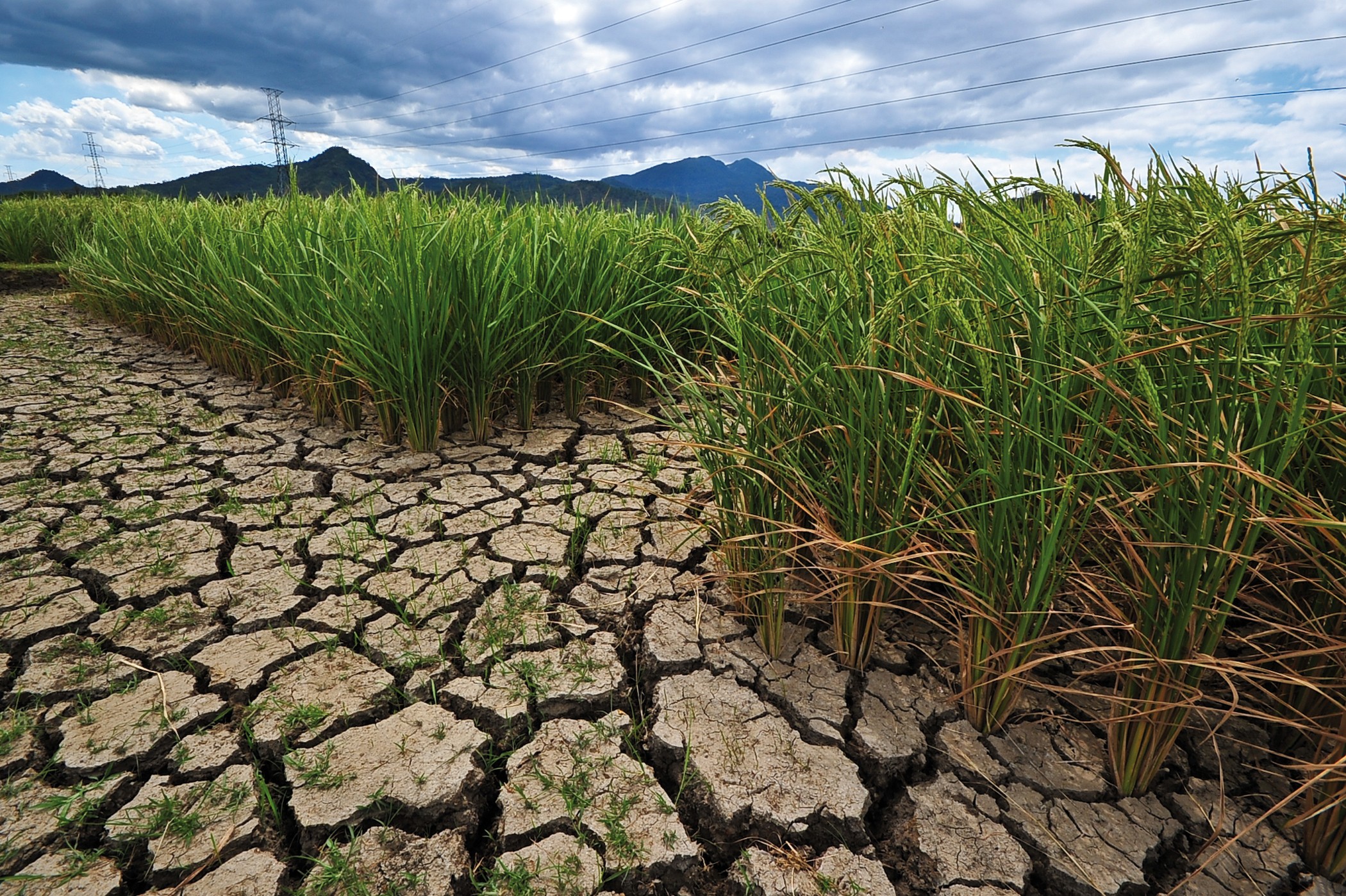
Timac Agro Ukraine, in collaboration with the insurance company PZU, has launched a crop insurance program against drought for farmers in five regions of Ukraine.
26.05.2026

Hansen announces "dialogue with the EIB on new agricultural insurance models"
Integrated European framework for climate resilience 'is on the way'.
26.05.2026
Nigeria - Oyo Steps up Enforcement Against Illegal Livestock Trading, Open Grazing
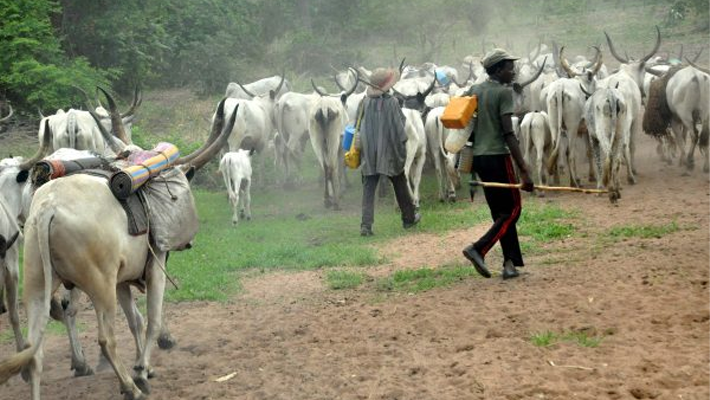
The Oyo State Government has stepped up enforcement against illegal livestock trading and open grazing, arresting offenders and impounding animals in parts of Ibadan during a fresh compliance operation.
26.05.2026
Philippines - Tacloban braces agri, health mitigation measures amid looming super El Niǹo
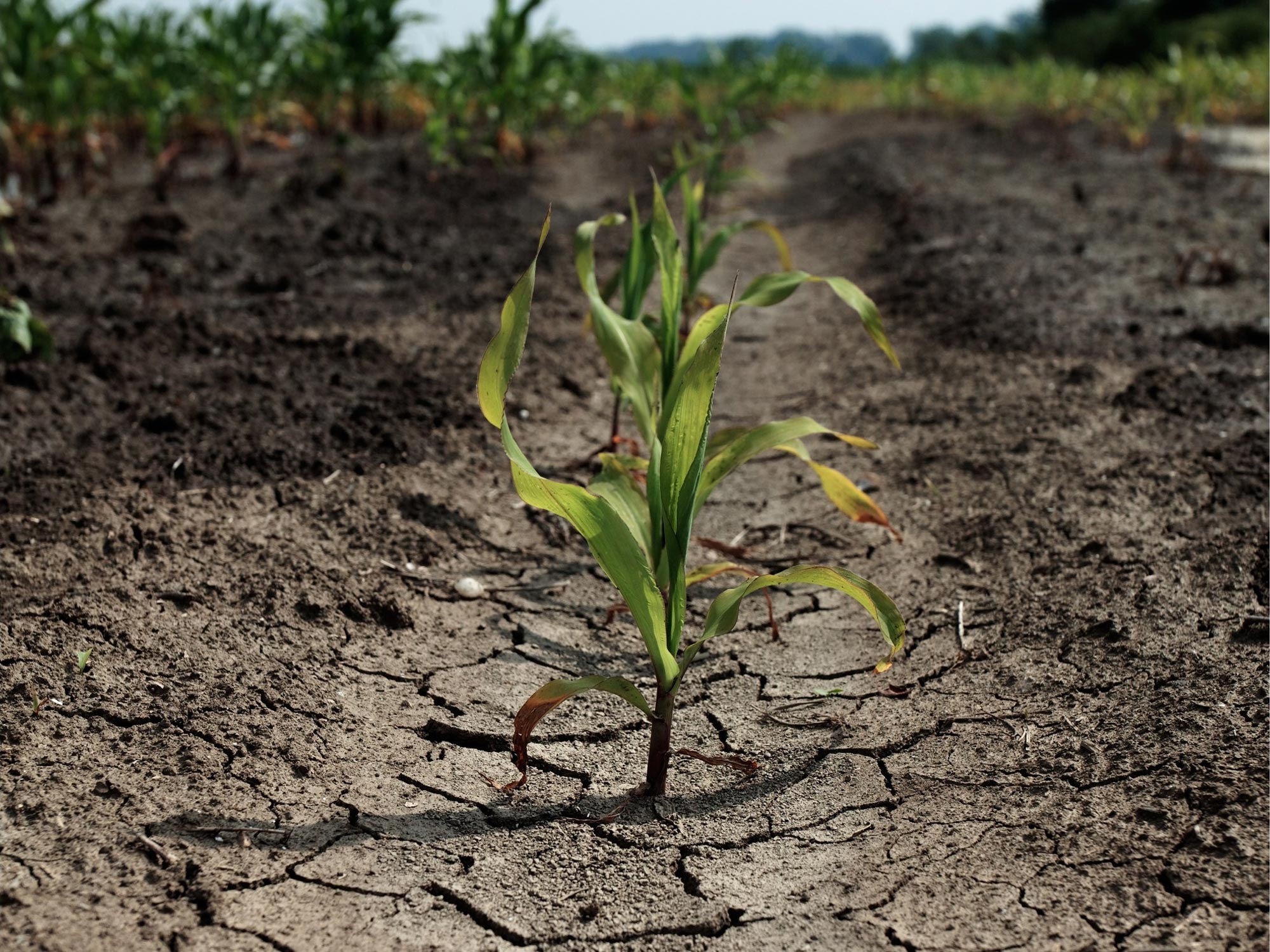
The City Government of Tacloban has intensified its preparations and mitigation measures as the threat of a possible Super El Niño continues to loom over several parts of the country, bringing concerns over prolonged dry spells, water shortages, and impacts on agriculture and public health.
26.05.2026

India - Punjab Govt Deploys 500 Teams for Special Girdawari as Rains Damage Wheat
In Punjab, to calculate the damage done to the standing crops in the fields due to the inclement weather for the last many days, the state government has formed teams of 500 officials from the agriculture department to assess losses.
26.05.2026
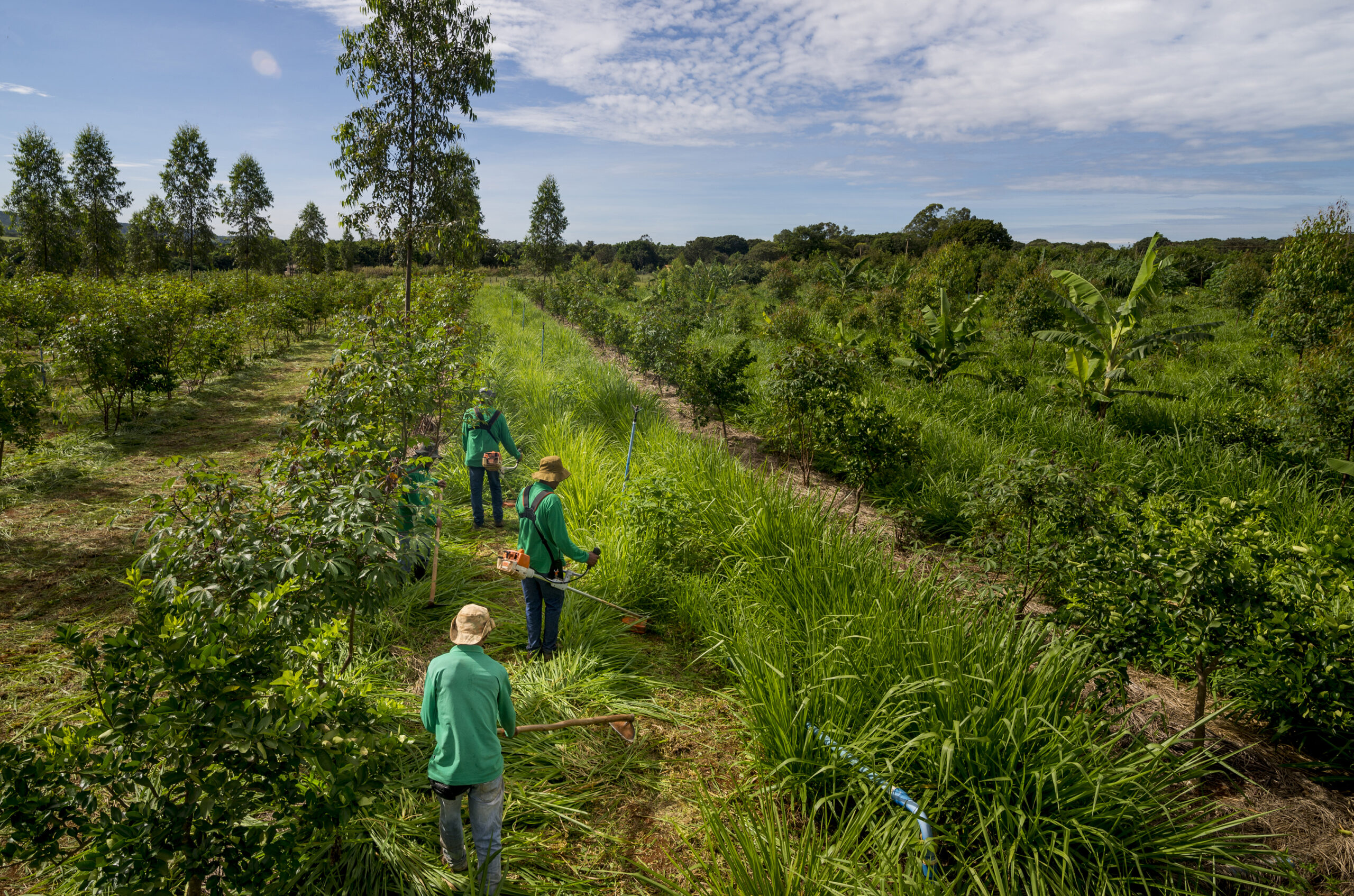
Brazil - Agricultural insurance plummets in Paraná, putting the sector at risk.
Cevio Alberto Mengarda, a soybean and corn producer in Marechal Cândido Rondon, in the western region of Paraná, followed in his father's footsteps in agriculture and today manages the family property.
25.05.2026
Algeria - CASH Assurances to diversify into agriculture insurance
CASH Assurances will launch agriculture insurance plans in June 2026, as part of its diversification strategy.
25.05.2026
U.S. specialty crop growers push for stronger Farm Bill support
Specialty crop growers in the U.S. are calling for stronger support measures in the 2026 Farm Bill, particularly around risk management, market access, and crop insurance.
