

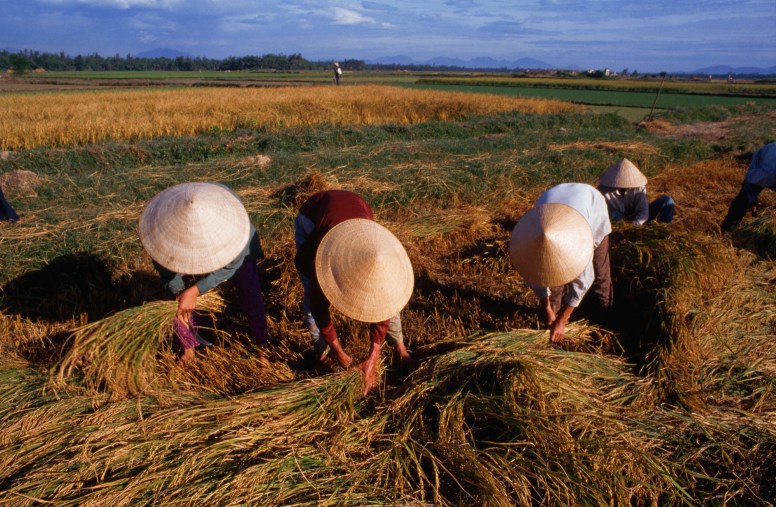
India - Crop insurance plan may bring cheer[:ru]India -
22.01.2016 382 views
In view of the growing volatility in the agriculture sector caused by vagaries of nature as well as market fluctuations, it is heartening to see the new Pradhan Mantri Fasal Bima Yojana (PMFBY) which is designed to compensate farmers for their crop losses.
Other than providing a robust cushion to our farmers, the new programme may also encourage them to consider investing more on inputs and crop protection solutions thereby adding to overall yield and production.
The PMFBY goes many notches up above the existing schemes. In his letter to farmers soon after the scheme was launched, Prime Minister Narendra Modi had rightly highlighted the reasons that made the previous schemes unsuccessful – high premium rates, low claim value and non-coverage of localised crop loss.
“As a result, not more than 20 per cent of farmers opted for crop insurance; and those who did, faced many difficulties to get their due. Eventually, farmer’s faith in insurance scheme eroded over time,” wrote Modi. The new version addresses many of these and incorporates new features.
One of the key features of this programme is that the contribution of farmers in premiums will be substantially reduced between 1.5 and 5 per cent – and the government will bear the remaining financial burden even if the share of the government increases beyond 90 per cent. Under the PMFBY, there will be only one premium rate for each season for all foodgrain, oilseeds and pulses.
For the farmers, this represents significant improvement over the existing Modified National Agricultural Insurance Scheme, under which the government subsidised a maximum of 75 per cent of the premium only. Under the PMFBY, farmers would pay only 2 per cent premium for all kharif, 1.5 for rabi and 5 per cent for horticulture crops.
Previous premiums ranged between 8 and 12 per cent. This, experts say, is a good move as assessment under the old systems lacked transparency and systemic inefficiencies. It is also common knowledge that compensation took a long time and process of claims and disbursement was riddled with corruption.
The PMFBY is also significant, agriculture experts say, in view of the unprecedented volatility in farm output because of erratic weather conditions causing losses to crops. It also assumes significance as the government has been working towards spreading financial literacy by providing access to the common man to insurance products in both the life and health segments thus bringing about some degree of financial inclusion.
Starting a new crop insurance scheme can be viewed as an extension of the same ideology. The smaller farmers have to be targeted as this is particularly the vulnerable class. Presently, the scheme does not distinguish between the large and small farmer as that does raise the issue of identification.
What is good, for the first time, inundation and post harvest losses arising out of cyclone and unseasonal rains have been included under localised risk cover, major improvements over the previous schemes.
The scheme is also likely to rationalise government spends – as against its current annual spend of about Rs 5,000 crore on disaster relief, the new scheme is likely to cost Rs 8,000-9,000 crore, which shall only mean an incremental addition.
Areas of concern
However, there are areas of concern that need to be addressed to ensure the scheme is successful. First and foremost, we have to ensure the land records are in place and digitised including their linkages with the Aadhaar card number of the farmers.
Secondly, the assessments of crop losses have to be done in a time bound manner, and using high-end technologies such as automatic weather stations (AWS), drones, Low Earth Orbits (LEOs) and satellites. Experts say these must be put in place immediately. Third, payment to farmers should be done directly into their accounts.
Fourth, insurance companies and government departments dealing with this must be geared to deal with high volumes. Fifth, weather data of all regions should be adequately captured so that forecasts and assessments are done expeditiously.
Sixth, creating awareness among farmers, and especially the small peasants who are more vulnerable, is going to be vital for the spread of the programme. Seventh, those assigned the task of making crop loss assessment should be adequately trained.
Seen along with other major programmes by the Government of India including the Pradhan Mantri Krishi Sinchai Yojana, Soil Health Card, National Agriculture Market etc, the new crop insurance scheme will go a long way in improving the lot of our ‘annadata’.
Source - deccanherald.com
EVENTS

ScaleAgData Stakeholder Engagement Event
22.10.2024The ScaleAgData project is pleased to invite you to our second stakeholder event. Building on the discussions and connections formed during our first webinar, this event will focus on fostering collaboration among stakeholders, providing updates on our project’s progress, and outlining future opportunities for engagement.
RISK EVENTS

Moldova - May frosts caused heavy damage to fruit orchards
10.05.2026The first frosty nights of May have significantly worsened estimates of damage to Moldova's fruit sector from spring frosts. According to initial assessments by fruit market operators, between a quarter and a third of the country's total orchard area was seriously affected.
26.05.2026
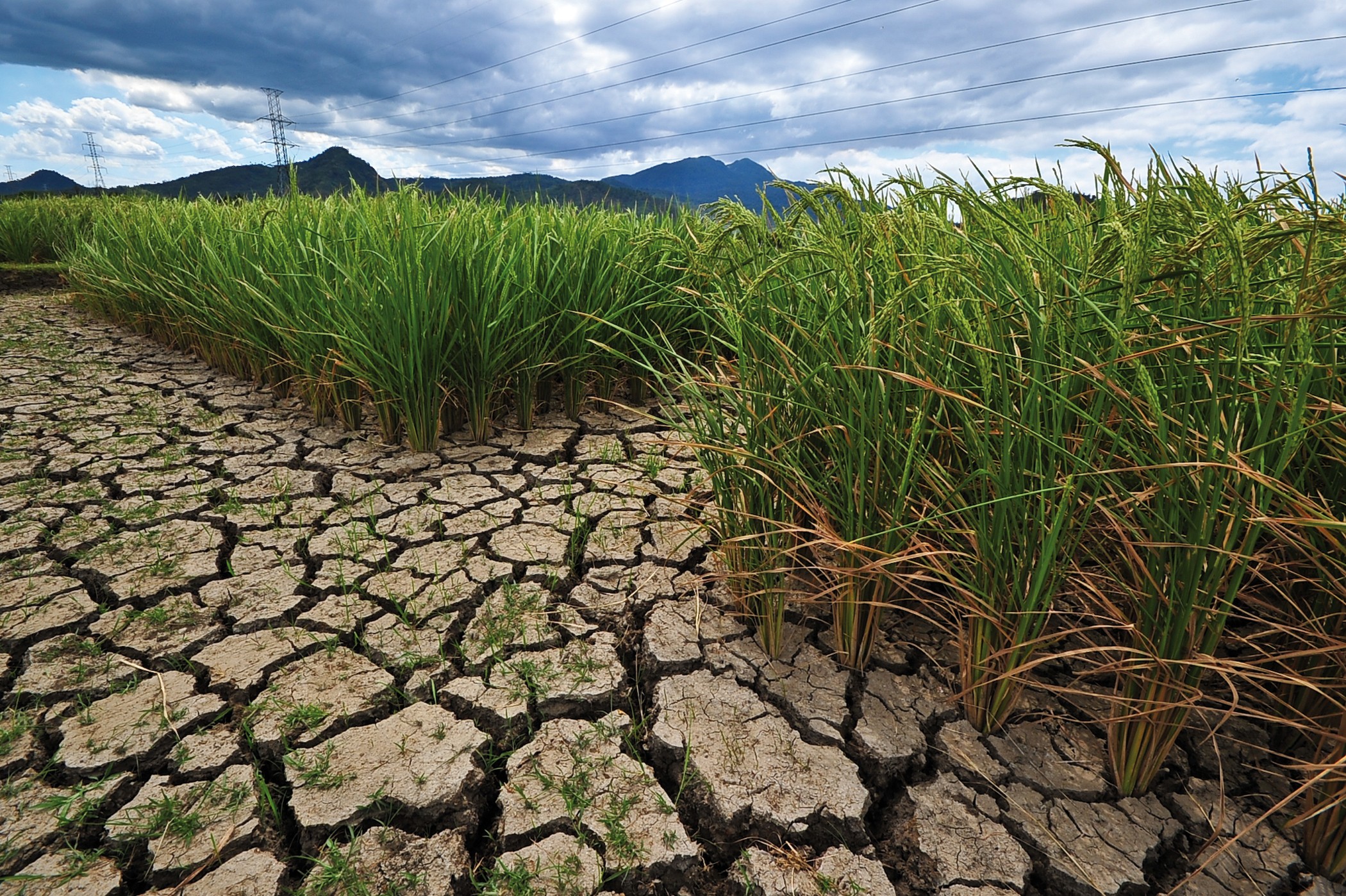
“Timac Agro Ukraine” launches crop insurance against drought
Timac Agro Ukraine, in collaboration with the insurance company PZU, has launched a crop insurance program against drought for farmers in five regions of Ukraine.
26.05.2026

Hansen announces "dialogue with the EIB on new agricultural insurance models"
Integrated European framework for climate resilience 'is on the way'.
26.05.2026
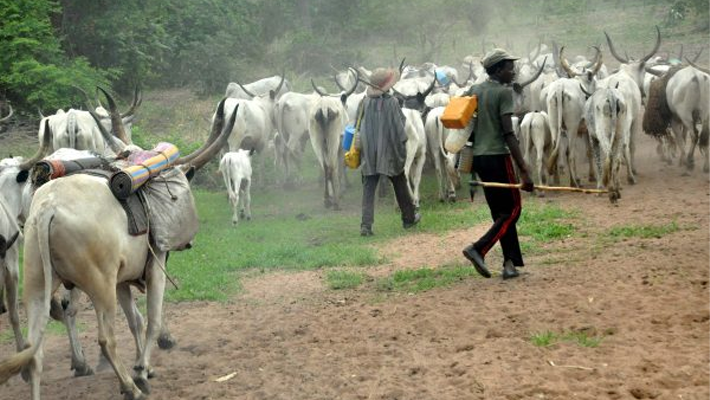
Nigeria - Oyo Steps up Enforcement Against Illegal Livestock Trading, Open Grazing
The Oyo State Government has stepped up enforcement against illegal livestock trading and open grazing, arresting offenders and impounding animals in parts of Ibadan during a fresh compliance operation.
26.05.2026
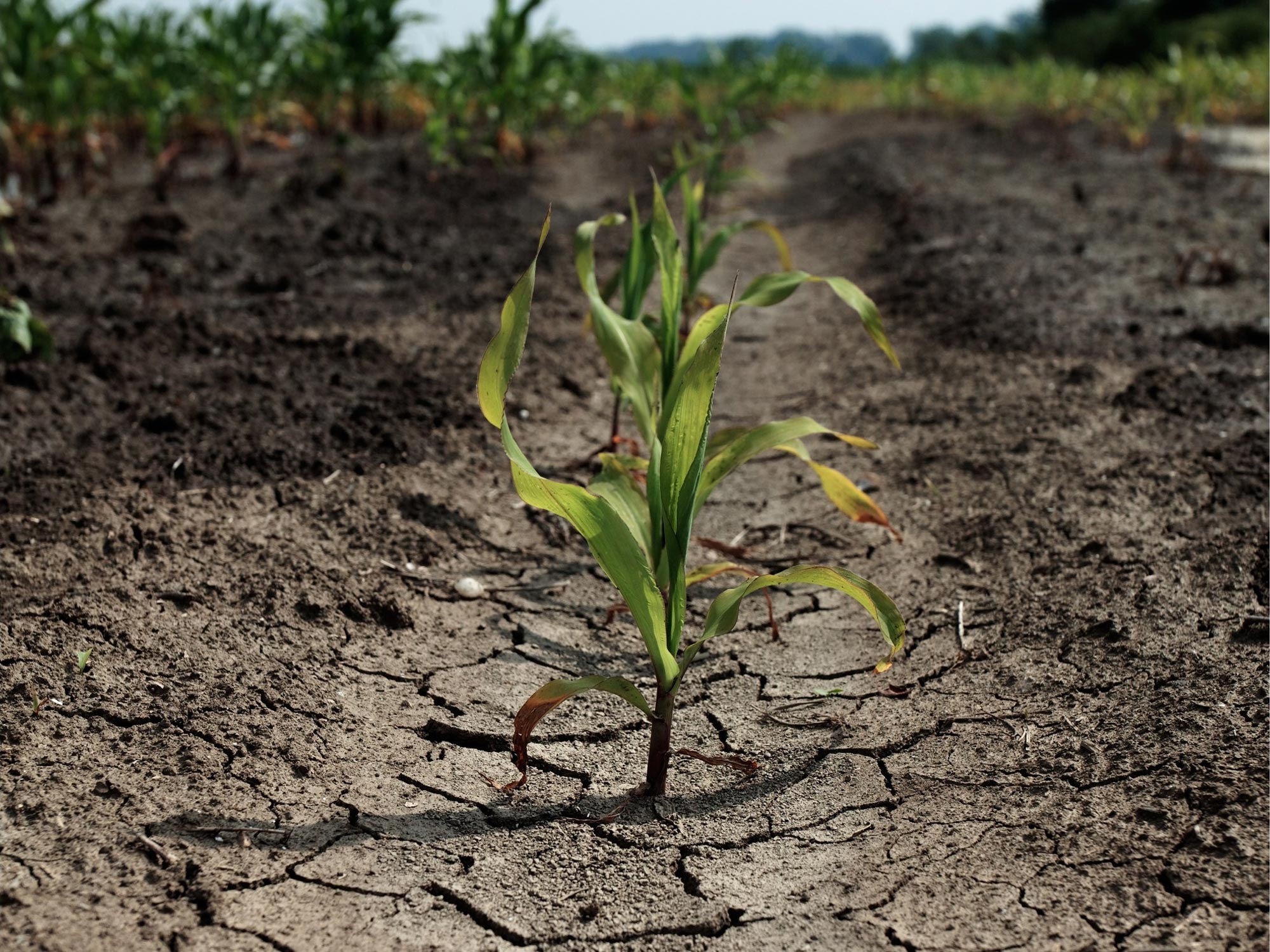
Philippines - Tacloban braces agri, health mitigation measures amid looming super El Niǹo
The City Government of Tacloban has intensified its preparations and mitigation measures as the threat of a possible Super El Niño continues to loom over several parts of the country, bringing concerns over prolonged dry spells, water shortages, and impacts on agriculture and public health.
26.05.2026
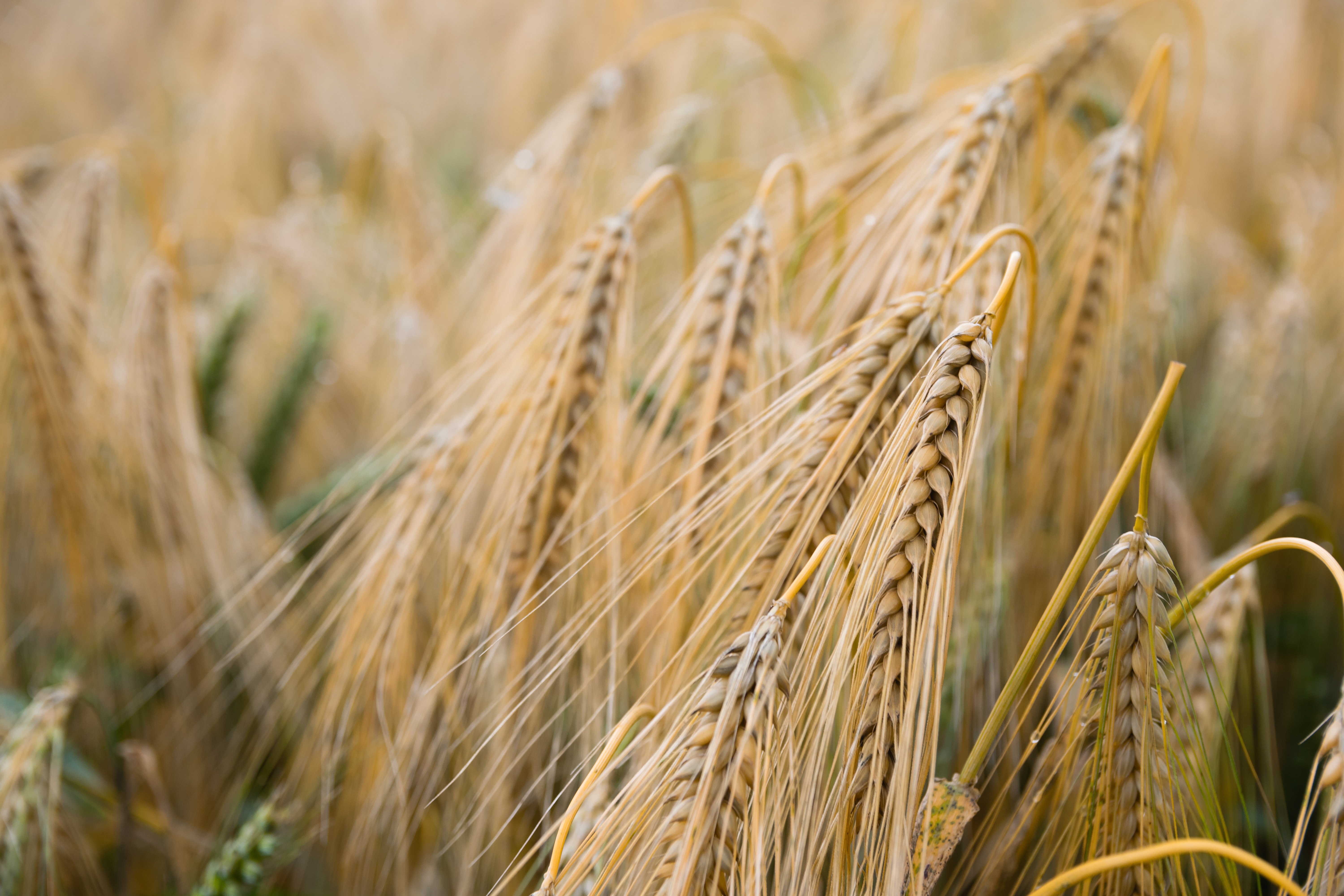
India - Punjab Govt Deploys 500 Teams for Special Girdawari as Rains Damage Wheat
In Punjab, to calculate the damage done to the standing crops in the fields due to the inclement weather for the last many days, the state government has formed teams of 500 officials from the agriculture department to assess losses.
26.05.2026
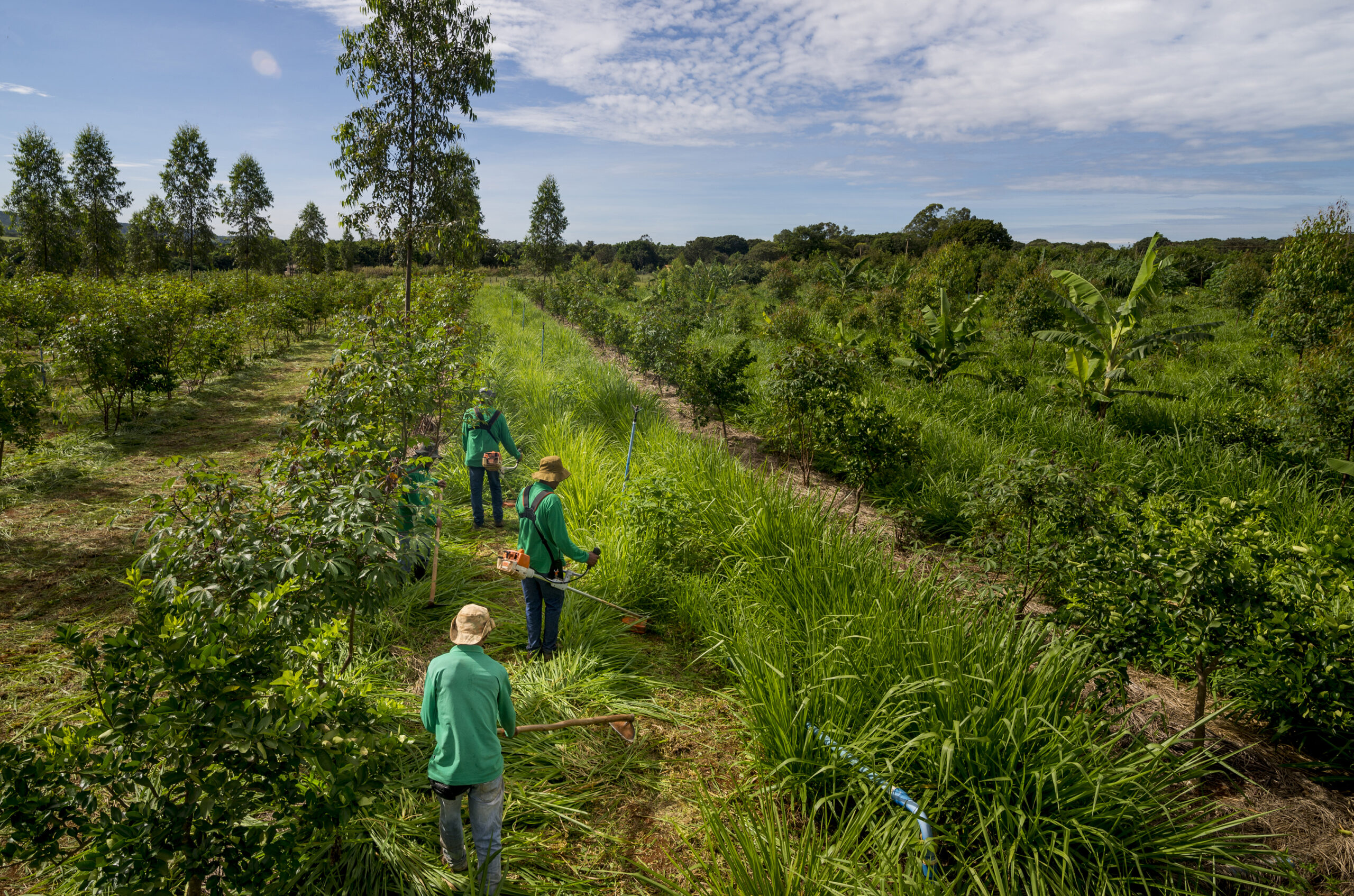
Brazil - Agricultural insurance plummets in Paraná, putting the sector at risk.
Cevio Alberto Mengarda, a soybean and corn producer in Marechal Cândido Rondon, in the western region of Paraná, followed in his father's footsteps in agriculture and today manages the family property.
25.05.2026
Algeria - CASH Assurances to diversify into agriculture insurance
CASH Assurances will launch agriculture insurance plans in June 2026, as part of its diversification strategy.
25.05.2026

U.S. specialty crop growers push for stronger Farm Bill support
Specialty crop growers in the U.S. are calling for stronger support measures in the 2026 Farm Bill, particularly around risk management, market access, and crop insurance.
