


India - Crediting Crops
17.09.2015 355 views
North Kashmir’s Sopore and South Kashmir’s Shopian – seem doing farming with liberated outlook at the moment. Behind this empowerment is the banking that has relieved the sector from traditional bottlenecks. Delhi’s Azadpur Mandi is no more calling shots by deciding fate and rate of their crop; while the commission agents aren’t demanding like before.
Till five years ago, an orchardist from Sopore would avail finances from middlemen sitting in Delhi’s Azadpur Mandi. Those middlemen would first themselves avail the lump-sum credit from banks before making it available to growers at a relatively high interest rate to dismay of growers.
But once the decay was detected, banks and growers came closer to oust middlemen. Out of this bonhomie, Kisan Credit Card (KCC) scheme was introduced aimed to help farmers “accessing timely and adequate credit”.
One of the reasons popularising KCC among farming community was its flexibility. For instance, in view of a bad crop season, repayment can be rescheduled and extensions are offered for up to four years. The card is valid for five years and subject to annual renewals. Withdrawals are made using slips, cards and a passbook.
State-run banks currently disburse short-term crop loans on KCC up to Rs 3 lakh at an annual interest rate of seven percent. “Another best thing about KCC is that,” says Mushtaq Hassan, an apple grower, “the grower has to pay only 4 percent interest if he repays the loan within a year. Banks waive off remaining 3 percent interest rate to grower’s relief.”
However things weren’t always that way for the farmers. Before KCC, Hassan was a very unsure orchardist despite harvesting a ‘superior’ apple crop each season. His farming fret would stem every season because there were loans to settle, middlemen to handle and transport blues to tackle.
And then, there was a looming threat of weather uncertainty.
“But KCC ushered a much-needed change,” says Hassan, an orchardist from Sopore. Implemented by Commercial Banks, Cooperative Banks and Regional Rural Banks, KCC scheme gives credit to farmers for crop loans, working capital or investment credit for viable agriculture purpose. The cardholders are also covered under Personal Accident Insurance Scheme (PAIS) against accidental death/permanent disability. “All these features make it tempting for farmers,” he says.
The outcome of the agricultural credit is obvious at places like Shopian Fruit Mandi. Growers there attend huge rush of buyers while staying back home. Earlier cowed down by middlemen control, growers weren’t as confident as they feel at the moment. “Agricultural credits disbursed by banks have greatly helped growers to prepare and mange their orchards better before reaping crop,” says Mir Mohammad Amin, president Shopian Mandi. “The credit has made growers primary beneficiaries.” With the result, the collective trading at Shopian Fruit Mandi during previous season registered a sale of Rs 850 crore.
Like Shopian, Sopore Fruit Mandi has also reduced Azadpur Mandi’s monopoly over Kashmir apple. Spread over 400 kanals of land, it sold 30 million apple boxes earning Rs 1200 crore last year. Most growers in Sopore town too rely on credit to get a great deal out of cash crops.
Besides taking care of cash crops, bank credits are aimed at to purchase assets (farm equipments), creation of assets (orchard development) and any agriculture related activity. By the end of 2015 summer, banks had disbursed Rs 6,290.16 crores in Jammu and Kashmir.
Even then credits like KCC has failed to woo the entire agrarian community of the state. Many of them aren’t opening up to bank credit system, claiming “self-sufficiency”. But the government appears upbeat. The state minister for finance, Dr Haseeb Drabu says, the government has devised agricultural packages aimed at helping farming community. One model Basmati village in Jammu, one model Apple village and one model saffron village in Kashmir are coming in state, he says. “State will be disbursing agricultural loans to farmers for successfully implementing the project.” The model apple village will be provided with a small CA store, a grading and picking line and a packaging unit, Drabu says. “This village will also be given the right root stock to develop a high density orchard.”
Interestingly, many fruit growers are making use of new scientific techniques and methods, like introducing high density planting system (HDPS) in their orchards. HDPS is planting at a density in excess of that gives maximum crop yield at maturity if the individual tree grows to its full natural size. Shimla known for integrated orchards has already become Kashmir’s hanging out place for farmers to avail HDPS. “I have placed order of around 300 high density plants,” says Showkat Khan, an orchardist from Shopian’s Pinjora village. In the race to produce the maximum crop, the quest for high density plantation has only peaked in farming community.
Sensing the same quest, state government is setting up 1 kanal of medium to high-density orchard costs between Rs 75,000 and 175,000. To make it affordable for farmers, state government is subsidizing it up to 50 percent. The state finance minister has already announced Rs 150 crore for replanting high density apple trees.
But as government keeps growing lending limit to farmers through budgetary allocations, a credit mismatch in agricultural sector was highlighted in the latest economic survey. However, despite odds, private sector banks are making moolah by effectively working at village level.
Most of them are following the government’s decision to extend the Interest Subvention Scheme to short-term crop loans offered by these lenders. “This scheme allowed state-run lenders to lend crop loans at lower rates than their private sector rivals,” says Rafiq Bhat, a banker.
Devised and launched to discourage distress crop sale by farmers by encouraging them to store their produce in warehouses, the scheme introduced in 2011-12 extended concessional loans to farmers against negotiable warehouse receipts. “Post harvest loans provided to small and marginal farmers would be eligible for interest subvention, period of up to six months on the same rate as available to crop loan,” Bhat, the banker, says.
J&K Bank provides interest subsidy to the farmers under interest subvention scheme of GOI, Bhat continues. “The scheme was a major relief to the farmers coming in the wake of the central finance ministry’s announcement that the J&K Government retains majority stake of 53 in J&K Bank.”
Termed as a “big boost to the agriculture sector of the state” by J&K Bank Chairman Mushtaq Ahmad, the scheme extends loans at softer rate of interest. It has reduced client acquisition cost, expanded customer base in villages by providing them an opportunity to market other agri-banking products, says Kaiser Altaf, an orchardist. “It offers products like micro-insurance, irrigation loans and agri-supply chain finance.”
With finance ministry earmarking Rs 150 crore as a “Secure Horticulture Future” initiative to “raise the average productivity from the current level of 10MT/ha to the international level of 40-70 MT/ha”, govt is working on three-point package presently. The package is expected to flip the face of farming by setting up soil and leaf testing laboratory, incentivizing high-density orchards and check on the sale-use of spurious pesticides.
Besides package, private partners are coming forward for post-harvest management of fruits, like building cold storage facilities in Industrial Estate Lassipora. But least landholdings continue to pose challenge to avail agriculture credit – even though government spent Rs 1204.90 crore to acquire 24572.35 kanals (approx) of land in last half a decade. With state running out of land, agricultural credit has seemingly failed to take off completely despite altering the style and scope of farming.
Source - http://www.kashmirlife.net
EVENTS

ScaleAgData Stakeholder Engagement Event
22.10.2024The ScaleAgData project is pleased to invite you to our second stakeholder event. Building on the discussions and connections formed during our first webinar, this event will focus on fostering collaboration among stakeholders, providing updates on our project’s progress, and outlining future opportunities for engagement.
RISK EVENTS

Moldova - May frosts caused heavy damage to fruit orchards
10.05.2026The first frosty nights of May have significantly worsened estimates of damage to Moldova's fruit sector from spring frosts. According to initial assessments by fruit market operators, between a quarter and a third of the country's total orchard area was seriously affected.
26.05.2026
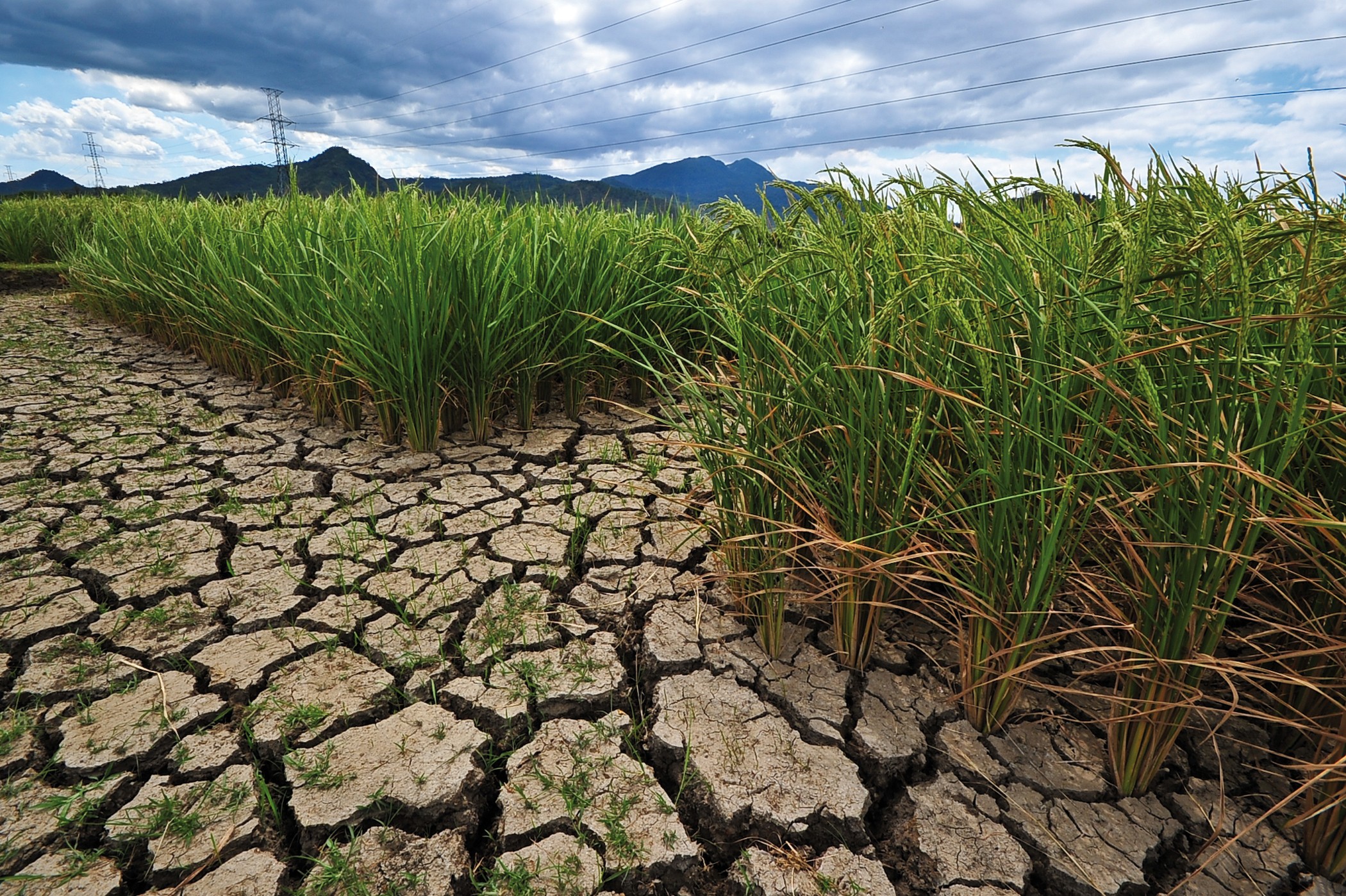
“Timac Agro Ukraine” launches crop insurance against drought
Timac Agro Ukraine, in collaboration with the insurance company PZU, has launched a crop insurance program against drought for farmers in five regions of Ukraine.
26.05.2026

Hansen announces "dialogue with the EIB on new agricultural insurance models"
Integrated European framework for climate resilience 'is on the way'.
26.05.2026
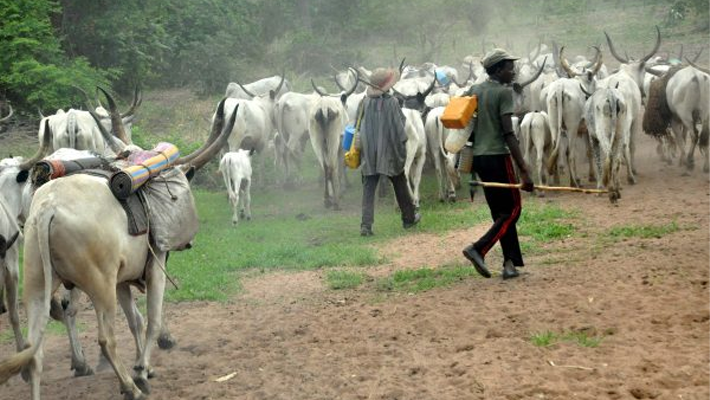
Nigeria - Oyo Steps up Enforcement Against Illegal Livestock Trading, Open Grazing
The Oyo State Government has stepped up enforcement against illegal livestock trading and open grazing, arresting offenders and impounding animals in parts of Ibadan during a fresh compliance operation.
26.05.2026
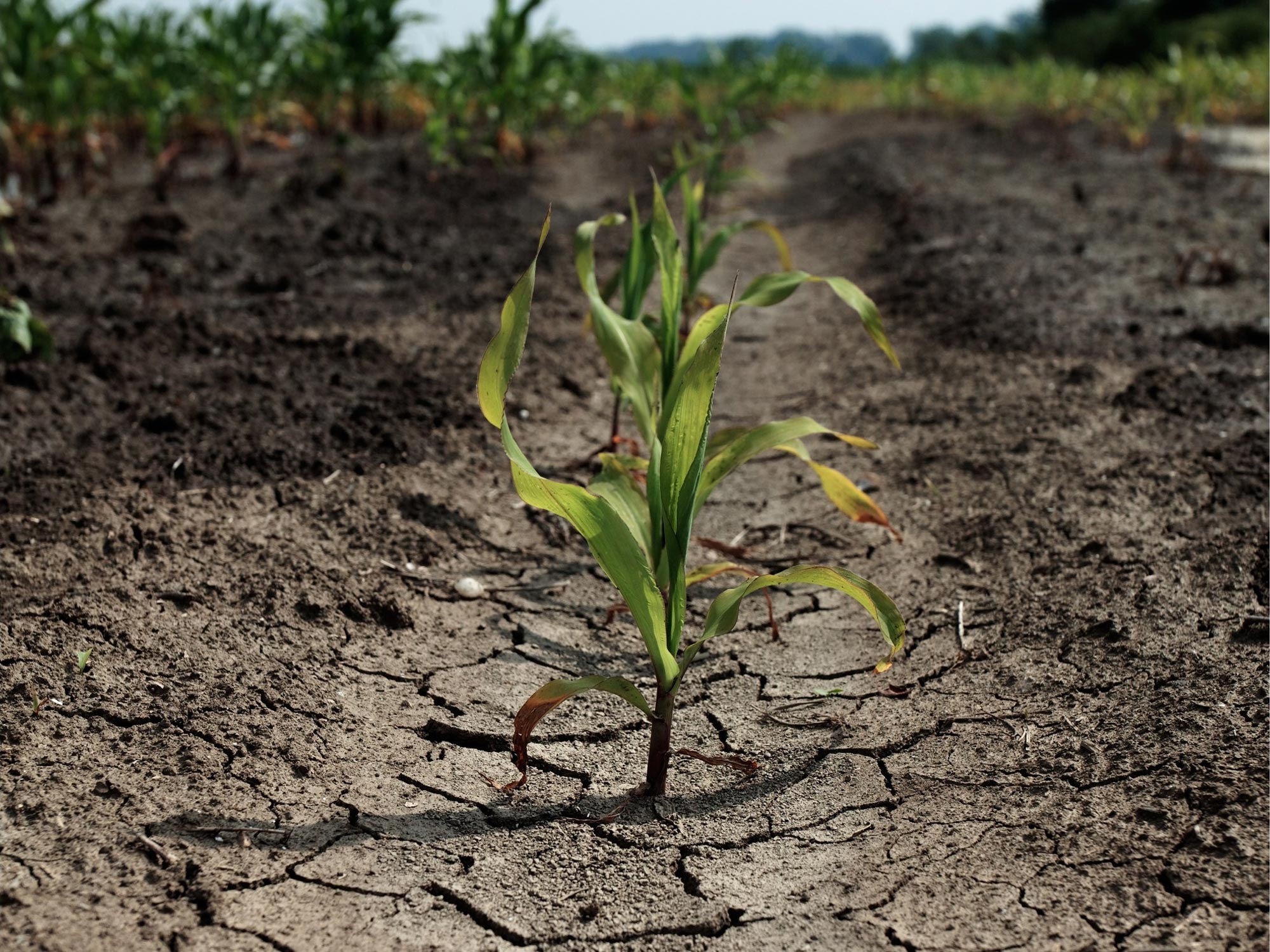
Philippines - Tacloban braces agri, health mitigation measures amid looming super El Niǹo
The City Government of Tacloban has intensified its preparations and mitigation measures as the threat of a possible Super El Niño continues to loom over several parts of the country, bringing concerns over prolonged dry spells, water shortages, and impacts on agriculture and public health.
26.05.2026
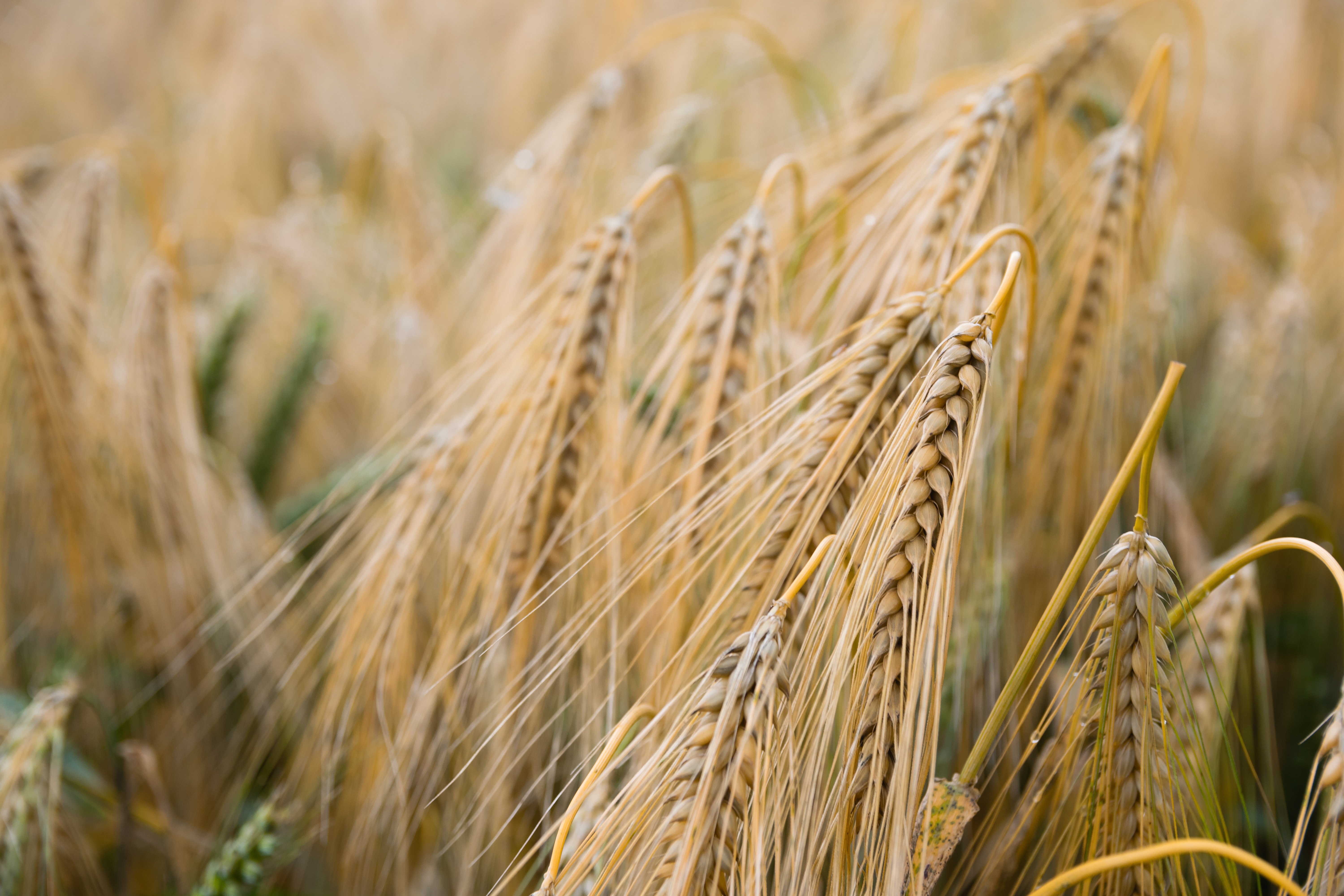
India - Punjab Govt Deploys 500 Teams for Special Girdawari as Rains Damage Wheat
In Punjab, to calculate the damage done to the standing crops in the fields due to the inclement weather for the last many days, the state government has formed teams of 500 officials from the agriculture department to assess losses.
26.05.2026
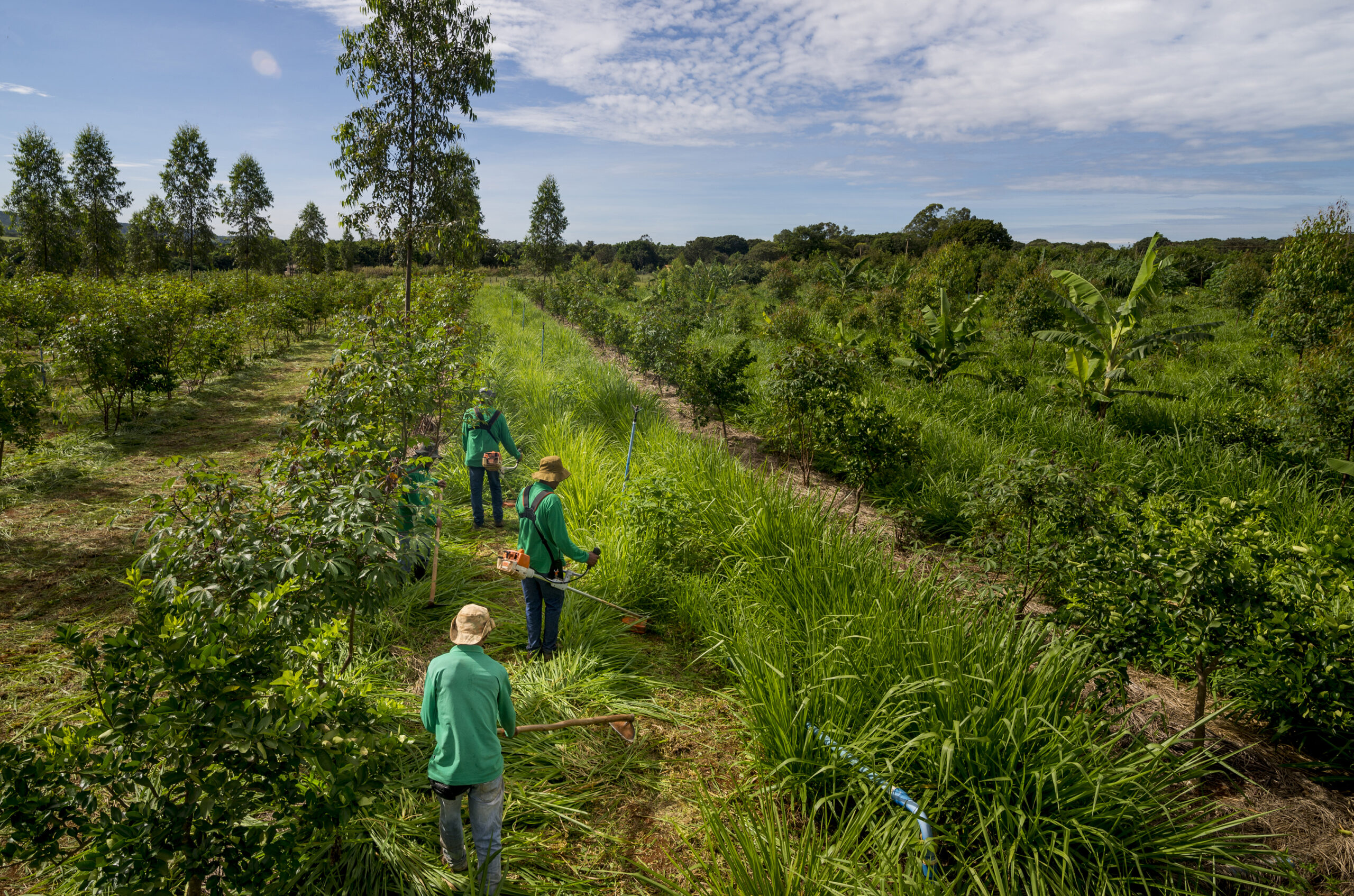
Brazil - Agricultural insurance plummets in Paraná, putting the sector at risk.
Cevio Alberto Mengarda, a soybean and corn producer in Marechal Cândido Rondon, in the western region of Paraná, followed in his father's footsteps in agriculture and today manages the family property.
25.05.2026
Algeria - CASH Assurances to diversify into agriculture insurance
CASH Assurances will launch agriculture insurance plans in June 2026, as part of its diversification strategy.
25.05.2026

U.S. specialty crop growers push for stronger Farm Bill support
Specialty crop growers in the U.S. are calling for stronger support measures in the 2026 Farm Bill, particularly around risk management, market access, and crop insurance.
