

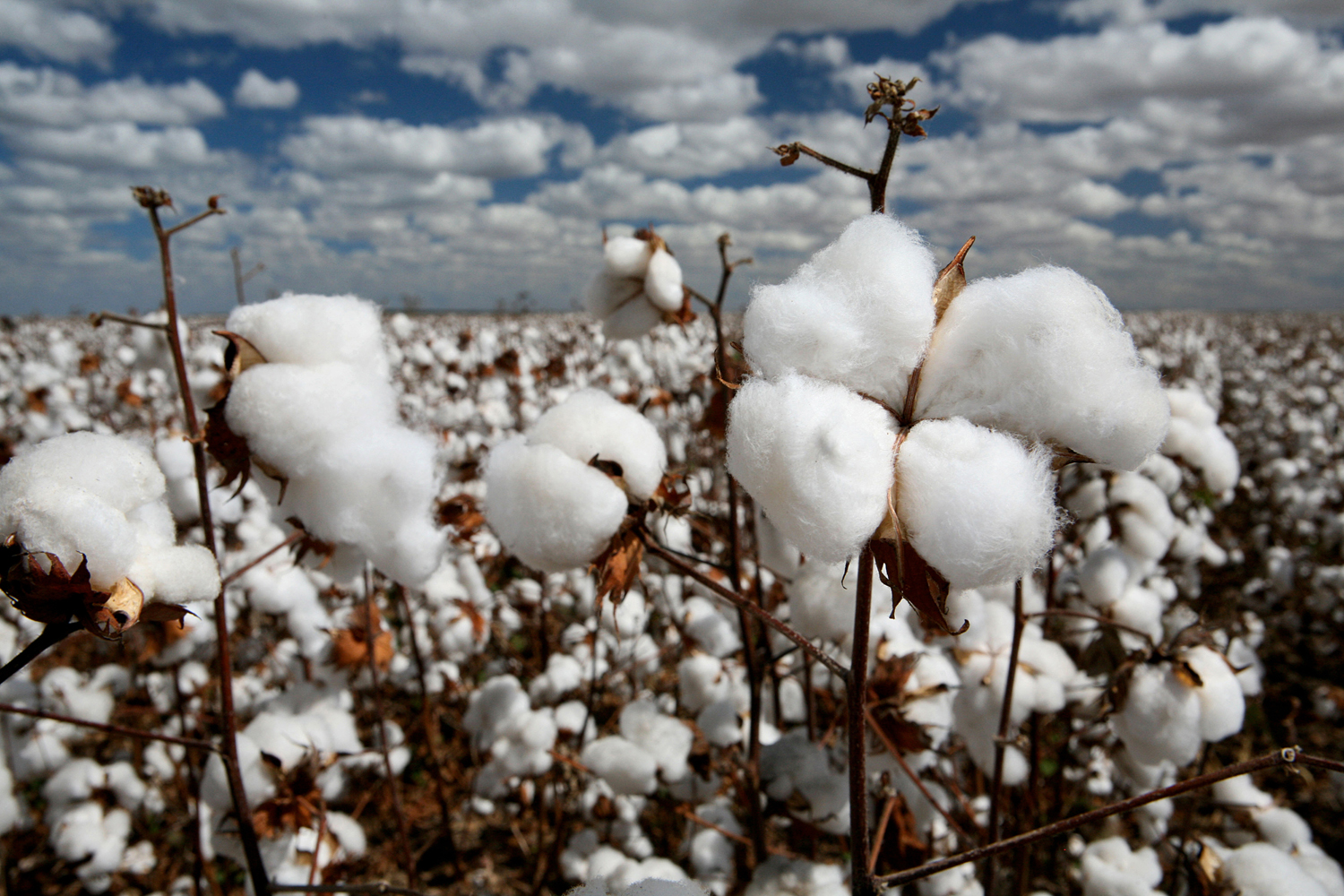
India - Hit with pests, cotton growers in Gujarat discontinue picking
25.11.2020 723 views
A large section of cotton farmers in Gujarat have abruptly stopped cotton picking to switch over to other winter crops as a pest infestation has taken a toll on the yeild.
The dreaded pink bollworm disease had started showing its presence by mid-October hampering the crop prospects and reducing the estimated yield.
Rahimbhai Kadiwar in Vankaner taluka of Morbi found that after two rounds of cotton picking, the cotton plants on about 5 acres of land were infested with pink bollworms.
‘No point in picking’
“The menace is getting worse and impacting the yield. In the first picking I got about 2.5 quintal of raw cotton from an acre, which reduced to about 1.8 quintal in the second picking. There is no point continuing with such low yield and the pest in addition to it. So we have decided to remove the plants and go for winter crops such as wheat,” Kadiwar told Businessline.
Similarly, Ramesh Bhorania, a farmer from Rajkot stated that farmers have realised a cost advantage in switching over to winter crops in stead of continuing with latter pickings for cotton. “The costs for cotton picking wouldn’t match the price and ultimately it would result into a loss-making proposition for them. So farmers have realised this and are turning to winter crops such as wheat, mustard and chana,” he said.
In parts of Saurashtra, which has a total 15.35 lakh hectares of area under cotton across 11 districts many farmers have a similar story. Gujarat’s cotton sowing is projected at 22.79 lakh hectares, which is about 3.89 lakh hectares lower than last year.
However, trade body Cotton Association of India (CAI) has ruled out any widespread impact of pink bollworm on current cotton crop.
Atul Ganatra, President, CAI, said, “There is nothing to panic about the crop losses. We don’t see any major damage to the crop at this point. The arrivals have touched record in the first two months of the current season. By November-end we will have cotton crop arrivals of about 90 lakh bales (each of 170 kg) , which will be a record of the past many years.” This shows about 25 per cent of the overall projected crop will arrive in the first two months of the season. Generally, the quantum of arrivals in the first two months hovers between 15-20 per cent.
As per the national data, cotton arrivals on Monday were recorded at over 3 lakh bales including 55,000 bales in North India, 65,000 bales in Gujarat, 62,000 in Maharashtra and Telangana each, among others.
“This is indicating that the crop size is alright. The farmers were not selling their crop because the prices were hovering lower at around ₹4,000-5,000 per quintal for raw cotton (kapas), which has increased to about ₹5,000-6,000 now supported by overall bullish sentiment. Farmers are rushing to sell their kapas stocks as the prices are high,” Ganatra said.
Source - https://www.thehindubusinessline.com
EVENTS

ScaleAgData Stakeholder Engagement Event
22.10.2024The ScaleAgData project is pleased to invite you to our second stakeholder event. Building on the discussions and connections formed during our first webinar, this event will focus on fostering collaboration among stakeholders, providing updates on our project’s progress, and outlining future opportunities for engagement.
RISK EVENTS

Moldova - May frosts caused heavy damage to fruit orchards
10.05.2026The first frosty nights of May have significantly worsened estimates of damage to Moldova's fruit sector from spring frosts. According to initial assessments by fruit market operators, between a quarter and a third of the country's total orchard area was seriously affected.
26.10.2026
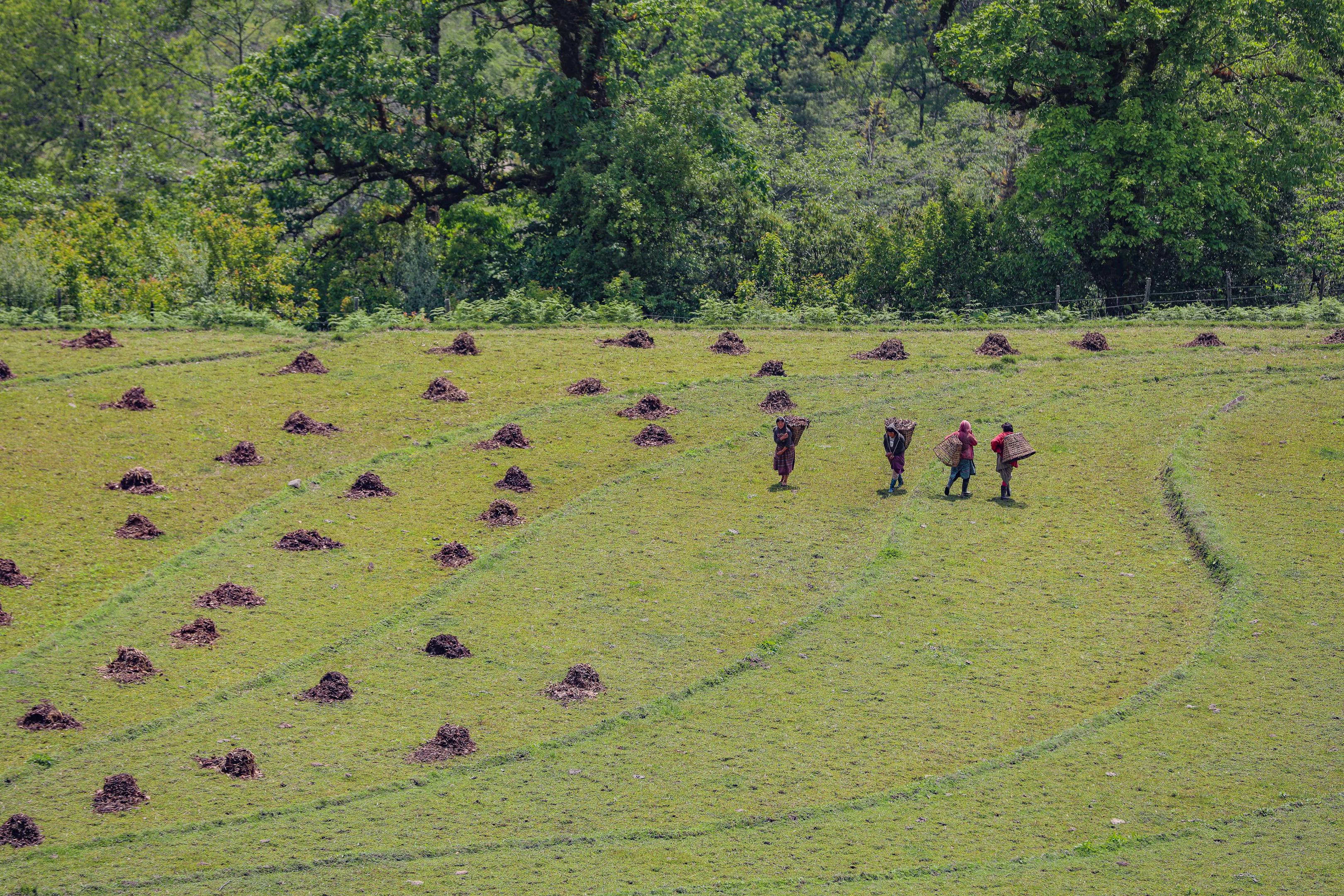
Malaysia studies expanding crop insurance to other agricultural sectors
The government is assessing steps to expand the crop insurance scheme as the agricultural sector faces increasingly significant risks from natural disasters and extreme weather. A comprehensive study is needed before the scheme can be extended beyond rice crops, including to examine how premiums should be paid and losses assessed.
26.10.2026
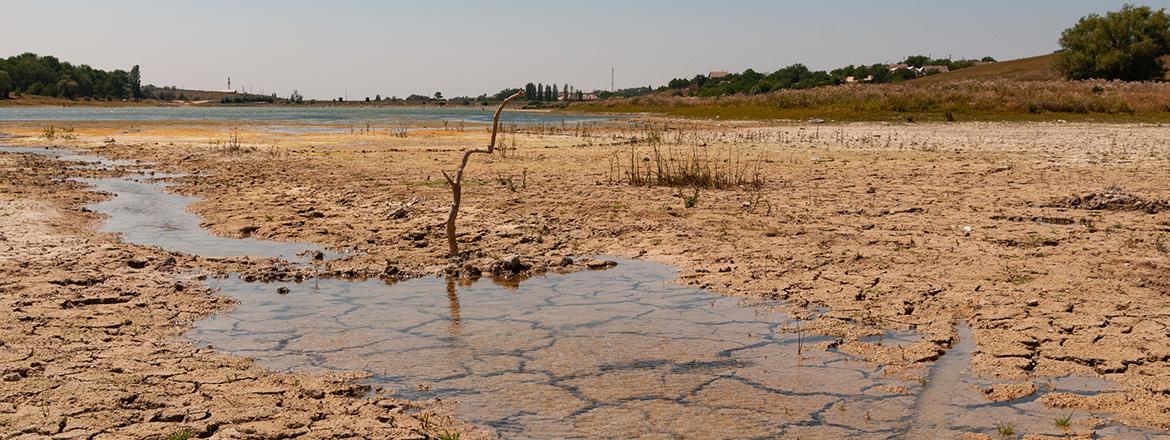
Crop losses from recurring droughts ‘shrinking Poland’s economy and impacting businesses’
A new report has found that lower crop yields significantly affect industries beyond agriculture, including trade and transport.
26.10.2026

Australia - Starving flying foxes target banana, berry farms on NSW Mid North Coast
Tens of thousands of bananas will not make it onto supermarket shelves as flying foxes decimate crops on the NSW Mid North Coast.
26.10.2026

USA - RMA Reminds Producers of Important Crop Insurance Deadlines
The U.S. Department of Agriculture (USDA) reminds agricultural producers that the final date to apply for or make changes to their existing crop insurance coverage is quickly approaching for winter planted crops, perennials, shellfish and Pasture, Rangeland, Forage (PRF). Sales closing dates vary by crop and location, but the next major deadlines are Nov. 20, Nov. 30, Dec. 1 and Jan. 31.
26.10.2026

Moroccan produce sector welcomes plan for regional distribution companies
Morocco's fresh produce industry, through FIFEL, has welcomed the government's plan to create fresh produce marketing companies. Last Friday, Minister of Economy and Finance Fouzi Lekjaa told the House of Representatives' Finance and Economic Development Committee that the government intends to set up six regional companies for aggregation and marketing in the country's main agricultural basins, under the Generation Green 2020-2030 strategy.
26.10.2026

UK - Man arrested after £28,000 paid out for allegedly stolen sheep
Police are investigating suspected fraudulent insurance claims involving more than 650 allegedly stolen sheep, with £28,220 already paid out and a further £64,800 claim blocked.
25.10.2026

Dominican Republic - Tornado and rain cause crop damage in Valverde
A gust of wind described by producers and agricultural authorities as a small tornado caused considerable damage to banana and plantain plantations in Valverde province, where heavy rains on Wednesday afternoon affected hundreds of acres of crops and threaten the income of farmers in the area.
25.10.2026

Taiwan - Typhoon Champi causes NT$133 million in agricultural losses
Yunlin accounts for 82% of estimated damage, with garlic hit hardest.
