

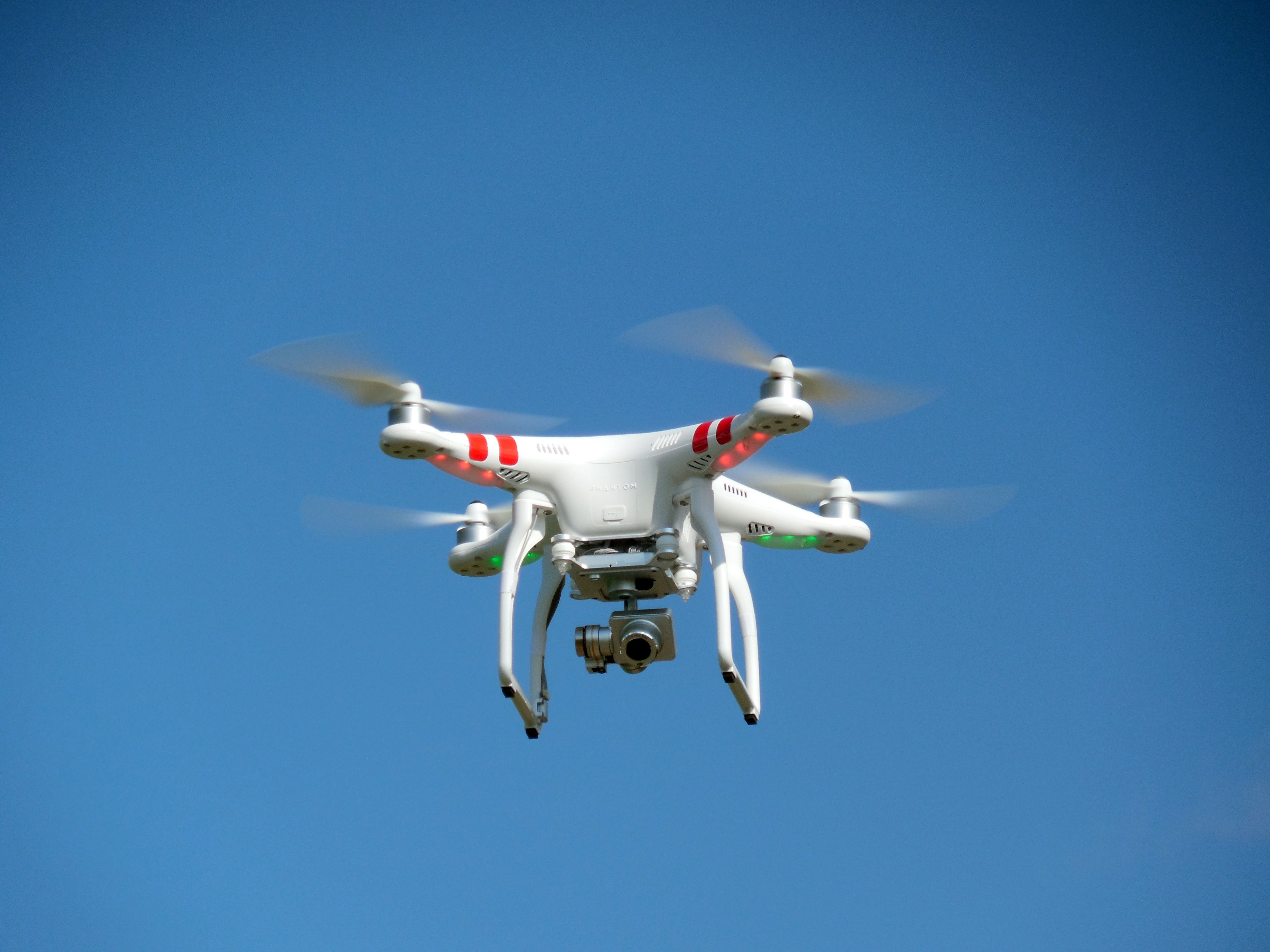
India - How Punjab is using Drones to capture crop characteristics
02.02.2016 422 views
Punjab was included in the second phase of NeGP-A for Mission Mode Project- Agriculture (MMP-A) at the fag end of year 2014-2015. MMP-A supports NeGP-A to use ICT for agricultural development. The project is in the design and development stage. Punjab is using drones for mapping the crop conditions. Abhishek Raval speaks with Suresh Kumar, Additional Chief Secretary, Development, Punjab, DOAC on the progress in using ICT for agriculture
How is the drone technology being used in the state of Punjab and how will it benefit the farmers?
The Borlaug Institute of South Asia (BISA) and Punjab Agricultural University (PAU), has kicked off drone trials. I attended the first trial and we are confident that the technology has a use case in agriculture.
The drone technology can potentially capture the various stages of crop condition. So, farmers can optimally use agro- chemicals and fertilisers. It’s important to note that, typically, farmers have a tendency to overuse it.
Drones are connected to the satellite imagery which transmits the video footage from the inbuilt cameras to the laptops.
What characteristics of the crop can a drone identify
The drone technology helps to capture the differentiation in fruiting, colour, growth of the plant – about what’s going wrong and then the farmers are issued proper advisories by the scientists – whether it’s about less watering, fertilisers, more or less chemicals etc. This is quite a next generation assessment of crops.
As per the norms set by the scientists on the basis of the research, the crop is expected to exhibit certain standard characteristics after a specific timeframe after the sowing period. For example, the age of the crop, if it is a thirty day crop or a forty day crop; what should be the height, the colour configuration or the fruiting level of the crop. That is a standard, which we know through agricultural research. Drones can help us identify if the crop is not fruiting as per the norms, if it’s over fruiting or if it’s mellowing down in colour configuration.
Crop losses due to natural calamities, unseasonal rains or hailstorms are frequent. How the drones can be used to assess crop damage?
We are trying to do some trials to see if drones could be used to assess crop damages in case of natural calamities because we are advocating plot based crop insurance. Most of the insurance players are not convinced about the amount of damage as claimed due to excess rains, hailstorms or frost. Some plots are damaged and some are not damaged. The drones can be configured to navigate in a 30 mtr by 30 mtr plot to assess the damage. The insurers are also being associated to see whether we can successfully use drone technology to assess crop damages in the event of excess rains or natural calamity and try and introduce plot based insurance. BISA is also researching various applications of IoT for agriculture but it’s at a very initial stage.
We want to connect the farmers with the latest and the most modern IT techniques available. We also want to provide the best possible information available to the farmers to take farming related decisions and most importantly, the subsidy and other funding should be transferred directly to the farmer’s bank account.
Punjab has just begun its journey with respect to the Mission Mode Projects- Agriculture . What are the key objectives of the Projects
Some of the key objectives include:
– Bringing farmer centricity & service orientation to the programs
– Enhancing reach & impact of extension services
– Improving access of farmers to information & services throughout the crop cycle
– Building upon, enhancing & integrating the existing ICT initiatives of centre and the states
– Enhancing efficiency & effectiveness of programs through process redesign.
– More effective management of the schemes of DAC
– Creation of Aadhar seeded farmers’ database for DBT operations for disbursement of subsidies.
The scope of the project includes provision of computer hardware down to block level, site preparation, data digitisation, capacity building, training, change management, application development and customisation for modules developed by DAC.
What are the key milestones & measurable outcomes targeted for Punjab MMP-A ?
The project is expected to bring the following benefits to the stakeholders – farmers, business and the Government:
– Provide uniform face of government to the agriculture sector stakeholder (especially farmers)
– Service-level governed service delivery with built-in checks and balances to increase efficiency
– Streamlined processes which make the government efficient and effective for service delivery
– Improved monitoring of compliance, MIS and utilisation of public money.
It would make current service delivery mechanisms more efficient, transparent and accountable. Further, it would facilitate farmers to have easy access to these services through multiple service delivery channels.
Farmer portal under NeGP-A would become a common platform for resource sharing among the various line department and other stakeholders.
What is the budget outlay and the implementation timeline?
The estimated budget outlay on the project is Rs 6.28 cr. The cluster / services / components are to be implemented to block level during a time span of 5 years from 2014-2015. Punjab was included in the second phase of NeGP-A at the fag end of year 2014-2015. The project is in the design and development stage.
The budget available for the year 2015-2016 is being utilised for creation of State Project Monitoring Unit (SPMU), purchase of hardware etc, and providing other infrastructure down to the block level. From the next year (2016-2017) onwards, the required manpower as per NeGP-A shall be positioned and required budget for the coming financial years shall be sanctioned. Further, customisation of modules as per the requirement of the state along with other required infrastructure would be computed to seek additional funds from time to time.
What kind of challenges are being faced at the ground level ?
Hardware down to block level was to be purchased by DAC, Ministry of Agriculture, GoI but in the later part of 2015-16, GoI decided that the states should purchase the hardware on their own. The process has been started now.
GoI kept changing the sharing pattern (GOIS:SGS) from 90:10 to 55:45 to 60:40 for NeGP-A resulting in recasting of the schemes for obtaining the appropriate state government share.
The field staff lacks the general level of awareness about IT. To add to this challenge, the non existence of IT cell in the department results in lack of staff that looks full time in tech related issues.
Source - computer.financialexpress.com
EVENTS

ScaleAgData Stakeholder Engagement Event
22.10.2024The ScaleAgData project is pleased to invite you to our second stakeholder event. Building on the discussions and connections formed during our first webinar, this event will focus on fostering collaboration among stakeholders, providing updates on our project’s progress, and outlining future opportunities for engagement.
RISK EVENTS

Moldova - May frosts caused heavy damage to fruit orchards
10.05.2026The first frosty nights of May have significantly worsened estimates of damage to Moldova's fruit sector from spring frosts. According to initial assessments by fruit market operators, between a quarter and a third of the country's total orchard area was seriously affected.
26.05.2026
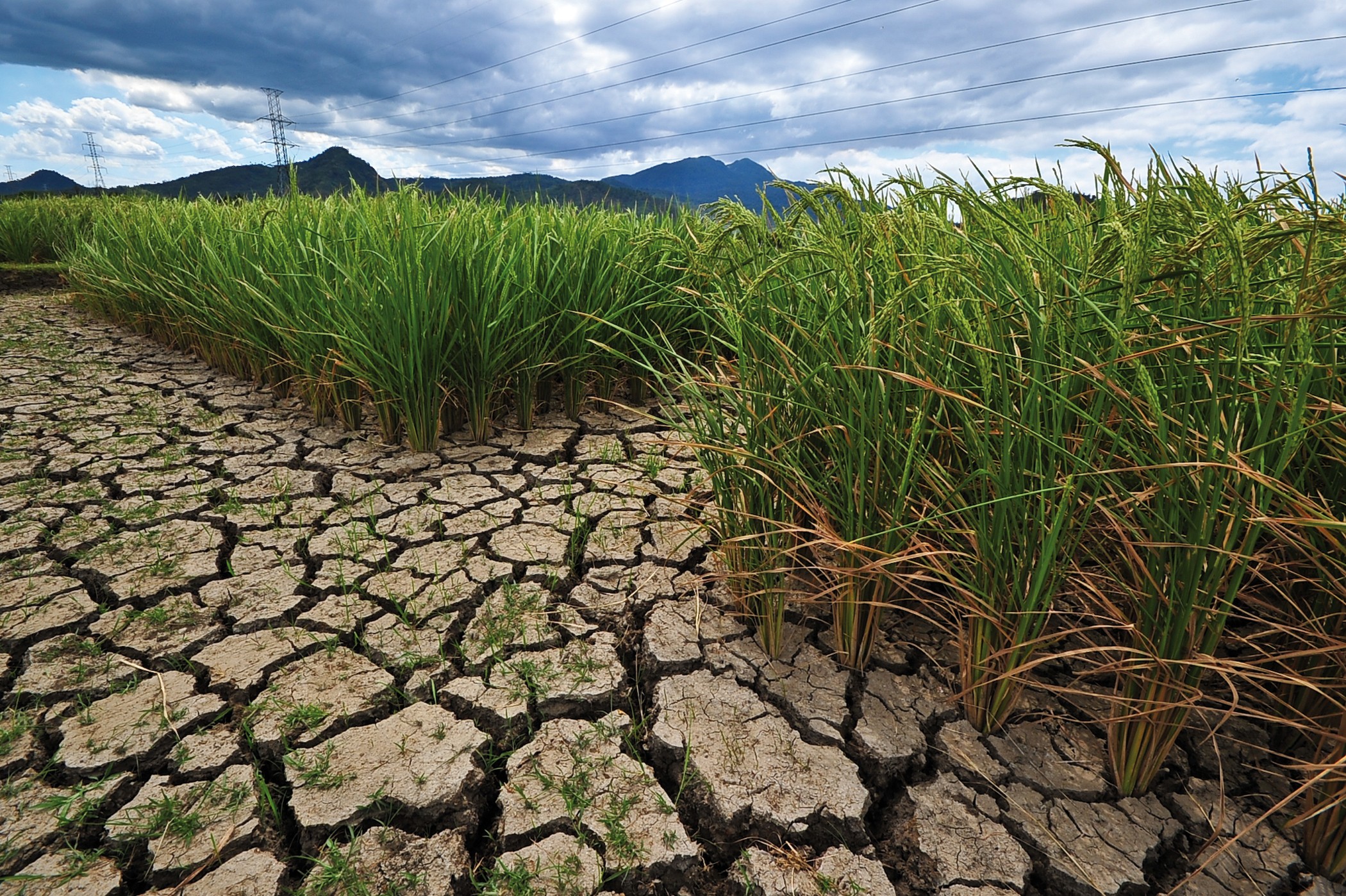
“Timac Agro Ukraine” launches crop insurance against drought
Timac Agro Ukraine, in collaboration with the insurance company PZU, has launched a crop insurance program against drought for farmers in five regions of Ukraine.
26.05.2026

Hansen announces "dialogue with the EIB on new agricultural insurance models"
Integrated European framework for climate resilience 'is on the way'.
26.05.2026
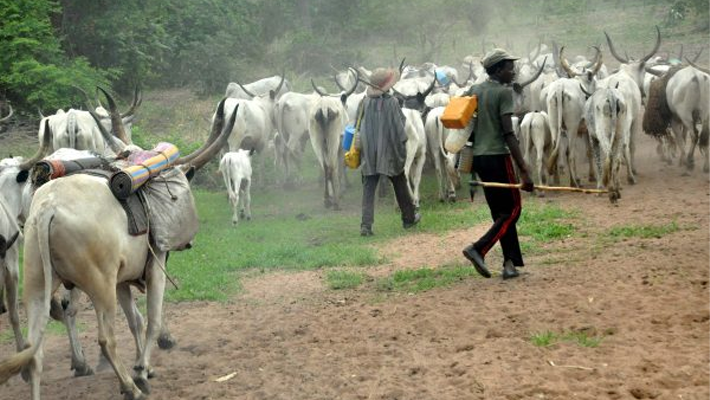
Nigeria - Oyo Steps up Enforcement Against Illegal Livestock Trading, Open Grazing
The Oyo State Government has stepped up enforcement against illegal livestock trading and open grazing, arresting offenders and impounding animals in parts of Ibadan during a fresh compliance operation.
26.05.2026
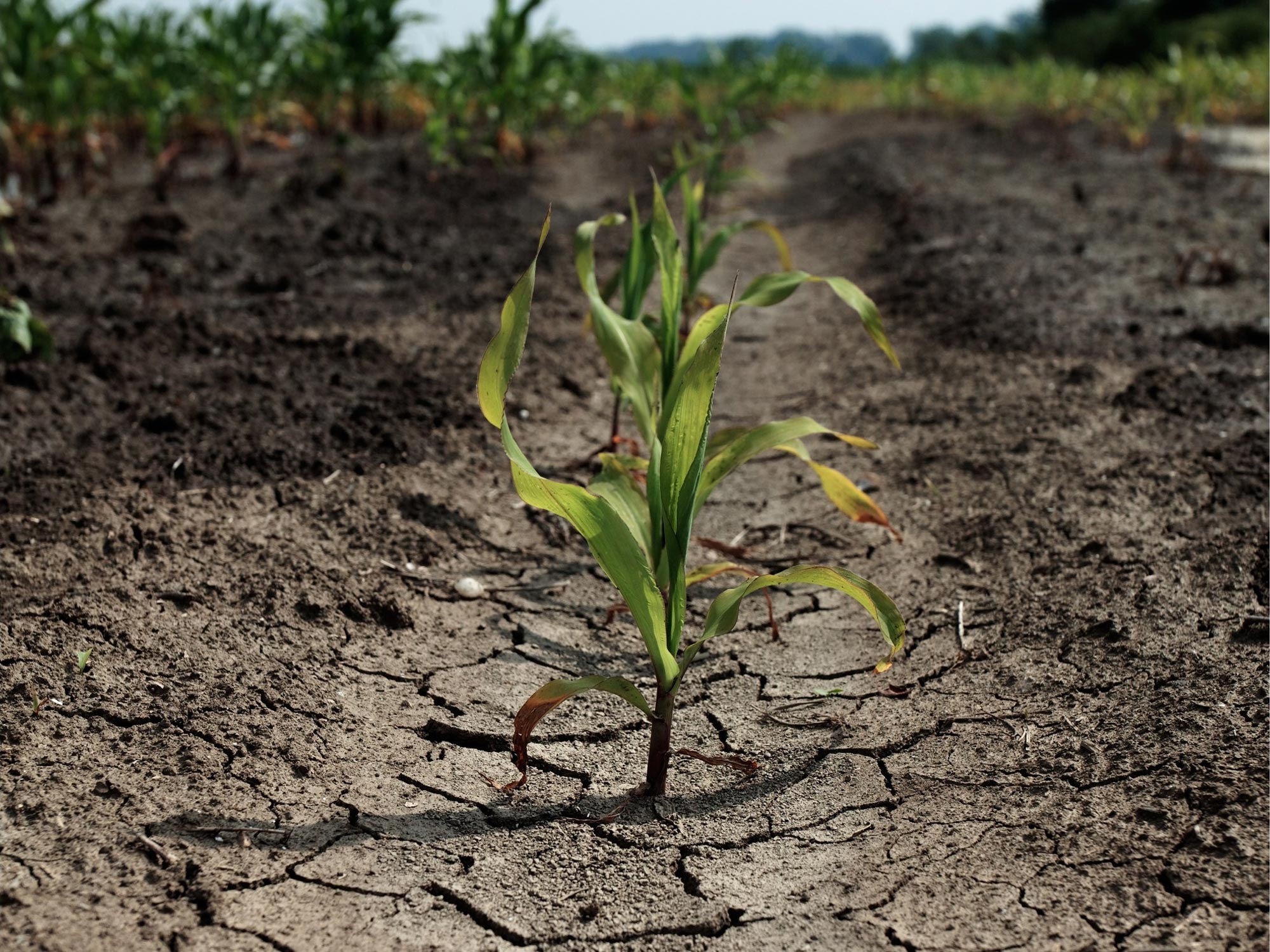
Philippines - Tacloban braces agri, health mitigation measures amid looming super El Niǹo
The City Government of Tacloban has intensified its preparations and mitigation measures as the threat of a possible Super El Niño continues to loom over several parts of the country, bringing concerns over prolonged dry spells, water shortages, and impacts on agriculture and public health.
26.05.2026
India - Punjab Govt Deploys 500 Teams for Special Girdawari as Rains Damage Wheat
In Punjab, to calculate the damage done to the standing crops in the fields due to the inclement weather for the last many days, the state government has formed teams of 500 officials from the agriculture department to assess losses.
26.05.2026
Brazil - Agricultural insurance plummets in Paraná, putting the sector at risk.
Cevio Alberto Mengarda, a soybean and corn producer in Marechal Cândido Rondon, in the western region of Paraná, followed in his father's footsteps in agriculture and today manages the family property.
25.05.2026
Algeria - CASH Assurances to diversify into agriculture insurance
CASH Assurances will launch agriculture insurance plans in June 2026, as part of its diversification strategy.
25.05.2026
U.S. specialty crop growers push for stronger Farm Bill support
Specialty crop growers in the U.S. are calling for stronger support measures in the 2026 Farm Bill, particularly around risk management, market access, and crop insurance.
