


India - Natural catastrophe premiums to go up as claims rise
05.02.2016 383 views
Premiums for general insurance products under the natural catastrophe segment could rise with an increase in the number of incidents, such as floods and earthquakes, that hit parts of India in the past two years.
Insurance companies' senior executives met recently to discuss this issue and decided that with the rise in claims, premiums could see an upward revision of about 10-20% from the next fiscal.
Insurance companies have taken a hit of Rs 4,800 crore due to claims arising from the recent floods that hit Chennai and other parts of Tamil Nadu.
Public sector insurers, including United India Insurance, have taken the largest hit. "With the rise in claims, it is imperative that premiums also see a proportionate rise," said a senior general insurance executive.
Insurance companies suffered losses due to the earthquake with epicenter in Nepal that also affected parts of North India. Similarly, North-East India was also hit by an earthquake few days ago, though claims have not been very high.
In 2013, floods and landslides in Uttarakhand led to losses of Rs 3,000 crore for insurance companies. Most of it was related to projects as well as motor insurance due to the destruction caused by inundated roads.
However, in India and globally, insured losses in natural catastrophes are much lower than the economic losses. This is because insurance penetration is not very high. India's top 10 cities have $179.8 billion (Rs 11.9 lakh crore) GDP at risk, according to the Lloyd's City Risk Index 2015-2025. This index presents an analysis of economic output at risk (GDP at risk) in 301 major cities from 18 man-made and natural threats over a 10-year period.
Catastrophes caused by natural events, such as extreme weather, pandemics and plant epidemics account for just over half ($98.1 billion) of GDP at risk in the 10 cities. Mumbai has the largest total GDP at risk with a $47.38 billion (Rs 3.13 lakh crore) risk exposure. Almost one quarter of the city's potential losses are related to pandemic risk, followed by terrorism at 16.77%, market crash at 12.94% and flood at 12.89%.
In 2014, Cyclone HudHud hit Andhra Pradesh and Odisha that led to losses of almost 4,000 crore. According to senior public-sector insurance executives, the largest claims had come from Visakhapatnam (Vizag), where there was severe damage to commercial units and the naval base, as well as the airport. Similarly, the crop insurance business also took a hit of Rs 2,000 crore owing to destruction of crop-fields, especially in the coastal areas of Odisha.
Global economic losses from natural catastrophes in 2015 stood at $123 billion - 30%. below the 15-year average of $175 billion. There were 14 multi-billion dollar economic loss events around the world, with the costliest being forest fires that burned out of control in Indonesia.
Recently, Insurance Regulatory and Development Authority of India (IRDAI) chairman T S Vijayan said that there is a need for price correction in general insurance space, especially in the nat cat segment. He had said that the premiums should be commensurate with the claims.
In November, heavy rains lashed Chennai and several other districts in Tamil Nadu causing heavy damage to life and property. More than 200 lives were lost as per estimated as floods lashed the city for days and people were stranded in submerged buildings without food or water. Corporate all-risk policies, which include production interruption coverage, had seen an influx of claims since several factories and offices were submerged for more than three days. In terms of numbers, motor insurance topped the list of claims, as several cars and motorcycles parked on the streets got damaged in the deluge.
A natural catastrophe pool would have reduced losses and help insurers share the claims from big incidents. However, this pool is yet to be set up due to some the industry is yet to form a consensus on the structure of the pool and pricing.
Source - business-standard.com
EVENTS

ScaleAgData Stakeholder Engagement Event
22.10.2024The ScaleAgData project is pleased to invite you to our second stakeholder event. Building on the discussions and connections formed during our first webinar, this event will focus on fostering collaboration among stakeholders, providing updates on our project’s progress, and outlining future opportunities for engagement.
RISK EVENTS

Moldova - May frosts caused heavy damage to fruit orchards
10.05.2026The first frosty nights of May have significantly worsened estimates of damage to Moldova's fruit sector from spring frosts. According to initial assessments by fruit market operators, between a quarter and a third of the country's total orchard area was seriously affected.
26.05.2026
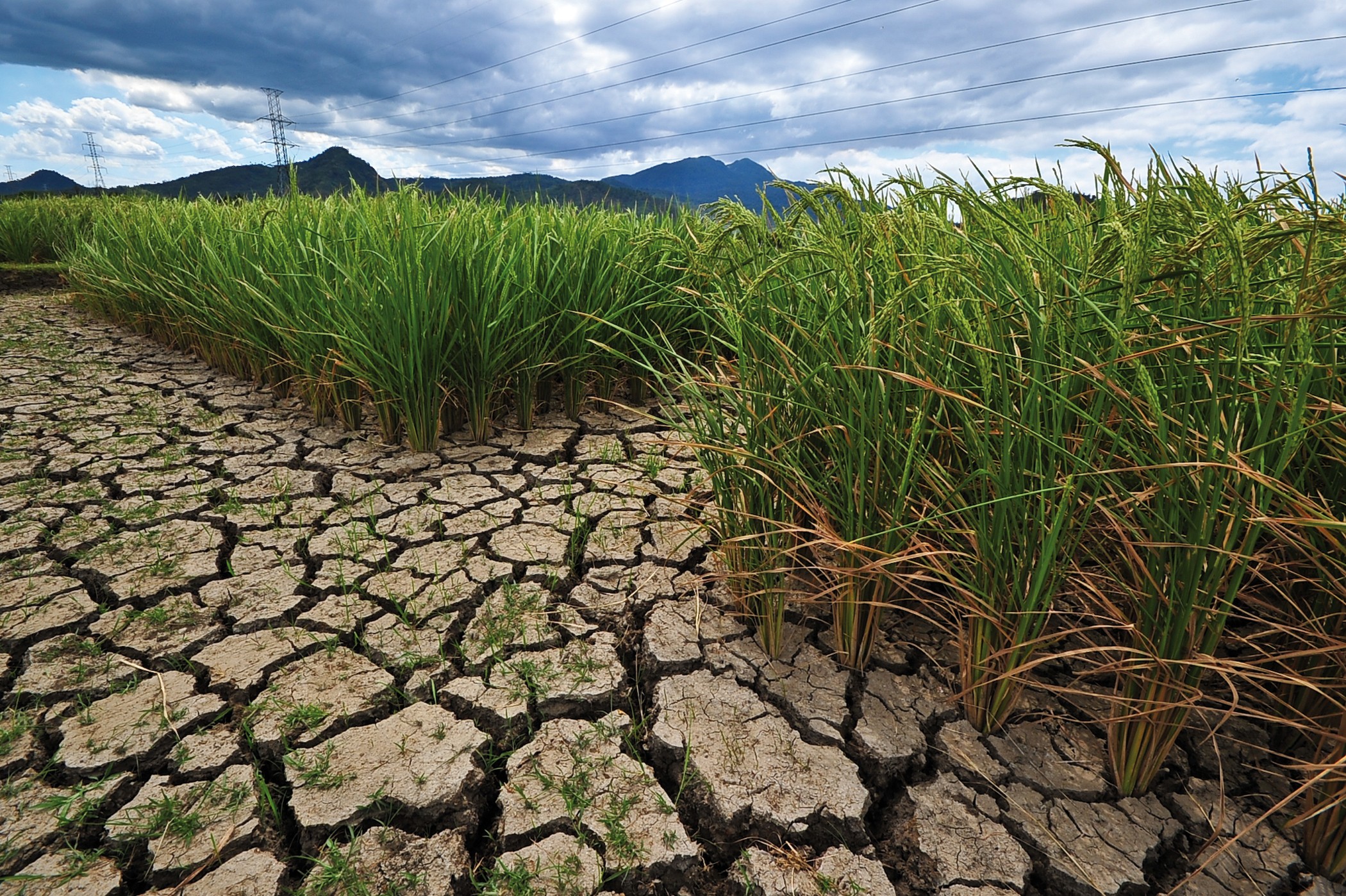
“Timac Agro Ukraine” launches crop insurance against drought
Timac Agro Ukraine, in collaboration with the insurance company PZU, has launched a crop insurance program against drought for farmers in five regions of Ukraine.
26.05.2026

Hansen announces "dialogue with the EIB on new agricultural insurance models"
Integrated European framework for climate resilience 'is on the way'.
26.05.2026
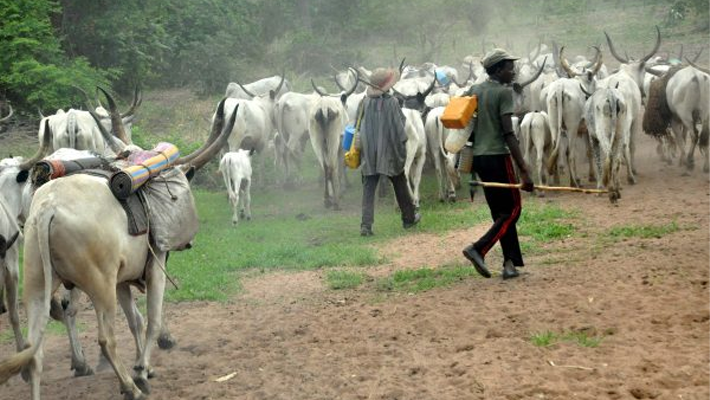
Nigeria - Oyo Steps up Enforcement Against Illegal Livestock Trading, Open Grazing
The Oyo State Government has stepped up enforcement against illegal livestock trading and open grazing, arresting offenders and impounding animals in parts of Ibadan during a fresh compliance operation.
26.05.2026
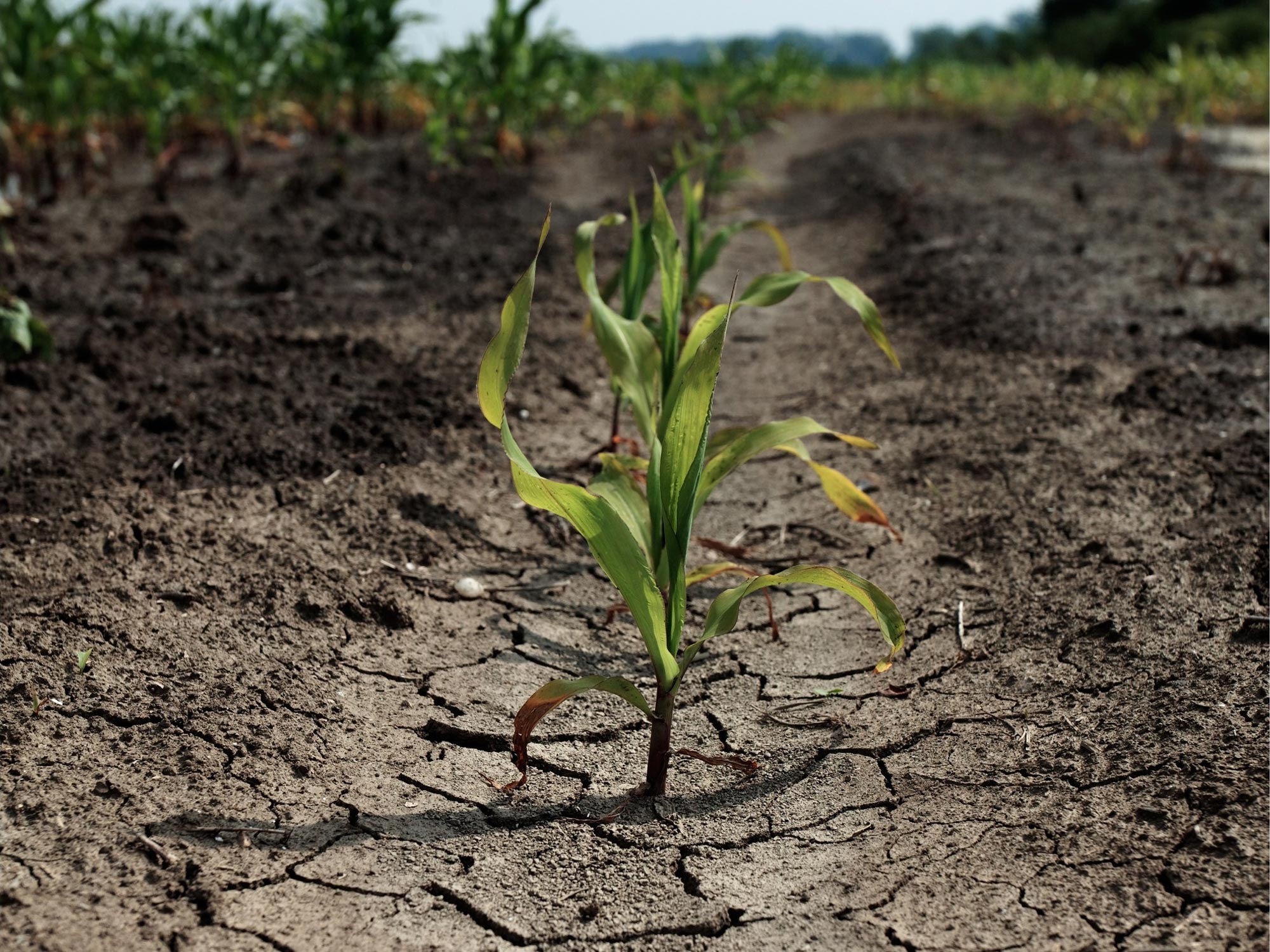
Philippines - Tacloban braces agri, health mitigation measures amid looming super El Niǹo
The City Government of Tacloban has intensified its preparations and mitigation measures as the threat of a possible Super El Niño continues to loom over several parts of the country, bringing concerns over prolonged dry spells, water shortages, and impacts on agriculture and public health.
26.05.2026

India - Punjab Govt Deploys 500 Teams for Special Girdawari as Rains Damage Wheat
In Punjab, to calculate the damage done to the standing crops in the fields due to the inclement weather for the last many days, the state government has formed teams of 500 officials from the agriculture department to assess losses.
26.05.2026
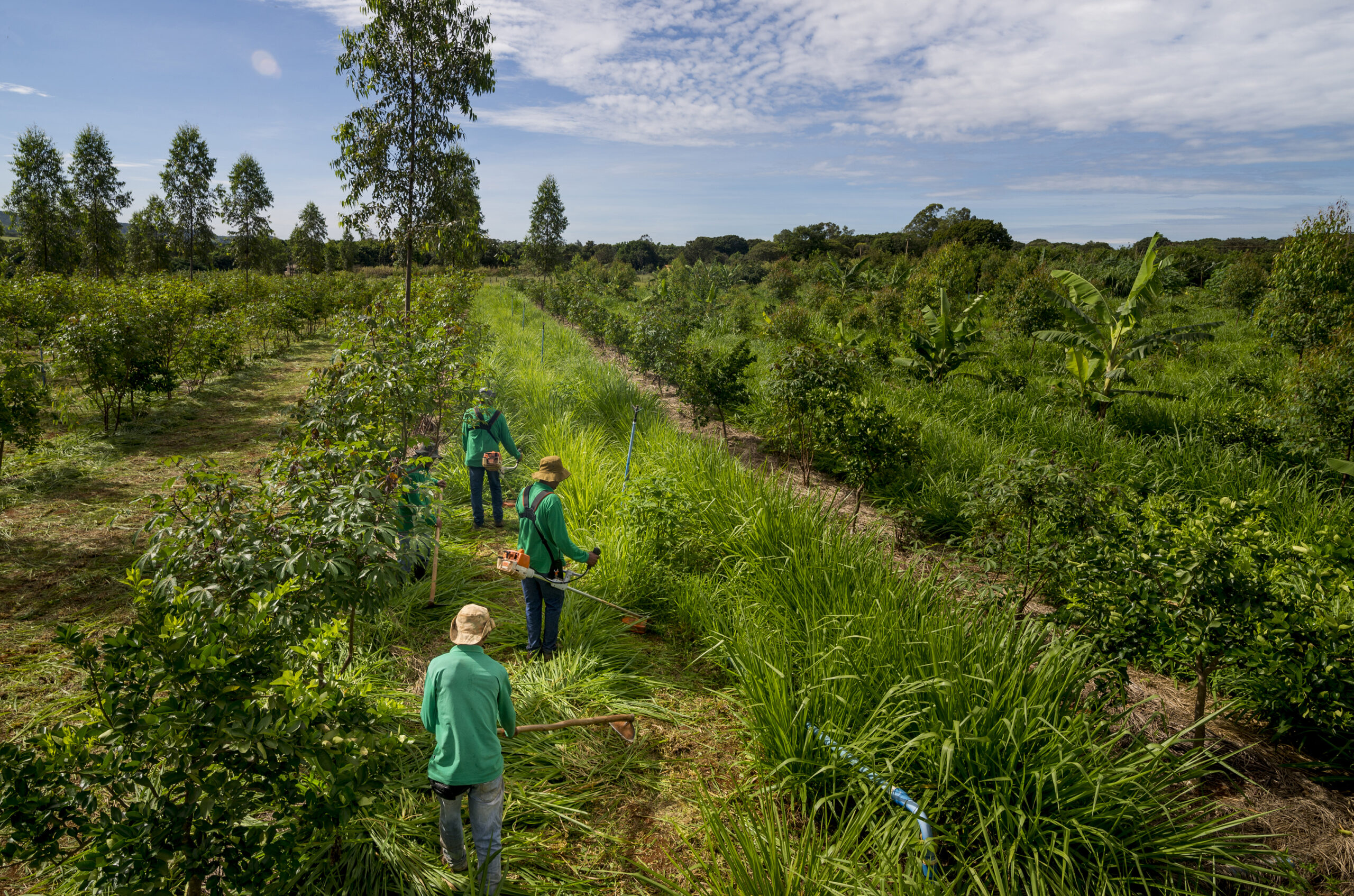
Brazil - Agricultural insurance plummets in Paraná, putting the sector at risk.
Cevio Alberto Mengarda, a soybean and corn producer in Marechal Cândido Rondon, in the western region of Paraná, followed in his father's footsteps in agriculture and today manages the family property.
25.05.2026

Algeria - CASH Assurances to diversify into agriculture insurance
CASH Assurances will launch agriculture insurance plans in June 2026, as part of its diversification strategy.
25.05.2026

U.S. specialty crop growers push for stronger Farm Bill support
Specialty crop growers in the U.S. are calling for stronger support measures in the 2026 Farm Bill, particularly around risk management, market access, and crop insurance.
