

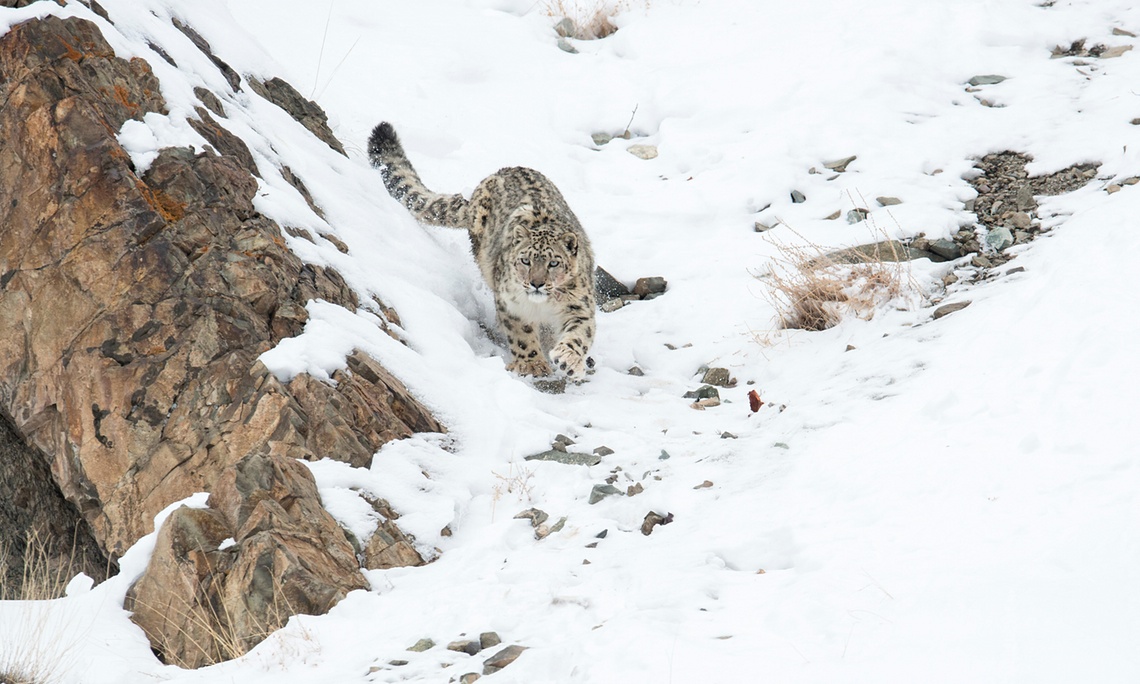
India - The village learning to live in harmony with snow leopards
31.12.2015 336 views
In the high altitude treeless expanses of Kibber, Himachal Pradesh, India, snow leopards use boulders and ridgelines to stalk blue sheep and Himalayan ibex. But they also feast on yak calves and horse foals, much to the chagrin of villagers. These animals fetch a pretty penny, and the compensation paid by the state was so measly that livestock owners didn’t even bother to file claims. Had nothing been done to resolve the problem, people’s hostility to snow leopards could have turned volatile.
After studying the situation, scientists at Nature Conservation Foundation (NCF), Karnataka, came up with a couple of ideas. Since livestock overran the pastures, wild ungulates were too few to sustain snow leopards. If people’s losses were to be reduced, the population of wild prey animals had to increase.
In 2001, NCF entered an agreement with the residents of Kibber to set aside part of their pastures where livestock would not be allowed to graze. To make up for the loss of grazing land, the foundation paid £290 (Indian rupees 20,000) per year to lease 500 hectares (1,235 acres) of pastures. At least on this parcel of land, blue sheep and ibex don’t have to compete with domestic animals.
A year later, the foundation started a livestock insurance program so villagers could be reimbursed for their losses. Villagers decided how much annual premium they would pay for each kind of animal. Once premiums are collected every year, the foundation donates one and half times that amount to create the capital. There was one rule: the total insurance to be paid in a year could be no more than 60% of the capital.
When a snow leopard killed a calf or foal, a two-member team inspects the carcass to make sure the owner isn’t gaming the system. If the case is deemed genuine, the affected person receives the insured amount. Although the sum may not be the full market value of the animal, it meets the expectations of people.
In addition, a shift to growing high-value green pea crops, rather than traditional barley, has required additional manpower. As a consequence villagers have cut back on the size of their herds of sheep and goats. With fewer animals to compete with, and a dedicated grazing area, blue sheep numbers tripled within three years. Snow leopards responded by attacking fewer domestic animals. In 2004, the village increased the reserve to 1,500 hectares (3,700 acres).
Increasing wild herbivore numbers brought another kind of problem: damage to crops. NCF hired a couple of farmers to shoo away the animals when they ventured close to the fields. Although this method is successful in other villages, the guards in Kibber weren’t too eager to do the job. Next year, the conservationists plan to hire more energetic candidates and also test temporary solar electric fences at the critical times in the growing season.
Anticipating changes and putting mechanisms in place to benefit wildlife without any cost to villagers is a vital part of the snow leopard conservation, and not just in India – it’s being trialled in other snow leopard countries as well.
Source - theguardian.com
EVENTS

ScaleAgData Stakeholder Engagement Event
22.10.2024The ScaleAgData project is pleased to invite you to our second stakeholder event. Building on the discussions and connections formed during our first webinar, this event will focus on fostering collaboration among stakeholders, providing updates on our project’s progress, and outlining future opportunities for engagement.
RISK EVENTS

Moldova - May frosts caused heavy damage to fruit orchards
10.05.2026The first frosty nights of May have significantly worsened estimates of damage to Moldova's fruit sector from spring frosts. According to initial assessments by fruit market operators, between a quarter and a third of the country's total orchard area was seriously affected.
26.05.2026
“Timac Agro Ukraine” launches crop insurance against drought
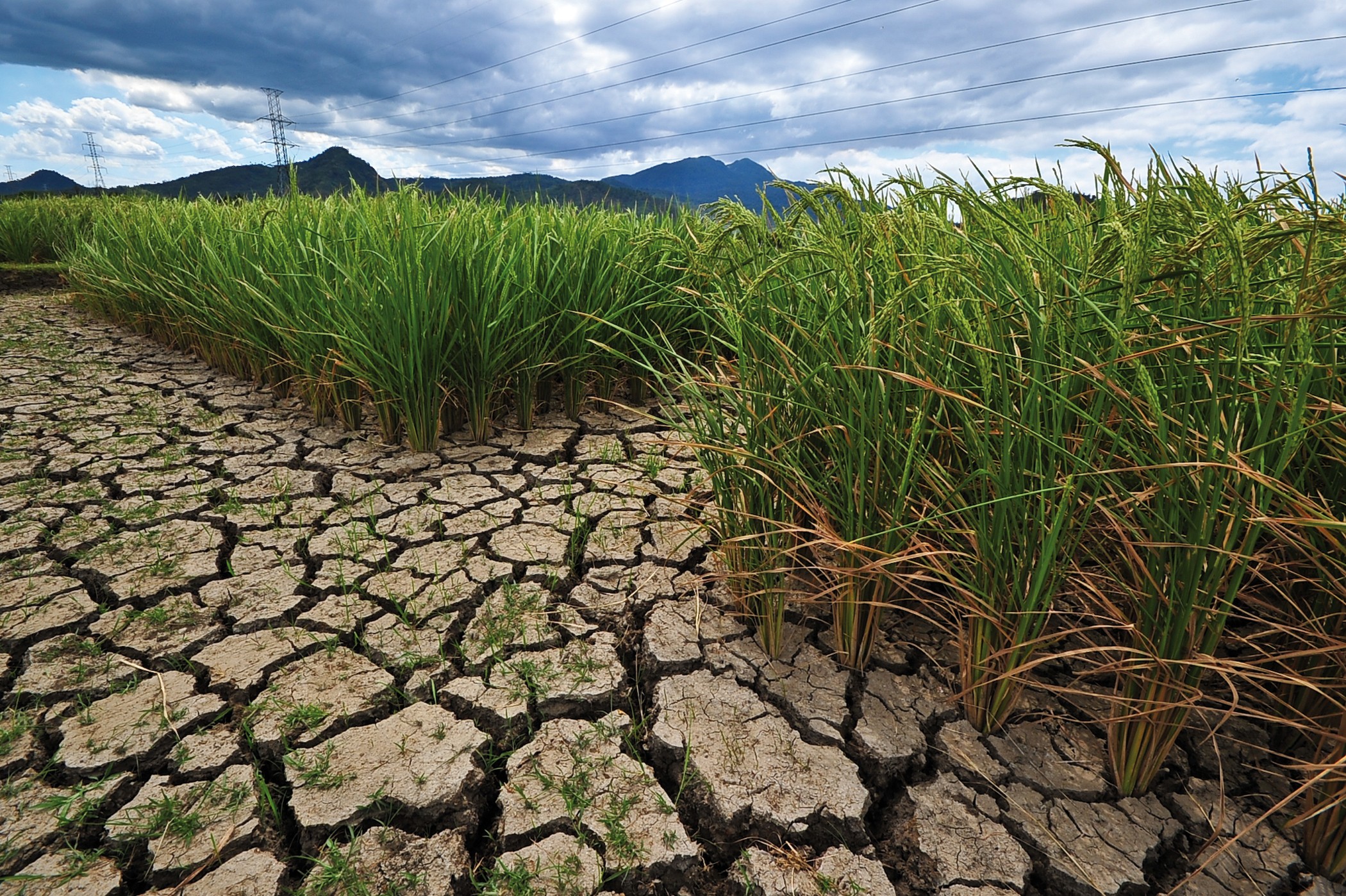
Timac Agro Ukraine, in collaboration with the insurance company PZU, has launched a crop insurance program against drought for farmers in five regions of Ukraine.
26.05.2026
Hansen announces "dialogue with the EIB on new agricultural insurance models"
Integrated European framework for climate resilience 'is on the way'.
26.05.2026
Nigeria - Oyo Steps up Enforcement Against Illegal Livestock Trading, Open Grazing
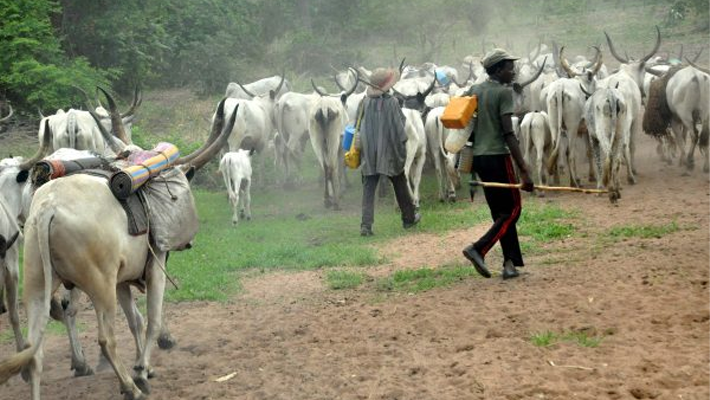
The Oyo State Government has stepped up enforcement against illegal livestock trading and open grazing, arresting offenders and impounding animals in parts of Ibadan during a fresh compliance operation.
26.05.2026
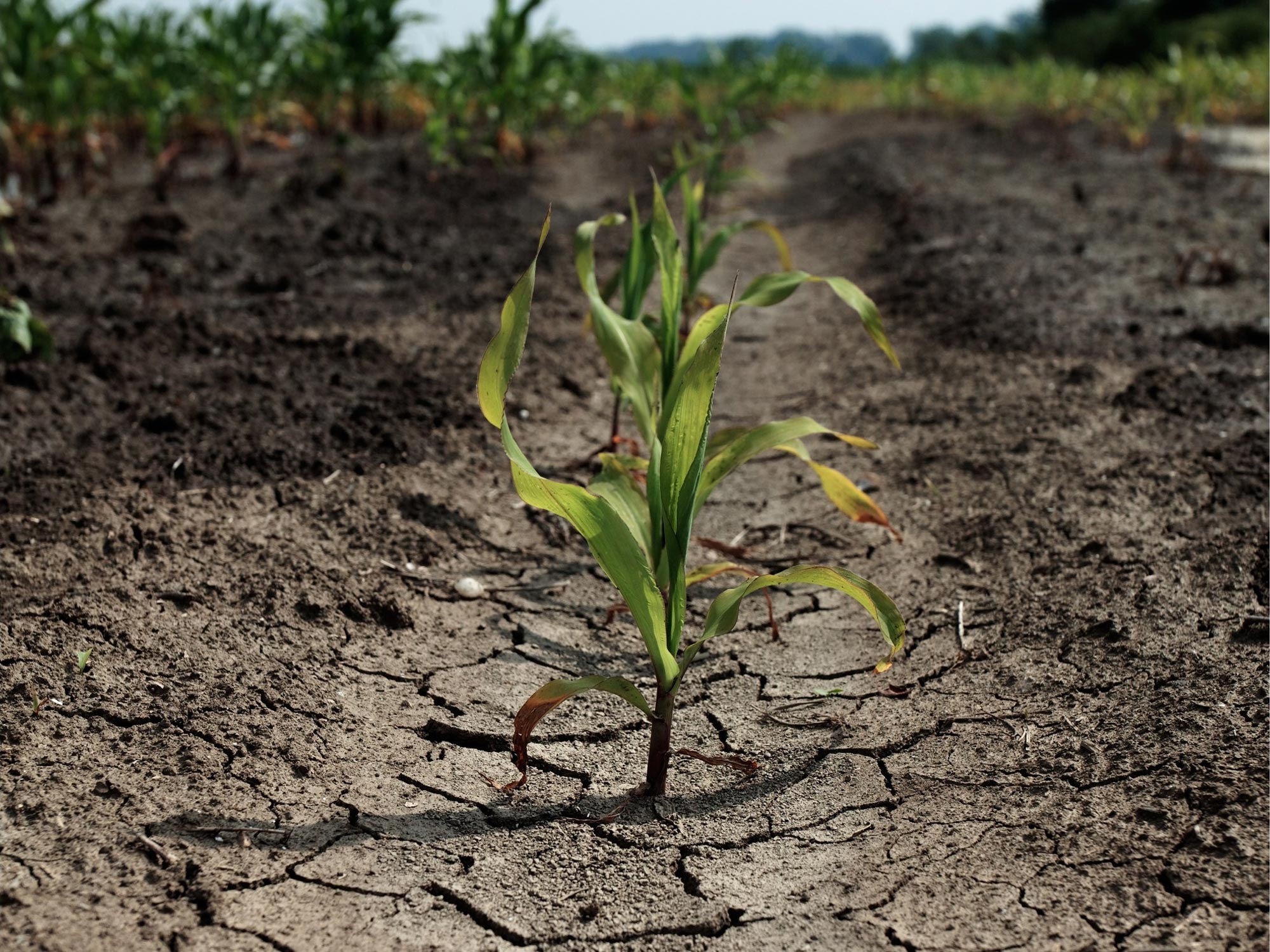
Philippines - Tacloban braces agri, health mitigation measures amid looming super El Niǹo
The City Government of Tacloban has intensified its preparations and mitigation measures as the threat of a possible Super El Niño continues to loom over several parts of the country, bringing concerns over prolonged dry spells, water shortages, and impacts on agriculture and public health.
26.05.2026

India - Punjab Govt Deploys 500 Teams for Special Girdawari as Rains Damage Wheat
In Punjab, to calculate the damage done to the standing crops in the fields due to the inclement weather for the last many days, the state government has formed teams of 500 officials from the agriculture department to assess losses.
26.05.2026
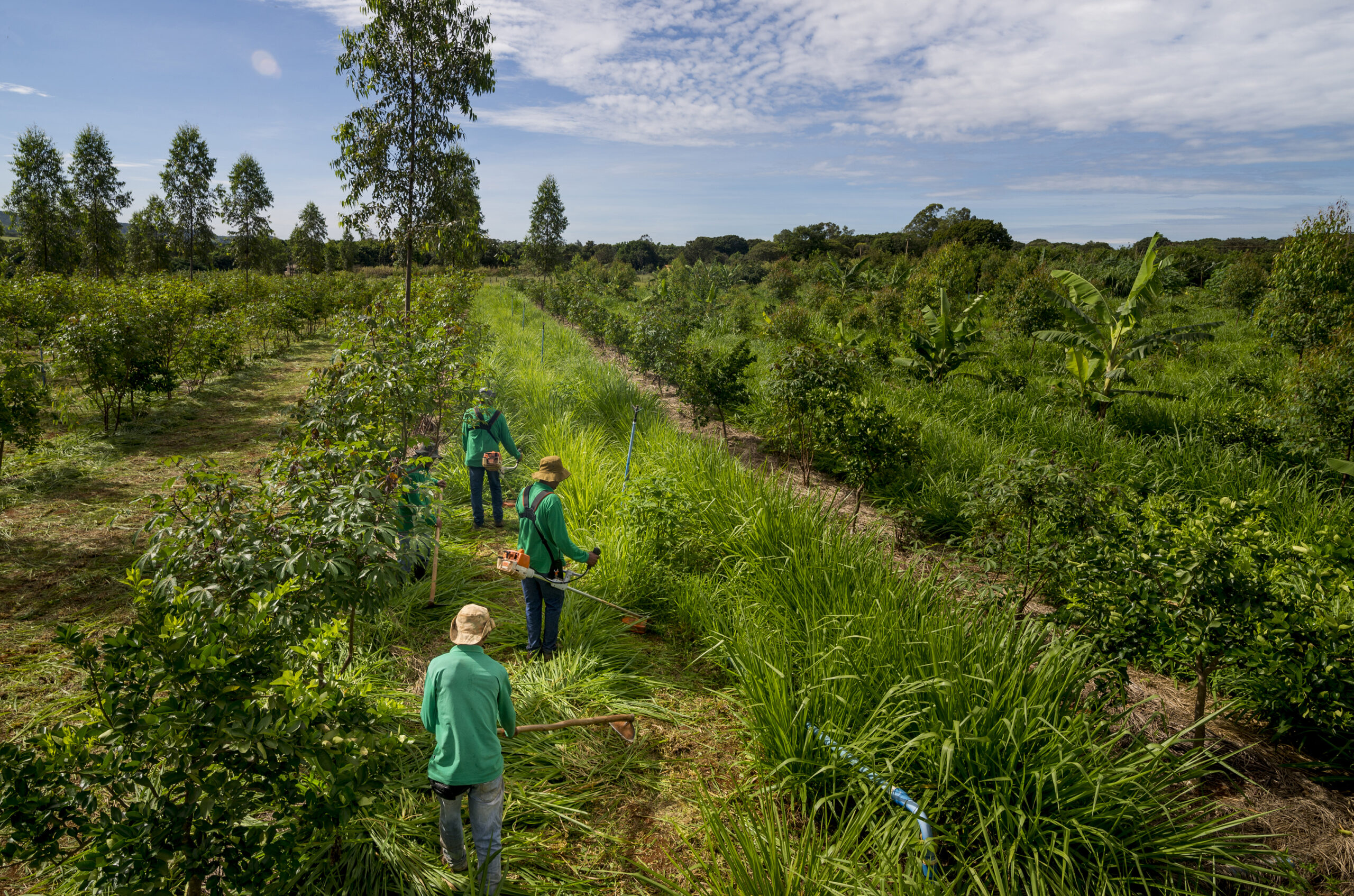
Brazil - Agricultural insurance plummets in Paraná, putting the sector at risk.
Cevio Alberto Mengarda, a soybean and corn producer in Marechal Cândido Rondon, in the western region of Paraná, followed in his father's footsteps in agriculture and today manages the family property.
25.05.2026
Algeria - CASH Assurances to diversify into agriculture insurance
CASH Assurances will launch agriculture insurance plans in June 2026, as part of its diversification strategy.
25.05.2026
U.S. specialty crop growers push for stronger Farm Bill support
Specialty crop growers in the U.S. are calling for stronger support measures in the 2026 Farm Bill, particularly around risk management, market access, and crop insurance.
