

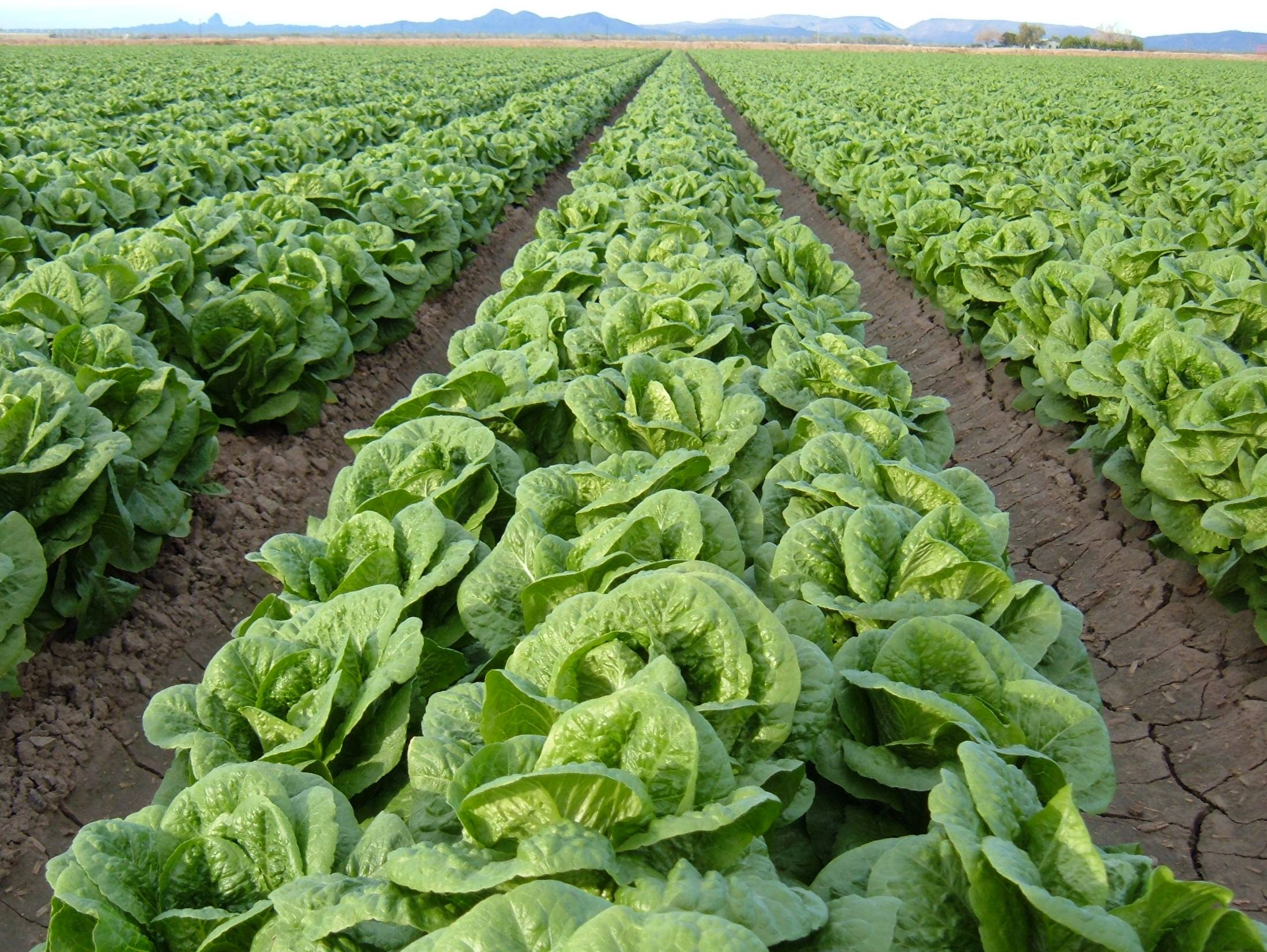
Netherlands - Fusarium ruins Dutch lettuce production
20.10.2015 335 views
Lately, a persistent soil fungus has gained ground in the Dutch greenhouses: Fusarium. This disease is found in many open-field crops, and has already caused a lot of damage in Italy, Japan and the United States.
Renting extra
The greenhouses from Carlo de Jongh’s Slacollectief have been safe from fusarium so far. Carlo tries to keep the disease away by preventing contamination where possible: “First, we have the barrel washed at the nursery, before lettuce plants are grown in it. We also ensure that no goods from affected growers come here.” The grower does acknowledge that the lettuce sector now has quite a problem with fusarium: “Growers need to rent extra greenhouses to be able to meet the contract cultivation.”
Throwing away harvest
Ees de Winter of VOF de Winter is also no stranger to the fungus disease. “Several growers have already stopped growing greenhouse lettuce in the summer months. In the long run, this could lead to a shortage of lettuce,” Ees says. “Fusarium is a worldwide problem in many arable, vegetable and flower crops. Fusarium in lettuce was mainly predominant in Portugal, Italy and the United States at first. Because of our more moderate temperatures, we thought the Netherlands would be able to dodge the bullet. But unfortunately that’s not the case. Some growers had to throw away nearly their entire harvest. We are working hard on finding a solution.”
Economic suicide
According to Ruud van Amersfoort of Horti-Consult Int., the Netherlands is only really starting to feel the problems with fusarium now: Eight companies in the Netherlands have been seriously infected by the fungus. At half of these companies, growing butterhead lettuce is economic suicide. The acreage involved is about 8,5 hectares. The consultant says a few of them have stopped growing butterhead lettuce in summer, trying to balance out the production plan with other crops. “There is one grower, for instance, who has swapped 3 hectares with a radish grower’s land. That’s because the radish isn’t affected by the disease. Of the remaining 4 companies, steaming has taken place at a third of them already, a second will steam about 3,000 m², and another grower is having his entire company (3 ha) steamed, which means he will be out of action for 7 weeks.”
Prevention
For now, prevention seems to be the only method: “With 70% of the acreage affected, the grower has to switch to a different crop. The greenhouse then becomes so heavily affected that steaming probably isn’t a solution anymore. With a much lower degree of infection, steaming will suffice though. And the work will have to be done very hygienically. So spraying off tillage and planting machine first at the yard, before allowing them onto the recently disinfected soil. That also applies to all the materials in the greenhouse, by the way, like plant breeding trays, shoes and harvesting trousers. Keep everything separate for clean departments,” Ruud says.
Overcropping
Incidentally, Ruud sees a decline in head lettuce in retail: “I’ve seen less and less butterhead lettuce on shelves in particular in the last five years. On a tight market, large quantities of butterhead lettuce have been grown below the cost price for years. This applies to the entire horticultural sector, by the way. The lettuce sector needs to ask itself if they haven’t overcropped their land in recent years. This, as well as that monoculture, facilitates diseases. It’s the same with people who’ve been cropped up inside for too long. Ultimately it becomes a hotbed for illnesses.”
Source - http://www.freshplaza.com/
EVENTS

ScaleAgData Stakeholder Engagement Event
22.10.2024The ScaleAgData project is pleased to invite you to our second stakeholder event. Building on the discussions and connections formed during our first webinar, this event will focus on fostering collaboration among stakeholders, providing updates on our project’s progress, and outlining future opportunities for engagement.
RISK EVENTS

Moldova - May frosts caused heavy damage to fruit orchards
10.05.2026The first frosty nights of May have significantly worsened estimates of damage to Moldova's fruit sector from spring frosts. According to initial assessments by fruit market operators, between a quarter and a third of the country's total orchard area was seriously affected.
26.05.2026
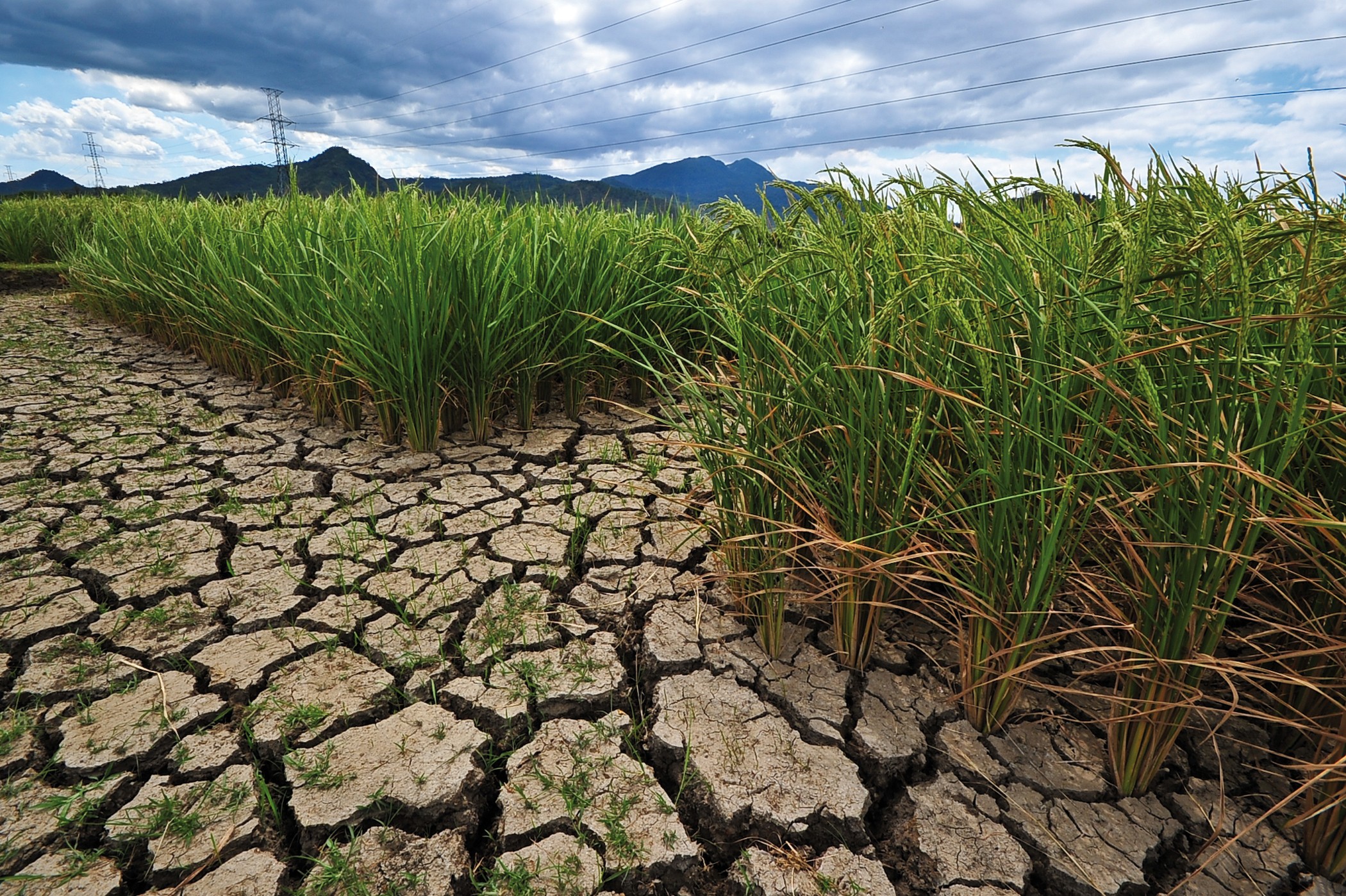
“Timac Agro Ukraine” launches crop insurance against drought
Timac Agro Ukraine, in collaboration with the insurance company PZU, has launched a crop insurance program against drought for farmers in five regions of Ukraine.
26.05.2026

Hansen announces "dialogue with the EIB on new agricultural insurance models"
Integrated European framework for climate resilience 'is on the way'.
26.05.2026
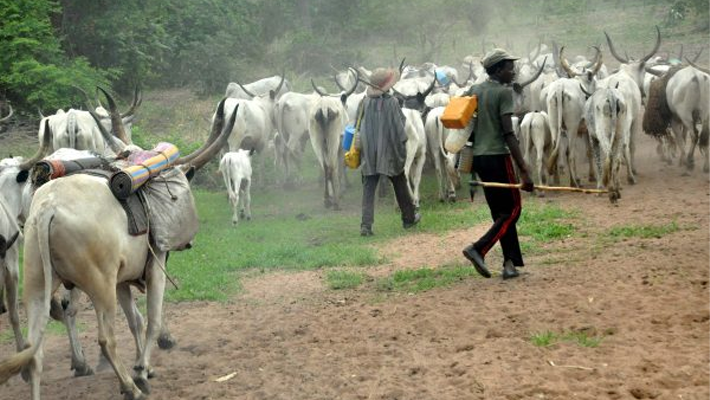
Nigeria - Oyo Steps up Enforcement Against Illegal Livestock Trading, Open Grazing
The Oyo State Government has stepped up enforcement against illegal livestock trading and open grazing, arresting offenders and impounding animals in parts of Ibadan during a fresh compliance operation.
26.05.2026
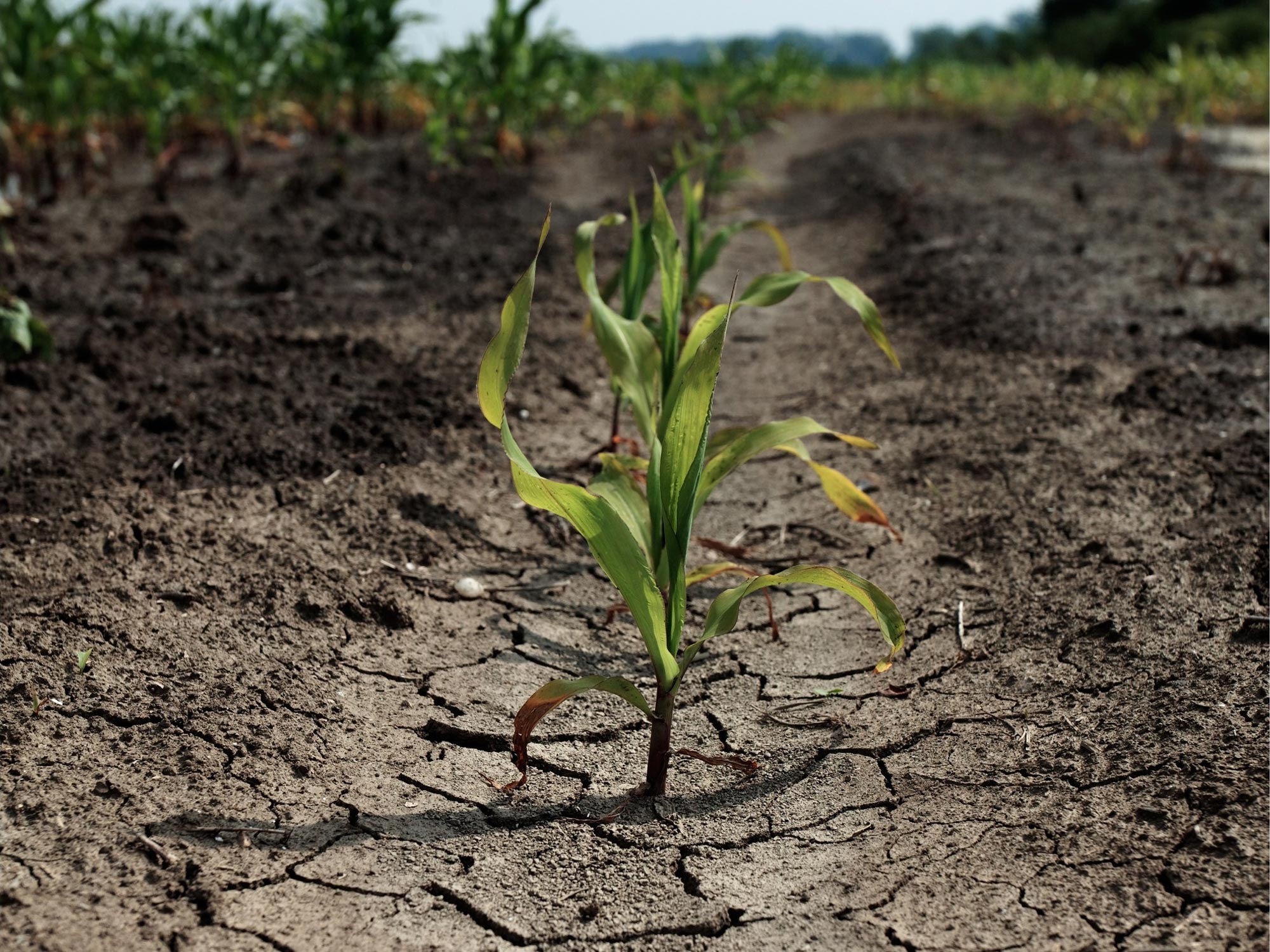
Philippines - Tacloban braces agri, health mitigation measures amid looming super El Niǹo
The City Government of Tacloban has intensified its preparations and mitigation measures as the threat of a possible Super El Niño continues to loom over several parts of the country, bringing concerns over prolonged dry spells, water shortages, and impacts on agriculture and public health.
26.05.2026

India - Punjab Govt Deploys 500 Teams for Special Girdawari as Rains Damage Wheat
In Punjab, to calculate the damage done to the standing crops in the fields due to the inclement weather for the last many days, the state government has formed teams of 500 officials from the agriculture department to assess losses.
26.05.2026
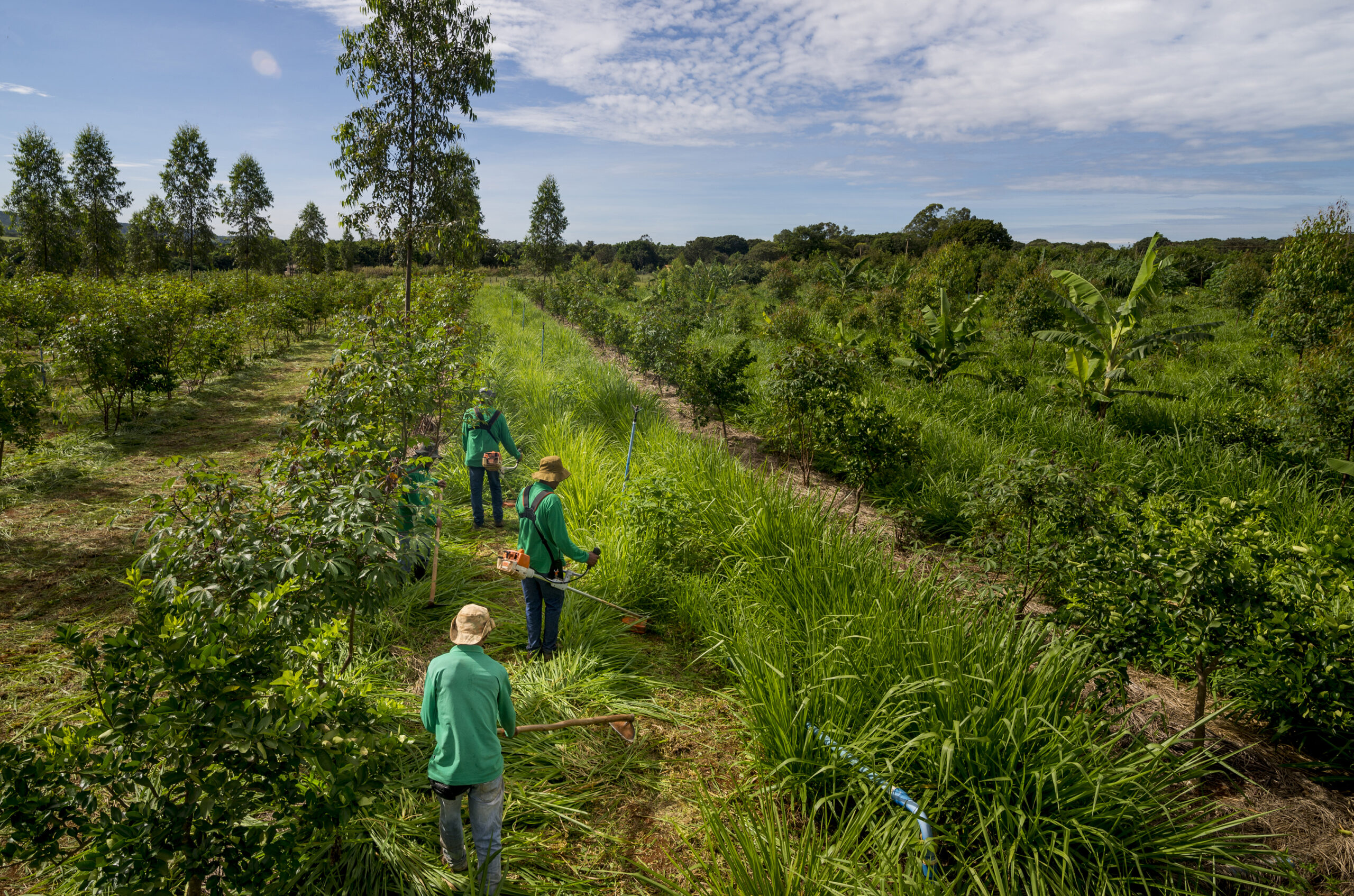
Brazil - Agricultural insurance plummets in Paraná, putting the sector at risk.
Cevio Alberto Mengarda, a soybean and corn producer in Marechal Cândido Rondon, in the western region of Paraná, followed in his father's footsteps in agriculture and today manages the family property.
25.05.2026
Algeria - CASH Assurances to diversify into agriculture insurance
CASH Assurances will launch agriculture insurance plans in June 2026, as part of its diversification strategy.
25.05.2026

U.S. specialty crop growers push for stronger Farm Bill support
Specialty crop growers in the U.S. are calling for stronger support measures in the 2026 Farm Bill, particularly around risk management, market access, and crop insurance.
