

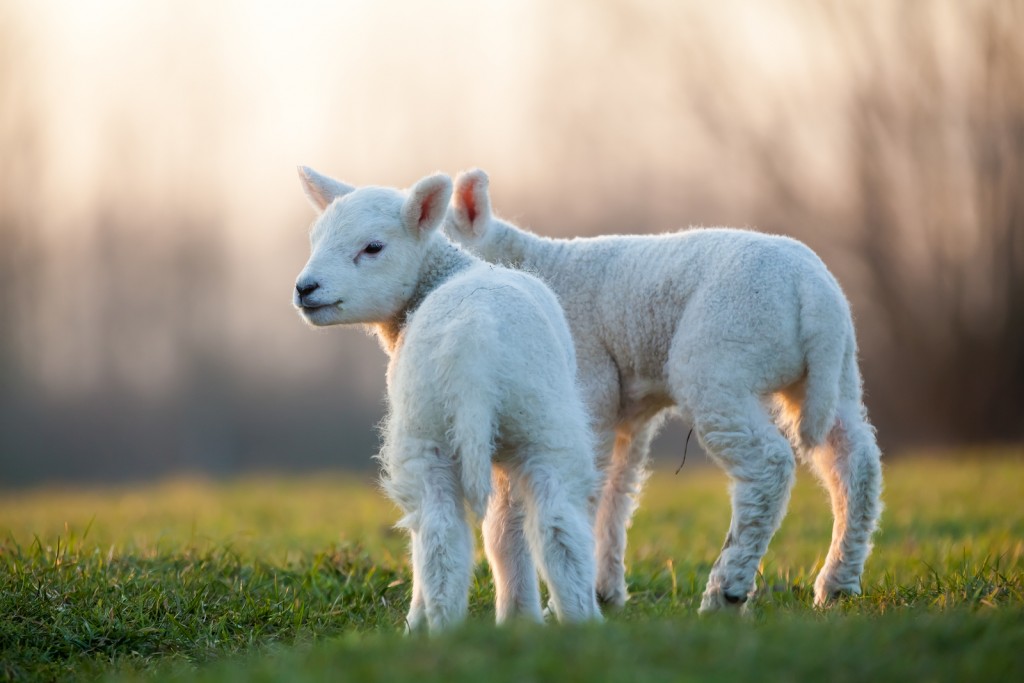
New Zealand - Spring storm hits lamb numbers in parts of North Island
18.09.2018 1346 views
Heavy rainfall and strong south-easterly gales blasted Wairarapa and Hawke's Bay unrelentingly in the first week of September.
A senior analyst at AgriHQ, Mel Croad, said the conditions had made for a tough environment for new born lambs.
"It couldn't have come at a worse time for sheep farmers, with many right in the swing of lambing. Individual farmers are counting losses in the hundreds, and some the thousands," Ms Croad said.
Some farmers had reported their losses may account for 20 percent of their lamb crop, a devastating blow to farm incomes and farmer morale, she said.
"Total lambing losses across the island are expected to be over 100,000 head. This is going to result in a significant dent in the 2018 lamb crop tally, in a season when the lamb crop was already estimated by industry to be the lowest on record," Ms Croad said.
Ms Croad said about 23 million lambs were born last spring, but she did not expect that to be matched this year.
But Beef and Lamb chief economist Andrew Burtt said while the losses were very difficult for the farmers affected, he did not think it would have much of an impact to the lamb tally on a national scale.
"There might be a few hundred thousand ewes having their lambs that week affected by it [the weather] but out of 27 million sheep in total and 17-18 million ewes it's not that significant... on the other hand, if it's on your property it could severely impact your income," Mr Burtt said.
"If you're there and you've suffered, I don't know, 30-40 percent losses of your lambs then it's devastating for you individually," he said.
Source - https://www.radionz.co.nz
EVENTS

ScaleAgData Stakeholder Engagement Event
22.10.2024The ScaleAgData project is pleased to invite you to our second stakeholder event. Building on the discussions and connections formed during our first webinar, this event will focus on fostering collaboration among stakeholders, providing updates on our project’s progress, and outlining future opportunities for engagement.
RISK EVENTS

Moldova - May frosts caused heavy damage to fruit orchards
10.05.2026The first frosty nights of May have significantly worsened estimates of damage to Moldova's fruit sector from spring frosts. According to initial assessments by fruit market operators, between a quarter and a third of the country's total orchard area was seriously affected.
22.10.2026
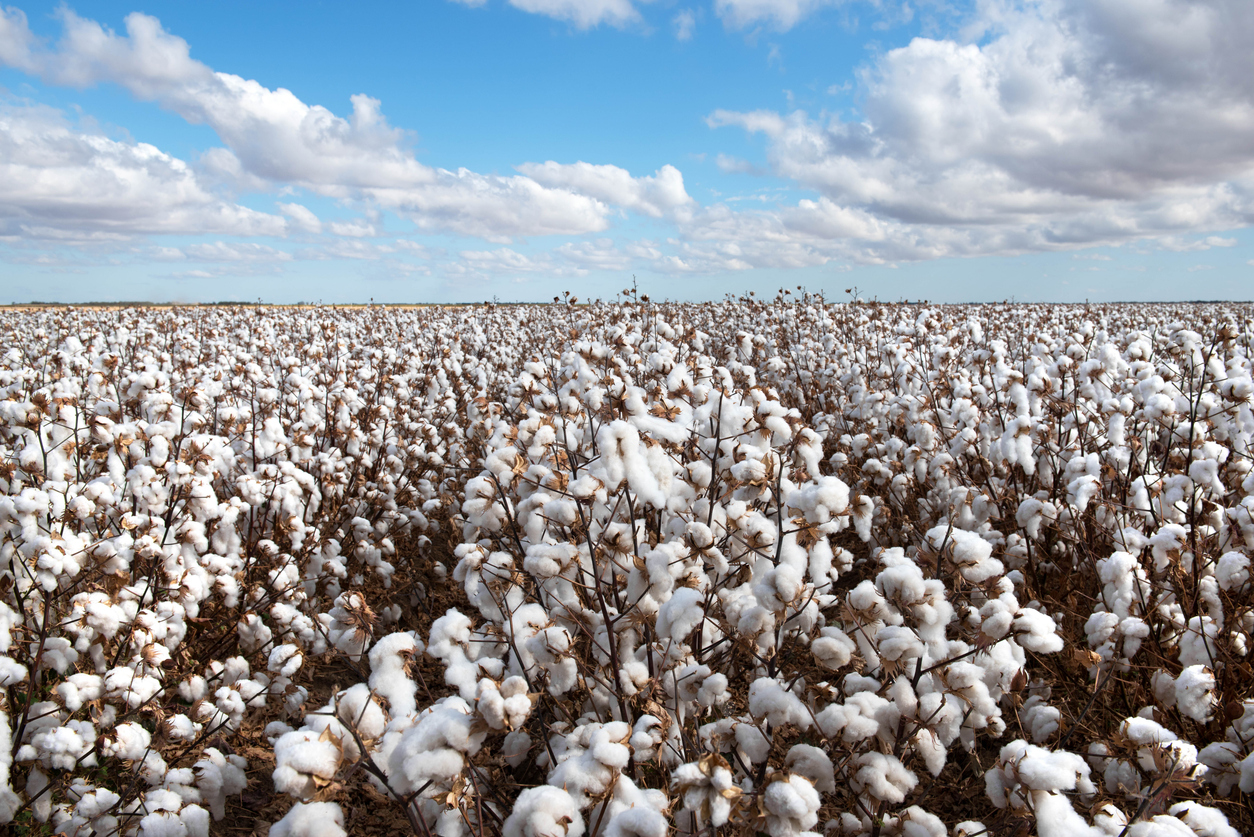
USA - Cotton Producers Face New ARC PLC Decision Deadline
The special provision giving producers the higher of ARC or PLC for 2025 will not continue next year.
22.10.2026

Pakistan - Punjab unveils £300,000 climate-resilient agriculture project for Cholistan and Thal
The Government of Punjab announced a 300,000-pound pilot project to establish climate-resilient agriculture across arid desert regions. The 12-month targeted initiative specifically focuses on farming communities operating within the vulnerable Cholistan and Thal desert ecosystems.
22.10.2026
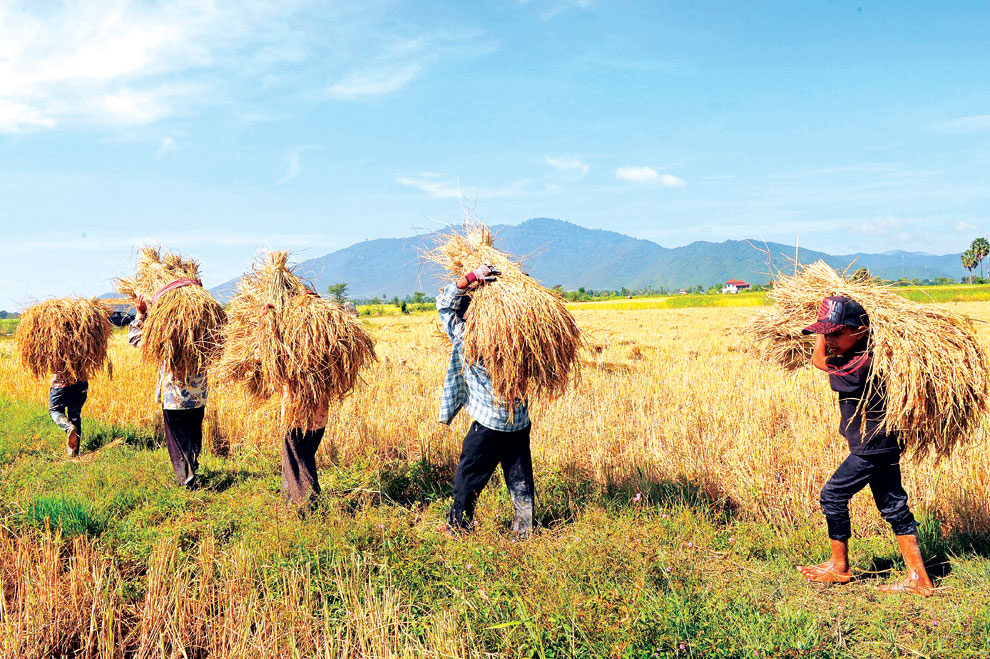
Cambodia looks into insurance scheme for agricultural cooperatives
Cambodia's Ministry of Agriculture, Forestry and Fisheries (MAFF) is looking into a disaster-related insurance scheme designed for modern agricultural cooperatives.
22.10.2026

USA - Dec. 1 deadline set for 2027 pasture and forage insurance
Northeast farmers have until Dec. 1 to secure Pasture, Rangeland and Forage insurance coverage for the 2027 crop year, according to Crop Growers.
22.10.2026
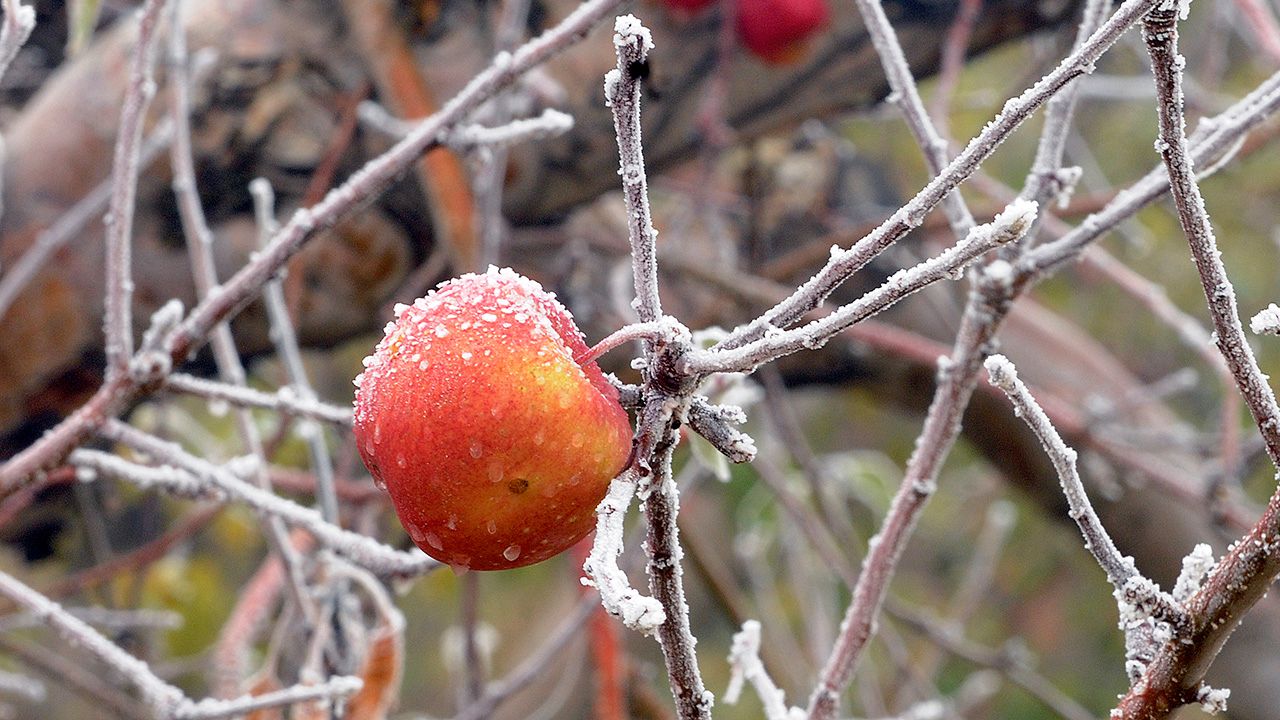
Spring frost hits Polish apple varieties unevenly
Spring frosts have affected Polish apple varieties differently this season, with some performing better than initially expected and others facing substantial losses.
22.10.2026
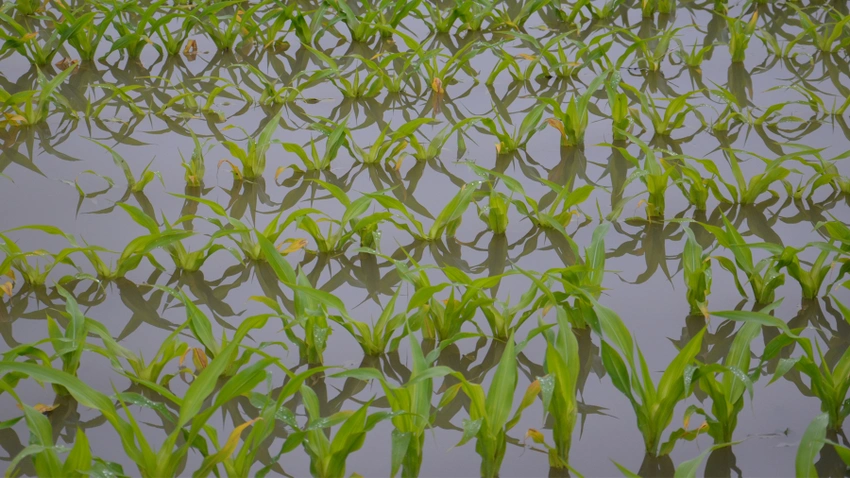
Spain - Flooded fields in Valencia and Alicante and 130 hectares of greenhouses affected in Almería
The arrival of storm Adam on the Mediterranean coast has brought heavy rainfall that has hit the Valencia region hardest, particularly the coastlines of the provinces of Valencia and Alicante, though the inclement weather has also hit other regions including Andalusia, Catalonia, and the Balearic Islands.
21.10.2026
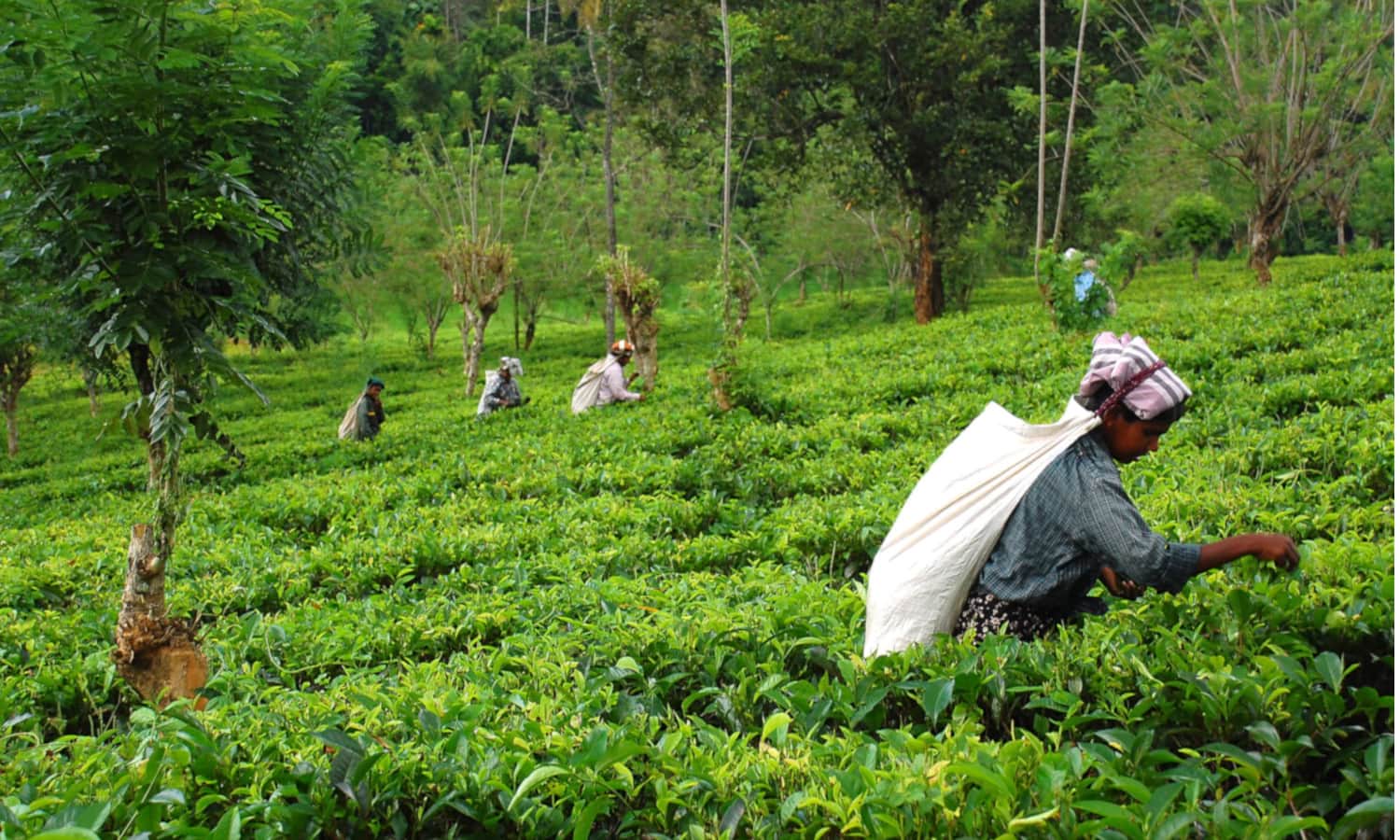
India - Government launches Pashudhan Bima Portal to streamline livestock insurance, claims and monitoring
The Government today launched Pashudhan Bima Portal in New Delhi. The Portal will provide a single, integrated digital platform for livestock insurance, enabling streamlined policy issuance, claim processing, monitoring and reporting in case of animals insured under the Livestock Insurance Scheme of the Department of Animal Husbandry and Dairying.
21.10.2026

Malaysia - Perak Perhilitan monitoring elephant herd after crop destruction complaints
The Perak Department of Wildlife and National Parks (Perhilitan) has received six official complaints this year from oil palm smallholders in Kampung Perlop 1, Sungai Siput, over wild elephants destroying crops and plantation infrastructure.
