

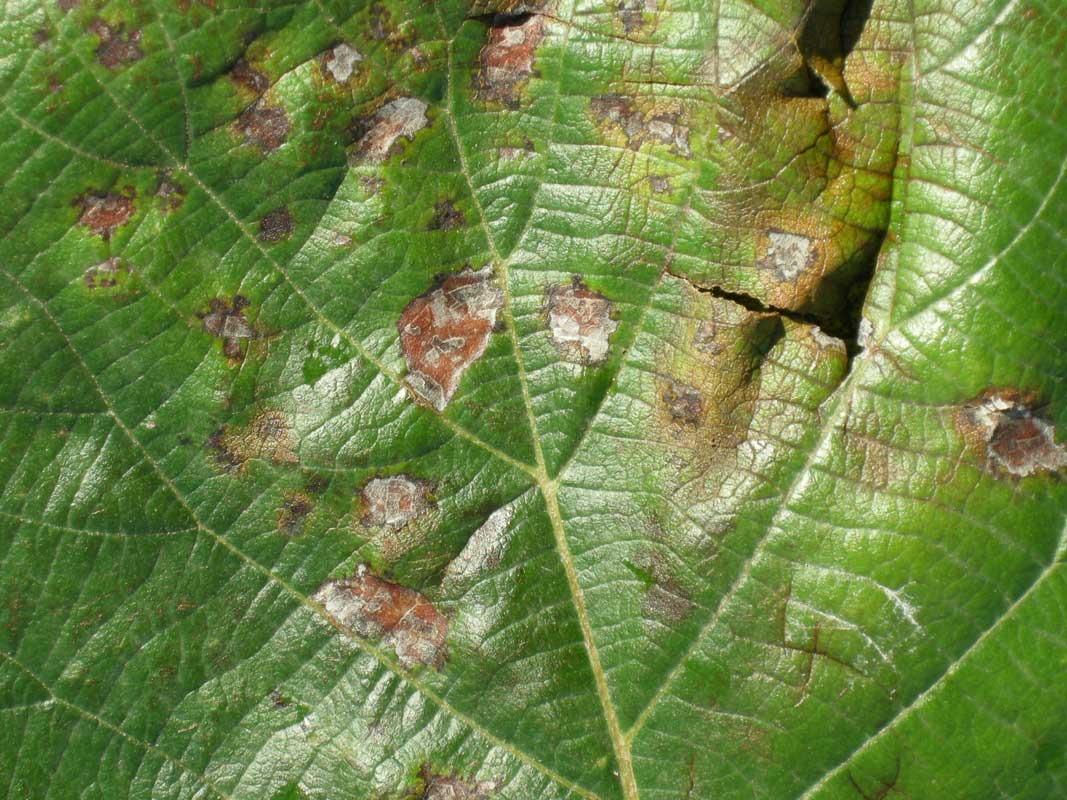
New Zealand - Younger kiwifruit leaves are more susceptible to Psa
18.09.2015 409 views
The bacterial pathogen Pseudomonas syringae pv. actinidiae (Psa) is the causal agent of kiwifruit canker, a serious disease of Actinidia species occurring in many countries around the world. It was first discovered in New Zealand in 2010 and continues to be a serious threat to the New Zealand kiwifruit industry.
It has been observed that tissue age, particularly leaf age, could affect the susceptibility of kiwifruit to infection by Psa. In the field it has been observed that the younger leaves of kiwifruit vines are more susceptible to Psa. However, the influence of kiwifruit leaf age on Psa infection and symptom development has not been systematically studied.
New Zealand scientists investigated the influence of leaf age on infection of Actinidia species by PSA using two approaches: (a) inoculation of potted 'Hayward' and 'Hort16A' kiwifruit plants and (b) inoculation of whole leaves in a detached leaf assay.
Whole plants and detached leaves were spray inoculated with Psa biovar 3 (haplotype NZ-V; Psa-V) and maintained in a saturated environment. Flecking was evident on some of the leaves 8 days after inoculation. Many of the flecks later became necrotic spots with halos similar to the Psa leaf infections that have been observed in the field.
With both methods, a higher percentage of leaves that were 1–3 weeks of age at inoculation had flecking and spotting more so than leaves of other ages. Leaves that were 7 weeks or older did not show any symptoms of infection by Psa. Overall, leaves of 'Hort16A' showed slightly more flecking and spotting than 'Hayward'.
Scientists conclude that leaf age has a significant effect on infection and symptom development by Psa in both kiwifruit cultivars tested. Leaves from 1–3 weeks of age were particularly susceptible, this information on the relationship between leaf age and susceptibility to Psa not only can help in PSA management 'on orchard' but also can be useful to develop disease risk models.
Source - http://www.freshplaza.com
EVENTS

ScaleAgData Stakeholder Engagement Event
22.10.2024The ScaleAgData project is pleased to invite you to our second stakeholder event. Building on the discussions and connections formed during our first webinar, this event will focus on fostering collaboration among stakeholders, providing updates on our project’s progress, and outlining future opportunities for engagement.
RISK EVENTS

Moldova - May frosts caused heavy damage to fruit orchards
10.05.2026The first frosty nights of May have significantly worsened estimates of damage to Moldova's fruit sector from spring frosts. According to initial assessments by fruit market operators, between a quarter and a third of the country's total orchard area was seriously affected.
26.05.2026
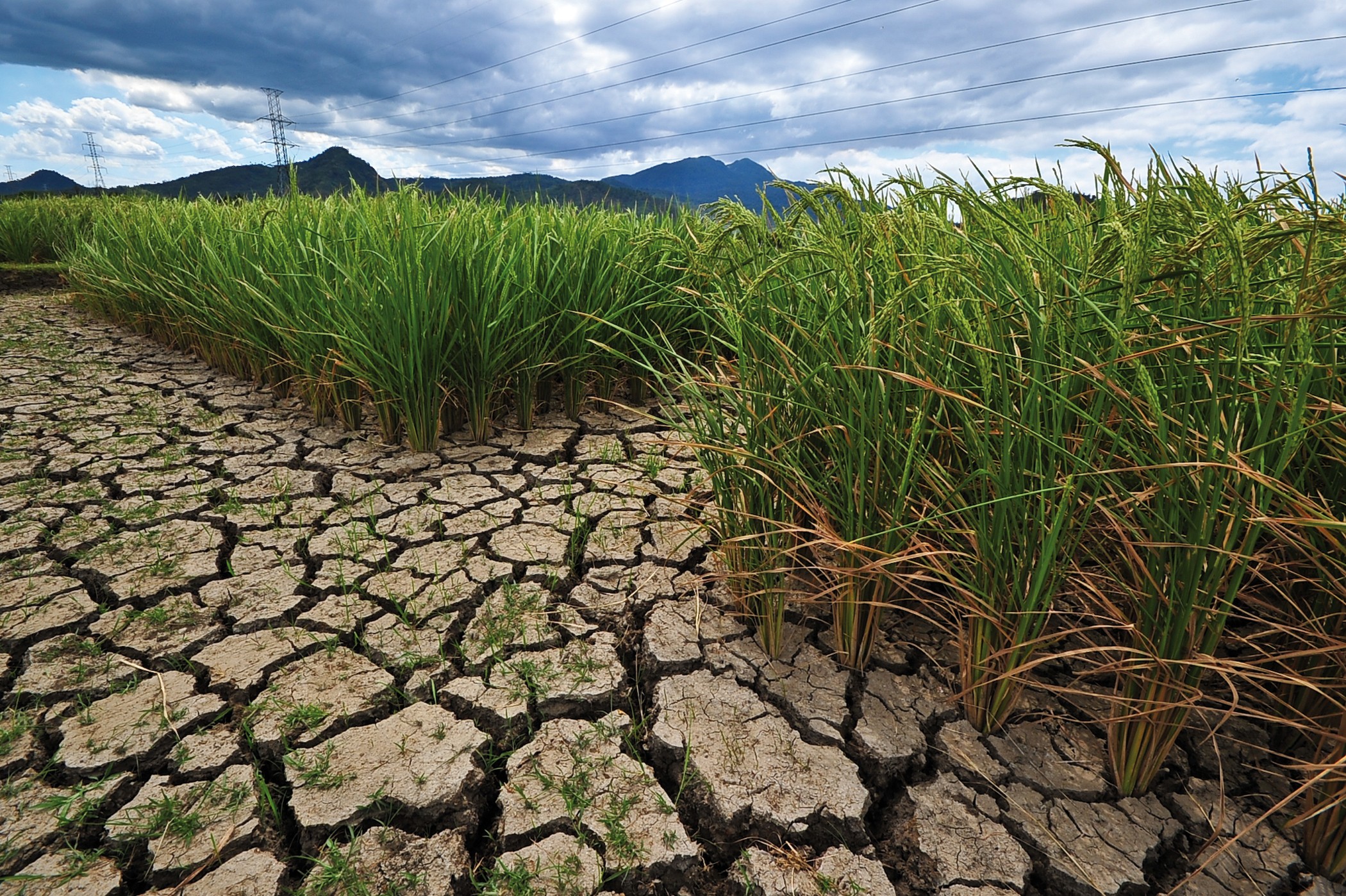
“Timac Agro Ukraine” launches crop insurance against drought
Timac Agro Ukraine, in collaboration with the insurance company PZU, has launched a crop insurance program against drought for farmers in five regions of Ukraine.
26.05.2026

Hansen announces "dialogue with the EIB on new agricultural insurance models"
Integrated European framework for climate resilience 'is on the way'.
26.05.2026
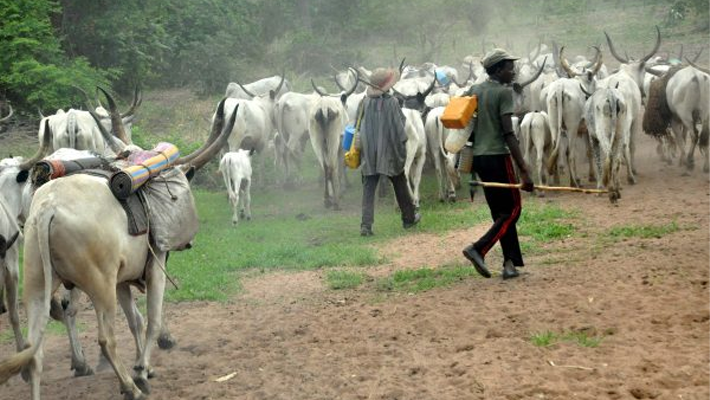
Nigeria - Oyo Steps up Enforcement Against Illegal Livestock Trading, Open Grazing
The Oyo State Government has stepped up enforcement against illegal livestock trading and open grazing, arresting offenders and impounding animals in parts of Ibadan during a fresh compliance operation.
26.05.2026
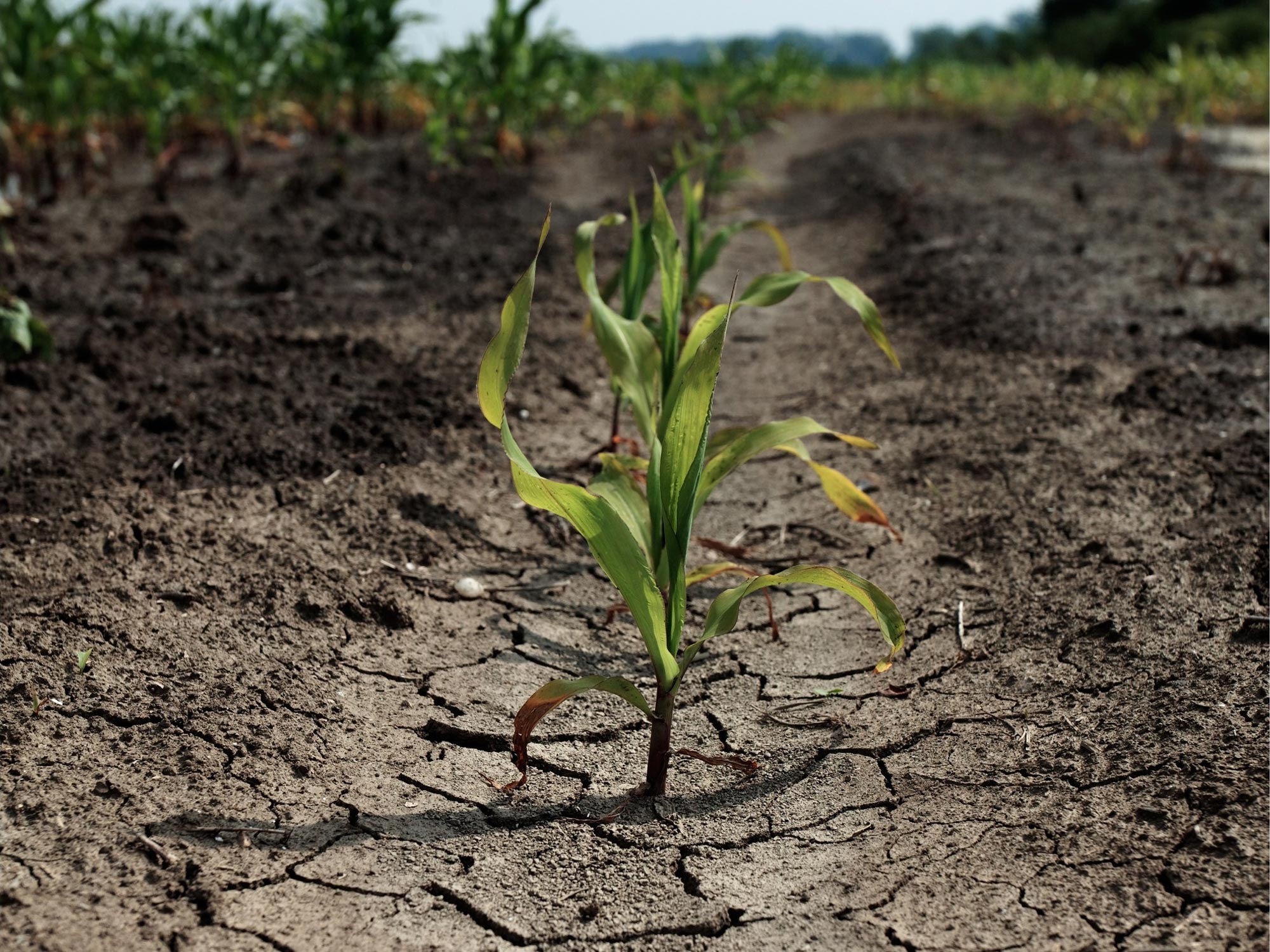
Philippines - Tacloban braces agri, health mitigation measures amid looming super El Niǹo
The City Government of Tacloban has intensified its preparations and mitigation measures as the threat of a possible Super El Niño continues to loom over several parts of the country, bringing concerns over prolonged dry spells, water shortages, and impacts on agriculture and public health.
26.05.2026
India - Punjab Govt Deploys 500 Teams for Special Girdawari as Rains Damage Wheat
In Punjab, to calculate the damage done to the standing crops in the fields due to the inclement weather for the last many days, the state government has formed teams of 500 officials from the agriculture department to assess losses.
26.05.2026
Brazil - Agricultural insurance plummets in Paraná, putting the sector at risk.
Cevio Alberto Mengarda, a soybean and corn producer in Marechal Cândido Rondon, in the western region of Paraná, followed in his father's footsteps in agriculture and today manages the family property.
25.05.2026
Algeria - CASH Assurances to diversify into agriculture insurance
CASH Assurances will launch agriculture insurance plans in June 2026, as part of its diversification strategy.
25.05.2026

U.S. specialty crop growers push for stronger Farm Bill support
Specialty crop growers in the U.S. are calling for stronger support measures in the 2026 Farm Bill, particularly around risk management, market access, and crop insurance.
