Peru - A plague affects 70% of the citrus in Puno

21.09.2015 416 views
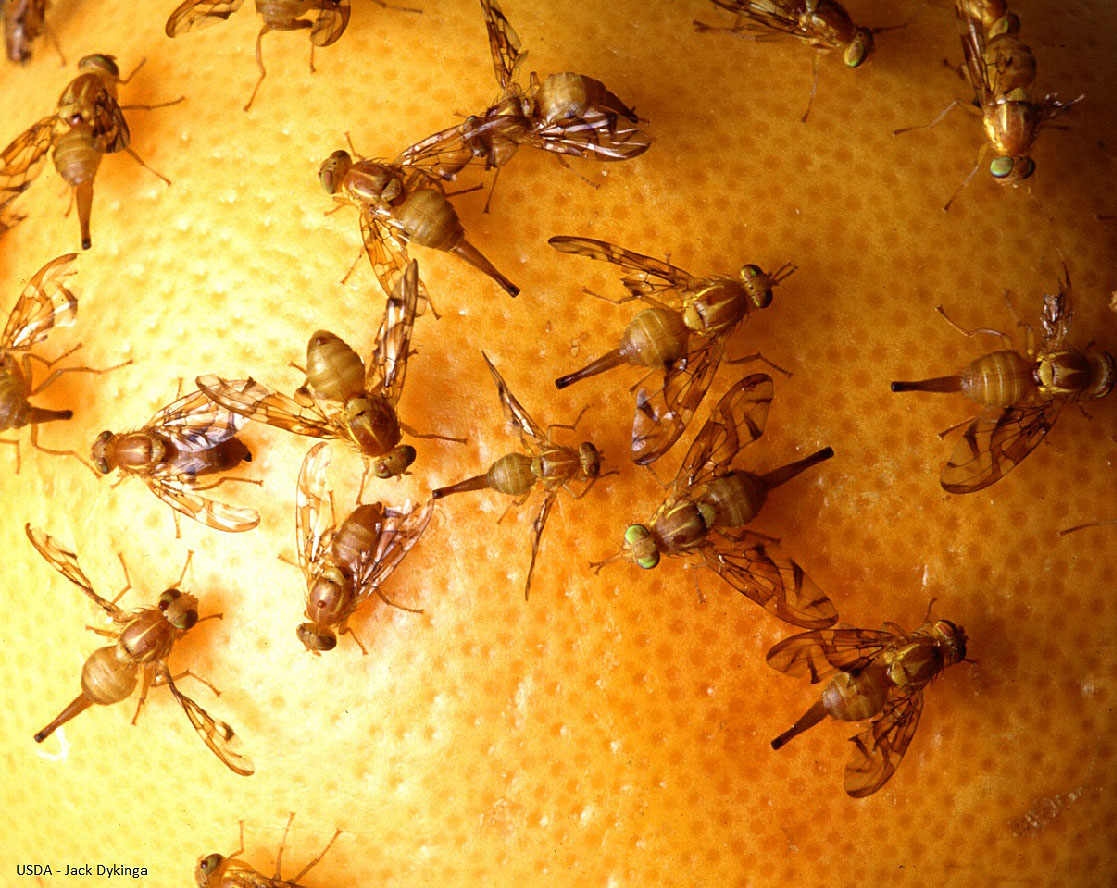
Nearly 70% of the citrus production, including oranges and mandarins, in the district of San Juan del Oro province of Sandia were significantly affected by the fruit fly plague, stated Jose Orlando Jara Cabrera, mayor of this municipality.
Farmers used to produce between 50 and 80 thousand citrus per year, but now their production has decreased and stands between 8 and 10 thousand citrus per year because of this plague.
"Unfortunately the regional and central authorities haven't said anything, even though we submitted all the documents and applications necessary so that they could help us," added the mayor, after saying that they had asked for help from the National Agrarian Health Service of Lima and Puno, but without any response.
Cabrera said there was no plan in place to control this pest in the area, despite having executed the Fruit Regional Project, which came to an end and was currently being liquidated.
"We wanted this project to be extended until December; however, the regional government gave us a negative answer," he said.
Likewise, he recalled that there currently was no public investment project aimed at strengthening fruit production in the region of Puno.
"The local government is the only one devoting and investing its resources to address the fruit and agricultural problem in the area," said Cabrera.
One thousand farmers affected 
There are about a thousand farmers engaged in the production of citrus, coffee, cocoa and others crops in the district of San Juan del Oro.
Orange, mandarin, banana, pineapple, and passion fruit, among others, are sold to markets in the Puno region, mainly to the cities of Puno and Juliaca.
The fruit fly and the yellow rust are the two main problems faced by farmers in the jungle town of Puno. The yellow rust affects coffee crops.
In October 2014, the Presidency of the Council of Ministers (PCM) declared the state of emergency for 60 days in coffee growing areas because of the yellow rust plague. Nevertheless the problem persists at Sandia.
26.05.2026

“Timac Agro Ukraine” launches crop insurance against drought

Timac Agro Ukraine, in collaboration with the insurance company PZU, has launched a crop insurance program against drought for farmers in five regions of Ukraine. 

26.05.2026

Hansen announces "dialogue with the EIB on new agricultural insurance models"

Integrated European framework for climate resilience 'is on the way'.

26.05.2026

Nigeria - Oyo Steps up Enforcement Against Illegal Livestock Trading, Open Grazing

The Oyo State Government has stepped up enforcement against illegal livestock trading and open grazing, arresting offenders and impounding animals in parts of Ibadan during a fresh compliance operation.

26.05.2026

Philippines - Tacloban braces agri, health mitigation measures amid looming super El Niǹo

The City Government of Tacloban has intensified its preparations and mitigation measures as the threat of a possible Super El Niño continues to loom over several parts of the country, bringing concerns over prolonged dry spells, water shortages, and impacts on agriculture and public health.

26.05.2026

India - Punjab Govt Deploys 500 Teams for Special Girdawari as Rains Damage Wheat

In Punjab, to calculate the damage done to the standing crops in the fields due to the inclement weather for the last many days, the state government has formed teams of 500 officials from the agriculture department to assess losses.

26.05.2026

Brazil - Agricultural insurance plummets in Paraná, putting the sector at risk.

Cevio Alberto Mengarda, a soybean and corn producer in Marechal Cândido Rondon, in the western region of Paraná, followed in his father's footsteps in agriculture and today manages the family property. 

25.05.2026

Algeria - CASH Assurances to diversify into agriculture insurance

CASH Assurances will launch agriculture insurance plans in June 2026, as part of its diversification strategy.

25.05.2026

U.S. specialty crop growers push for stronger Farm Bill support

Specialty crop growers in the U.S. are calling for stronger support measures in the 2026 Farm Bill, particularly around risk management, market access, and crop insurance.