

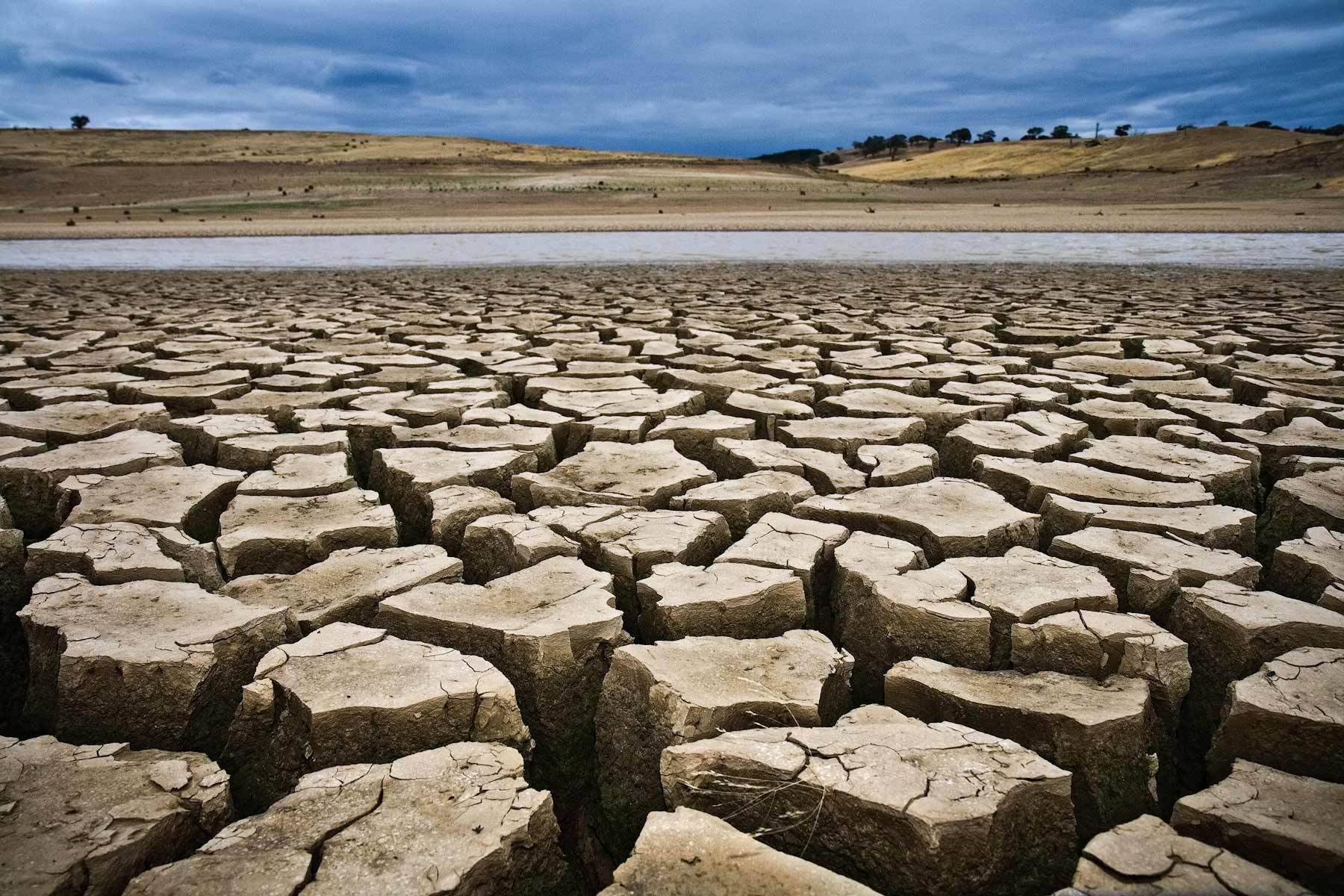
South Africa - Insurers may avoid drought claims
03.02.2016 452 views
Unlike their cousins in the banking sector – which are owed some R125 billion in loans from drought-hit farmers – insurance companies look set to emerge relatively unscathed from the devastating effects of the driest season on record in South Africa.
Andries Wiese, head of market intelligence at Mutual & Federal Agri – a subsidiary of the Old Mutual Group and one the largest agricultural insurers in the country – says that the insurer has not received any drought-related claims in its crop insurance business as the drought meant very few crops were actually planted in the 2015/2016 planting season.
“Farmers won’t be in a position to claim for crops they did not plant,” echoes Gerhard Diedricks, head of Santam Agriculture. “Santam only insures crops against drought that have been planted within the optimum planting window [as determined by seed companies for different crop types] and where sufficient soil moisture is present to ensure a viable start.”
Santam is the short-term arm of Sanlam and the largest general insurer in the country by market share.
“Maize planting dates for most of the summer crop production areas were delayed in 2015. Plants are therefore still very small and it is too soon to determine the extent of damage and the impact on the insurance sector,” Diedricks adds.
While Santam’s exposure to drought is small relative to its hail exposure, it will be able to determine the extent of its exposure to drought claims only at the end of the harvest period, which runs from May to August, Diedricks says.
“The total impact of the drought on our summer crops will only become evident as the season progresses,” M&F’s Wiese agrees.
Wiese explains that the drought is not “broken” when rain falls, with the effects of such a long period of dryness lingering for at least 12 to 18 months. “Obviously the great concern here is that the lack of planting will have a severe impact on food security and availability.”
Farmers must manage risks
“Extreme events are part and parcel of the South African climate. Poor management of resources and ecosystems can seriously increase the risk of weather-related disasters,” Diedricks warns.
“There are ways in which farmers in drought-prone areas can mitigate their risks during the dry summer months. These include cultivation techniques that improve water infiltration, restricting evaporation losses, and controlling weeds to ensure that available water is used only by crops,” he says.
Extreme weather has to a large extent already been priced into insurance premiums, according to Diedricks, due to increased claims experienced over the years. “Weather-related changes will continue to impact the pricing and terms on which cover can be provided, but the extent will be significantly determined by farmers’ responses to mitigating their risks and exposures,” he highlights.
To sharpen its own ability to assess and underwrite risks, Santam runs an experimental farm near Bloemfontein, where it gauges the impact of extreme weather conditions on the different stages of various crop cultivars.
Successful farming operations depend on a range of elements, according to Diedricks, including climate, crop resilience, soil quality, the level of fertilisation required, appropriate farming practices and the cost of bringing goods to market.
“The onus will be on farmers and the agricultural community as a whole to reassess and develop risk management tools,” he says.
“Good practice dictates that one should not be planting crops on marginal lands [land outside the traditional farming heartlands] in these circumstances and any insurer who does choose to insure such lands should be taken to task as this is highly irresponsible from both an insurance and especially from good farming practice point of view,” highlights Wiese.
As the Department of Agriculture’s Crop Estimate Committee estimates that the maize crop could be 25% lower in the 2015/16 season, Wiese urges farmers to seek financial advice to ensure the sustainability of their businesses.
Source - moneyweb.co.za
EVENTS

ScaleAgData Stakeholder Engagement Event
22.10.2024The ScaleAgData project is pleased to invite you to our second stakeholder event. Building on the discussions and connections formed during our first webinar, this event will focus on fostering collaboration among stakeholders, providing updates on our project’s progress, and outlining future opportunities for engagement.
RISK EVENTS

Moldova - May frosts caused heavy damage to fruit orchards
10.05.2026The first frosty nights of May have significantly worsened estimates of damage to Moldova's fruit sector from spring frosts. According to initial assessments by fruit market operators, between a quarter and a third of the country's total orchard area was seriously affected.
26.05.2026
“Timac Agro Ukraine” launches crop insurance against drought
Timac Agro Ukraine, in collaboration with the insurance company PZU, has launched a crop insurance program against drought for farmers in five regions of Ukraine.
26.05.2026
Hansen announces "dialogue with the EIB on new agricultural insurance models"
Integrated European framework for climate resilience 'is on the way'.
26.05.2026
Nigeria - Oyo Steps up Enforcement Against Illegal Livestock Trading, Open Grazing
The Oyo State Government has stepped up enforcement against illegal livestock trading and open grazing, arresting offenders and impounding animals in parts of Ibadan during a fresh compliance operation.
26.05.2026
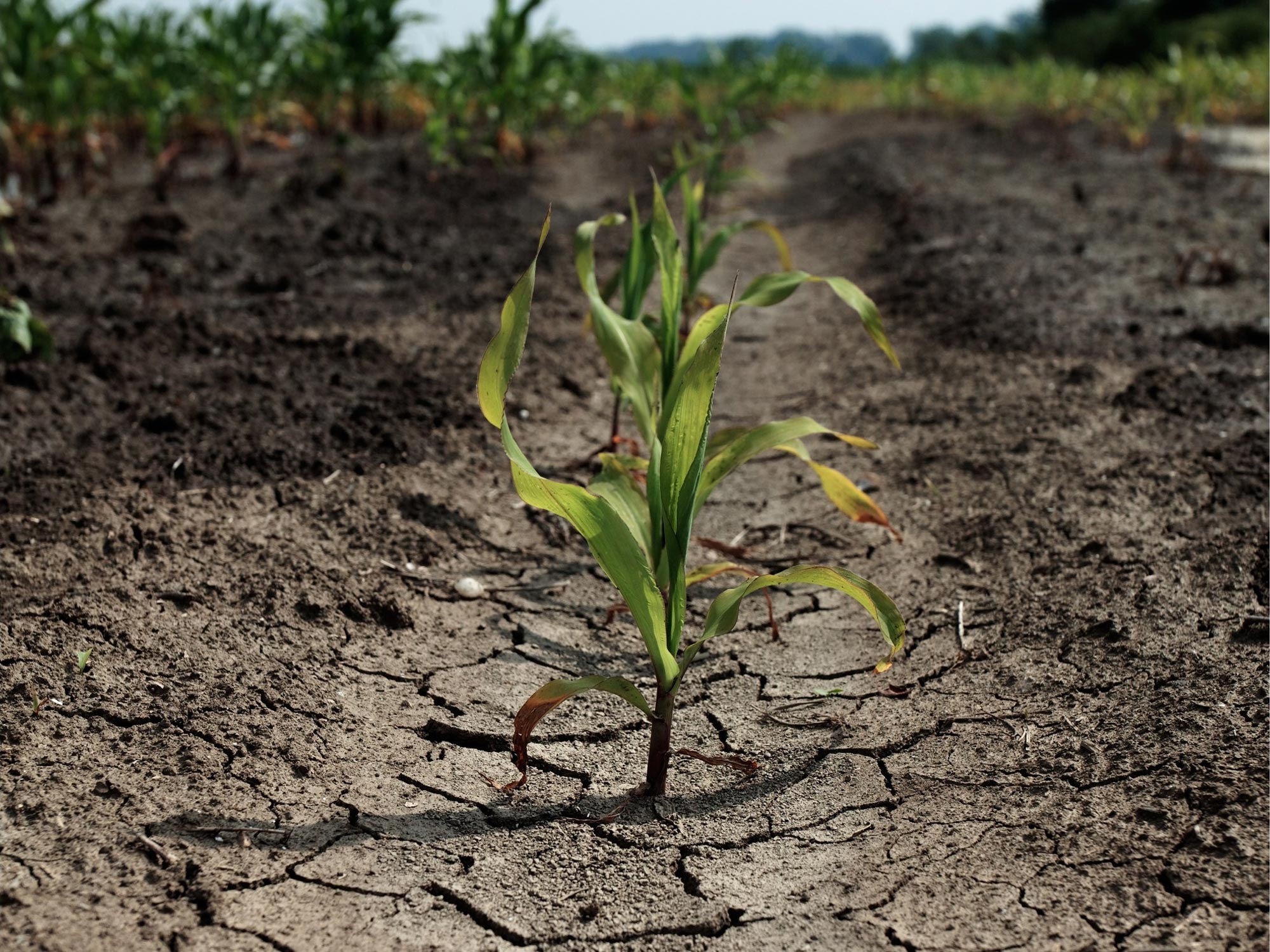
Philippines - Tacloban braces agri, health mitigation measures amid looming super El Niǹo
The City Government of Tacloban has intensified its preparations and mitigation measures as the threat of a possible Super El Niño continues to loom over several parts of the country, bringing concerns over prolonged dry spells, water shortages, and impacts on agriculture and public health.
26.05.2026

India - Punjab Govt Deploys 500 Teams for Special Girdawari as Rains Damage Wheat
In Punjab, to calculate the damage done to the standing crops in the fields due to the inclement weather for the last many days, the state government has formed teams of 500 officials from the agriculture department to assess losses.
26.05.2026
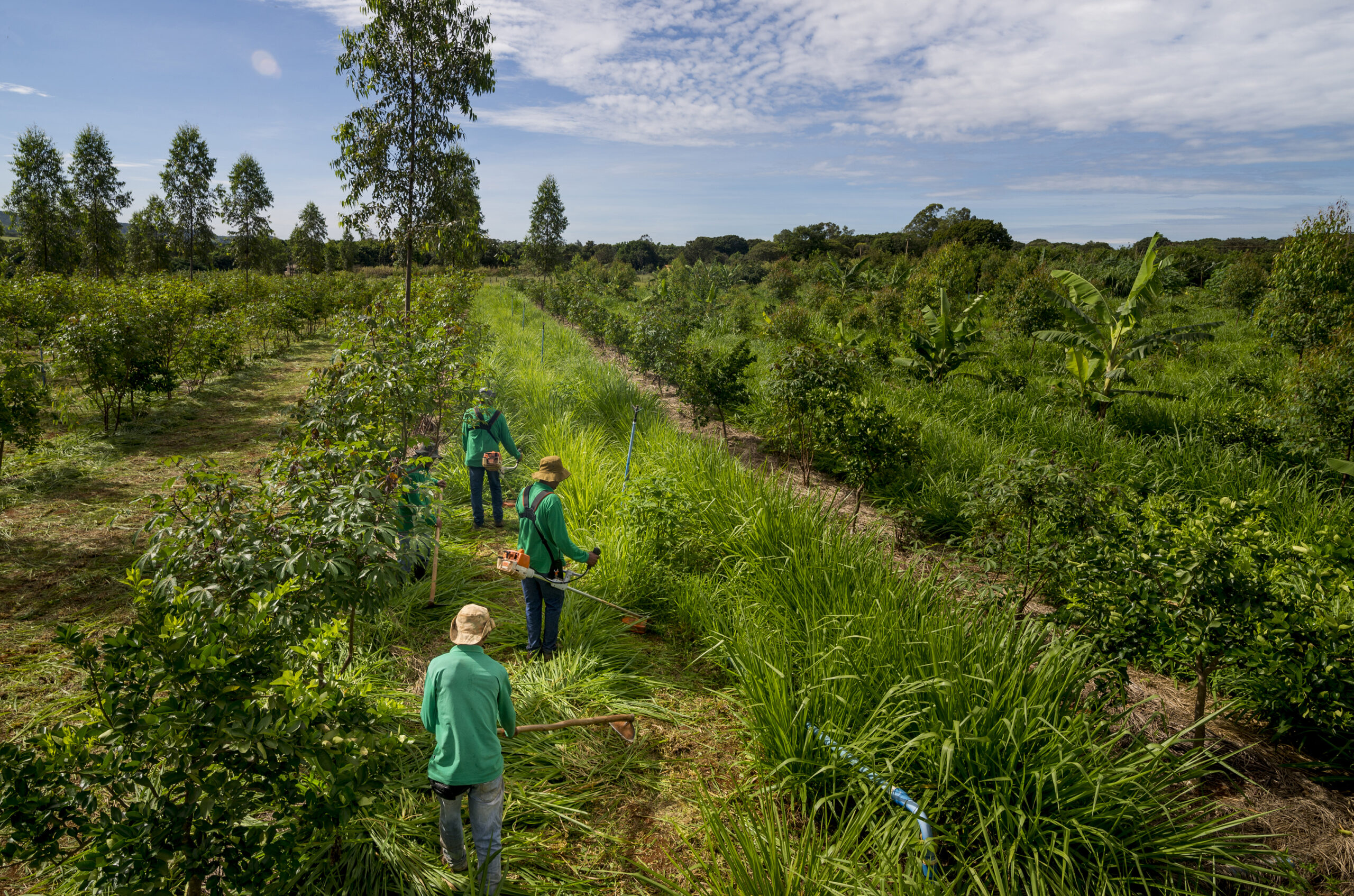
Brazil - Agricultural insurance plummets in Paraná, putting the sector at risk.
Cevio Alberto Mengarda, a soybean and corn producer in Marechal Cândido Rondon, in the western region of Paraná, followed in his father's footsteps in agriculture and today manages the family property.
25.05.2026
Algeria - CASH Assurances to diversify into agriculture insurance
CASH Assurances will launch agriculture insurance plans in June 2026, as part of its diversification strategy.
25.05.2026
U.S. specialty crop growers push for stronger Farm Bill support
Specialty crop growers in the U.S. are calling for stronger support measures in the 2026 Farm Bill, particularly around risk management, market access, and crop insurance.
