

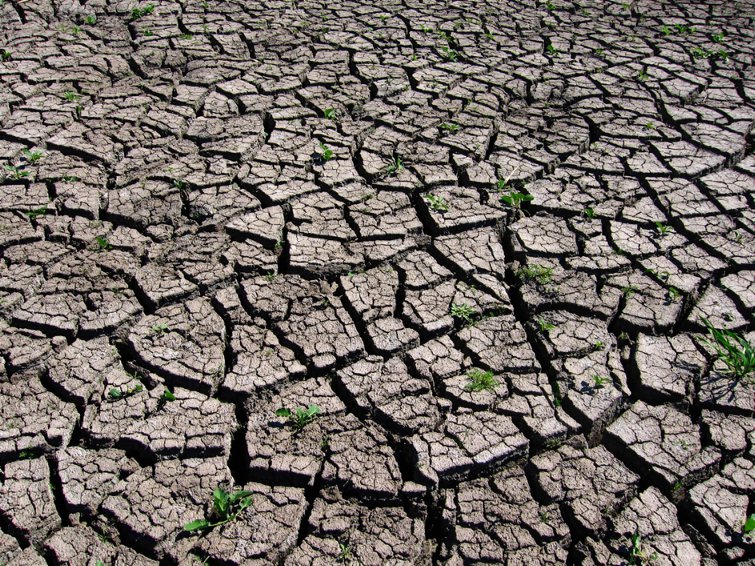
South Africa’s drought devastates crops
15.01.2016 431 views
Driving his pick-up truck down a dirt road, farmer Petrus Roux points to scorched fields that should be a sea of green maize, part of South Africa’s western grain belt.
The worst drought in over a hundred years has devastated crops and could tip the economy into recession, adding to a loss of investor faith in president Jacob Zuma, pushing up food prices and possibly stoking social and racial tensions ahead of local elections.
“As far as the eye can see, empty fields,” Roux said, pointing to pastures seared a rusty red.
Alongside record temperatures, there has been a stampede from South African assets beyond the wider flight from emerging markets. The rand has fallen sharply, and analysts say a credit ratings downgrade to “junk” status is possible.
Agriculture contributes only 2.2 percent to economic output, but a major farming contraction could turn slow growth into recession. This could push up the jobless rate from around 25 percent and widen the gap between rich and poor, factors already contributing to political tensions and exposing the racial rifts that Nelson Mandela tried to heal after years of apartheid.
Online racial abuse spiked in the last month, and police had to deploy razor wire this week to separate crowds of whites and blacks protesting outside the court appearance of four white farmers accused of beating two black men to death.
Sim Tshabalala, the head of Standard Bank, one of South Africa’s largest banks, said yesterday that racism and inequality were weighing on the economy.
“There is pressure in the society over economic decline, and that pressure is playing out on social platforms,” said Gary van Staden, political analyst with NKC African Economics.
Africa’s most industrialized economy grew 0.7 percent in the third quarter but that was after shrinking 1.7 percent in the previous three months. Some analysts are expecting a recession, usually considered to be two consecutive quarters of contraction, in 2016.
This would make it harder for the ruling African National Congress, in power since the end of white-minority rule in 1994, to overcome a serious challenge from the liberal Democratic Alliance Party and the ultra-left Economic Freedom Fighters in mid-year local elections.
Finance minister Pravin Gordhan said today the economy was not heading for recession. The government is forecasting growth of 1.5 percent in 2016, but recent indicators are downbeat.
The rand, also hit by the slump in global commodity prices, slid 25 percent in 2015 and last week briefly plunged 10 percent to a record low of 17.995 to the dollar. This could push up inflation, currently 4.8 percent year-on-year, particularly if food is imported to compensate for the loss of domestic supply.
Manufacturing output, which accounts for more than 12 percent of the economy, fell in both October and November. Finance, real estate and business services, the single largest contributor to output at around 20 percent, expanded 2.8 percent in the third quarter but is expected to slow.
Agriculture, a particularly volatile sector, could make the difference. A 20 percent contraction in farming output, for example, could shave 0.4 percent off overall growth, analysts say. It shrank 12.6 percent in the third quarter after declining 19.7 and 18 percent in the previous two periods.
“We are anticipating a recession this year and agriculture and the drought will be big parts of that,” said George Glynos, an analyst at Johannesburg-based financial consultancy ETM.
A rise in food prices, a significant portion of spending for lower-income South Africans who are overwhelmingly black and many of whom have seen little economic improvement since the end of apartheid, could also contribute to tensions.
South Africa may need to import as much as five million tonnes of corn this year, roughly half its requirements, producer group Grain SA said last week.
The corn crop last year, when South Africa recorded its lowest average rainfall since records began in 1904, was down a third to under 10 million tonnes, and the harvest is expected to be much lower this year. Africa’s biggest corn producer is usually a net exporter of the grain.
Futures prices for white maize, the main food staple for lower-income households, more than doubled last year because of the drought.
“We expect general food prices to increase by 15 to 20 percent this year because the drought is hitting everything,” said Christo Joubert, head of the food price monitoring arm of the National Agricultural Marketing Council.
That would increase political pressure on Zuma, already under fire for triggering financial turmoil by changing finance ministers twice last month.
The central bank has repeatedly warned about drought and food prices and is expected to raise interest rates at the end of the month to curb inflation pressures.
Analysts say Zuma has few tools to deal with the brewing problems and expect the ANC to spend money to win over voters.
“The problem that underpins the annus horribilis of 2016 is no policy interventions to stop the backward slide. And with the local elections coming up, you will see fiscal indiscipline,” Van Staden said.
Source - producer.com
EVENTS

ScaleAgData Stakeholder Engagement Event
22.10.2024The ScaleAgData project is pleased to invite you to our second stakeholder event. Building on the discussions and connections formed during our first webinar, this event will focus on fostering collaboration among stakeholders, providing updates on our project’s progress, and outlining future opportunities for engagement.
RISK EVENTS

Moldova - May frosts caused heavy damage to fruit orchards
10.05.2026The first frosty nights of May have significantly worsened estimates of damage to Moldova's fruit sector from spring frosts. According to initial assessments by fruit market operators, between a quarter and a third of the country's total orchard area was seriously affected.
26.05.2026
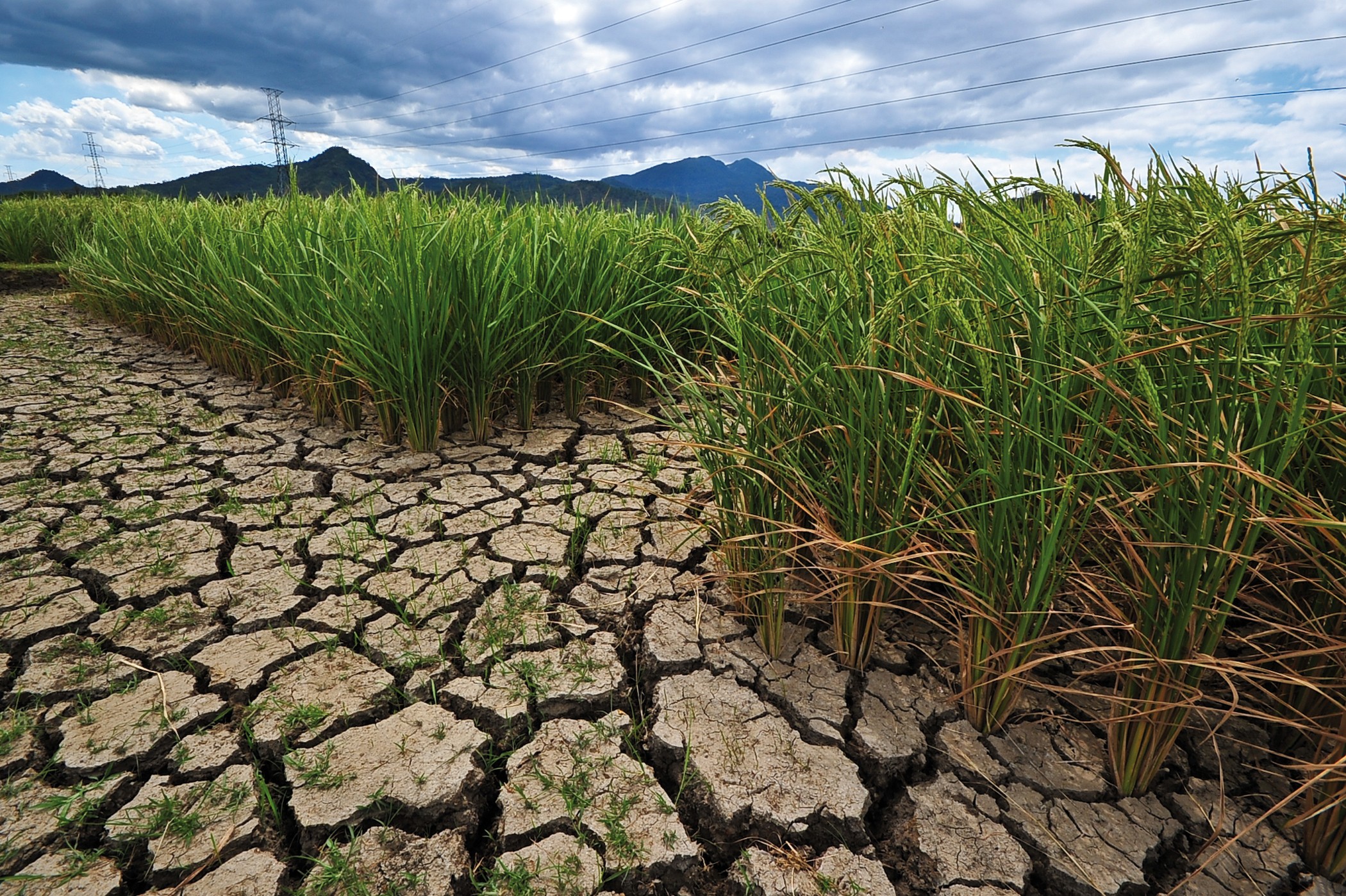
“Timac Agro Ukraine” launches crop insurance against drought
Timac Agro Ukraine, in collaboration with the insurance company PZU, has launched a crop insurance program against drought for farmers in five regions of Ukraine.
26.05.2026
Hansen announces "dialogue with the EIB on new agricultural insurance models"
Integrated European framework for climate resilience 'is on the way'.
26.05.2026
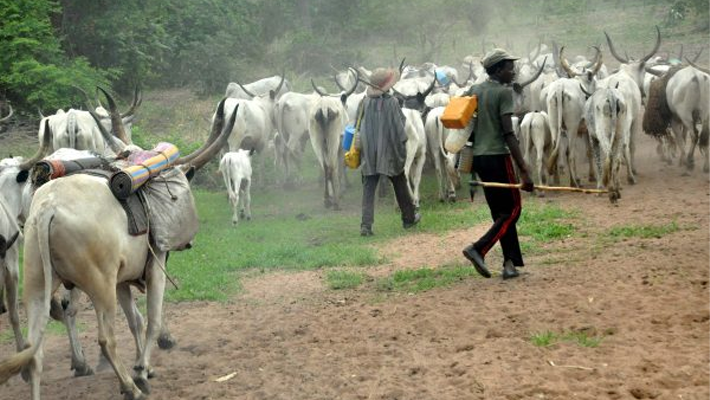
Nigeria - Oyo Steps up Enforcement Against Illegal Livestock Trading, Open Grazing
The Oyo State Government has stepped up enforcement against illegal livestock trading and open grazing, arresting offenders and impounding animals in parts of Ibadan during a fresh compliance operation.
26.05.2026
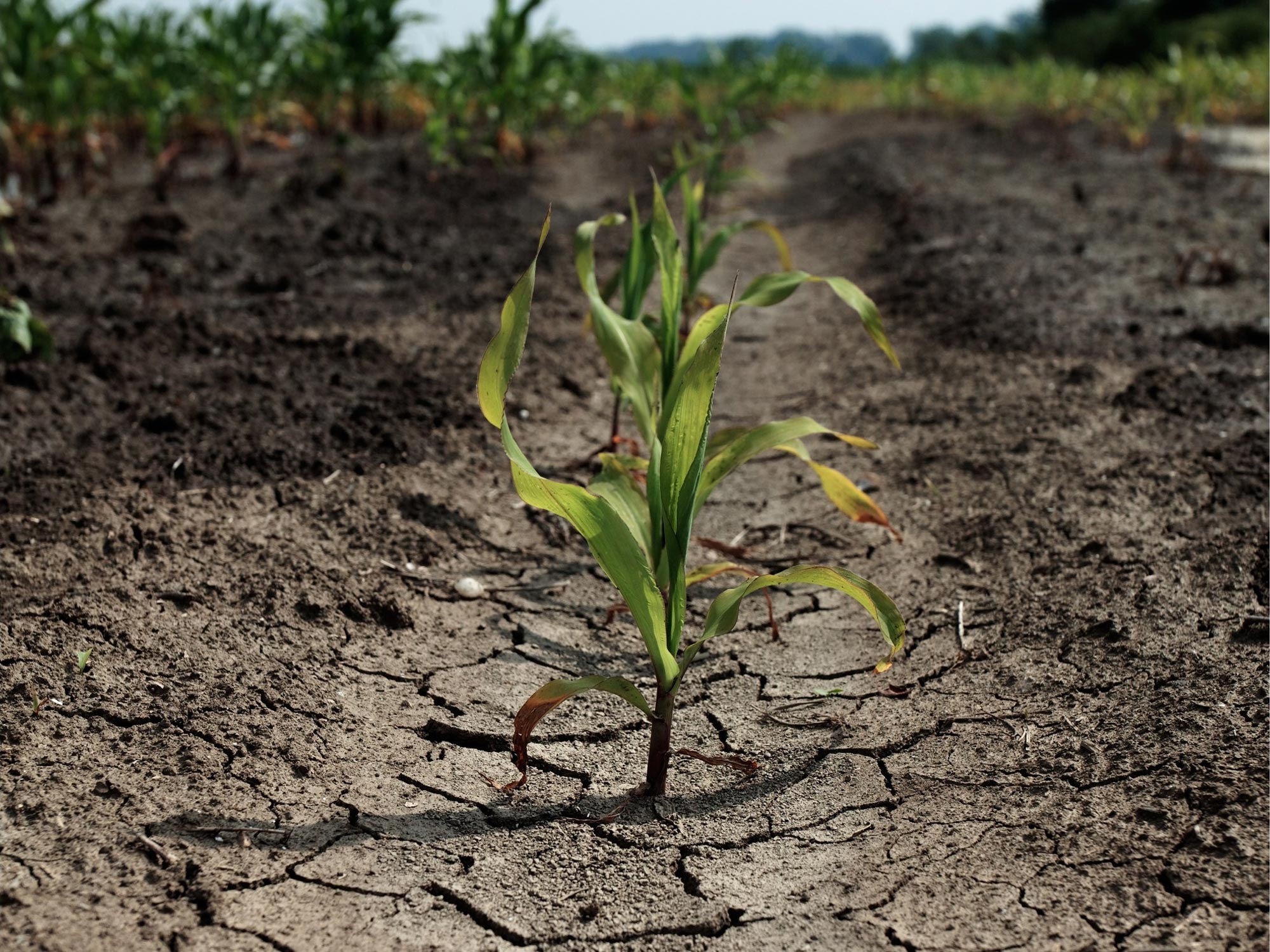
Philippines - Tacloban braces agri, health mitigation measures amid looming super El Niǹo
The City Government of Tacloban has intensified its preparations and mitigation measures as the threat of a possible Super El Niño continues to loom over several parts of the country, bringing concerns over prolonged dry spells, water shortages, and impacts on agriculture and public health.
26.05.2026
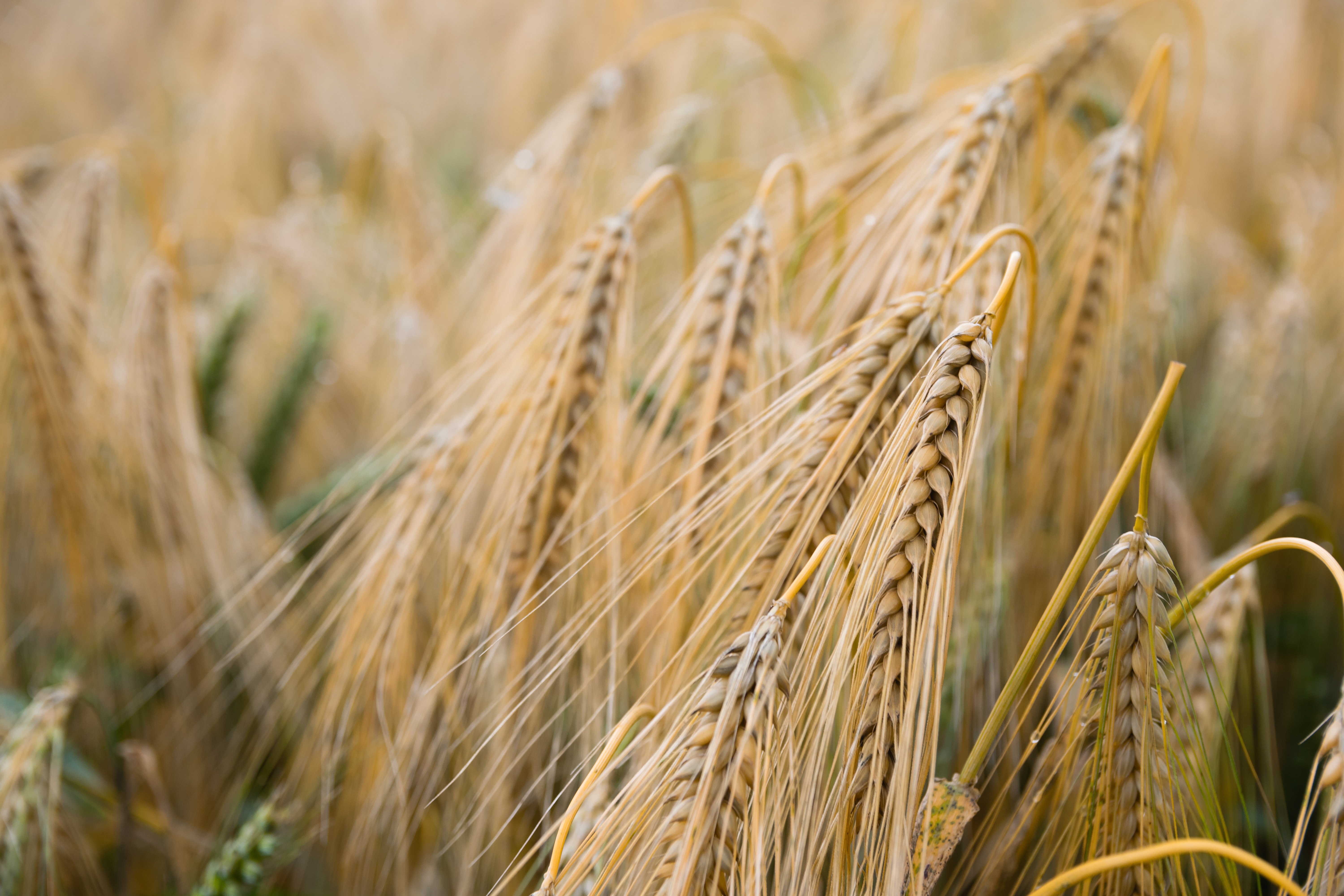
India - Punjab Govt Deploys 500 Teams for Special Girdawari as Rains Damage Wheat
In Punjab, to calculate the damage done to the standing crops in the fields due to the inclement weather for the last many days, the state government has formed teams of 500 officials from the agriculture department to assess losses.
26.05.2026
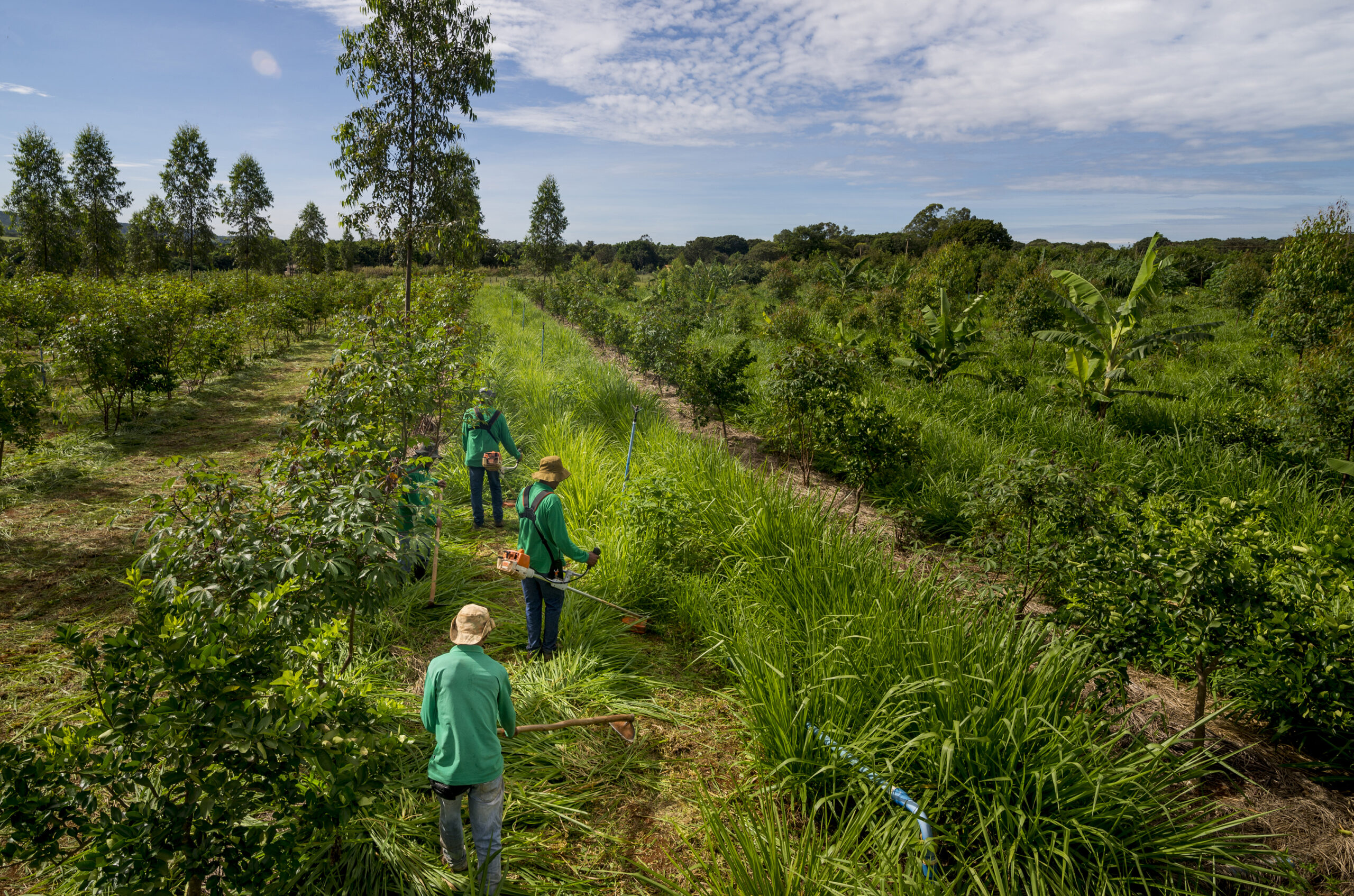
Brazil - Agricultural insurance plummets in Paraná, putting the sector at risk.
Cevio Alberto Mengarda, a soybean and corn producer in Marechal Cândido Rondon, in the western region of Paraná, followed in his father's footsteps in agriculture and today manages the family property.
25.05.2026
Algeria - CASH Assurances to diversify into agriculture insurance
CASH Assurances will launch agriculture insurance plans in June 2026, as part of its diversification strategy.
25.05.2026
U.S. specialty crop growers push for stronger Farm Bill support
Specialty crop growers in the U.S. are calling for stronger support measures in the 2026 Farm Bill, particularly around risk management, market access, and crop insurance.
