

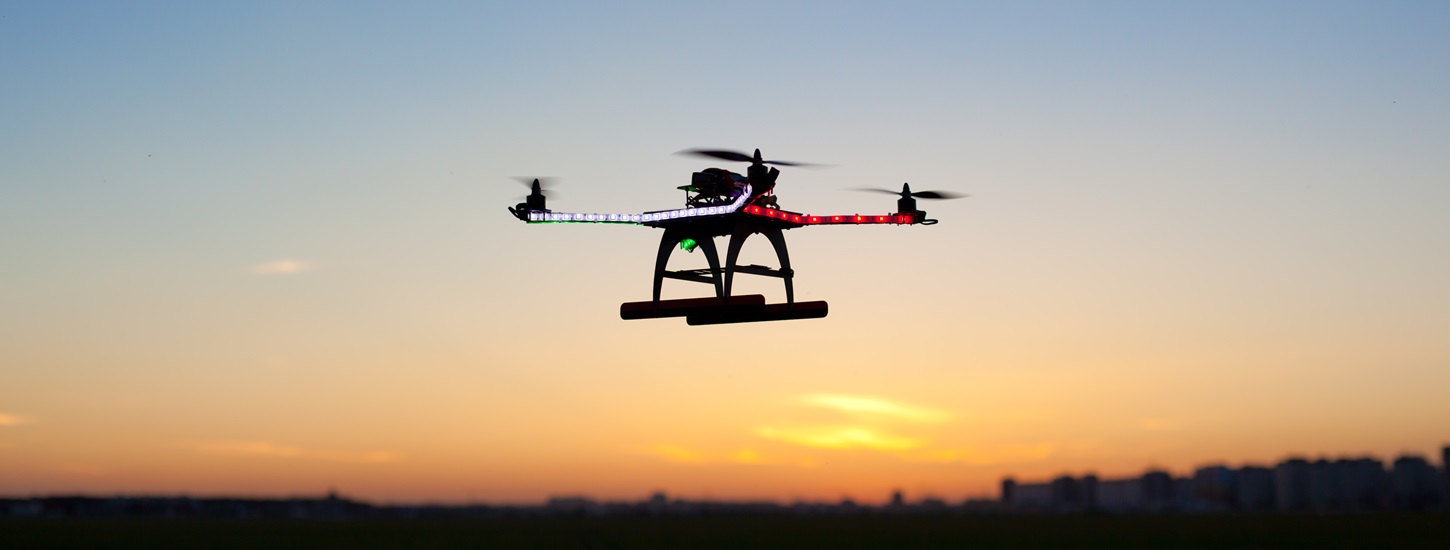
Sri Lanka - Drones set to give global farming a makeover
28.12.2015 291 views
The traditional image of a farmer standing in a field, squinting anxiously at the sky for signs of rain, may be about to get a 21st-century makeover as researchers explore the use of drones on farms from Sri Lanka to Uganda.
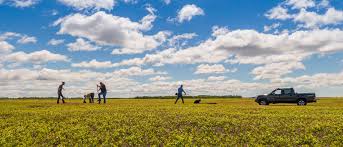
The ability of unmanned aerial vehicles (UAVs or drones) to hover low over fields of maize, sweet potato and rice with sensoring devices promises benefits for individual farmers and their communities.
For governments and development agencies, drones can provide more accurate, up-to-date information on what is being grown where. For individual farmers, this kind of information could be the difference between a failed crop and a bumper harvest.
In September, the International Water Management Institute (IWMI) carried out trials in Sri Lanka using an eBee drone equipped with a near-infrared sensor; the trials showed how this can give farmers early warning of problems anywhere in their fields.
“Using near-infrared, you can identify stress in a plant 10 days before it becomes visible to the eye,” says Salman Siddiqui, head of IWMI’s GIS remote sensing and data unit.
“When a plant goes into stress, it’s either due to a water or fertiliser shortage, or because it’s being attacked by a pest. Photosynthetic activity decreases and that affects the chlorophyll. That’s what the near-infrared sensor can detect, but our human eye can’t see it until it’s more advanced.”
That 10-day warning could prevent large-scale crop losses. Siddiqui says: “If a crop is being attacked by insects, the whole area can be affected, not just one farmer. With UAVs, if you can figure this out before it spreads, you can save the whole area.”
In Uganda and Tanzania, the International Potato Center (CIP) has been carrying out drone trials in partnership with the national bureaux of statistics in both countries.
Accurate data is crucial for effective agricultural policymaking, and a report (pdf) by the World Bank this year highlighted how patchy that data is for much of sub-Saharan Africa.
According to Dieudonné Harahagazwe, a senior CIP scientist based in Nairobi, this data gap is behind agencies’ eagerness to participate in researching the potential of drones.
“Donors and governments look at statistics, and in some places smallholder plots are so small we don’t have precise statistics on their crops,” he says.
“With sweet potato, for example, policymakers might say it’s not an important crop because there are just small, scattered plots. Or the statistics can’t tell the difference between potato and sweet potato. This is important, because farmers lose out if the statistics are not accurate.”
This was confirmed by CIP’s initial trials using drones to map fields in Uganda. According to its research in the Kumi district of eastern Uganda, official statistics underestimated the planting of sweet potato by a staggering 50%.
Such a disparity between what’s on the books and what’s in the fields can make a crop less visible to policymakers, which means smallholders might not gain access to relevant extension services such as training, seeds or micro-insurance.
This unreliability of data extends beyond crops into livestock, too, and can cause problems in the event of a disease outbreak. The UN’s Food and Agriculture Organisation is researching how drones might be used in these situations, as part of training vets on how to deal with foot and mouth disease (FMD).
“FMD tends to be a problem in the dairy sector, which is important in smallholder settings in countries such as Kenya and Nepal, and there are a whole variety of diseases that affect cattle and other small ruminants,” says Keith Sumption, executive secretary at the FAO’s European commission for the control of FMD.
He says: “There’s often extremely limited data available on the number of animals within a few kilometres, and one of the first questions in disease control operations is how many animals there are within 3km that need to be checked. With a drone in the sky for half an hour, you can probably say exactly where groups of animals are.”
The FAO trial in Kenya – using a Huginn X1 drone – found that the drone was airborne and surveying livestock distribution before the vets had even donned their bio-security suits. Sumption hopes the technology might also be used to identify specific animals that are sick.
“Other uses might be for wildlife-related conflicts relating to encroachment, and damage by wildlife to crops,” he adds.
Drones are becoming cheaper, but are smallholder farmers in sub-Saharan Africa likely to be launching them over their fields? Probably not yet.
CIP is looking into how people might assemble drones themselves more cheaply with materials that are available locally. The University of Nairobi is collaborating with engineers who are working on the design and construction of their own vehicles with a long-term view to developing an industry in Africa as a more sustainable alternative to importing devices.
In some places, regulatory approval for drones is also still an issue, and the challenge is not just to fly them but to process the data gathered.
In smallholder settings, NGOs and the public sector might start using drones, particularly for plant health, and farmers’ associations could too. “In developing countries, it’s still the case that farmers get together and share tractors, so this could be another area where they pool resources,” says the IWMI’s Siddiqui.
But for the majority of the world’s smallholder farmers, the benefits are likely to remain indirect: with drones informing agricultural policymaking to increase its efficiency, Harahagazwe says.
“If you lack information on specific crops, those crops suffer in terms of technical support, so it’s about how we can influence policymakers about how budgets are allocated to agricultural sectors,” he says.
“The drone itself is like a toy. But it can tell us a lot about crop health, and varieties of crops grown. It can give us true information from small farmers, and with that we can support and advise them accordingly.”
Source - http://www.theguardian.com/
EVENTS

ScaleAgData Stakeholder Engagement Event
22.10.2024The ScaleAgData project is pleased to invite you to our second stakeholder event. Building on the discussions and connections formed during our first webinar, this event will focus on fostering collaboration among stakeholders, providing updates on our project’s progress, and outlining future opportunities for engagement.
RISK EVENTS

Moldova - May frosts caused heavy damage to fruit orchards
10.05.2026The first frosty nights of May have significantly worsened estimates of damage to Moldova's fruit sector from spring frosts. According to initial assessments by fruit market operators, between a quarter and a third of the country's total orchard area was seriously affected.
26.05.2026
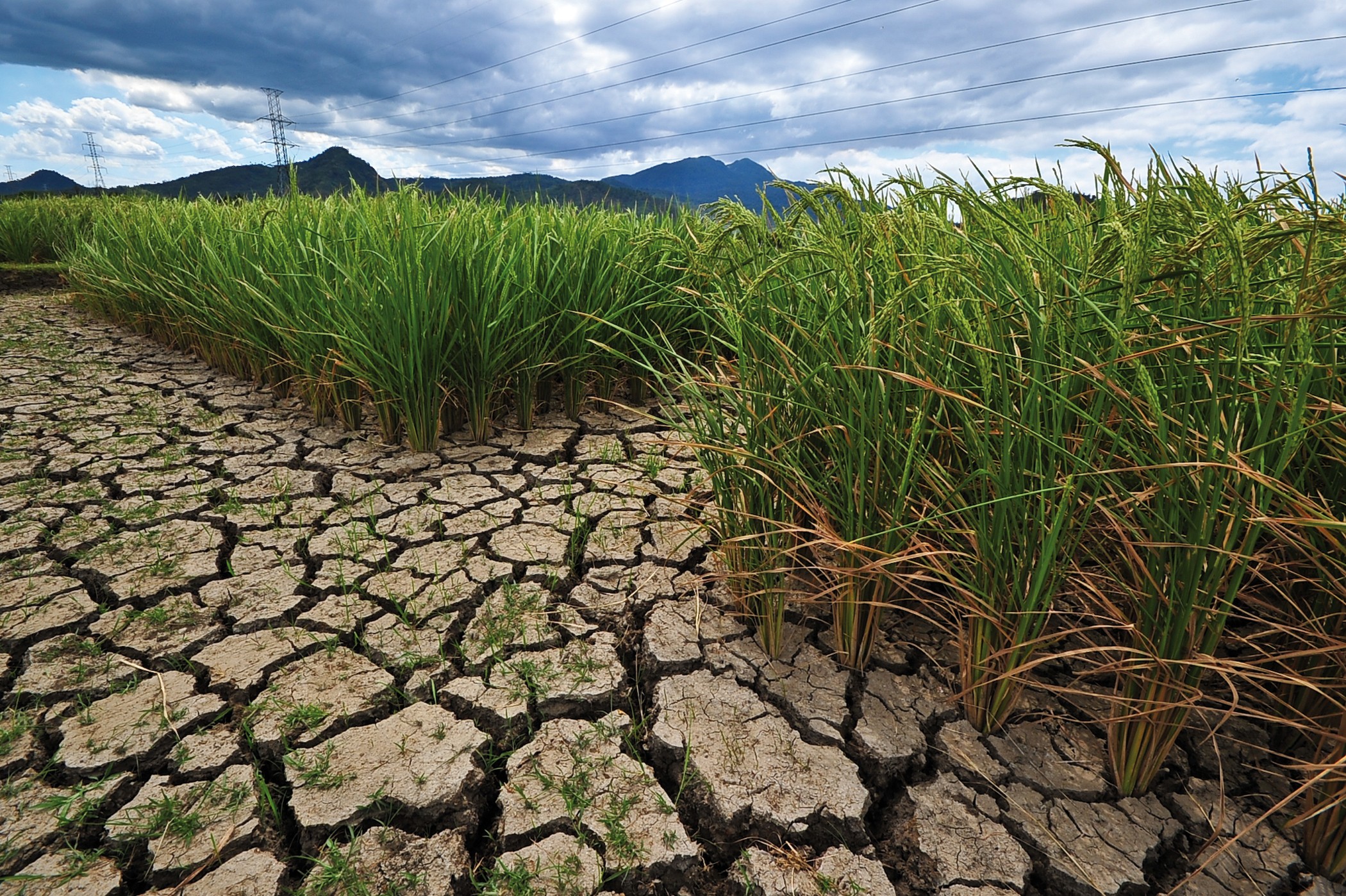
“Timac Agro Ukraine” launches crop insurance against drought
Timac Agro Ukraine, in collaboration with the insurance company PZU, has launched a crop insurance program against drought for farmers in five regions of Ukraine.
26.05.2026
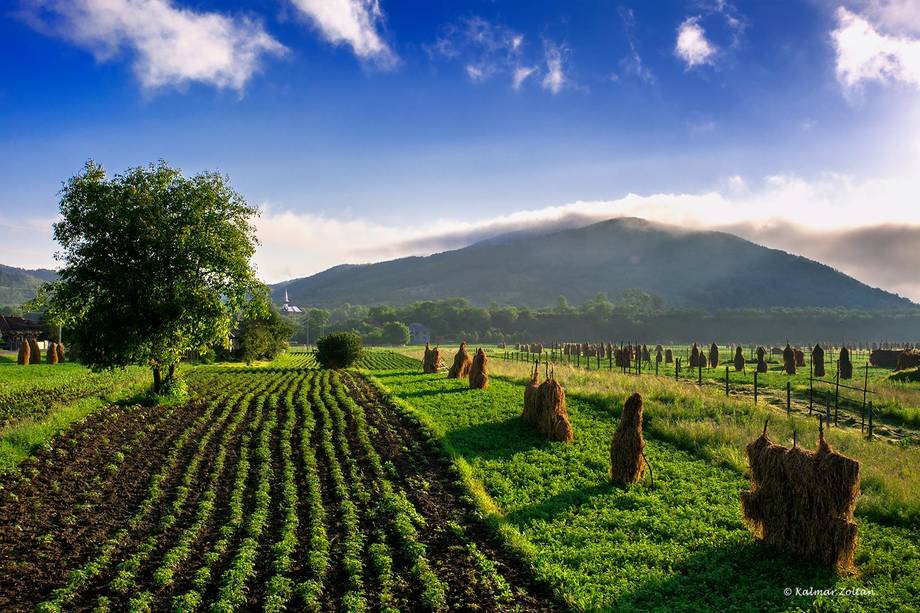
Hansen announces "dialogue with the EIB on new agricultural insurance models"
Integrated European framework for climate resilience 'is on the way'.
26.05.2026
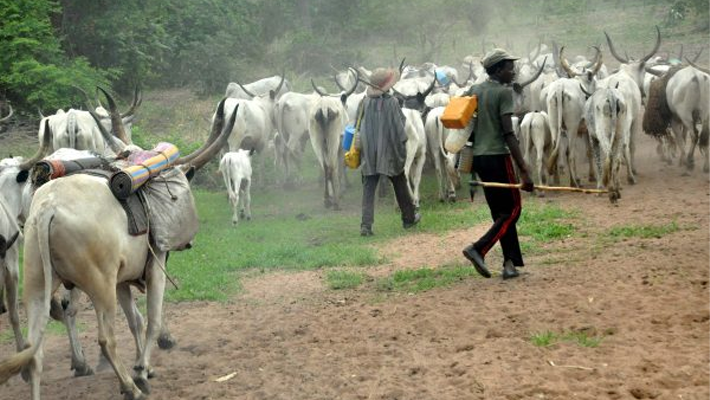
Nigeria - Oyo Steps up Enforcement Against Illegal Livestock Trading, Open Grazing
The Oyo State Government has stepped up enforcement against illegal livestock trading and open grazing, arresting offenders and impounding animals in parts of Ibadan during a fresh compliance operation.
26.05.2026
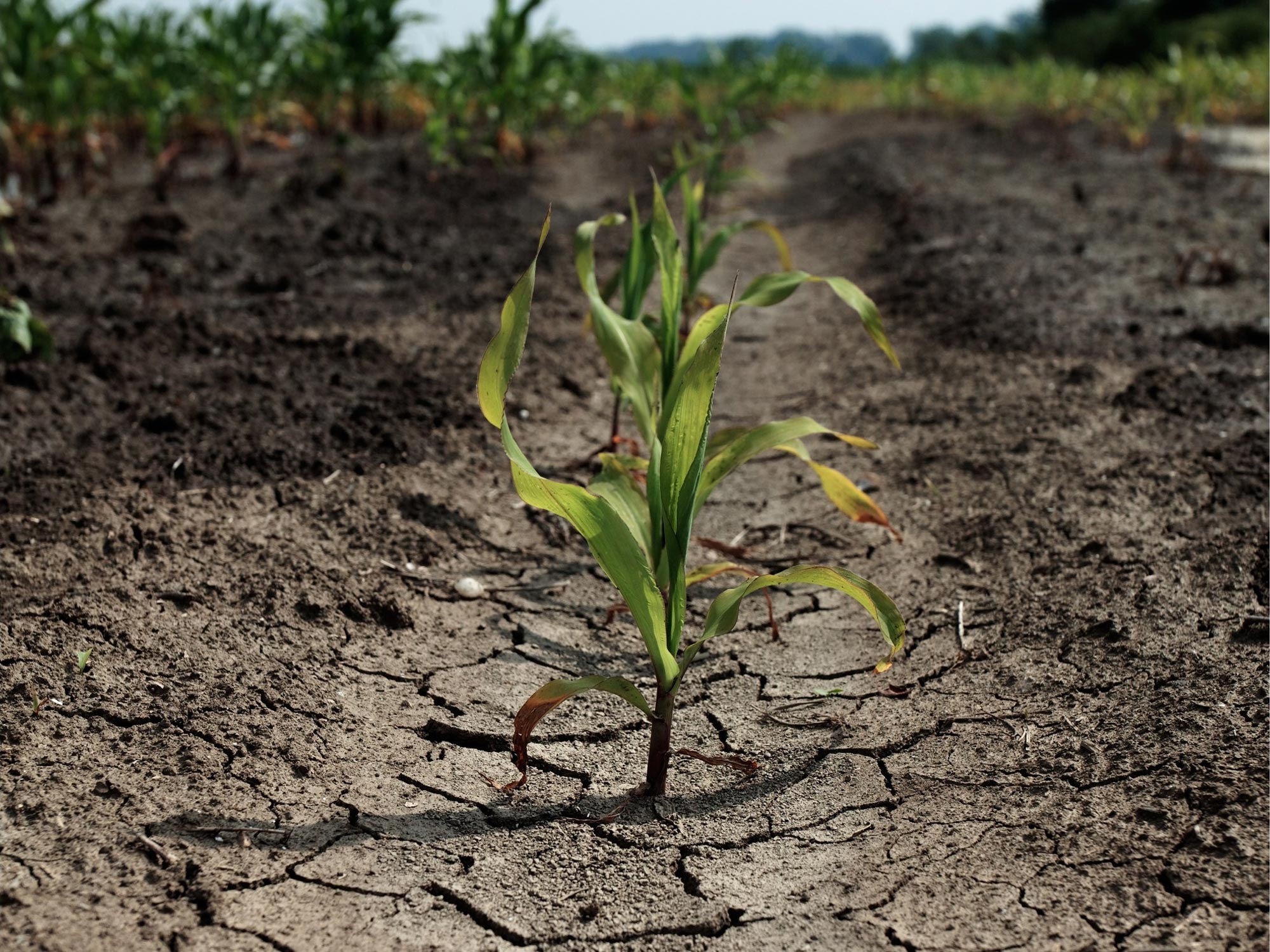
Philippines - Tacloban braces agri, health mitigation measures amid looming super El Niǹo
The City Government of Tacloban has intensified its preparations and mitigation measures as the threat of a possible Super El Niño continues to loom over several parts of the country, bringing concerns over prolonged dry spells, water shortages, and impacts on agriculture and public health.
26.05.2026
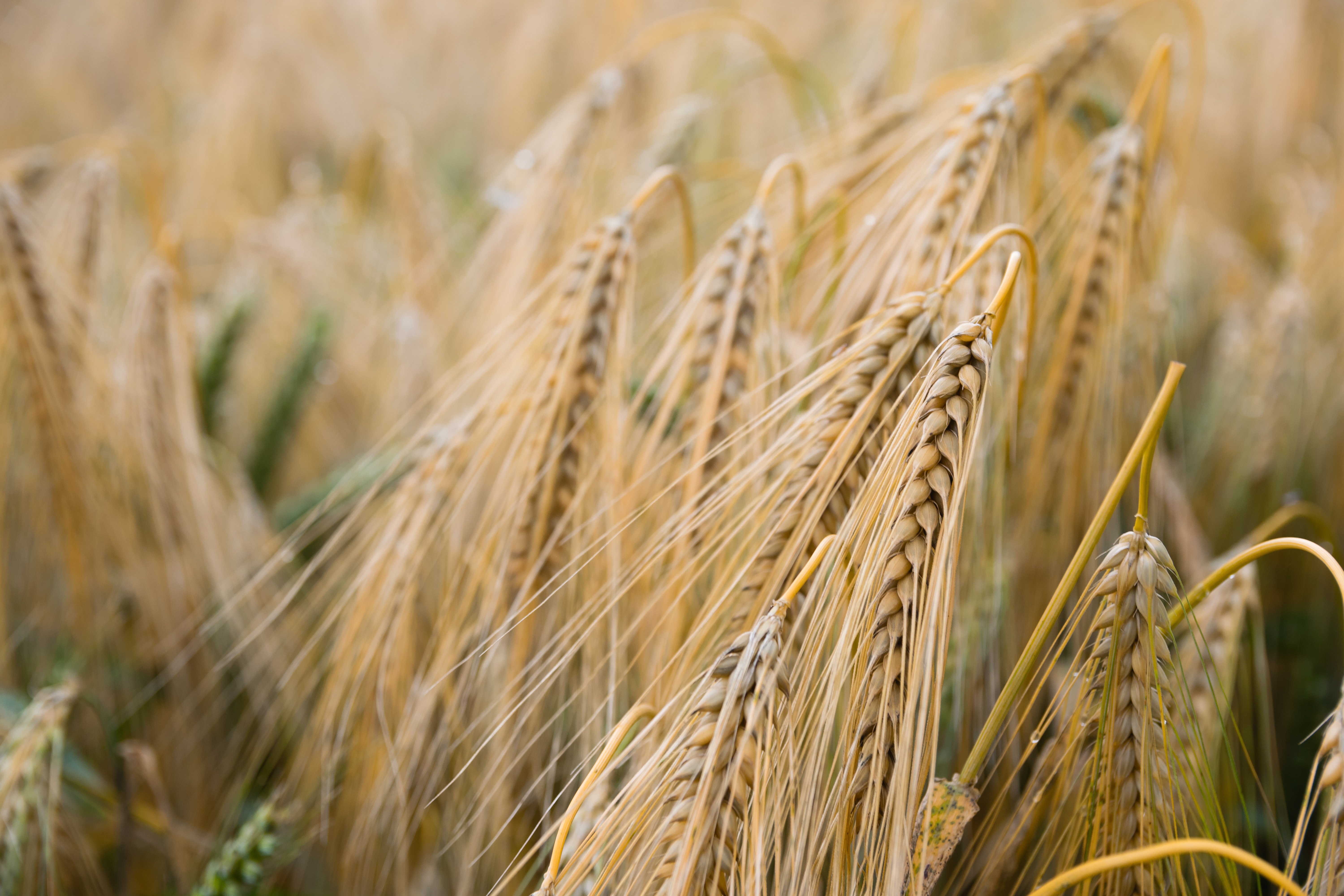
India - Punjab Govt Deploys 500 Teams for Special Girdawari as Rains Damage Wheat
In Punjab, to calculate the damage done to the standing crops in the fields due to the inclement weather for the last many days, the state government has formed teams of 500 officials from the agriculture department to assess losses.
26.05.2026
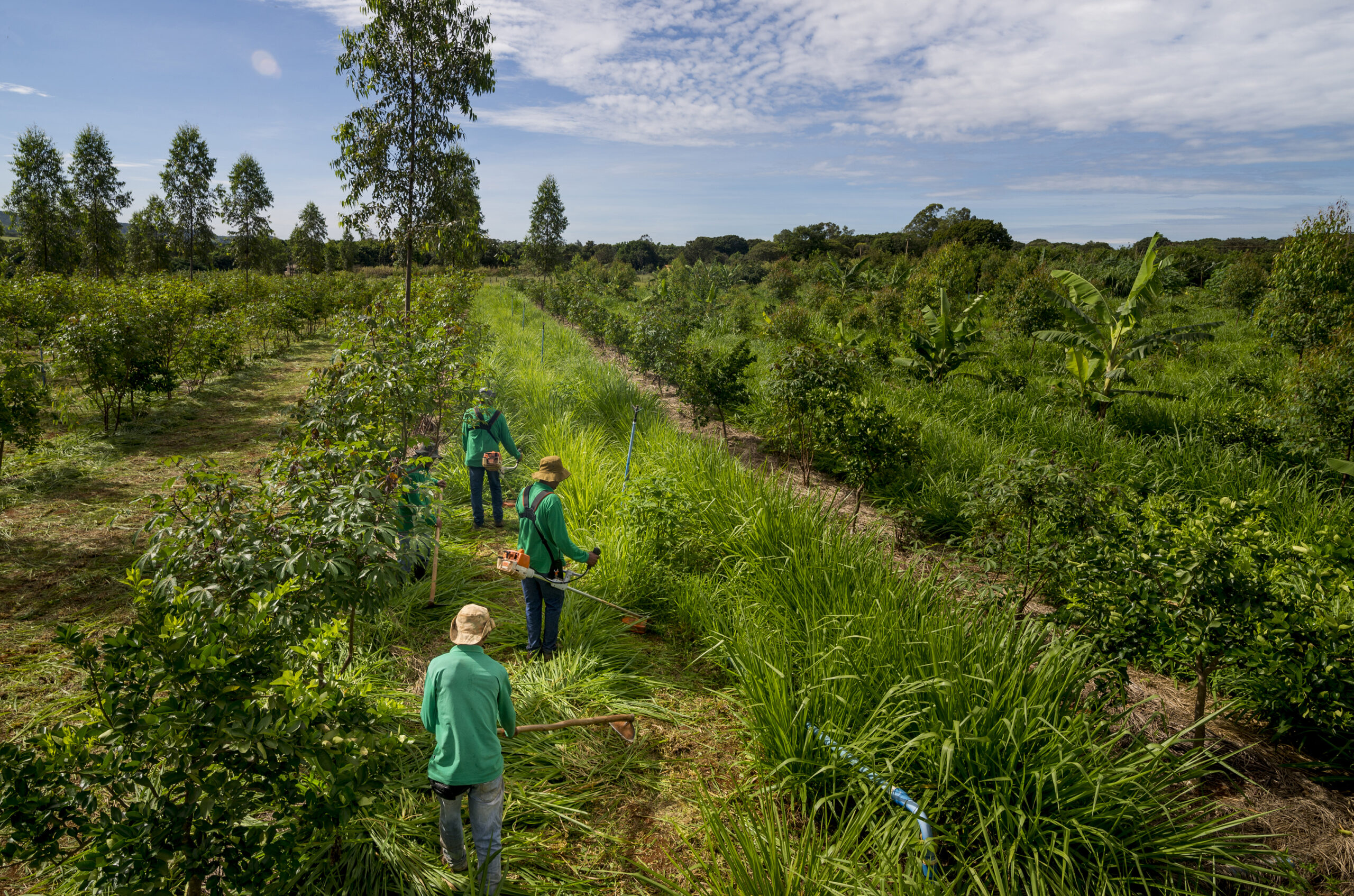
Brazil - Agricultural insurance plummets in Paraná, putting the sector at risk.
Cevio Alberto Mengarda, a soybean and corn producer in Marechal Cândido Rondon, in the western region of Paraná, followed in his father's footsteps in agriculture and today manages the family property.
25.05.2026
Algeria - CASH Assurances to diversify into agriculture insurance
CASH Assurances will launch agriculture insurance plans in June 2026, as part of its diversification strategy.
25.05.2026
U.S. specialty crop growers push for stronger Farm Bill support
Specialty crop growers in the U.S. are calling for stronger support measures in the 2026 Farm Bill, particularly around risk management, market access, and crop insurance.
