The fields are wet, tractors are getting stuck and the harvest is behind schedule for farmers throughout Northern Michigan.
Nobody ever said farming was easy but this year has been particularly brutal, with Mother Nature seemingly going out of her way to first thwart the planting schedule, and now the harvest.
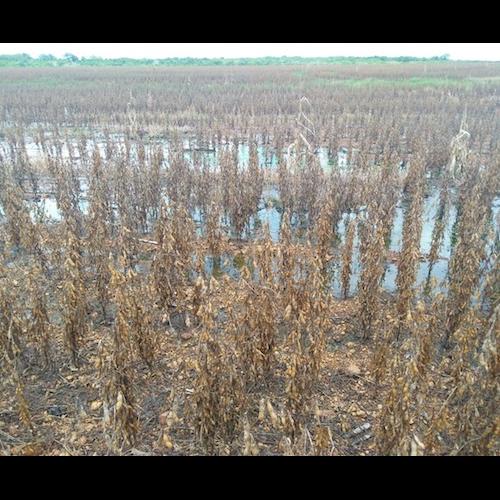
Osceola County dairy farmer Amy Martin, whose parents own the 1,500-acre Gingrich Meadows in LeRoy, said the last few weeks have been very tough due to excessive rain, which has prevented much of her corn from drying out enough to be harvested, while also making it nearly impossible for tractors to drive on the fields.
“We can’t even get into some of the fields,‘ said Martin, who tries to reduce the chance of getting stuck in the fields by using trucks to carry the harvested corn, although sometimes this doesn’t even work (see picture).
Martin is among many farmers in the region and all over the state who are dealing with the lingering effects of an incredibly late spring planting.
“My dad is 72 and he told me he’s never seen (a planting) that late,‘ said Martin, who explained that while mid-May is when they prefer to get all their corn planting finished, this year they didn’t get done until mid-July on account of wet conditions.
Earlier this month, the Michigan Farm Bureau released a report outlining the woes faced by farmers throughout the state as early harvest results began to trickle in.
“As Michigan farmers head to the fields between unrelenting rainfall events, many unfortunately will discover new record-low yields,‘ the Farm Bureau press release stated. The press release went on to say that Michigan corn production is predicted to be down 9% from last year — the lowest production for the state since 2004, if realized.
While farmers were anticipating dismal yields, Michigan Farm Bureau Field Crops Specialist Theresa Sisung said the October report is a sobering reality check on the overall impact of weather challenges that have characterized the 2019 growing season.
“Unfortunately, Mother Nature can still make matters worse — much worse,‘ Sisung said. “Virtually every farmer in the state is watching weather forecasts 24/7, hoping for relief from above normal rainfall and a very late killing frost to allow many of these delayed crops to mature as much as possible.‘
According to Sisung, weather-related challenges in 2019 are reflected in all major Michigan row-crops and forages, with reduced yields, reduced acres and overall reductions in total production.
Sisung told the Cadillac News that the biggest impact of the late planting and wet harvest season won’t necessarily be experienced in the grocery stores by consumers paying more money for products, but rather among farmers — who could see significant losses in their revenues — and small community businesses that cater to those farmers.
Jodi DeHate, Missaukee Conservation District MAEAP technician, said while farmers in Missaukee County didn’t escape the late planting conditions that plagued other farmers in Michigan, warm conditions well into October allowed them to mostly salvage the season with only minimal impact on overall crop tonnage.
She said the majority of farmers in Missaukee and a large part of Wexford grow corn to feed their cattle and other livestock; it’s the farmers who grow corn primarily to sell in the marketplace whose bottom lines will be affected the most.
At Gingrich Meadows, Martin said during a normal year, their corn is high enough quality to be used as supplemental corn grain for their livestock. She said they also can sell some of this corn grain to other farmers. This year, however, their entire harvest will have to be used as lower-quality silage, and they will be forced to buy supplemental corn grain for their cattle ... at a cost of around $110,000.
This kind of unexpected cost, coupled with a dairy market that Martin described as being “horrible‘ during the last three years, and it’s easy to see how farming can become a burden that is too much for many to handle.
Source - https://www.cadillacnews.com