USA - Cargill Joins Wells Fargo, Deere in Retreat From Crop Insurance
27.01.2016 340 views
The U.S. crop insurance market has been abandoned by some of its largest companies as lower agricultural prices crimp revenue, and uncertainty about federal aid clouds the business’s future.
Cargill Inc., the largest privately held company in the U.S., reached a deal last month to sell a crop insurer. Wells Fargo & Co., the largest bank by market value, also announced a retreat, as did seed provider Monsanto Co. and tractor maker Deere & Co.
“It isn’t easy money,” said Mike Foley, chief executive officer of the North America commercial division for Zurich Insurance Group AG, which agreed in December to pay as much as $1.05 billion for Wells Fargo’s Rural Community Insurance Services, one of the largest U.S. crop insurers. “It may not be something you want to do if it isn’t part of your core business.”
The industry had an underwriting loss of $1.3 billion in 2012 and gains of just $657 million in 2013, the most recent years for which figures are available, according to a study from the Congressional Research Service in August. That compares with annual profit of more than $1 billion in the five years through 2011.
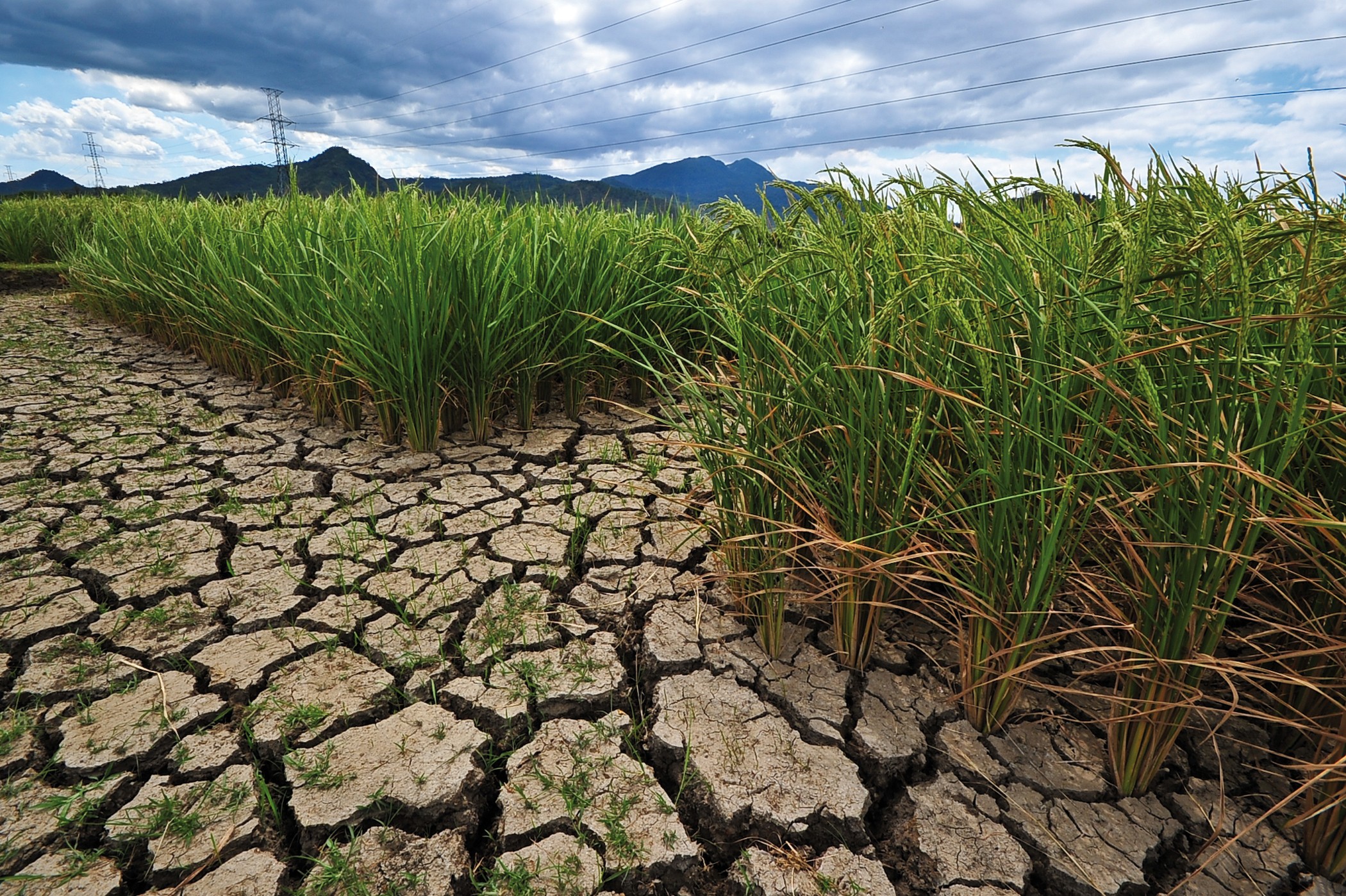
Volatile crop prices, pressure on government subsidies and the potential for extreme weather tied to climate change have added risk for insurers, said Keith Coble, an agricultural economist at Mississippi State University. Bumper harvests have sent corn, the biggest U.S. crop, to less than half its 2012 peak, ratcheting down the premiums farmers pay to insure against loss. Other crops have also seen steep price declines.
Lean Times
“It’s just not as lucrative a business as it used to be,” Coble said. “Companies don’t want to bother with it in the lean times if it’s not part of their core business.”
Cargill’s departure from crop insurance will help the company concentrate on its main businesses like grain shipping and trading, spokesman Mark Klein said in an e-mail. Wells Fargo, the biggest U.S. agricultural lender, said that getting out of crop coverage helps the insurance operation focus on its role as a middleman between banking clients and underwriters. Cargill had been in the insurance business since 2007, and Monsanto added crop coverage with the 2013 purchase of Climate Corp. RCIS was part of Norwest Corp. before that bank’s 1998 merger with Wells Fargo.
The sales aren’t a sign of long-term industry turmoil because food demand will inevitably rise, and Wells Fargo didn’t have to settle for a fire-sale price, according to Coble. But the divestitures may show that crop insurance, like agriculture itself, is best left to the specialists, he said.
When results slump, “you see ownership revert to people with the patience and ability to see things through,” the professor said.
Ace, Aspen
The biggest players in the industry in recent years have been Wells Fargo’s RCIS and Evan Greenberg’s Ace Ltd., which took the Chubb name this month after buying its long-time rival and becoming the world’s largest publicly traded property-casualty insurer. Other companies that have been expanding in the crop market count insurance as their primary business -- even if they don’t all enjoy the decades-long relationships that companies like Deere have with farmers.
AmTrust Financial Services Inc. agreed last year to add the Monsanto unit. Bermuda-based Aspen Insurance Holdings Ltd. announced a deal Jan. 20 to buy AgriLogic Insurance Services. Silveus Insurance Group, which has an agricultural focus, completed the purchase of the Cargill unit this month. Farmers Mutual Hail Insurance Co. of Iowa added the unit from Deere, which said in late 2014 that it was exiting after eight years in crop coverage.
Crop insurance protects farmers against weather-related setbacks or lower-than-expected revenue. Policies bought from private insurers have become the main form of federal farm aid, as traditional government crop supports have been replaced by subsidies that cover 62 percent of premium costs on average. The U.S. Department of Agriculture also covers operations expenses for companies that serve farmers.
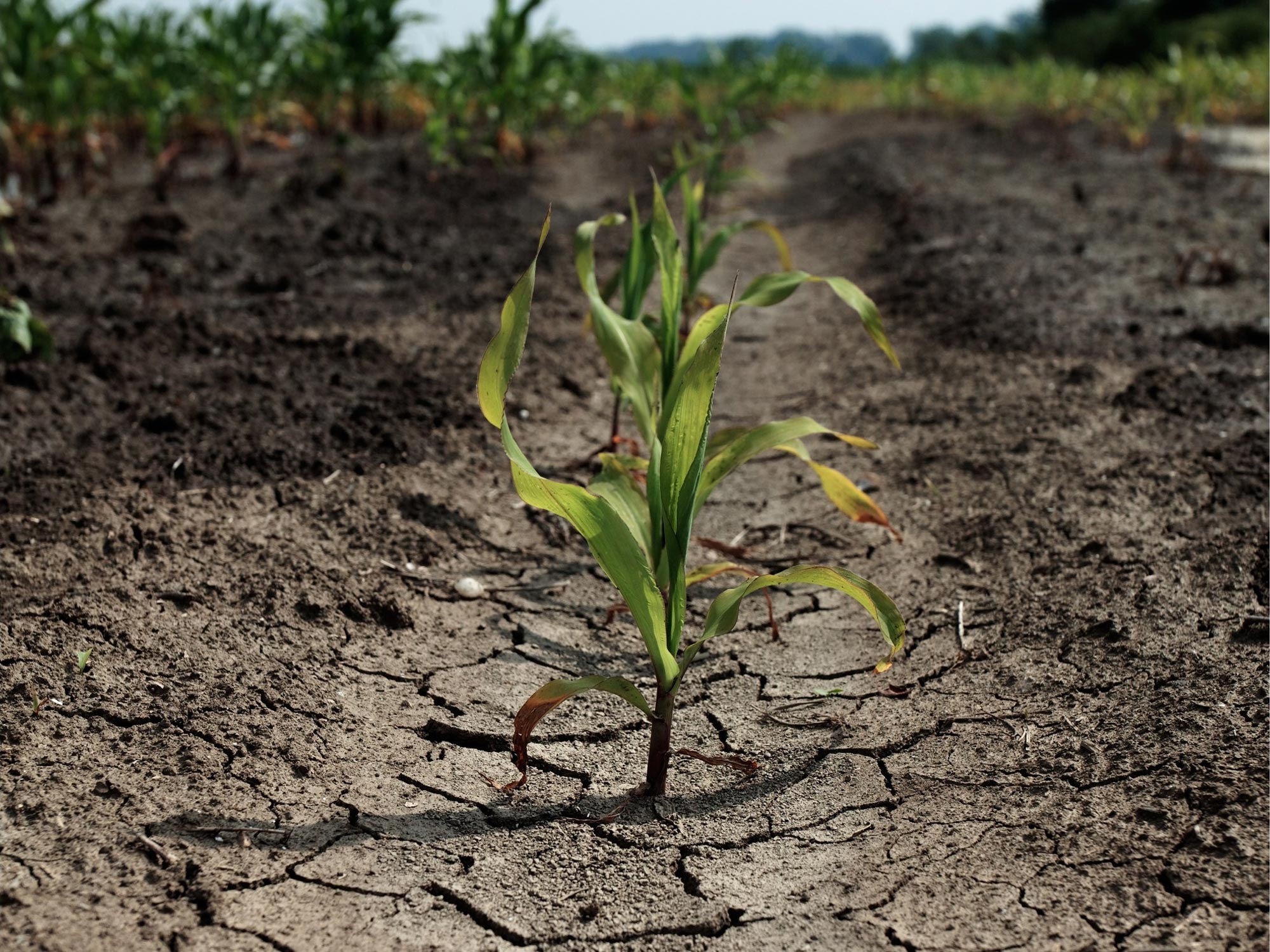
The cost can be steep. Annual federal spending reached a record $14.1 billion after a drought in the U.S. Corn Belt in 2012 fueled losses. President Barack Obama and House Speaker Paul Ryan both have proposed limiting the risk for taxpayers. And Congress last year approved a $3 billion cut to the federal program, which was subsequently reversed after outrage from rural lawmakers.
Still, "I don’t think companies can be comfortable that the kind of support they’ve received will remain the same," said Craig Cox, a senior vice president based in Ames, Iowa, for Environmental Working Group, which seeks to cut crop-insurance subsidies.
Source - bloomberg.com