


USA - Crop insurance continues expansion while improper payment rate falls
16.02.2016 387 views
The federal crop insurance program can celebrate several successes, but one of the biggest comes from reducing the improper payment rate by more than 50 percent, said Brandon Willis, administrator of USDA's Risk Management Agency(RMA).
For 2015, Willis said the improper payment rate was 2.20 percent, down from 5.58 percent in 2014. USDA's improper payment rate was 5.02 percent in 2014 and the federal government's was 4.02 percent.
“The spotlight on crop insurance will continue to grow, but this demonstrates crop insurance can withstand it,” Willis told attendees at the Crop Insurance Industry Annual Convention here. “This is a well-run program.”
An improper payment occurs when funds go to the wrong recipient, the right recipient receives the incorrect amount of funds (including being paid too much or too little), documentation is not available to support a payment, or the recipient uses funds in an improper manner.
Not all improper payments are the result of fraud, but on Capitol Hill, a high improper payment rate for any program usually generates additional scrutiny and criticism from lawmakers and budget analysts. For crop insurance, Willis said over 50 percent of the errors are related to acreage reporting and production records.
Government-wide, improper payment estimates totaled $124.7 billion in fiscal year 2014, a significant increase of approximately $19 billion from the prior year's estimate of $105.8 billion, according to the Government Accountability Office.
Willis told participants that “farmers always says how important crop insurance is because they know firsthand that, without crop insurance, they might not be able to stay in farming anymore.” And he encouraged the industry to work together “so that we can have a program that we're proud of, farmers are proud of….”
In addition to talking about improper payments, Willis, along with Associate Administrator Tim Gannon and Tim Witt, deputy administrator for product management, shared several other success stories, including:
--Market penetration: In 1990, RMA covered about 94 million acres of principal crops like corn, soybeans and wheat and cotton. But since then, more and more farmers have purchased crop insurance in 2014 this private/public partnership for risk management covered almost 220 million acres. The program has also expanded to new regions and new crops. Crop insurance coverage of fruits and nuts has increased from about 600,000 acres in 1990 to 3.1 million in 2014, covering 74 percent of the planted area. And vegetable coverage has more than doubled during that same time, from 441,000 acres to over 992,000.
--Organic expansion: The number of organic price elections has grown from 4 crops in 2011 to 56 crops in 2016 and 2017. Willis said the “Contract Price Option” allows producers who receive a contract price for their crop to get a guarantee that is more reflective of the actual value of their crop and is available for 73 crop types. The number of organic policies sold jumped from under 2,000 in 2005 to about 6,000 in 2014.
--Whole farm Revenue Policies: Formerly known as Adjusted Gross Revenue (AGR) or AGR-Lite, the program was modified as a result of the 2014 farm bill and several listening sessions that RMA held with growers. The number of policies sold increased from 791 in 2014 to 1,089 in 2015 and Willis said he expects another big bump in participation in 2016.
--Conservation compliance. The 2014 farm bill required producers wishing to participate in the federal crop insurance program to be in compliance with conservation requirements. Willis said 98.2 percent of farmers have filed the necessary compliance paperwork.
--Supplemental Coverage Option: SCO is an optional program, first available last year, which covers a portion of the insured's deductible using a county-level measure of yield or revenue for producers enrolling in the Price Loss Coverage (PLC) program. Producers must buy it as an endorsement to either the Yield Protection, Revenue Protection, or Revenue Protection with the Harvest Price Exclusion policies. In 2015, rice and wheat growers showed the highest interest in SCO, Willis said. Slightly over 22 percent of the insured rice acres and 6 percent of the insured wheat acres were covered by SCO last year. Fifty-eight crops now have SCO available.
--Acreage crop reporting streamlining initiative (ACRSI): Aimed at making crop reporting easier and more consistent among USDA agencies, RMA rolled out a pilot program last year for nine crops in 15 states. Willis said that, for 2016, the initiative will expand to cover 13 crops in all 50 states.
Source - agri-pulse.com
EVENTS

ScaleAgData Stakeholder Engagement Event
22.10.2024The ScaleAgData project is pleased to invite you to our second stakeholder event. Building on the discussions and connections formed during our first webinar, this event will focus on fostering collaboration among stakeholders, providing updates on our project’s progress, and outlining future opportunities for engagement.
RISK EVENTS

Moldova - May frosts caused heavy damage to fruit orchards
10.05.2026The first frosty nights of May have significantly worsened estimates of damage to Moldova's fruit sector from spring frosts. According to initial assessments by fruit market operators, between a quarter and a third of the country's total orchard area was seriously affected.
26.05.2026
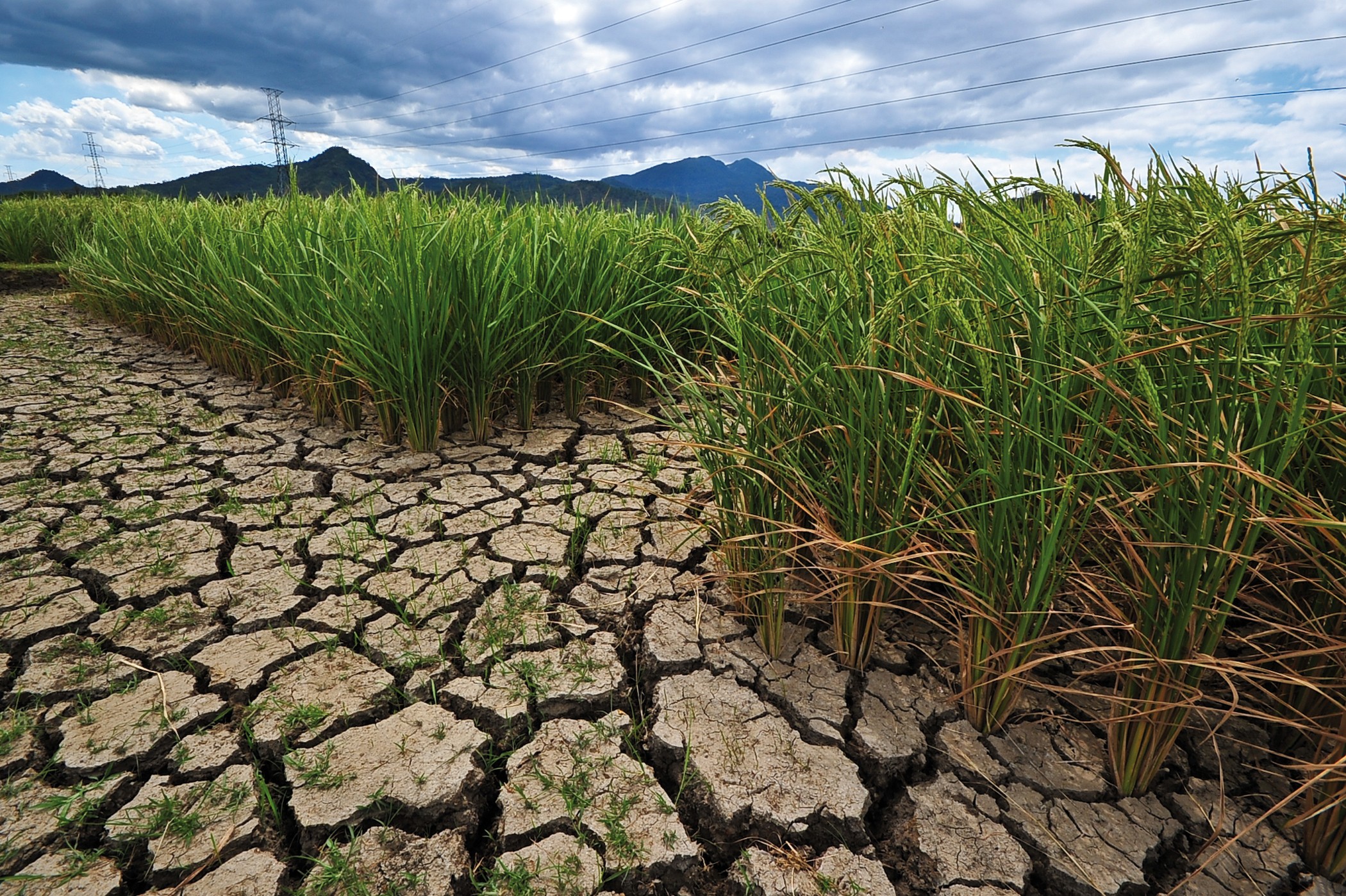
“Timac Agro Ukraine” launches crop insurance against drought
Timac Agro Ukraine, in collaboration with the insurance company PZU, has launched a crop insurance program against drought for farmers in five regions of Ukraine.
26.05.2026

Hansen announces "dialogue with the EIB on new agricultural insurance models"
Integrated European framework for climate resilience 'is on the way'.
26.05.2026
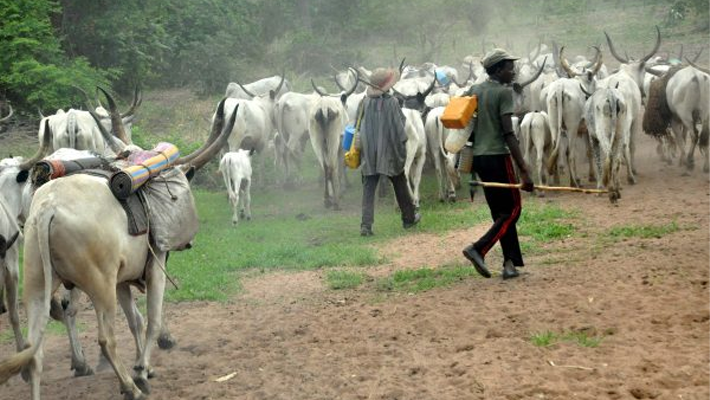
Nigeria - Oyo Steps up Enforcement Against Illegal Livestock Trading, Open Grazing
The Oyo State Government has stepped up enforcement against illegal livestock trading and open grazing, arresting offenders and impounding animals in parts of Ibadan during a fresh compliance operation.
26.05.2026

Philippines - Tacloban braces agri, health mitigation measures amid looming super El Niǹo
The City Government of Tacloban has intensified its preparations and mitigation measures as the threat of a possible Super El Niño continues to loom over several parts of the country, bringing concerns over prolonged dry spells, water shortages, and impacts on agriculture and public health.
26.05.2026
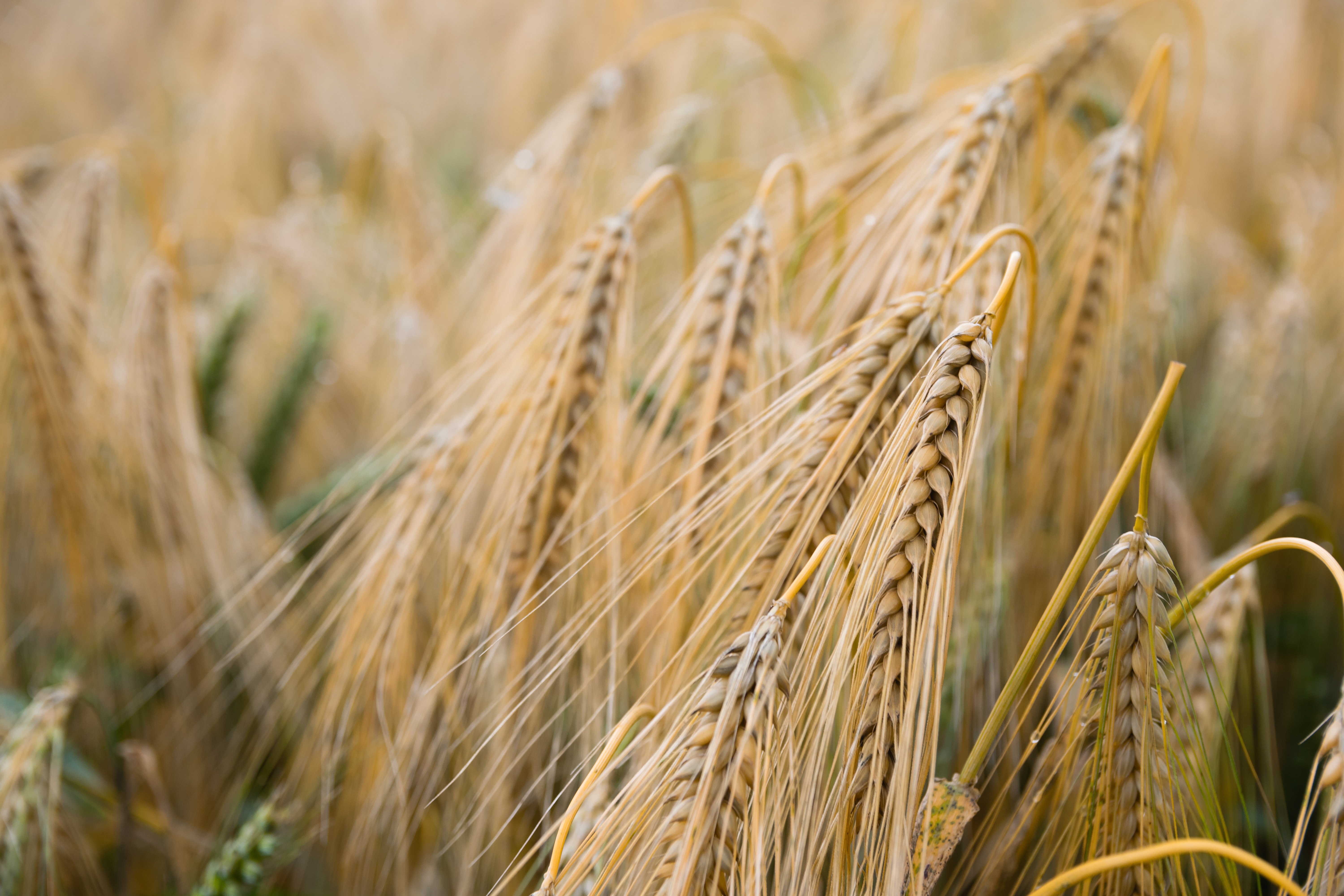
India - Punjab Govt Deploys 500 Teams for Special Girdawari as Rains Damage Wheat
In Punjab, to calculate the damage done to the standing crops in the fields due to the inclement weather for the last many days, the state government has formed teams of 500 officials from the agriculture department to assess losses.
26.05.2026
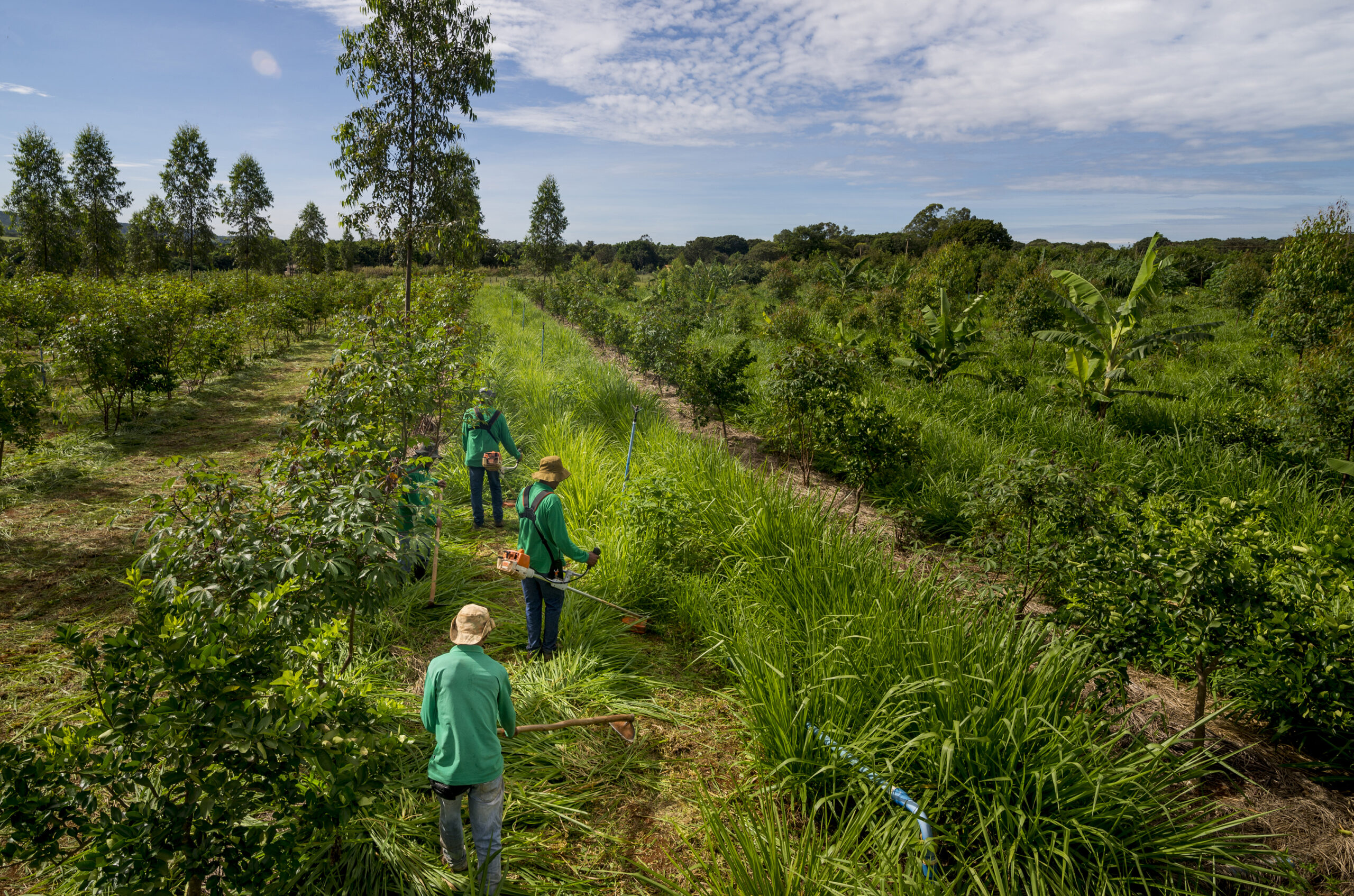
Brazil - Agricultural insurance plummets in Paraná, putting the sector at risk.
Cevio Alberto Mengarda, a soybean and corn producer in Marechal Cândido Rondon, in the western region of Paraná, followed in his father's footsteps in agriculture and today manages the family property.
25.05.2026
Algeria - CASH Assurances to diversify into agriculture insurance
CASH Assurances will launch agriculture insurance plans in June 2026, as part of its diversification strategy.
25.05.2026

U.S. specialty crop growers push for stronger Farm Bill support
Specialty crop growers in the U.S. are calling for stronger support measures in the 2026 Farm Bill, particularly around risk management, market access, and crop insurance.
