


USA - Crop insurance debate always in season
10.12.2015 384 views
The crop insurance season for 2015 ends this week. If a farmer's planting of the 2015 crop was delayed or it didn't meet the guaranteed yield, an indemnity payment may be coming.
But crop insurance for the future has occupied many discussions in the halls of Congress over the past several weeks, and likely will for days to come, well after it is over for this cropping season.
When the House and Senate approved a two-year budget deal in early November, it eliminated a $3 billion guarantee for crop insurance sought by the agriculture committees to keep crop insurance companies afloat in times of crop failures for farmers and severe financial stress for the companies that pay out indemnity payments.
When House and Senate Agriculture committee leaders learned of the cut they told their party leaders that the ag committee members would withhold their votes for the budget deal, which could threaten its passage. In turn the House and Senate leadership agreed to restore the cuts, and that occurred Thursday. The crop insurance funds were restored and attached to the $305 billion highway funding bill.
Agriculture groups seemed happy. The president of the American Soybean Association said, “Soybean farmers across the country rely on crop insurance in times of extreme weather to ensure they can stay in business to farm in the coming year. An ill-advised $3 billion in cuts would have severely hobbled the program, and we're happy to see them reversed.”
But not all agriculture groups were happy. The editor of the Drovers Cattle Newsletter wrote the cuts should have remained. He said, “Crop insurance is one of the top enemies of beef production since it has supported ethanol-based corn acreage expansion and raised the price of range land being converted to corn. Subsidized crop insurance tips the scales toward crop production on a limited land base because it reduces risk. Put simply, when a farmer and a rancher are bidding on land, the one with the most money wins.”
Angry, he was.
Then there are the perennial critics of crop insurance. One of those is the Environmental Working Group which cited a study by Iowa State University ag economist Bruce Babcock which said the loss of $3 billion wouldn't kill crop insurance, but provide a more efficient delivery system. Essentially that is a system with fewer crop insurance agents to help farmers determine crop damage and file claims.
But another ag economist, who is an advocate of crop insurance as a risk management tool, said future fights over crop insurance policy will have a lot of soldiers.
Art Barnaby at Kansas State University said crop insurance supporters include crop insurance underwriters and agents, but also ag lenders, commodity brokers, grain elevator managers, equipment dealers, some federal employees, rural main street merchants and more.
Barnaby added, “There are more players here than you might initially think. You have a bunch of people who have a dog in this fight.”
Other critics on Capitol Hill already have some anti-crop insurance legislation written and introduced. It isn't only designed to eliminate the $3 billion to entice crop insurance companies to participate, but it is designed to also eliminate a major provision that attracts farmers to use crop insurance, and also eliminate many farmers from using it. That only reduces the pool of those paying in and means taxpayers will have a bigger burden in years of crop failures.
Nevertheless, that is the next proposal to modify crop insurance and it will be the next fight.
Source - http://herald-review.com
EVENTS

ScaleAgData Stakeholder Engagement Event
22.10.2024The ScaleAgData project is pleased to invite you to our second stakeholder event. Building on the discussions and connections formed during our first webinar, this event will focus on fostering collaboration among stakeholders, providing updates on our project’s progress, and outlining future opportunities for engagement.
RISK EVENTS

Moldova - May frosts caused heavy damage to fruit orchards
10.05.2026The first frosty nights of May have significantly worsened estimates of damage to Moldova's fruit sector from spring frosts. According to initial assessments by fruit market operators, between a quarter and a third of the country's total orchard area was seriously affected.
26.05.2026
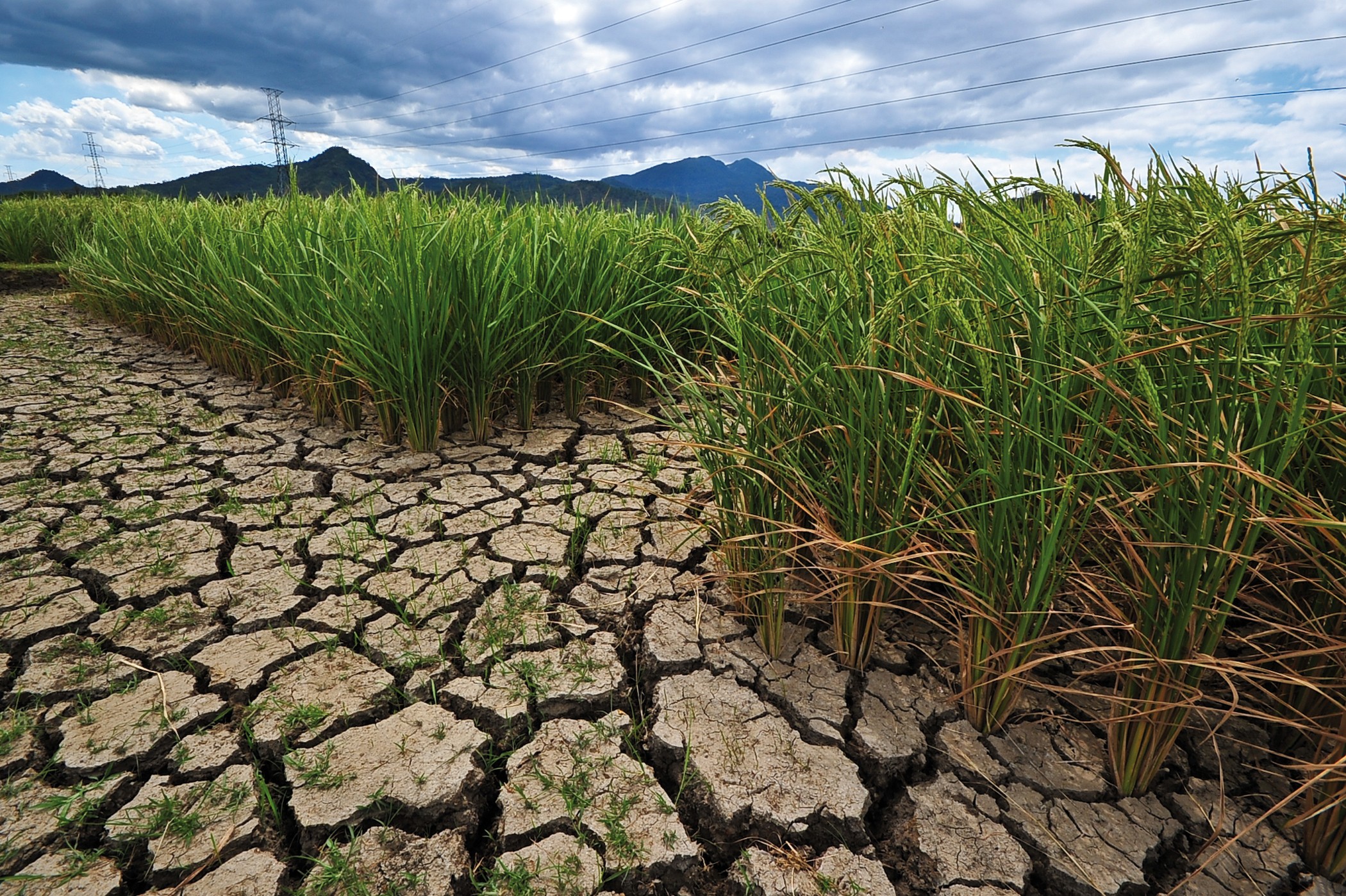
“Timac Agro Ukraine” launches crop insurance against drought
Timac Agro Ukraine, in collaboration with the insurance company PZU, has launched a crop insurance program against drought for farmers in five regions of Ukraine.
26.05.2026

Hansen announces "dialogue with the EIB on new agricultural insurance models"
Integrated European framework for climate resilience 'is on the way'.
26.05.2026
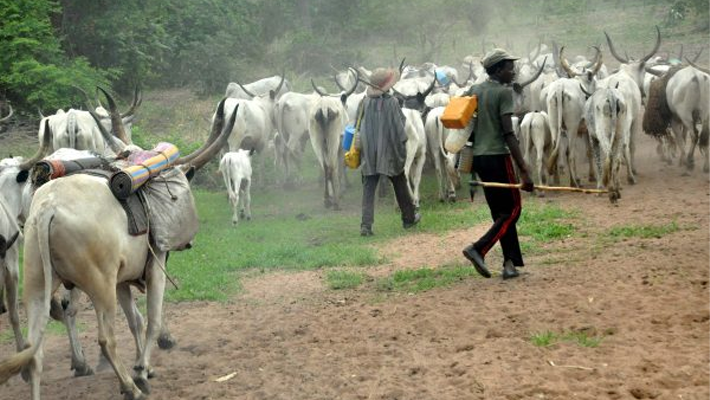
Nigeria - Oyo Steps up Enforcement Against Illegal Livestock Trading, Open Grazing
The Oyo State Government has stepped up enforcement against illegal livestock trading and open grazing, arresting offenders and impounding animals in parts of Ibadan during a fresh compliance operation.
26.05.2026
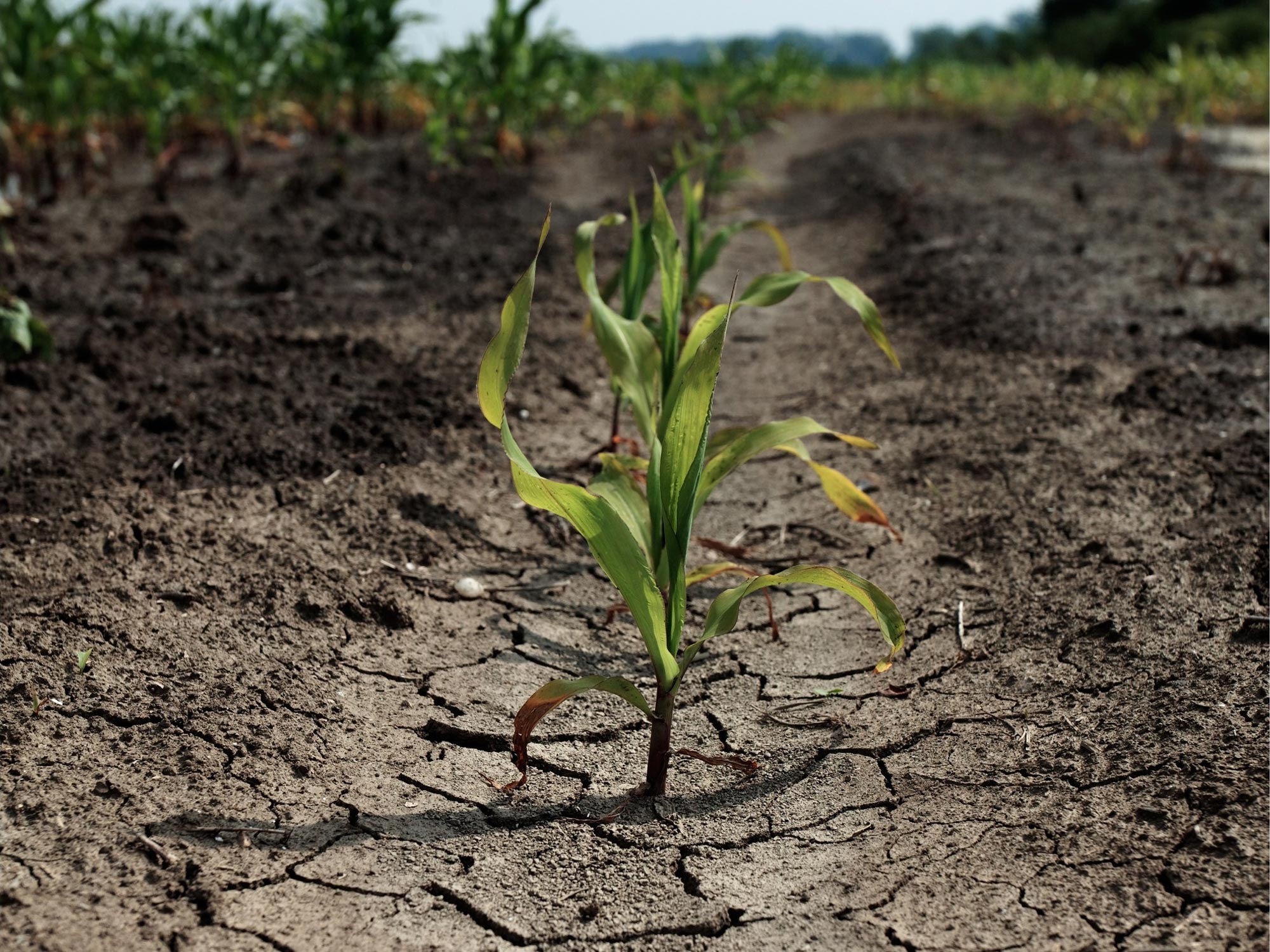
Philippines - Tacloban braces agri, health mitigation measures amid looming super El Niǹo
The City Government of Tacloban has intensified its preparations and mitigation measures as the threat of a possible Super El Niño continues to loom over several parts of the country, bringing concerns over prolonged dry spells, water shortages, and impacts on agriculture and public health.
26.05.2026
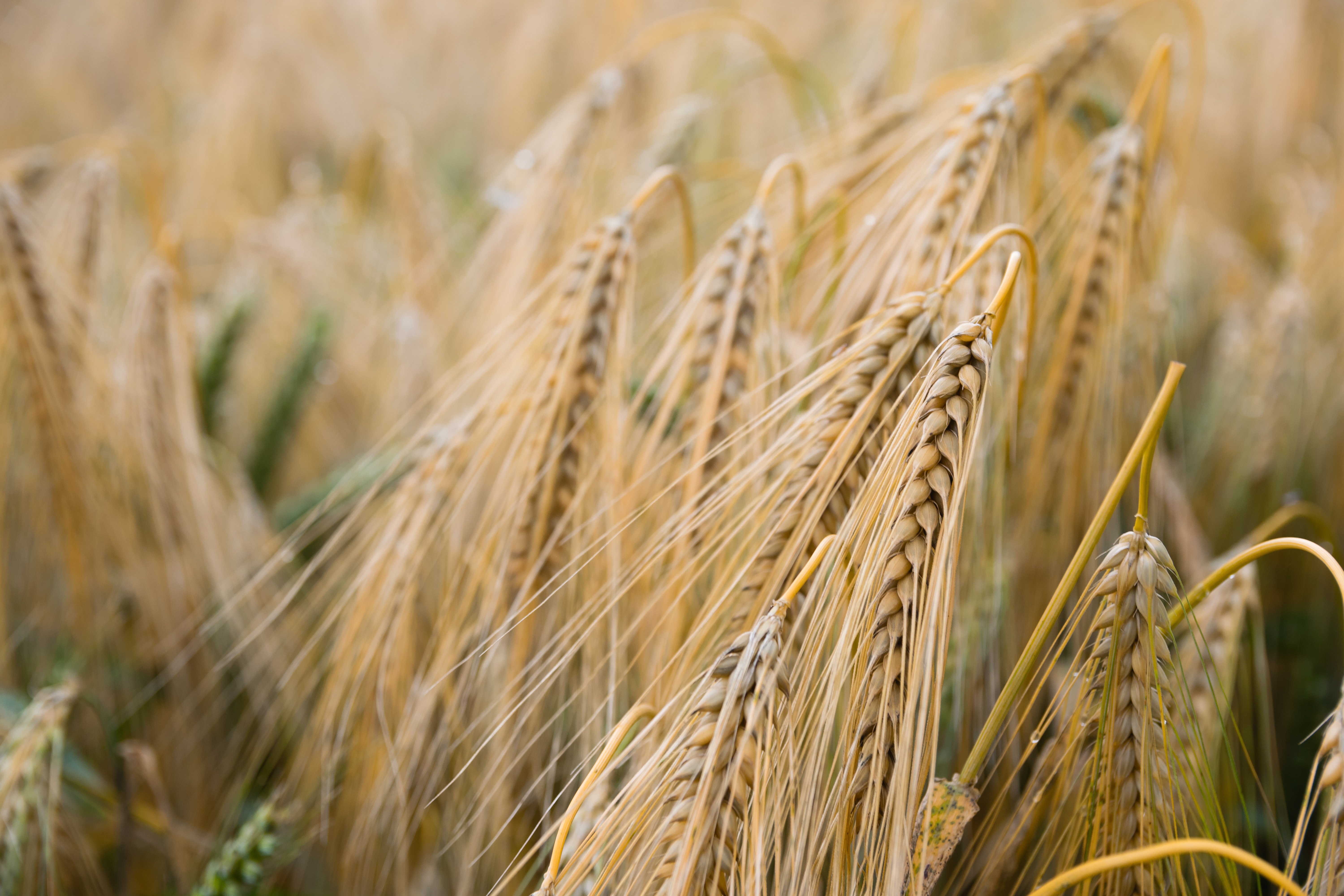
India - Punjab Govt Deploys 500 Teams for Special Girdawari as Rains Damage Wheat
In Punjab, to calculate the damage done to the standing crops in the fields due to the inclement weather for the last many days, the state government has formed teams of 500 officials from the agriculture department to assess losses.
26.05.2026
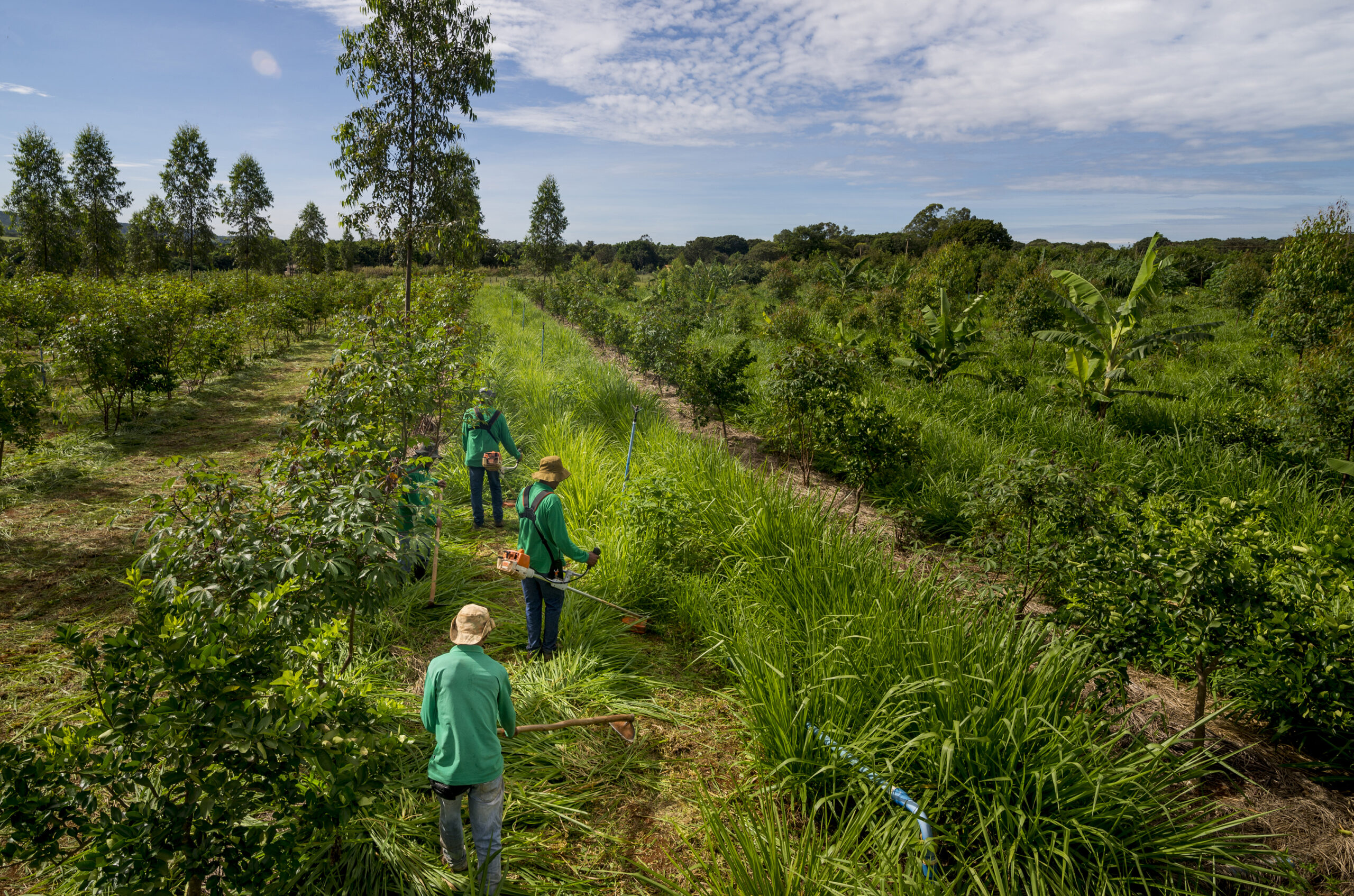
Brazil - Agricultural insurance plummets in Paraná, putting the sector at risk.
Cevio Alberto Mengarda, a soybean and corn producer in Marechal Cândido Rondon, in the western region of Paraná, followed in his father's footsteps in agriculture and today manages the family property.
25.05.2026
Algeria - CASH Assurances to diversify into agriculture insurance
CASH Assurances will launch agriculture insurance plans in June 2026, as part of its diversification strategy.
25.05.2026

U.S. specialty crop growers push for stronger Farm Bill support
Specialty crop growers in the U.S. are calling for stronger support measures in the 2026 Farm Bill, particularly around risk management, market access, and crop insurance.
