

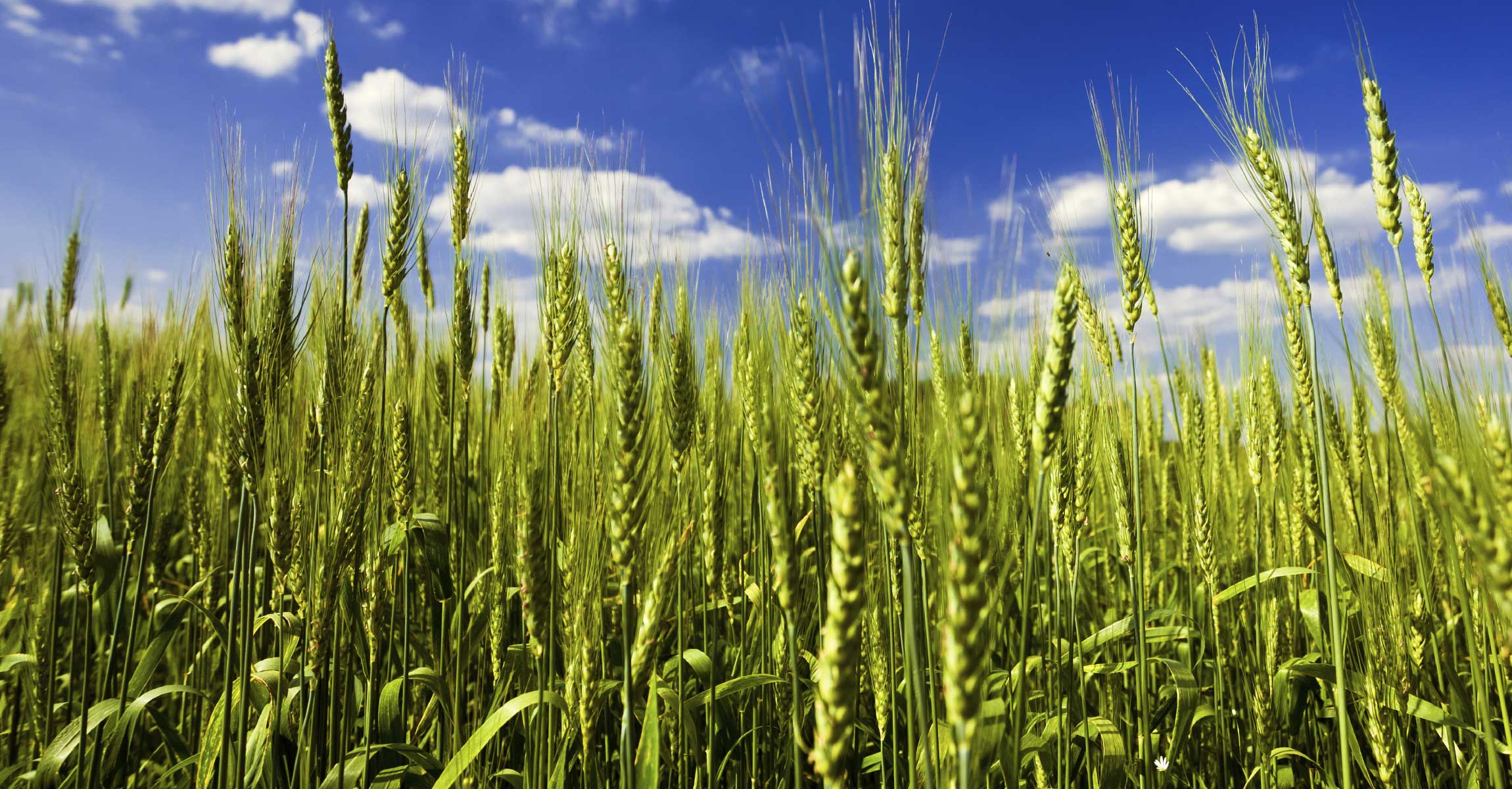
USA - Current El Niño could mean more favorable weather for Midwest crops
03.09.2015 388 views
Much-needed precipitation through the U.S. heartland this year has replenished soil moisture, refilled ponds and promises to boost crop yields, thanks to the weather phenomenon known as El Niño, according to Iowa State University agricultural climatologist Elwynn Taylor. And the benefits for the Midwest may continue into 2016.
El Niño is associated with a warming of Pacific Ocean water, and tends to bring warmer, drier conditions to the northwest United States and cooler, wetter conditions to the Plains.
The conditions are a far cry from the recent La Niña – the opposite of El Niño, which brought drought to the central U.S., said Taylor, who spoke at the recent Kansas State University Risk and Profit Conference. “We’ve just come out of the second strongest La Niña in recorded history, about 200 years, and that brought us a disastrous drought. That’s the drought we had in the Corn Belt in 2012. That’s the first widespread drought that we’ve had in the Corn Belt since 1988.”
He likened the El Niño-La Niña phenomenon to a pendulum that swings from one extreme direction for a 14-month period and then to the extreme in the opposite direction.
“Because of the rainfall and mild temperatures in the central U.S., an El Niño gives a 70 percent chance of an above trend line yield for corn and soybeans in the Corn Belt, if other factors don’t come into play,” he said, adding that when corn yields are high in the Midwest, wheat yields in northwest states tend to be below average, because El Niño tends to bring drought to those states.
It’s unclear how long the current El Niño will last, but in similar situations where one has followed a strong La Niña, the El Niño has lasted a full two years rather than 14 months, which is average.
“If it goes 14 months, that it gets us well into 2016. It could get us off to a good start with the crop, but it could go bad after that,” Taylor said, noting that El Niño has sometimes gone on for 24 months – even 36 months, but that’s rare. “In ancient history, they’ve gone on for four or five years, but we don’t expect to see that this time around,” he said.
“With El Niño, we tend to have closer to average conditions than extremes. That is, the summer’s not oppressively hot, the winter’s not bitterly cold, and that is good news for people with cattle outside and people with winter wheat,” he said.
Taylor said scientists who study El Niño and La Niña have a good record for knowing four or five months in advance what conditions are coming: “That’s good news, but it doesn’t get you all the way through a growing season.”
That’s why people should pay attention, he said, adding, “We don’t get a sudden change from La Niña to El Niño. That’s a gradual one over months – a gentle change. But, when a strong El Niño ends, it can suddenly go to a La Niña condition, such as the major drought we had in 1988 that began just weeks after we went into La Niña.”
That’s why risk management is so important, he said, adding that after El Niño, growers have to be ready for yields and prices to change quickly.
In an Agriculture Today radio interview during the conference, Taylor said that once an El Niño ends, there is often talk of high-pressure ridges forming that block precipitation. The weather forecasts reporting those are typically focused on urban areas, especially in the New England states.
“We need to pay attention to what’s going on in the Gulf of Alaska. If we have a high pressure system in the Gulf of Alaska, we’ve just cut off the rain in a line from Kansas City to Chicago and everything north of that. That’s a good chunk of Nebraska and Kansas,” he said.
El Niño is the friend of the Midwest farmer, as well as the Argentine farmer, and those in southern Brazil and Uruguay and adjacent areas, he added. It is not the friend of the extreme northwest United States or the adjacent Canadian farmer, or farmers in northern Brazil.
“In fact some Brazilian farmers try to cover this by owning as many acres in northern Brazil as in southern Brazil,” Taylor said. While one is suffering from El Niño, the other is benefiting from El Niño. That’s a form of risk management, by having farms in two locations.”
“Also, if the Australian farmer has an enemy, it’s El Nino,” he added.
Taylor said that based on studies going back hundreds of years, the upcoming year 2025 bears watching: “2025 isn’t necessarily the year we expect a “Dust Bowl” to peak, but it would be typical. The harshest years for weather for Midwest crops tend to be separated by 89 years. The worst year for the 1800s in Illinois and Iowa was 1847. Records were not kept that far back for Kansas and Nebraska. In the next century, the harshest weather year for crops was 1936. Tree rings indicate the 89-year tendency has existed for several centuries.”
Taylor believes this means that weather will get increasingly volatile until we hit the extremes. “Remember, volatility goes both ways,” he said. “Years with record-high yields or yields with half of that, and that’s a disaster. During the 18 years before 2010, we had consistent yields.”
“This is an advantage the farmer has, to look at what is the year’s volatility, what are the likely prices I can sell my grain at or buy my feed at this year, and what the likely low will be and the likely high,” he continued. “You’re not going to hit it exactly. Just realize this is likely to be a year that will have above trend line yields, and so we’re going to have prices that go along with a higher yield. You don’t know exactly how low they’ll go, but as long as you’re working on the correct side of the picture, you’ll make a profit. It’s hard to go bankrupt when you’re making a profit.”
Taylor said weather conditions through the 2020s may be much like the volatile years during the 1980s.
Farmers will always deal with risk, but Taylor said U.S. farmers have good government support. “The federal government does not want farmers to take such a beating one year that they’re not in business the next, as happened back during the Dust Bowl of the ‘30s. That’s why we have crop insurance. That is for most people their No. 1 risk management tool.”
Source - http://www.agprofessional.com
EVENTS

ScaleAgData Stakeholder Engagement Event
22.10.2024The ScaleAgData project is pleased to invite you to our second stakeholder event. Building on the discussions and connections formed during our first webinar, this event will focus on fostering collaboration among stakeholders, providing updates on our project’s progress, and outlining future opportunities for engagement.
RISK EVENTS

Moldova - May frosts caused heavy damage to fruit orchards
10.05.2026The first frosty nights of May have significantly worsened estimates of damage to Moldova's fruit sector from spring frosts. According to initial assessments by fruit market operators, between a quarter and a third of the country's total orchard area was seriously affected.
26.05.2026
“Timac Agro Ukraine” launches crop insurance against drought
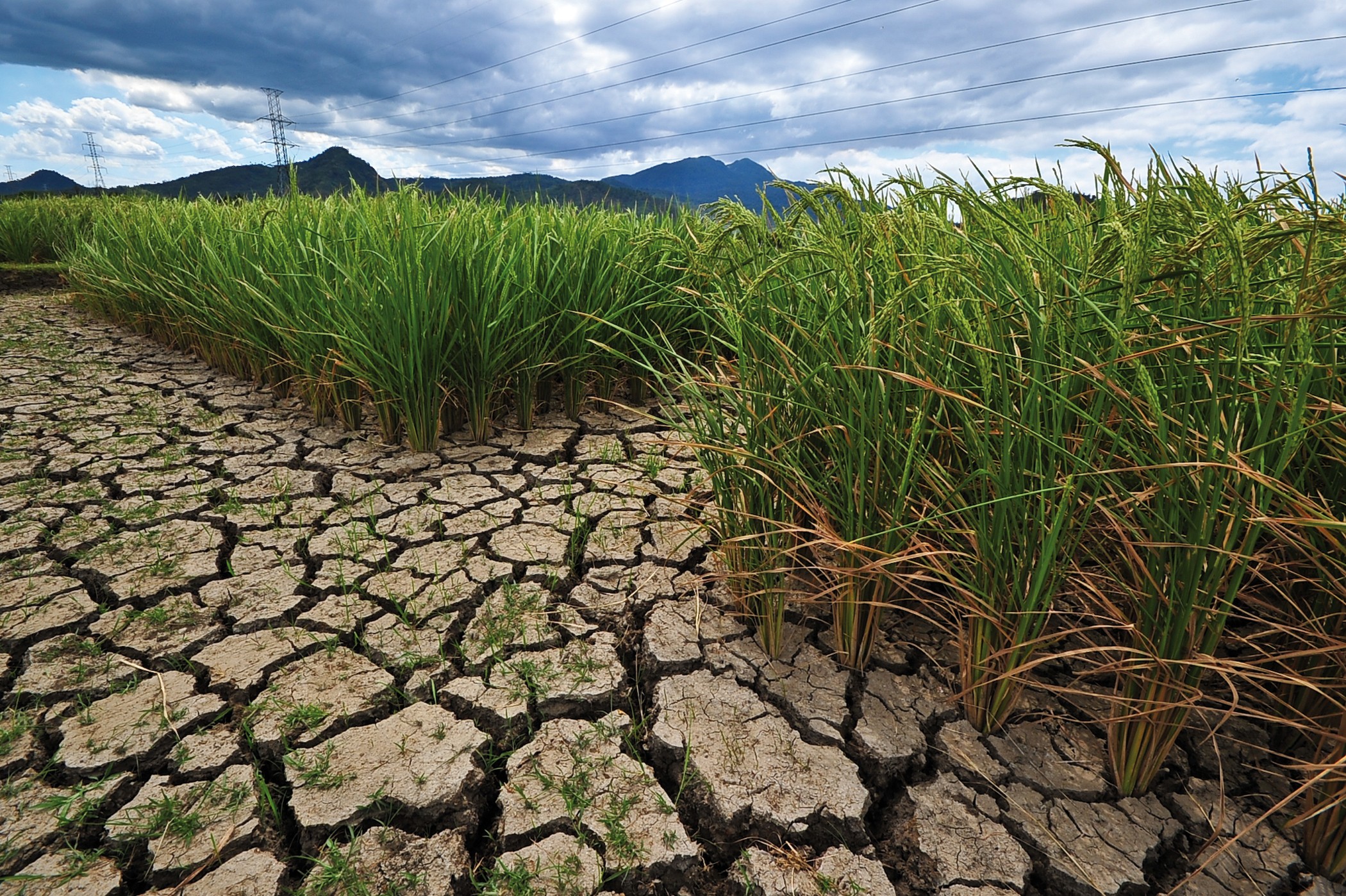
Timac Agro Ukraine, in collaboration with the insurance company PZU, has launched a crop insurance program against drought for farmers in five regions of Ukraine.
26.05.2026
Hansen announces "dialogue with the EIB on new agricultural insurance models"
Integrated European framework for climate resilience 'is on the way'.
26.05.2026
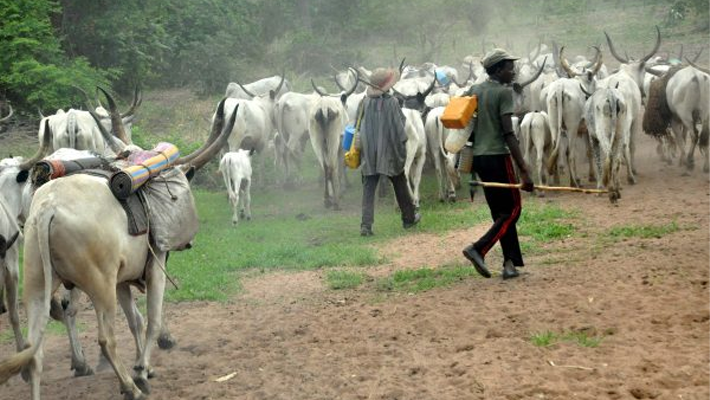
Nigeria - Oyo Steps up Enforcement Against Illegal Livestock Trading, Open Grazing
The Oyo State Government has stepped up enforcement against illegal livestock trading and open grazing, arresting offenders and impounding animals in parts of Ibadan during a fresh compliance operation.
26.05.2026
Philippines - Tacloban braces agri, health mitigation measures amid looming super El Niǹo
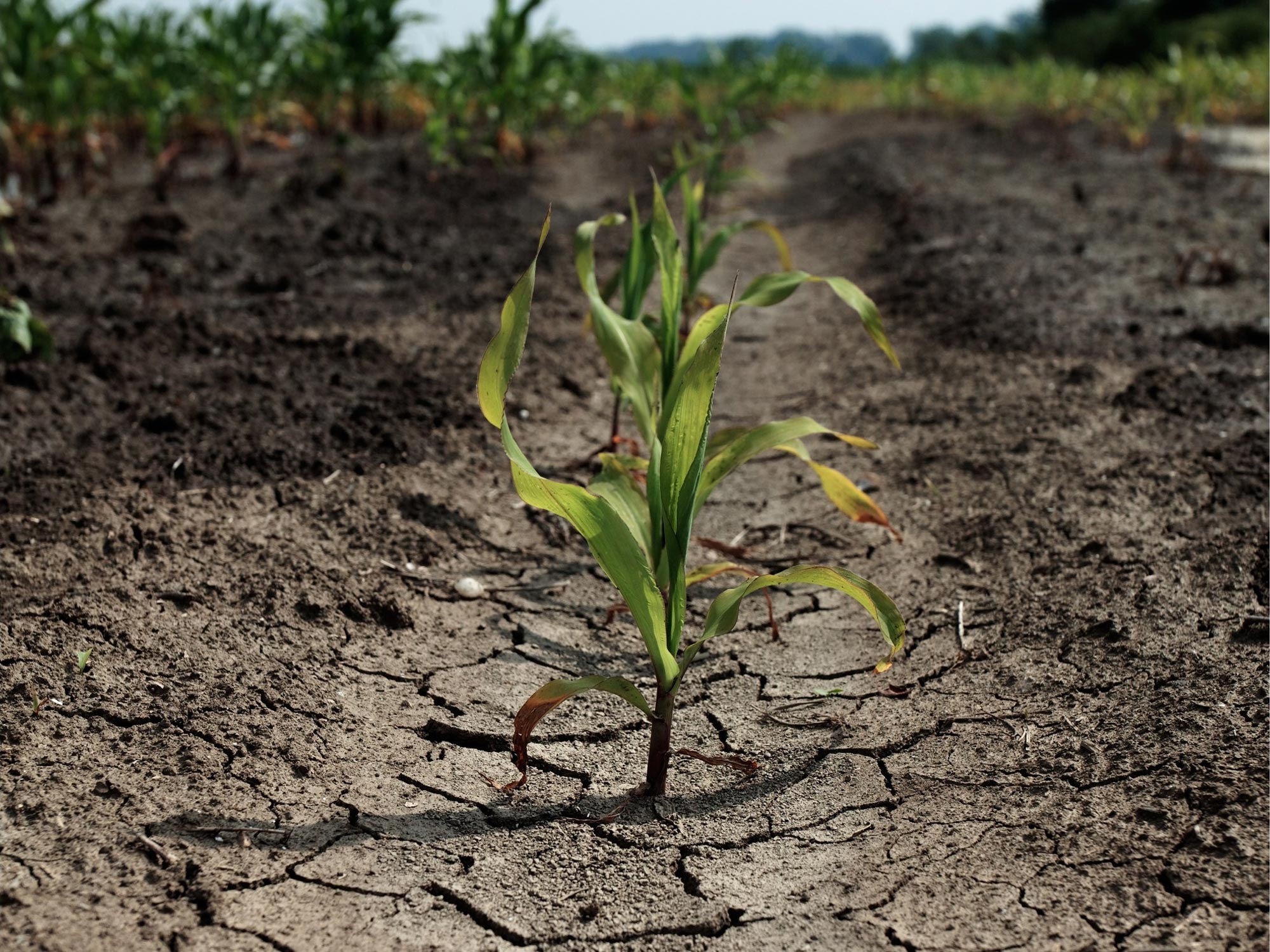
The City Government of Tacloban has intensified its preparations and mitigation measures as the threat of a possible Super El Niño continues to loom over several parts of the country, bringing concerns over prolonged dry spells, water shortages, and impacts on agriculture and public health.
26.05.2026
India - Punjab Govt Deploys 500 Teams for Special Girdawari as Rains Damage Wheat
In Punjab, to calculate the damage done to the standing crops in the fields due to the inclement weather for the last many days, the state government has formed teams of 500 officials from the agriculture department to assess losses.
26.05.2026
Brazil - Agricultural insurance plummets in Paraná, putting the sector at risk.
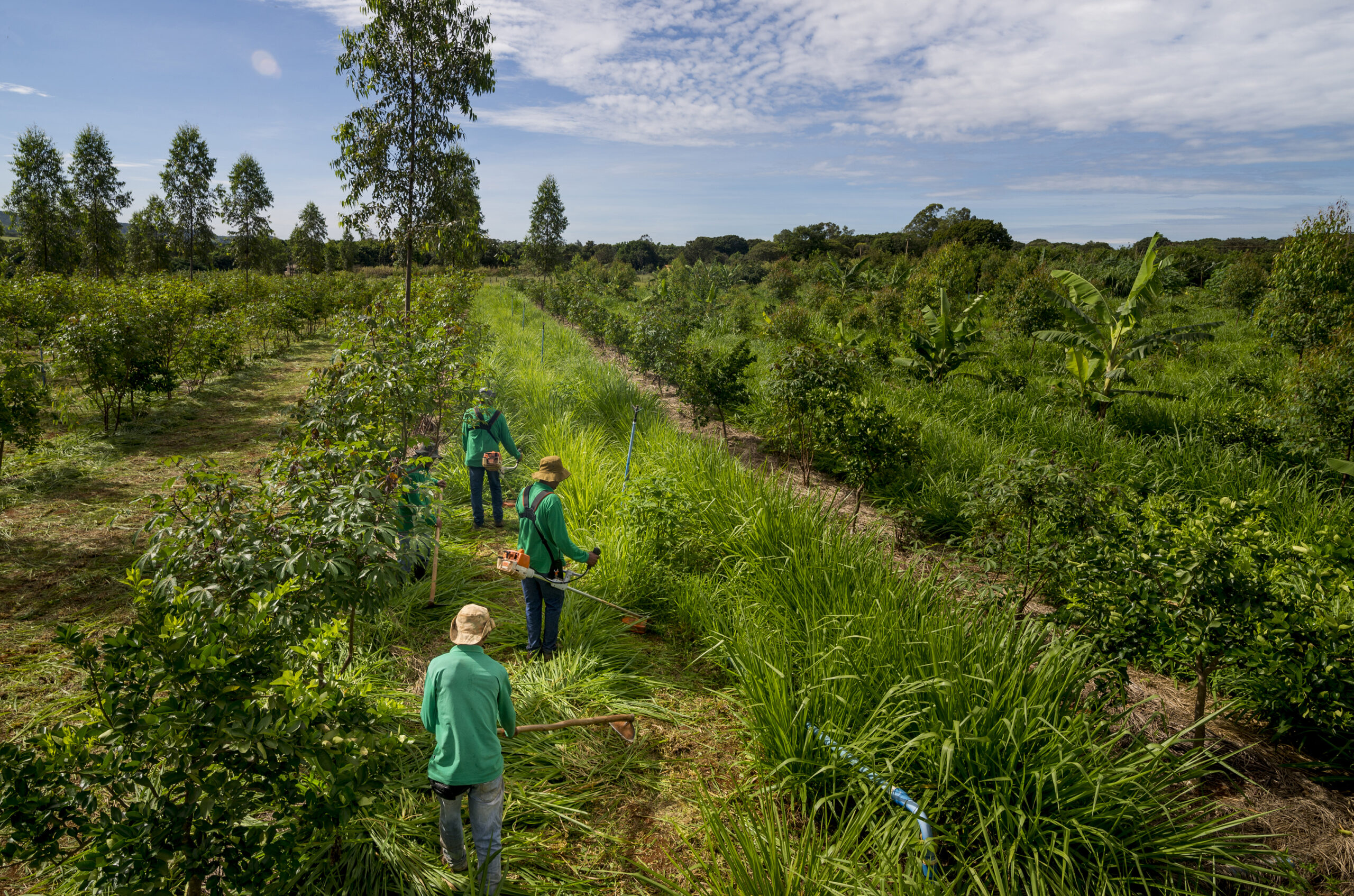
Cevio Alberto Mengarda, a soybean and corn producer in Marechal Cândido Rondon, in the western region of Paraná, followed in his father's footsteps in agriculture and today manages the family property.
25.05.2026
Algeria - CASH Assurances to diversify into agriculture insurance
CASH Assurances will launch agriculture insurance plans in June 2026, as part of its diversification strategy.
25.05.2026
U.S. specialty crop growers push for stronger Farm Bill support
Specialty crop growers in the U.S. are calling for stronger support measures in the 2026 Farm Bill, particularly around risk management, market access, and crop insurance.
