

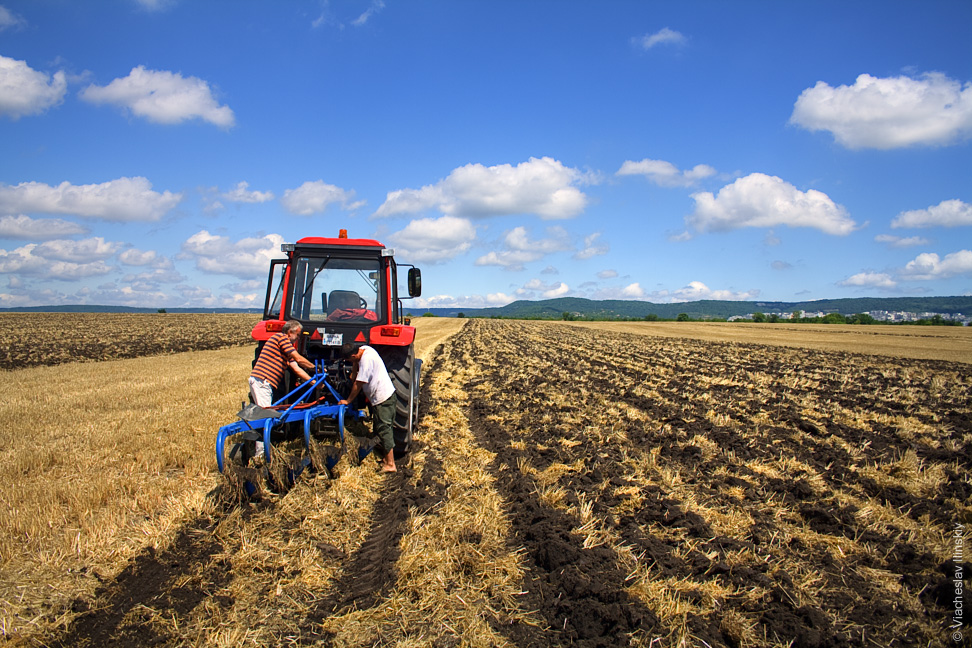
USA - Farm Income Expected to Plummet, Current Mix of Farm Programs Limited Help
16.11.2015 301 views
The USDA forecast of net farm income for the calendar year 2015 is enough to scare almost anyone.
Two years ago, U.S. farmers earned a record $123.7 billion in net farm income. Last year that number was a not too shabby $91.0 billion, fourth highest in history. This year, that number takes a 53.9 percent tumble from the record set in 2013, and a 36 percent decline from last year, coming in at $58.3 billion.
Back in February the USDA released its “Agricultural Projections to 2024” which had a projected 2015 net farm income of $84.2 billion, $30.3 billion higher than the current forecast.
So what happened? Income, including insurance payments, from feed grains fell by $6.6 billion, oil crops by $3.6 billion, food grains by $2.4 billion and cotton by $2.1 billion. On the livestock side, dairy receipts fell by $14.3 billion followed by meat animals at 7.8 billion. Expenses only fell by $2.6 billion. Direct government payments were $11.3 billion, only slightly higher than the record income year of 2013. As a result, the value of agricultural production fell by $35.9 billion.
Direct government (farm program) payments only increased by $1.6 billion from 2014 and were just $300 million higher than 2013 with its record net farm income.
Unless the current harvest comes in well below current expectations, it is difficult to see how the level of revenue insurance protection will be above the full cost of production for all but the most economically efficient producers, or those who own all of their land.
Similarly, given a trendline or slightly below trendline 2016 crop, Average Revenue Coverage (ARC) and Price Loss Coverage (PLC) payments will not prevent many farmers from experiencing negative cash flows. A modestly strong production next year would be disastrous for crop sector prices.
When the current farm bill was being written, it was hard to convince most farmers, lobbyists, and members of Congress that this kind of scenario could occur. Too many were stubbornly convinced that agriculture was on a new plateau. The USDA Agricultural Baseline Projections to 2022, the baseline that people were looking at when the 2013 to become the 2014 Farm Bill was being written, saw net farm income remaining above $90 billion for as far as the eye could see.
As a result, effective countercyclical programs that would protect farmers from extended periods of low prices were not considered. Instead, the major concern was to protect farmers from short term price declines, even when prices were well above the cost of production. The PLC only came into being because Southern farmers were concerned about the risk of low prices. The ARC was based on the idea that any fall in average revenue would be short-lived and payments could be gotten with year-to-year variation during years of revenue decline.
What will happen with crop production and the resulting prices next year is anyone’s guess. What is clear to us is that the current program, including crop insurance that is separate from the program, provides little price and income protection when it is needed the most – during a series of low-price years.
As difficult as it was to justify direct payments during the tenure of the previous farm bill, one thing that can be said is that direct payment support does not decline during the times when the need is the greatest.
Source - http://magicvalley.com/
EVENTS

ScaleAgData Stakeholder Engagement Event
22.10.2024The ScaleAgData project is pleased to invite you to our second stakeholder event. Building on the discussions and connections formed during our first webinar, this event will focus on fostering collaboration among stakeholders, providing updates on our project’s progress, and outlining future opportunities for engagement.
RISK EVENTS

Moldova - May frosts caused heavy damage to fruit orchards
10.05.2026The first frosty nights of May have significantly worsened estimates of damage to Moldova's fruit sector from spring frosts. According to initial assessments by fruit market operators, between a quarter and a third of the country's total orchard area was seriously affected.
26.05.2026
“Timac Agro Ukraine” launches crop insurance against drought
Timac Agro Ukraine, in collaboration with the insurance company PZU, has launched a crop insurance program against drought for farmers in five regions of Ukraine.
26.05.2026

Hansen announces "dialogue with the EIB on new agricultural insurance models"
Integrated European framework for climate resilience 'is on the way'.
26.05.2026
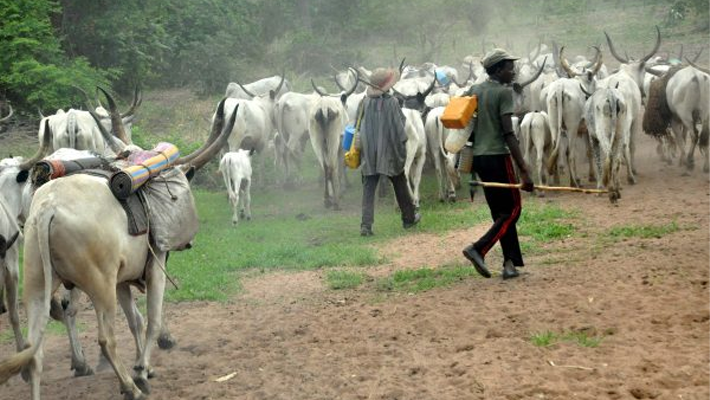
Nigeria - Oyo Steps up Enforcement Against Illegal Livestock Trading, Open Grazing
The Oyo State Government has stepped up enforcement against illegal livestock trading and open grazing, arresting offenders and impounding animals in parts of Ibadan during a fresh compliance operation.
26.05.2026
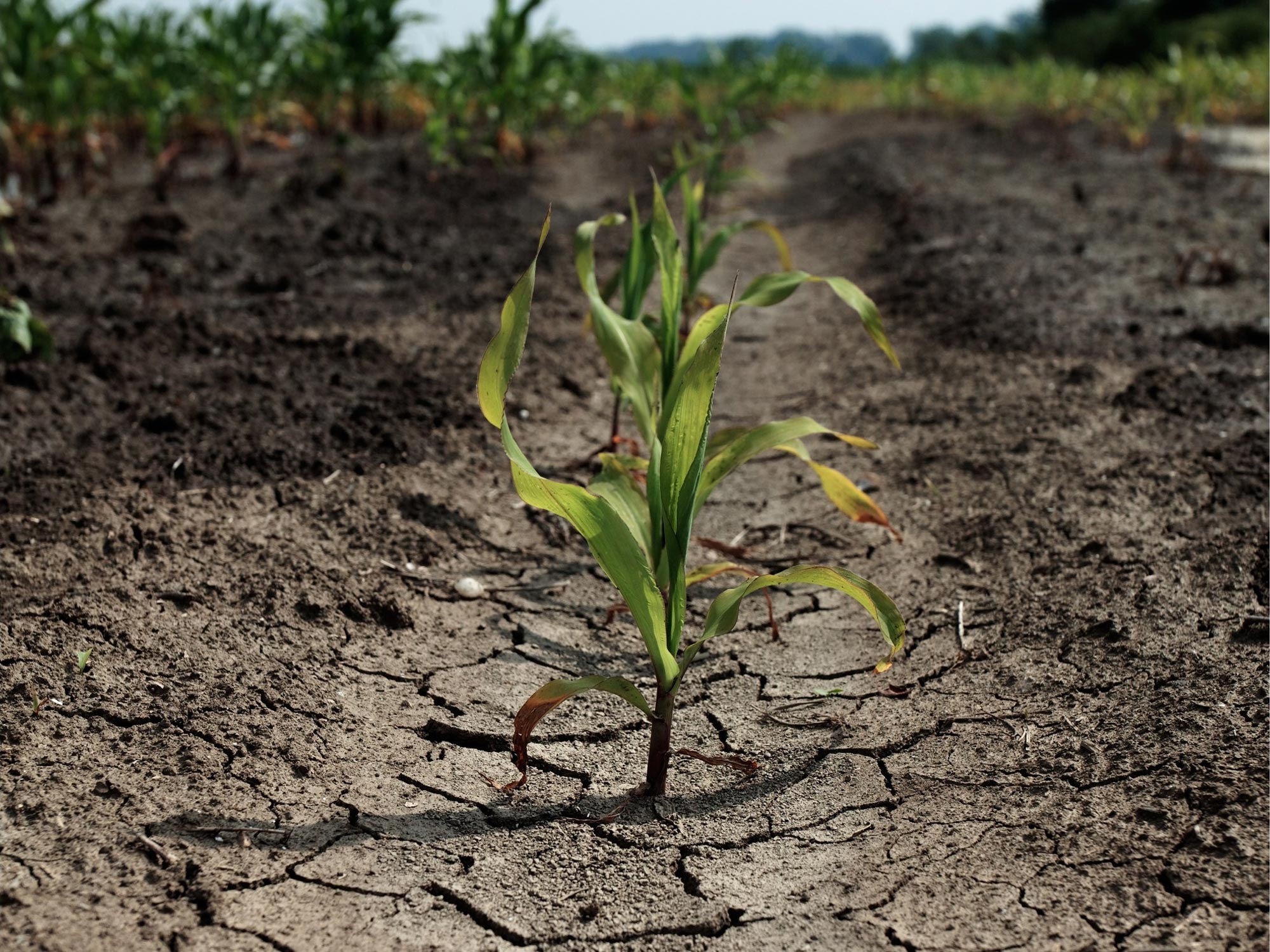
Philippines - Tacloban braces agri, health mitigation measures amid looming super El Niǹo
The City Government of Tacloban has intensified its preparations and mitigation measures as the threat of a possible Super El Niño continues to loom over several parts of the country, bringing concerns over prolonged dry spells, water shortages, and impacts on agriculture and public health.
26.05.2026
India - Punjab Govt Deploys 500 Teams for Special Girdawari as Rains Damage Wheat
In Punjab, to calculate the damage done to the standing crops in the fields due to the inclement weather for the last many days, the state government has formed teams of 500 officials from the agriculture department to assess losses.
26.05.2026
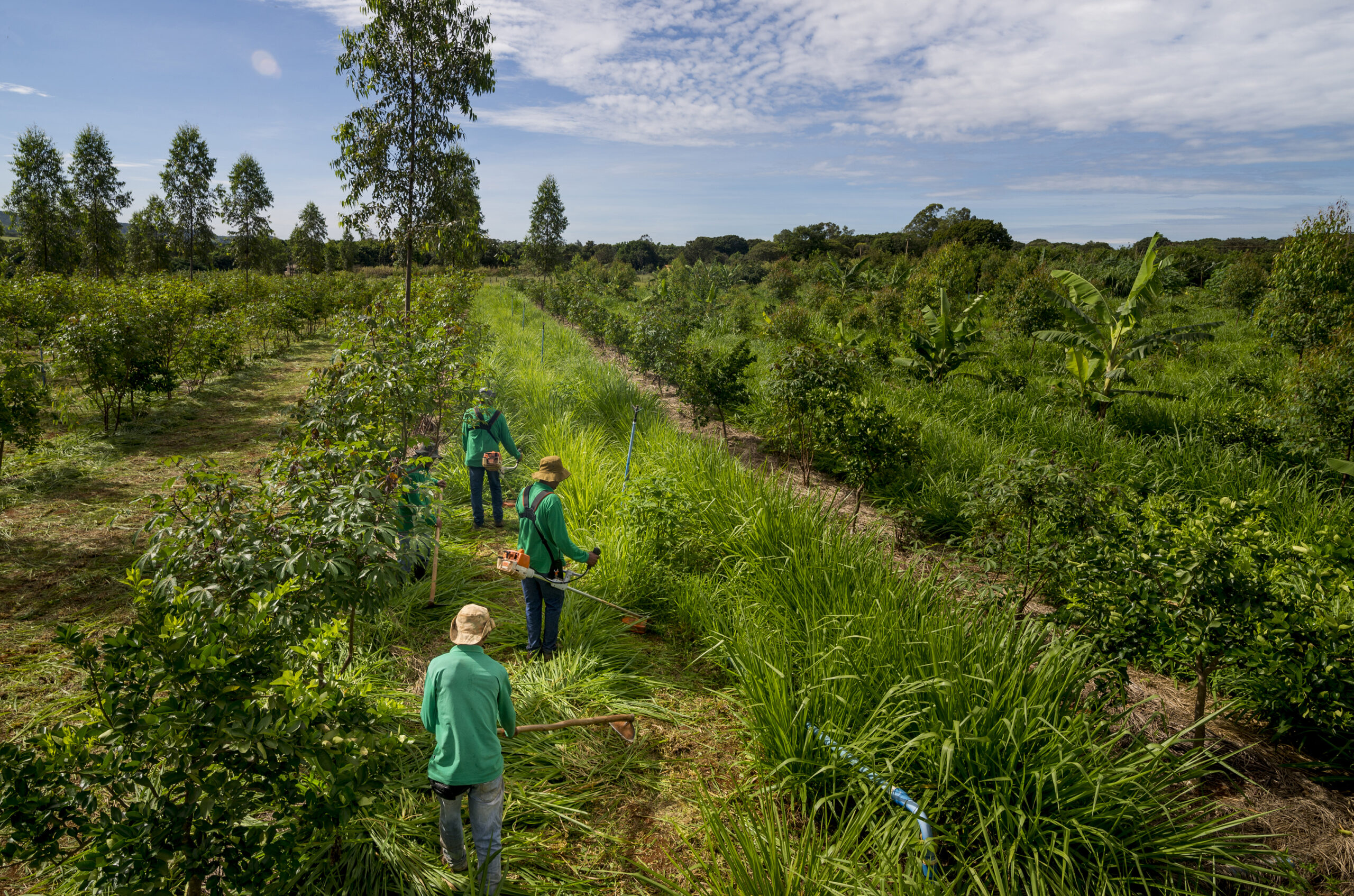
Brazil - Agricultural insurance plummets in Paraná, putting the sector at risk.
Cevio Alberto Mengarda, a soybean and corn producer in Marechal Cândido Rondon, in the western region of Paraná, followed in his father's footsteps in agriculture and today manages the family property.
25.05.2026
Algeria - CASH Assurances to diversify into agriculture insurance
CASH Assurances will launch agriculture insurance plans in June 2026, as part of its diversification strategy.
25.05.2026

U.S. specialty crop growers push for stronger Farm Bill support
Specialty crop growers in the U.S. are calling for stronger support measures in the 2026 Farm Bill, particularly around risk management, market access, and crop insurance.
