

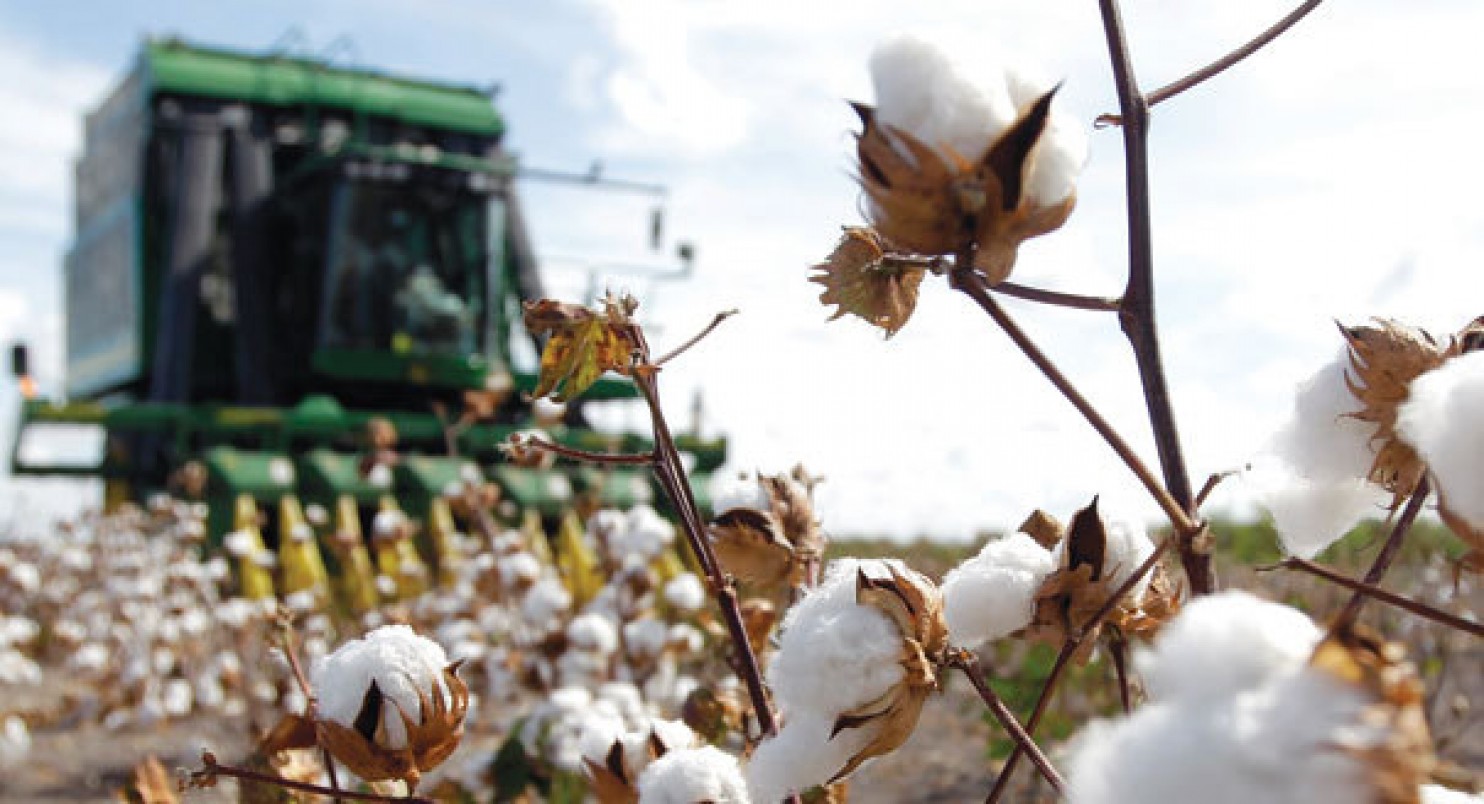
USA - Farm organizations look for one more farm bill change
29.12.2015 352 views
Farm organizations worked like crazy this fall to avoid making any legislative changes or funding cuts in the 2014 farm bill—including a proposed $3 billion cut in crop insurance.
At the same time, there has been support building for at least one additional change—albeit one that can supposedly be made by the secretary of agriculture—to give cotton growers more farm bill support.
Cotton growers say they’re getting hammered for reasons beyond their control—primarily China’s manipulation of the global cotton market. China first drove up global prices to nearly double the average level by stockpiling cotton, then abruptly switched its strategy in 2014 and is now dumping some of that fiber on the market. China is the world’s largest consumer, importer and stockholder of cotton and the second largest producer, after India. For U.S. farmers, the average net return on cotton has plunged from $254 per acre in 2013 to $74 per acre, according to the University of Missouri’s Food and Agriculture Policy Research Institute.
House Agriculture Chairman Mike Conaway, who comes from Texas, the biggest cotton-growing state, has asked Secretary of Agriculture Tom Vilsack directly to consider the proposal. “Cotton prices are in the tank, and the STAX (Stacked Income Protection Plan) program is not working as well as we thought it might, and so the cotton guys need some help,” Conaway says, referring to the revenue insurance plan that was created for cotton in lieu of making the fiber eligible for Price Loss Coverage and Agriculture Risk Coverage.
The National Cotton Council gained a lot of momentum on Capitol Hill recently for its ongoing effort to persuade USDA to include cottonseed as an oilseed for farm program payments, with 100 lawmakers signing a bipartisan letter of support, including Rep. Rick Crawford, R-AR, who chairs the Subcommittee on General Farm Commodities and Risk Management, and the Subcommittee’s ranking minority member, Rep. Tim Walz, D-MN.
Even Rep. Collin Peterson, the House Committee on Agriculture’s ranking member, who represents a Minnesota district, acknowledged that his southern brethren made a good point in their request to Vilsack to make cottonseed eligible for payments.
After the letter was released, the American Soybean Association also weighed in with a show of southerly love, saying it supported the National Cotton Council’s effort to encourage the department to use its discretionary authority to establish a cottonseed program under Title I of the Agricultural Act of 2014.
But here’s the caveat: “ASA’s support is conditional on the determination that the estimated cost of the program can be offset, if necessary, without negatively impacting funding for other farm bill programs or reducing funding for crop insurance, and that it will not violate U.S. commitments under the WTO.”
As Agri-Pulse reported on Dec. 9, the change could cost as much as $1 billion annually, according to the Agriculture Department’s internal estimates.
During a board meeting, a majority of the American Farm Bureau Federation’s board of directors also signaled their support for this change in USDA policy.
But whether or not these efforts provide enough political firepower for USDA officials to change their mind is still a bit uncertain.
Sources familiar with USDA’s review say it has raised a series of concerns, including the potential cost, which might have to be offset by cuts in other spending. Under the 2014 farm bill, USDA supposedly has the discretion to cover additional oilseeds under a program called Profit Loss Coverage at a price trigger, or “reference price,” of $20.15 per hundredweight. Cottonseed has been recently selling for well under $15. Another big concern is whether the agency truly has the legal authority to make the change in designation.
Thus far, USDA officials have mostly been mum on the matter. Responding to a request for comment from Agri-Pulse, USDA staff sent the following statement:
“We recognize that these are tough times for cotton producers, and are thankful that there is a safety net in place that provides the Stacked Income Protection Program and Supplemental Coverage Option, which Congress created in the 2014 farm bill. USDA is currently analyzing the complex legal, programmatic and policy issues associated with declaring cotton an oilseed, which would make the crop eligible for additional safety net programs like ARC (Agriculture Risk Coverage) or PLC.”
Source - http://www.hpj.com
EVENTS

ScaleAgData Stakeholder Engagement Event
22.10.2024The ScaleAgData project is pleased to invite you to our second stakeholder event. Building on the discussions and connections formed during our first webinar, this event will focus on fostering collaboration among stakeholders, providing updates on our project’s progress, and outlining future opportunities for engagement.
RISK EVENTS

Moldova - May frosts caused heavy damage to fruit orchards
10.05.2026The first frosty nights of May have significantly worsened estimates of damage to Moldova's fruit sector from spring frosts. According to initial assessments by fruit market operators, between a quarter and a third of the country's total orchard area was seriously affected.
26.05.2026
“Timac Agro Ukraine” launches crop insurance against drought
Timac Agro Ukraine, in collaboration with the insurance company PZU, has launched a crop insurance program against drought for farmers in five regions of Ukraine.
26.05.2026
Hansen announces "dialogue with the EIB on new agricultural insurance models"
Integrated European framework for climate resilience 'is on the way'.
26.05.2026
Nigeria - Oyo Steps up Enforcement Against Illegal Livestock Trading, Open Grazing
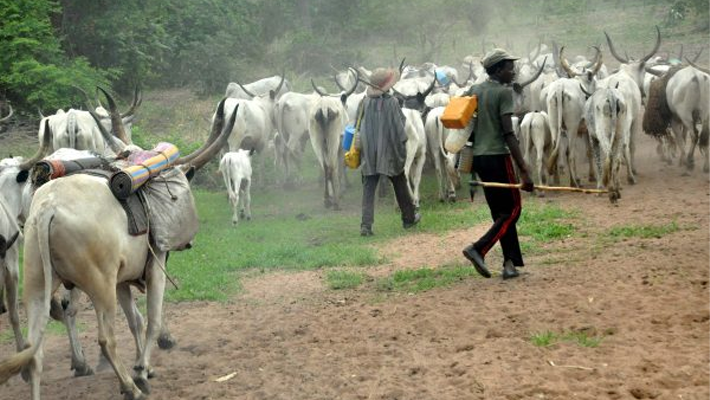
The Oyo State Government has stepped up enforcement against illegal livestock trading and open grazing, arresting offenders and impounding animals in parts of Ibadan during a fresh compliance operation.
26.05.2026
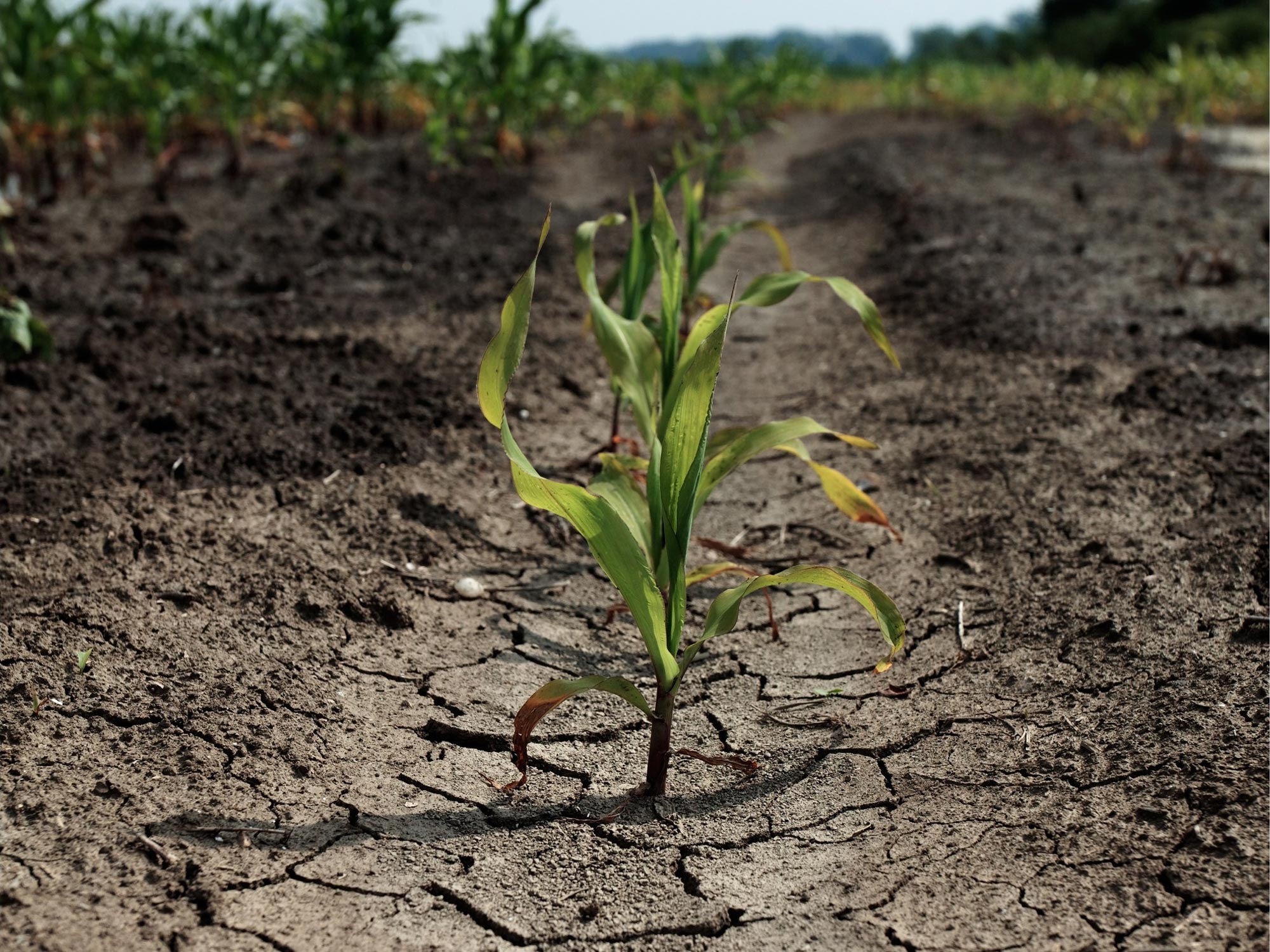
Philippines - Tacloban braces agri, health mitigation measures amid looming super El Niǹo
The City Government of Tacloban has intensified its preparations and mitigation measures as the threat of a possible Super El Niño continues to loom over several parts of the country, bringing concerns over prolonged dry spells, water shortages, and impacts on agriculture and public health.
26.05.2026
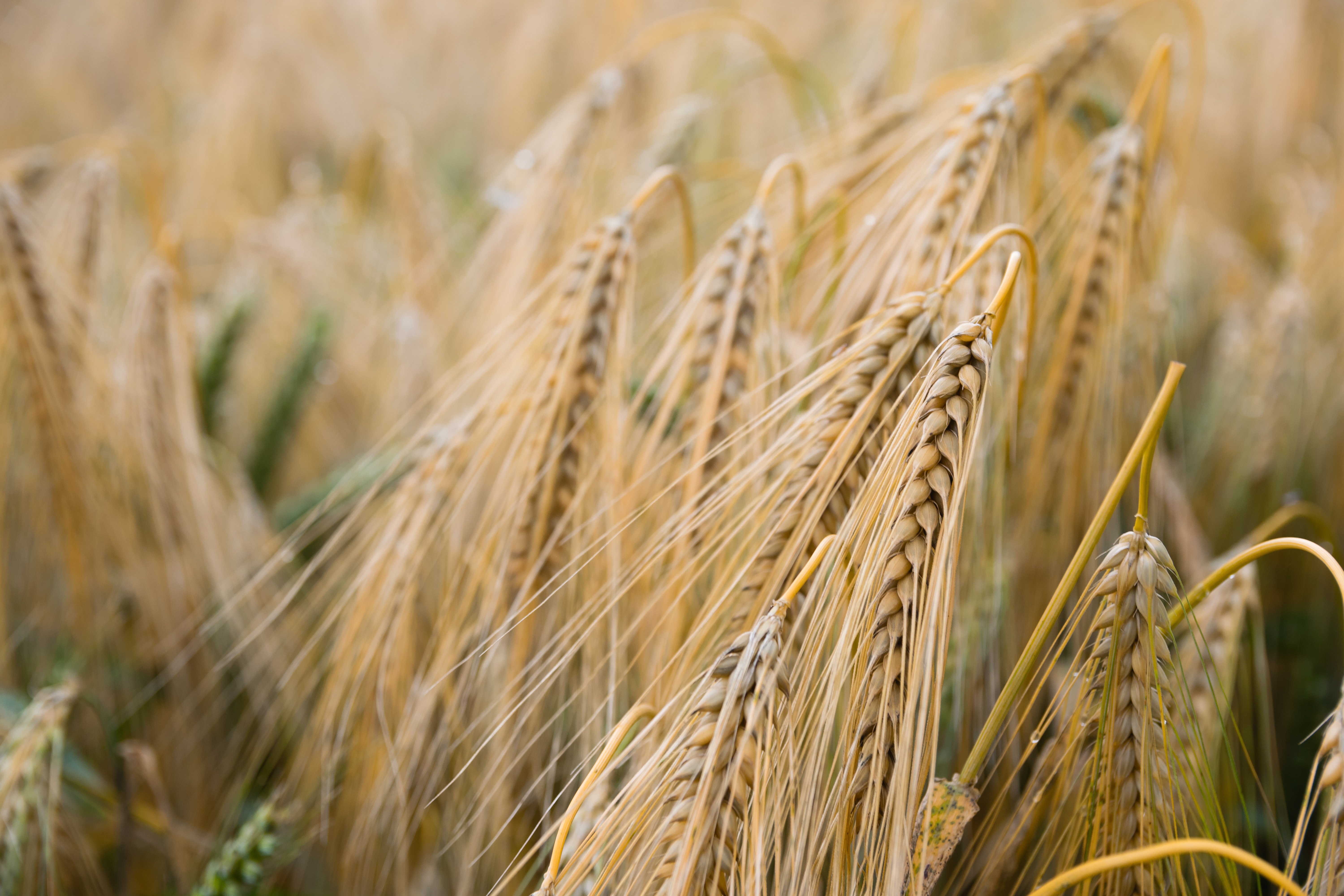
India - Punjab Govt Deploys 500 Teams for Special Girdawari as Rains Damage Wheat
In Punjab, to calculate the damage done to the standing crops in the fields due to the inclement weather for the last many days, the state government has formed teams of 500 officials from the agriculture department to assess losses.
26.05.2026
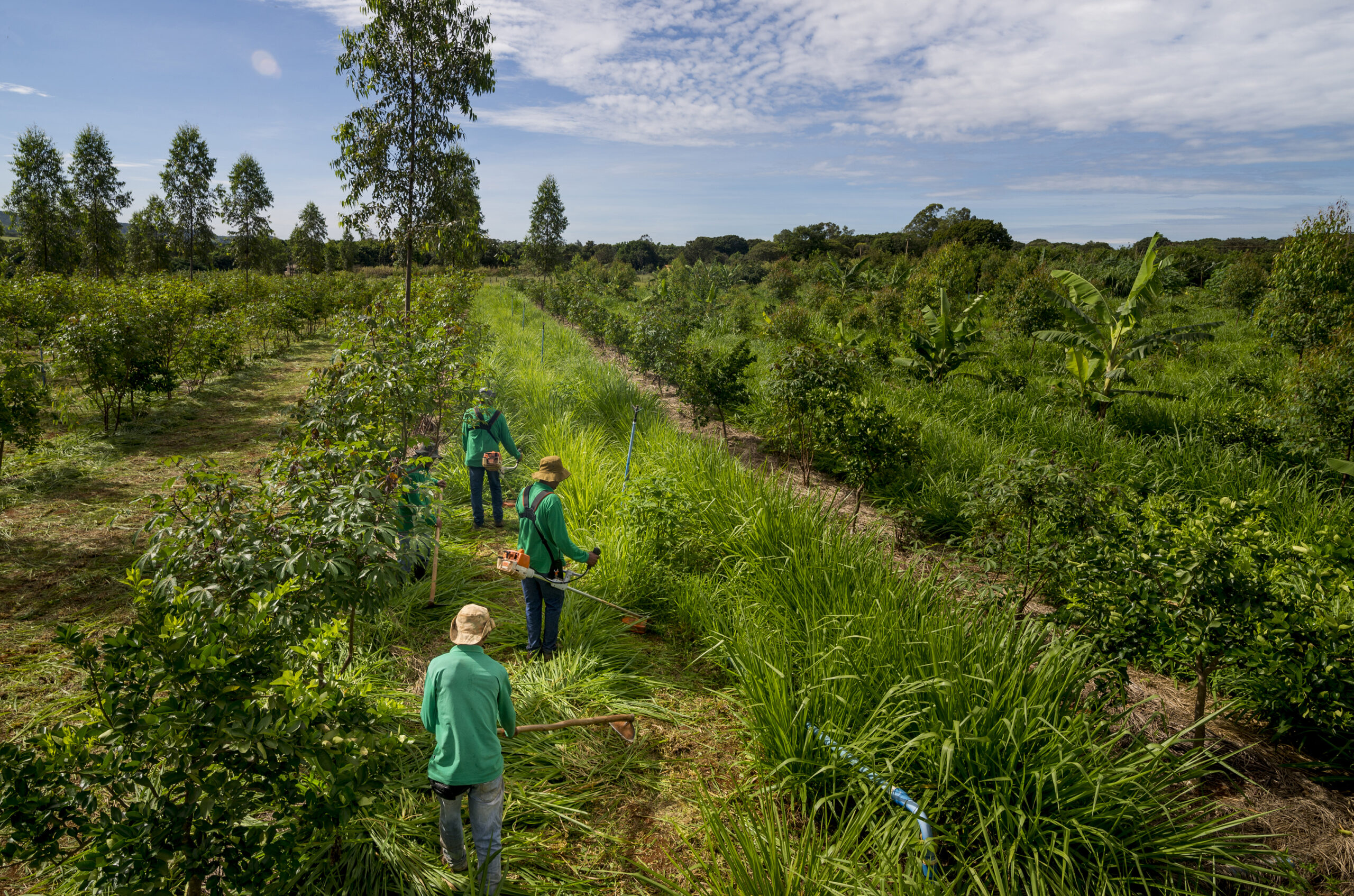
Brazil - Agricultural insurance plummets in Paraná, putting the sector at risk.
Cevio Alberto Mengarda, a soybean and corn producer in Marechal Cândido Rondon, in the western region of Paraná, followed in his father's footsteps in agriculture and today manages the family property.
25.05.2026
Algeria - CASH Assurances to diversify into agriculture insurance
CASH Assurances will launch agriculture insurance plans in June 2026, as part of its diversification strategy.
25.05.2026
U.S. specialty crop growers push for stronger Farm Bill support
Specialty crop growers in the U.S. are calling for stronger support measures in the 2026 Farm Bill, particularly around risk management, market access, and crop insurance.
