


USA - Fewer Taxpayer Giveaways Would Cut The Fat, Not ‘Cripple’ Crop Insurance
07.12.2015 326 views
The proposed $3 billion cut in crop insurance subsidies in the recent federal budget deal would not “kill the crop insurance program,” contrary to claims by the crop insurance industry and its allies in Congress. It would merely cut the fat from the industry’s cost of doing business, according to a new analysis commissioned by EWG.
The report by Dr. Bruce Babcock, agricultural economist at Iowa State University, is titled Cutting The Fat: It Won't Kill Crop Insurance. It shows that lowering the excessive rates of return enjoyed by the industry, as proposed last month in the budget agreement, would have no impact on the availability of crop insurance policies or the premiums paid by farmers.
“The reality is that the cuts are a modest reduction in taxpayer support for crop insurance,” said Dr. Babcock. “Rather than devastating or killing the program, as some industry members may allege, the lower subsidies would not affect profits, but instead result in a more efficient, but still far from lean, delivery system for the insurance.”
The budget agreement, signed by President Obama in November, would reduce the target rate of return for crop insurance companies from 14 percent to 8.9 percent, a margin that is still generous and well above the rate of return enjoyed by the insurance industry as a whole. Some in Congress are now attempting to reverse the cut through a rider attached to a must-pass transportation bill, which is expected to go to the House floor in the coming days.
“Rhetorically, this is a Congress that applauds federal belt tightening, but in practice it hands out billions in taxpayer-funded giveaways to the crop insurance industry,” said Colin O’Neil, EWG’s director of agriculture policy. “At a time when many Americans are still tightening their belts, it seems ridiculous to think that companies headquartered in tax havens such as Bermuda and Switzerland can’t get by on a 9 percent rate of return. Congress has allowed this problem to balloon over the years, and it is high time to fix it.”
Industry advocates argue that the cuts will “cripple” crop insurance companies, but Babcock’s analysis shows that the insurers’ cost of delivering each policy has ballooned from an average of $628 in 2001 to $1,670 in 2013.
This increase in costs was largely the result of exorbitant increases in the wages paid to company personnel and the commissions paid to insurance agents, Babcock’s analysis found. The costs per policy not associated with loss adjustment grew by 8.5 percent a year over the period.
The crop insurance industry is unique because the companies can only sell products approved by U.S. Department of Agriculture, which also sets their price. Because crop insurance companies can’t compete on price or quality of service, they compete instead for the business of independent insurance agents by offering ever higher commissions.
According to “Cutting the Fat,” the average commission per policy grew by 9.1 percent a year, compared to the overall insurance industry average of 2.7 percent. In dollar terms, the average commissions paid to crop insurance agents rose from $358 per policy in 2001 to about $1,022 per policy in 2013.
“When you look past the rhetoric thrown around by crop insurance companies, the reality of the situation is clear,” Babcock said. “If we can’t make these very reasonable and responsible taxpayer savings by trimming the inflated costs of crop insurance in a way that won’t hurt industry profits or farmers, what can we cut?”
Source - http://www.ewg.org/
EVENTS

ScaleAgData Stakeholder Engagement Event
22.10.2024The ScaleAgData project is pleased to invite you to our second stakeholder event. Building on the discussions and connections formed during our first webinar, this event will focus on fostering collaboration among stakeholders, providing updates on our project’s progress, and outlining future opportunities for engagement.
RISK EVENTS

Moldova - May frosts caused heavy damage to fruit orchards
10.05.2026The first frosty nights of May have significantly worsened estimates of damage to Moldova's fruit sector from spring frosts. According to initial assessments by fruit market operators, between a quarter and a third of the country's total orchard area was seriously affected.
26.05.2026
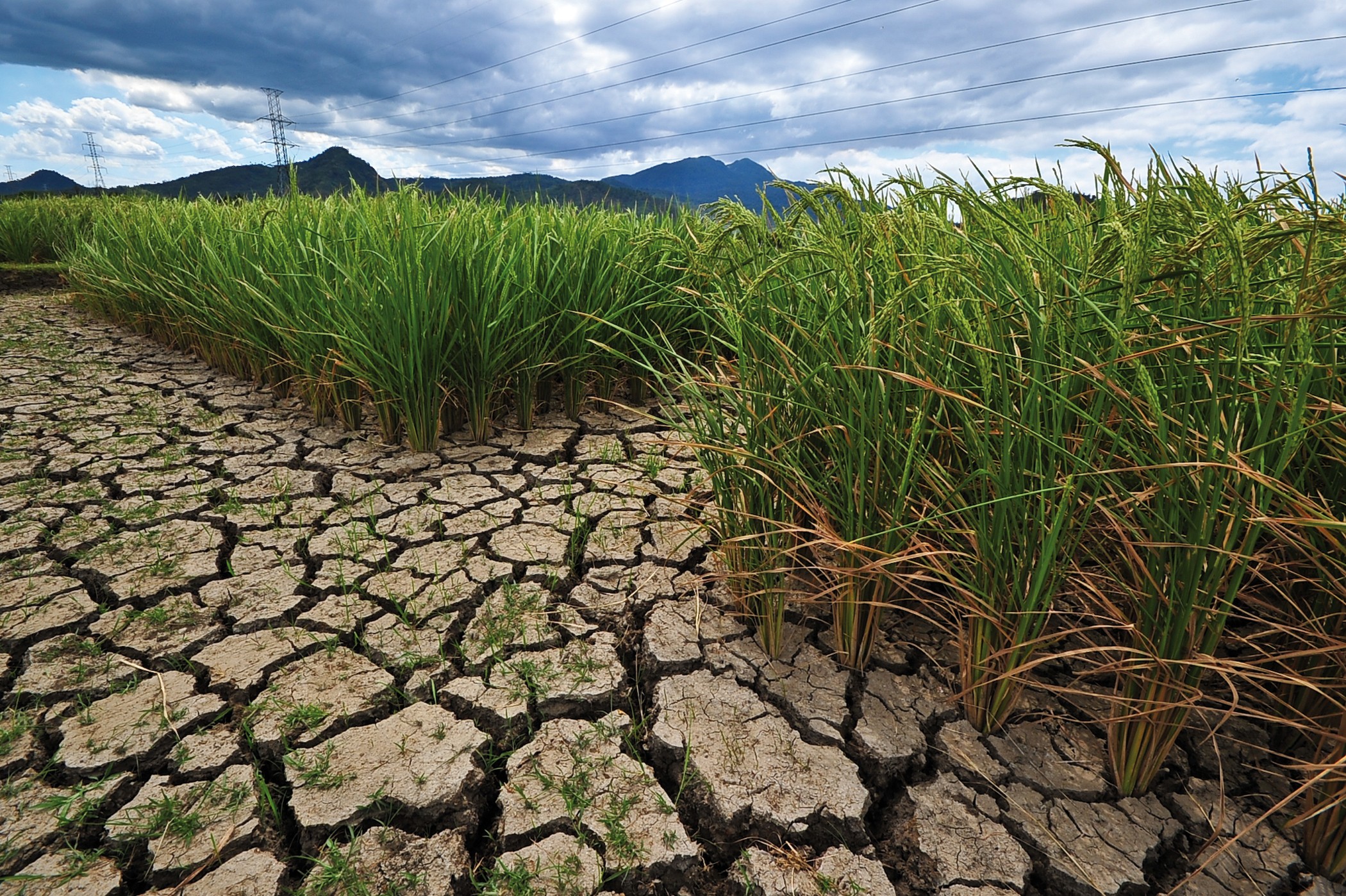
“Timac Agro Ukraine” launches crop insurance against drought
Timac Agro Ukraine, in collaboration with the insurance company PZU, has launched a crop insurance program against drought for farmers in five regions of Ukraine.
26.05.2026

Hansen announces "dialogue with the EIB on new agricultural insurance models"
Integrated European framework for climate resilience 'is on the way'.
26.05.2026
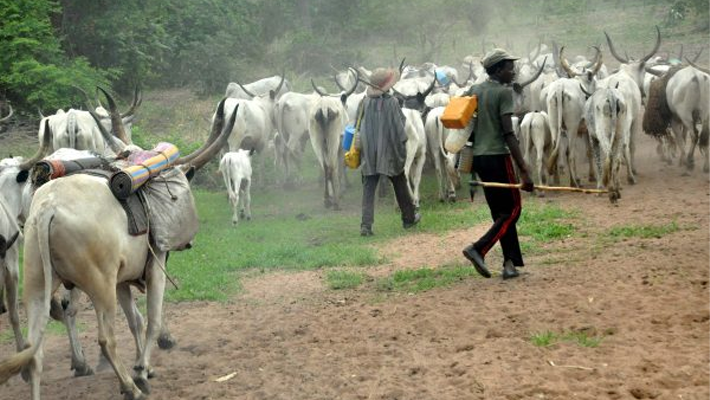
Nigeria - Oyo Steps up Enforcement Against Illegal Livestock Trading, Open Grazing
The Oyo State Government has stepped up enforcement against illegal livestock trading and open grazing, arresting offenders and impounding animals in parts of Ibadan during a fresh compliance operation.
26.05.2026
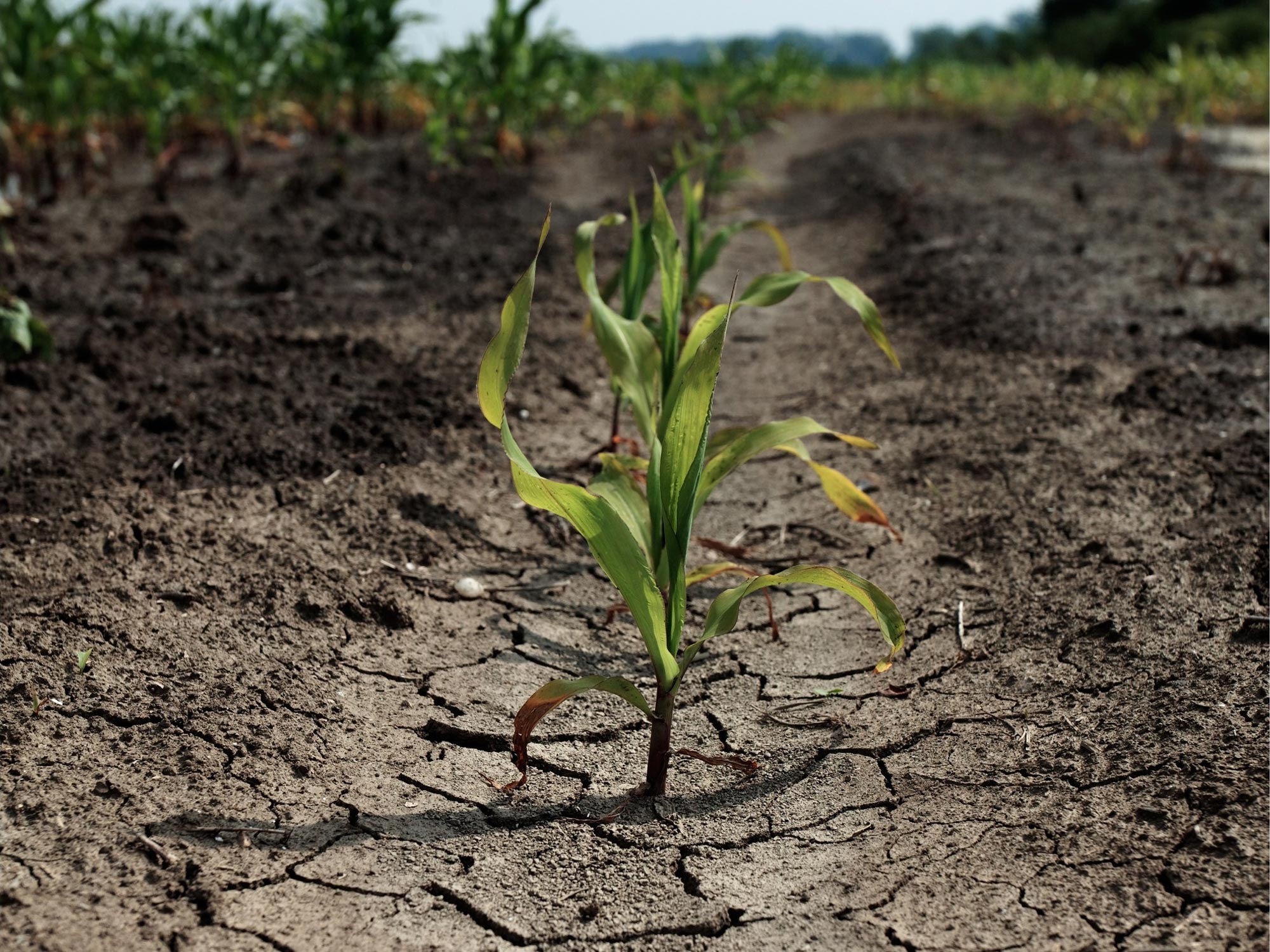
Philippines - Tacloban braces agri, health mitigation measures amid looming super El Niǹo
The City Government of Tacloban has intensified its preparations and mitigation measures as the threat of a possible Super El Niño continues to loom over several parts of the country, bringing concerns over prolonged dry spells, water shortages, and impacts on agriculture and public health.
26.05.2026
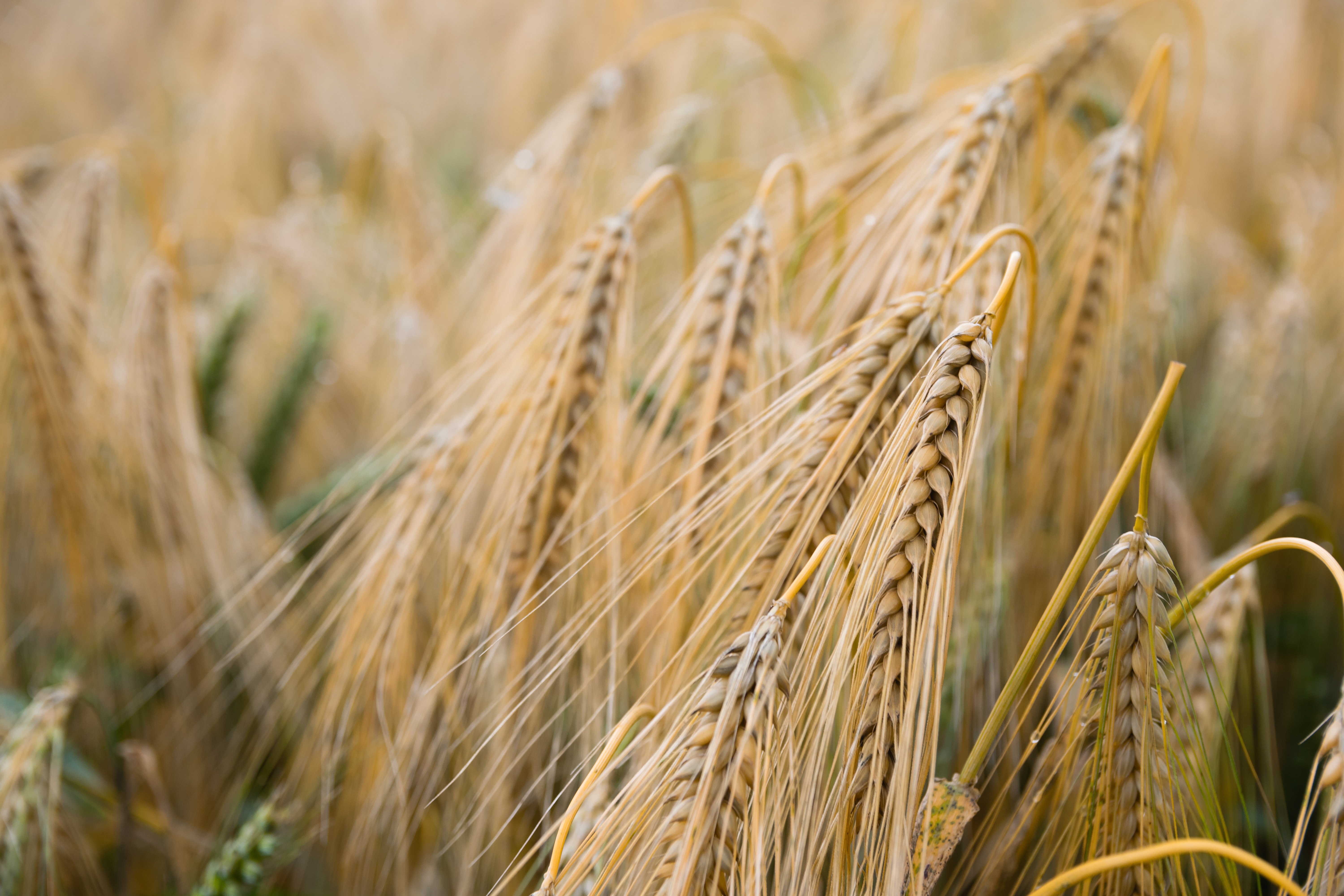
India - Punjab Govt Deploys 500 Teams for Special Girdawari as Rains Damage Wheat
In Punjab, to calculate the damage done to the standing crops in the fields due to the inclement weather for the last many days, the state government has formed teams of 500 officials from the agriculture department to assess losses.
26.05.2026

Brazil - Agricultural insurance plummets in Paraná, putting the sector at risk.
Cevio Alberto Mengarda, a soybean and corn producer in Marechal Cândido Rondon, in the western region of Paraná, followed in his father's footsteps in agriculture and today manages the family property.
25.05.2026
Algeria - CASH Assurances to diversify into agriculture insurance
CASH Assurances will launch agriculture insurance plans in June 2026, as part of its diversification strategy.
25.05.2026

U.S. specialty crop growers push for stronger Farm Bill support
Specialty crop growers in the U.S. are calling for stronger support measures in the 2026 Farm Bill, particularly around risk management, market access, and crop insurance.
