

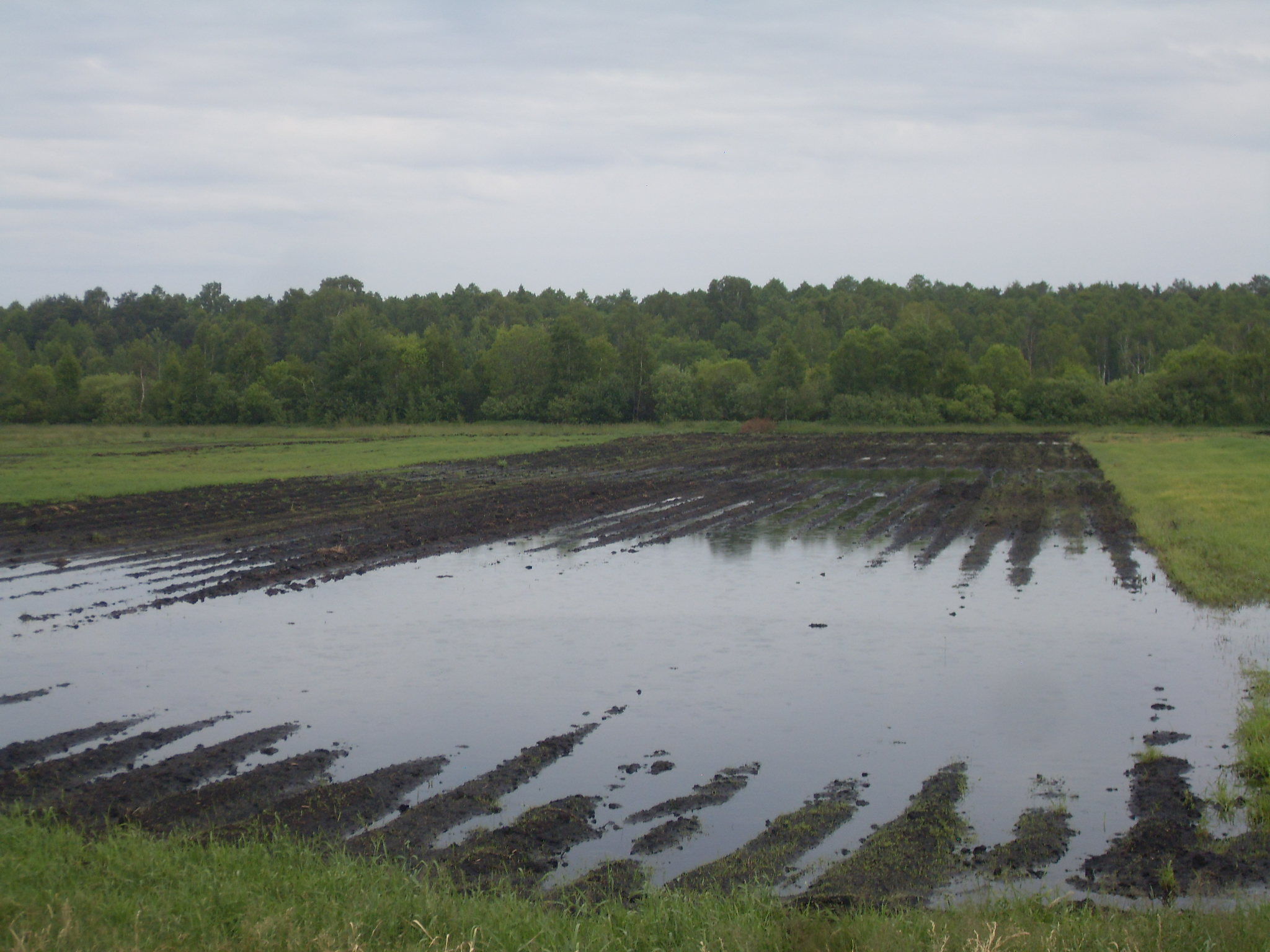
USA - First drought, then flood cripple some state crops
19.10.2015 330 views
What farmers couldn’t see in January and February was a wet March and April that slowed the planting of crops, a dry spring and summer with 15 consecutive 100-degree days that caused a drought and heat damage to the crops that were planted, and an October rain storm of historic proportions.
Annually, during the first couple of months of the year, farmers look at commodity prices and crop rotation schedules and plan what they will plant. This year, corn, soybeans, cotton, peanuts, tobacco topped their lists.
The state had a wet April, David DeWitt, a farmer and Clemson Extension agent, said on a recent segment of SCETV’s “Making it Grow!” That segment addressed flood damage to crops in the state. In a conversation with show host and fellow agent Amanda McNulty, DeWitt went on to explain that, for instance, in Sumter County, there wasn’t another amount of measurable rain from April until July fourth.
By then, most of the growing season was past, and 40 percent of the farmers in the state were affected.
A federal disaster had already been declared for the state’s drought, DeWitt said.
DeWitt is among those urging farmers to complete surveys being taken in the state to assess damage. Before facing the early-October flood, and more damage to crops, changes in the 2014 Farm Bill had also eliminated direct, guaranteed payments to farmers.
Now, a press release from Clemson University said, the amount South Carolina farmers can recoup from the estimated $300 million in losses from the flood will depend on the private insurance they acquired.
“The (federal) farm programs have changed dramatically,” S.C. Agriculture Commissioner Hugh Weathers explained recently. “We deal with risk mitigation through insurance now.”
Weathers called his agency’s $300 million loss a conservative estimate.
Water still stands in some Williamsburg County fields and where water has receded, the ground is too soft for farmers to bring in equipment. In Florence County, fields not too wet have had crops plowed under.
Crops suffer from disease, insect damage, mold and fungus, Weathers said. In some cases, DeWitt said, it may not be worth harvesting the crops left in the field.
Dave Lamie, Clemson associate professor and extension specialist with a focus in community economics, said that from his perspective the flood has possibly caused damage to upstream businesses, such as agricultural suppliers (feed, seed, fertilizer, fuel, etc.), as well as to downstream businesses, such as distributors and processors.
“We are only just beginning to understand to what extent these important parts of the agriculture and food ecosystem are affected. Further, once we know more, we can begin to contemplate the indirect and induced effects (multiplier effects) on the surrounding communities, counties, and state,” he said.
Harry Ott, state executive director of the Farm Service Agency, and a farmer who produces cotton, corn, and peanuts in Calhoun County, said most of the corn, tobacco, and sweet potato crop in Williamsburg County had been harvested before the flooding.
However, cotton, peanuts, soybeans and late fall crops have been greatly affected by the rains.
Some 75-80 percent of the county’s cotton and peanuts and between 60 and 70 percent of its soybeans are going to be a loss, Ott said.
Aaron Wood, assistant commissioner with the state’s agricultural department, said sorghum was mostly harvested in the area as well, and round bales of hay may be damaged if they were being stored outside for use this winter.
Crops unaffected by the rains will be perennial forage and pasture crops, he said.
As for tree farms, Wood said, “There were reports of a few trees blown down because of the saturated ground, but otherwise established stands of plantation pine should be OK.”
Some seedlings in newly replanted stands that were flooded may die, he added, but it will take a few months to really assess the damage to that crop.
All agreed that the rain and residual wet fields will delay or prevent any small winter wheat, rye, oats or other grains from being planted.
“Farmers simply cannot get into their fields,” Ott said.
Agriculture, when timber is included, is the largest industry in the state, DeWitt said.
As for the damaged crops, DeWitt said it may be better to leave it.
“Don’t harvest it; don’t take it to market. Don’t spend any more money on it,” he said.
Lamie said it will likely take state and federal resources to help put the agricultural sector back on its feet. “In many situations, this can occur quite rapidly; in others, it will likely take a while, perhaps more than a growing season,” he said.
Farmers who started with a lot, DeWitt said, will have a little. Those who started in a hole will have a bigger hole.
“Some of them (farmers) went into this situation with already-strained financial health. Some were in better shape and will likely find it easier to recover, so long as Mother Nature cooperates,” Lamie said. “Access to short-term credit is likely going to be essential for most. Every situation will likely be different, so I caution us from using sweeping generalities and encourage us to consider this on a case-by-case situation.”
Source - http://www.scnow.com
EVENTS

ScaleAgData Stakeholder Engagement Event
22.10.2024The ScaleAgData project is pleased to invite you to our second stakeholder event. Building on the discussions and connections formed during our first webinar, this event will focus on fostering collaboration among stakeholders, providing updates on our project’s progress, and outlining future opportunities for engagement.
RISK EVENTS

Moldova - May frosts caused heavy damage to fruit orchards
10.05.2026The first frosty nights of May have significantly worsened estimates of damage to Moldova's fruit sector from spring frosts. According to initial assessments by fruit market operators, between a quarter and a third of the country's total orchard area was seriously affected.
26.05.2026
“Timac Agro Ukraine” launches crop insurance against drought
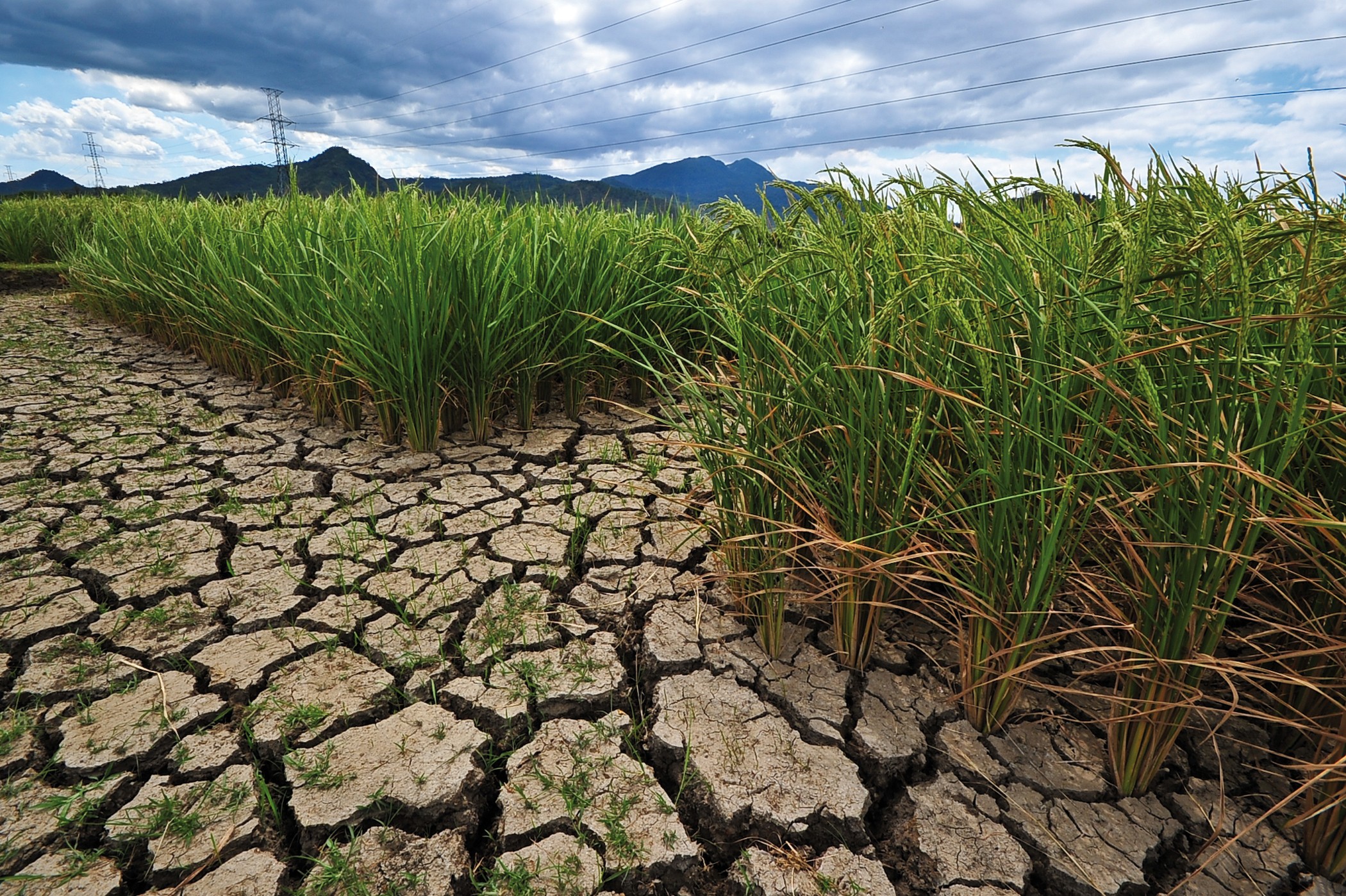
Timac Agro Ukraine, in collaboration with the insurance company PZU, has launched a crop insurance program against drought for farmers in five regions of Ukraine.
26.05.2026
Hansen announces "dialogue with the EIB on new agricultural insurance models"
Integrated European framework for climate resilience 'is on the way'.
26.05.2026
Nigeria - Oyo Steps up Enforcement Against Illegal Livestock Trading, Open Grazing
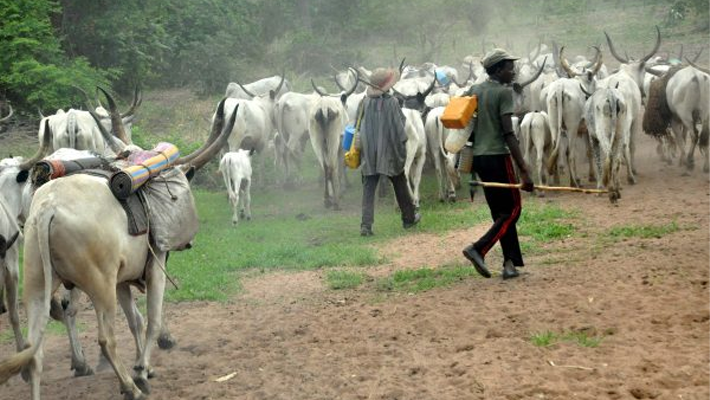
The Oyo State Government has stepped up enforcement against illegal livestock trading and open grazing, arresting offenders and impounding animals in parts of Ibadan during a fresh compliance operation.
26.05.2026
Philippines - Tacloban braces agri, health mitigation measures amid looming super El Niǹo
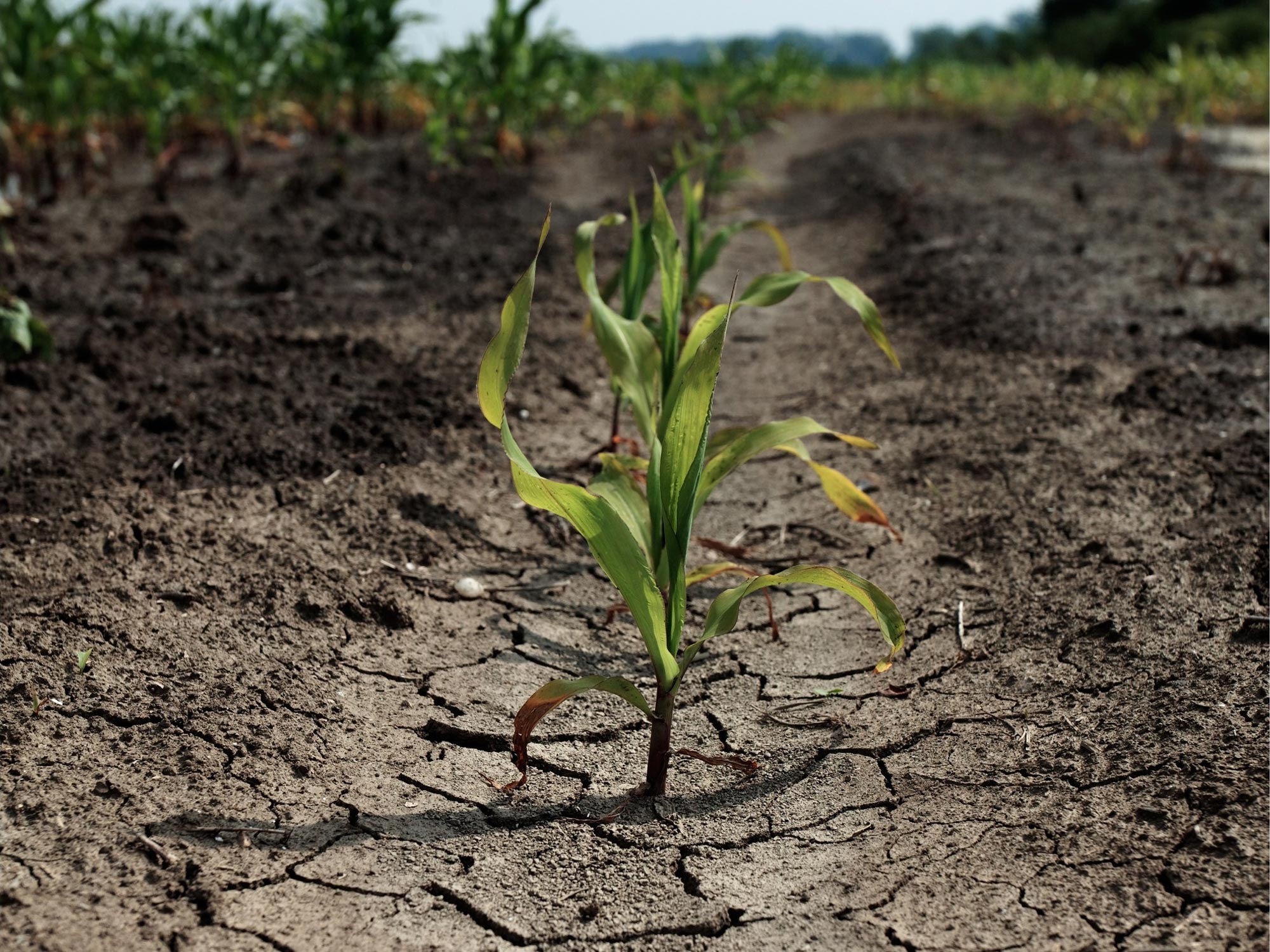
The City Government of Tacloban has intensified its preparations and mitigation measures as the threat of a possible Super El Niño continues to loom over several parts of the country, bringing concerns over prolonged dry spells, water shortages, and impacts on agriculture and public health.
26.05.2026
India - Punjab Govt Deploys 500 Teams for Special Girdawari as Rains Damage Wheat
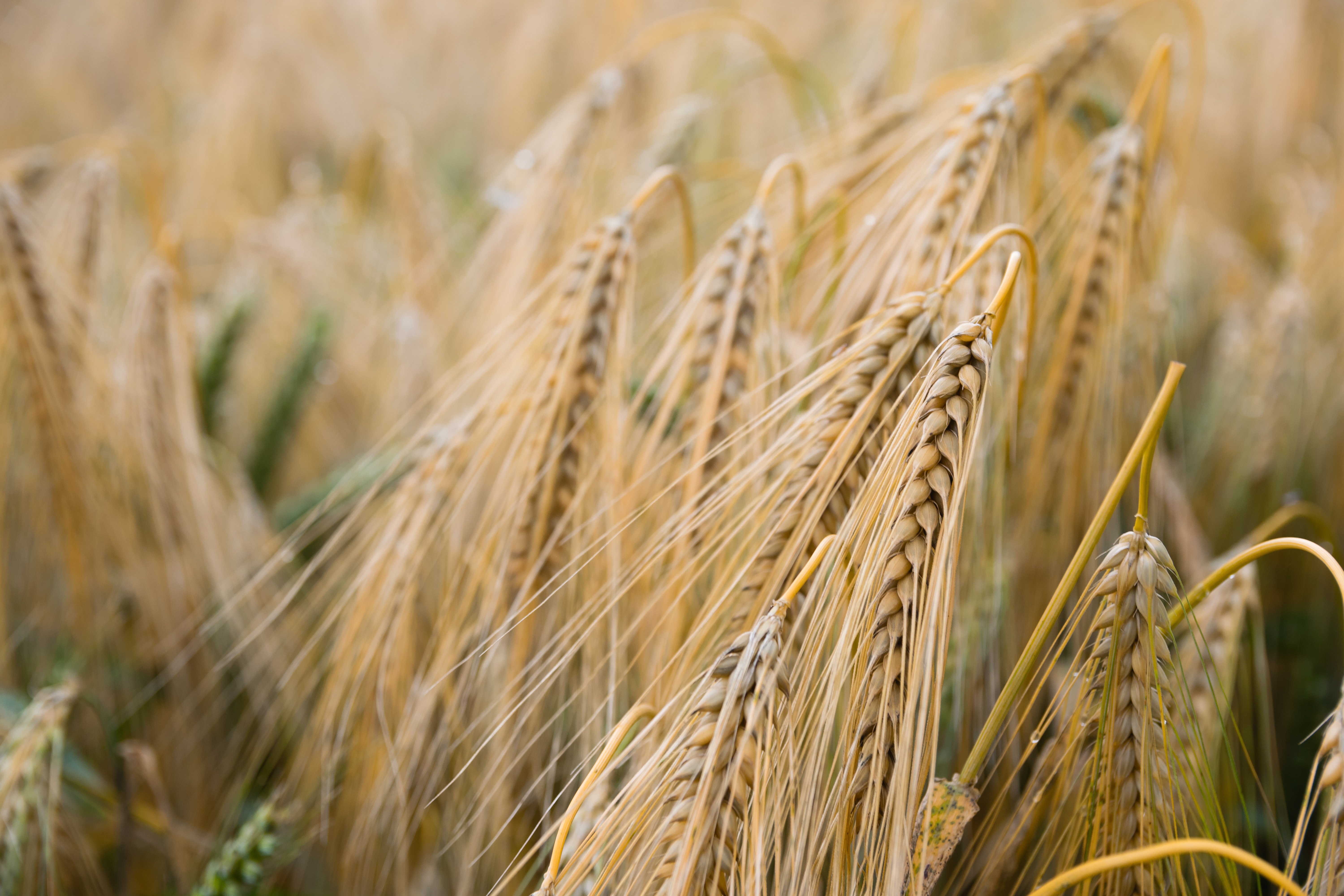
In Punjab, to calculate the damage done to the standing crops in the fields due to the inclement weather for the last many days, the state government has formed teams of 500 officials from the agriculture department to assess losses.
26.05.2026
Brazil - Agricultural insurance plummets in Paraná, putting the sector at risk.
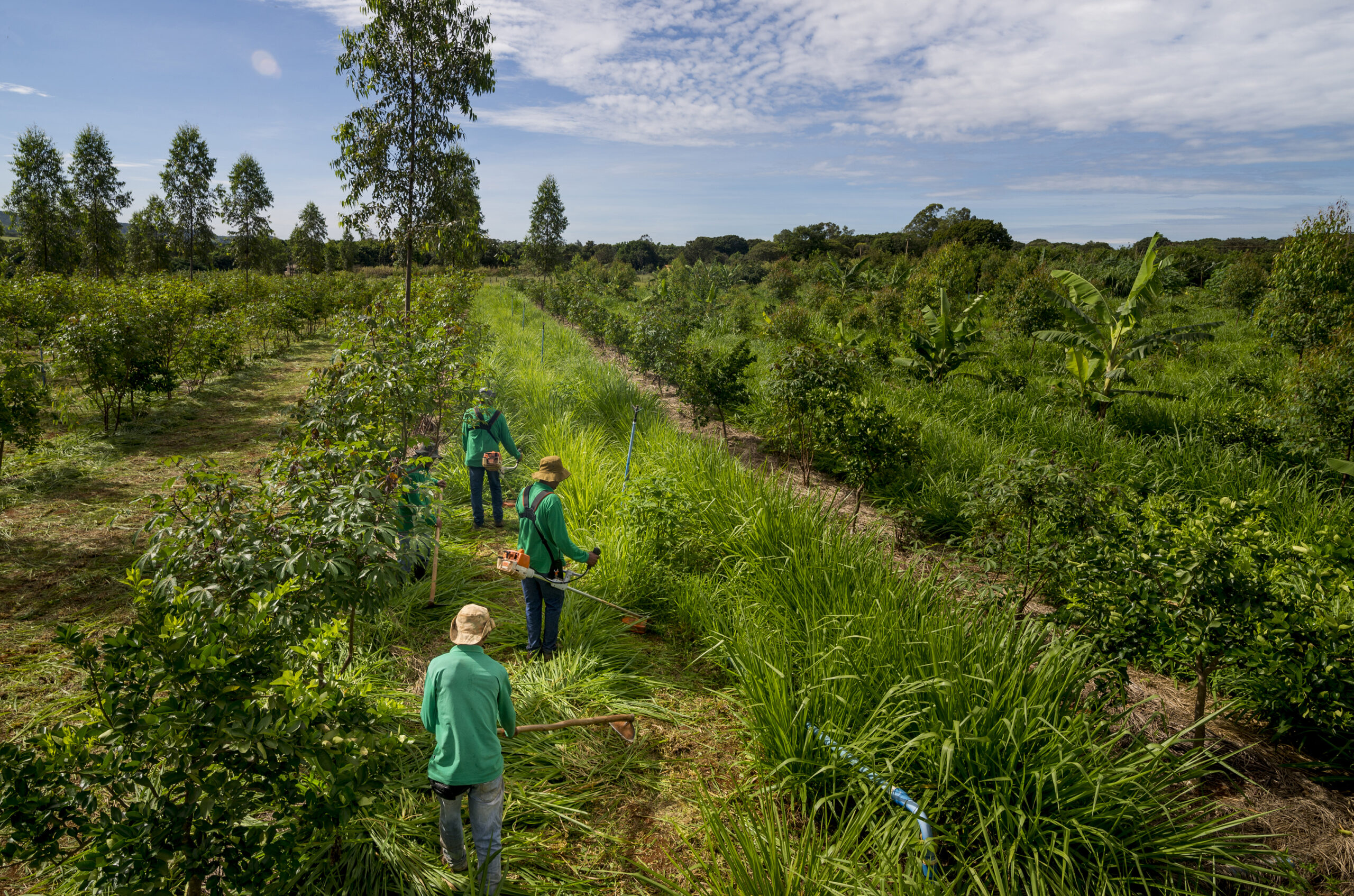
Cevio Alberto Mengarda, a soybean and corn producer in Marechal Cândido Rondon, in the western region of Paraná, followed in his father's footsteps in agriculture and today manages the family property.
25.05.2026
Algeria - CASH Assurances to diversify into agriculture insurance
CASH Assurances will launch agriculture insurance plans in June 2026, as part of its diversification strategy.
25.05.2026
U.S. specialty crop growers push for stronger Farm Bill support
Specialty crop growers in the U.S. are calling for stronger support measures in the 2026 Farm Bill, particularly around risk management, market access, and crop insurance.
