The concept of minimizing risk and financial loss by purchasing insurance is not a new or radical one. People have been doing it for centuries to guard against the financial pain that results from an accident or loss.
Americans are most familiar with health, auto, home, and life insurance, because most Americans have experience with these policies.
And most Americans understand basic insurance concepts and terms. For example, working through an agent to purchase a policy that is backed, or underwritten, by a private company; paying a bill, or premium, for that protection that is calculated based on your unique condition; shouldering some form of a loss, or deductible, before insurance kicks in; and receiving reimbursement, or an indemnity, only after the loss is verified by a trained claims adjuster.
Despite what the critics would have you believe, crop insurance operates similarly to these other types of insurance, and it is based on the the same philosophies and business principles.
- Agents help customers choose the appropriate policy for their needs, and then a company underwrites it. There are 12,000 crop insurance agents who helped farmers purchase 1.2 million policies from 18 insurance companies in 2015.
- Premiums are paid every year for coverage. For farmers, that means cumulatively paying more than $4 billion out of pocket each year.
- A deductible must be met before an indemnity is paid to help restore the condition that existed prior to the loss. On average, farmers must lose roughly 30 percent of the value of their crop before their insurance takes over.
- Claims must be verified and adjusted before they are paid out. With crop insurance, that job falls to roughly 5,000 claims adjusters tasked with understanding crop conditions on more than 298 million acres nationally.
Of course, the parallels are not perfect because agriculture is a unique kind of business that suffers unique kinds of losses. Unlike other insurance lines, agricultural losses tend to be geographically targeted and severe.
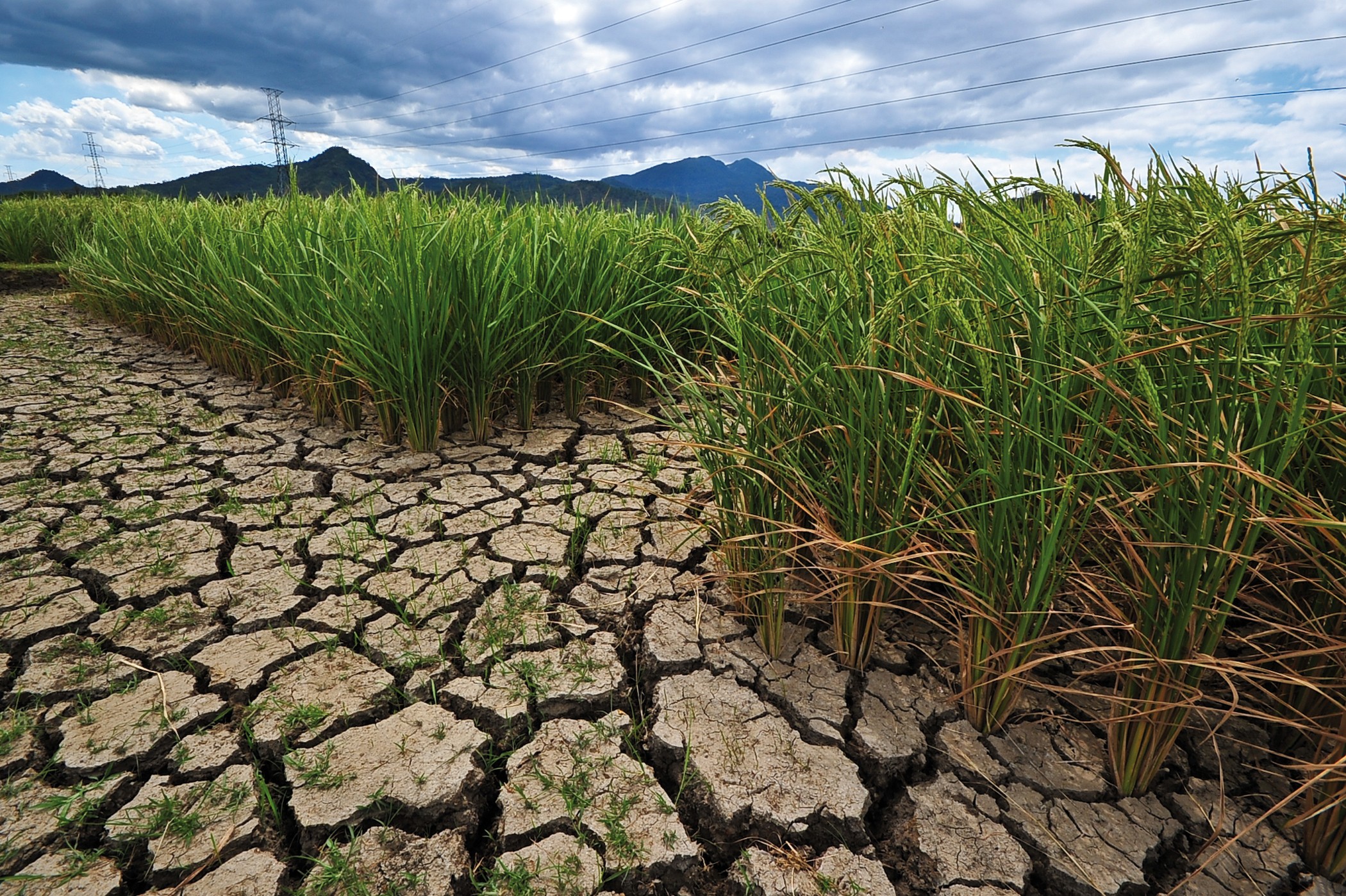
There is no chance that every car in a city will be simultaneously totaled, or that every person in a state will need medical help at the same time, or that every home in town will need a new foundation on the same day. But a single flood, storm, or drought can cause a catastrophic loss for every farming operation in a county or region, and that makes it much harder to insure.
In addition, the likelihood of a hurricane hitting Florida farmland or a drought wilting Texas crops is statistically much greater than triggering a disability or life insurance claim.
Because of this higher risk, the concentration of losses, and the likelihood for wide-scale disaster, crop insurance policies would be cost prohibitive and very limited without some government incentive.
Thus, America has a crop insurance system based on a public-private partnership between private insurance providers and the U.S. Department of Agriculture – a system that after decades of refinements and investments has ascended to become the cornerstone of modern-day farm policy.
Source - cropinsuranceinamerica.org