


USA - Insuring Sunflower in 2016
08.02.2016 474 views
Who needs crop insurance? Would you ever think of going without crop insurance to help cover your risk? I don’t think so, because one bad year could have devastating financial consequences. You are not alone; crop insurance is purchased by most agricultural producers, to protect themselves against either the loss of their crops due to natural disasters, or the loss of revenue due to declines in the prices of agricultural commodities. Having crop insurance probably allows you to sleep better at night knowing you have some protection from the factors outside of your control like volatile markets and Mother Nature.
Crop insurance for sunflower is available in 306 counties across the Dakotas, Minnesota, Texas, Oklahoma, Kansas, Nebraska, Montana, Wyoming and Colorado. (One new county was added for 2016: Nebraska’s Nuckolls County.) If crop insurance for sunflower is not available in your county, have your crop insurance agent check into obtaining a written agreement at the USDA Risk Management Agency (RMA) regional office that covers your state. RMA has 10 regional offices in various locations across the country that you may contact for details specific to your area using this link: www.rma.usda.gov.
A written agreement is a document designed to provide crop insurance for insurable crops when coverage or rates are unavailable in a particular county.
When insuring sunflower, you have three choices: Yield Protection, Revenue Protection or Revenue Protection with Harvest Price Exclusion. The “Basic Provisions” are the same for all crops and all policies, making paperwork much simpler to digest. Revenue and yield policies have the same (minimum) starting price, and are based on December soyoil prices traded on the Chicago Board of Trade during February and October. If you are interested in following spring and fall price information for all crops covered by crop insurance use this link:prodwebnlb.rma.usda.gov then click on ‘Your Price’ or ‘Many Prices.’ It will allow you to see how prices are tracking.
What’s New for 2016?
Well, there are a few things of which you should be aware. First, 2016 crop insurance guarantees will likely be about the same as last year. This suggests that crop insurance guarantees will once again be lower per acre and downside revenue risk will be greater in 2016 as compared to just a few years ago. In some cases, revenue guarantees for crop insurance products will be below total costs of production, depending on your individual circumstances.
Here are some things you should consider when sitting down with your local crop insurance agent to make decisions on how to insure this year’s crop.
Updated Transitional Yields (T-yields)
RMA reviewed T-yields for sunflower for the 2016 crop year. T-yields, on average, have increased. County policy data show T-yields for oils still tend to be higher, on average, than confection T-yields. However, confection T-yields are increasing and have reduced the gap between oil and confection T-yields.
The specific county changes can be found on the RMA Information Browser.
Supplemental Coverage Option (SCO)
The Supplemental Coverage Option (SCO) will be available to sunflower producers in most counties for the first time in 2016. SCO is an area-based policy endorsement that can be purchased to supplement an underlying crop insurance policy. It covers a portion of losses not covered by the underlying policy.
SCO will be available on a county-wide level or on the basis of a larger area in counties that lack sufficient data. SCO indemnities will be triggered if losses in the area exceed 14% of expected levels, with SCO coverage not to exceed the difference between 86% and the coverage level selected by the producer for the underlying policy.
This link has an interactive map that allows you to see which counties have SCO for 2016.
Trend-Adjusted APH
This is not something new for 2016, but it is something you may want to consider if you farm in a county that offers this option. Many producers felt the 10-year average Actual Production History (APH) yields used to determine their crop insurance guarantees did not accurately reflect their current yield potential, due to improved crop genetics and cultural practices that have been introduced in recent years. Moreover, farms with the maximum 10 years of yield history were penalized compared to farms with fewer years.
“With this in mind the National Sunflower Association urged RMA to include Trend-Adjusted APH for sunflower to address this concern,” states Art Ridl, Dickinson, N.D., sunflower producer and NSA president. “No new counties were added for 2016. However, the NSA plans to continue to work with RMA to get all counties in all states that have sunflower crop insurance coverage to offer Trend-Adjusted APH in future years.”
So how does Trend-Adjusted APH work? Basically, a trend adjustment factor is estimated for each crop and county. This factor is equal to the estimated annual increase in yield and is based on county average yields, as determined by the USDA National Agricultural Statistics Service (NASS) each year. Each yield reported in the individual insurance unit’s APH history is adjusted upward by the trend adjustment factor, times the number of years that have passed since the yield was recorded.
Trend-Adjusted APH will give you some options when buying crop insurance in 2016. If the same percent guarantee is chosen, the dollar value of coverage will be increased and the premium you pay will be slightly higher. As an alternative, you can elect a lower percent guarantee for approximately the same dollars of coverage. The total premium would be the same as before, but your share of the premium would be smaller because the percent subsidy from the USDA is higher for lower-percent guarantee levels.
The Trend-Adjusted APH is available for either yield protection or revenue protection policies, at all levels of guarantee except catastrophic (CAT) coverage (50% yield guarantee). The Trend-Adjusted APH election must be made by the insured producer by the sales closing date each year, which is March 15 for sunflower in the eligible counties. Counties that are eligible for Trend-Adjusted APH are shown in the table on the next page.
Actual Production History Yield Exclusion (YE)
Under this program, yields can be excluded from your APH when the county average yield for that crop year is at least 50% below the 10 previous consecutive crop years' average yield. The YE allows eligible producers who have been hit with severe weather, including drought to receive a higher approved yield on their insurance policies through the federal crop insurance program. “APH yield exclusion is extremely important because of the effect drought has had on the High Plains region,” says Leon Zimbelman, Keenesburg, Colo., sunflower producer and NSA board member. “The APH exclusion is something all sunflower producers in every state should check out with their crop insurance agent to see if it can benefit their operation and enhance risk coverage,” he adds.
For 2016, YE is available in 245 counties that have at least one year eligible to be excluded. Click here for an interactive map showing which counties have YE.
Whole-Farm Revenue Protection (WFRP)
Sunflower producers may also choose to insure the revenue for all commodities on the farm, both crops and livestock, under one Whole-Farm Revenue Protection (WFRP) insurance policy. WFRP is available in all counties across the U.S. and offers coverage levels from 50 to 85%. This policy provides replant coverage for annual crops and can be purchased along with a Revenue or Yield policy. WFRP offers premium rate discounts for diversified farms, and whole-farm premium subsidy is provided for farms that meet the diversification requirements of two or more commodities.
Information about WFRP can be found at: www.rma.usda.gov/policies.
The National Sunflower Association offers maps of final planting dates for the Dakotas, Minnesota, Texas, Oklahoma, Kansas, Nebraska, Montana, Wyoming and Colorado. The maps can be found on the NSA website:www.sunflowernsa.com. Go to the “growers” link, then “Crop Insurance Planting Maps.”
The final planting date as listed on these maps is the last day that you can plant the crop and still get full coverage. After this date, the coverage is reduced by 1% per day. The actual final date that RMA allows the crop to be planted with reduced coverage is anywhere from 20 to 25 days after the date listed on the NSA maps, depending on the county.
When formulating your crop insurance plan for 2016 you’ll have to crunch the numbers to see what the best risk management plan for your operation is, given current prices. The best advice is to sit down with your local crop insurance agent. Your agent can describe the different insurance products available, as well as the policy rates and terms. He or she will help you choose the best coverage for your crop based on your particular farm operation and your risk management and budgetary needs.
EVENTS

ScaleAgData Stakeholder Engagement Event
22.10.2024The ScaleAgData project is pleased to invite you to our second stakeholder event. Building on the discussions and connections formed during our first webinar, this event will focus on fostering collaboration among stakeholders, providing updates on our project’s progress, and outlining future opportunities for engagement.
RISK EVENTS

Moldova - May frosts caused heavy damage to fruit orchards
10.05.2026The first frosty nights of May have significantly worsened estimates of damage to Moldova's fruit sector from spring frosts. According to initial assessments by fruit market operators, between a quarter and a third of the country's total orchard area was seriously affected.
26.05.2026
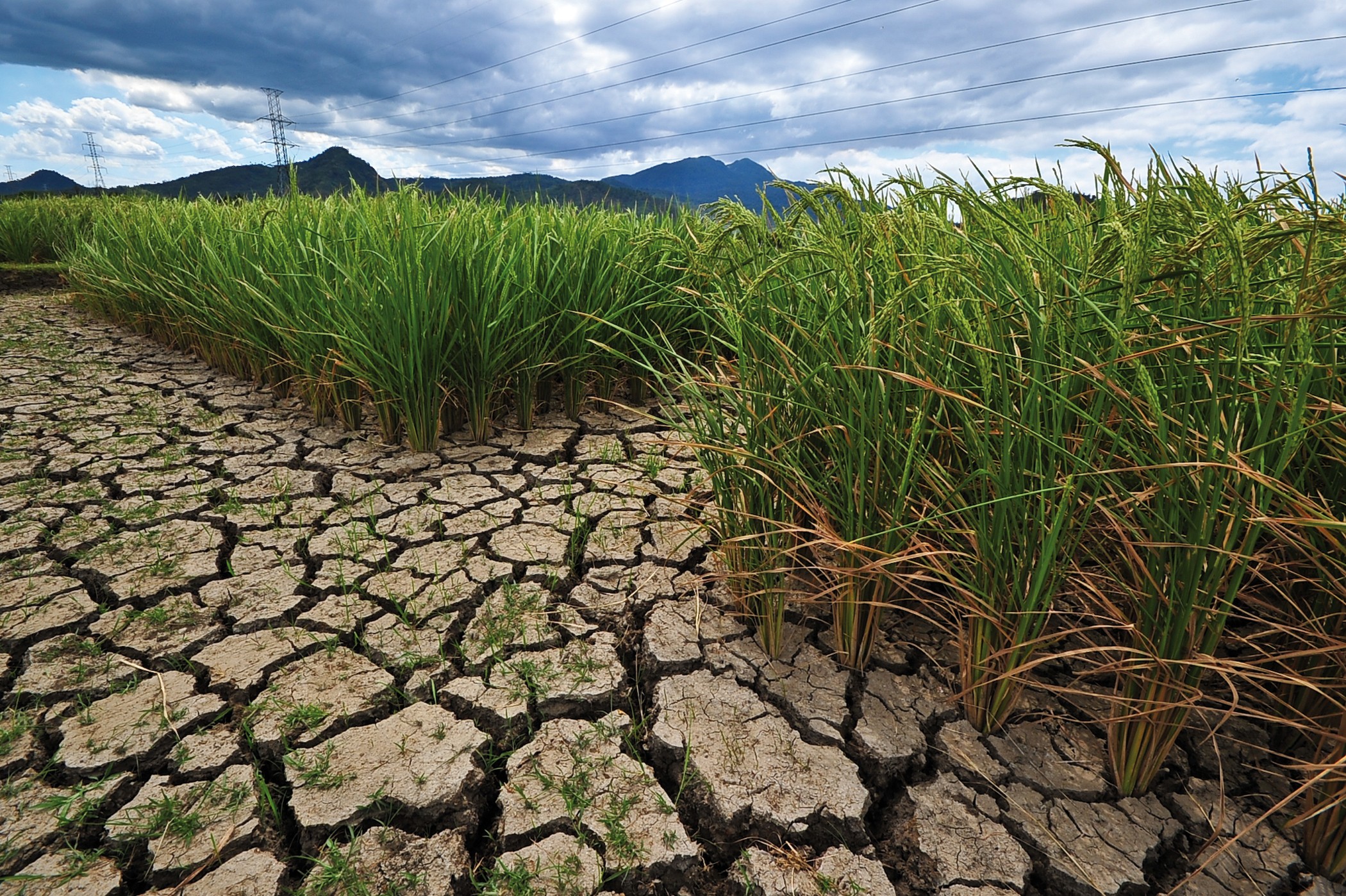
“Timac Agro Ukraine” launches crop insurance against drought
Timac Agro Ukraine, in collaboration with the insurance company PZU, has launched a crop insurance program against drought for farmers in five regions of Ukraine.
26.05.2026

Hansen announces "dialogue with the EIB on new agricultural insurance models"
Integrated European framework for climate resilience 'is on the way'.
26.05.2026
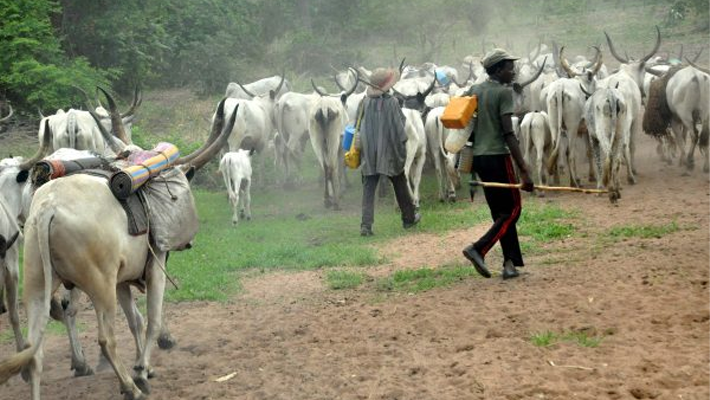
Nigeria - Oyo Steps up Enforcement Against Illegal Livestock Trading, Open Grazing
The Oyo State Government has stepped up enforcement against illegal livestock trading and open grazing, arresting offenders and impounding animals in parts of Ibadan during a fresh compliance operation.
26.05.2026
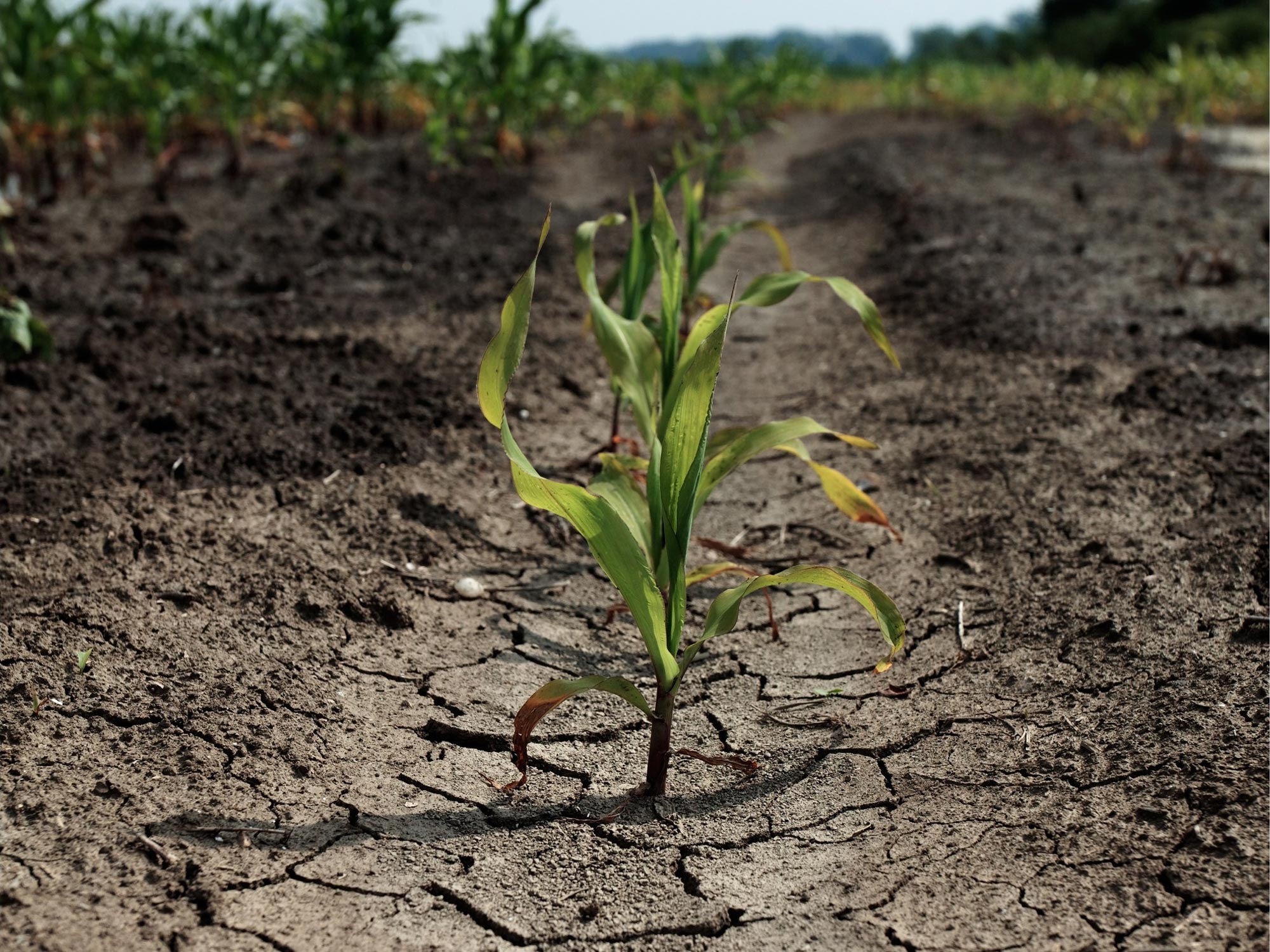
Philippines - Tacloban braces agri, health mitigation measures amid looming super El Niǹo
The City Government of Tacloban has intensified its preparations and mitigation measures as the threat of a possible Super El Niño continues to loom over several parts of the country, bringing concerns over prolonged dry spells, water shortages, and impacts on agriculture and public health.
26.05.2026
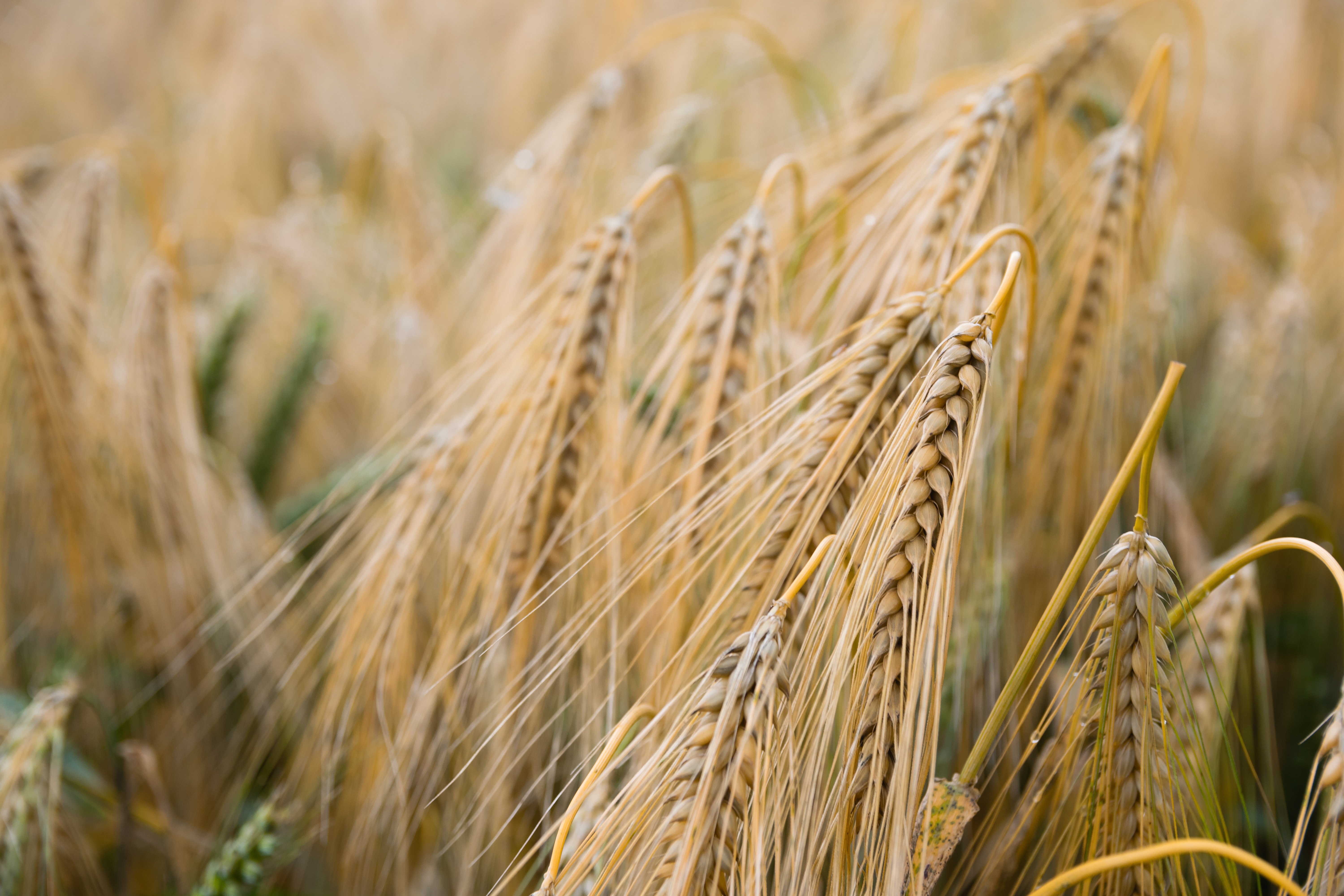
India - Punjab Govt Deploys 500 Teams for Special Girdawari as Rains Damage Wheat
In Punjab, to calculate the damage done to the standing crops in the fields due to the inclement weather for the last many days, the state government has formed teams of 500 officials from the agriculture department to assess losses.
26.05.2026
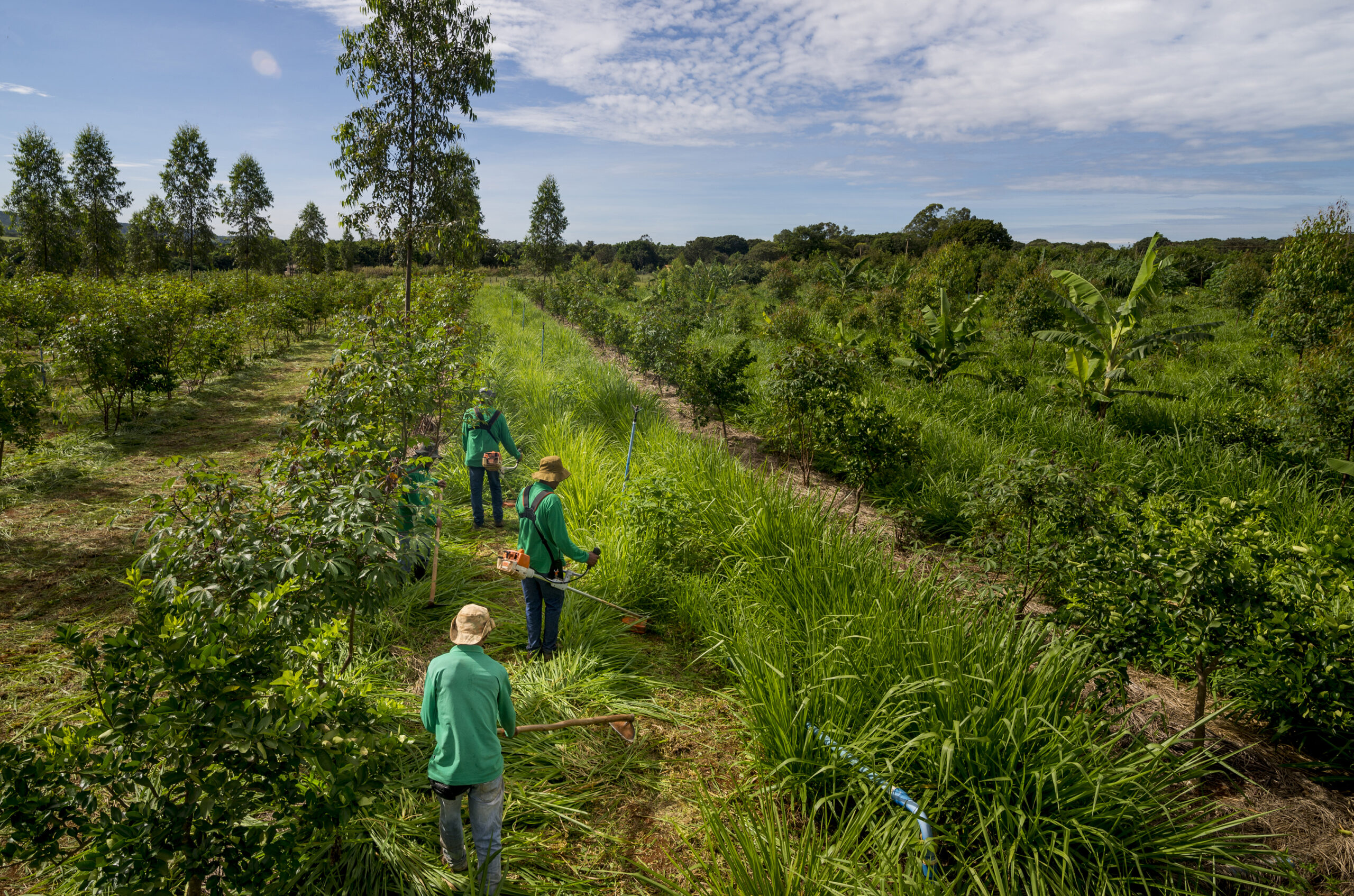
Brazil - Agricultural insurance plummets in Paraná, putting the sector at risk.
Cevio Alberto Mengarda, a soybean and corn producer in Marechal Cândido Rondon, in the western region of Paraná, followed in his father's footsteps in agriculture and today manages the family property.
25.05.2026
Algeria - CASH Assurances to diversify into agriculture insurance
CASH Assurances will launch agriculture insurance plans in June 2026, as part of its diversification strategy.
25.05.2026

U.S. specialty crop growers push for stronger Farm Bill support
Specialty crop growers in the U.S. are calling for stronger support measures in the 2026 Farm Bill, particularly around risk management, market access, and crop insurance.
