

USA - Obama budget cuts crop insurance, funds summer meal program
11.02.2016 439 views
Funding for a nationwide initiative to feed poor kids during the summer and cuts to the crop insurance program are included in President Barack Obama's proposed fiscal 2017 budget, released today.
“The budget includes proposals for USDA's crop insurance program that would incentivize farmers to choose production practices that minimize climate-change impacts, discourage farming on environmentally sensitive lands and highly erodible soils, and enhance resiliency in the future through soil protection,” according to the text of the budget proposal. “These include reducing the farmers' subsidy by 10 percentage points for harvest price revenue coverage and reforming coverage for prevented planting.”
In a more detailed explanation, a USDA fact sheet says the budget contains two proposals to reform the crop insurance program: “The first would reduce subsidies for revenue insurance policies that insure the price at the time of harvest. The second would reform prevented planting coverage, including removing optional buy-up coverage. These proposals will modify the structure of the crop insurance program so that it is less costly to the taxpayer, yet still provides a safety net for farmers. Collectively, these proposals are expected to save $18 billion over 10 years,” including $1.26 billion in FY 2017 alone, according to the fact sheet.
In December, Congress rejected an attempt to cut the crop insurance program by $3 billion over two years.
Senate Agriculture Committee Chairman Pat Roberts, R-Kan., called the budget proposal “dead on arrival.”
“As farmers and ranchers are faced with the daily uncertainties of weather and volatile market conditions, the Obama Administration has once again chosen to attack America's agriculture producers and their ability to manage risk,” he said in a statement. “The president is hitting rural America where it hurts most,” at a time when USDA estimates that farm income has fallen 56 percent in the past three years.
Roberts added that “farm country is tired of overzealous regulations and persistent attacks on rural America. While the budget proposals are essentially dead on arrival, we must hold USDA and the administration accountable for their actions and be vigilant in protecting the interests of our hardworking farmers, ranchers, and business owners in rural America.”
The summer feeding program would be funded at $12 billion over 10 years. The goal is to “ensure all children have consistent and adequate access to nutritious food year round by proposing a permanent, nationwide expansion of the Summer Electronic Benefits Transfer for Children (Summer EBT) program. This program will provide families with children eligible for free and reduced price school meals access to additional food benefits during the summer.”
The budget also would boost funding for agricultural research in three areas:
$700 million for grants through USDA's Agriculture and Food Research Initiative (AFRI), including $325 million in mandatory funding, double the 2016 funding level. “AFRI-supported research would enable USDA to respond to critical problems and challenges facing the nation such as ensuring an abundant supply of safe water for agricultural uses, responding to climate change, understanding and restoring soil health, and improving food safety and quality.”
$1.2 billion for “in-house research” at the Agricultural Research Service, which includes increases for current and new programs for climate change resilience and vulnerability, pollinator health, agricultural microbiomes, responding to antimicrobial resistance, as well as research on foreign animal diseases, soil health, avian influenza, and for safe and abundant water supplies to support agricultural production.”
$94.5 million for “construction and renovation of key infrastructure investments based on USDA's facility modernization plan.” USDA said the proposal would fund: “modernization of the Foreign Disease - Weed Science Research Laboratory, where scientists research foreign plant pathogens that pose a potential threat to American agriculture.” Improvements also would be made to the Agricultural Research Technology Center, where research is conducted on alternatives to methyl bromide as a soil fumigant for control of soil-borne pests. “The research also develops scientifically based organic crop production practices and methods for weed, insect, and disease control.
Specifically, USDA would receive $61 million, “an increase of about $35 million, to address antimicrobial resistance in pathogens of humans and livestock, and to seek answers to key questions about the relationships among microbes and livestock, the environment, and human health,” the department said.
The budget would change the way wildland fire management is conducted. It “funds suppression for the most severe fire activity, including large fires that require emergency response, are near urban areas, or are for abnormally active fire seasons, as extraordinary costs that are outside the discretionary budget caps,” USDA said. “The budget recognizes such fires as natural disasters. Importantly, because this funding would not allow the total funding available under existing cap adjustments to grow, it would not increase overall discretionary spending.”
The budget proposes a $25 million increase in competitive research funding to support development of biobased energy sources, USDA said. It also contains $450 million for the Rural Energy for America Program to help farmers and rural small businesses develop renewable energy systems and make energy efficiency improvements using loans and grants. The budget also would provide $6.5 billion in loans to rural electric cooperatives and utilities to support the “transition to clean-energy and increased energy efficiency,” USDA said.
Source - agri-pulse.com
EVENTS

ScaleAgData Stakeholder Engagement Event
22.10.2024The ScaleAgData project is pleased to invite you to our second stakeholder event. Building on the discussions and connections formed during our first webinar, this event will focus on fostering collaboration among stakeholders, providing updates on our project’s progress, and outlining future opportunities for engagement.
RISK EVENTS

Moldova - May frosts caused heavy damage to fruit orchards
10.05.2026The first frosty nights of May have significantly worsened estimates of damage to Moldova's fruit sector from spring frosts. According to initial assessments by fruit market operators, between a quarter and a third of the country's total orchard area was seriously affected.
26.05.2026
“Timac Agro Ukraine” launches crop insurance against drought
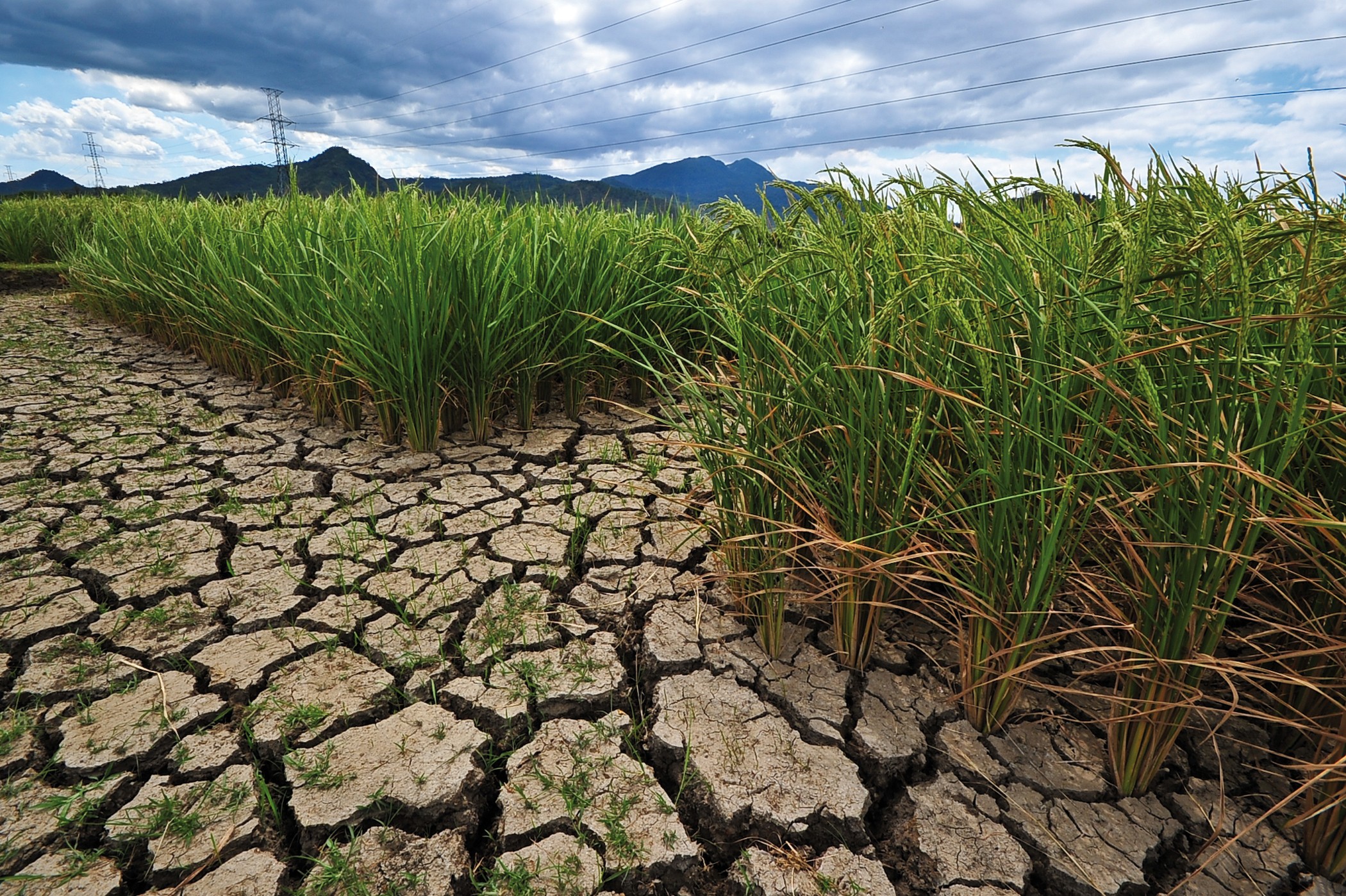
Timac Agro Ukraine, in collaboration with the insurance company PZU, has launched a crop insurance program against drought for farmers in five regions of Ukraine.
26.05.2026
Hansen announces "dialogue with the EIB on new agricultural insurance models"
Integrated European framework for climate resilience 'is on the way'.
26.05.2026
Nigeria - Oyo Steps up Enforcement Against Illegal Livestock Trading, Open Grazing
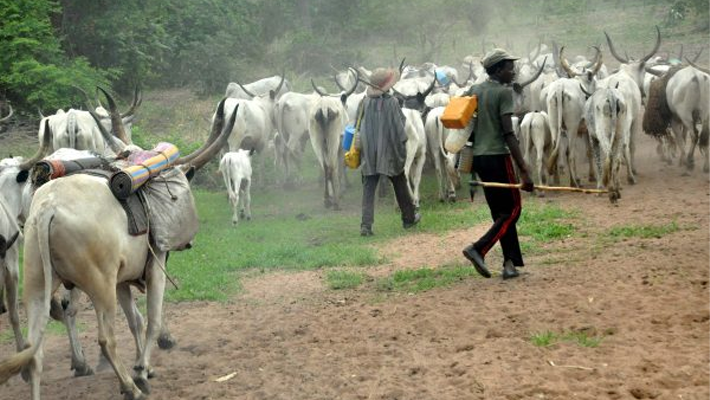
The Oyo State Government has stepped up enforcement against illegal livestock trading and open grazing, arresting offenders and impounding animals in parts of Ibadan during a fresh compliance operation.
26.05.2026
Philippines - Tacloban braces agri, health mitigation measures amid looming super El Niǹo
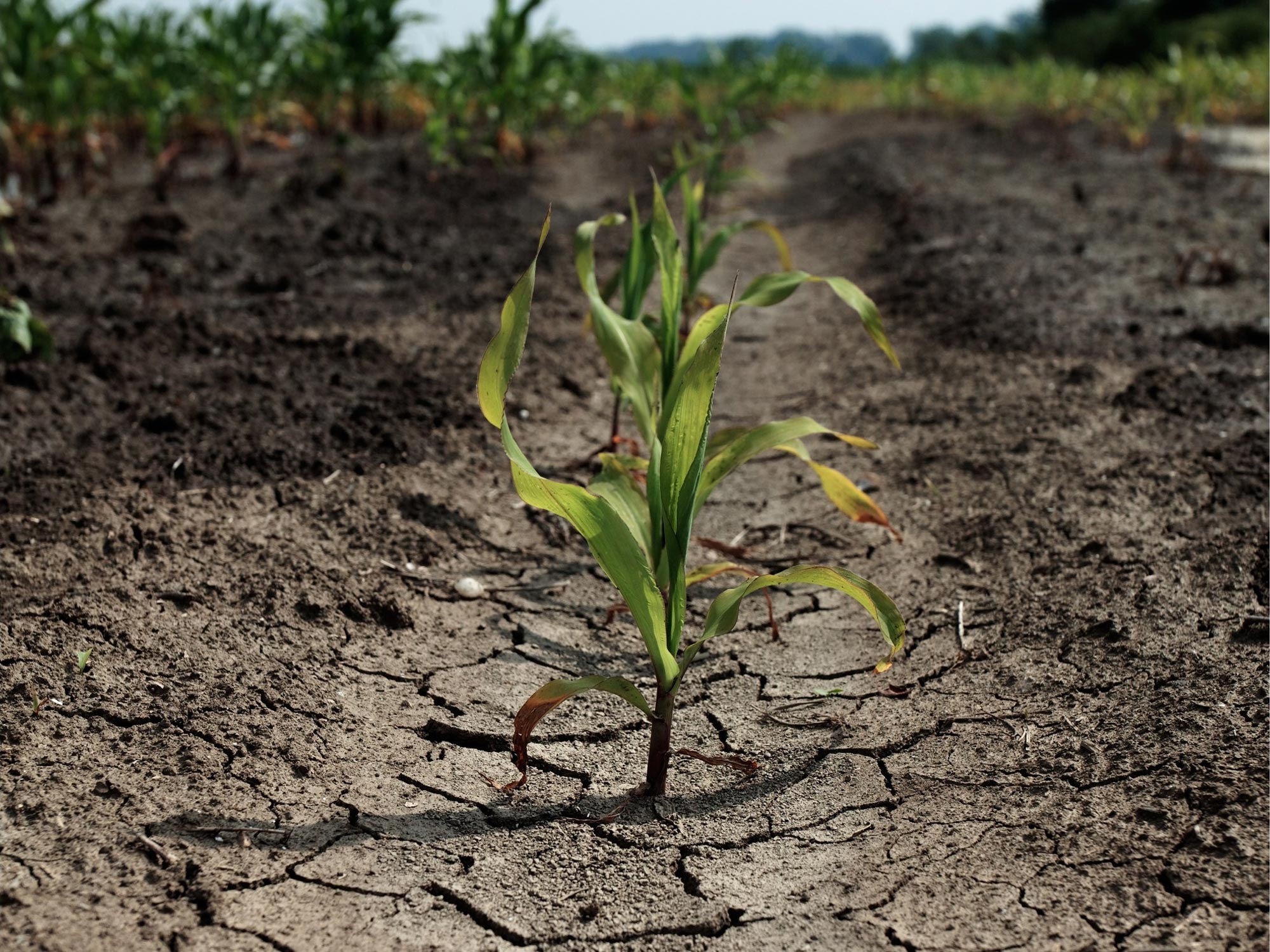
The City Government of Tacloban has intensified its preparations and mitigation measures as the threat of a possible Super El Niño continues to loom over several parts of the country, bringing concerns over prolonged dry spells, water shortages, and impacts on agriculture and public health.
26.05.2026
India - Punjab Govt Deploys 500 Teams for Special Girdawari as Rains Damage Wheat
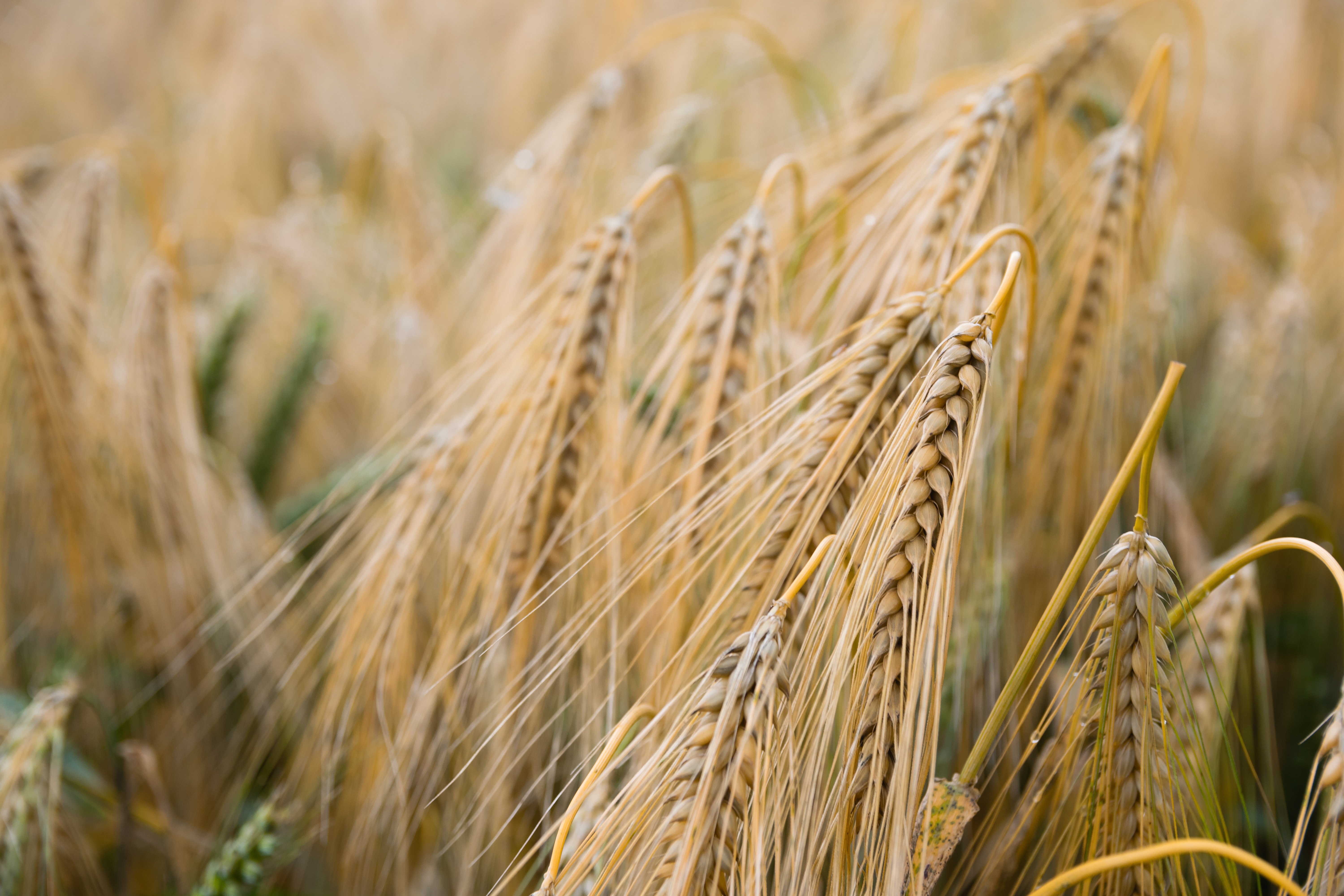
In Punjab, to calculate the damage done to the standing crops in the fields due to the inclement weather for the last many days, the state government has formed teams of 500 officials from the agriculture department to assess losses.
26.05.2026
Brazil - Agricultural insurance plummets in Paraná, putting the sector at risk.
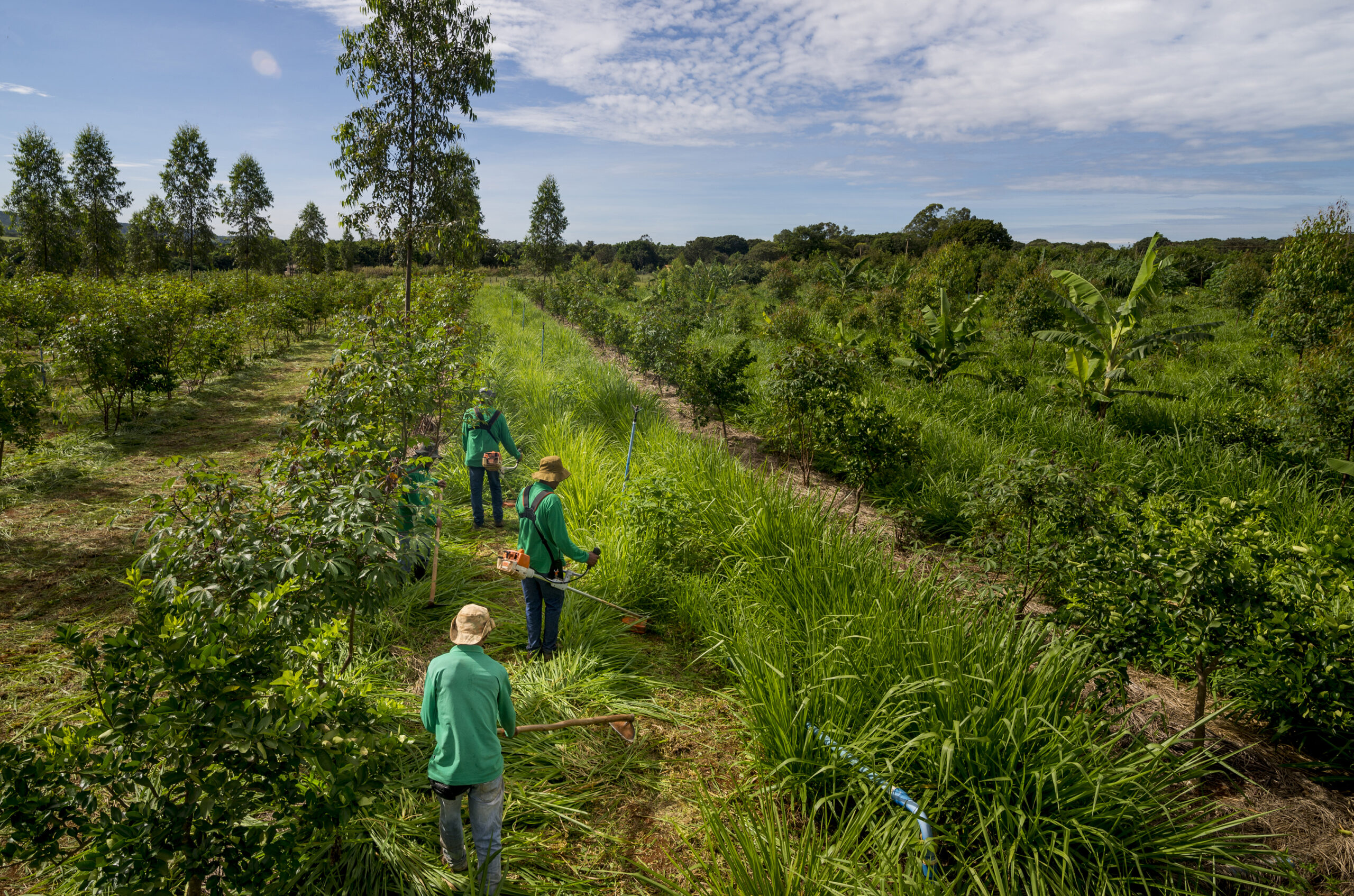
Cevio Alberto Mengarda, a soybean and corn producer in Marechal Cândido Rondon, in the western region of Paraná, followed in his father's footsteps in agriculture and today manages the family property.
25.05.2026
Algeria - CASH Assurances to diversify into agriculture insurance
CASH Assurances will launch agriculture insurance plans in June 2026, as part of its diversification strategy.
25.05.2026
U.S. specialty crop growers push for stronger Farm Bill support
Specialty crop growers in the U.S. are calling for stronger support measures in the 2026 Farm Bill, particularly around risk management, market access, and crop insurance.
