


USA - Persistent rain drowns fall crops in Anderson area
28.12.2015 323 views
Gray skies have cost Upstate farmers a lot of green in recent weeks.
As Anderson County received another soaking Thursday, its 47th rain event in the last 90 days, most fall crop growers had already given up on a harvest.
Those who were able to get fall crops out of the ground can't sell them.
At Denver Downs, Tom Garrison's fall corn crop, which he uses to provide winter feed for cattle and sell to other cattle farmers, fell victim to a weather pattern that has brought 26.6 inches of rain — and too little sunshine — to his fields in the last 12 weeks.
Another fall crop, soybean, was also a near-complete loss.
"Crops are laying in the field, and we can't get them out," Garrison said. "Our crops were not destroyed like those in the Midlands and Lowcountry, but they've deteriorated."
At least four consecutive sun-baked days are required for the soybeans or field corn to be dry enough for harvest. When those didn't arrive in October or November, Garrison simply gave up and planted his winter crop — wheat — in the same fields.
"If the crops are wet at this time of year, the days are shorter and the temperatures aren't high enough to dry them," Garrison said.
He had expected to harvest 100 acres of corn but harvested only 15. Instead of his typical 3,000 bushels of soybean, Garrison was able to glean only 300.
Rhett Dobbins of Townville, one of the area's largest soybean farmers, finished his harvest Monday — a full month later than normal — but knows it might have been in vain.
"We did finally get it all harvested, but the quality is so poor that we might not be able to sell it," Dobbins said Thursday. "The fields were so wet we couldn't harvest when we wanted to. And now it's too late to plant winter wheat. Actually, it's too late for that after Dec. 1."
Typically, soybean and corn are taken to area grinding facilities, where soybean is separated. Its oil is used for cooking/human consumption; the grain — such as the field corn — is used for poultry and cattle feed.
The largest crushing plant for Upstate growers is the Cargill facility in Gainesville, Georgia, which has closed its operation to local farmers because the soybeans moisture levels were too high — leaving Dobbins and many others with major losses.
To Clemson University Extension agent Andy Rollins, the scenario is familiar.
"The plants were already hurt by the drought in the summer," Rollins said, "and then the rain came along just before and during harvest time. Most farmers haven't been able to get the crops out of the ground. Some farmers just bush-hogged the whole field."
The losses are additionally frustrating, Rollins said, because Upstate crops were in unusually high demand after the October floods in the Midlands and Lowcountry.
"With so much of the downstate flooded, the Upstate crops could have been the most in the state," Rollins said.
Farmers who managed to get crops from the field found mildew to be a common problem with them, he said.
"It's not just the rain. We just had too many cloudy days," Rollins said. "We haven't had enough sun to get the ground dry."
The problem hurts Southeastern growers, Garrison said, because few are equipped to handle wet October fields.
"Very few farmers in this area have the equipment that allows you to cut wet crops and dry them later," he said.
Insurance will cover about 50 percent of Garrison's financial loss. It won't reduce any of the emotional sting.
"I enjoy farming, but it's frustrating when you put the time and effort into something and not get anything out of it," Garrison said. "A farmer doesn't get any money until he provides a product."
The paydays are also less encouraging in recent years. Three years ago, Garrison was getting about $15 a bushel for soybeans and $8 per bushel of corn.
Today, soybean is down to $8 a bushel. Corn is about $3.60.
"This why older farmers get tired of fighting the battle and quit," Garrison said. "For some, this might be the last straw."
In the Cheddar community in Anderson County, 83-year-old vegetable grower Willis Bannister was able to get broccoli, cabbage and collards out of the ground before the persistent rain pattern developed. He's concerned that the steady doses of rain will hurt the spring crop.
"If it slows up at about February, the ground should have enough time to drain. But if it's still this wet a few weeks from now, it will be a problem," Bannister said. "There's some light plowing I'd like to do now, but it's just too wet. The ground is not draining at all."
Anderson, which was well below its normal rainfall total in the first half of 2015, has now received more than 59 inches — 12 inches above normal.
The months of October and November, which typically receive a combined 7.8 inches of rain, received 17.5 inches this year.
The excessive rainfall and flood events have caused nearly $376 million in crop loss to South Carolina's farmers, state Agriculture Commissioner Hugh Weathers said earlier this week.
Besides the soybean crop, most of the state's fall cotton and peanut crops suffered near-complete destruction, Weathers said.
Source - http://www.independentmail.com
EVENTS

ScaleAgData Stakeholder Engagement Event
22.10.2024The ScaleAgData project is pleased to invite you to our second stakeholder event. Building on the discussions and connections formed during our first webinar, this event will focus on fostering collaboration among stakeholders, providing updates on our project’s progress, and outlining future opportunities for engagement.
RISK EVENTS

Moldova - May frosts caused heavy damage to fruit orchards
10.05.2026The first frosty nights of May have significantly worsened estimates of damage to Moldova's fruit sector from spring frosts. According to initial assessments by fruit market operators, between a quarter and a third of the country's total orchard area was seriously affected.
26.05.2026
“Timac Agro Ukraine” launches crop insurance against drought
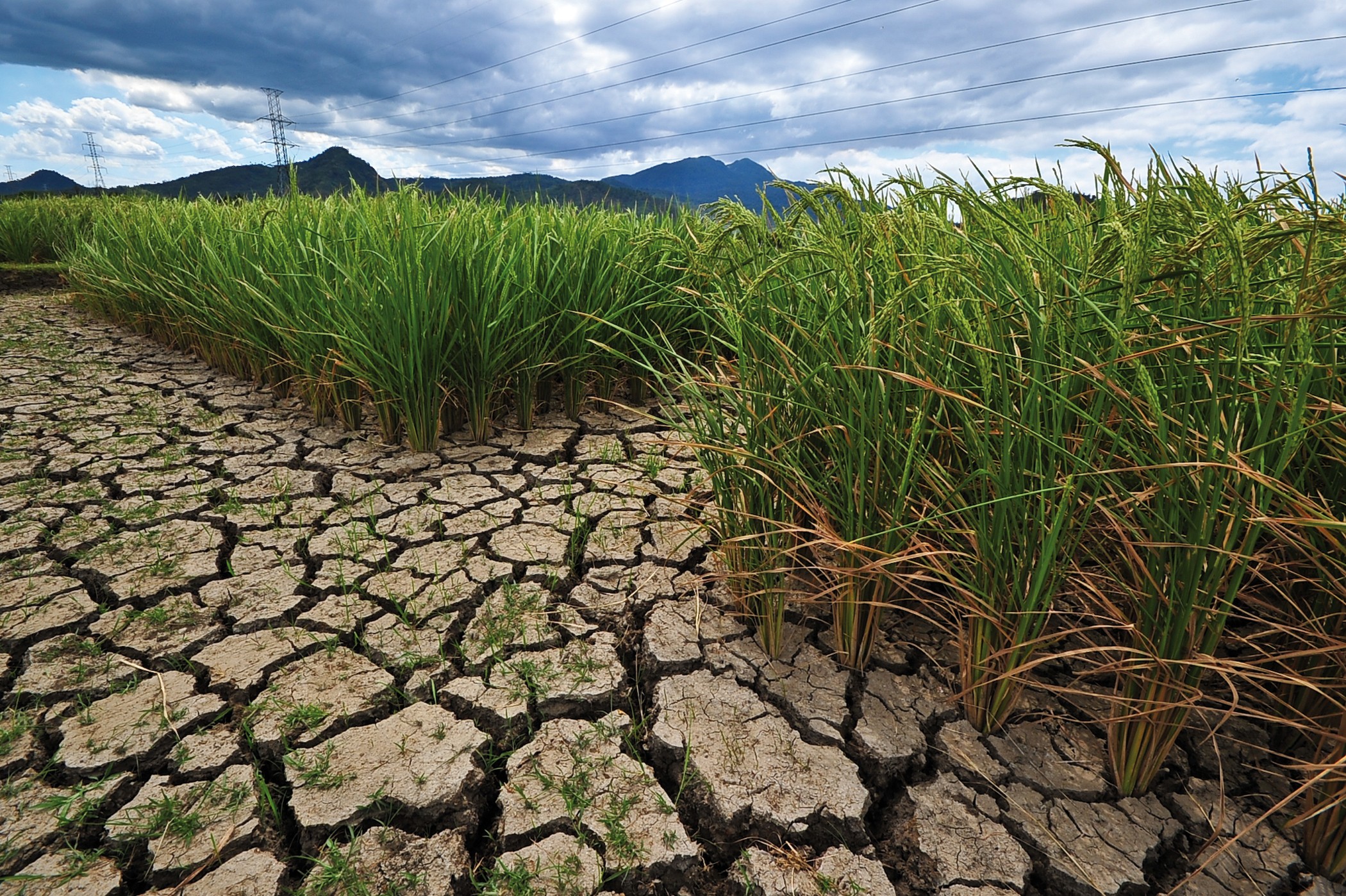
Timac Agro Ukraine, in collaboration with the insurance company PZU, has launched a crop insurance program against drought for farmers in five regions of Ukraine.
26.05.2026
Hansen announces "dialogue with the EIB on new agricultural insurance models"
Integrated European framework for climate resilience 'is on the way'.
26.05.2026
Nigeria - Oyo Steps up Enforcement Against Illegal Livestock Trading, Open Grazing
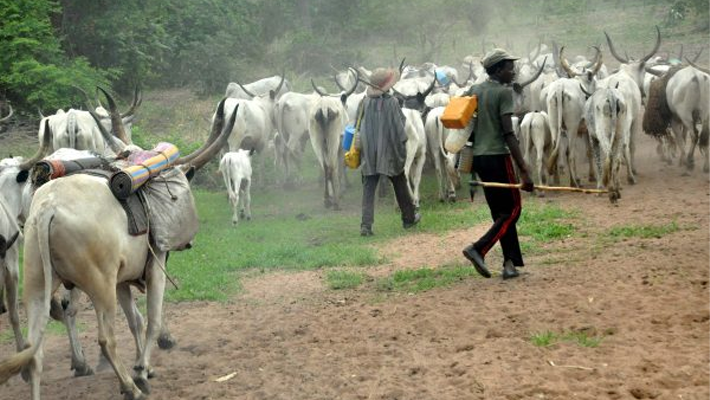
The Oyo State Government has stepped up enforcement against illegal livestock trading and open grazing, arresting offenders and impounding animals in parts of Ibadan during a fresh compliance operation.
26.05.2026
Philippines - Tacloban braces agri, health mitigation measures amid looming super El Niǹo
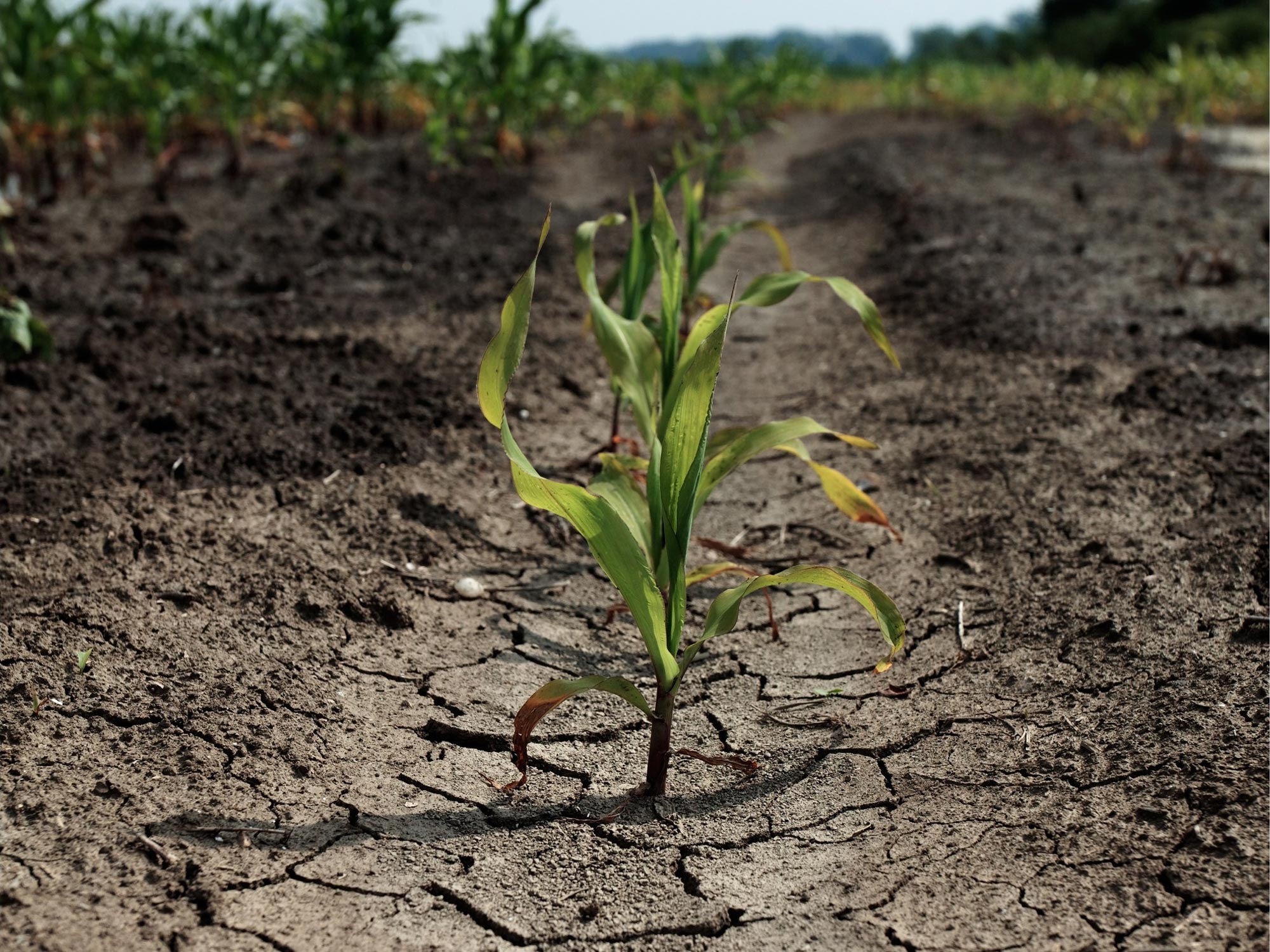
The City Government of Tacloban has intensified its preparations and mitigation measures as the threat of a possible Super El Niño continues to loom over several parts of the country, bringing concerns over prolonged dry spells, water shortages, and impacts on agriculture and public health.
26.05.2026
India - Punjab Govt Deploys 500 Teams for Special Girdawari as Rains Damage Wheat
In Punjab, to calculate the damage done to the standing crops in the fields due to the inclement weather for the last many days, the state government has formed teams of 500 officials from the agriculture department to assess losses.
26.05.2026
Brazil - Agricultural insurance plummets in Paraná, putting the sector at risk.
Cevio Alberto Mengarda, a soybean and corn producer in Marechal Cândido Rondon, in the western region of Paraná, followed in his father's footsteps in agriculture and today manages the family property.
25.05.2026
Algeria - CASH Assurances to diversify into agriculture insurance
CASH Assurances will launch agriculture insurance plans in June 2026, as part of its diversification strategy.
25.05.2026
U.S. specialty crop growers push for stronger Farm Bill support
Specialty crop growers in the U.S. are calling for stronger support measures in the 2026 Farm Bill, particularly around risk management, market access, and crop insurance.
