

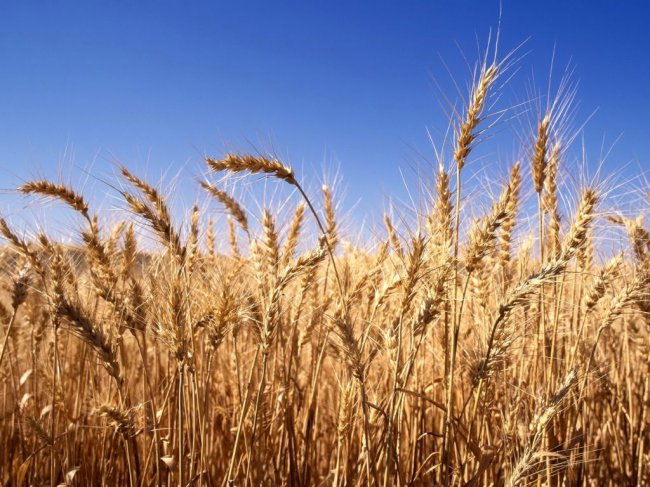
USA - Proposed cuts would chip away at crop insurance
02.12.2015 302 views
Crop insurance coverage is often critical for obtaining loans, conducting forward contracting arrangements and financing input purchases, routine business activities that are all likely to become much more difficult for farmers in the months ahead.
“We had a pretty good fall harvest and that offset some of the lower prices,” said Kansas State University ag economist Art Barnaby at a series of crop insurance workshops hosted by Kansas, Colorado, Nebraska and Oklahoma recently. “More likely the crunch will be tougher next year.”
Indeed, the agriculture sector is bracing for the toughest operating environment in at least a decade and doing it without the traditional farm support program originally designed to offer a buffer against extended periods of low commodity prices.
That’s why a recent congressional proposal intended to shave a few million more dollars from the crop insurance program by capping the government’s share of premiums and enforcing stiffer means testing on participants was quickly criticized by a diverse coalition of groups.
“There are more players here than you might initially think,” Barnaby said of the crop insurance coalition. “You have a bunch of people who have a dog in this fight.”
His list includes not just crop insurance underwriters and agents, but also ag lenders, commodity brokers, grain elevator managers, equipment dealers, some federal employees, rural main street merchants and more.
Capping the government’s share would shift more of the premium expense to farmers, who are already subject to high insurance rates in erratic weather regions like the Central Plains.
Meanwhile, eliminating premium subsidies for farmers with an adjusted gross income of more than $250,000 could affect farmers who operate on just a few thousand acres, Barnaby noted.
“Realistically, to be a full-time farmer requires 2,500 acres in a lot of areas. When you have $400,000 combines, full-time farmers farming a quarter-section is not realistic,” he said.
Legislation introduced as the “Assisting Family Farmers through Insurance Reform Act” would also cap insurance companies’ administrative and operating costs and eliminate the Harvest Price Option, a forward hedging-type mechanism that has been popular with farmers.
These cuts are being considered in addition to an original $3 billion cut included in the budget agreement earlier this fall that would have reduced the targeted rate of return for insurance providers from 14.5 percent to 8.9 percent. Ag leaders in Congress managed to broker an eleventh hour compromise to have it stripped out in the omnibus spending bill, but that process won’t be completed until later in December.
Currently there are about 17 approved crop insurance providers operating nationally, but not all are active in every state or region, Barnaby said.
“I personally think you are going to see consolidation of agents, because those commissions have already been cut,” he said. “I think we will see fewer of them out there, and consolidation of insurance providers, too.”
Insurance providers that are losing money might initially be slow to withdraw from the marketplace, creating a lag effect, but more of the impact could be felt over time, he said.
“Iowa won’t have a shortage of agents for the foreseeable future, but in more marginal areas — New Mexico, for example — it could become a problem,” Barnaby said.
Drought policies, particularly in the Plains states, could also become increasingly difficult to write, he added.
The long-term outcome might in some ways mirror what is already happening with the federal health insurance exchange created under the Affordable Care Act. As a lack of actuary soundness forces more providers to drop out of the system, options are becoming fewer and insurance premiums are jumping by double-digit percentages.
While support for maintaining the federal crop insurance program goes beyond the mainstream farm groups, it also has formidable foes that have relentlessly attacked it, among them budget hawk legislators in Congress and the Environmental Working Group.
While insurance protection is considered most essential to young or beginning farmers who carry the most debt exposure, the program’s impact on those same farmers has been questioned by some. According to the Nebraska-based Center for Rural Affairs, for example, subsidized crop insurance gets bid into land prices and rental rates, making it more difficult for small and beginning farmers to obtain access to farmland.
All of the criticism is somewhat confounding to Barnaby, who considers the public-private crop insurance model more workable than most government approaches.
“I personally think the crop insurance story has been a pretty good one,” he said.
For one thing, everyone knows the rules in advance with a crop insurance contract and can plan accordingly, as opposed to traditional farm supports that are subject to the whim of lawmakers. Taxpayers benefit from that certainty, too. Barnaby singled out a recent Farm Service Agency revision that allows farmers who farm in multiple counties to recalculate payments based on the physical location of each tract of their farm.
“The amount of money that goes into the commodity title (of the Farm Bill) will go up as a result,” Barnaby observed. “You can’t do that with a crop insurance contract. You can’t change the rules after the fact just because it’s politically popular.”
Source - http://www.agjournalonline.com
EVENTS

ScaleAgData Stakeholder Engagement Event
22.10.2024The ScaleAgData project is pleased to invite you to our second stakeholder event. Building on the discussions and connections formed during our first webinar, this event will focus on fostering collaboration among stakeholders, providing updates on our project’s progress, and outlining future opportunities for engagement.
RISK EVENTS

Moldova - May frosts caused heavy damage to fruit orchards
10.05.2026The first frosty nights of May have significantly worsened estimates of damage to Moldova's fruit sector from spring frosts. According to initial assessments by fruit market operators, between a quarter and a third of the country's total orchard area was seriously affected.
26.05.2026
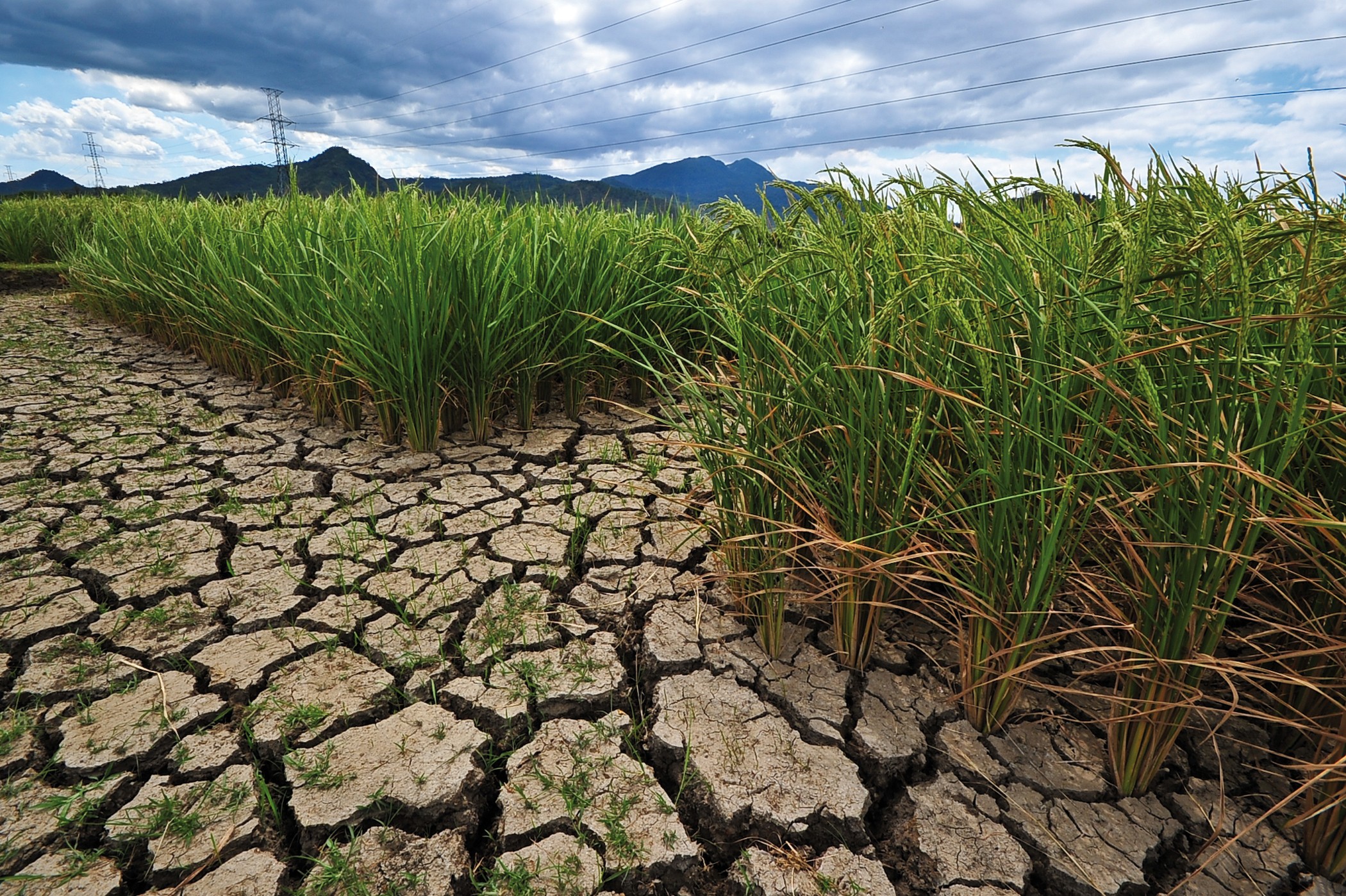
“Timac Agro Ukraine” launches crop insurance against drought
Timac Agro Ukraine, in collaboration with the insurance company PZU, has launched a crop insurance program against drought for farmers in five regions of Ukraine.
26.05.2026

Hansen announces "dialogue with the EIB on new agricultural insurance models"
Integrated European framework for climate resilience 'is on the way'.
26.05.2026
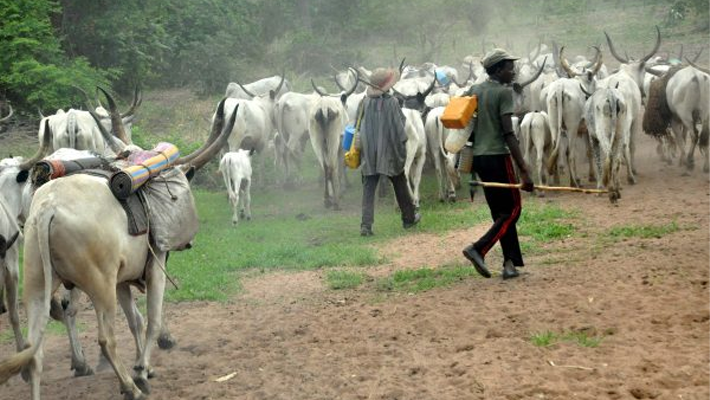
Nigeria - Oyo Steps up Enforcement Against Illegal Livestock Trading, Open Grazing
The Oyo State Government has stepped up enforcement against illegal livestock trading and open grazing, arresting offenders and impounding animals in parts of Ibadan during a fresh compliance operation.
26.05.2026
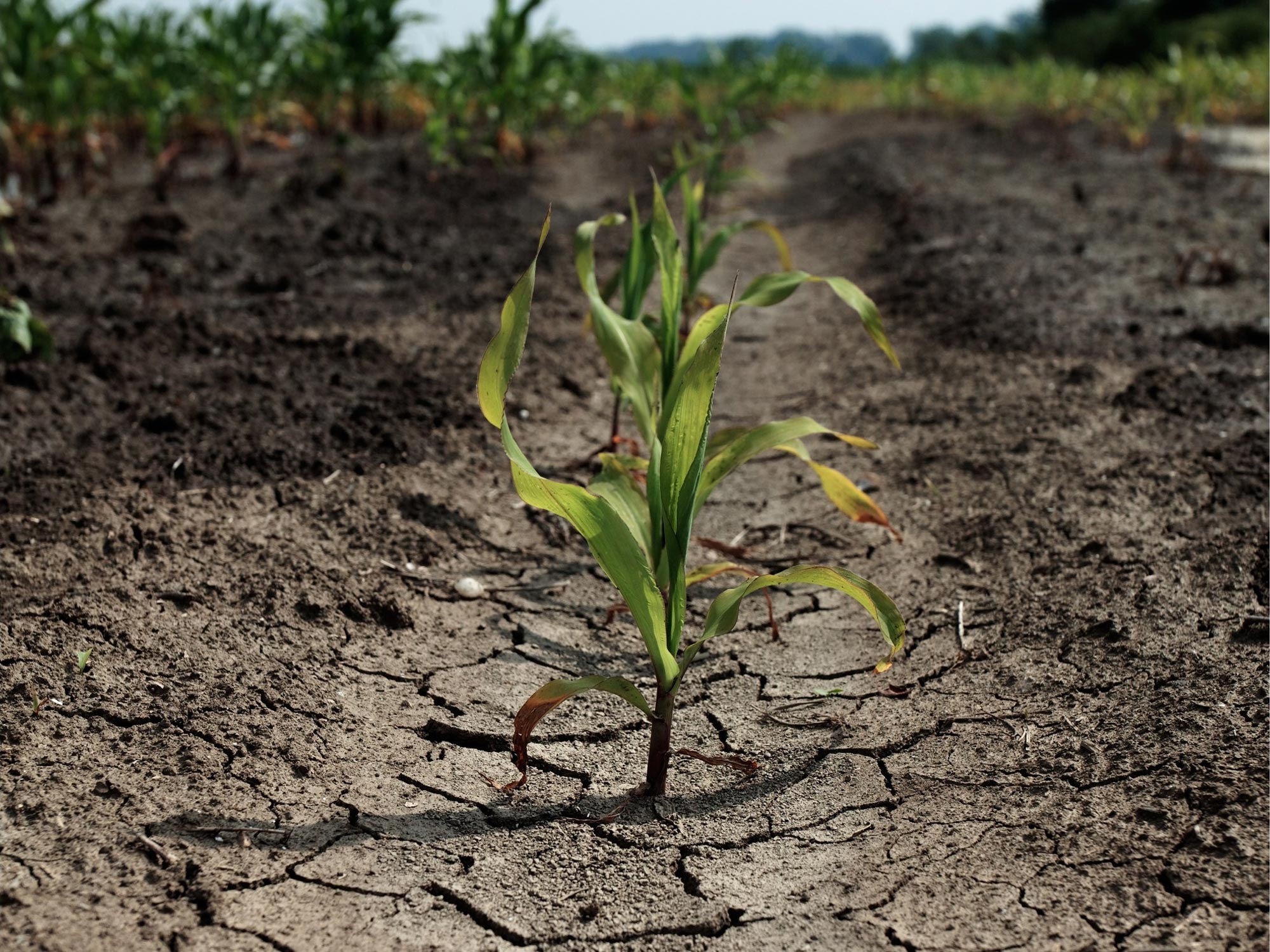
Philippines - Tacloban braces agri, health mitigation measures amid looming super El Niǹo
The City Government of Tacloban has intensified its preparations and mitigation measures as the threat of a possible Super El Niño continues to loom over several parts of the country, bringing concerns over prolonged dry spells, water shortages, and impacts on agriculture and public health.
26.05.2026
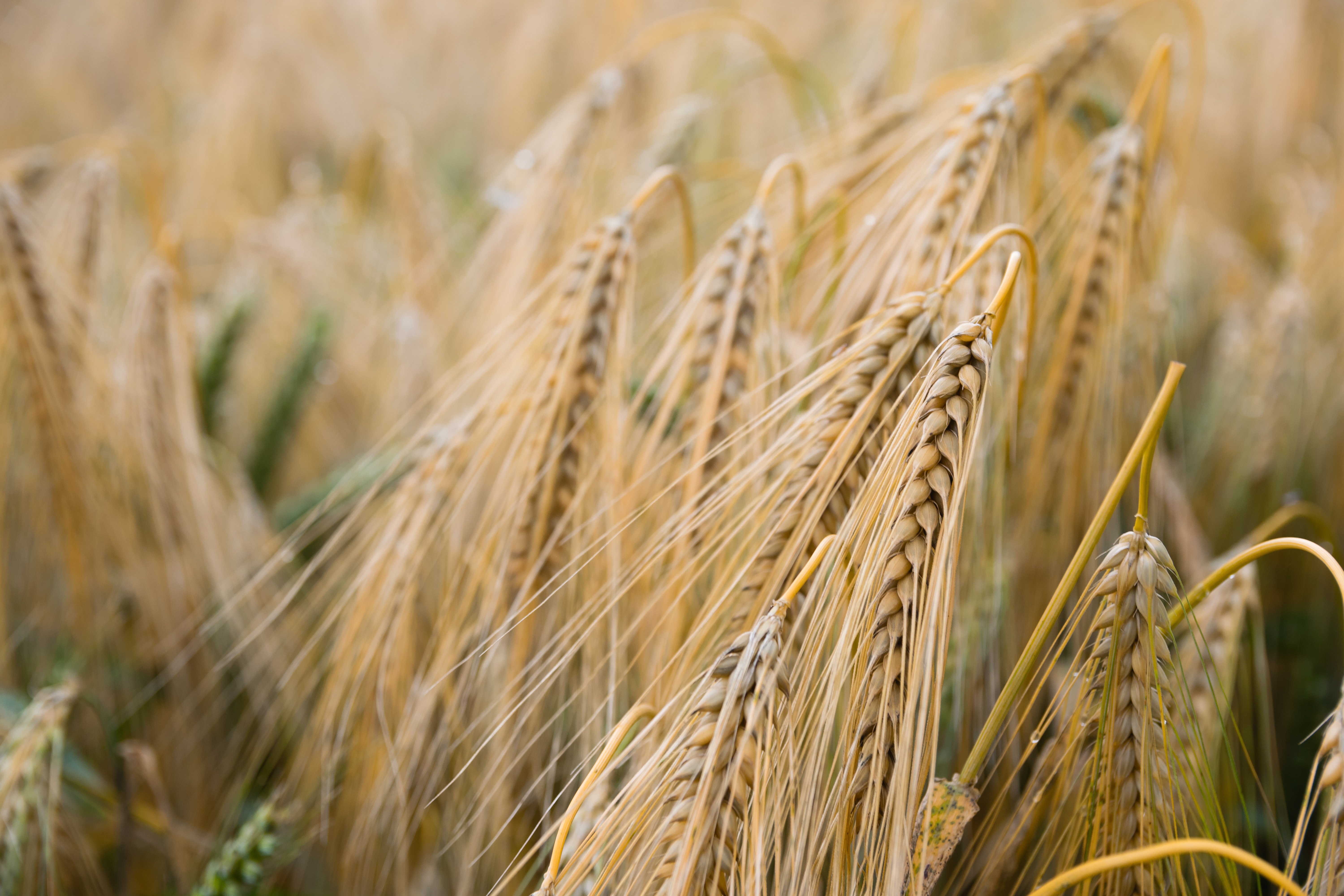
India - Punjab Govt Deploys 500 Teams for Special Girdawari as Rains Damage Wheat
In Punjab, to calculate the damage done to the standing crops in the fields due to the inclement weather for the last many days, the state government has formed teams of 500 officials from the agriculture department to assess losses.
26.05.2026
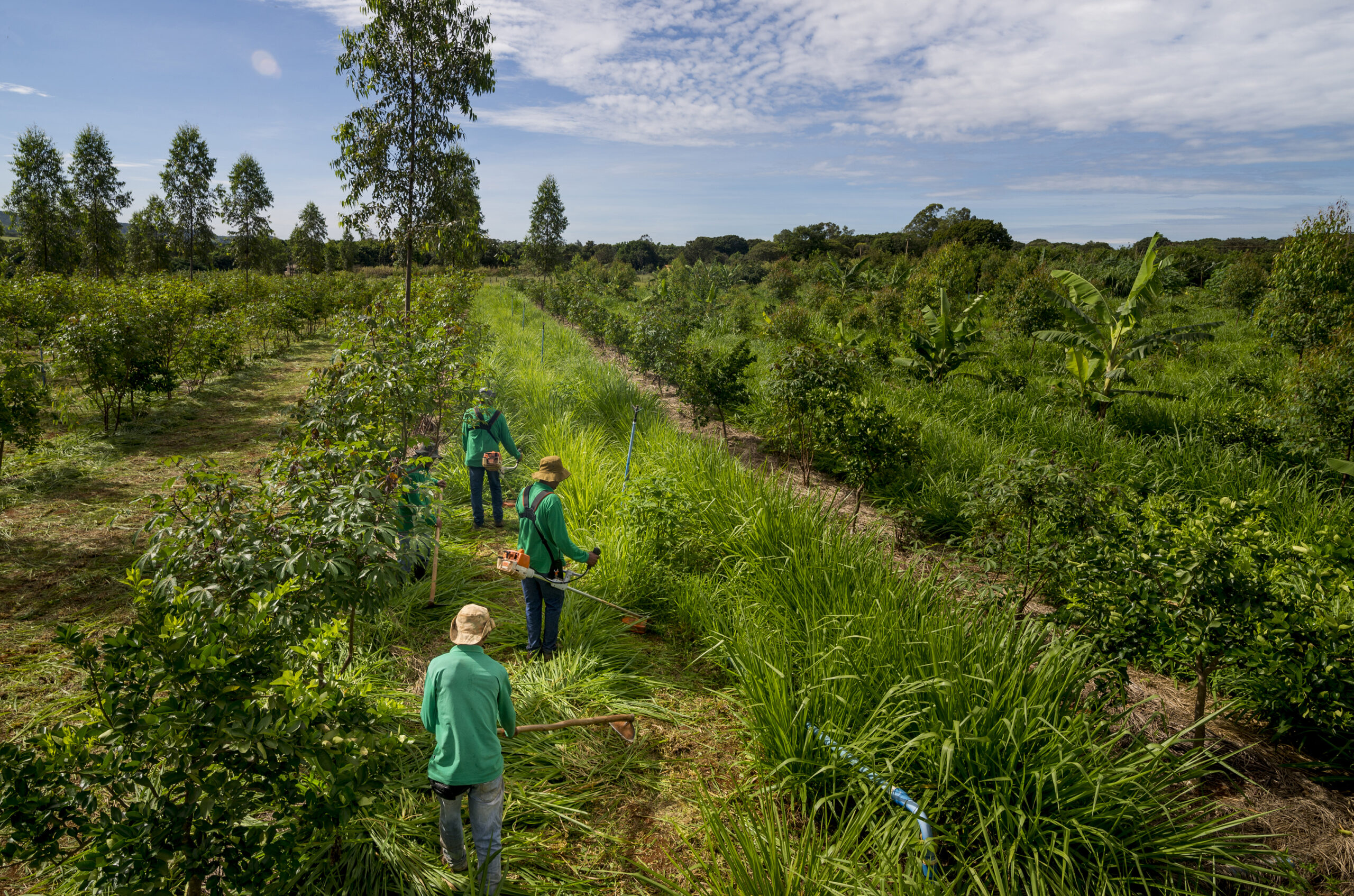
Brazil - Agricultural insurance plummets in Paraná, putting the sector at risk.
Cevio Alberto Mengarda, a soybean and corn producer in Marechal Cândido Rondon, in the western region of Paraná, followed in his father's footsteps in agriculture and today manages the family property.
25.05.2026
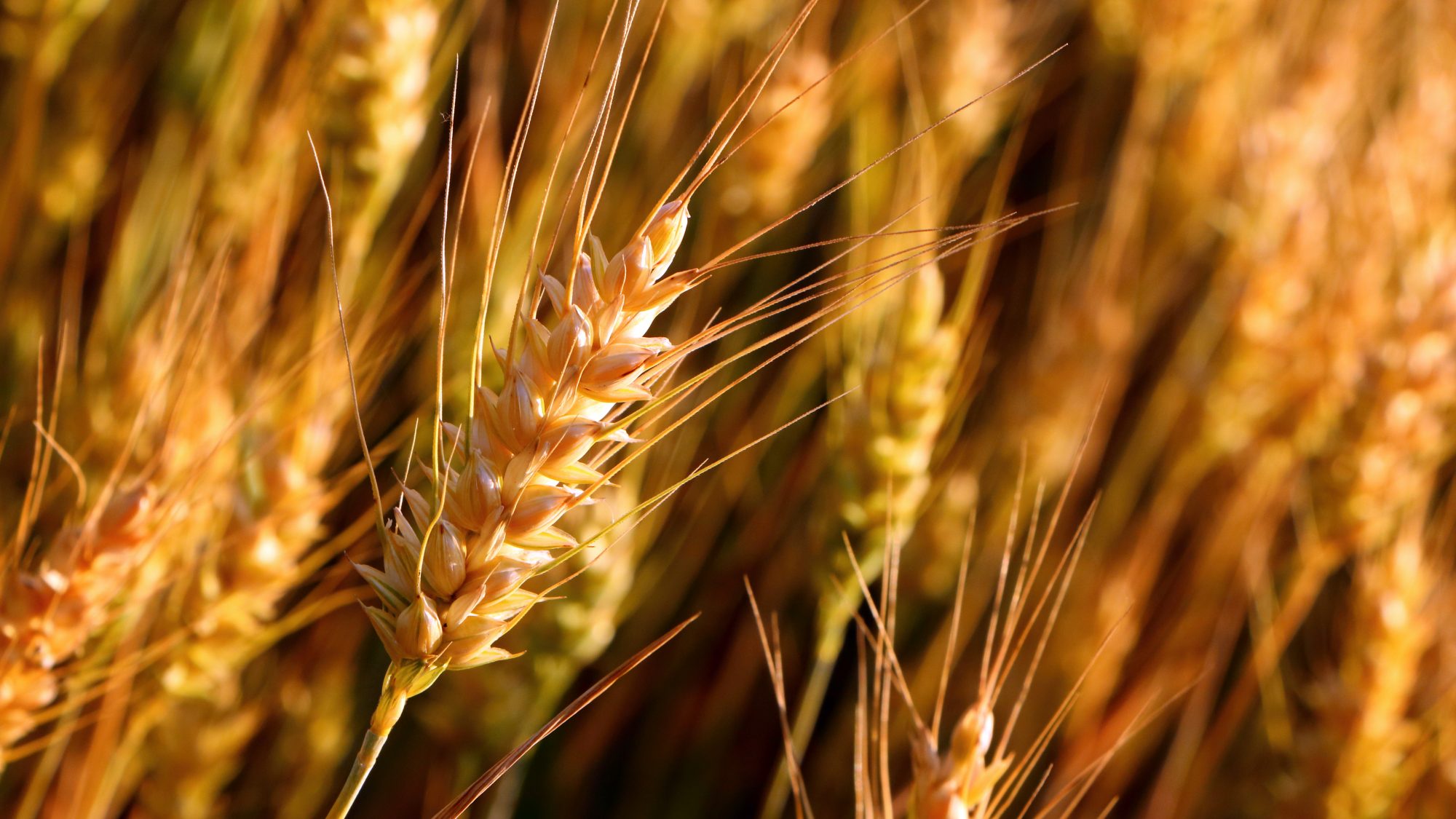
Algeria - CASH Assurances to diversify into agriculture insurance
CASH Assurances will launch agriculture insurance plans in June 2026, as part of its diversification strategy.
25.05.2026

U.S. specialty crop growers push for stronger Farm Bill support
Specialty crop growers in the U.S. are calling for stronger support measures in the 2026 Farm Bill, particularly around risk management, market access, and crop insurance.
